Computers on the way for Mike Thomas’s schools
Working in collaboration with Youth Leading the World Sierra Leone
Address 34 Back Street Mile 91 Sierra Leone E mail itzalpha@ gmail.com
Phone +23299900645 Motto Inspire, Inform, Involve
Historic Context
Future in Our Hands Education and Development Fund were responsible for the financing of initial construction of these schools in Sierra Leone. Following several visits in 1990s and 2000s our founder Mike Thomas, working alongside the local NGO (Future in Our Hands Sierra Leone). Whose Founder Edward Kargbo became a close personal friend and organised the planning and original construction using local labour. We have since funded repairs to these schools after extreme weather events and ensured superior building standards to the initial construction. We believe in grass roots initiatives and are delighted that Alpha Kargbo ( son) carries on the humanitarian work and has been pivotal in promoting school improvement. The plan below is the latest proposed innovation to ensure an education fit for the 21st century for these 2000+ local children.
Planned Activities for 2026
Issue of concern
Sierra Leone faces major computer literacy challenges due to lack of infrastructure (electricity, internet), high costs (devices, data), limited teacher training, outdated curricula, and low overall digital skills, this is particularly true in rural areas, hindering economic participation and access to online services.
Project vision
Computer based learning is crucial for economic empowerment, bridging the digital divide for jobs, fostering entrepreneurship, improving education through global access, and enabling women to combat challenges like gender-based violence, ultimately driving personal growth and national development in an increasingly digital world. This would impact directly on more than 2000 current students and many more in the future
Outline of planned activities
Across all five local primary and secondary schools all bearing the name of the original chairman of Future in Our Hands
1. Mike Thomas Secondary School Masingbi Town Sierra Leone Northern Province Sierra Leone
2. Mike Thomas Secondary School Mile 91 Town Northern Province Sierra Leone.
3. Mike Thomas Primary School Rogbetrr Northern Province Sierra Leone.
4. Mike Thomas Primary School Mile 91 Town Northern Province Sierra Leone.
5. Mike Thomas Primary School Masingbi Town Northern Province Sierra Leone
Construction of additional buildings in all five schools
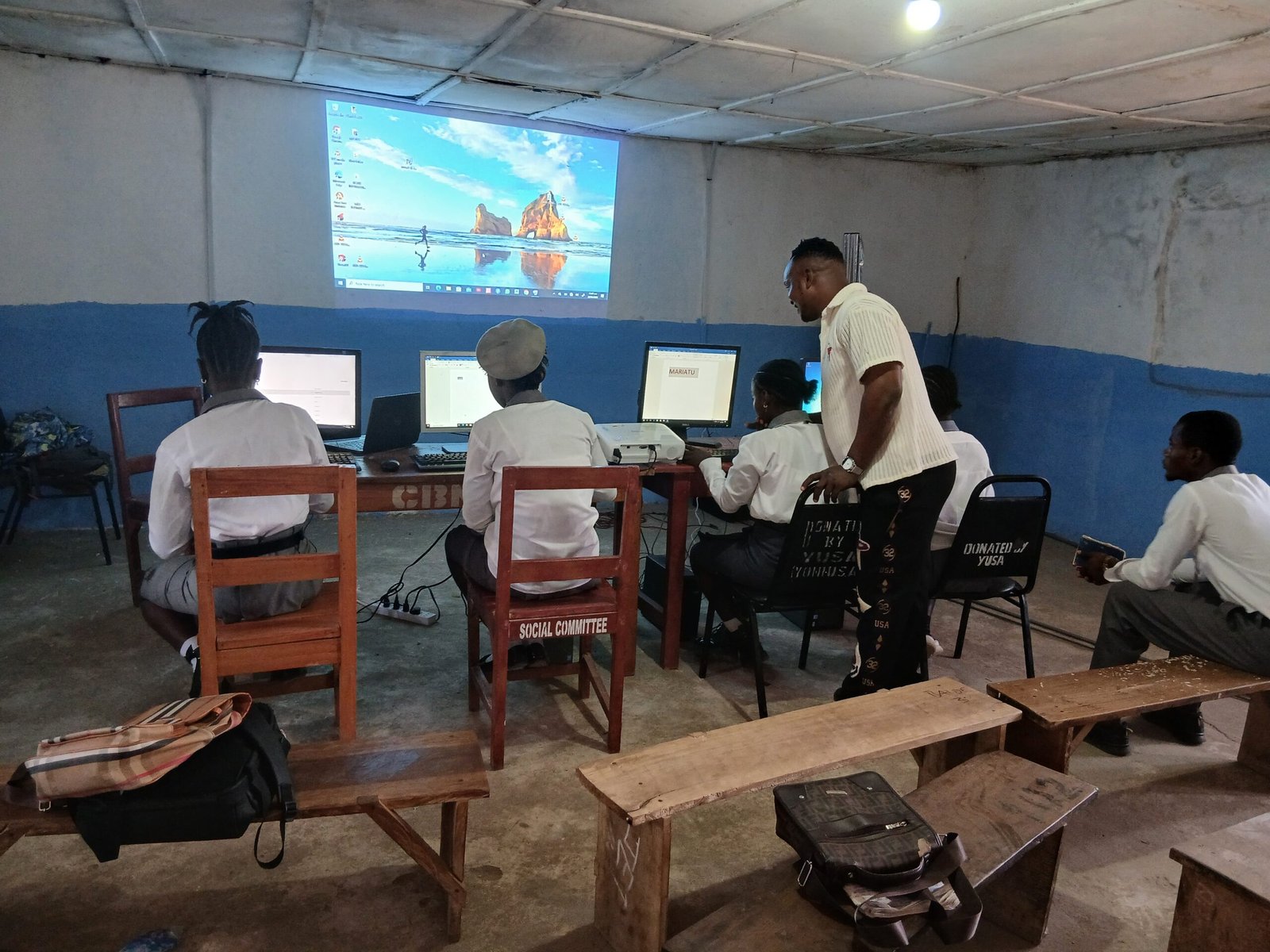
Purchase of projectors and screens for tuition
Purchasing computers for the five schools
Solar installation and battery storage to overcome the local issue of power reliability.
Teacher training
Projected costs
66,000 Leones Current exchange rate March 2026 31 New Le to the GBP so around £2000. More would obviously allow for greater numbers of computers, solar panels, back up batteries and some teacher training.
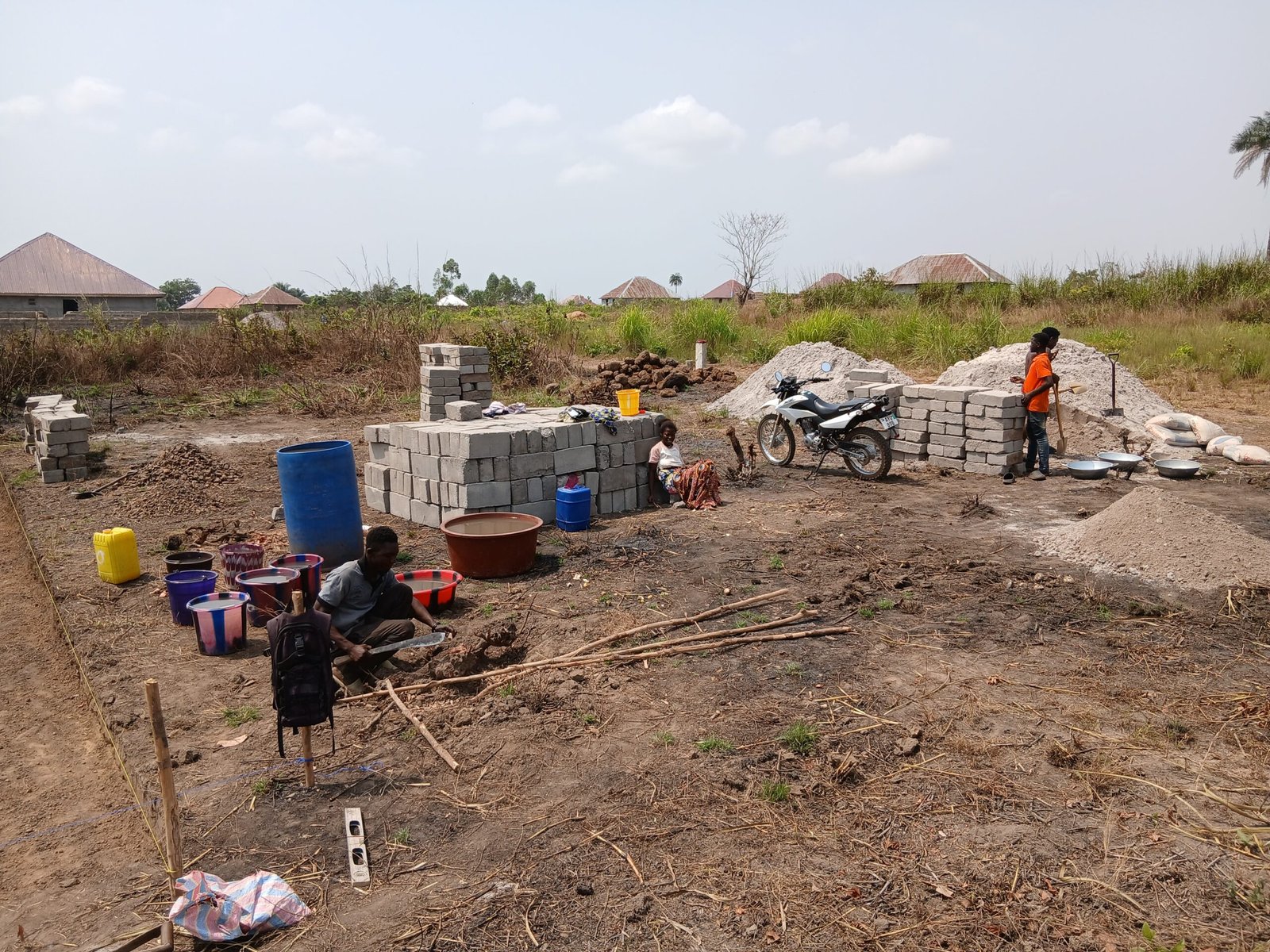
Initial plan of proposed construction
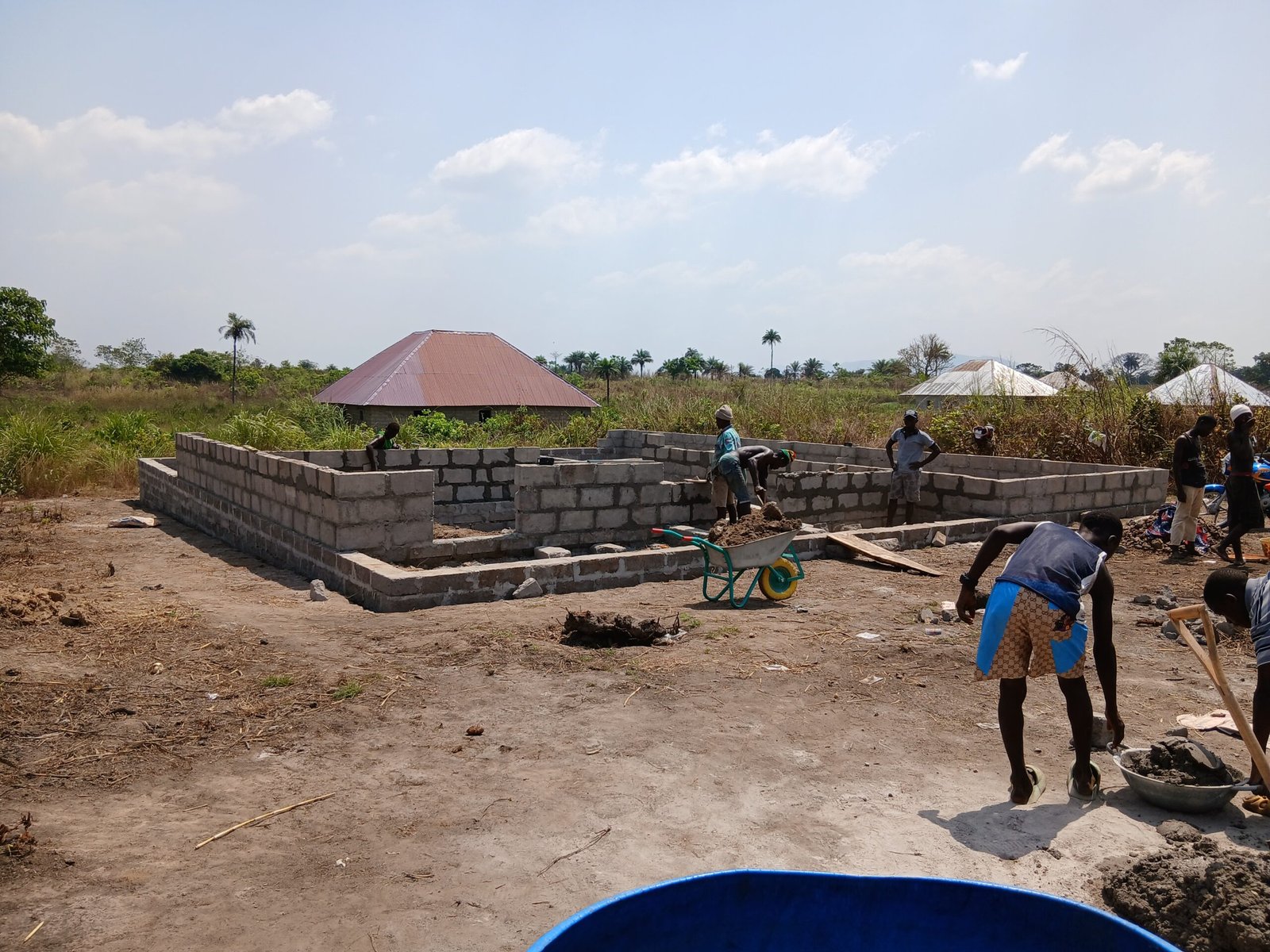
Progress on the fundamental block work
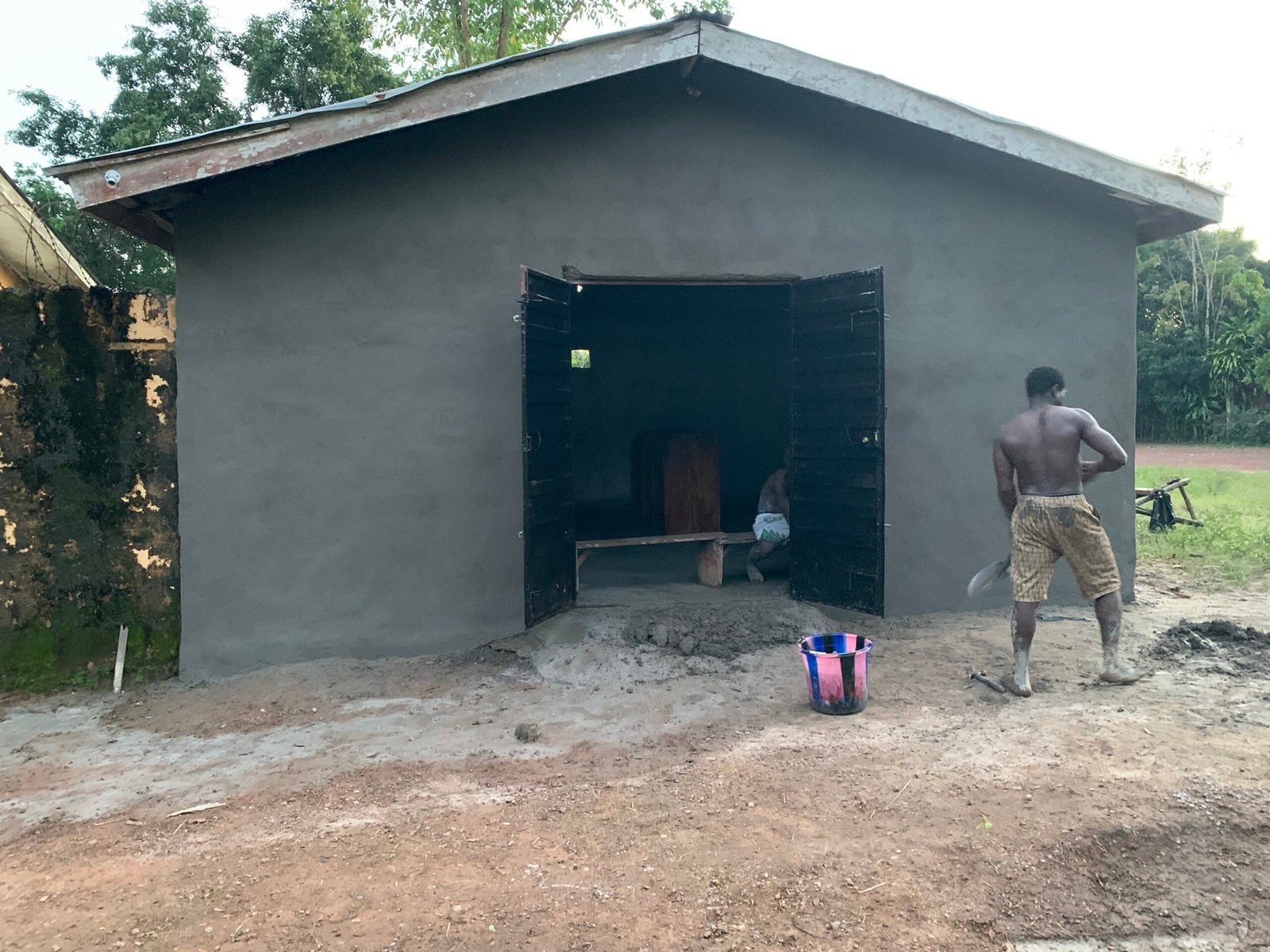
Well on the way to completion
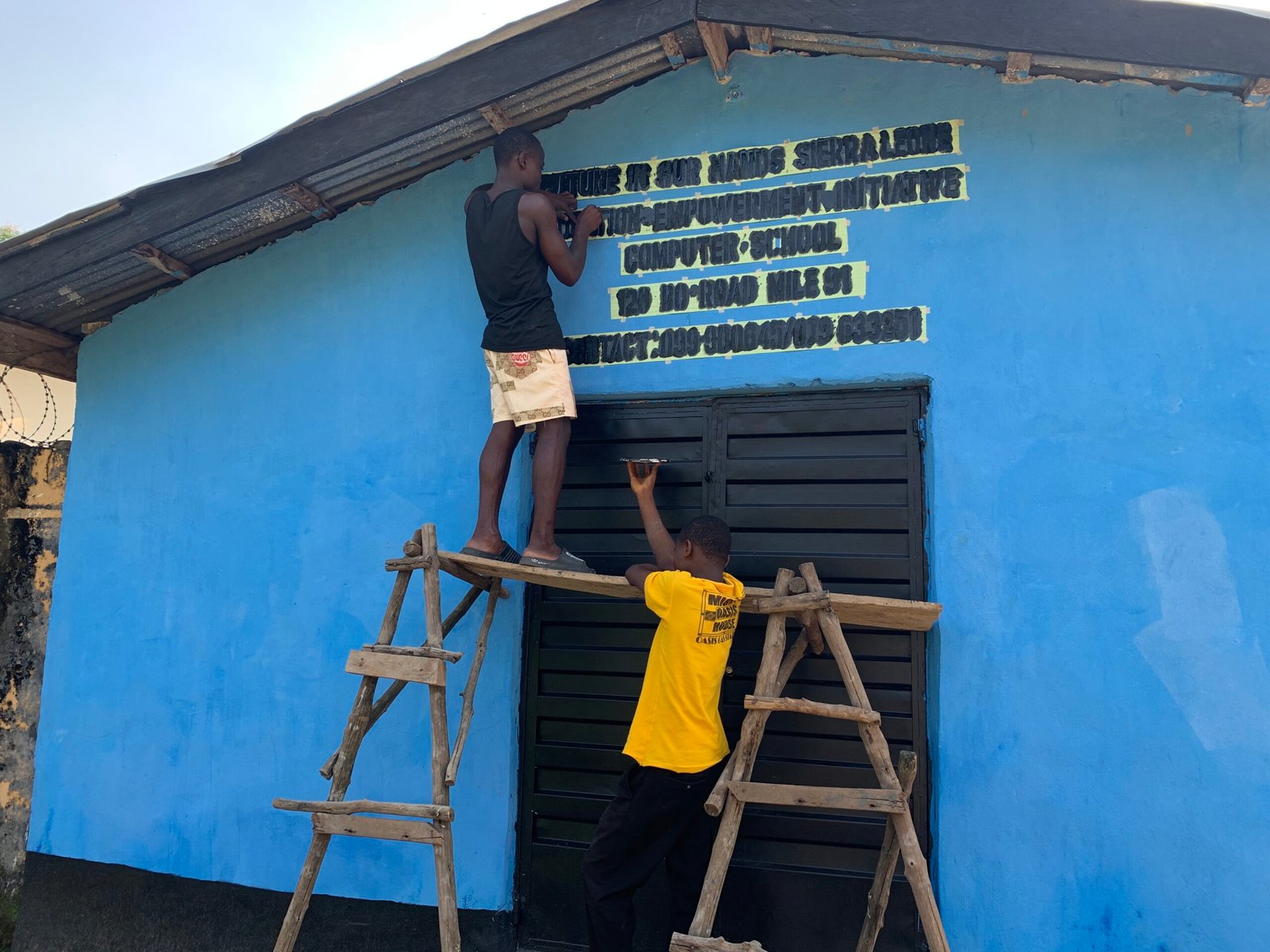
Finishing touches
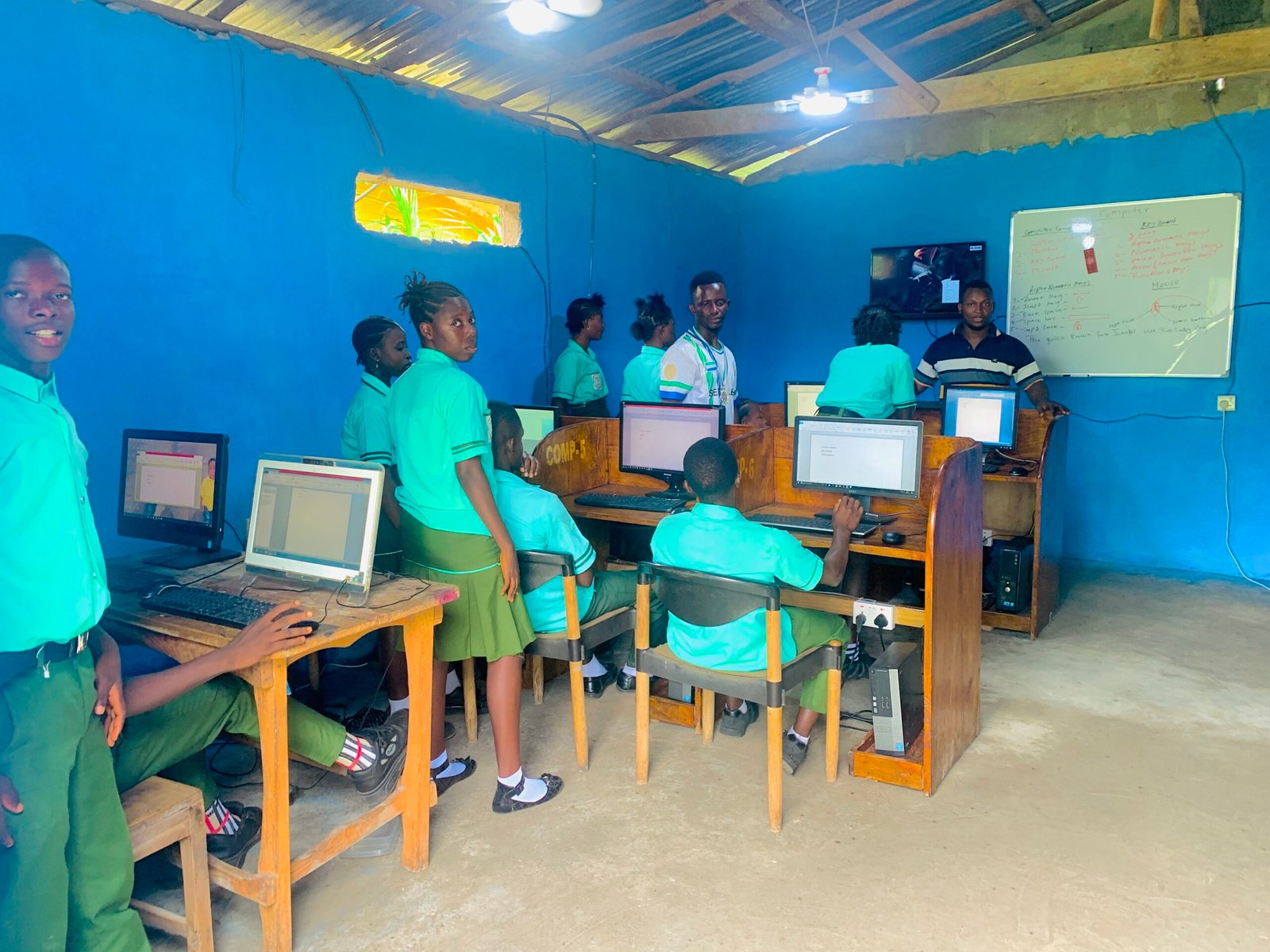
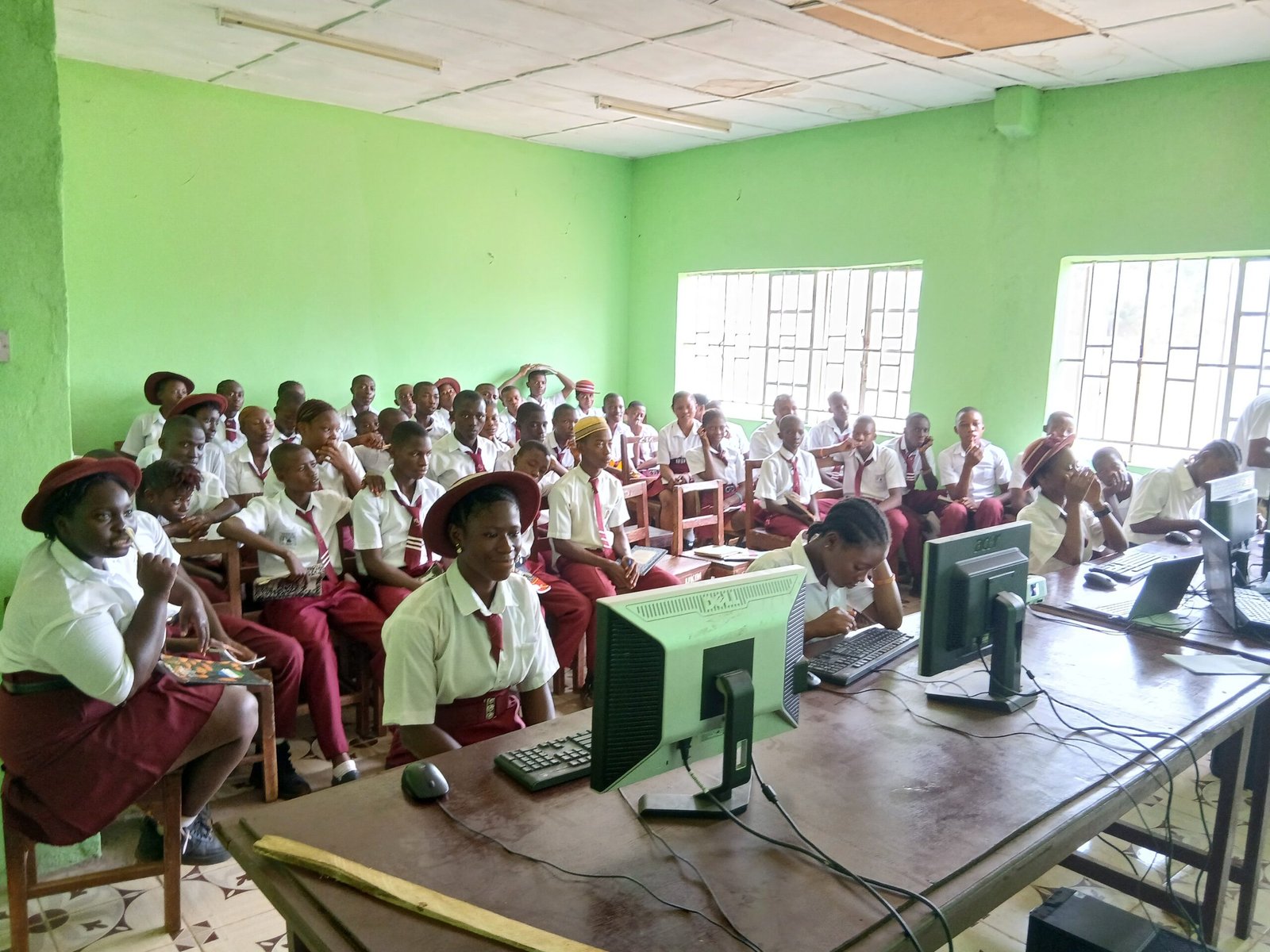
Pupil engagement and pride in the new facility
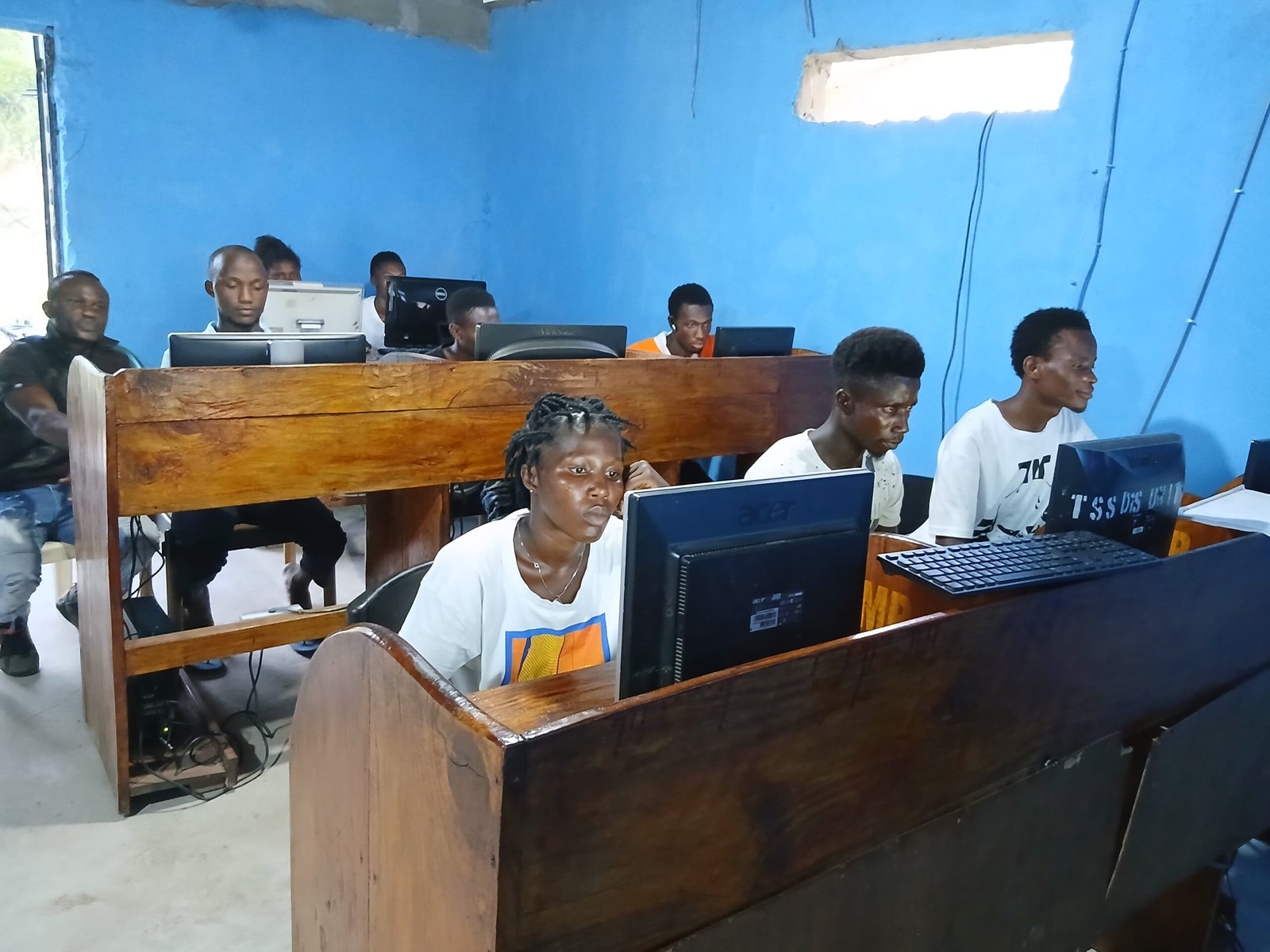
Engaged students
This was the first school equipped and fully working by the end of 2025. We seek to achieve the same in four more schools throughout 2026. If you think you can help the next generation establish the skills needed for the modern world please donate.
New Nursery School for Malawi Summer 2025
Village of Wamuzare Euthini near Mzuzu. Malawi
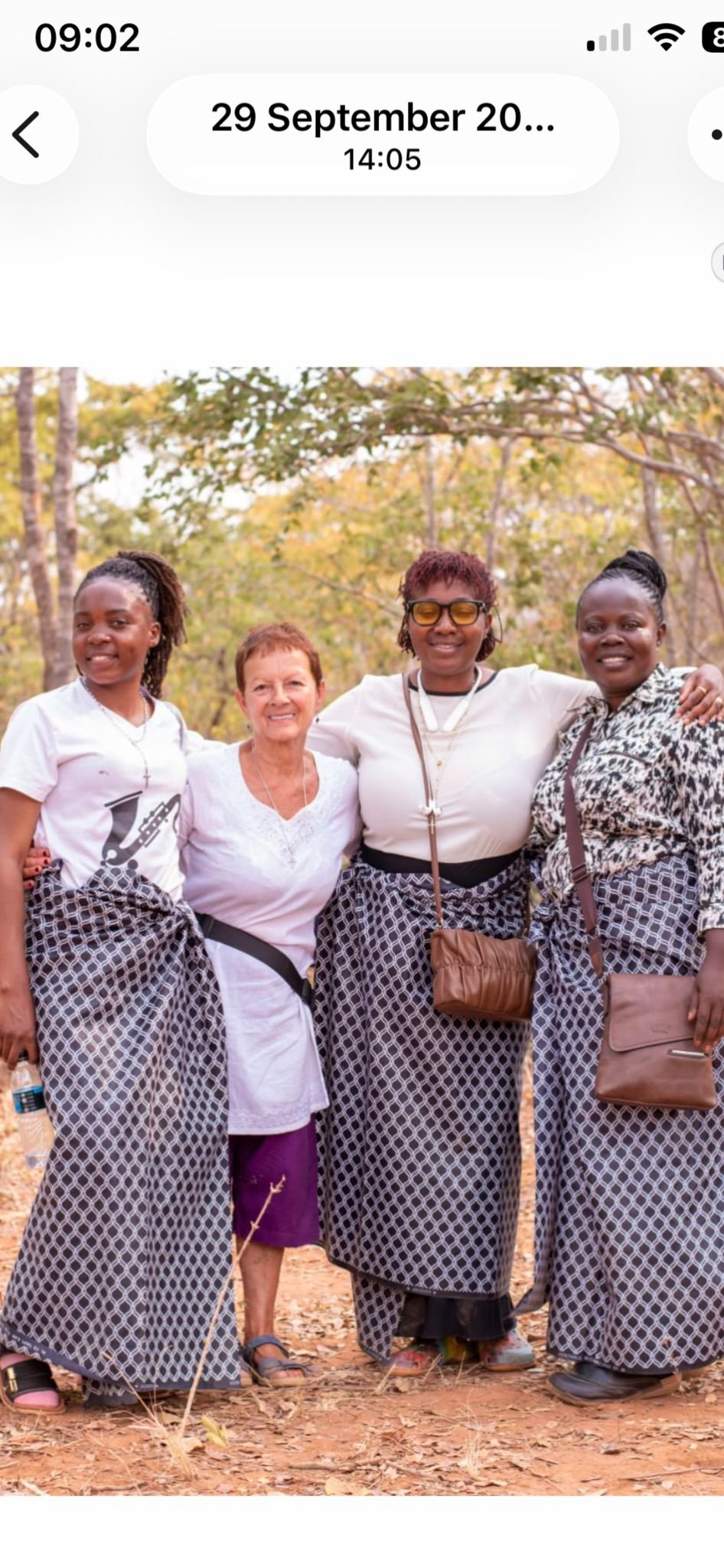
Lasallian Outeach Projects. A chance meeting with a lovely lady from Malawi (Leah),who has requested that, if possible, we could make best use of the land that they own in her village Wamuzare Euthini. Her mother (Ella) died last year and she would like to dedicate the efforts we hope to make a suitable dedication to her mother. Moreover, the local community are invested in this initiative are willing to help in whatever way they can.
Proposal for the Establishment of Ella’s Foundation
Introduction
The Ella’s Foundation is dedicated to uplifting the community of Wamazure Euthini Village by fostering a collaborative approach to sustainable farming, education, and female empowerment. Central to our mission is the belief that change is a two-way street—the foundation aims to work hand-in-hand with the community, empowering the youth and local residents to take an active role in the development and execution of initiatives. Through dynamic partnerships, we seek to create a sustainable environment where the community thrives, with the youth leading the charge in building a brighter future.
Vision
To create a dynamic, self-sufficient community in Wamazure Euthini Village, where the youth, in partnership with Ella’s Foundation, are actively involved in shaping a future of empowerment, education, and sustainable living.
Core Focus Areas
The foundation will focus on the following key areas, with a commitment to community involvement and leadership:
- Youth-Led Development and Empowerment:
- Engaging the youth as active partners in the planning and implementation of farming, educational, and entrepreneurial initiatives.
- Establishing youth leadership teams to collaborate with the foundation, bringing fresh ideas and local knowledge to the forefront.
- Providing educational programs that focus not just on skill development of Maths, Science and English but also on but on developing the child as a whole, creating an understanding and awareness of their mental health, providing leadership programs, decision-making, and community responsibility training.
- Female Empowerment and Health Education:
- Involving young women in shaping and leading programs aimed at reducing early pregnancies and promoting gender equality.
- Creating mentorship opportunities for young females, with a focus on helping them design their own paths toward independence and career success.
- Offering reproductive health education and life skills training, while ensuring young women have an active role in running these programs.
- Sustainable Farming and Income Generation:
- Partnering with the community to co-design and co-manage sustainable farms that provide food security and economic opportunities for the village.
- Encouraging innovation and local input into farming methods, empowering the community to adapt traditional knowledge with modern techniques.
- Building cooperative farming models where profits are shared, and decision-making is collective.
- Community-Led Early Education and Adult Learning:
- Developing nursery schools that are run by local teachers and community volunteers, with the foundation acting as a facilitator and resource provider.
- Empowering parents by offering adult education and life skills training, helping them contribute to the community’s economic growth.
- Co-creating programs where community members, parents, and educators contribute to curriculum development and early learning activities.
Nursery School Now completed Sept 2025
This facility will cater to the early learning needs of children in the community. It will include:
- Classrooms designed for children aged 2-5 years, promoting early childhood development.
- Outdoor play areas for physical activity and social interaction.
- Facilities such as restrooms, a small kitchen for snack preparation, and nap rooms.
Primary School Vision and target for 2026
The primary school will provide education for children aged 5-11 years. The building will include:
- Classrooms for each grade level.
- A multi-purpose hall for assemblies, sports, and school events.
- Administrative offices for staff, a staff room, and meeting spaces for teachers.
- A playground for physical education and recreation.
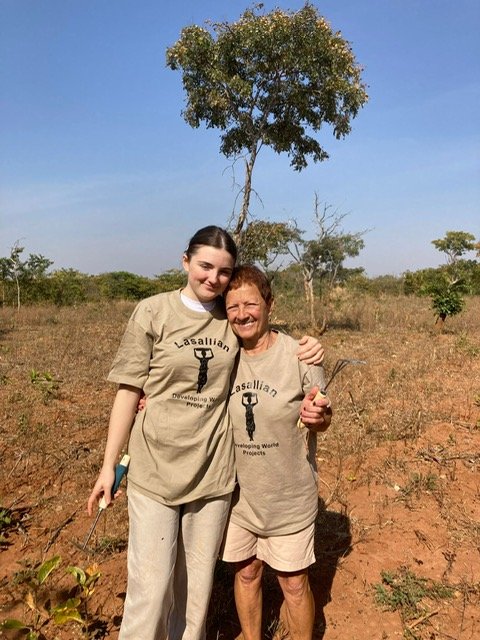
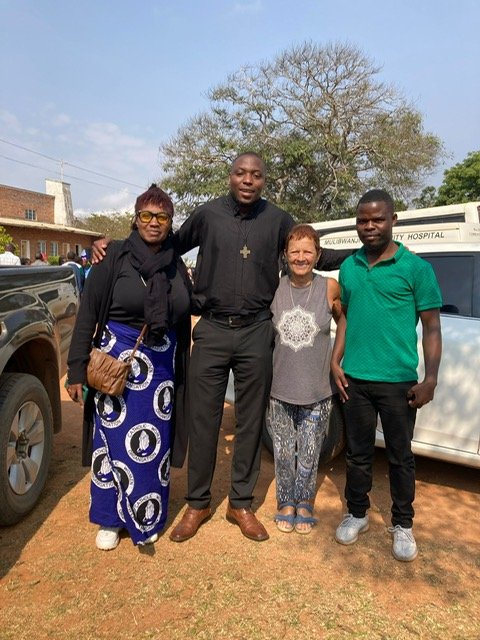
The build team of locals, clergy and Lasallian outreach volunteers
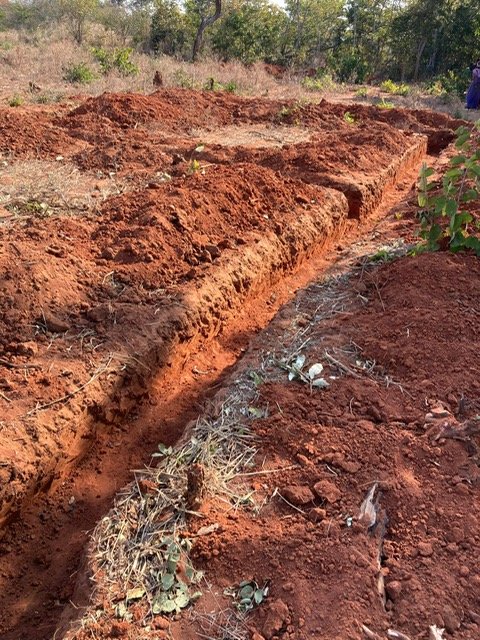
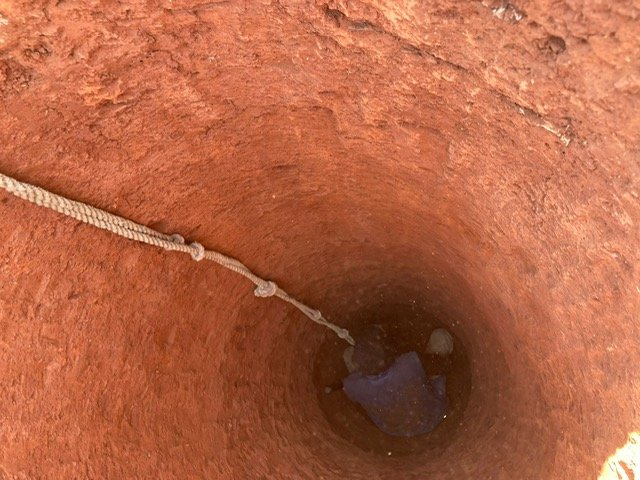
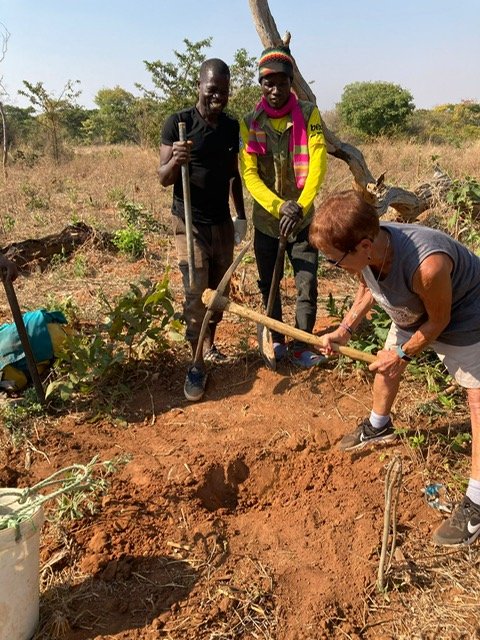
Initial preparation of footings and well for clean water
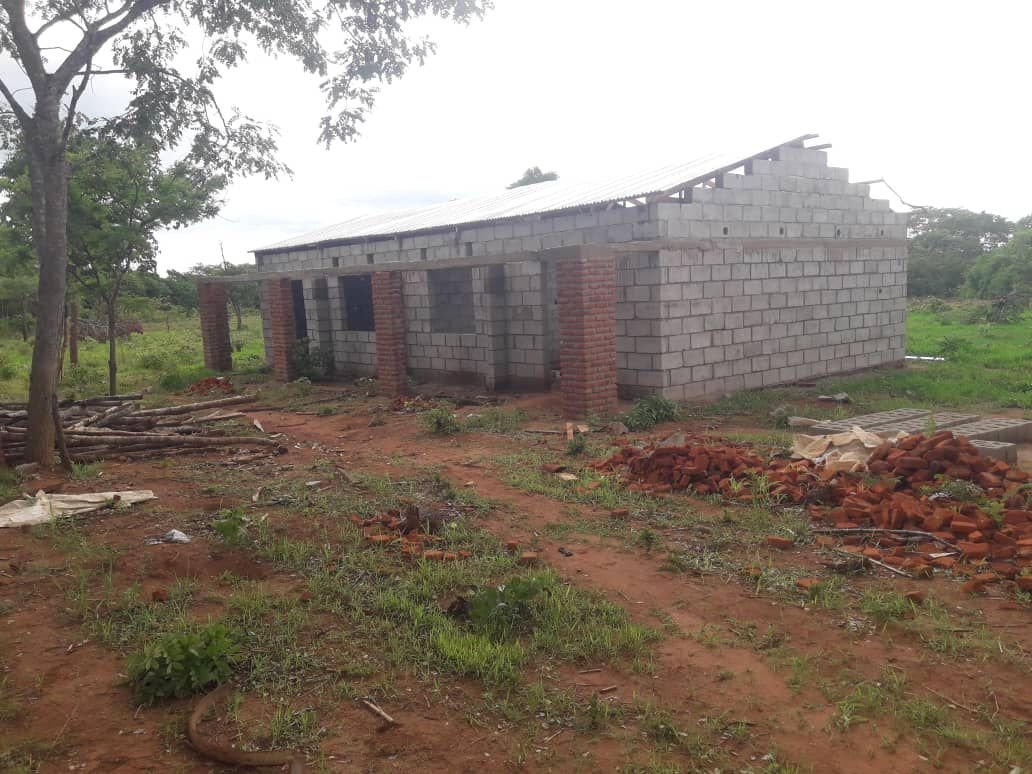
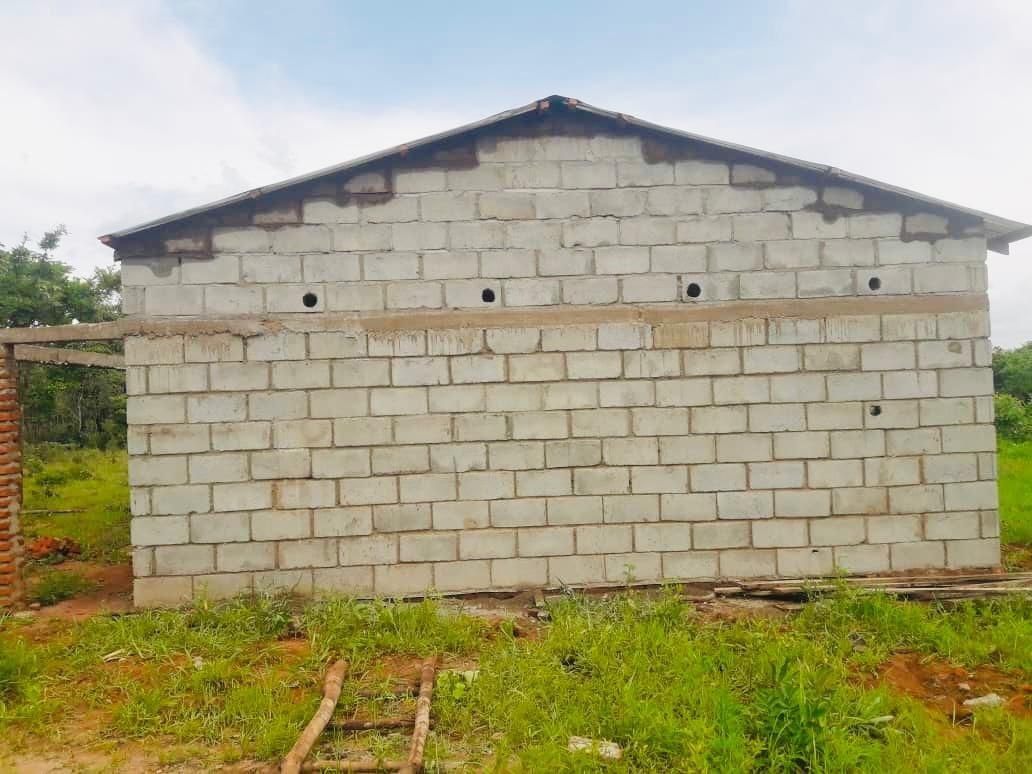
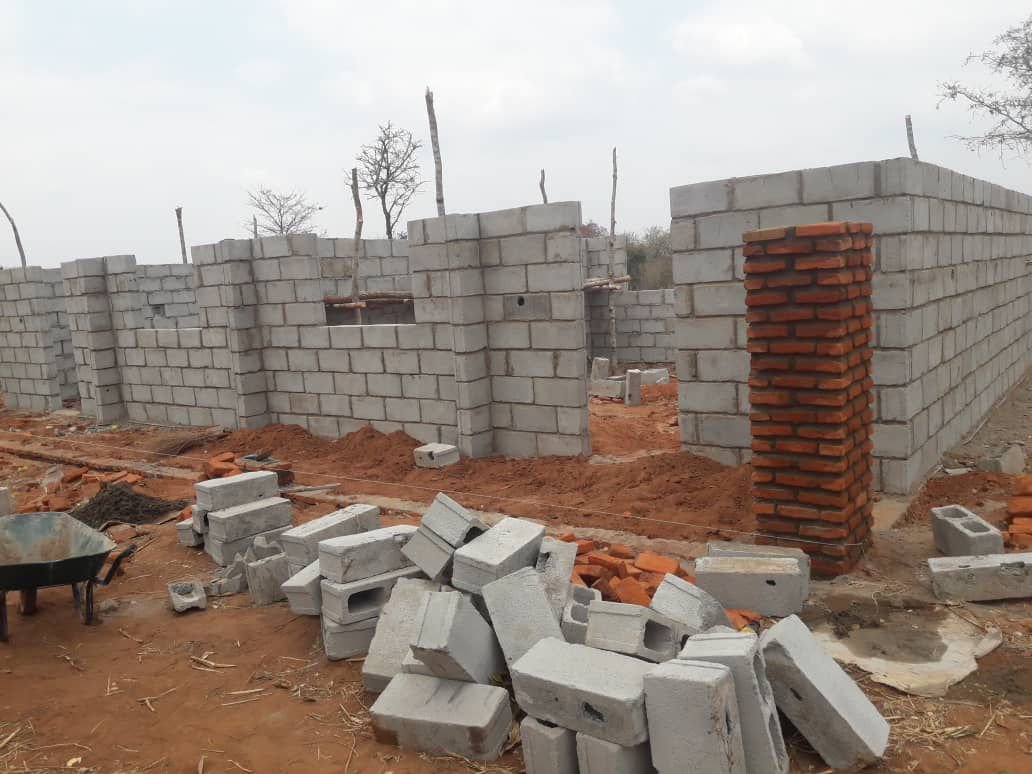
Transformation by block work
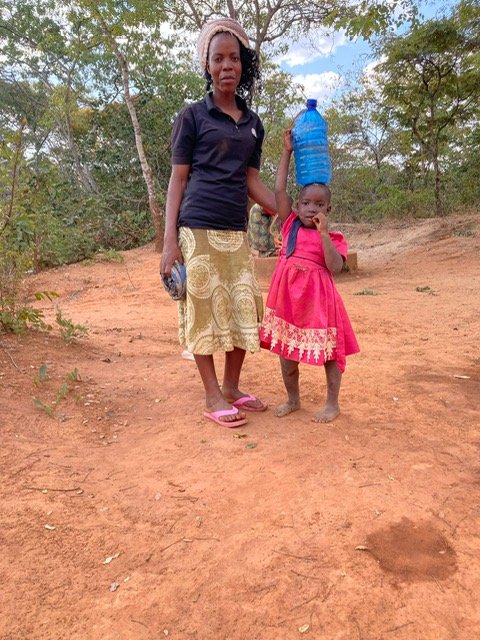
Happy new parents and customers
- Additional objectives
- To highlight the risks in the area of HIV and how best to cope.
- How do we keep our young people from leaving Malawi because of lack of opportunity and employment
Installation of Solar panels for sustainability in collaboration with www.lightsforlearning.org
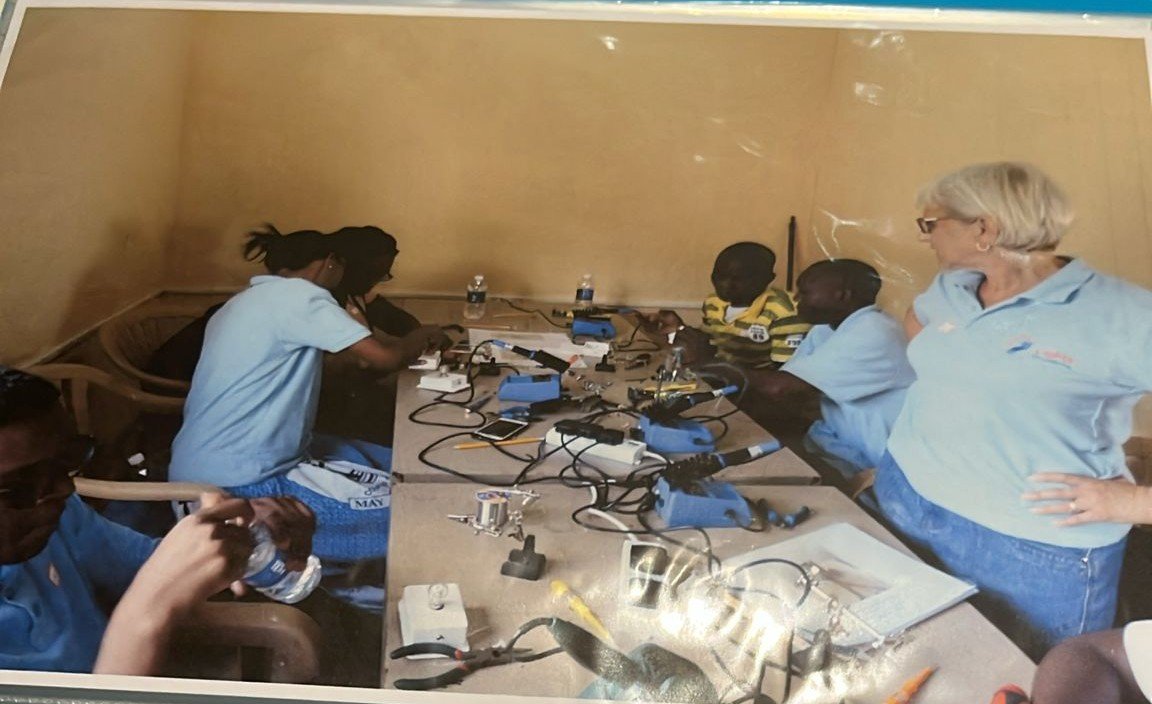
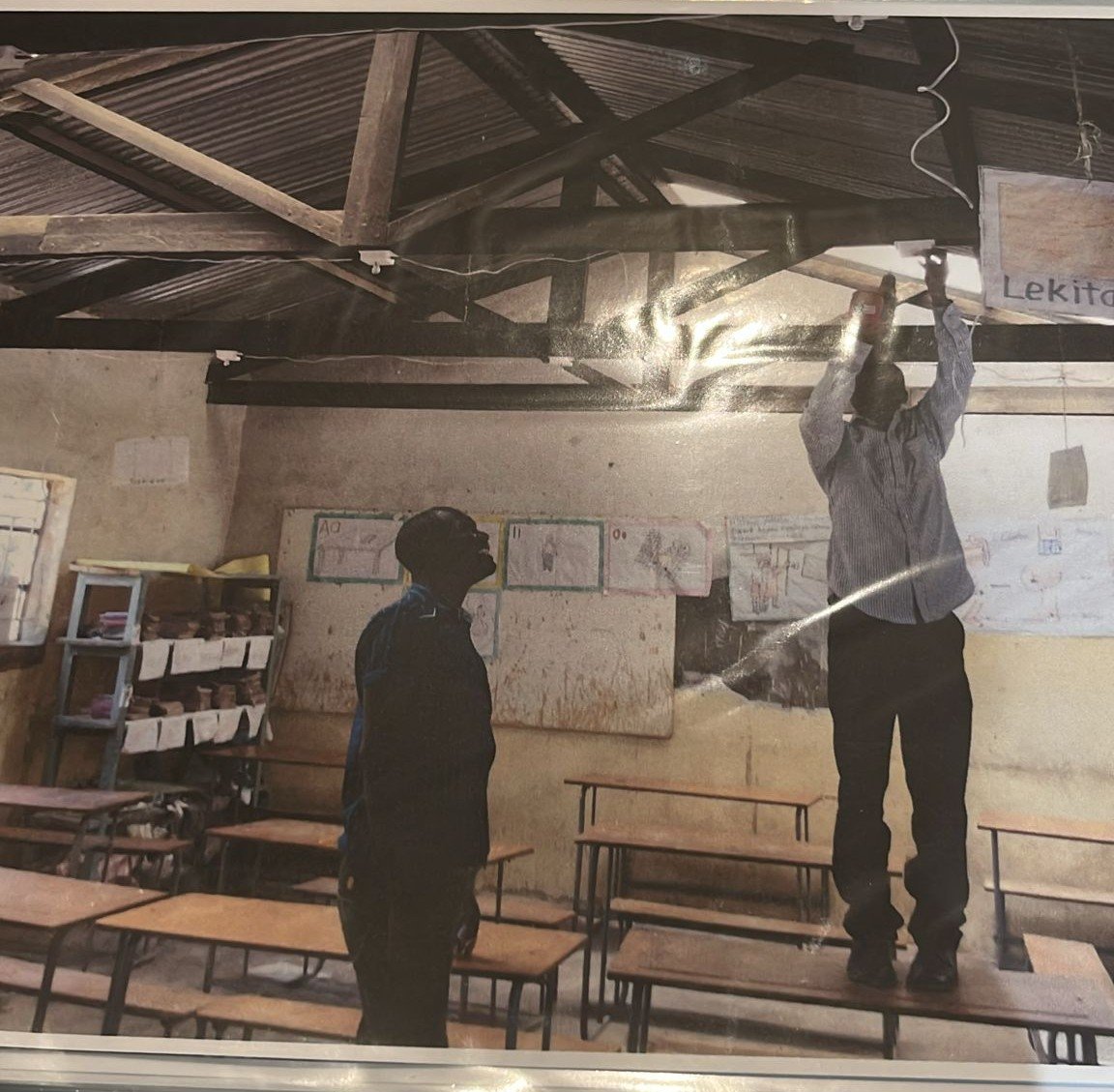
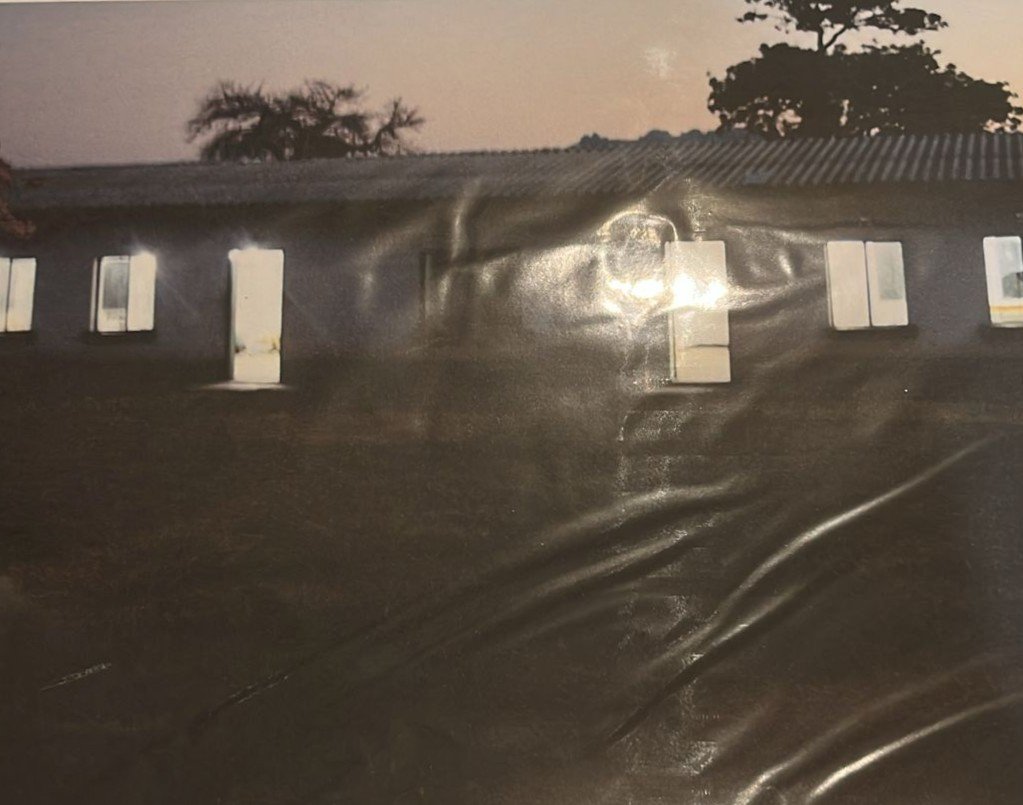
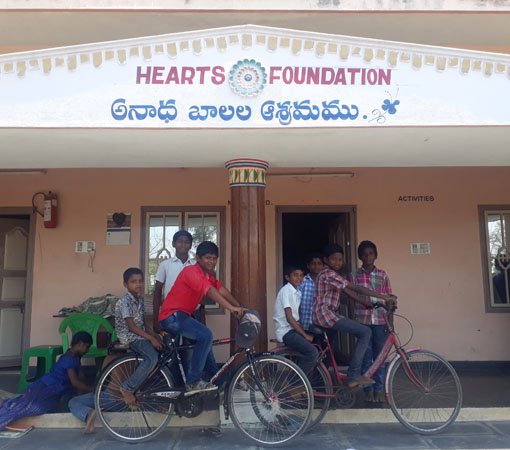
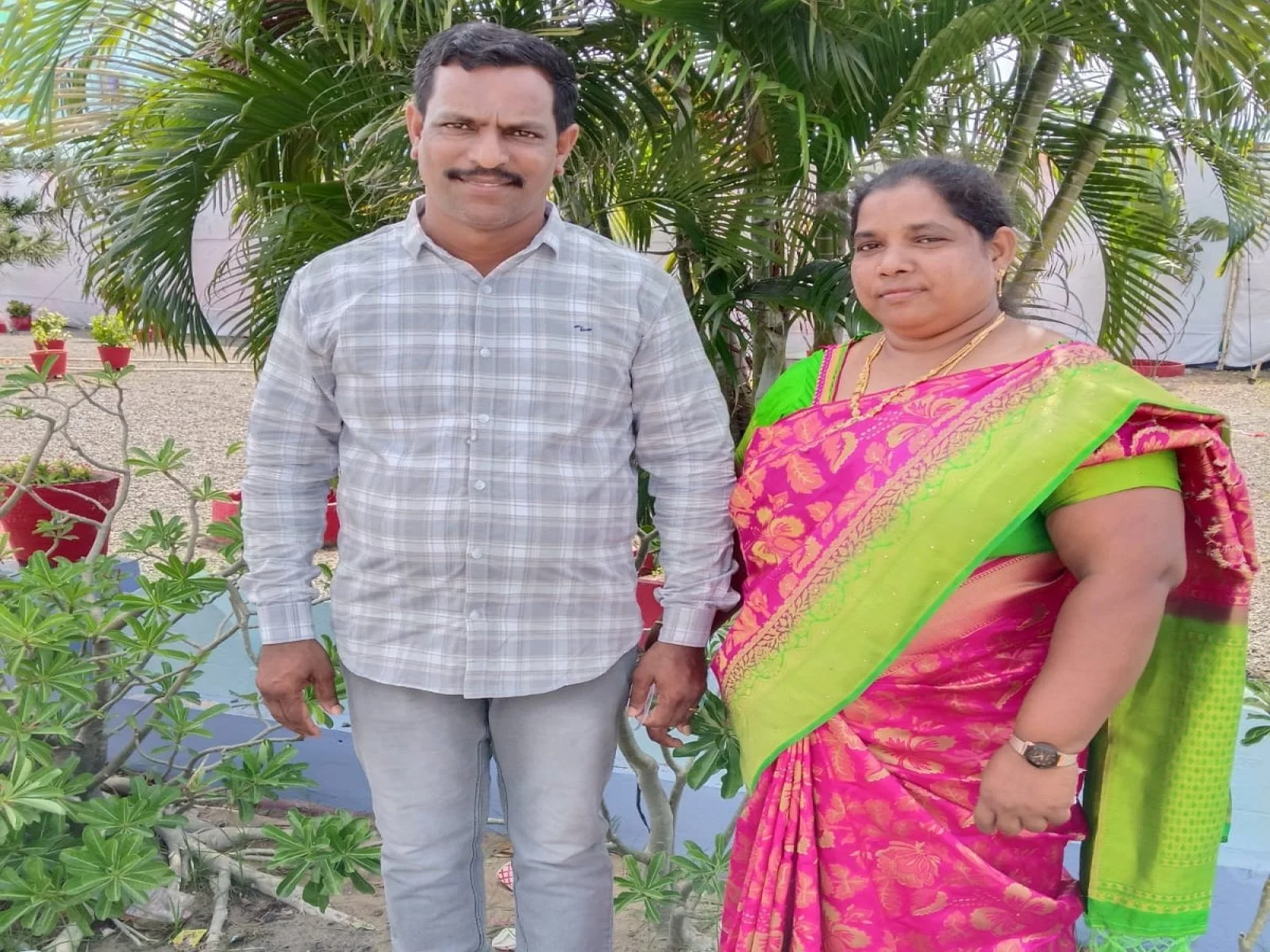
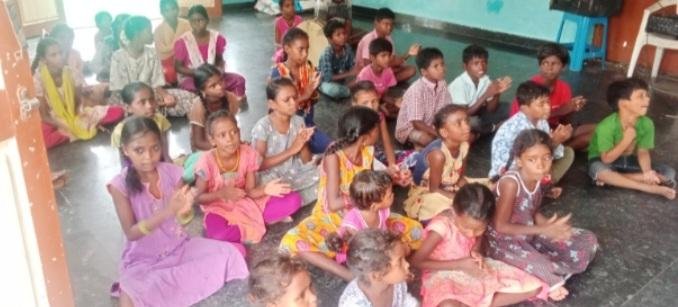
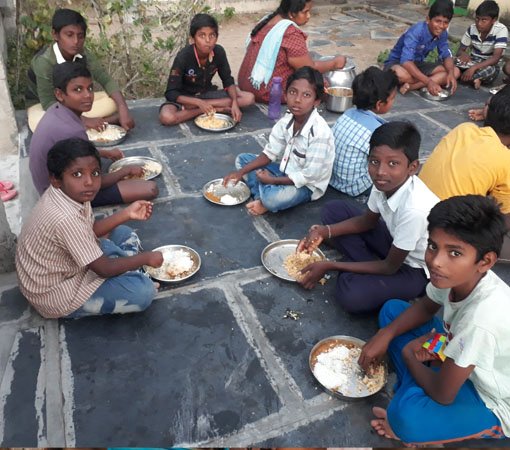
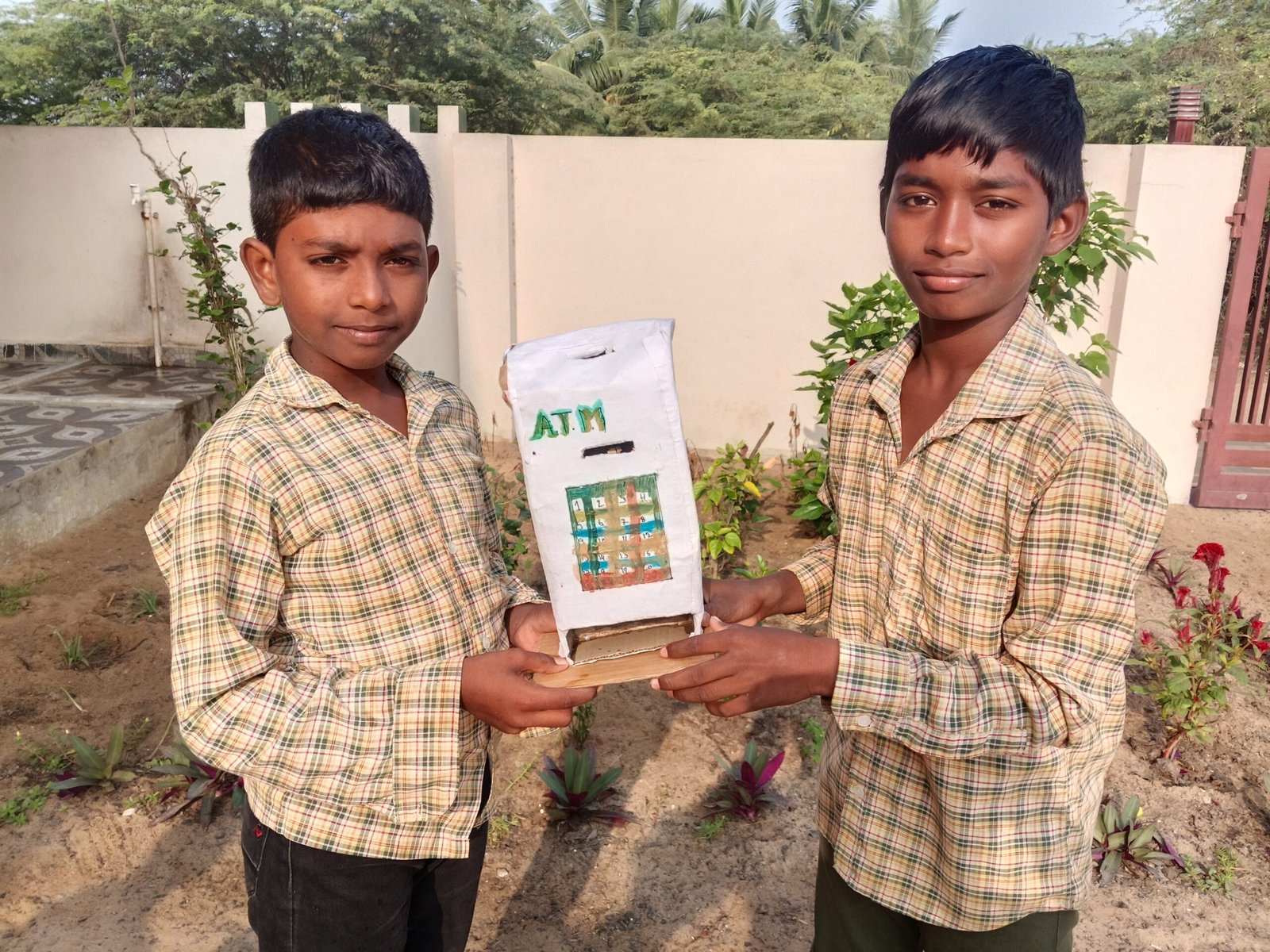
Hearts Indian Charitable Trust NGO working in collaboration with FIOH
Helping today for a better tomorrow
Our Vision
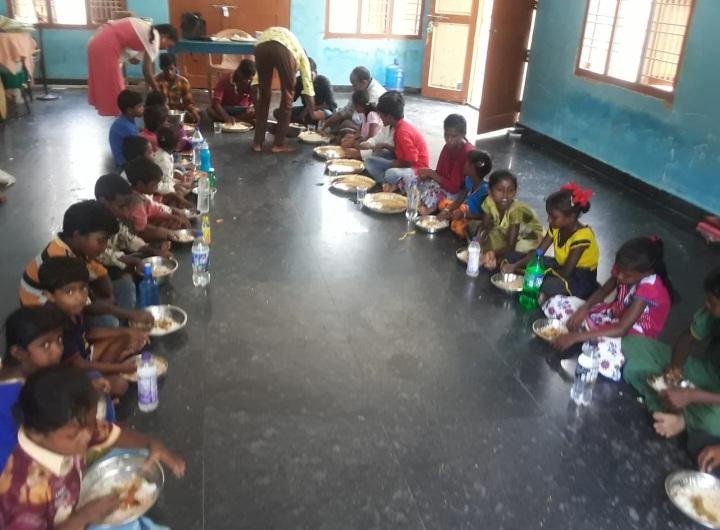
To provide nutritious food, clean drinking water, and safe shelter for underprivileged children.
To ensure access to quality education, school supplies, and digital learning support for poor and orphaned children.
To organize health camps, vaccinations, and regular medical check-ups for children and mothers.
To support orphans, differently-abled children, and children with special needs with love, care, and rehabilitation services.
To create awareness on child rights, stop child labour, and protect children from abuse and exploitation.
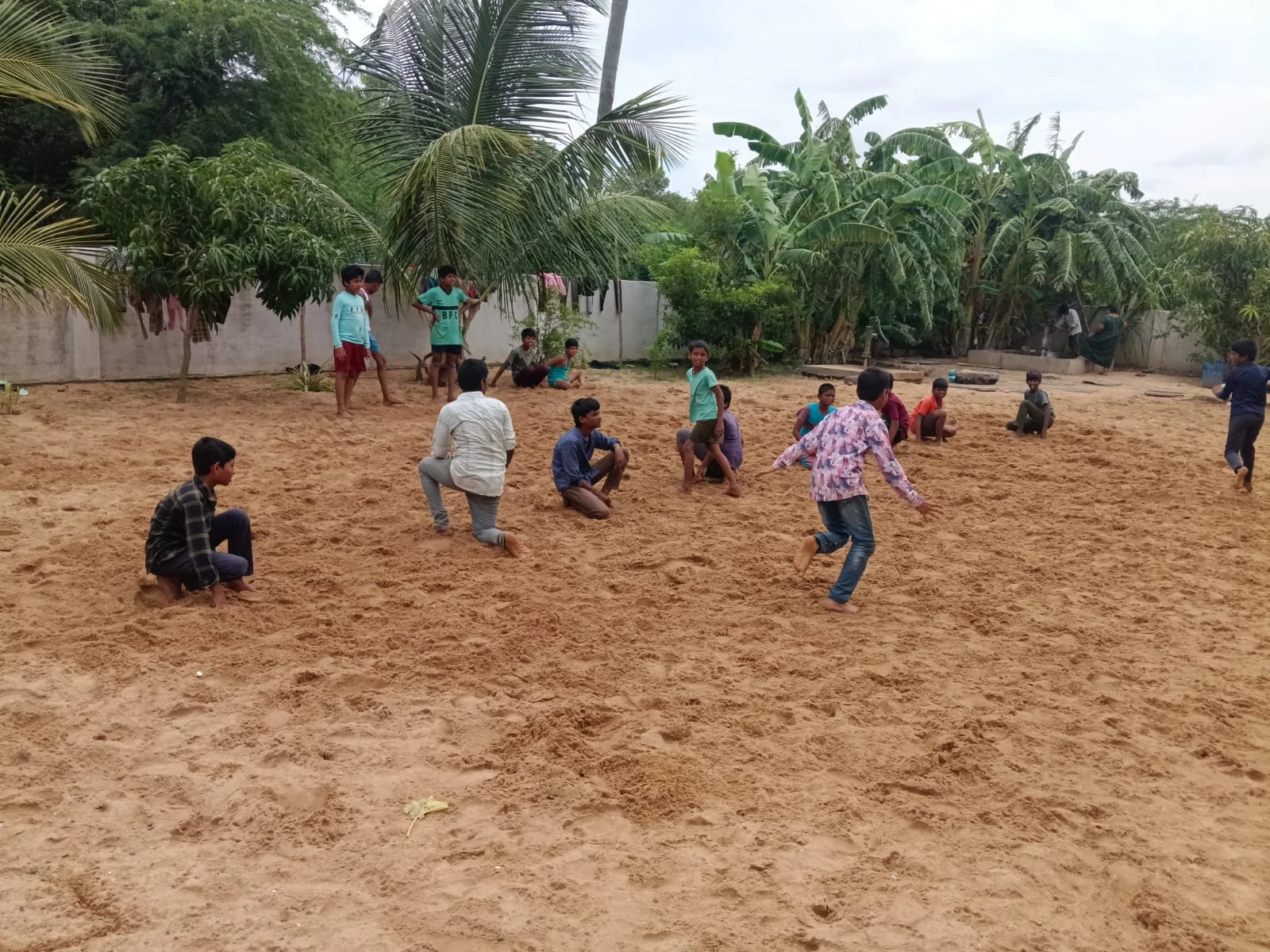
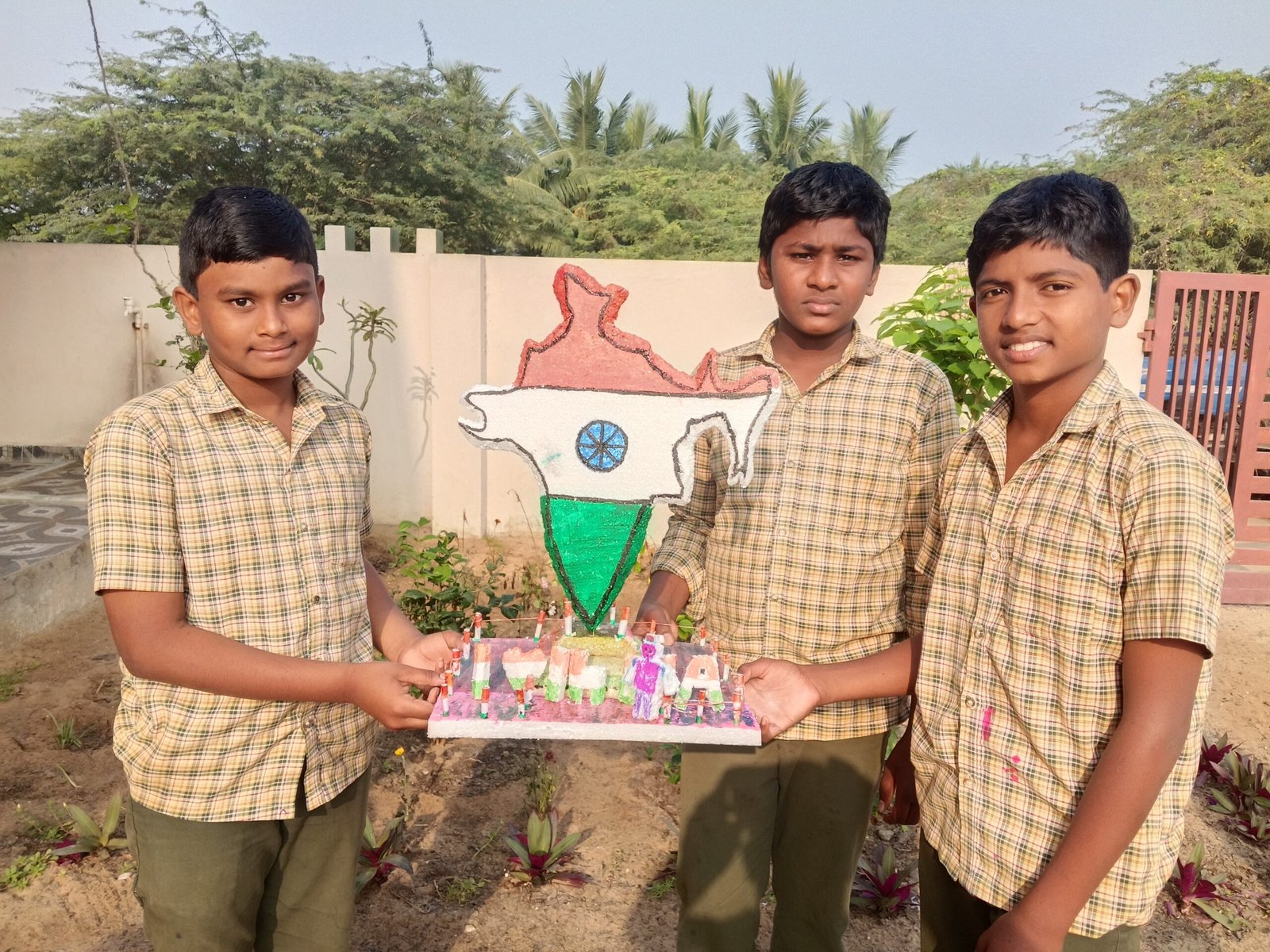
To provide skill development, art, sports, and cultural opportunities for holistic child development.
To empower poor families and single mothers with livelihood programs, ensuring better care for their children.
To establish children’s libraries, play centers, and safe spaces that encourage creativity and learning.
To promote environmental awareness among children through tree plantation, cleanliness, and plastic-free campaigns.
To provide scholarships and sponsorships for poor and meritorious students for higher education.

CRISIS RECOVERY PROJECT IN THE WEST REGION OF CAMEROON
Website: https://www.iaa-africa.org
Email: info@iaa-africa.org
Tel: +237652130115
1.1) BUDGET: 550GBP, YEAR: 2025
2.) BRIEF OVERVIEW
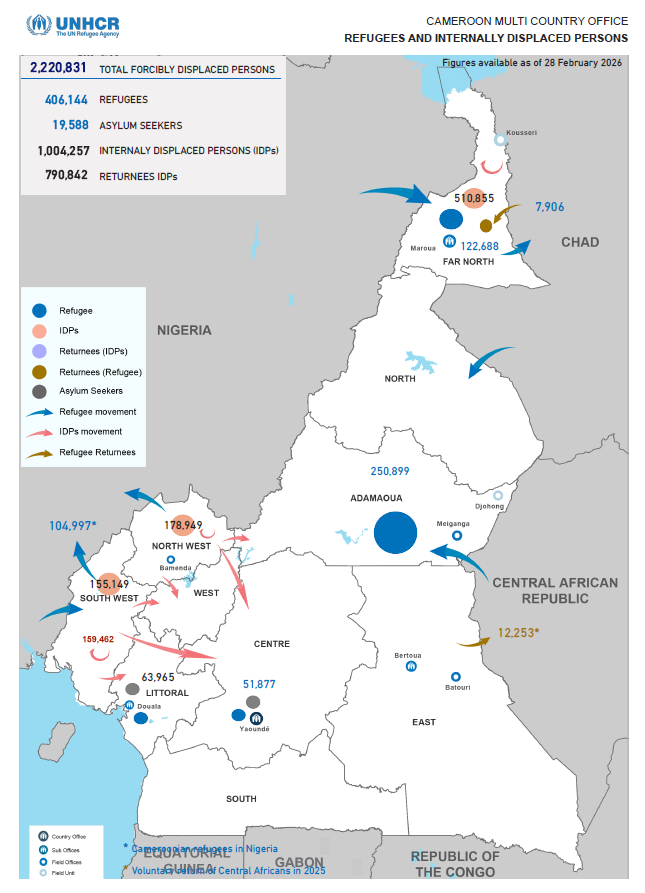
The scourge of Internal displacement has continued unabated despite international attempts to address its root causes. Ironically the so called anglophone crisis in SW and NW Cameroon has been largely ignored despite the untold misery it has caused the local people, many of whom have been displaced. The human rights of the victims of this violent insurgency have also been conveniently ignored. Questionnaires posed to those involved illustrate that the respondents live in immense fear of losing family members or being killed themselves. Moreover, they have been denied basic freedoms living in indignity with minimal access to water, food or means of subsistence. The greatest aspiration of the respondents is to simply return to their families and resume their livelihoods. The initiatives presented by IAA are an attempt to redress this unacceptable situation.
The situation began in 2014 with instability in Central African Republic which became exacerbated by the impacts of Climate change, unpredictable extremes of rainfall and resultant flooding and soil erosion compounded by unprecedented droughts. Add into the mix the rise of the terrorist sect Boko Haram and you have the perfect storm.
Presented in map form below is a situation analysis produced by UNHCR at the end of February 2025
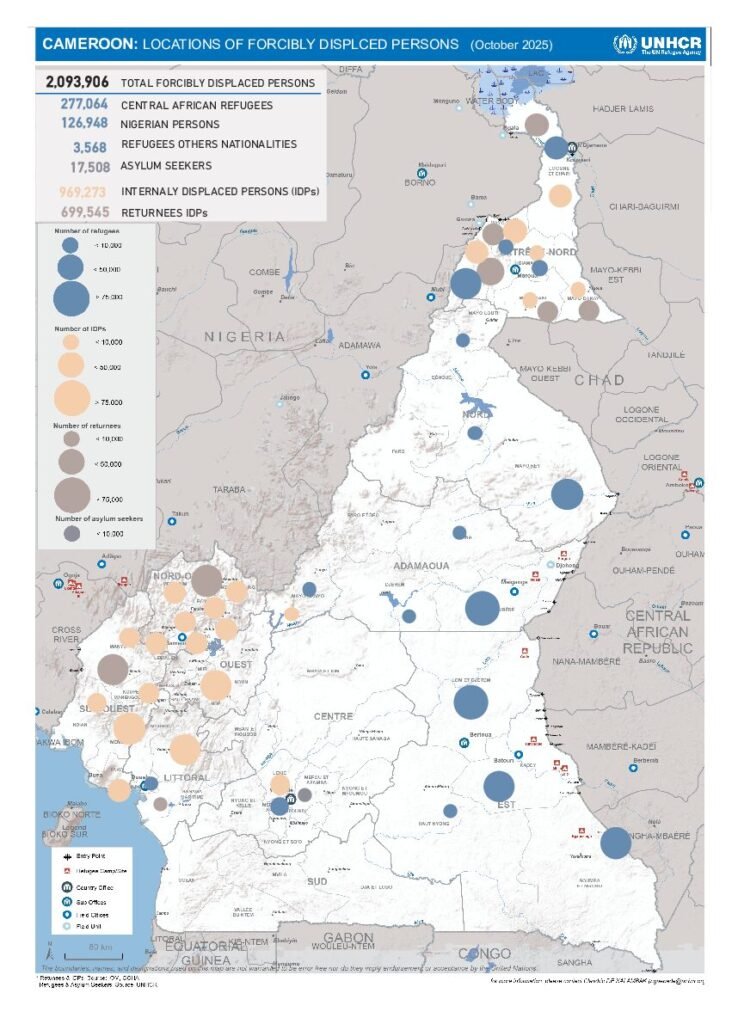
Anglophone region of Cameroon has almost 1 million IDPs to manage fleeing from civil war Oct 2025
The project aimed at addressing food shortage by empowering Internally Displaced Persons (IDP) and their host community of Foumbot through climate-smart agriculture to be able to grow vegetables during the dry season and increasingly during prolonged dry periods. We seek to end seasonal hunger and poverty, focusing activities in Mogny village of Foumbot sub-division in the West region of Cameroon.
The objective of the project was to empower and support IDPs with innovative, sustainable, affordable and locally owned approaches to improve food security and rebuild their lives, and enhance the capacity of 100 IDPs to produce a wide variety of vegetables using sustainable and environmentally-friendly technologies with integrated social ownership, management and involvement while increasing economic capacity and securing livelihoods and the planet for the future.
3.) IMPACT:
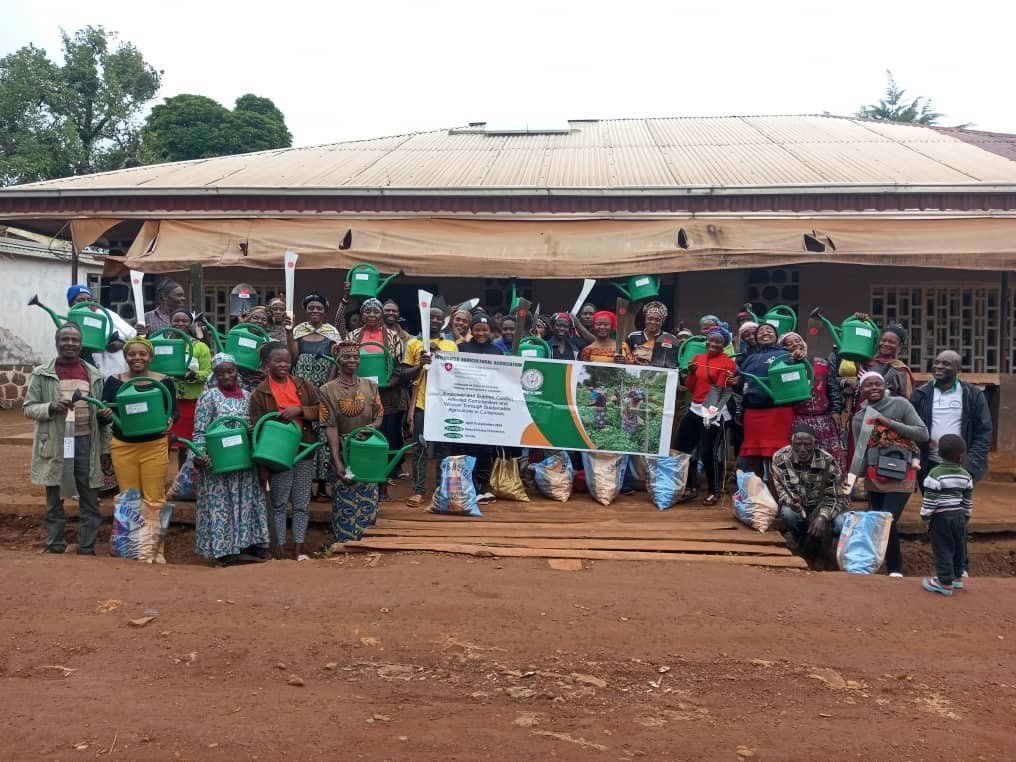
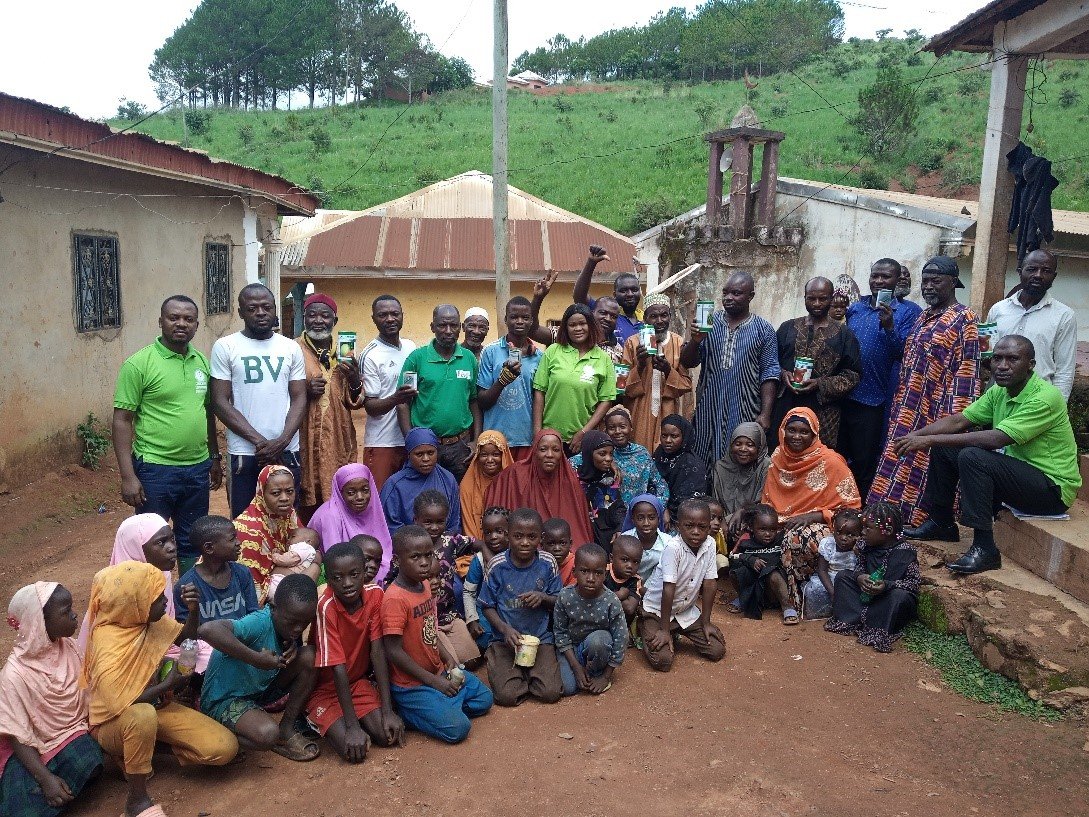
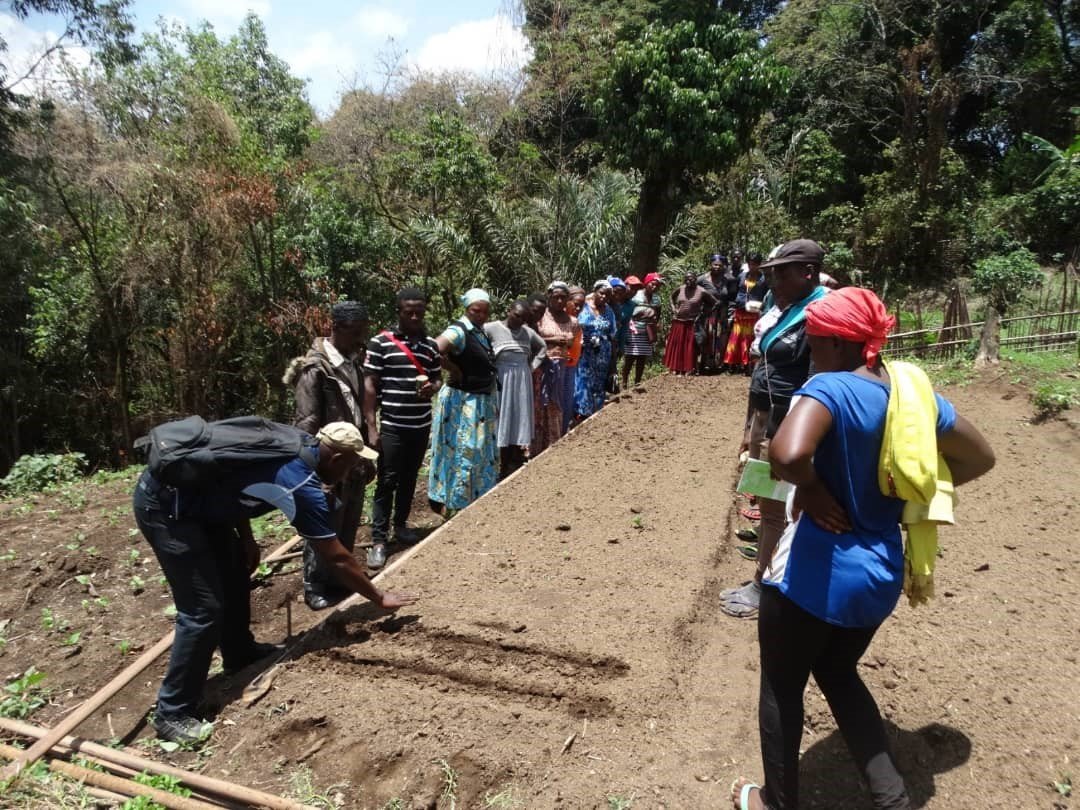
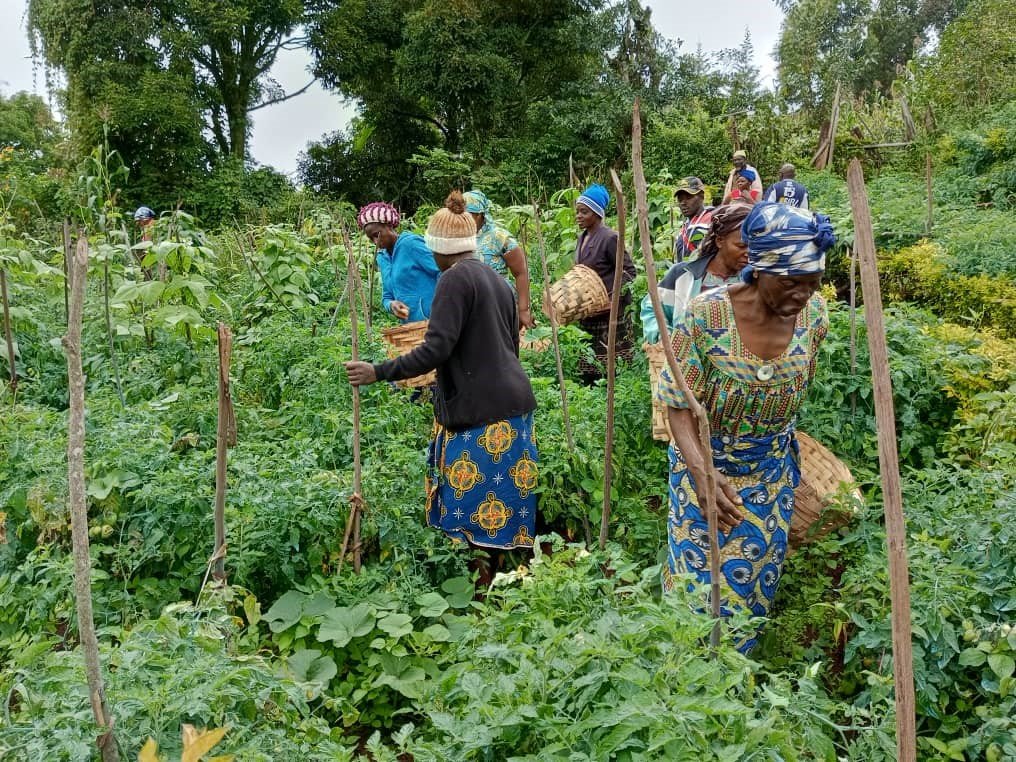
With the funding received from FIOH UK in February, 2025, Integrated Agricultural Association (I.A.A) trained diverse community members on climate-smart agriculture on topics including regenerative vegetable gardening, nutrition, water management, integrated pest management and soil health improvement. 127 people have been directly involved in training activities, with 71% women participation. 60,000 grams of huckleberry seed was donated to 120 IDPs, 500 grams per beneficiary who already had a farm plot of approximately ¼ hectare. 120 gardens were cultivated across 30 hectares of land and each garden generated approximately 1700 GBP per year for a family of 5 members which achieved larger goals including food and nutrition security, gender equality, health and wellbeing and improved livelihood for over 1000 people.
With the help of this funding, I.A.A also trained 34 trainers on climate-smart agriculture to monitor the program and continue to provide ongoing technical support and advice on best practices to smallholder farmers in the area. I.A.A also created a Huckleberry Producers Union in Mogny with current membership of 80 and the registration process is in progress. These efforts aimed at building local autonomy to sustain the project beyond the funding period.
4.) CHALLENGES:
- Inflation in local currency reduced the value of the project budget by 30% which impacted the ability to successfully distribute three different types of vegetable seeds.
- Follow up of program beneficiaries afterward was difficult due to their remote locations, no internet and network, bad roads in the rainy and dry season.
- Farmers often have to travel long distances to access inputs, extension services, or marketplaces, leading to high transaction costs and limited engagement with modern agricultural practices.
- Lack of clean drinking water and irrigation tools to boost productivity, health and nutrition.
5.) WAY FORWARD:
- I.A.A selected only huckleberry to support as many women as possible because of it economic and nutrition value and seeds can be sourced and saved locally. This decision minimized high cost on conventional seeds to focus on indigenous seeds that are locally adapted with moderate prices.
- I.A.A used private motorbikes in remote inaccessible locations and SMS to connect to participants.
- Trainers have been trained to support farmers locally and huckleberry union created to facilitate development, access to seeds, training and markets.
- I.A.A will construct and install a well with hand pump in the community, and provide smallholder farmers with irrigation kits including solar pumps to address water gaps in agriculture and household use.
6.) CONCLUSION:
Climate Change and disasters affect communities to varying degrees. Women on forced displacement and persons living with disabilities face considerable challenges in accessing help. Most disaster and conflict responses focus on short-term needs: shelter, food and medicine. While critical, this approach must be supplemented with medium-term recovery plans to rebuild lives. By working on vegetable-growing programs for crisis relief, IAA aims to bring stability to the lives of the internally displaced persons (IDPs) and empower the most vulnerable to enable sustainable and resilient livelihoods that are self-sufficient and not dependent on aid.
I extend my sincere gratitude to FIOH for supporting me and my team in this incredible mission which I so much have passion and enjoy doing while inspiring others in the same and similar fields.
DUNGRILA PASCAL MBIMENYUY; TEAM LEADER
Future in Our Hands Education and Development Fund
UK registered charity No 1047953
Current projects receiving our support
GLORES Cameroon Clinic enabling disabled children in to attend school and develop independently
CAMGEW environmental NGO prioritising conservation of forests and gender equality
FIOH Sierra Leone Environmental education funding schools, responding to health campaigns( MPox)
HEARTS NGO in Andhra Pradesh India Education and training of abandoned street children
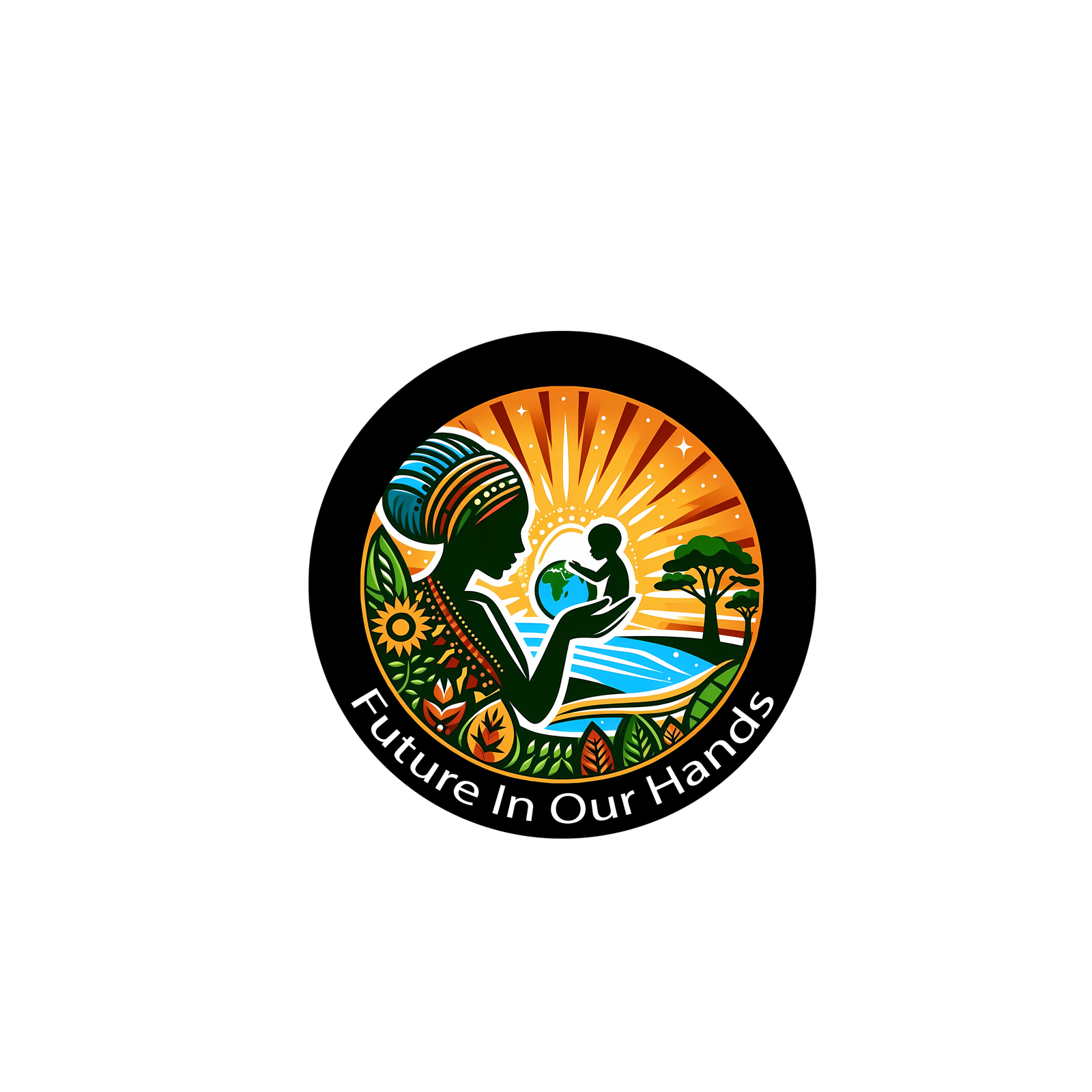
The Future in Our Hands Education and Development Fund Logo

The original logo produced, by our founder Mike Thomas, when we were first established as a registered charity in 1995 (1047953). The ethos of the charity being clearly illustrated with the older generation passing on the green planet to the children of the next generation. We had clearly hoped to pass on a planet in a better sustainable state to future generations. Increased understanding of climate change has made this objective very challenging. Whilst our ethos has remained consistent throughout the thirty years. We have consistently attempted to initiate funding for ecologically and sustainably aware initiatives. Developing a network of cooperation through our first hand contacts and NGOs across the most disadvantaged communities.
Our ethos originated from the ideas and perceptions of 1970s authors
Erik Dammann is a Norwegian author, environmentalist and scholar, known for founding the organisation Future in Our Hands. His work challenges Western values and lifestyles in order to promote a more responsible attitude to the environment and the developing world
Ernst F Schumacher an author of Small is Beautiful. Economics as if people mattered is a political non fiction book which centres on the premise that economics should serve us the people, as opposed to the other way round.
Our newly designed logo , was produced by daughters and granddaughters in our organization . The clear objective was to produce a higher definition image which needed to maintain or perhaps enhance the clarity of our mission statement, ethos and purpose. We believe best achieved by pursuit of gender equality and furthermore nurturing biodiversity and sustainability.
The deliberate choice of a female Gaia figure
We endeavour to enhance the status of women and children in the development process.
We seek to enhance ecological awareness and sustainability
We include a strong element of education or training in our projects
We support initiatives that originate from local communities through non governmental organizations.
The Future in Our Hands Education and Development fund achieves a significant milestone
Future in Our Hands Education and Development Fund having been established by founder Mike Thomas in 1995 is just reaching its 30th anniversary this year. We would like to thank all our regular donors and helpers for their selfless support over this time period.
As treasurer, I have trawled through our detailed accounts and aggregated all of our past donations. What began in the 1990’s, as a grant of £20 to test the water has grown into multiple affiliated NGOs across Africa and India. The incredible final total raised and donated stands at £548,748. All of this fundraising has gone to the most marginalized and deserving of causes and is far beyond our expectations at the outset. Who would have believed that a small official UK registered charity, administered from a small front room in Swindon, would issue grants way in excess of half a million pounds.
The list of individual beneficiaries must run to tens of thousands as our grants have been able to transform lives and livelihoods. Our updated website fiohnetwork.org illustrates a detailed archive of our work and highlights a network of organizations which share the same ethos. We have always encouraged individuals and non governmental organizations who share our ideas of a bottom up grassroots approach to solving problems of development.
Our goal is to help some of the poorest and most marginalized people in the world by empowering them and their local communities to find sustainable ways to overcome poverty, raise ecological and environmental awareness and create lasting just and equitable social change.
- Reafforestation schemes developing tree nurseries of millions of indigenous trees
- Built and continue to fund a medical clinic for disabled children
- Support the education of orphaned street children in India
- Assisted displaced persons from Civil wars
- Built and developed 5 schools in Sierra Leone
- Responded to climate induced emergencies in India and Pakistan
- Supported educational programmes of sustainability Cameroon and Sierra Leone
- Helped fund Integrated Organic Agricultural Development
- Promoting gender equality through womens’ banking cooperatives
- One of our partners even achieving U.N. Equator Prize award recognition
- Supported Youth Leading the world in Sierra Leone
- Encourage effective networking between organizations
Climate Change solution Cap CO2 and Share the income

FIOH news update from Sierra Leone Autumn 2024

The Mike Thomas School at Mile 91, due East of the capital Freetown, near Yonibana. The school suffered a sudden and prolonged extreme wind event which caused severe damage to two classroom roofs.
Alpha Kargbo our link person in Sierra Leone, immediately informed us of the emergency issue. The severe and detrimental impact on the education of the children was obvious.
FIOH agreed that immediate intervention was necessary and sent a grant so work could be expedited to rectify this situation. The following images show the reconstruction with more appropriate building materials to ensure that any further damage would be less likely.

With the new roofing intact the normal daily procedures of schooling could continue, as the photos below illustrate


Students hard at work in the organic school gardens and impressive in their smart, well turned out uniform