
Grants made in 2022/23
During the year until April 2023, we contributed £7,102 in grants to the following organisations:
Hearts, India – £2,225
GLORES, Cameroon – £2,031
FIOH Sierra Leone – £1,222
CAMGEW, Cameroon – £712
PVDP, Pakistan – £505
SHUMAS, Cameroon – £405
Thank you to all our donors for your continued support and invaluable help.
World History Competition
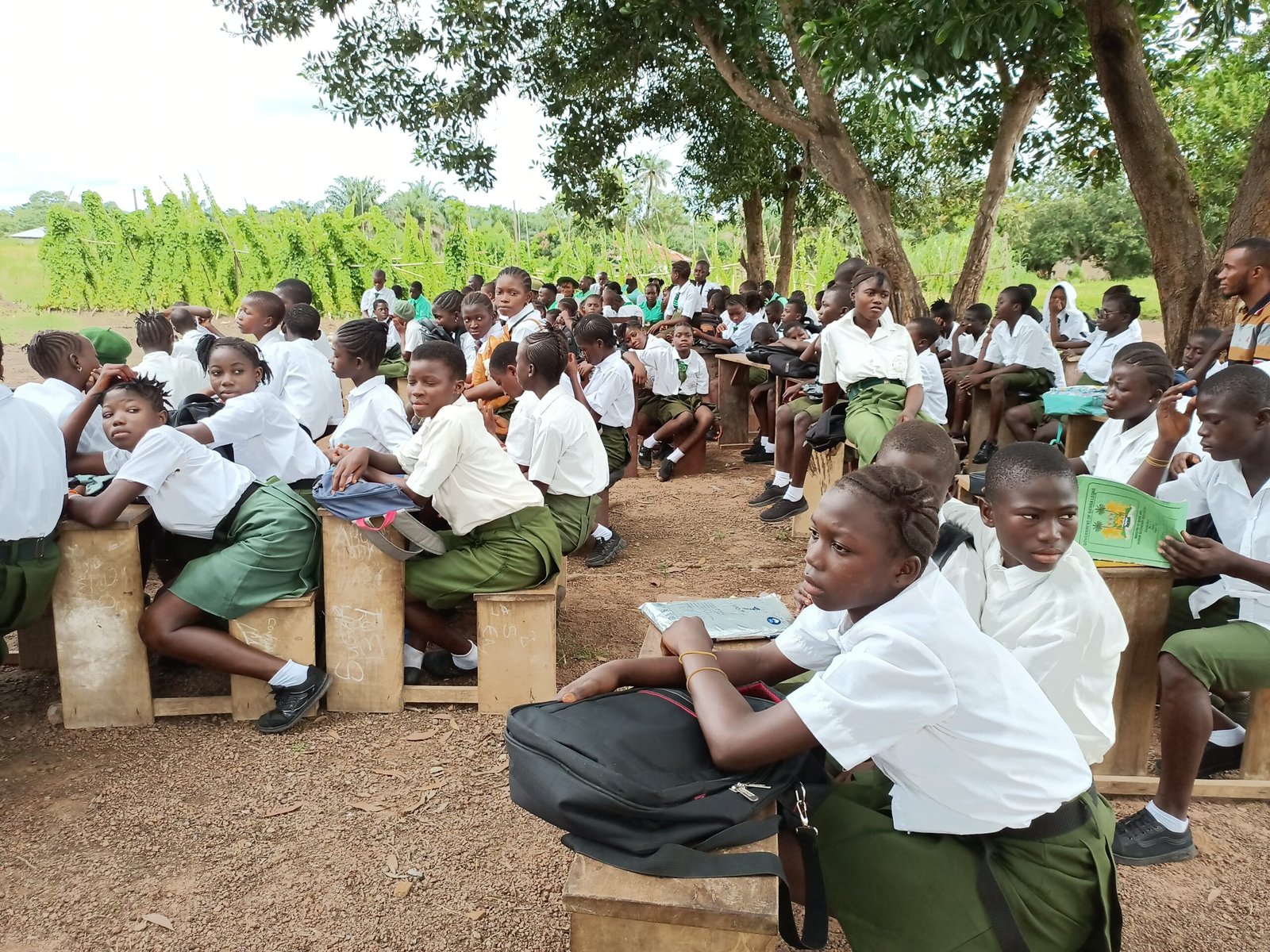
Prizes were given out to students from the Mike Thomas secondary school in Sierra Leonne who took part in a recent competition presenting their knowledge of history. After teaching “The Usbourne Encyclopedia of World History” in classrooms, it raised a lot of questions so the school organised the competition.
Students took the opportunity to read the book and then present what they had learnt from it – the prizes were given to the two who made the best presentation.
A girl, Mariatu Conteh won the competition, and a boy Lamin Conteh was runner-up.


It can be difficult getting hold of educational materials and factual resources in Africa – and after seeing how well students engaged with the book, the school has now made it part of it’s curriculum.
The encylopedia is a comprehensive introduction to world history from prehistoric times to the start of the 21st century. Including information on dinosaurs, the first humans, Ancient Egypt, Greece and Rome, Medieval Europe, the World Wars and other major events in history.


Philonomics – A Science of Common Sense

Philonomics is a new social science first launched in 2022 at a School in the Tonkolili District of Sierra Leone. The name Philonomics was conceived by a civil engineer, Michael Thomas in 2010.
Philonomics can be launched at anytime, anywhere.
As Michael Thomas writes in the Swindon Advertiser:
I believe most of crises that threaten humanity (not just global warming) are related to economic growth, which is the main cause of the inequality between rich and poor and the unsustainable use of fossil fuels.
Hence I am suggesting the development of a new science which I am calling Philonomics. My suggested definition is:
- The study of the equitable production and fair distribution of goods and services globally in a sustainable manner
- Science relating to the fair and equitable development and regulation of the material and human resources of a community or nation in a manner that does not prejudice human needs in the present nor the ability of future generations to meet their needs
- Science related to international social justice and the ecologically sustainable production and fair distribution of material wealth and knowledge.
The rules of economics that deliver the bulk of the world’s resources to the rich nations of the world, are a crime against humanity as a whole.
Global warming threatens us all and therein lies a seed of hope for a fairer world in which we may all increasingly have to view the natural forces of nature as our greatest enemy.
https://www.swindonadvertiser.co.uk/yoursay/1431721.plenty-of-ways-to-save-energy/
GLORES – PEOPLE TREATED BETWEEN JULY 2021 AND APRIL 2022
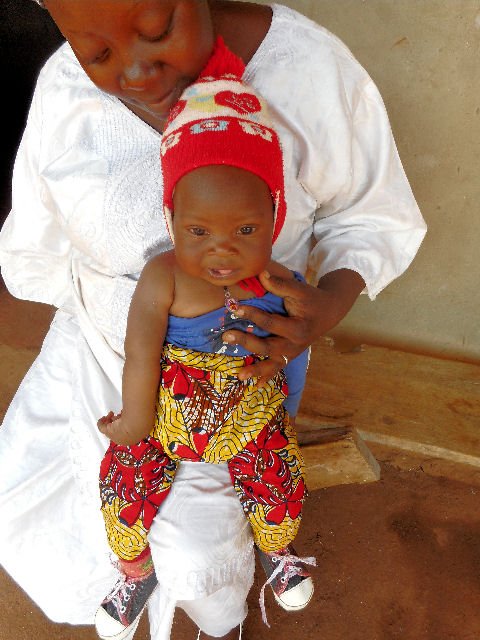
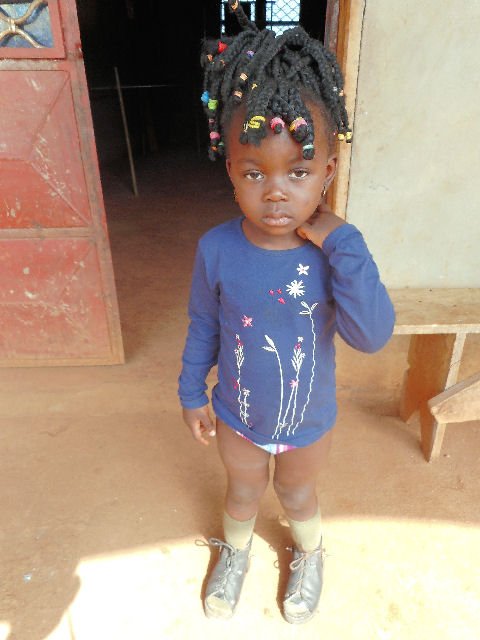
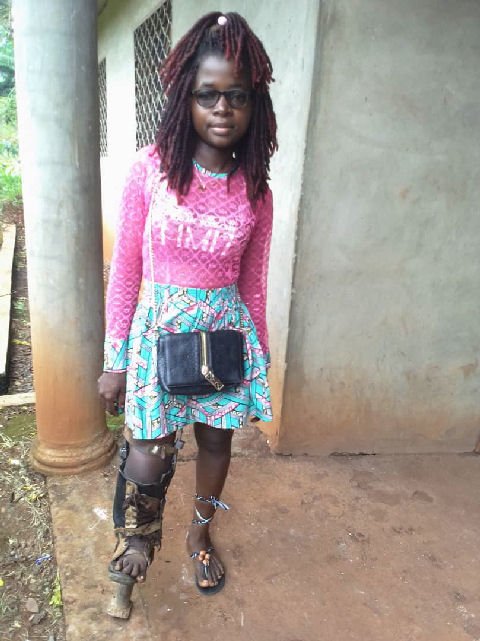
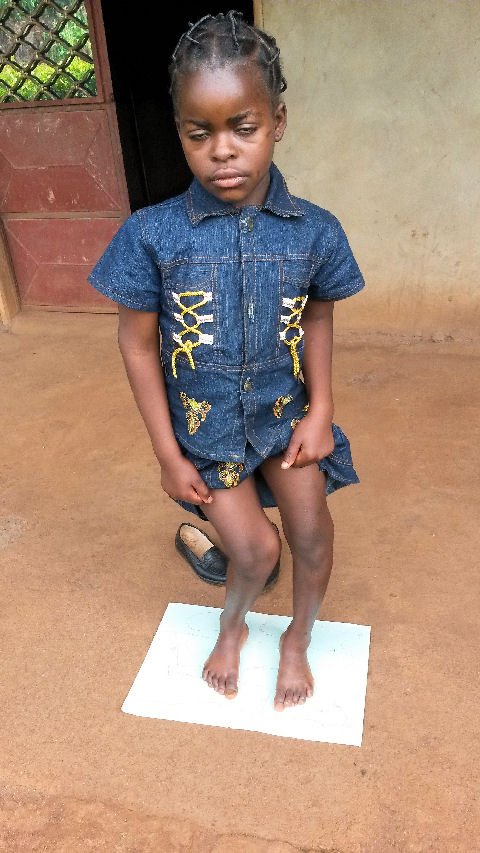
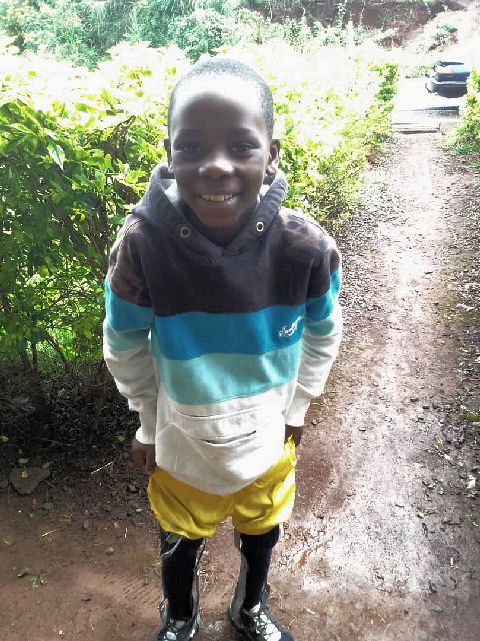
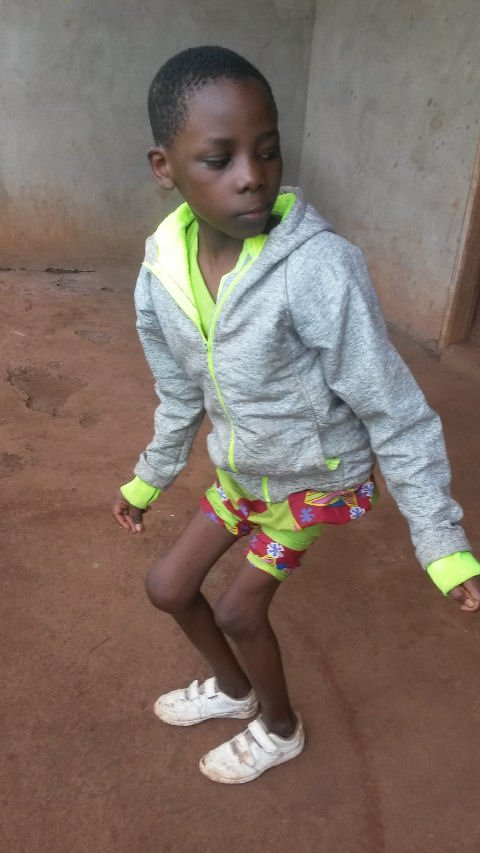
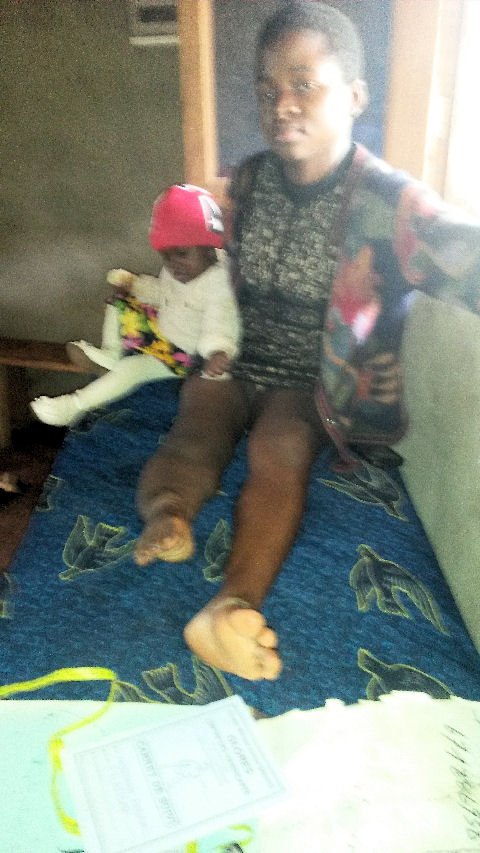
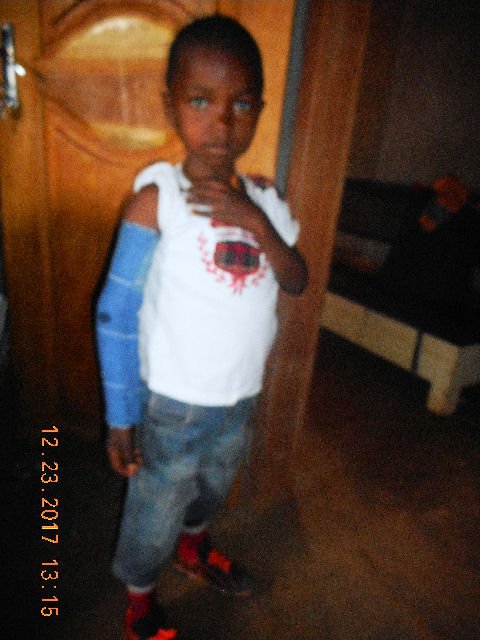
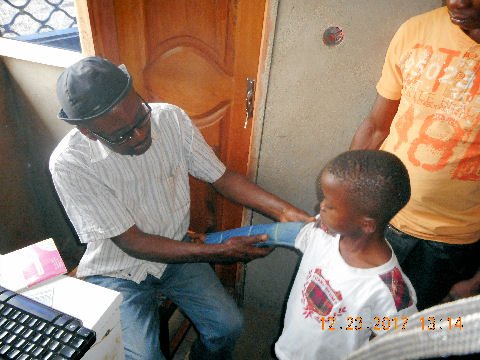
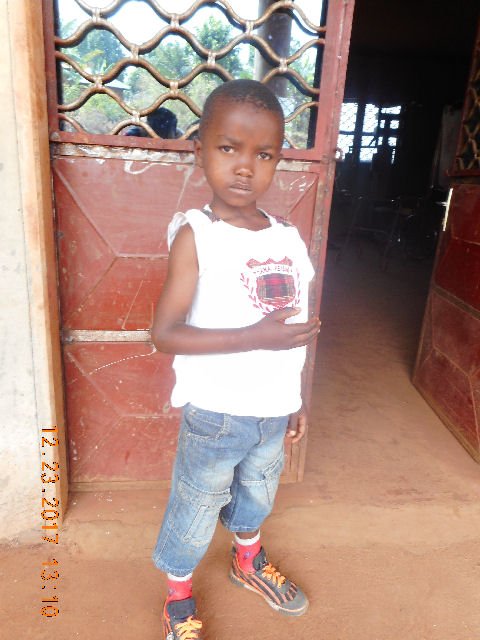
The schedule below shows details of the treatment of disabled people (mainly children) between July 2021 and April 2022 including the children that were still following treatment when the report of July 2021 was sent and what happened to them since then. The children that were admitted for treatment after the report of July 2021 to date are also shown.
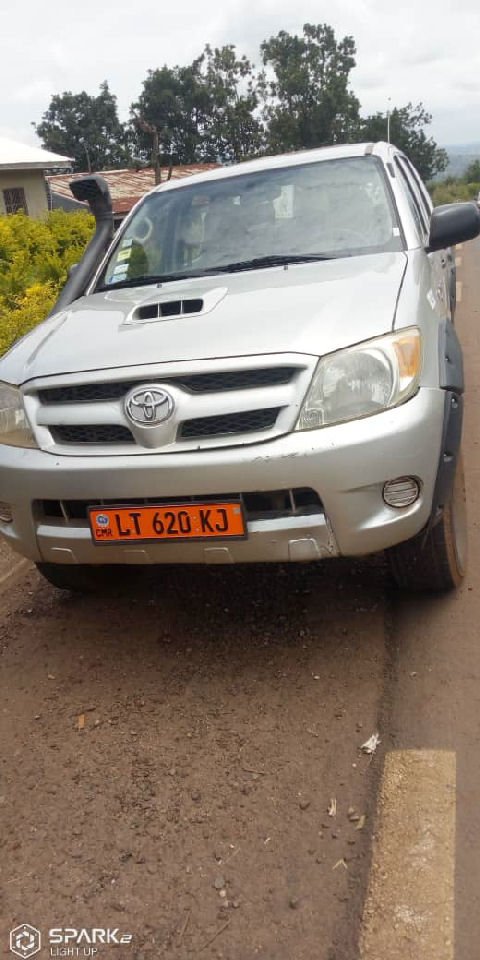
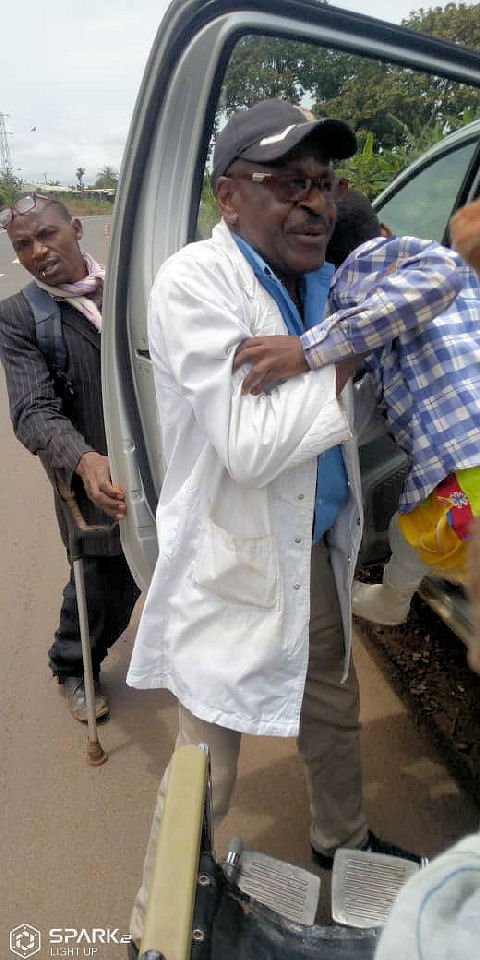
With the slow-down of Covid-19 infections and the arrival of the new vehicle, the number of children coming for treatment has steadily increased. The vehicle donated by Survive Miva shown permitted us to reach distant villages that we have been unable to visit due to bad roads. In those villages we meet hundreds of children needing our services, unfortunately we will not be able to cope with all those children because of the limited resources we have. The assistance we received from FIOH has been significantly reduced due to the economic recession following the Covid-19 epidemic. We, however, managed the amount sent diligently to cover quite a number of children, especially those from very poor families that could not afford to contribute the required symbolic payment to help buy materials for their treatment.
The adults who sought help from GLORES for the treatment of arthritis, lumbago, sciatic nerve injury and other pathologies that need physiotherapy helped a great deal to bring income for the treatment of the poorer children.
The increase in the number of children and adults for treatment kept us very busy. One other problem we have is the need for a Secretary who could have helped us in compiling timely reports.
We are presently trying to raise some money in preparation of the visit of the Paramount Chief of Bafoussam to meet the handicapped children and to see the work of GLORES in his area of jurisdiction. We will need to invite the children treated in GLORES, the Regional Delegate of Social Affairs for the West, the Media and other personalities. We hope to use the occasion for publicity and to raise funds too.
GLORES SCHEDULE FROM JULY 2021 TO APRIL2022(
Helping women fleeing from civil conflict in the NW Region
HELPING poor women in the Cameroon.
FUTURE in OUR HANDS UK is supporting the work of SHUMAS (STRATEGIC HUMANITARIAN SERVICES ) in Cameroon
who are providing psychological support, shelter and livelihood improvement to internally displaced women and girls in Douala exposed to prostitution and abuse.
In 2016 the political crisis in the NW and SW regions caused 573,900 internally displaced people to leave their homes and seek refuge elsewhere. The Non—State Armed groups forced schools to close as a war weapon and students to drop out of schools.
A SHUMAS survey emphasised the need for improved living conditions, psychological support to improve mental health to girls and women exposed to violence and other chronic adversities to enable them to reintegrate into society by improving access to emergency relief shelter, WASH items (water, soap, hygiene) and mattresses. 50 vulnerable families were identified for support, including the provision of alternative income source through training in business management and supporting to enable them to set up their own businesses.
How has FUTURE IN OUR HANDS helped?
A donation sent to SHUMAS in October 2021 was used to buy 50 mattress which were delivered from Bamenda in the NW to Douala and delivered to 50 vulnerable households with a total of 230 individuals (10 elderly women, 146 children, 74 adults and 3 people with disabilities) benefitting. If you would like to help expand this project a donation would be much appreciated.


Please support the work of the Future in Our Hands Education and Development Fund whose aim is to help and empower some of the world’s poorest and most marginalised people by:
- UK residents can provide long term support by downloading and completing the FIOH FUND DONATION FORM and sending to the address shown on the form:
- Direct grant to the charity’s bank account or by cheque to:
 Bank account details:
Co-operative Bank
IBAN: GB07CPBK08929965050707
BIC: CPBKGB22
Cheques should be made payable to the
Future in Our Hands E&D Fund
—————————————————————————-
Fundraising to help the work of the charities would be greatly appreciated
—————————————————————————-
ALPHA MOHAMED KARGBO – YOUTH FOR THE WORLD SIERRA LEONE
A Youtube presentation by Alpha Mohamed Kargbo, Youth for the World Sierra Lone


 Representatives of the four groups
Youth Leading the World Sierra Leone activities:
Tre planting
Sensiization
Interview with famers producing charcoal and timber logging
Controlling waste plastics
Global Rehabilitation Services Report Sept 2021
BRIEF REPORT OF ACTIVITIES FROM APRIL 2021 TO JULY 2021
July 23, 2021
Listed below are the children that have been treated and those that are still following treatment. The first chart shows the children that were in the last report of March 2021 that had not completed their treatment and the outcome of their treatment. The second chart shows those children that have been admitted after the report of March 2021 till July 2021. The outcome of the treatment was largely successful except a few that stopped treatment and those that needed long term treatment.
The number of children that have come for treatment greatly improved with the reduction of the Covid-19 epidemic. The Centre received 125 children during 2021 but 68 children actually came back for treatment. We are still waiting for more of the 67 children that did not come since the long school holidays break has not yet ended. We believe that the children that have not come for treatment after evaluation is due to the financial hardship resulting from the Covid-19 in Cameroon. Parents are finding it hard to provide their symbolic contributions and to pay for transport. However the availability of the new vehicle from Miva has helped a great deal to fetch some of the children in villages but it is difficult to do that in all the villages.
With the new vehicle donated by MIVA, we are now able to reach many villages for the CBR (Community-based rehabilitation) programme on a monthly basis. We hope to organize groups of concerned individuals and the parents of the affected children in many villages. This will give us the opportunity to meet many disabled children and bring them for treatments although bringing many children for treatment will be difficult due to financial problems of the parents and GLORES.
WE must thank FIOH for the provision of £1 600 that helped quite a good number of children. The contribution of the adult patients who have to pay for their treatment is also helping us financially.
As you might have noted, most of the adult patients we saw have one common problem, sciatic nerve compression and low back pain. The thing is that GLORES is gaining a reputation in the treatment of sciatic nerve complications so much so that many patients with that problem are being referred to GLORES. We have successfully helped patients with this complication to avoid expensive surgery. The majority of patients with this complication are women due to farming and carrying of heavy loads of farm products.
CHILDREN WHO CONTINUED TREATMENT AFTER THE REPORT OF MARCH 2021
|
Name |
Age |
Sex |
Diagnosis |
Address |
Treatment |
Outcome
|
|
| 3 | Meke Christna | 1 ms | F | Bilateral club feet | Sacta | Plastering plus special shoes | Discharged with follow-up |
| 4 | Taboue Bassime | 2 y | F | Bilateral varus knees | Tchichap | Stretching and splints | Calipers discontinued and dischared |
| 5 | Djeleseck Lewis | 4 y | M | Left herb palsy | Dschang | Functional reeducation | Affected arm functional, discharged |
| 6 | Mfor Blessing | 10 ms | F | Bilateral varus knees | Djeleng 2 | Stretching and splints |
Splints discontinued with follow-up |
| 7 | Dongfack Tsamo | 7 y | F | Retarded development | Yaounde | Functional reeducation | Parents stopped treatment although there was improvement |
| 8 | Mafeugoum Doriane | 18 y | F | Prenatal deformaton of right leg | Bafoussam | Mobility splint | Can walk successfully but still comes for splits repairs. |
| 9 | Tadjuidje Henri | 3 y | M | Retarded development | Bamenze | Functional reeducation | Still coming for treatment (Long term treatment) |
| 10 | Kengue Oumbe Valyros | 3 y | M | Bilateral valgus knees | Baleng | Stretching and splints | Splints discontinued and dischared |
| 11 | Sapo Eurich | 4 y | M | Bilateral valgus knees | Baleng | Stretching and splints | Splints removed with follow-up |
| 12 | Kamche Lliaken | 11 ms | M | Bilateral valgus knees | Bamenze | Stretching and splinting | Discharged |
| 13 | Feupossi Tenny | 2.5 y | M | Bilatral valgus knees | Djassa | Stretching and splinting | Splints discontinued and dischared |
| 14 | Takeo | F | Congenital deformation of lower limbs | Baham | Muscle strengthening exercises and ambulation splints | Can walk with help of splints, going to school and follow-up repairs. | |
| 15 | Kuate Tresor | 4 y | M | Spastic Cerebral palsy | Bamenze | Functional reeducation | Still under treatment (long term treatment) |
| 16 | Moujaita Nabia | 9 y | F | Quadruplegy due to attack of meningitis | Banengo | Functional reeducation followed by splinting | Resumed treatment after parents stopped bringing the child. |
| 17 | Bayang Marie Chantal | 10 y | F | Lower limb contracture and spasticity | Correction of Achile tendons and, coordination exercises | Can work independently but still comes for control. | |
| 18 | Randy | M | Spastic cerebral palsy | Bamenda | Therapeutic exercises, replacement of splints due to growth. | Deformation of lower limbs corrected, spasticity amazingly reduced. Walks with assistance and following home treatment and coming for follow-up | |
CHILDREN ADMITTED FOR TREATMENT FROM APRIL 2021 TO JULY 2021
|
NAMES |
AGE |
SEX |
DIAGNOSIS |
ADDRESS |
TREATMENT |
OUTCOME
|
|
| 1 | Mandefo Marie | 71 y | F | Inflammatory arthritis | Socada | Pain management | Her situation is unfortunately chronic and will need PT (bone degeneration) |
| 2 | Janette Yoghae | 50 y | F | Sciatic nerve injury | Eveché | Lumber traction, therapeutic exercises | Neurosurgery recommended although she is feels no serious pains |
| 3 | Nopoupoji marie | 60 y | F | Frozen shoulder | Bamedze | Pain management, therapeutic exercises | Full recovery |
| 4 | Magne Deodone | 60 y | Fraction contracture left knee following an accident | Njingah | Stretching, massage | Left knees straightened | |
| 5 | Tene Pelagie | 38 y | F | Sciatic nerve Compression | Kamkouop | Lumber traction, therapeutic exercises | Recovered |
| 6 | Moujiata Nabia | 9 y | Paraplegia following meningitis | Banengo | Therapeutic exercises, splinting | Can walk using splints and coming for follow-up treatment | |
| 7 | Sr. Margrette Madjou | 54 y | F | Sciatic nerve compression | Bamendju | Lumber traction, therapeutic exercises | Discharged satisfaction |
| 8 | Echia Mercy | 61 y | F | Sciatic nerve compression | Banengo | Lumber traction, therapeutic exercises | Fully recovered |
| 9 | Salamatou Ndikea | 35 y | F | Neglected sub luxation of left hip | Banego | Therapeutic exercises, shoe adaptation | Can walk straight with orthopaedic shoes |
| 10 | Kenge Abertine | 55 y | F | Low back pain | Bamendju | Therapeutic exercises | Discharged with satisfaction |
| 11 | Koagne Wembo | 62 | F | Sciatic nerve compression | Njinngah | Lumber traction, therapeutic exercises | Discharged recovered |
| 12 | Mefoukah Therese | 43 y | F | Sciatic nerve injury | Tounjie | Lumber traction, therapeutic exercises | Discharged , full recovery |
| 13 | Sister Clementine | 47 y | F | Sciatic nerve compression | Njounang | Lumber traction, therapeutic exercises | She refused neurosurgery, came to GLORES and recovered fully since then she has recommended many patients to GLORES |
| 14 | Chinda Soh | 18 y | M | Trauma contraction left knee | Tocket | Stretching, therapeutic exercises | Right knee brought to 90 degrees and functional |
| 15 | Zoukou Nouel | 3 y | M | Bilateral 16tibia internal rotation | Maeture | Therapeutic exercises, splinting | Both knees corrected |
| Kadji Veronique | 47 y | F | Sciatic nerve compression | Magoua | Lumber traction, therapeutic | Neurosurgery recommended but she refused | |
| 16 | Ayanga Noubissi | 49 y | M | Sciatic nerve compression | Socada | Lumber traction, therapeutic | Discharged recovered |
| 17 | Kuetang Benadette | 40 y | F | Left wrist fracture contracture | Quartier Haoussa | Therapeutic exercises, splinting | Contracture straightened but hand function still to recover |
| 18 | Mamma Zargaou | 2 y | F | Bilateral Valgus knees | Bamendze | Stretching, splinting | Both knees straightened and discharged |
| 19 | Taa Ndifo | 40 y | M |
Sciatic nerve compression
|
Sacta | Lumber traction, therapeutic | Referred for neurosurgery |
| 20 | Jidam Mohamed | 5 y | M | Inflammation right leg following accident | Banefo | Pain management | Recovered fully |
| 21 | Tongho Gabriel | 74 y | M | Sciaic nerve injury | Quartier Haoussa | Lumber traction, therapeutic | Did not fully recovered and was referred for neurosurgery in Yaounde |
| 24 | Nganueu Myles | 4 y | M | Bilateral valgus knees | Maeture | Stretching, splinting | Discharged with deformation fully corrected |
| 25 | Zoakeu Mechelini | 45 y | F | Sciatic nerve compression | Njounang | Lumber traction, therapeutic | Treated and discharged |
| 26 | Djoungouang Roselini | 55 y | F | Sciatic nerve compression | Djeleng 3 | Lumber traction, therapeutic | Fully recovered |
| 27 | Barmi Delphine | 45 y | F | Disc hernia | Njounang | Mild traction, therapeutic exercises, pain management | Recovered and avoided neurological operation |
| 28 | Mabouo Regine | 60 y | F | Sciatic nerve compression | Bamendze | Lumber traction, therapeutic | Recovered and discharged |
| 29 | Tina Talep | 3 y | F | Bilateral valgus knees | Tchichap | Stretching, splinting | Deformation fully corrected, splint discontinued |
| 30 | Kenge Yvama | 13 y | F | Windswept deformity | Banengo | Stretching, splinting | Wearing splints and following the bi-weekly control visits |
| 31 | Nana Epse Tchounje | 65 y | F | Sciatic nerve compression | Yaounde | Lumber traction, therapeutic | Recovered after the recommended 2 week treatment |
| 32 | Kamar Joan | 3 y | F | Bilateral valgus knees | Stade | Stretching, splinting | Wearing splints and coming for bi-weekly control |
| 33 | Mbeutsing Josephine | 36 y | F | Discal hernia | Bamoungoum | Mild traction, therapeutic exercises, pain management | Recovered after 3 week treatment |
| 34 | Penha Celestine | 46 y | F | Discal hernia | Kamkouop | Mild traction, 35therapeutic ex36ercises, pain man37agement | Recovered after 2 week treatment |
| 35 | Fotso Joan | 9 y | M | Flexion contracture of knees | Bamendze | Undergoing preparation for splints | |
| Naghe Gaston | 42 y | M | Trauma right ankle | TPO | Pain management | Undergoing PT | |
| 36 | Djeussi Benadette | 33 y | Lumbargo | Bamendze | Therapeutic exercises |
Good progress Still on treatment |
|
| 37 | Ayuk Ruth | 52 y | F | Low back pain due to arthritis | Banengo | Therapeutic exercises | Still on therapy |
| 38 | Mafogie George | 3 y | M | Windswept deformity | Douala | Stretching, splinting | Undergoing preparation for splints |
| 39 | Cecilia Tenkeu | 68 y | F | Paralysis of right arm | Tamdja | Therapeutic exercises | Still on treatment |
| 40 | Mapah Esmila | 3 y | F | Left club foot | Bamendze | Stretching then splinting | Undergoing PT then splinting |
| 41 | Tsabou Leonoura | 7 m | F | Fracture right femur | Djeleng 1 |
Plaster immobilization (2 months) |
To remove POP in 2 months. |



HEARTS COVID 19 RELIEF SEPTEMBER 2020
HEARTS FOUNDATION
BAPATLA, GUNTUR DIST, ANDHRA PRADESH, INDIA.
COVID-19 (CORONA VIRUS) RELIEF ASSISTANCE
SUPPORTED BY FUTURE IN OUR HANDS, U.K.
BACKGROUND:
The Covid 19 crisis began in January 2020 in Wuhan, China and within days spread across the world and till today has become a major challenging factor and created a global health emergency. India is alerted starting from Kerala by identifying passengers coming to Indian Airports from overseas. The first lockdown in India was started on 20th March, 2020 and till today (15-09-2020) normalcy has not been established. The current Indian population is 1.3 billion people. Everyone feared the impact of Covid-19 if not brought under control. Thanks to the Indian Government and State Governments for tackling this outbreak collectively. An impressive role was played by the Doctors, Nurses, Sanitary Workers and Police in combating spreading of this virus. The Indian Council of Medical Research suggests that it is not over and can be repeated if health related precautions are not taken care of i.e. Mask, Sanitizer, Cleanliness, Social Distance etc. The current statistics in India related to Covid-19 is declining but the virus is still prevailing in a few locations across the country. Our Prime Minister warned the country to not fear the virus and respect the people who are positive and the reality is for everyone to live with it. It can be cured and vaccines are coming shortly to tackle the problem. Current Indian statistics show the total number of positive cases is 5.02 million and deaths are 82,066. In Andhra Pradesh the state total number of positive cases is 514,000 and deaths are 5,041.

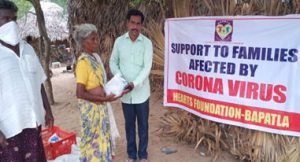
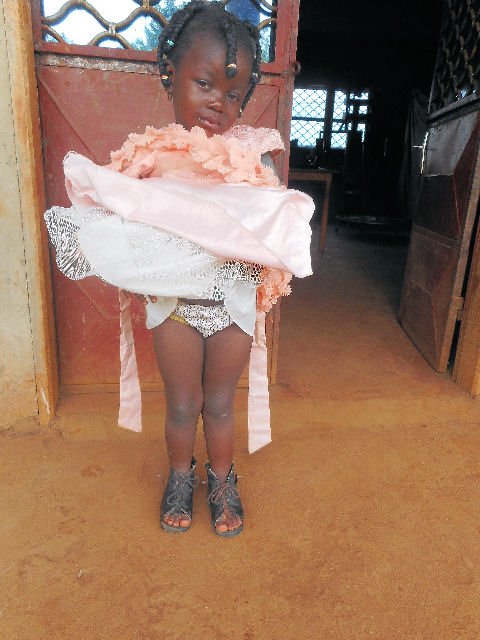
Hearts covered relief assistance in four Tribal colonies in and around Bapatla town and rural areas two times till date. The word Tribe is based on Caste reservation system called Scheduled Tribe (ST) and some others are Scheduled Caste (SC), Backward Classes (BC), Minorities (Muslim) and rest are general who are upper caste i.e. Brahmins, Pundits, Merchants etc. India is a huge populated country and illiteracy plays a major role for academic and employment opportunities. Therefore without reservations for underprivileged population, there is no chance at all for their children getting into Universities, Government jobs etc. Under the Caste system, Scheduled Tribes are downtrodden, looked down upon and particularly on those who are illiterate. Usually they live out of the towns especially on river or canal banks. The Government talks about equality for ST population in line with others but in practice it’s not happening.
We have identified four colonies where the population are living in thatched roof palm leaf houses and it is shocking to know the many hurdles they are facing under the lockdown due to Covid-19. In one of the colony, Hearts runs a Day Care Centre for children to come to school.
Colonies helped: Tribal population in four colonies namely:
1) Krupanagar Colony – 85 families
2) Ramnagar Colony – 90 families
3) Venkata Reddy Colony – 60 families
4) Matsyapuri Colony – 30 families
Total – 265 families
A family includes husband, wife, children and grand parents, if any. Approximately on an average we have reached 1,000 people who are children and adults.
Activities: We have carried out following activities:
- Purchasing of food supplies (Rice & Groceries), vegetables, fruits, milk etc.
- Purchasing of masks, sanitizers, medicines etc.
- Distribution of food supplies and other items as per pre plans and discussions with the beneficiaries
- Involving local community resource persons i.e. school teachers, health workers, Pastors etc.
- Creating awareness on Covid-19 precautions
Details:
- Each family received approx. 5 kilos Rice, 1 kilo Red gram dal, 1 kilo Wheat, 1 kilo Sugar, 1 kilo Oil.
- Each family received approx. 1 kilo each variety of vegetables i.e. tomatoes, potatoes, onions, brinjal, beans, chillies, milk and a dozen eggs.
- Each family received a pack of Mask & Sanitizer
- Each family received a pack of first aid medicines i.e fever, cold, cough, diarrhoea, de-worming and multi vitamins.
Apart from Tribal colonies, Hearts also helped children’s parents from Hearts Children Home. Since lockdown the parents or guardians of children are out of work. They have struggled a lot financially. The Government supplied Rice and Dal but they had to buy other ingredients to cook a meal.
Please support the work of the Future in Our Hands Education and Development Fund whose aim is to help and empower some of the world’s poorest and most marginalised people by:
- UK residents can provide long term support by completing the FIOH FUND DONATION FORM and sending to the address shown on the form:
- Direct grant to the charity’s bank account or by cheque to: Bank account details:
Co-operative Bank
IBAN: GB07CPBK08929965050707
BIC: CPBKGB22
Cheques should be made payable to the
Future in Our Hands E&D Fund
—————————————————————————-
Fundraising to help the work of the charities would be greatly appreciated
FIOH Sierra Leone – responding to climate change and Covid 19
ACTIVITY REPORT
PROJECT : Local response to climate change and Covid19
Funder : FIOH Fund -UK
COST : GBP 545
REPORTING DATE: 4thJune 2020
Brief background
In a bid to integrate climate change in development projects, FIOH-SL in collaboration with FIOH-UK supported farmers to mitigate climate change through scaling up the adoption of regenerative agriculture. This involved farming practices that work together not just to sustain, but to increase the carrying capacity of the land, restoring the natural fertility of agro-ecosystems. Core practise involves permanent soil cover with living plants, minimum or zero tillage, maximization of biodiversity, composting from zero waste in the farming system and reduction of agrochemicals with a view of their elimination.
FIELD ACTIVITY RESULT
Result of activity 1: Organize community sensitization meetings on climate change:
- Two community sensitization meetings were organized which attracted 50 participants, farmers, stakeholders, facilitator and participants to share learning on the following:
WHAT IS CLIMATE CHANGE?
Following the discussion on the literal understanding of climate change, participants also brainstorm, on the kinds of climate hazards.
- Heavy wind
- Increase in the frequency and magnitude of warm daily temperature (extremes and decreases)/prolong day seasons from October May)
- Frequency heavy precipitation/rainfall.
- Spring/small rivers completely dry up during the day season.
IMPACTS OF CLIMATE CHANGE
- Water shortage
- Floods
- Heat waves
- Droughts
- Outbreak of infectious diseases.
Traditional/cultural practices adopted in the past to mitigate climate change as:
- Establishment of fire belts around forest reserves in March.
- No bush clearing around water catchment areas.
- Secret society bushes as protected as forest reserves.
- Forest reserves known as village green surrounding the entrance of villages protected.
- Bush fallowing for 15 years to encourage regrowth.
RESULTS OF ACTIVITY 2 – Practical training on Agroecological/ farming.
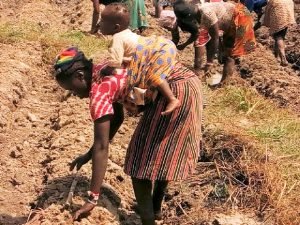
25 farmers (15F,10M) received practical training (5 per session) of farm design, planting methods, plant spacing, zero or minimum tillage practice, composting from zero waste and field application. Monitoring results reveal that farmers are gradually adopting these practices on their own farms.

RESULTS OF ACTIVITY 3 – Seeds and tools support. Following the procurement of assorted seeds and tools, these items were distributed to farmer field school representatives.
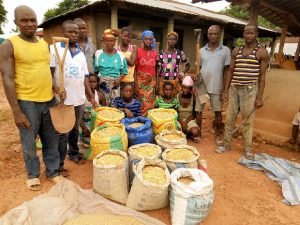


FIOH-SL seeds and tools support to cross-section of farmers.
RESULTS OF ACTIVITY 4 – Seed multiplication and demonstration farms.
Two multiplication and demonstration farms were established in two communities using permaculture/agroecological principles – farmers working with natural forces or farming using natural approaches, the wind the sun and water to provide food, shelter, and everything else including compost, farm/ gardens needs beside seeds and plants. Any farm established using these principles is a permaculture /agroecological farm.

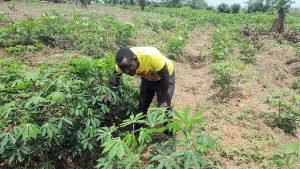
FIOH -SL support to the establishment of two permaculture farms.
CHALLENGES
- Overwhelming demand for the project activities by other FIOH operational communities in Tonkolili and Koinadugu districts.
- Frequent lockdown caused by Covid19 is affecting farm management.
- Lack of on farm hand washing stations to prevent Covid19.
- Farm work rationed with a batch of 5 Farmers per day as a result of Covid19.
WAYS OF OVERCOMING CHALLENGES
- Overwhelming demands
Representatives from the demanding villages were included in the on-farm training and promised to be given some proceeds from the established multiplication farms as starter seeds to establish their own farms. Development of community pilot projects by FIOH-SL is underway to service other communities.
- FREQUENT LOCK DOWN CAUSED BY COVID 19
A detailed concept Note will be shared with National and International donors for possible support.
LESSONS LEARNT.
Household food insecurity exacerbated by the global lock down by Covid19 reveal the extent that existing food systems (and the people underlying them) have been undervalued and under-protected.
Please support the work of the Future in Our Hands Education and Development Fund whose aim is to help and empower some of the world’s poorest and most marginalised people by:
- UK residents can provide long term support by completing the FIOH FUND DONATION FORM and sending to the address shown on the form:
- Direct grant to the charity’s bank account or by cheque to: Bank account details:
Co-operative Bank
IBAN: GB07CPBK08929965050707
BIC: CPBKGB22
Cheques should be made payable to the
Future in Our Hands E&D Fund
—————————————————————————-
Fundraising to help the work of the charities would be greatly appreciated
A NEW YEAR REFLECTION

A NEW YEAR REFLECTION – A poem by Mike Thomas
Diminishing gas and not much oil
Would pose a future world of endless toil
Of coal there is yet no dearth
Its use helps to burn a warming Earth
Rising seas wont douse the flames
Yet serve to stifle human aims
As islands drown and defences breach
The centres of power the tide will reach
The seaside is no place of fun
The water’s too deep and the sand has all gone
Half the world soaks in torrential rain
The other suffers endless pain
With drought that seems to have no end
Migration beckons round the bend
An economic system has unfurled
Fuels gross inequality across the world
A spark of hope quickly passes
As the world is cloaked by greenhouse gases
This is no soothing duvet
But heralds instead a future doomsday
But who-oh who, is going to listen
The birds still sing and the raindrops glisten
We fly to the Sun to escape the cold
To sparkling seas and sunsets of gold
Or venture North for lights in the sky
That arouse the mind and delight the eye
What can convince those still in denial
Of a future that looks so ugly and vile?
“No need to worry its all just fake news
Many experts have different views
Climate science has got it so wrong
Fossil fuels make us humans so strong!!”
What have we heard in twenty nineteen?
All the wrong records we have seen
For floods, heat and drought and widespread migration
Victims in almost every nation
To political leaders we cannot turn
If we rely on them the Earth will burn
The pot of solutions almost empty
As we start the year of twenty twenty
Australia starts with fireworks displays
While burning trees form a poisonous haze
And thousands are forced to flee to the beach
To run from their homes the flames will reach
Ice from the Poles the warmth will prise
As ocean sea levels continue to rise
A change in the water from salt to clear
May cause a change many scientists fear
A warming stream changes direction
As northern people engage in deep reflection
Its no longer heat that causes a rage
As they start to experience a new ice age
Many sites and resorts once renowned
Are flooded and then eventually drowned
As one year ends and another begins
We must not hide from all our sins
But embrace the new year in a spirit of hope
We cannot clutch at a saving rope
No prospect of endless electricity
Prepare the way for voluntary simplicity
Acknowledge the gains we made in the past
From coal and oil and natural gas
The future beckons a new approach
The natural world we no longer poach
The wealth we create is there to share
For the poor and sick we must always care
Live as if we understand the natural world on which we depend
Not an enemy from which we try to defend
From the powerful forces of wind and heat
We cannot run, yet alone beat
Say no to fear, competition and greed
And start to sew a different seed
Future kids regarded just like our own
Will benefit from those seeds we’ve sown
We must not reflect on our own self concern
Our Earth will provide what we can never earn
A change in perception has just begun
More renewable energy from the wind and sun
But will this be enough to save us from human insanity?
We must understand the need for growing biodiversity
Crops must be drawn from a wider range
In adapting to the impacts of climate change
From wasteful consumption rich nations must turn
From indigenous peoples we can often learn
Economic growth we cannot sustain
From a simple life the rich world can gain
From wasteful consumption we must run
Humans must begin to act as one
Resist the urge to reach for the stars
Imagine we are faced by a threat from Mars
Greta urges a human desire
“To act as if our house were on fire”.