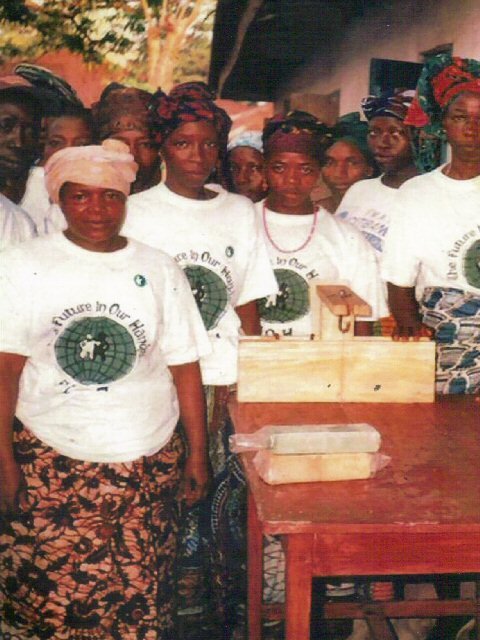
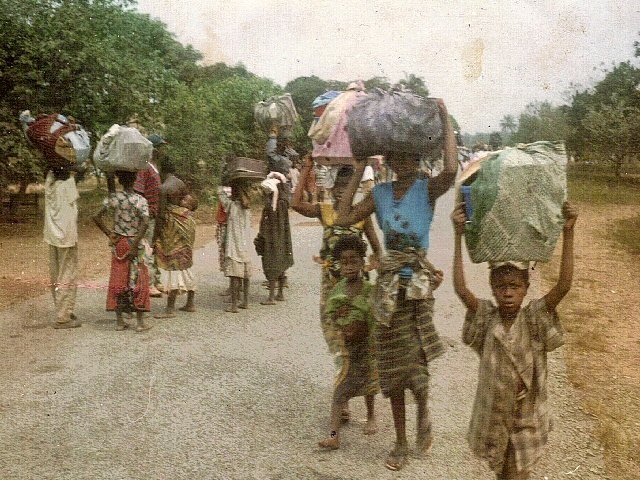
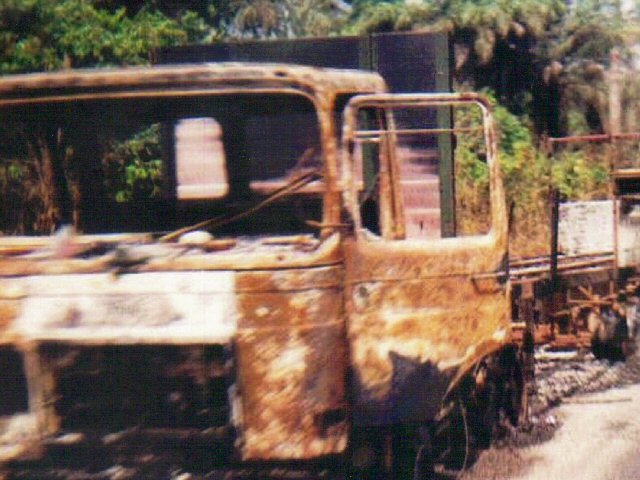
Images – Post war Rural Development in the Tonkolili District
SIERRA LEONE







Follow us on Facebook:
www.facebook.com/fiohfund
Follow us on Twitter:
twitter.com/fiohnet
Please share our links with your friends to help us reach a wider audience.
Images – Poverty Alleviation in the Thar Desert
PAKISTAN




Follow us on Facebook:
www.facebook.com/fiohfund
Follow us on Twitter:
twitter.com/fiohnet
Please share our links with your friends to help us reach a wider audience.
Images – Eucalyptus Replacement Project
CAMEROON – NORTH WEST REGION









Follow us on Facebook:
www.facebook.com/fiohfund
Follow us on Twitter:
twitter.com/fiohnet
Please share our links with your friends to help us reach a wider audience.
Beneficiaries of the Poverty Alleviation in the Thar Desert project
Typical case histories of three people who benefited from the Poverty Alleviation Project in the Thar Desert, Pakistan managed by the Participatory Village Development Programme:
Radha
 My name is Radha. I was selected as one of the beneficiaries of the FIOH PROJECT and I was given project management and handicraft skills trainings by PVDP and 25 fodder trees, 25 bair trees, one water tank, fuel efficient smokeless stove and a loan for handicraft making. I had never in my dream thought this kind of packaged support for reducing our poverty and vulnerability. Not only that my one son and one daughter were admitted in PVDP supported primary school but I also got the chance to learn to read, write and count up to 100 in adult literacy centre that was established by PVDP in our village.
I was one of the members of the Village Development Organisation and took an active part in the meetings and trainings to improve my knowledge and skills which gave me a lot of confidence to make decisions about my life and my children. I felt that I am terribly saved from falling into the trap of my in-laws who would never have given my children the opportunity to go to school. Also they would never had allowed me to join the adult literacy centre, attend community meetings and workshops which opened up my eyes and mind and gave me so much confidence to spend my life peacefully as a free human being.
I really feel that I have come to new life. The loss of my husband has been made good through PVDP support. Today, I am happy that despite serious droughts over last year, I am looking forward to getting some income from the sale of bair fruits in one or two years from the 50% of the trees which I have saved during the drought. I also managed to save 50% of the fodder trees on which my livestock will survive in the future years. I am already getting some income from the sale of embroidery work. I store my water in the tank which saves my time of fetching water from a distant well. The time I save is spent in doing embroidery work, attending community meetings and training workshops. I am also happy with my fuel efficient smokeless stove. When I used the traditional stove, I often used to have sore eyes due to smoke emission. With this smokeless stove I feel very comfortable, my eyes are protected, the stove uses less wood and cooks faster due to two burners. With so much of support from PVDP our family’s life has really changed.
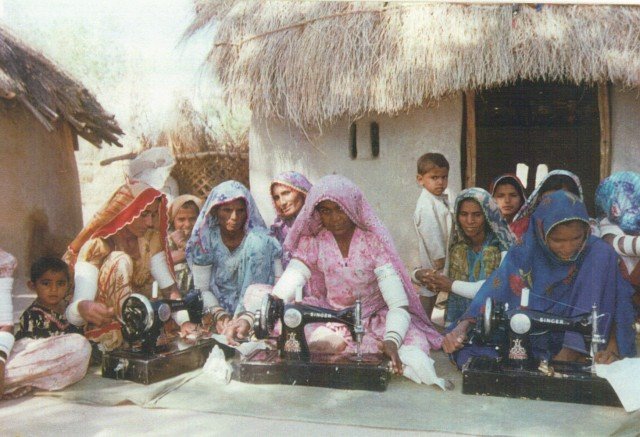
I went to PVDP established vocational center in my village and learned to make purses and sewing clothes on sewing machines provided by PVDP. After the training I am happy that I can sew cloth and can earn money from this skill. I can also make purses which PVDP is trying to find market for. I am hopeful that when purses will sell and I can tailor make clothes for other people and earn handsome money which will help to reduce our poverty. I have become alive again! Thanks to PVDP and the FIOH Project.
——————————————————————–
Indra
 I am Indra. I have entered in the fourth year of this project which is helping to improve my family’s socio economic position. Now I am the active member of my village organization and active member of PVDP. I attended all trainings conducted by PVDP and also attended all programmes organized in our village by our Village Development Committee. Now I have the skills and confidence to give presentation of our community development work to our village people and outside visitors. I was also made aware of the important role of mother in looking after the children and their schooling. Now I take good care of all my children.
I also send my children to school and at home I make them study. I also help them where I can in their studies. I am supporting my community to becoming literate. Adult literacy classes are conducted in which I teach women to read, write and acquire numerical skills. The trainings and seminars I have attended have helped me in becoming aware of community issues which need our action to address them. I also realized that 8th class is not enough for me so I got admission for further studies. I now study at home and go to city to appear in exam. I am hoping to complete my matric over the next two years. I have a government job in which I am working as community health worker. I am helping women in their pregnancies and safe deliveries. PVDP health team regularly update my knowledge and skills about health care. I am very thankful to PVDP and the FIOH Fund that through their support my own and family’s life has changed.
——————————————————————-
Welayt
 I am Welayt. I have entered in the fourth year of this project which is helping to improve my family’s socio economic position. Despite my disability I feel more at ease and involved in various opportunities created by this project. After becoming a member of VDO for four years of this project, I have attended different training programmes and sessions such as handicraft training, livestock management training, and wild food preservation. I can now take care of my livestock and this year we preserved different vegetables which helped to somewhat secure our foods.
My mother and me make embroidery work which get sold in the local market and we earn some income from this activity. It is particularly helpful during drought times when most of our resources deplete. It is my wish that our daughters go to school to get education at least up to primary level to learn some basics of education that could help them in their future life.
We are strictly bound to comply with the set of rules of this culture. The changing of culture is not as easy as changing habits; it needs self persuasion and discipline. Earlier, women in my village were not allowed to attend meetings and trainings. My husband, after attending various trainings of PVDP on civil & political rights, project management, and livestock management etc. inspiringly, motivated to his community to provide same opportunity to their females for becoming active member of VDOs. But no one was agreeing for this change. PVDP in that situation organized more meetings and trainings to convince our community for female participation. Then, PVDP selected 16 households as beneficiary of FIOH Fund UK Project. We were provided with water tanks, bair trees, fodder trees, fuel stoves, and embroidery support loan with informative trainings. We hope to have more income in future through sale of bair fruits and handicraft work.
I am thankful to PVDP for providing embroidery skills to me and my daughters who cannot be educated due to our rigid culture, but they learned skills to earn at home. Another good thing happened is that my daughters can write their name and know counting of numbers by attending classes in Adult Literacy Centre of PVDP.
——————————————————————————

Follow us on Facebook:
www.facebook.com/fiohfund
Follow us on Twitter:
twitter.com/fiohnet
Please share our links with your friends to help us reach a wider audience.
Community tree planting in Oku, NW Region

Nursery Development for Environmental Education and Forest Regeneration at the Emfve-Mii Community Forest
In 2014 the FIOH Fund provided grants of £500 each for community tree planting to two non-government organisations with offices based in Oku on the edge of Kilum Ijim natural forest, in the NW Region of Cameroon:
- Cameroon Gender and Environment Watch (CAMGEW) and
- Future in Our Hands Womens Co-operative, Oku
This report which was prepared by Wirsiy Emmanuel Binyuy (CAMGEW Director) and Ngum Jai Raymond (CAMGEW Project Officer) describes the project undertaken by CAMGEW.
ABBREVIATIONS AND ACRONYMES:
CAMGEW: Cameroon Gender and Environment Watch
FMI: Forest Management Institution
MINFOF: Ministry of Forestry and Wildlife
OCR: Oku Community Radio
FIOH: Future In Our Hands
Acknowledgment
CAMGEW is grateful to Future In Our Hands (FIOH) for the financial assistance. This assistance was used to develop a tree nursery at Manchok-Oku. CAMGEW is thankful to the Ministry of Forestry and Wildlife (MINFOF) for Oku for technical assistance in forest regeneration process. The participation of community members, youths, and forest stakeholders in nursery development and tree planting was also highly appreciated.
Introduction
CAMGEW is a non profit organisation created in October 2007 with authorisation number N° 000998/RDA/JO6/BAPP to work locally and think globally, integrating gender issues in solving environmental and social problems in Cameroon. CAMGEW believes that the future of our mother planet-earth is in our hands (men and women, young and old) and also that the planet can be sustained by putting social and environmental justice at the centre of development using a participatory approach. CAMGEW seeks to achieve her objectives by liaising with other likeminded organisations worldwide. She has resolved to function according to core values of honesty, engagement and dedication in total respect of its constitution. CAMGEW has as vision “Changing lives of women, children and communities while protecting the environment and as mission to fight poverty; promote sound environmental management, gender balance and economic sustainable development.
Presentaion of the project area
Emfve-mii Community forest is part of the Oku forest and Oku is found in Bui Division of the North West Region of Cameroon. The population is English speaking. Oku has the largest remaining portion of Bamenda Highland Montane Forest with a large crater lake called Lake Oku at altitude around 2500m. The Oku Community Forest is the first community forest in Cameroon. The forest has a unique ecosystem and is the largest remaining habitat for Bannermans turaco-a red feathered bird that is only found in the Bamenda Highland Region and is classified by IUCN Red list as endangered. Kilum Mountain with altitude 3011 meters is the second highest mountain in Cameroon, central and West Africa after Mount Cameroon. Honey from Oku Forest is white in colour and is commonly called Oku White Honey. It is cherished nationally. It is certified as a Geographical Indication Product.
Oku has a rich culture. Carving is highly practiced in Oku. Oku is a tourist destination. Oku has a population estimated at about 130,000 inhabitants. It has a total surface area of about 800 km2 of which 300km2 are covered by the forest. This gives the locality a population density of about 162 persons per km2.
The Kilum Mountain Forest is rich in non-timber forest products such as herbs for medicine, rodents, wood for carving, bamboo which is used locally for construction and the Oku honey with its peculiarity of being white in color.
Presentation of the project
CAMGEW received a grant from FIOH in 2014 of 611,753 FCFA for nursery development and environmental education. CAMGEW supported this project by planting the nursed trees in the Emfve-mii community forest with the community and young people. The nursery was developed at Manchok –Oku. CAMGEW developed a tree nursery with 2000 trees of different varieties. The nursery was used for environmental education with community members and youths. CAMGEW had to label the trees with local names, scientific names and the use of the tree for easy learning.
CAMGEW in this project helped the community members know the importance of each tree in honey production; promoting bird and other animal diversity; watershed protection; and medicinal properties and uses. The nursery was set with the participation of community members and seeds collected with them.
This project had to bring together traditional authority, administrative authority, groups of forest users (bee farmers, firewood fetchers, hunters, etc) and community members to work for the conservation of their forest. Tree planting was done with different tree species to promote a bio-diverse forest with a variety of trees.
Forest regeneration activities
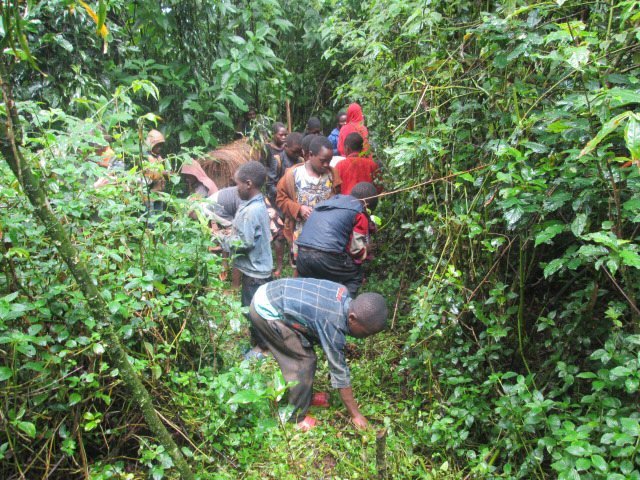 Forest regeneration is an important activity with a global interest.
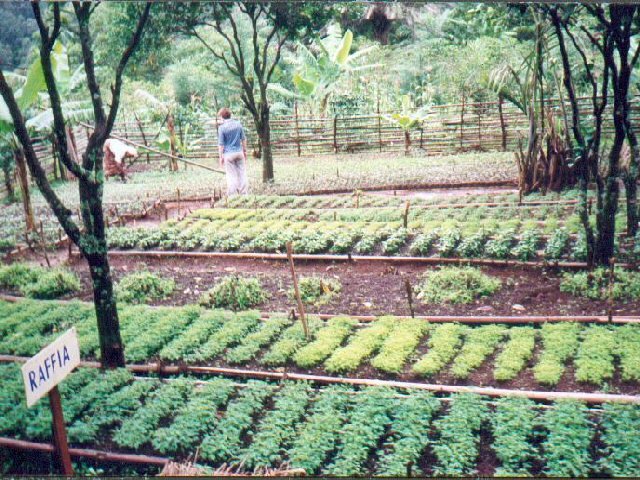
CAMGEW started this project with nursery development. The nursery fence was constructed and trees nursed. The types of trees nursed were Prunus africana, Carapas grandifolia, Pittosporum mannii, Zyzigium staudtii, Croton macrostachyst, Maesa lanceolata, Schefflera abyssinica, Bridelia speciosa, Psychotria penducularis, Solanecio mannii, Polysias fulva and Psydrax dunlapii. CAMGEW has more than 60,000 trees in this nursery and 2000 trees were nursed for FIOH-UK. These trees play vital role in watershed protection, promotion of biodiversity, sustaining livelihoods, promotion of apiculture and fighting climate change. The trees were shaded, weeded from too much sun and watered during the dry season. Weeding was a continuous activity to reduce weed competition for nutrients with nursed trees. Two types of nurseries were developed- bare root nursery and nursing of seeds in polythene pots.
Environmental education
 CAMGEW used the nursery for environmental education for children, youths and adults. The community learned about nursery development and importance of each tree to man and nature. CAMGEW labeled the trees with local names, scientific names and the use of the tree to man and nature for easy learning. CAMGEW carried out forest education with children inside the forest too.
Tree planting
 CAMGEW from 29th of May to 27th July 2015 carried out tree planting in the forest, tree maintenance, and field base environment lessons where children learn-by-practicing in tree planting. On the 29th May 2015 CAMGEW had a forest regeneration planning meeting with forest stakeholders. During the tree planting exercise children learned how to transport trees to the forest, dig holes and plant the trees. The children took part in site selection for forest regeneration. They considered areas with no trees for regeneration by planting trees of different types in one area. There were some community members with experience who joined CAMGEW to guide young people in the exercise. We were happy to have teachers of schools participate in the activity and this assured the transfer of this knowledge to classrooms by making practical learning feature in their lessons. In May 2015, community members cleared the area where trees were planted and in June 2015 they planted 1,500 trees for FIOH project as CAMGEW’s contribution in the forest regeneration process. 500 trees were planted by children.
Selection of trees for planting in the forest
On the 14th and 16th August 2015 CAMGEW organised field based environmental education with children and youths in the forest.
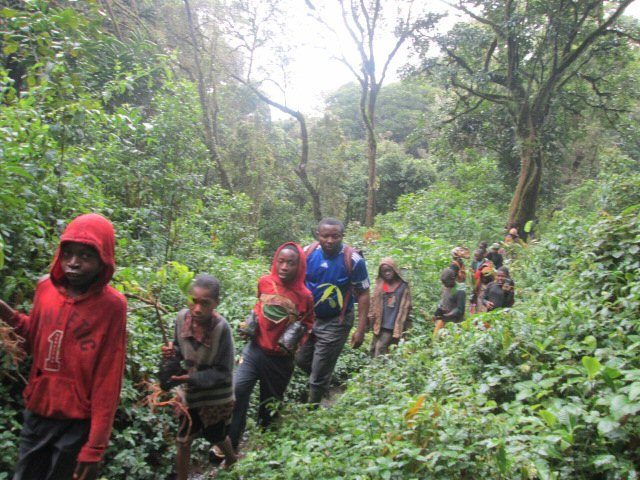 On 14th August 2015, 210 students with 11 teachers that gave the children holiday lessons joined CAMGEW in the nursery to learn about forest regeneration. The students and their teachers carried 300 nursed trees from the CAMGEW nursery to the forest for planting. These trees included Prunus africana, Carapas grandifolia, Pittosporum mannii, Zyzigium staudtii, Croton macrostachyst, Maesa lanceolata, Schefflera abyssinica, Bridelia speciosa, Psychotria penducularis, Solanecio mannii, Polysias fulva and Psydrax dunlapii. They learned about the importance of these trees to man and nature. They had forest education, dug holes and planted the trees. It was great joy for many as they were planting their first tree in life. Some had not been to the forest before. They called on CAMGEW to make this a regular long vacation (holiday) event.
On the 16th of August 2015, 20 other children joined CAMGEW with their parents and planted 200 trees of different types. They carried trees to the forest and planted together with CAMGEW. All these young people learned about forest problems like bush fires, the presence of goats in the forest, unsustainable bee farming that cause bush fires, over trapping of rats and the cutting of fresh wood for firewood by community members. The young people were asked to propose solutions to these problems and make resolutions on a personal basis to keep the forest live. They also helped CAMGEW to collect seeds of trees from the forest to nurse in the CAMGEW nursery. These seeds went to replace the seedlings taken to plant in the forest.
Tree planting with young people in the forest
The clearing of the forest was part of IUCN-France project to keep trees earlier planted clean but the replacement of dead trees in World Bank Project site was done with trees from FIOH-UK. The planting of 1,500 trees was done on a voluntary basis by CAMGEW and community. Trees planted in 2013 with government funds were still maintained and dead ones replaced with government funds in 2014. 5,000 trees were planted in the Emfve-mii forest in 2015 with funds from Cameroon government, FIOH-UK, CAMGEW, IUCN-France and forest users.
Seed collection from the Kilum forest for nursery development
Wirsiy Emmanuel B. coordinated the activity. Ngum Raymond was field supervisor and community leader was Berinyuy Sebastian.
Monitoring of planted trees
CAMGEW has made monitoring of planted trees in the forest a regular activity. Monitoring of these trees is done on a daily basis by forest users like bee farmers, hunters and firewood fetchers who updated us on the state of the forest and planted trees. CAMGEW makes regular patrols and monitoring too on a weekly basis.
Challenges
- The greatest challenge in the regeneration of the Oku forest is the presence of animals in the forest (goats). These animals kept by community members in the forest have been destroying planted trees and other seedlings that are regenerating naturally.
- Land close to the forest is used by community members for farming. They do slash-and-burn to prepare the farm for cultivation. This exposes the forest to bush fires. There will be a need for continuous monitoring of the regenerated area and the whole forest.
- There is the cutting of fresh wood for firewood or for fencing of farms and gardens by forest users. This has disturbed the regeneration process as it is a threat to the fate of planted trees by CAMGEW
Successes
- This project has ended with CAMGEW owning a solid fenced nursery that will be continuously used for forest regeneration. This nursery has a capacity of 100,000 trees. CAMGEW has nursed over 60,000 trees of different species like Prunus africana, Carapas grandifolia, Pittosporum mannii, Zyzigium staudtii, Croton macrostachyst, Maesa lanceolata, Schefflera abyssinica, Bridelia speciosa, Psychotria penducularis, Solanecio mannii, Polysias fulva and Psydrax dunlapii.
- CAMGEW used a participatory approach in tree planting and has seen an increase in community solidarity. Community members after participating in tree planting have understood the importance of the Oku forest and the need to protect it. Youths’ participation in tree planting increased their understanding of the forest and need to protect it. CAMGEW by involving youths in tree planting instils love for nature in youths.
- Through sensitization in the Community Radio, many people have changed their negative attitude towards the forest. People have removed goats from some parts in the forest. Community members, especially those who took part in the regeneration process, are now patrollers (volunteers) monitoring the trees that they planted with CAMGEW’s supervision.
Conclusion
Forest education has been a success in the Oku Community Forest in 2015. CAMGEW succeeded in planting 2,000 trees in the forest under FIOH-UK funding. Children and youths learned-by-doing in planting trees. This activity gave CAMGEW the opportunity to carryout field-based environmental education on sustainable forest management and use. The Oku community Radio was used to reach out to the population on the need to protect the forest. C AMGEW hopes to make the tree planting event an annual activity.
The Oku forest is a large forest. The forest is over exploited and needs to be regenerated. This Forest is important not only for its endemism but also for water catchment, food, medicine and for the livelihoods of community members living around the forest. We must protect it.
Recommendations
- CAMGEW sees the importance for field based environmental education with forest users, women, farmers, youths and children of school age to be regular activity. Environmental education with schools in and around Oku will help protect the planted trees and instil the spirit of love for nature in school children.
- CAMGEW recommends that tree planting should be a regular event.
- CAMGEW recommends that all goats found in the forest be removed to permit the growth of planted trees and the natural regeneration of the forest. Goats eat up planted and natural seedlings of Prunus and other tree species. The goats prevent the natural regeneration process of the forest. The absence of goats from the forest will permit young seedlings to grow and increase their rate of survival.
- CAMGEW recommends sanction to the owners of goats living in the forest. General patrols carried out and goats found in the forest caught. The tradition is encouraged to get involved in the catching of goats. There is a zone of pasture at the top of the forest where they could keep their animals.
- CAMGEW sees the need for a demarcation between the forest and the savannah land at the top of the forest. This will prevent the movement of animals from the top savannah land to the forest. The absence of domestic animals in the forest will promote the regeneration process.
Follow us on Facebook:
www.facebook.com/fiohfund
Follow us on Twitter:
twitter.com/fiohnet
Please share our links with your friends to help us reach a wider audience.
Ebola identification and prevention programme

Ebola programme
FIOH Sierra Leone carried out this programme in 2015. The FIOH Fund contributed £7,138 towards this project located in the Tonkolili, Bombali and Port Loko districts in the north of the country. Most of the funding came from Bread for the World.
Where does Ebola come from?
The first known incidents of the Ebola virus were in 1976. There were two simultaneous outbreaks in Nzara in Sudan and Yambuku in Zaire (now the Democratic Republic of Congo). The name of the Ebola river near Yambuku was given to the new epidemic.
Outbreaks have mainly occured in remote villages in Central and West Africa, close to tropical rainforests.
The main outbreaks were in West Africa, mainly in Guinea, Sierra Leone and Liberia.
Ebola is described by the World Health Organisation (WHO) as “one of the most virulent viral diseases known to humankind.”
There are five distinct species of Ebola and the survival rate ranges from 25 to 90%. There is no licensed vaccine for Ebola although several are currently being tested.
How is the Ebola virus transmitted?
- Ebola is passed to humans through close contact with the blood or bodily fluids of infected animals. Fruit bats, monkeys and chimpanzees can all carry the virus.
- Ebola then spreads through human-to-human transmission, again from contact with blood or bodily fluids.
- Burial ceremonies where mourners touch the body of the dead person can also spread the disease.
- The incubation period (the time from infection to the onset of symptoms) is between two to 21 days.
- People remain infectious as long as their blood and secretions contain the virus.
What are the symptoms?
Initial symptoms include the sudden onset of a high fever, muscle pain, general weakness, headache and sore throat.
Further symptoms include vomiting, diarrhoea, rashes, damage to the kidney and liver function.
In some cases symptoms can include both internal and external bleeding.
There is no known cure or vaccine for ebola.
How can the virus be prevented?
- Routinely cleaning and disinfecting farms to inactivate the virus.
- Animals should be handled with gloves and protective clothing. Meat should be thoroughly cooked before eating.
- If an outbreak is suspected in animals, the premises should be quarantined and infected animals culled.
- Avoiding physical contact with people infected with Ebola and protective clothing must be worn.
- Washing hands after visiting patients in hospital, or after taking care of those infected at home.
- Inform the authorities when a community is affected so containment measures can be taken.
- Ebola victims should be buried quickly and safely, with no direct contact with the corpse.
What is being done to treat it?
Several vaccines are being tested, but none have been approved for clinical use.
Severely ill patients require intensive supportive care. Patients are frequently dehydrated and require oral rehydration with solutions containing electrolytes or intravenous fluids.
Background to the project and problem analysis
 In May 2014 the Mano River Union countries (Sierra Leone, Liberia and Guinea) experienced an outbreak of ebola. Between May and October 2014 the disease left over 4000 people dead in this part of West Africa. In Sierra Leone the epidemic spread across the length and breadth of the country.
Since the outbreak the Future In Our Hands – Sierra Leone together with Youth with Focus, Kankalay Youth Development, Sorbeh Nyagah Women’s Association and God is God Ministries were part of the national Sensitization Team engaged in Community Education on the Prevention and spread of the Ebola Virus. Our messages focused on the causes, symptoms, preventive measures and required action in the case of infection. Although we were fairly satisfied that most communities were fully aware about the outbreak and the infectious nature of the disease, we realised the need to take the fight to another level as the spread of the disease was not then contained. We realised that the strategy then adopted was mainly focused on providing supportive treatment for infected patients at specially established treatment centres in Kenema and Kailahun; then scaled up to Freetown. Initially the follow-up of contacts was difficult due to mistrust and resistance of the local communities; attributing the infection to witchcraft, failing to take sick patients to hospitals and resisting attempts to collect dead bodies by the authorized burial teams for sanitary burials. These challenges led to a failure to effectively interrupt the chain of infection. The situation was aggravated by the very weak capacity of local health facilities as they were not able to adequately mount a consistent response due to ill preparedness and loss of staff frightened by the high morbidity among their ranks. This utter state of paucity weakened the overall health system even further. Communities were not equipped to isolate suspected cases effectively. This led to an increase in stigma, discrimination and fear. This awareness among FIOH-SL ignited an action to build community capacity to respond to the ebola epidemic by forging stronger partnership and collaboration with state actors and non-state actors.
The death of many health care workers in the country created panic and mistrust in hospitals, with reports that some health care workers were abandoning their posts. Ebola is almost universally fatal. Victims were socially stigmatized and isolation represented an offense and family shame.
Some of those affected by the virus were either abandoned or rejected by their families during hospitalization. In the isolation ward in particular, the most harrowing experience for victims and health workers was the loss of friends and colleagues who died next to them. The reluctance of hospital personnel to treat them and the abandonment by medical staff including the refusal to admit visitors was also difficult to bear for most patients. The grief for family members who did not survive was also very intense. Some of those who survived either tried to escape from their families or immediate neighbourhoods for fear of stigmatization. Those who survived, even though completely healthy, were feared by others. People did not want to come near them or have anything to do with them. Even their children were told not to touch them and wives were told to go back to their home villages and communities. The discrimination extended to family members and friends, who were regularly shunned at market places and other public areas. For the community, the psychological trauma of losing loved ones and witnessing death on a large scale and ebola burial methods were very distressing and traumatic and often caused severe long term mental health consequences for the relatives of the victims.
Prior to the outbreak of the ebola virus in the country, Sierra Leoneans were much concerned about family members’ sicknesses, deaths and other social issues. In most cases the families even raised funds to bury their dead with the full participation of community members whether the community was heterogeneous or homogeneous. The community members also provided peer support for those with serious illnesses or for bereaved family members. But with the collapse of this unique practice due to the ebola virus outbreak in the country, there were very serious family divisions and animosities. For instance, family members could not touch their loved ones in the event of sickness or death, while members of the community.
The FIOH Sierra Leone forum saw the need to promote peace among families, in the communities and in the nation as a whole. The forum aimed to provide psychosocial support to survivors, family members and volunteers, including social workers and clinicians. Volunteers, mainly community leaders, social workers and family members, were trained to conduct community sessions/outreach campaigns for the mitigation and reduction of stigma and fear of ebola survivors and their families in the communities.
Objectives
Overall Objective:
- Eradicate Ebola Virus Disease (EVD) from communities by April, 2015
- Increased respect for human right of EVD infected person by April, 2015
Specific Objectives:
- Increased community awareness to prevent ebola
- Strengthened community health services able to prevent ebola transmission
- Increased protection of ebola susceptible person
- Improved environmental sanitation and personal hygiene
- Re-integrate affected communities
Coordinate and monitor project implementation.
Project activities
- Increased community awareness to prevent ebola
- Volunteers ans staff trained on ebola prevention and contact tracing
- House-to-house visits carried out to identify sick persons for referral to health facilities.
- Reports made to district Ebola Operation Center (EOC) of all suspect persons or death and samples collected for ebola test.
- Flash electronic thermometers distributed.
- Health workers trained in Universal precaution and use of PPE.
- Community volunteers trained to work with burial teams.
- Infected persons transported to holding centers.
- Relief items including blankets, food, and water distributed to holding centre.
- Dead bodies collected from communities for sanitary disposal.
- Family members trained on hand washing and waste disposal methods.
- Ebola confirmed premises disinfected.
- 30 hand pump water wells constructed.
- 30 hand pump water wells rehabilitated.
- 600 ventilated pit latrines constructed.
- Agricultural packages (seeds & tools) distributed to 100 farm family heads.
The table below summarises the situation in the three regions in mid 2015:


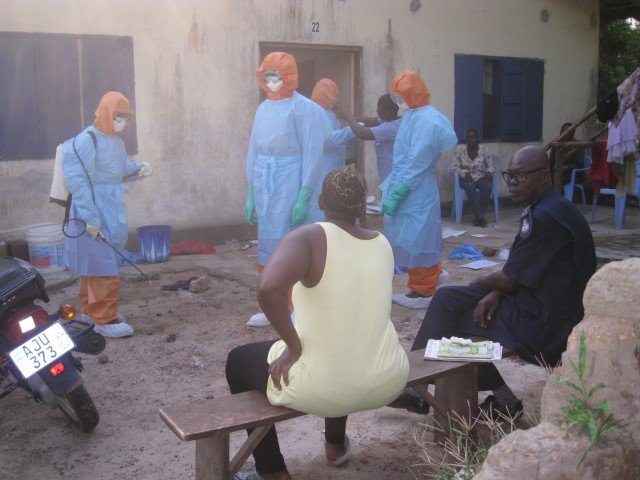

Protective measures. Training. Safe burials.
If you would like to support the work of the FIOH Fund please make a DONATION:
Follow us on Facebook:
www.facebook.com/fiohfund
Follow us on Twitter:
twitter.com/fiohnet
Please share our links with your friends to help us reach a wider audience.
School building and education in Yonibana, Tonkolili District
 Background and problem analysis
Before the advent of the 11 years long civil conflict in Sierra Leone, education was regarded as one of the corner stones of socio-economic development of the country. During this era, the country used to be called the ‘antens of West Africa’ where people along the West African coast came to acquire quality education.
But this situation changed during and after the war when the country experienced massive destruction of the social and educational structures which in turn made its citizens vulnerable and jeopardised the future of children thereby denying their protection right which is education. This has also been compounded by the outbreak of the Ebola Virus disease which denied effective schooling for children during 2014 and most of 2015.
The Rosari Benthee, Fouthernefor, Mayolah, Mayebo and Magbanapoli communities are found in these remote parts of Kunke chiefdom in the Tonkolili District where children trek over four miles to access educational facilities in chiefdom headquarter town (Masingbe) and the neighbouring chiefdoms.
During the rains children reached the schools with their uniform and books soaked and most times returned home without learning.
In addition, most children had to go across streams from their different villages and during the peak of the rainy seasons most streams became over-flooded stopping the children from reaching the school.
Through community initiative and support, in 2008 a three classroom building was constructed with mud and roofed with thatch but leaked profusely during heavy rains. This coupled with poor sanitary conditions (no water well and toilets facilities) made these children prone to health hazards.
This school, with a population of 110 pupils, was supported by community voluntary teachers with limited sitting accommodation, teaching and learning materials hence making learning difficult for these children in classes 1, 2 & 3.
However, this classroom building could not accommodate the increased population of children. With the growth of the school to classes 4,5 & 6, there was a need to provide basic educational facilities for these disadvantaged children as the facilities used were not educationally productive.
It is against this backdrop the Rosarr Primary Education project was designed to provide a conducive learning environment for 200 children drawn from five village communities in the Kunike Chiefdom in the Tonkolili District.
Objectives
- To construct a 3-classroom building with a staff room and store
- To construct a hand pump water well in the school compound
- To construct a 4-apartment VIP toilet
- To furnish building with desks, benches, chairs, chalk, exercise books, pens, pencils and rulers.
This project is one of several school building projects partly funded by the FIOH Fund. During 2014/15 the FIOH Fund provided grants of £5,040 for a school building programme in the district with the generous support of Georg Hansen from Norway.


If you would like to support the work of the FIOH Fund please make a DONATION:
Follow us on Facebook:
www.facebook.com/fiohfund
Follow us on Twitter:
twitter.com/fiohnet
Please share our links with your friends to help us reach a wider audience.
Community tree planting nursery in Oku – FIOH Co-operative
Nursery Development for Environmental Education and Forest Regeneration in Oku
 In 2014 the FIOH Fund provided grants of £500 each for community tree planting to two non-government organisations with offices based in Oku on the edge of Kilum Ijim natural forest, in the NW Region of Cameroon:
- Cameroon Gender and Environment Watch (CAMGEW) and
- Future in Our Hands Womens Co-operative, Oku
This report was prepared by the FIOH Oku co-operative leader, Gangli Mary Nkeng.
1. Presentation of FIOH-Oku and the current project
Future In Our Hands Cooperative is a women’s farming cooperative made up of over 5 Common Initiative Groups (CIGs) representing over five villages in Oku Subdivision. It was created on the 22nd of September 1999. It encourages the spirit of hard work, cooperation and togetherness in women. It is called a women’s cooperative because 95% of members are women. Her creation was thanks to the interest SHUMAS NGO and Future Our Hands–Oku had to empower women and the vulnerable in the Oku community. It has as its motto: educate a man, educate an individual; educate a woman to educate a whole nation. This is because of the socio-economic importance of a woman in the purely African village community like Oku. Since its creation FIOH-Oku has realised the following projects (just summaries):
- Improving the processing and transformation of corn and cassava through mills and haulers donated by SHUMAS and her partners.
- Offering loans to members at very minimal interest rates through a scheme developed by SHUMAS.
- Through SHUMAS there has been the development of community health infrastructure for the village of Lui.
- Regular production of organic food crops and other natural products for income generation and food security.
- Attending agro-pastoral shows to market their produce.
- Training and practising sustainable and integrated farming and livestock productions methods amongst her members.
- Training and application of agroforestry techniques to her membership.
In 2014, FIOH-Oku received a grant of £500 pounds from Michael Thomas of FIOH Fund-UK to develop a nursery of indigenous trees. We developed two nurseries with the funds, one of 3,000 indigenous trees in 2014 and another of 3,500 indigenous trees in 2015.
2. Presentation of the project area
Oku is located in Bui Division of the North West Region of Cameroon. It is made up of 36 village communities mostly living along the slopes of the Kilum Mountain. The people depend mostly on forest resources, subsistence agriculture, cash crop farming, livestock production and local artisan work for their livelihood. The Kilum Ijim Forest found in the community is a naturally preserved moist montane forest with a surface area of about 20,000 hectares. It is located in the Mount Oku Ridge in the Bamenda Highlands and forms part of the High Plateaus Agro-ecological Zone of Cameroon. The geographic location of the area is latitude 6°07’N – 6°17’N and longitude 10°20’E – 10°25’E. It has very important and threatened Afro-Montane endemic animal and plant species such as Prunus africana amongst others. It is an internationally important biodiversity hotspot and a critical zone for carbon sequestration within the High Plateaus Agro-ecological Zone.
The Kilum area is one of the most highly populated locations in Africa and Cameroon in particular, accommodating 144,800 people occupying about 328 km2 (439.3persons/km2); hence, high pressure on resources is inevitable. There has been progressive deforestation and degradation mainly due to agricultural expansion, forest fire and overgrazing. Fuel wood harvesting has also been a major cause of deforestation and forest degradation. The late 1980s decline in coffee prices triggered many farmers to migrate further up the slopes in search of new land to increase income through alternative crops.
3. Project goal and activities
The project goal was to train community members on agroforestry techniques which are soil conserving, fight poverty and hunger and to establish a nursery of indigenous trees for planting in farms and the community forests.
The objective was to offer practical agroforestry skills to at least 50 persons including men, women and children and to enable the participants to set up a nursery composed of indigenous trees for out planting within the community.
4. Project activities
Planning meeting:
After the FIOH Cameroon Network seminar and workshop held on May, 10th 2014 at SHUMAS Head Office Bamenda, FIOH-Oku had a planning meeting on May, 16th whose objective was:
- To report on the conduct of the seminar
- Present to FIOH members the cash gift given by Mike Thomas from FIOH-UK to enable members to nurse and plant indigenous trees
- Plan on when to start work on the project.
Collections of seeds and seedlings:
 On the 29th of May we met to plan on how to get sticks of the nursery fence. It was agreed that each member was to provide five sticks and men in addition will help make the fence. We equally planned on the collection of seeds and young seedlings for the nursery. We agreed to collect from the forest and from our farms. We equally decided to involve school children. The president was assigned to contact the head teacher of the school which she did.
Clearing, tilling and fencing of the nursery site:
The men did the clearing while the women did the tilling. This activity took place in the month of July, 2014.
Formation of nursery beds and nursing of seeds and seedlings:
Formation of beds and planting proper took place in July. Before nursing and planting the school children were taught by their teachers on the spot about the importance of trees to man and nature. The names of the trees in the Oku language were also made known to them. The planting was done with the children and their teacher. They were given some money for food and transport.
Weeding and monitoring of nursery:
Since the cooperative is made up of CIGs, the work was divided into groups and each group had a given task for weeding and monitoring. We jointly sold the young trees to CAMGEW for the sum of 178,000 CFA.
5. Detailed methodology and activities used during the project
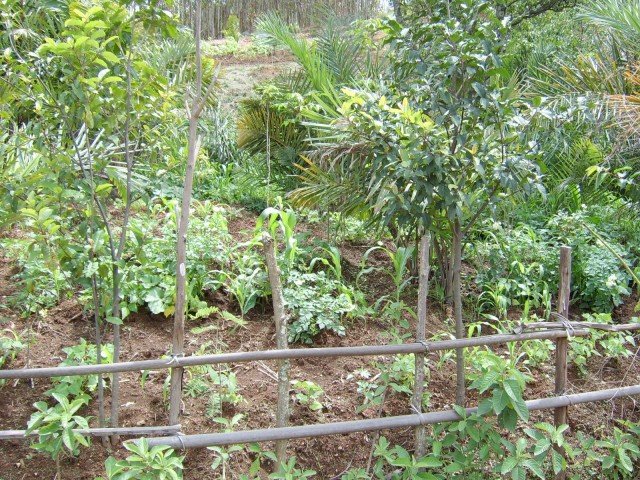
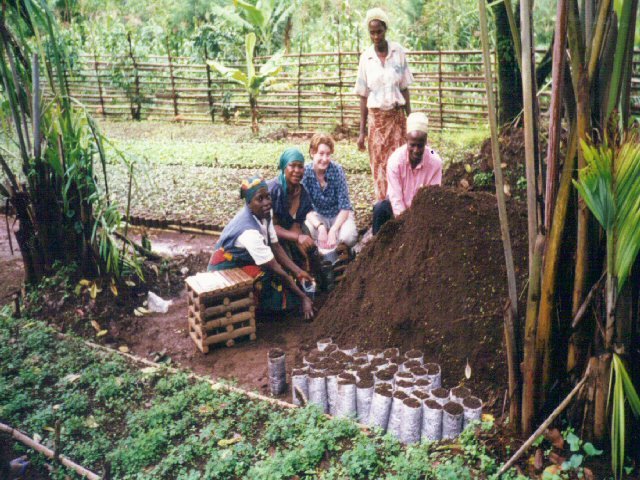
We had a planning meeting with our members. Participants were trained by-doing in the field (a small demonstration plot we had at Manchok-Oku) on agroforestry nursery development using many locally sustainable approaches easily understood by the community. They were also trained on the importance of organic manure (compost) and how to produce organic pesticides. Lessons were given on the importance of trees in their farms, the advantages of enclosing their animals (goats, sheep, cows, fowls, pigs etc) to get animal dung to use in their farms for soil fertility improvement and increase food production. Through on-the-spot field work they were able to identify the dangers of Eucalyptus planting and why the trees should be cut down and replaced by agroforestry species and indigenous trees. The training was offered in the local languages (Oku) and in Pidgin English.
The principles of agroforestry were taught in the first part of the field learning. These included lessons on sustainable land management, trees and global climate change, agroforestry technologies (windbreaks, living fences, alley cropping terraces and contour plantings, firebreaks, forest gardening, and integrated production systems) and agroforestry for livestock management, conservation techniques, integrated pest management, composting, perceived needs of the community, income-generating activities, major agroforestry species (Leuceana, Calliandra, Acacia, Tephrosia), seed collection, storage, and pre-treatment, bare root nurseries and bare stem seedlings. Practical work was done on the second part of the training. Participants had to do practical nursery development activities. They tilled the soil; they planted some seeds while getting information on how to plant them. Prunus africana and other indigenous trees were nursed from where the seedlings will be planted into farms and other areas in the community.


6. Participants at the demonstration plot in Manchok, Oku
May – July 2014: 4 men, 36 women and 35 children
June – July 2015: 5 men, 35 women and 45 children
7. Challenges
From the beginning of the project, many of our plants did not germinate or they died after germination, but our team and the participants did not give up. We benefitted from the technical support of the chief of post of forestry just of recent. He is very much willing to work with us. He told us the first error was because we collected the seedlings poorly and the roots got infected or dried up. We were able to nurse over 7,000 trees and 3,000 survived. Some of the trees were out planted during the CAMGEW tree planting exercise in the community forest.
8. Conclusion
Currently we have developed another nursery of 3,500 trees consisting of Prunus africana, Schefllera species and other locally known species. The trainings went on smoothly with the participants learning during the practical steps. We saw that participants were participatory in the activities. Old mothers and fathers who do not know how to speak English raised their hands and asked questions or shared their knowledge on agroforestry techniques using the local language. We learned a lot in the process from indigenous knowledge on agroforestry techniques from participants. There was an integration of the traditional methods of farming and agroforestry techniques by the participants.
If you would like to support the the tree planting projects of the FIOH Fund please make a DONATION:
Follow us on Facebook:
www.facebook.com/fiohfund
Follow us on Twitter:
twitter.com/fiohnet
Please share our links with your friends to help us reach a wider audience.
FIOH Fund Newsletter – Summer 2015
Ebola programme
NEWSLETTER – ISSUE 1 – SUMMER 2015:
FIOH FUND NEWSLETTER – SUMMER 2015
Follow us on Facebook:
www.facebook.com/fiohfund
Follow us on Twitter:
twitter.com/fiohnet
Please share our links with your friends to help us reach a wider audience.
Cyclone relief in Andhra Pradesh, Nov 2013
HEARTS cyclone relief programme
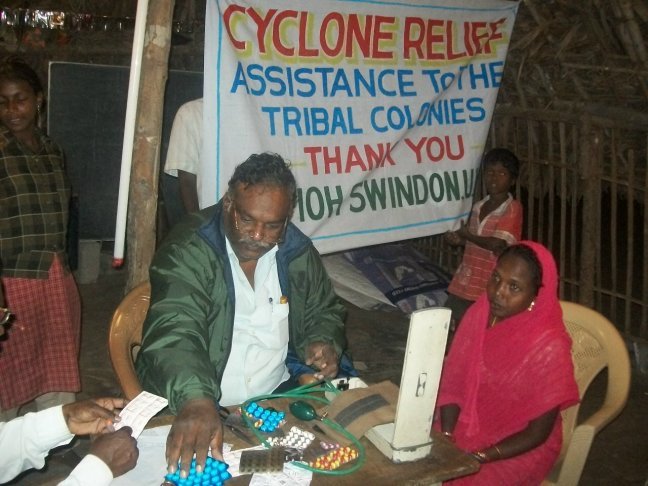
 The FIOH Fund supported a relief programme that was established by HEARTS in November 2013 to help victims of severe cyclones affecting Andhra Pradesh. A major camp was conducted on 22 nd November which benefited 165 children and 74 women in the tribal colonies of Krupa Nagar and Venkata Reddy Nagar.
The beneficiaries received food supplies – rice, Dal, wheat, oil, sugar and kerosene for cooking.
All children received note books and stationary. All the children and adults were examined by a doctor for various illnesses and given medicines. The main problems were fever, cold, cough, body pains, skin allergy and leanness.
There were three cyclones in this month namely Phi-leen, Helen and Lehar. Hundreds of families were evacuated and a large number of cattle and poultry were killed. All schools and offices were closed for two days. HEARTS supported the most needy and neglected people in Bapatla tribal colonies. The people here are absolutely poor and don’t even come to town for work. Blankets, childrens clothing and a temporary roof for the school was also provided.

If you would like to support the work of the FIOH Fund please make a DONATION:
