
Eucalyptus replacement project, NW Region
 Eucalyptus replacement project

Between 1997 and 1999, the General Co-ordinator of SHUMAS, Stephen Ndzerem and the President of Plant a Tree in Africa (PATIA)/Co-ordinator of Future in Our Hands Education and Development Fund UK, Mike Thomas, were involved in some intensive correspondence. One of the issues they discussed was how to seek a sustainable solution to the adverse effects of eucalyptus plantations on water sources and farming areas.

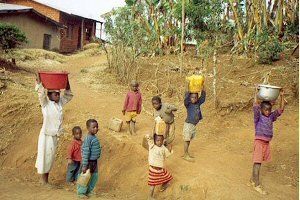

Women were the principal victims. Women and children were forced to walk long distances to fetch water because the eucalyptus trees were taking up large quantities of water and this was lowering water tables and drying up water taps and springs during the dry season.

The adverse social effects of the trees was brought to the attention of SHUMAS by Angela Wirkom, leader of the Bonkeh Womens Common Initiative Group. The women complained that the trees were taking up so much water during the dry season that they were having to walk long distances to collect water and find suitable areas to farm.
In 1999 Mike Thomas visited to carry out a site assessment and provided £500 from PATIA (matched by SHUMAS) to establish a nursery for 40,000 tree seedlings (10 species) and fell several thousand eucalyptus.

 Because of the encroachment of the trees into existing and potential farming areas, many women have to walk long distances (often 15 miles or more) to find new areas to farm. They will then live in temporary self-made huts for 2 to 4 weeks before returning home with whatever they can carry on their heads. Many will carry babies or take young children with them. People in general, usually women and children, have to walk further and further each year to fetch water. A summary of the project and its outcomes are shown below.
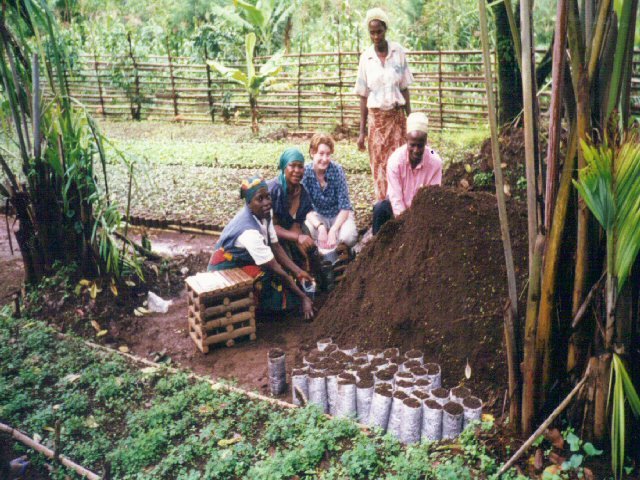 Information gained from the pilot project was used in support of an application to the Big Lottery Fund (previously named the Community Fund) to fund a large project named the Eucalyptus Replacement Project .
A 10 page brochure summarising the first phase of the project can be seen here:
CAMEROON – EUREP I – BROCHURE

Project launch
The project was launched in 2000 and was supported by all sections of the community and government authorities. The project involved the felling of 1,017,200 eucalyptus and the raising of 2,624,000 mainly indigenous African trees (60 species) carried out in two phases between July 2000 and October 2008.
The projects cleared about 463 ha of eucalyptus trees resulting in the recovery of 105 springs and 140 water taps during the dry season.


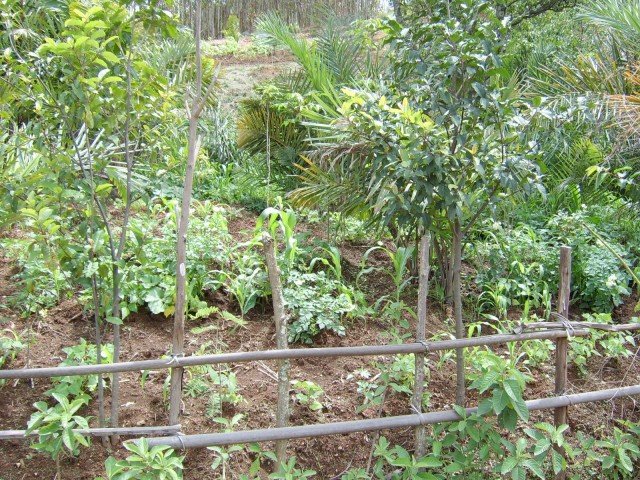


The photos above show (1) a large area of Council land cleared of eucalyptus, (2) women clearing former eucalyptus plantation land in preparation for planting crops, (3) Pygum africanus trees raised from seed in Phase I of the project. This species is nitrogen-fixing and an important cash crop. The bark is used in cancer treatment, (4) part of the large nursery established in Phase II of the project and (5) areas of agroforestry using seedlings outplanted from the nurseries.
Outcomes
Over 9,000 women who had previously walked long distances to farm and collect water, were able to farm close to their homes.
Statistics in 6 rural health centres and 1 hospital recorded an average 27% reduction in water born disease during the life of the project. It was estimated that an additional 5,153 children were able to go to school because of the increase in family incomes resulting from the projects.
The local authority and many individual farmers copied the example of the project and hence the figures shown above are an underestimate of the project’s impact.
Monitoring visits were carried out by Michael and Glenys Thomas for the Phase I project in 2004 and by Alan and Teresa Stewart for the Phase II project in 2008. Mike Thomas visited the project and that of Global Rehabilitation Services in 2009:
EUREP II REPORT – MONITORING VISIT MAR 2009 EUREP II


The photos above show Glenys Thomas helping to sow seeds in the pilot project in April 2004 and Alan and Teresa Stewart who monitored Phase II of the project in 2008.


During his visit Mike Thomas and representatives of SHUMAS accompanied women on a part one of their 15 mile trips to their farming area at Nkuf. The project not only assisted the women, but also provided economic benefits for land owners who were generally men.

A short term benefit came from the sale of the eucalyptus logs for construction timber, fencing a electricity poles. An important outcome of the project was that land owners gained more from growing crops than they previously gained from their eucalyptus trees. Thus many men joined women in planting crops for local consumption rather than cash crops for export. It is also hoped that the project will support long term sustainable development because of greater opportunities for young people to gain employment locally.

If you would like to support the work of the FIOH Fund please make a DONATION:


Poverty alleviation in the Thar Desert
 Poverty Alleviation in the Thar Desert

For the people living in the Thar Desert region of Sindh, drought is a frequent threat and one of the major causes of poverty and deprivation.
This project (June 2004 – Nov 2008) involving the following activities helped 1,100 families (6,600 people) in 20 villages cope with this situation and build up resilience for the future:
- Village Development Organisations were
established in 10 villages. - Provision of 800 water harvesting tanks and 800 fuel efficient stoves.
- Provision of materials and training of women in embroidery and their civil and political rights.
This video gives an indication of what life is like for people living in the region:

Training was also provided for the families and the community as a whole in HIV/AIDS awareness, controlled grazing practices and management techniques.
Water harvesting tank


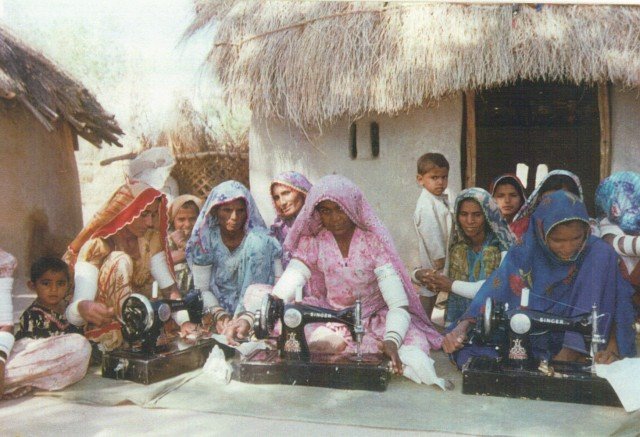


The outcomes of the project included:
- A 12% increase in the numbers of girls being enrolled in primary education.
- A drop of 10% in the incidences of cholera and infant mortality.
- A 27% decrease in eye problems and chest infections of women beneficiaries.
- Better access to water by all the beneficiaries during periods of drought.
- Communities gaining more confidence to campaign for their statutory rights and the women becoming more involved in village decision making.
The project managing partner, Participatory Village Development Programme (PVDP), was well established before this project started.


The project was visited by FIOH Fund assessors, Eddie Thomas in 2005 and Joanna Heaven in 2008.
The PVDP poverty reduction model, which involved establishing Village Development Organisations and an Integrated Management Committee, was used in the Eucalyptus Replacement Project in Cameroon and proved to be a very effective method of involving all the stakeholders.
Poor people benefitting from the project:
Three case histories
If you would like to support the work of the FIOH Fund please make a DONATION:

Schools environmental programme
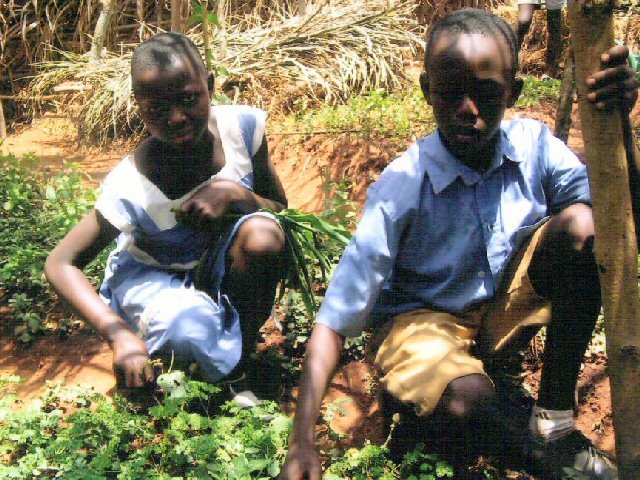 Schools environmental education project
The project established the following programmes in 10 rural primary schools (average of 500 in each school) in the NW Region of Cameroon. The programme involved:
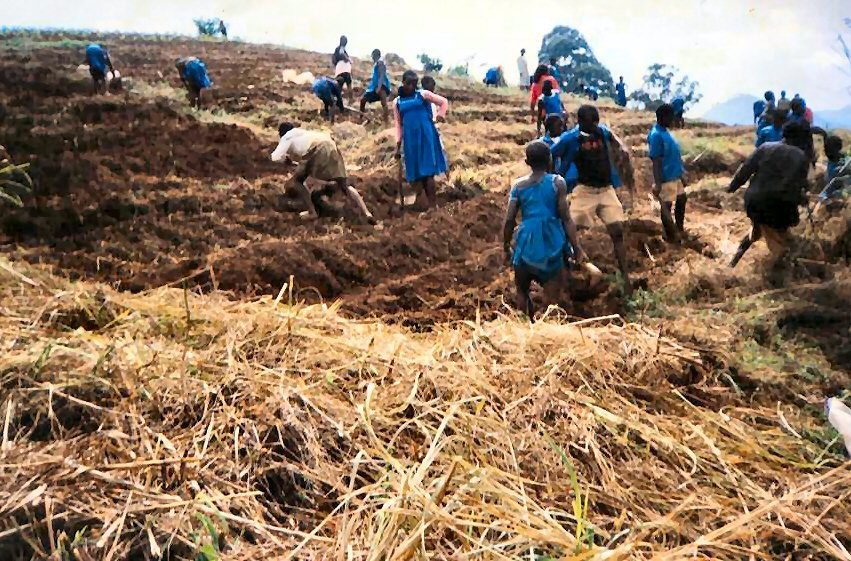
- Establishing a model school farm at each school where children will gain practical farming knowledge (seed selection, planting crops, nursing of seeds, growing crops, harvesting, storing, marketing etc).
- Educating and conveying practical knowledge on the importance of trees in the community; children will also influence their parents concerning environmental issues and rural development.
- Providing skills for employment. The parents of as many as 60% of children will not be able to afford to pay secondary school fees. This programme encouraged many more children to gain skills in sustainable agriculture, so that they find interesting and gainful farming employment in villages.
- Income from the sale of school farm produce was used to pay the salary of at least one more teacher in each of the five schools.
- Some of the income was used to buy educational materials, equipment and teaching aids.
The project was managed and organised by Strategic Humanitarian Services, based in Bamenda. The programme involved:
- Acquiring land for the school farm: The school farm must be situated near the school for ease of mobility of pupils, so as not to waste too much time trekking to the farm.
- Each of the five schools owned a farm of about 1 acre. The land was divided into small plots. Each plot grew a different crop or vegetable. Crop rotation was practiced.
Seeds collection: Pupils were organised to make trips to the forest and taught how good seeds can be gathered. Thereafter there were practical lessons on how to treat the seeds, nurse them in seedbeds, transfer them into polythene pots and finally plant at their permanent site. The children continued to care for the seeds and the plants.
Environmental lectures were organised once a month in each of the schools: The lectures included the economic and ecological advantages of different indigenous species, the social and environmental problems associated with eucalyptus and the danger of using chemical fertilisers.


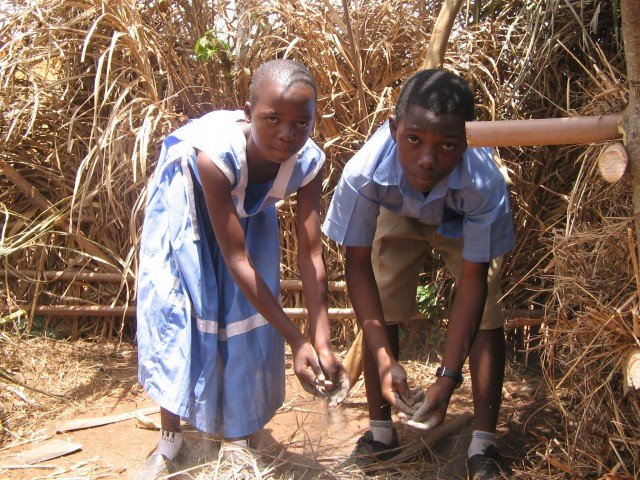



School competitions involved quizzes and prizes were awarded to deserving pupils.
Publication of a hand out: An educational illustrated booklet was produced that can be used in schools.
With the support of the FIOH Fund the NGO Cameroon Gender and Environment Watch (CAMGEW) working in Oku, launched a similar project which expanded the work it was already doing with schools in the area.
The FIOH Fund obtained grants of approx £12,000 from the Funding Network and the Network for Social Change for this project.
If you would like to support the work of the FIOH Fund please make a DONATION:
Tsunami relief programme in Andhra Pradesh – December 2004
 Background
The tsunami of December 26, 2004 killed over 150,000 people in a number of Asian countries and millions were made homeless. The economic cost of the destruction was staggering. Unlike the Pacific Ocean, tsunamis may happen only once or twice in a century in the Indian Ocean. Tsunamies occurred in 1941 and 1881 and originated from earthquakes off the coast of Sumatra and around the nearby Andaman and Nicobar islands. The tsunami of 1945 struck India’s West Coast and was generated by an earthquake off the coast of Mekhran in present day Pakistan. Although that earthquake was much less powerful than the one of December 26, 2004, the geological structures in the Mekhran area are capable of setting off more powerful and hence more dangerous earthquakes and tsunamis, say experts.
The Tsunami hit hours after an earthquake off the Indonesian Island of Sumatra at 6.28 am IST on 26/12/04. The Andaman & Nicobar Islands (India) experienced 8 aftershocks ranging from 6 to 5.8 on the Richter scale.
The FIOH Fund response
The FIOH Fund was able to make a small contribution to this disaster through its partner HEARTS based in Guntur, Andhra Pradesh, where the tsunami had devastating affects. The coast of Orissa and Tamil Naduc were also badly affected.
HEARTS director reported:
“We have visited the three camps in Bapatla and neighboring towns Nizampatnam, Vetapalem and helped with supplies and liaising with local government for further help for the loss of boats, fishing nets and compensation. We had a meeting with the District Collector and Revenue officers and they have assured that help would be provided. We were able to get medicines from the local pharmacy stores and doctors assured help at any time. The children needed long term help in addition to the government’s compensation to parents – they were using it for personal items or towards building a house. The children needed help with schoolbooks and clothing. The death toll rose to 17,500 in India – 8,000 in Tamil Nadu and 175 in Andhra Pradesh (27/1/2005).”
HEARTS continued help during the first few months of 2005.
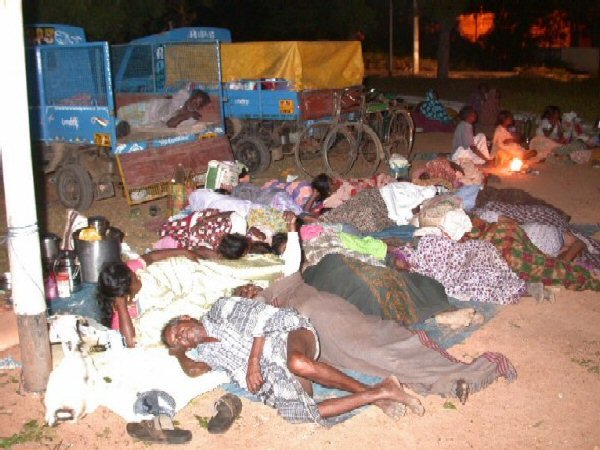
Hearts worked with local NGOs and supporters with the relief work in these areas. The photographs below of the devastation were taken in the initial days of the situation in Tamil Nadu and Andhra Pradesh states.
Financial Assistance:
Hearts received Rs.116,887 (£1,670) from friends groups in the UK and Australia for relief work. Local donations were received in kind such as blankets, cooking utensils, clothing and some food supplies.
Relief Camps for children:
6 relief camps were conducted in two districts. In these camps an average 25 -30 children received regular support for food and games, counseling, non-formal education etc.
Hearts identified 12 children who lost single or both parents due to Tsunami. These children were looked after by HEARTS since they had no other support from their families/relatives. The community response was very saddening. The people are in big shock and fear. They refuse to go back to sea for 3 months although the Government tooksteps for them to get back to normality.




Some statistics on the tsunami:
THE DEATH TOLL
 India 9,682 (official figure)
Tamil Nadu Dead: 7,921 (Nagapattinam: 6,023; Cuddalore: 606) Pondicherry Dead: 579 Missing: 86 ; Kerala Dead: 170 (Kollam: 130; Allappuzha: 35); Andhra Pradesh Dead: 105 Missing: 11 (Nellore: 20; Guntur: 12); Andaman & Nicobar Dead: 900 Missing: 6,010 (Car Nicobar: 336; Great Nicobar: 102)
FINANCIAL LOSS (INDIA)
The centre puts the preliminary estimate of the total loss for Tamil Nadu, Andhra Pradesh, Kerala and Pondicherry at: Rs 5,322 crore
Statewise losses:
Tamil Nadu: Rs 2,730 crore
Andhra Pradesh: Rs 720 crore
Kerala: Rs 1,358 crore
Pondicherry: Rs 512 crore
Andaman & Nicobar: Rs 2,500 crore.
Other countries death toll:
Indonesia 94,081; Sri Lanka 30,500; Thailand 5,200; Maldives 82; Malaysia 68; Burma 64; Somalia 300; Tanzania 10.
If you would like to support the work of the FIOH Fund please make a DONATION

Post war rural development in the Tonkolili District

Post war Rural Development
This project was intended to help people living in the rural areas of the Tonkolili District recover from a 10 year civil conflict.
 The project was officially launched in November 1998 and comprised agriculture and small-scale income-generating activities. Maize, pepper, cassava, cow pea and egg plant were grown successfully.
Gara dyeing, tailoring, soap making, bread making, including the required training, were established in conjunction with savings and credit schemes. All of these activities proved to be sustainable in the long term despite being interrupted by a resumption of hostilities between February and December 1999.
The background to the war and an account of the monitoring visits Mike Thomas made to Sierra Leone can be seen here:
BACKGROUND TO THE WAR IN SIERRA LEONE
SIERRA LEONE DIARY 2000 and 2002
The project was re-launched on 26th February 2000.

Mike Thomas and Edward Kargbo at Mamyoko heliport
Mike Thomas made a monitoring visit on 5th May 2000, but had to leave the country two days later because of renewed rebel activities. Shortly after about 45,000 people fled into the project area due to fighting between rebel and government forces. In addition to the intended beneficiaries, emergency food and water was provided to many of these internally displaced people.
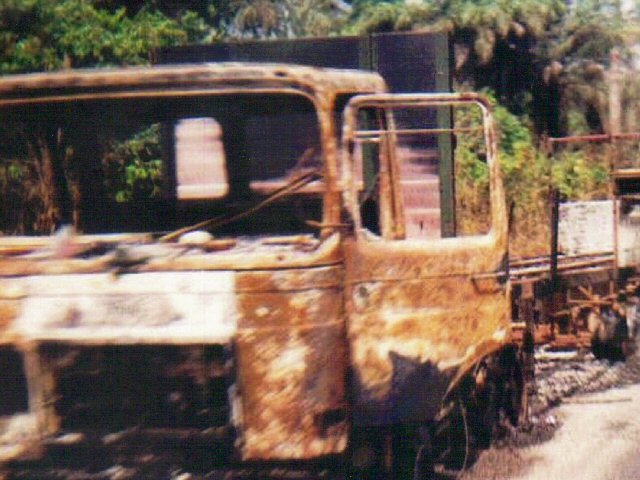

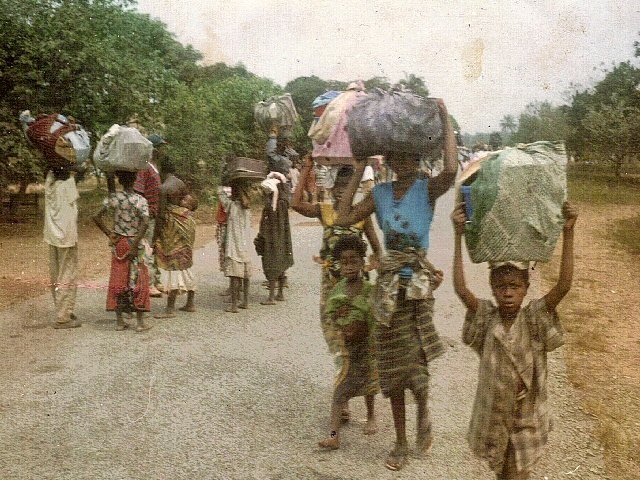


The pictures above show (i) the effects of a rebel attack on a relief convoly, (ii) Displaced people queuing for food, (iii) displaced people fleeing from rebel attacks (iv) displaced people with their belongings, (v) one of 10 Swindon schools which collected she boxes of emergency aid to send to Sierra Leone (vi) the aid being distributed at Yonibana.
Rebels first attacked the project area in December 1994 destroying two villages and most public buildings and shops . Many of project beneficiaries shown had been traumatised by rebel attacks and seen members of their families killed and maimed. Many spent months surviving in the bush. Many will have spent time in Freetown slums or displaced camps where they have had to develop new skills to survive.
 The project co-ordinator, Edward Kargbo, himself a farmer, had to adapt to these very different environments and at one stage spent nine months surviving in the bush with his large family. Several of his staff were killed and others brutally maimed.

One of the most successful activities of the project during periods of conflict was the seed multiplication programme. This involved sowing crop seeds in areas not affected by rebel activities and using some of the seeds derived from those crops in other areas when vacated by rebels.


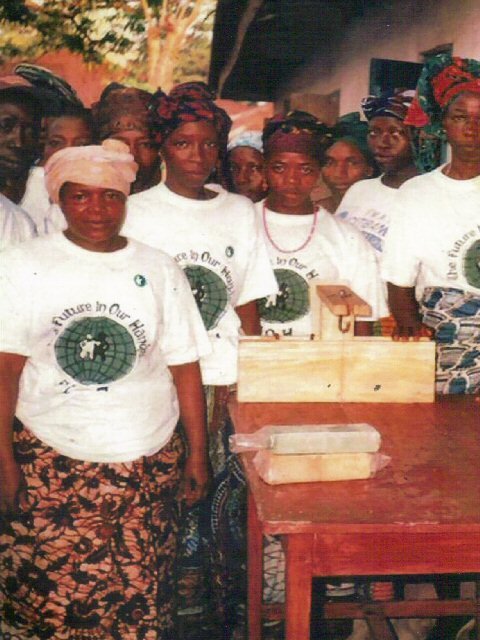

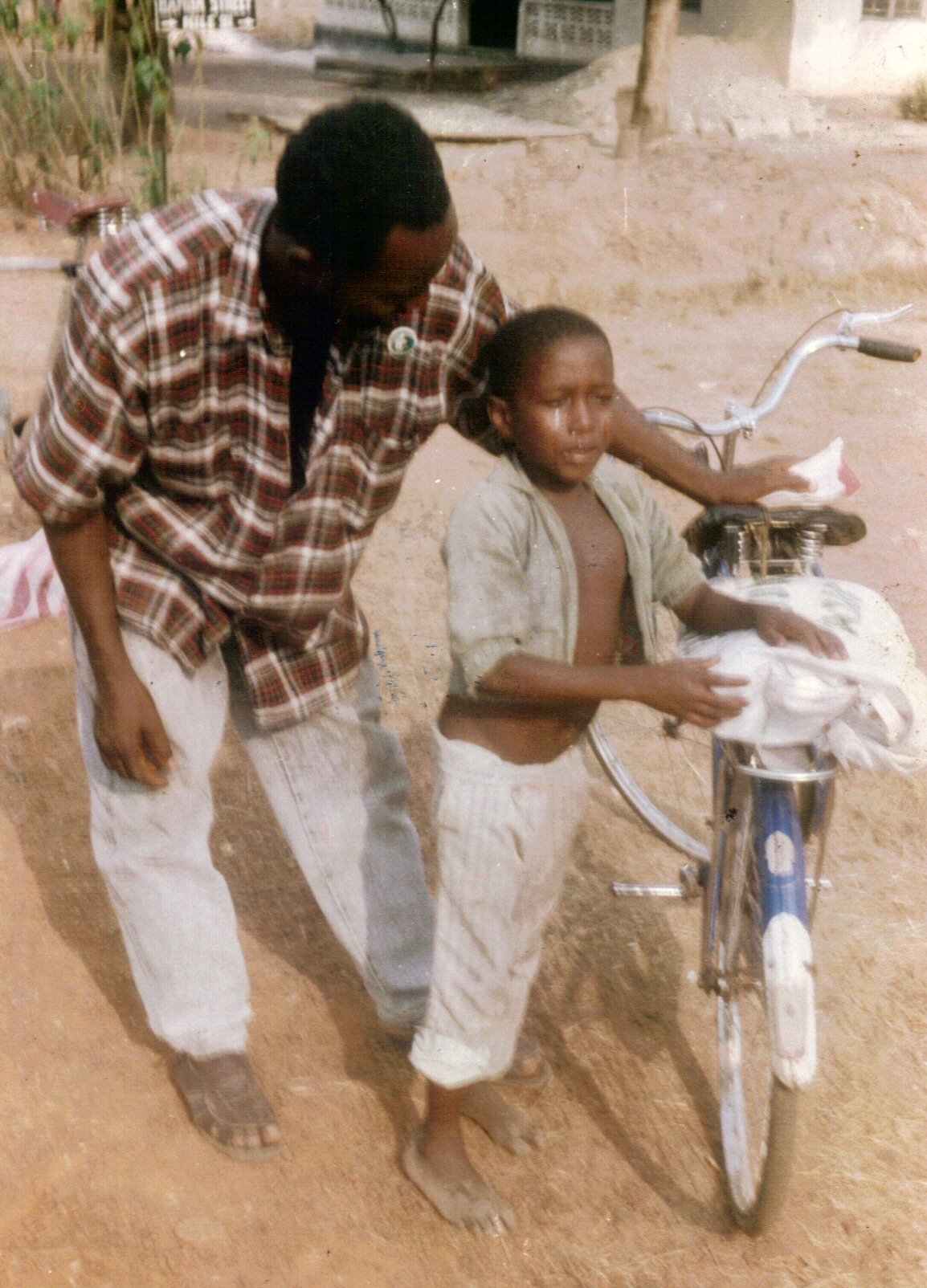
When peace was eventually restored after the intervention of British troops and United Nations troops from India and Pakistan, Mike Thomas carried out the final monitoring visit between the 18th November and 7th December 2002.


All agricultural activities had been re-established and the training centre had been rebuilt after it was destroyed by rebels. Most of the tools and equipment had been hidden during rebel attacks and were re-claimed.
The partner non-government organisation, Future in Our Hands Sierra Leone is now well known and respected for its development work in the region.
If you would like to support the work of the FIOH Fund please make a DONATION:

Community centre and water supply in Kroobay slum, Freetown
 Community centre and water supplies in Kroobay, Freetown
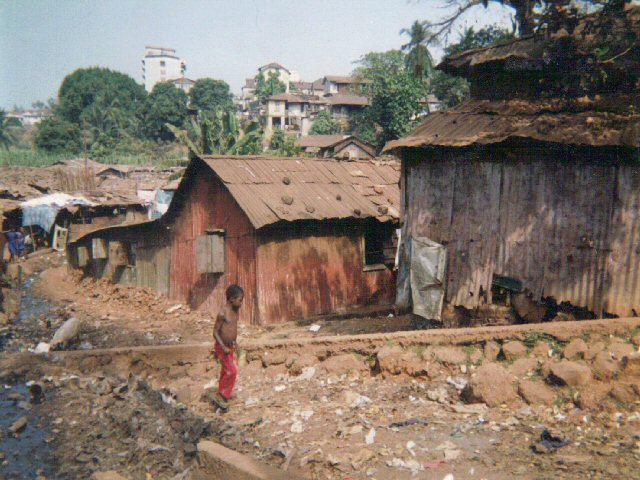

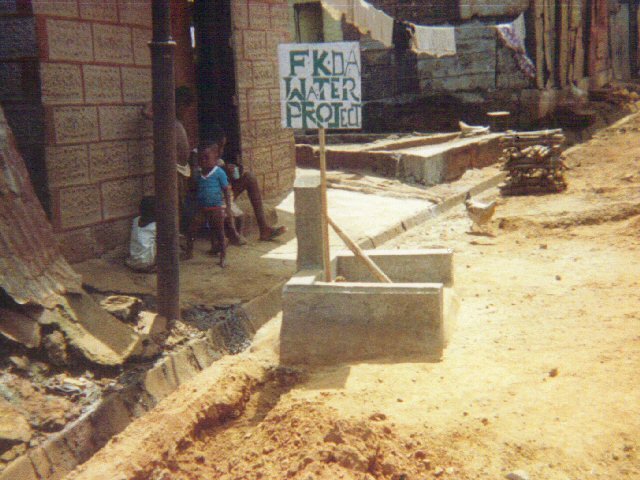 In 1992 the FIOH Fund supported the installation of three water supplies to a slum community of 5,000 people situated by the sea in the capital of Sierra Leone. The health situation was extremely bad. Homes were very basic and three sewage outfalls from the city flowed through the area which was also prone to severe flooding during heavy storms.
In this video one of the tribal chiefs explains some of the problems the community experience. The Kroobay football team reaches the final of the local tournament:
In 1993 the FIOH Fund provided funds to start work on a community centre at Kroobay.
The walls were completed in 1999 but work then stopped during fighting between Nigerian soldiers and rebels who occupied the city. The building was completed in 2002 with support from the World Health Organisation.

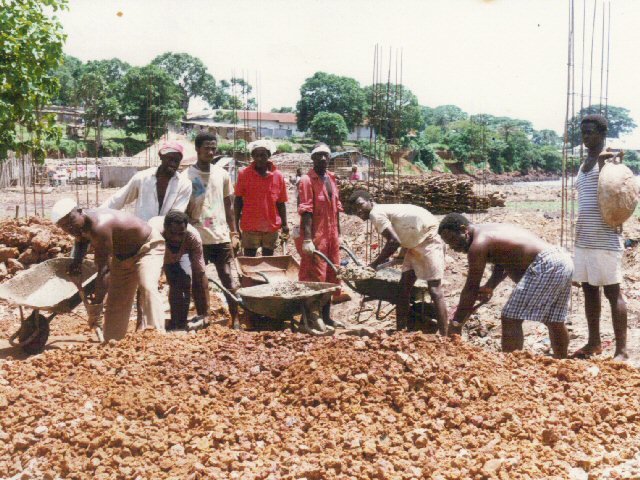
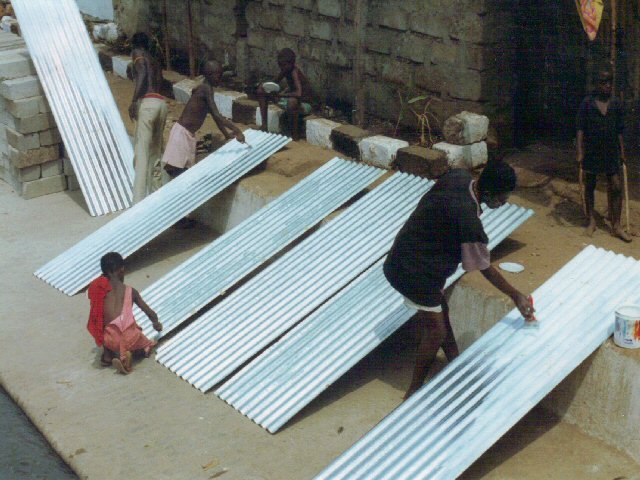

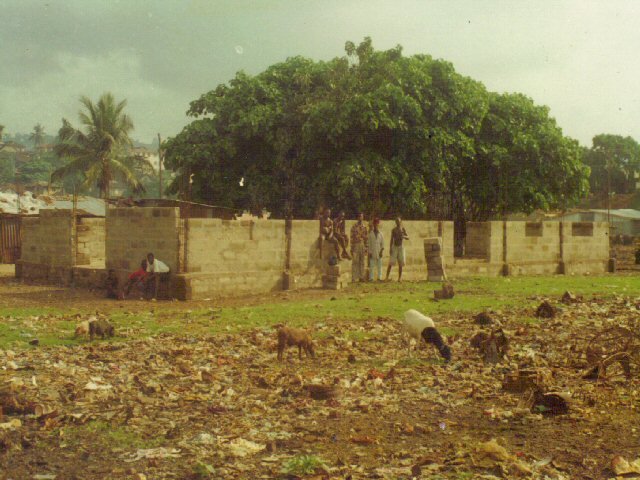
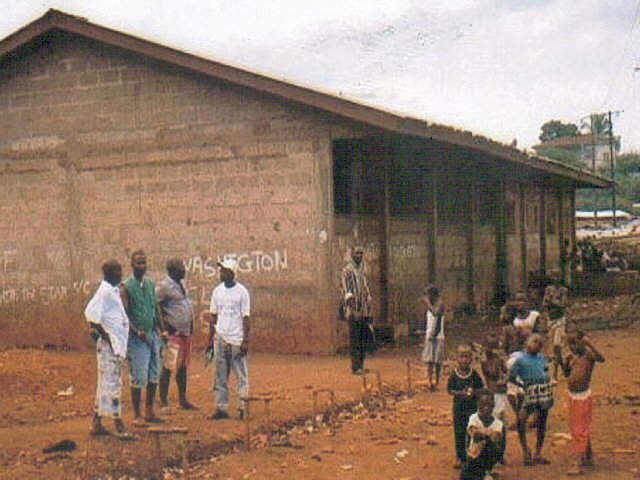
The building is now being used as both a health centre and social community centre.
Health conditions have improved but the population of the slum has increased.
If you would like to support the work of the FIOH Fund please make a DONATION:
Cyclone relief in Orissa
 Cyclone relief project – the green eye club
This project was started after the severe cyclone that hit the coast of Orissa in 1999 to involve children in (i) growing tree seedlings and green vegetables to reduce vitamin A deficiency (the main cause of night blindness) and (ii) the identification of old people with eye cataracts.


A red mark on the side of the school in the coastal village of Kiada, Ersama Block, indicates the level at which the water settled on the 29th Oct 1999 after a 9m tidal wave generated by a severe cyclone caused devastation along the Orissa coastline.


Women, most of them widows as a result of the tidal wave, were provided with vegetable seeds to establish their own kitchen gardens.
Children started planting tree seedlings in March 2,000 and helped with a simple procedure to identify old people with cataracts.
If you would like to support the work of the FIOH Fund please make a DONATION:

Farm and tree planting nursery, Muniguda, Orissa
Background
In 1984 Eliazar Rose, whose parents once suffered from leprosy , established a Research Trust with some of his friends to help the the tribal people in the Rayagada District of Orissa suffering from leprosy, cholera, malaria TB and hepatitis. Although this early work was focused on these diseases, it was soon recognised that addressing the needs of the people required a more holistic approach that would increase incomes whilst at the same time preserving the natural environment on which the tribal people depended.
In 1985 an organisation named the New Hope Rural Leprosy Trust was established to develop this approach. The FIOH Fund has supported some of the smaller projects of New Hope since 1995. FIOH UK has also supported projects before the affiliated charity (FIOH Fund) was established.
Farm and tree planting nursery
 An 11 hectare plot of land was purchased by New Hope with a grant of £2,500 from the FIOH Fund in 1990. Part of the land was used to establish a nursery for 60,000 tree seedlings. These were later supplied to tribal people living in the surrounding hills where demand for fuelwood had been causing deforestation and erosion.
Bricks were also produced here from the local clay and fired using waste rice husks. Some of the bricks were used to construct on-site facilities for vocational training for both leprosy and polio patients.
If you would like to support the work of the FIOH Fund please make a DONATION:

Follow us on Facebook:
www.facebook.com/fiohfund
Follow us on Twitter:
twitter.com/fiohnet
Please share our links with your friends to help us reach a wider audience.