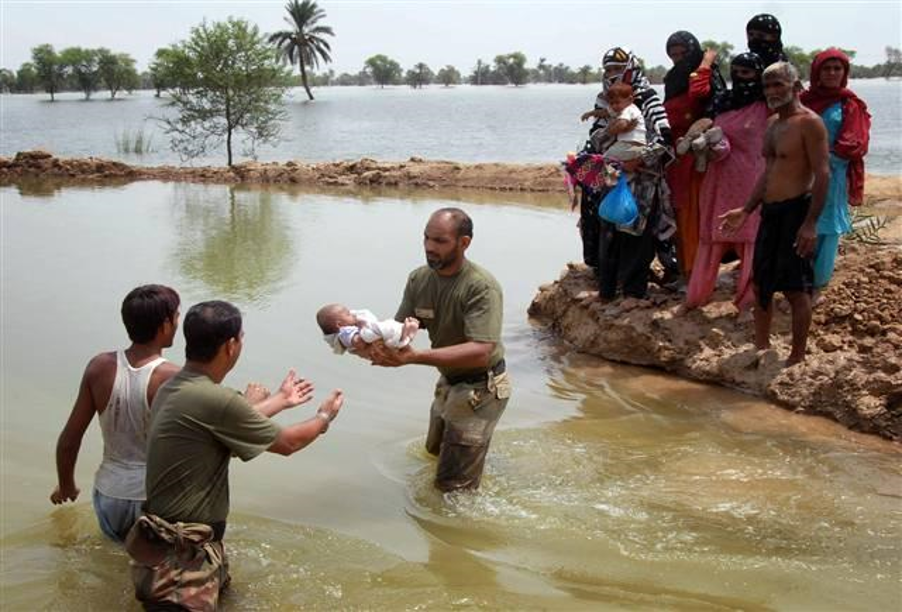
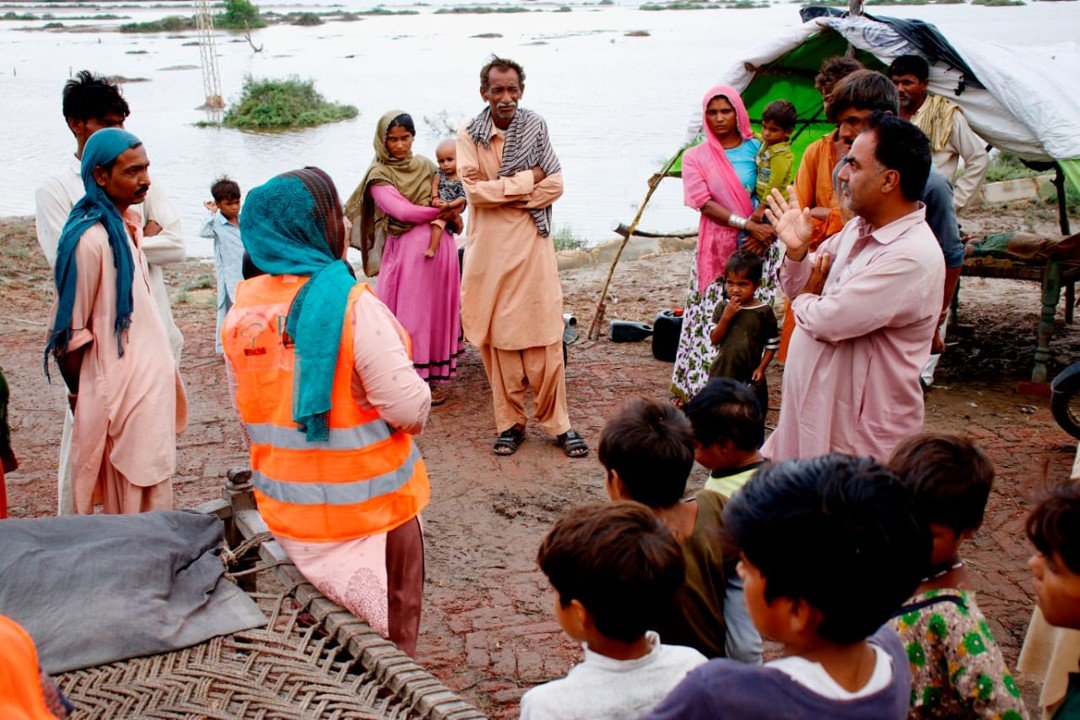
Disaster Relief – Inundation of Sindh province 2022
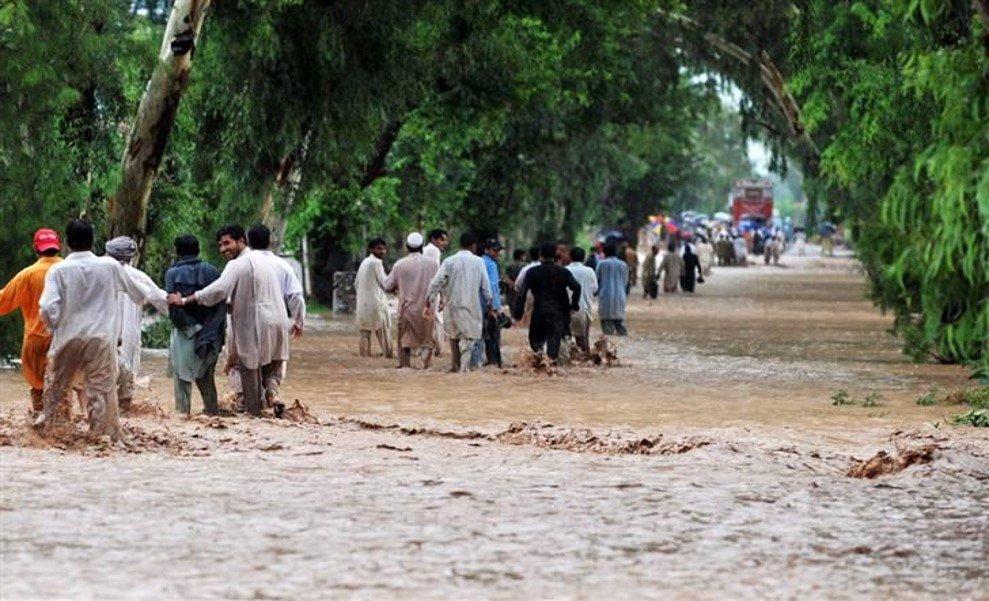
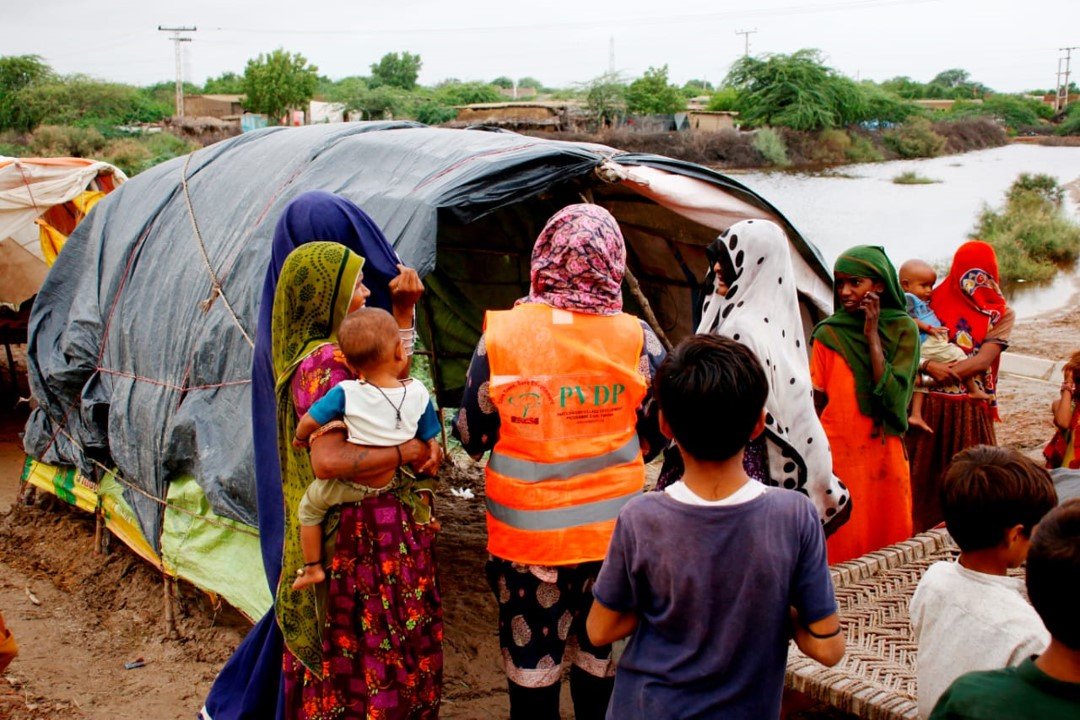
Sindh Province, Pakistan and the aid provided by PVDP with our support for disaster relief.
Introduction of PVDP
Participatory Village Development Programme (PVDP) established in 1997. PVDP was registered
on 15th June 1998 under the Societies Registration Act 1860 with Registration Number 3830. The
organization was formed with a mission to support the poor and disadvantaged communities in
improving the qualities of their lives, through encouraging people to organize and mobilize
themselves for holistic social change.
Pakistan Flood situation analysis 2022
SINDH FLOODS 2022-OVERVIEW
- According to flood extent mapping using Sentinel-1 satellite images acquired during
22–28 August, over 18% of Sindh’s total area was directly inundated. - In the summer (KHARIF) season, most of the area in Sindh is cultivated under three commercial crops: rice, cotton, and sugarcane. The flood inundation is highest in the rice crop zone, which has resulted in an
overall estimated loss of 1.8 million tons of rice, or an 80% loss of the expected total rice production in Sindh
In economic terms, rice, cotton, and sugarcane together faced a direct loss of USD 1.30
billion (rice: USD 543 million, cotton: USD 485 million, and sugarcane: USD 273 million).
- As per estimates, floods killed 42,174 livestock, causing USD 13 million loss.
- Overall, the province faced a combined loss of USD 1.7 billion in rice, cotton, sugarcane, tomato, onion, chili, and livestock.
- Economic losses in agriculture are much beyond the estimated direct losses to crop production and livestock.
Summary of findings and recommendations
The key findings are compiled in to key humanitarian needs sectors thus:
Food Security, Agriculture and Livestock – Needs
- Food or Cash/Voucher Assistance (CVA) to reduce food consumption gaps, supporting
the most affected and food insecure population while restoring livelihoods and resilience. - Construction/rehabilitation of animal shelters and irrigation infrastructure and
equipment. - Protection of remaining livestock through provision of feed and vaccinations.
- Provision of seeds to restart vegetable crops and support for long-term restoration of
orchards.
Health – Needs - Provision of essential medicine, tents, blankets, medical equipment, face masks, hand
sanitizers and mosquito nets. - Strengthening disease surveillance in flood-affected districts and mitigating the outbreak
and spread of diseases. - Monitoring the health of the affected population.
- Provision of medicines and other medical supplies.
- Targeted repairs of health facilities.
- Support for integrated outreach activities such as medical practitioners, lady health
visitors, medicines and transport.
Protection – Needs - Psychosocial support for the affected population.
- Dignity Kits and other non-food items (NFI) for vulnerable households.
- Scaling up assessments to identify people who may have lost civil documentation.
Water, Sanitation and Hygiene (WASH) – Needs - Emergency Latrines
- Water Purification Tablets
- Bio sand Nadi water filters.
- Hygiene Kits
- Water Tanks
Shelter and Non-Food Items (S/NFI) – Needs
Shelter items including tents, tarpaulins, blankets, mattresses and mosquito nets are needed to
support displaced
Remarkable humanitarian GLORES Director Alfred Wingo (Obituary)
Alfred was a remarkable man who has improved the life chances of thousands of children born with disabilities by adopting physiotherapy techniques. He was instrumental is combating the misinformed beliefs of the local population. There were widely held beliefs that disability was because the parents had done something wrong and that disability was a punishment for previous misdemeanors. The debilitating effects of associated stigmas served to compound the negative impact on these children’s lives. He remained a voice of reason.
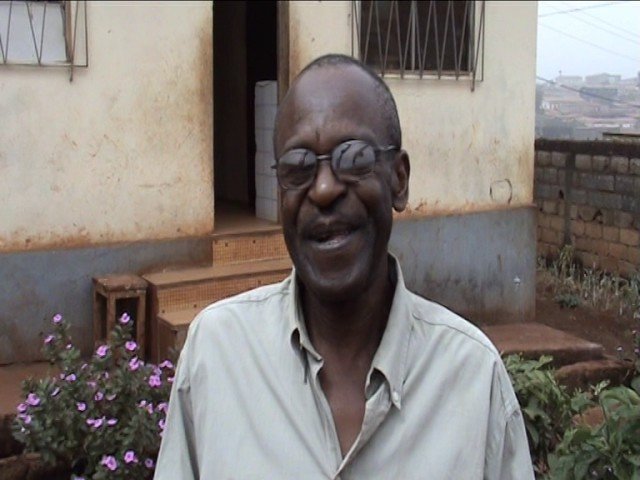
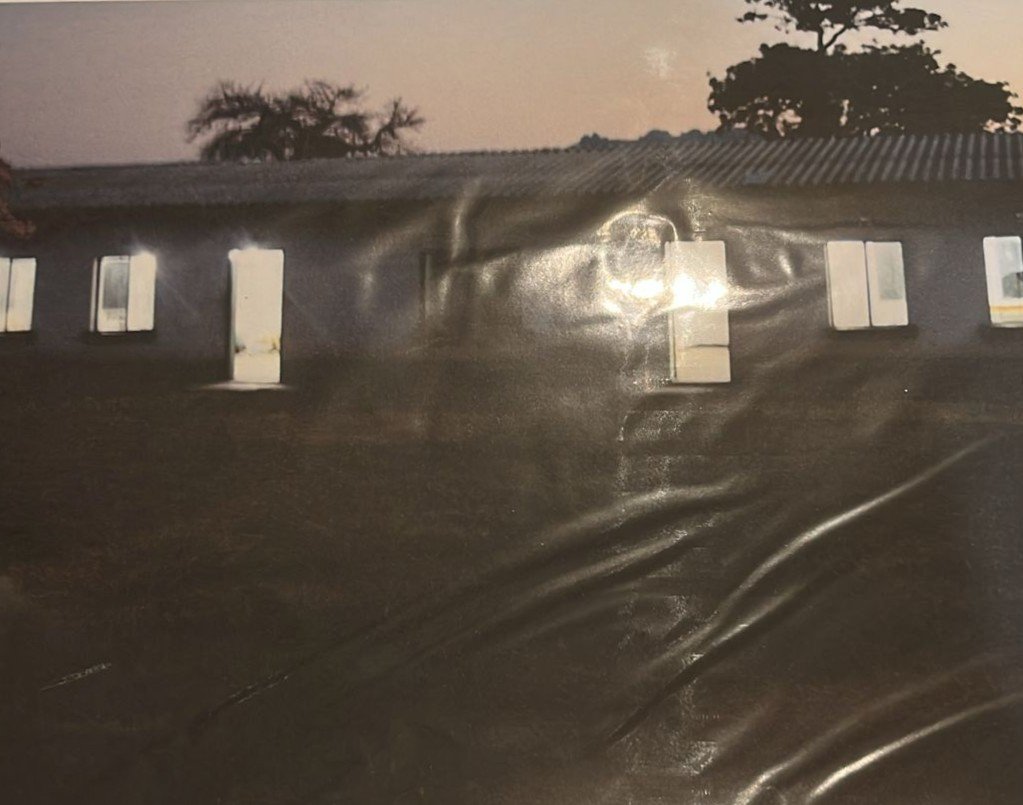
It is with enormous sadness that we report the loss of our main contact in Bafoussam, Cameroon. After meeting Alfred in 2008 we established assistance for GLORES (Global Rehabilitation Services) a unique service provided for the most vulnerable in society. Modelled on United Kingdom National Health Service treatment should be free at the point of access and based on need. We first encountered Alfred in rented accommodation making do with minimal equipment to transform the life chances of disabled children in Cameroon. The photographic record below vividly shows the rudimentary conditions we witnessed first hand.
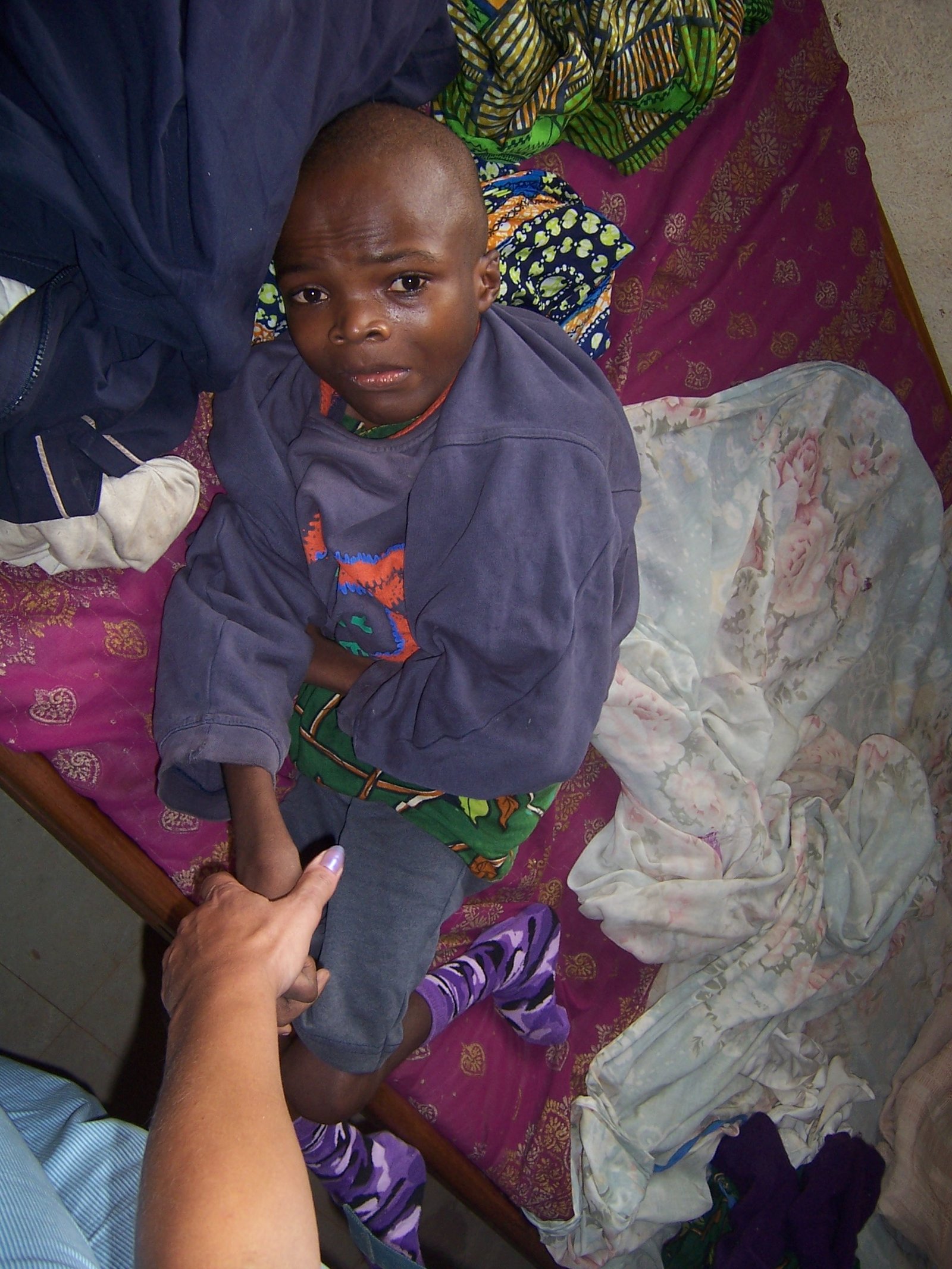
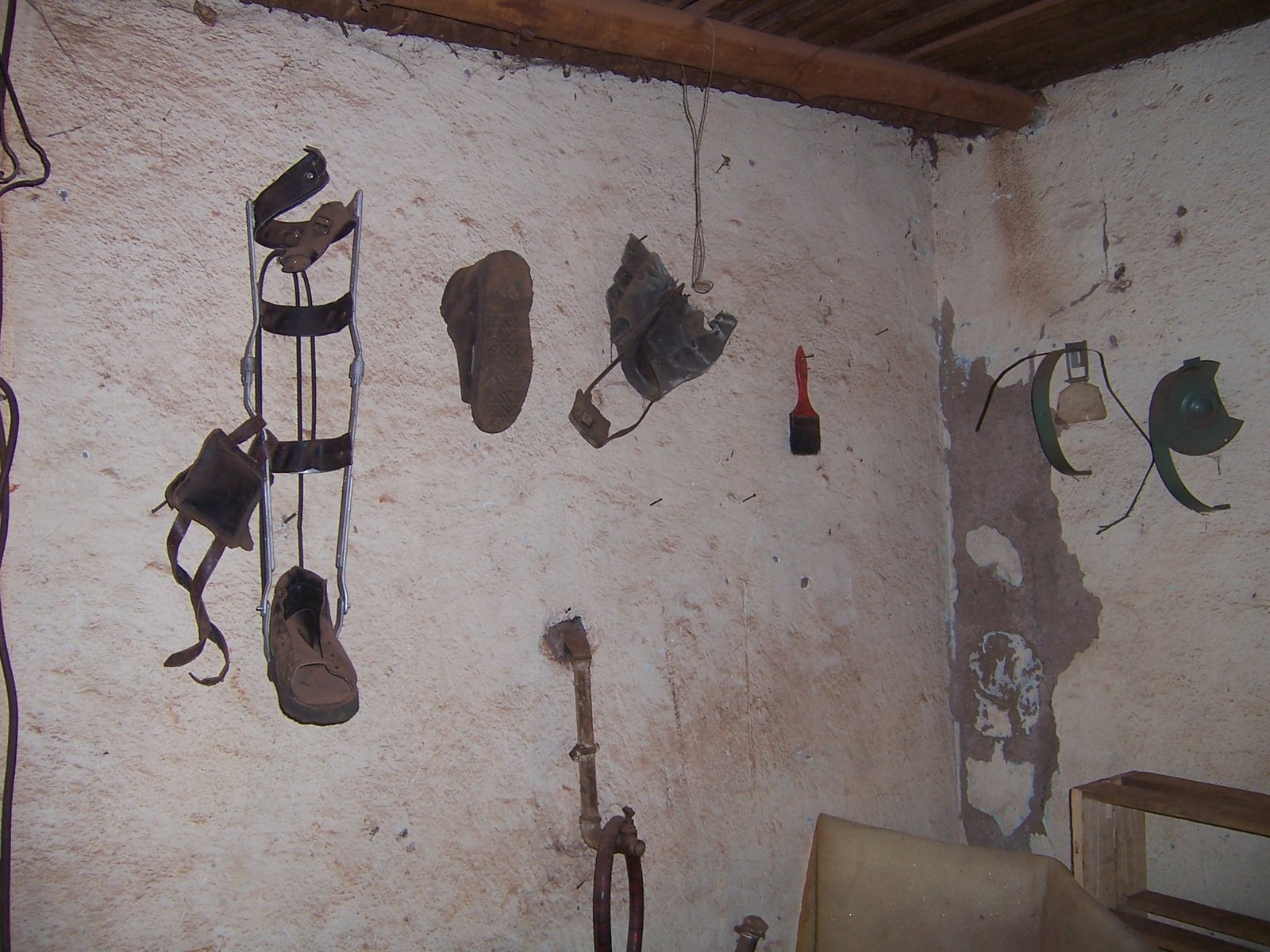
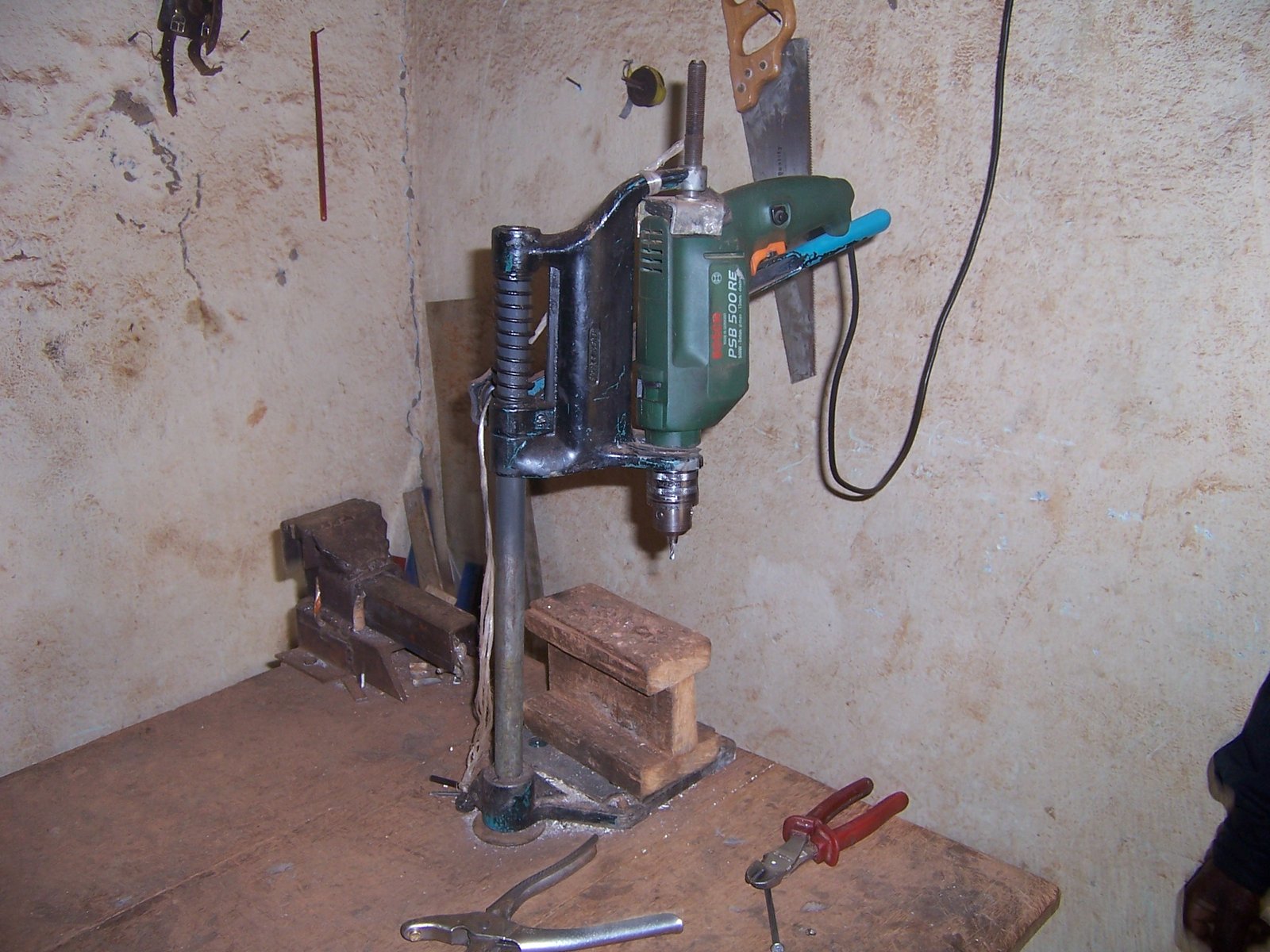
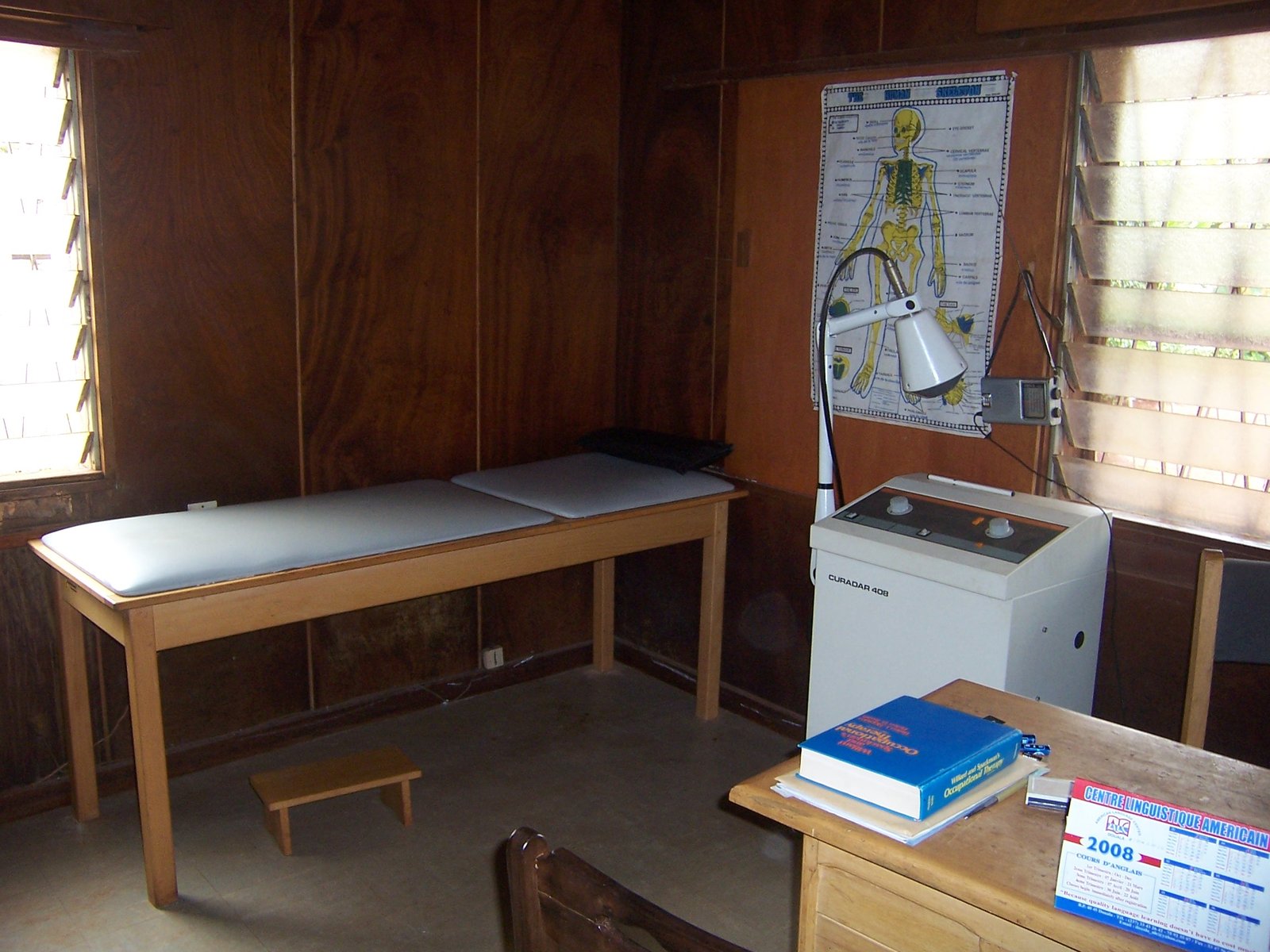
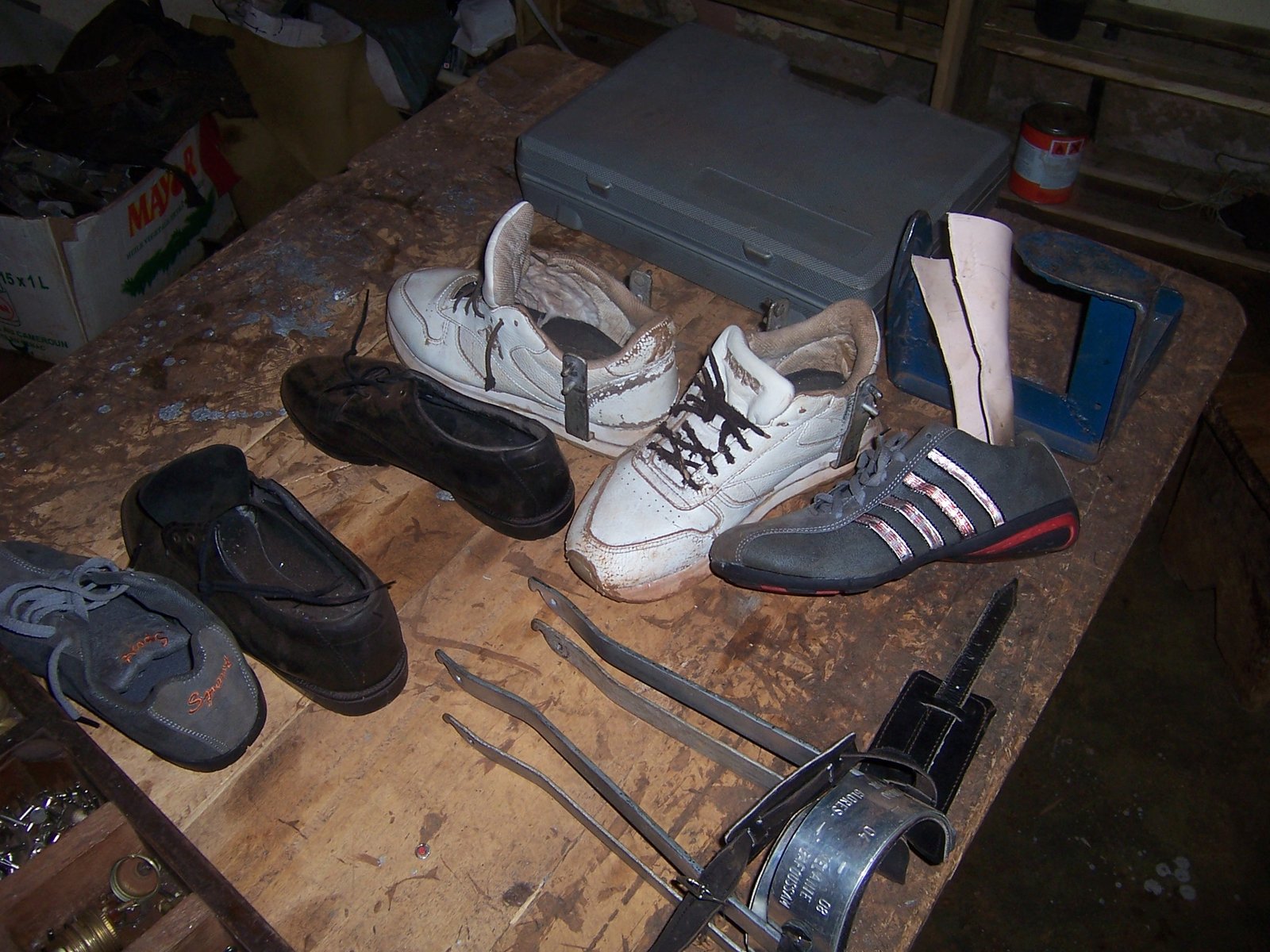
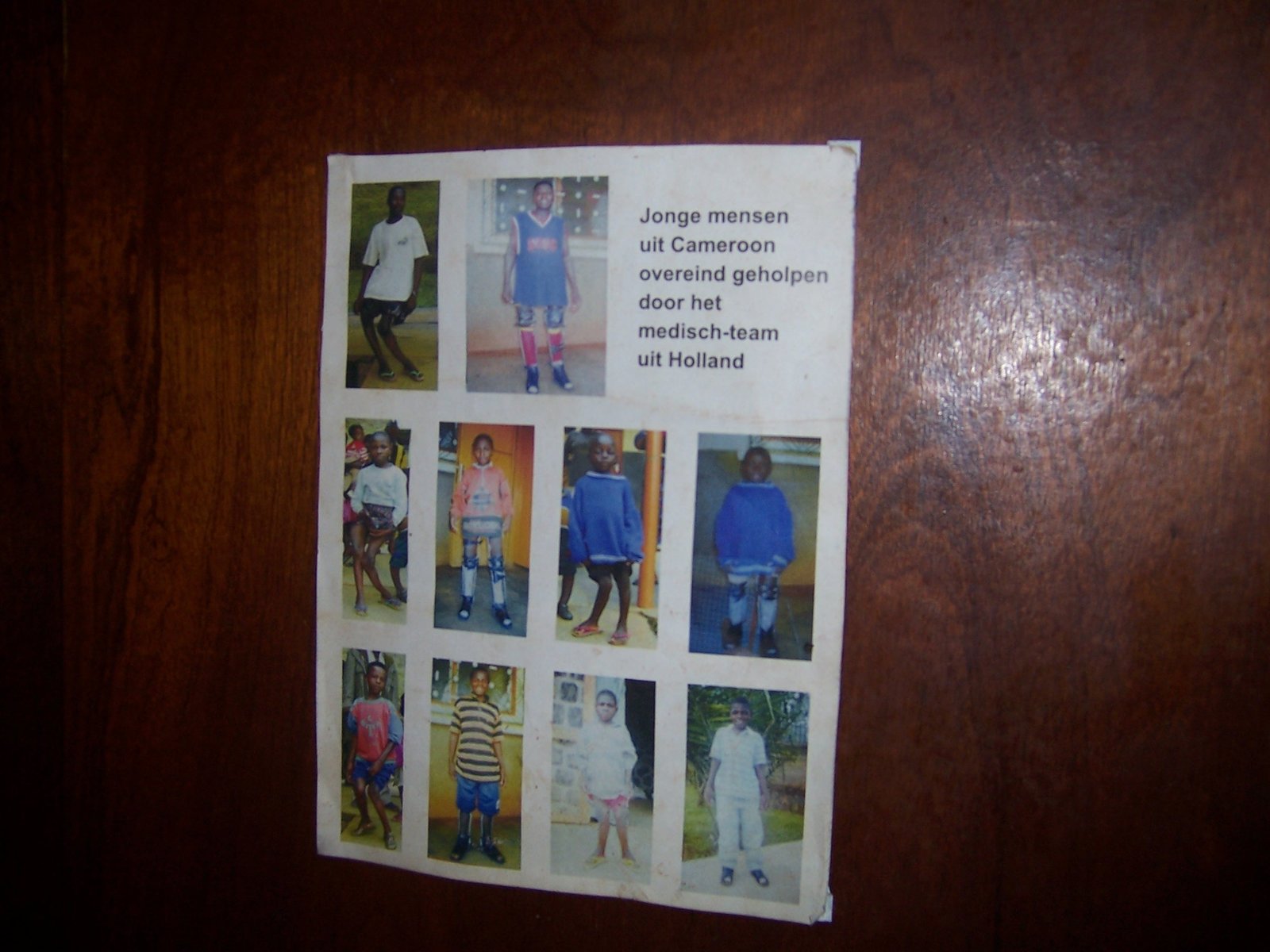
Immediate support required
The need for immediate support was self evident and through a sustained programme of support the FIOH fund financed the development of a new bespoke treatment facility , unique to Cameroon. The construction infrastructure was finally completed in 2016.
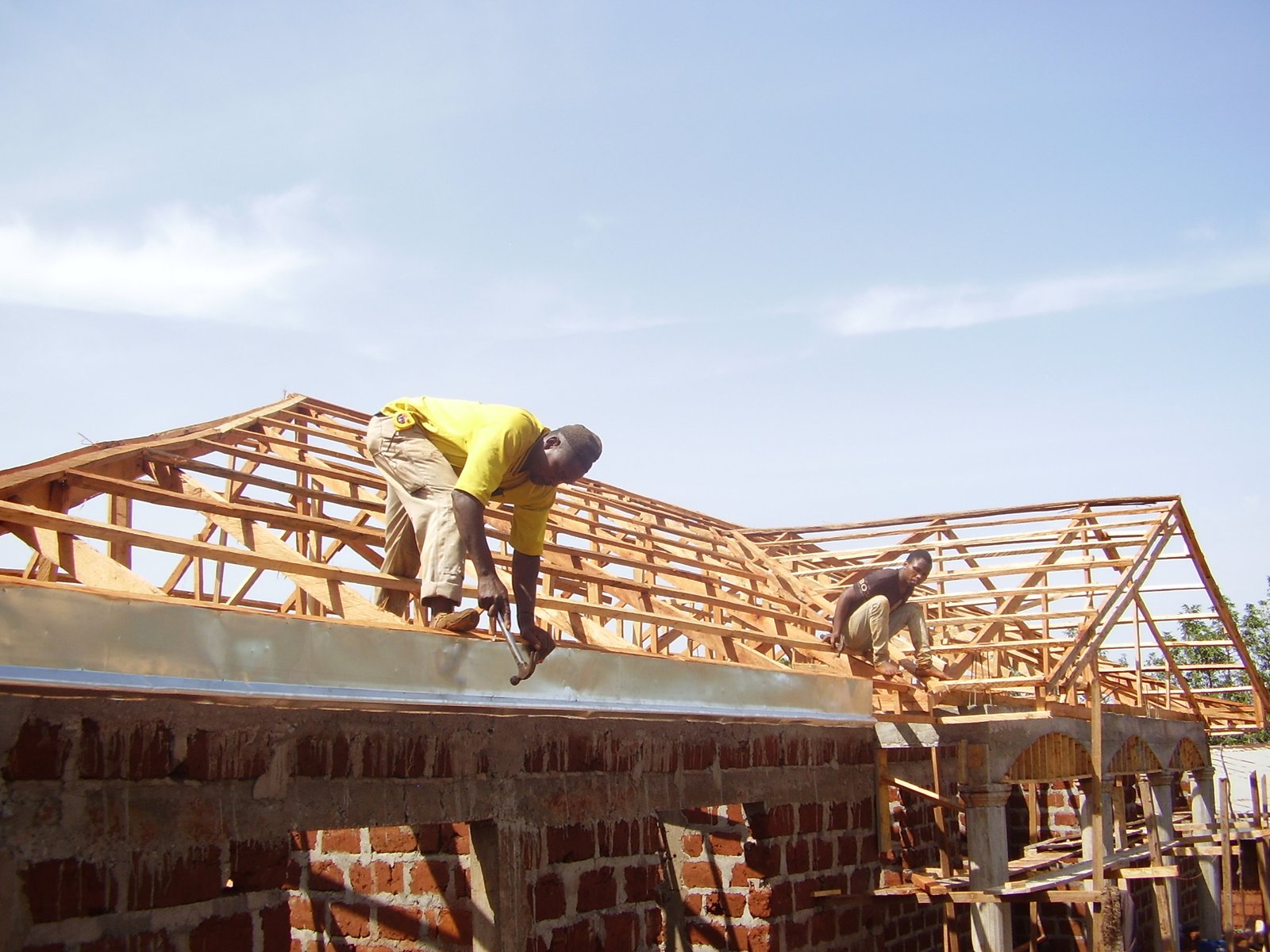
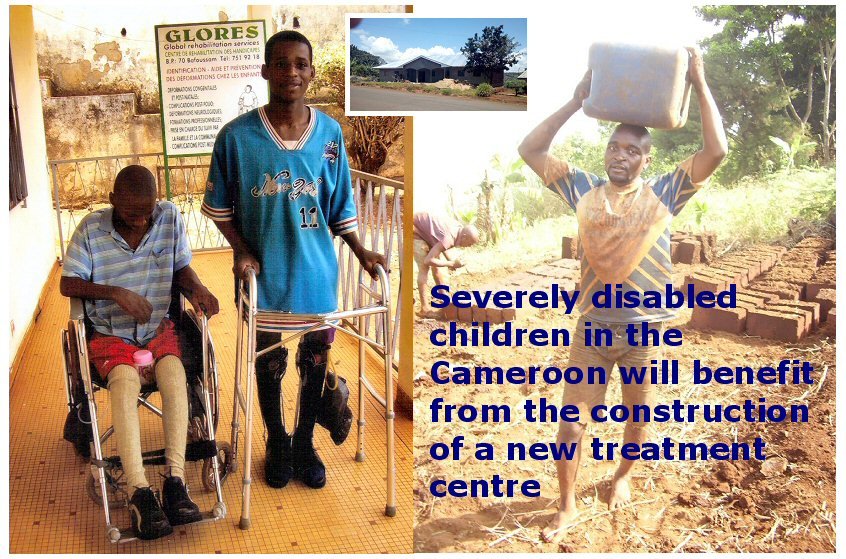
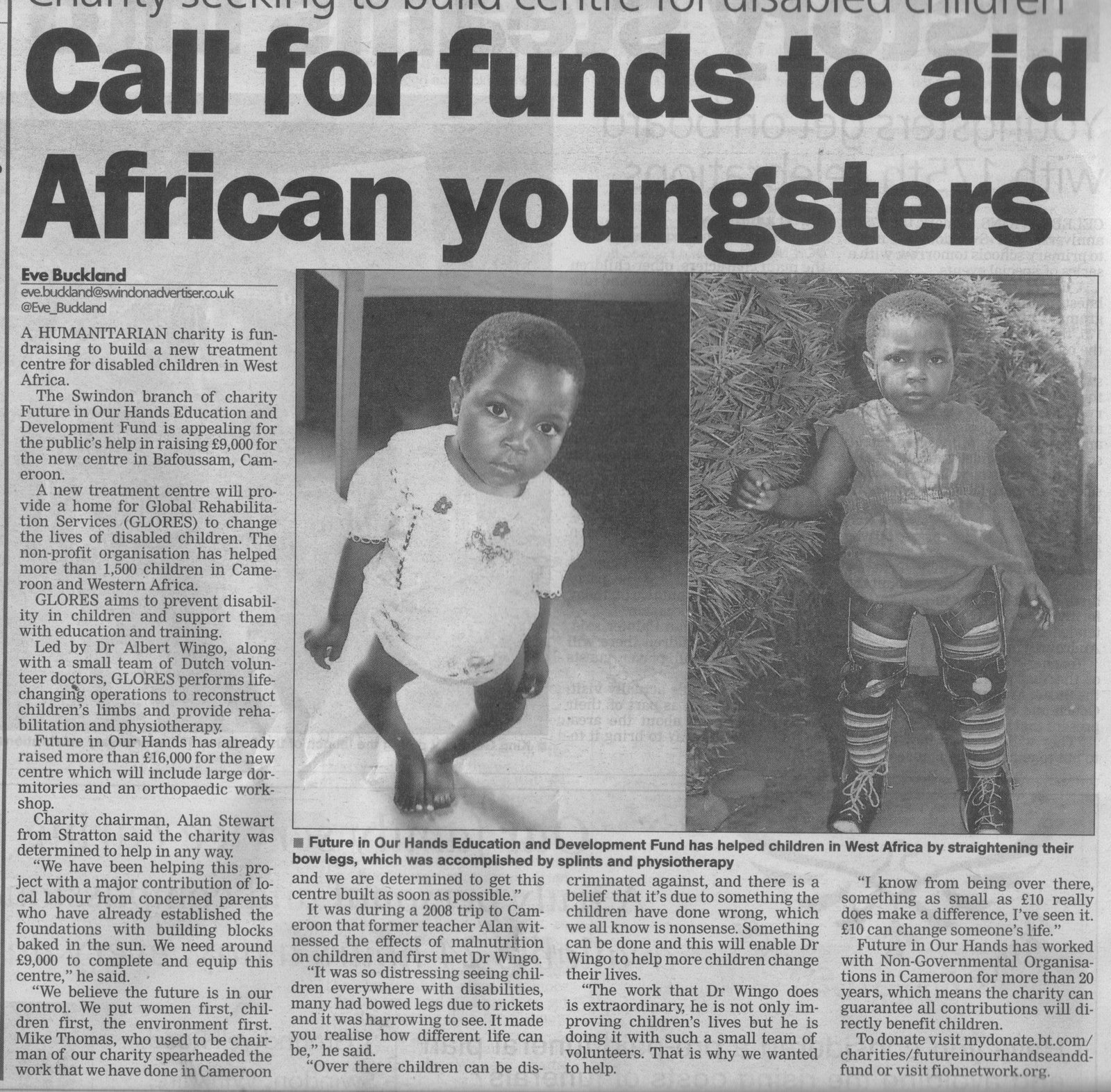
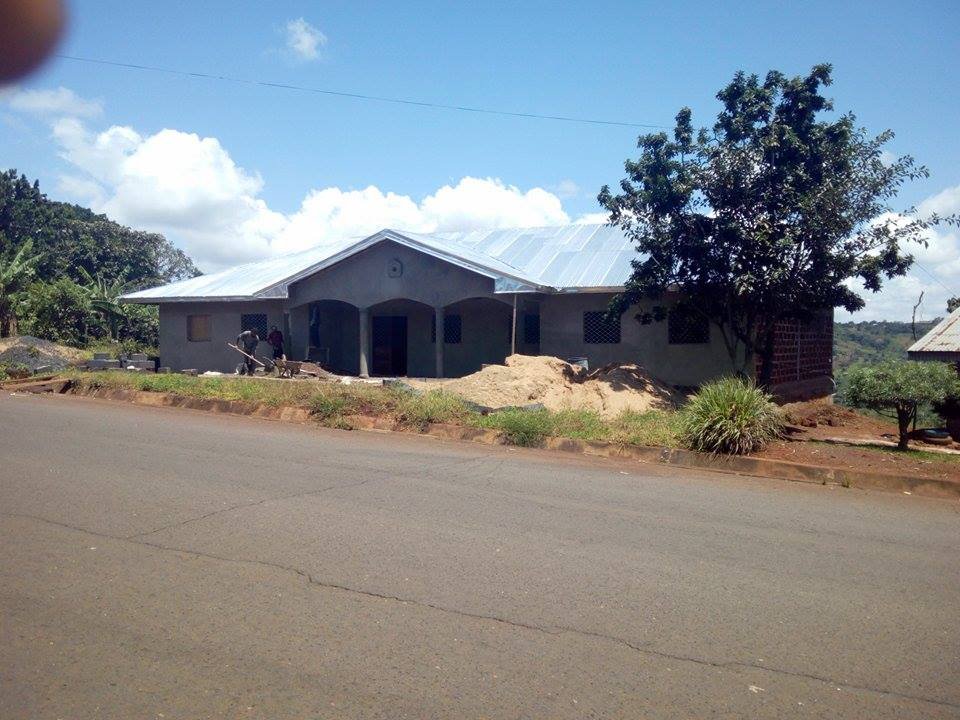
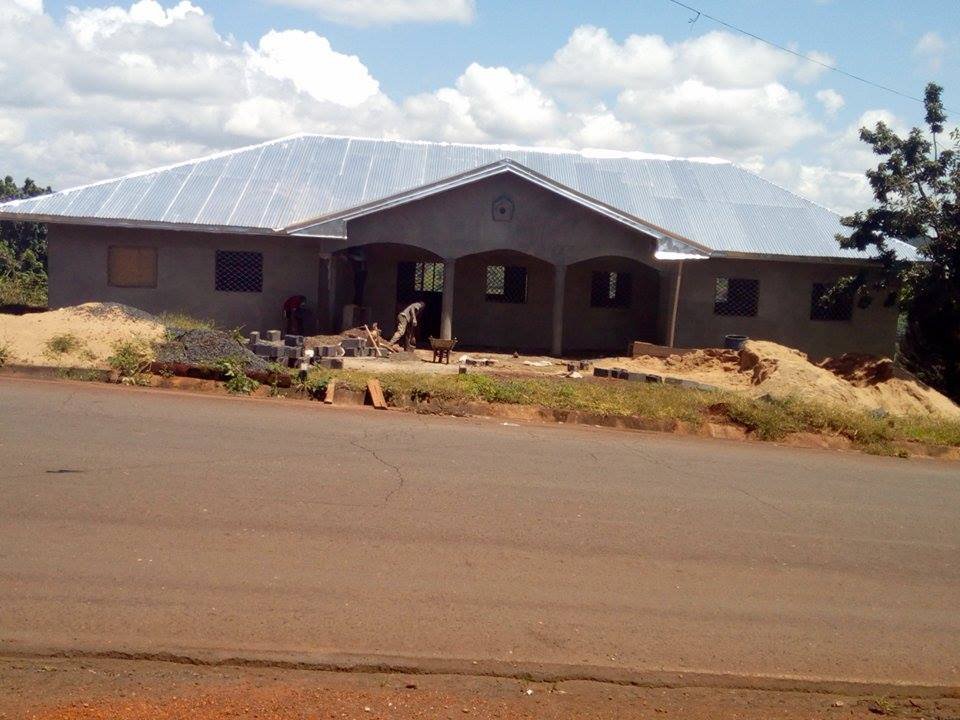
Alfred was instrumental in developing this idea from it’s planning to inception and continued to serve the disabled children of Cameroon until his untimely Death in Nov 2024. We express our condolences to his family and pay tribute to a remarkable humanitarian. FIOH remain honoured to have been a vital part of his story alongside additional support from a team of Dutch doctors who regularly performed the more complex surgery.
Verification of progress
As overseas donors we endeavoured to promote networking to solve issues and problems and so engaged officers from our partner organisation in Cameroon to visit and produce a comprehensive report on the progress towards the final construction of the bespoke facility.
A VISIT TO GLORES IN BAFOUSSAM BY CAMGEW 5th of October 2015 Requested by: Michael Thomas of Future In Our Hands – UK Objective Assess the progress of work in the GLORES CENTRE Contruction site Discuss challenges of GLORES Determine the date when GLORES will come for exchange visit to CAMGEW Discuss on procedure to apply for a service car for GLORES Time CAMGEW through Wirsiy Emmanuel and Sevidzem Ernestine left for Bafoussam to visit.
Methodology
We arrived the GLORES office and prepared a programme of work. The visit started with movement round the various departments of GLORES. We then moved to the GLORES Centre contruction site using CAMGEW car. After working there, Emmanuel and Alfred had a working session to close closely at construction activities, possibility of completion of work, means of mobility for GLORES and possibility of exchange visit. Activities CAMGEW staff visited all the offices and activities of GLORES in the GLORES office CAMGEW and GLORES move to the GLORES Centre construction site. This visit was done together with technicians to do the work. Alfred told us that the technicians will do the work with the assistance of volunteers who are beneficiaries (parents and guardians of patients). I did ask Alfred to call the technicians for us to reflect together on how to proceed with work. There, ALFRED told us that the small two room house constructed to serve as packing store for material collapsed 2 days ago after continuous rain fall and heavy wind storm. With the technician and Alfred we discussed what must have happened and what lessons must have been learned. We saw that the house was poorly built with poor mixture of sand and cement. The builder promised to redo the work on his cost. We also discovered that the wind blowing from down upward was too strong and needed wind breaks. It was agreed that Alfred should plant some fast growing trees to rescue the situation. Alfred said this was to be done the next day. The technicians that came were different from the ones that constructed the collapsed house. These ones looked more professional. The bricks for the house were still to be moulded this dry season starting from November. It was agreed that bricks made out of soil be used. The bricks were to be constructed on site because the soil is good for bricks. We deliberated on how to get water to the construction site. The government was still putting water pipes around the road close to the site but it was not clear when the water will start flowing. There was a small spring that is always available in the dry season and we assessed and saw that the water from the spring was small. We also looked at possibility of digging a well to get water but saw that the area was too rocky with high possibility of meeting a big rock before getting to see water. We also thought of pumping water from the river down in the valley to the construction site but saw that this was costly in pipes to connect the water, in fuel for the pump and in buying the pump. We thought of getting a land down beside the river to mould bricks and pay students during holidays like Christmas holidays to carry the blocks up to the site and saw that the hill was too steep for somebody to climb. We finally agreed that the spring will be used but Alfred will buy 10 containers of 20 Litres each and use them to carry additional water using his small vehicle every day for use in brick moulding and construction. Renting a car to do this work is costly. In terms of construction Alfred and technicians agreed that the centre has to be constructed to be solid since it will be beside a heavily used road by huge trucks. He said he hope that the house should be constructed and roofed before January. Alfred told me he has 5000 pounds at hand to start the work. He says he need an additional 10000 pounds to finish the work. This does not involve the fence construction and I saw the fence very important. Discussing with Alfred and from the reality he need a good secretary to handle finances, secretariat duties and communication We also agreed that Alfred will come to Oku for exchange visit when he comes we will use the opportunity to work on the GLORES MIVA car project. The visit will involve radio programme to advertise and sentise community on GLORES activities. Alfred could do consultation of his target group who needs help and could later be taken to GLORES Bafoussam for further treatment.
I did admire Alfred’s work. I have a soft spot for it. I pray God bless him and give him energy to do this work and take care of his children
Report prepared by WIRSIY EMMANUEL BINYUY Director of CAMGEW 2
Amabazonia mourns the loss of Transformational humanitarian leader in Cameroon
It is with great sadness that we mourn a true compassionate leader of SHUMAS. It was FIOH through initial contact with Mike Thomas, that were around to stimulate the origins of his story.
Tribute by Emmanuel Wirisy Director of CAMGEW
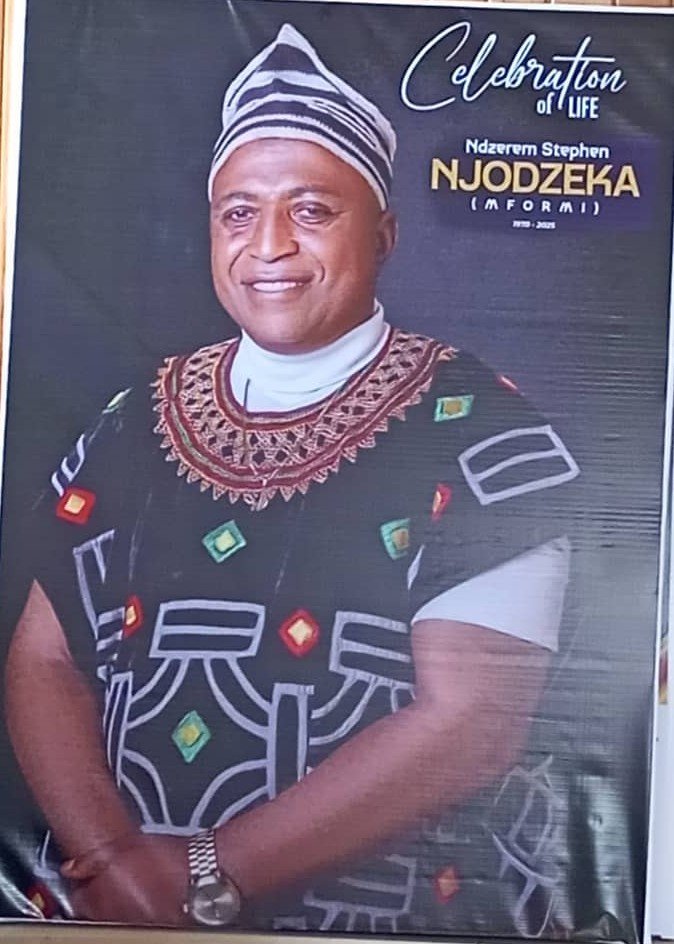
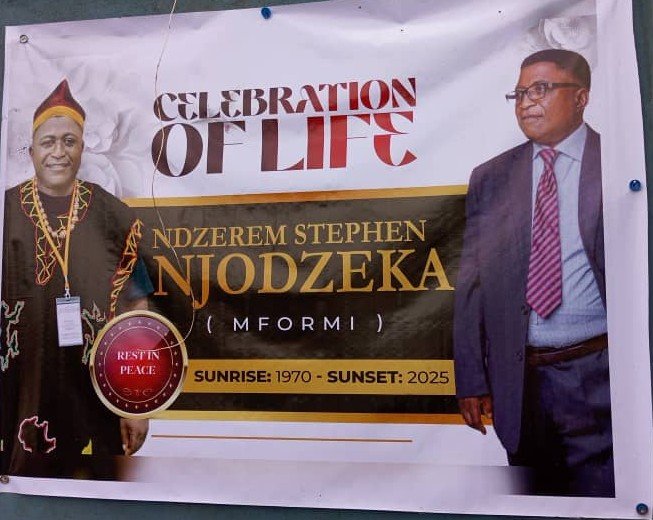
Our family has lost a great civil society leader, mentor and role model. SHUMAS director Mforme Ndzerem Atephen Njodzeka was a member of this group and guided its functionality. He made little noise but did more in actions. He did much in community development and moreover mentored and coached many who now lead their own NGOs non governmental organisations. We thank you for being an exemplary mentor and our hearts bleed with your premature departure. To make you proud , we pledge to continue your humanitarian and environmental work and to assist the most disadvantaged in society. We pray you rest in peace and send condolences to your family.
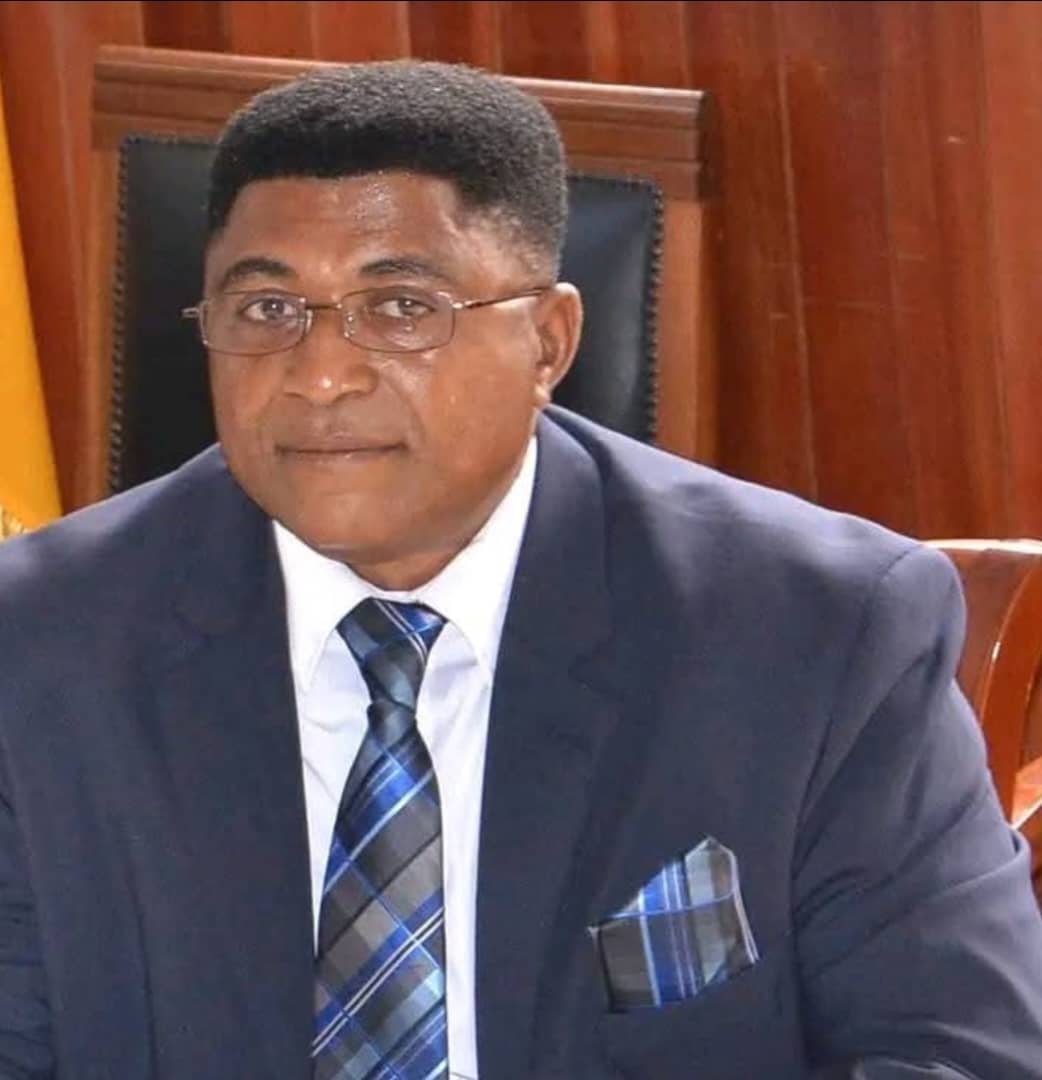
12 April 2025 we will be seeing off our Hero, Mentor, Model and Father that death took away from us in January 2025. This is Mforme Ndzerem Stephen Njodzeka who was Director of SHUMAS. He was one of us in this family here. His impact to humanity speaks loud and his forging spirit is what CSO leaders can hold as legacy to keep moving. Our condolence to his family. Go Well Our Hero to join the Great People of Our Community. We love you our Hero.
Emergency response provided by FIOH to disastrous fire
How did FIOH respond to disaster relief, fire in Sierra Leone with our network partner Youth Leading the World.
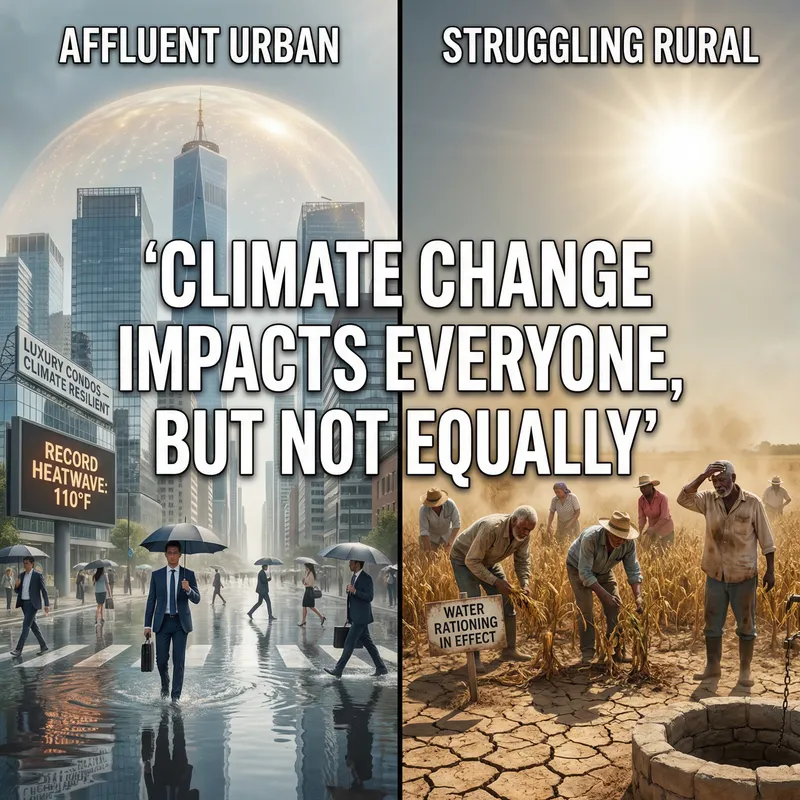
The unreported world as climate induced extreme dry season has devastating impact
I am writing to you today with a very heavy heart. Today, I went to our mother’s village, and what I witnessed there has left me in tears. We all know how harsh the dry season can be, with the sun beating down and the heat becoming almost unbearable—but today, that heat turned into a nightmare.
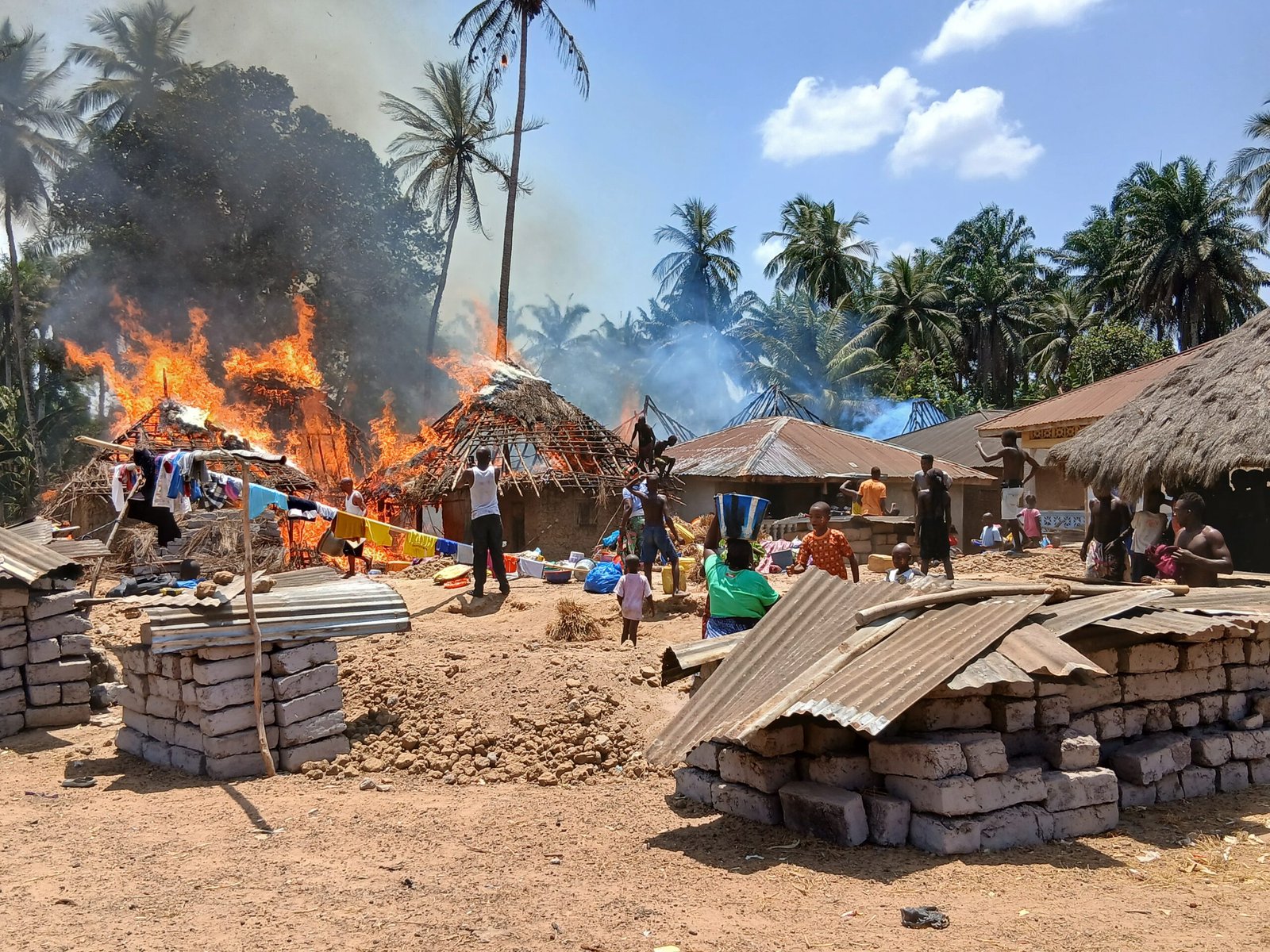
As we were gathered for a settlement meeting between two villages, the peace was suddenly shattered. We heard shouting and screaming from the back. When we ran toward the noise, the sight was terrible: houses were already being swallowed up by fire.
In the village, our people work so hard. You know how they plant and harvest their rice with such care. They eat what they need and then, with such hope for the future, they store the rest high up in the ceilings of their homes to keep it safe for the months ahead. It is their life savings, their only security.
Today, that security turned to ash.
I stood there and watched as six homes and then a seventh were completely destroyed.
The villagers fought the flames with everything they had, but the fire was too fast. I saw the very rice they had reserved for their children’s meals falling from the burning roofs, blackened and ruined.
Everything—their clothes, their properties, their shelter—is gone.
As I walked through the scene, taking pictures and talking to the families, I couldn’t stop the tears from falling. These people are now homeless and helpless, and the food they counted on to last for months has vanished in a single afternoon.
I am stepping forward as a humanitarian to coordinate help for them. I have documented the damage and the households affected, but the need is far greater than what one person can do alone.
I am pleading with you, on behalf of YLTW SL, that whatever little support you can provide whether it is for food, clothing, or helping them get materials to start rebuilding their roofs would be a blessing beyond measure.
Even the smallest contribution will help a family find their footing again after losing everything.
Please, let us come to their aid in this darkest hour
With love and hope,
Alpha Mohamed Kargbo
Three of the affected extended families
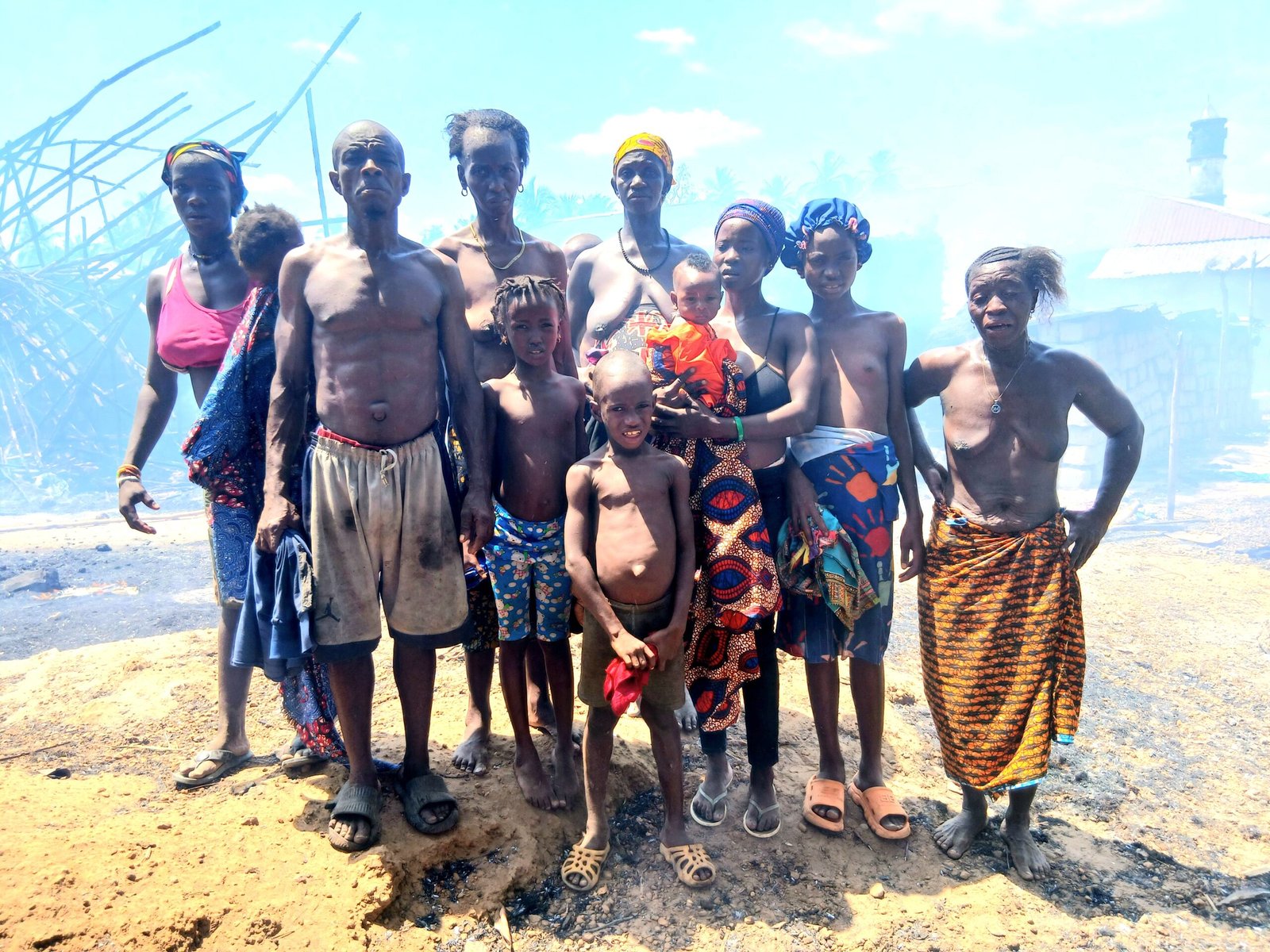
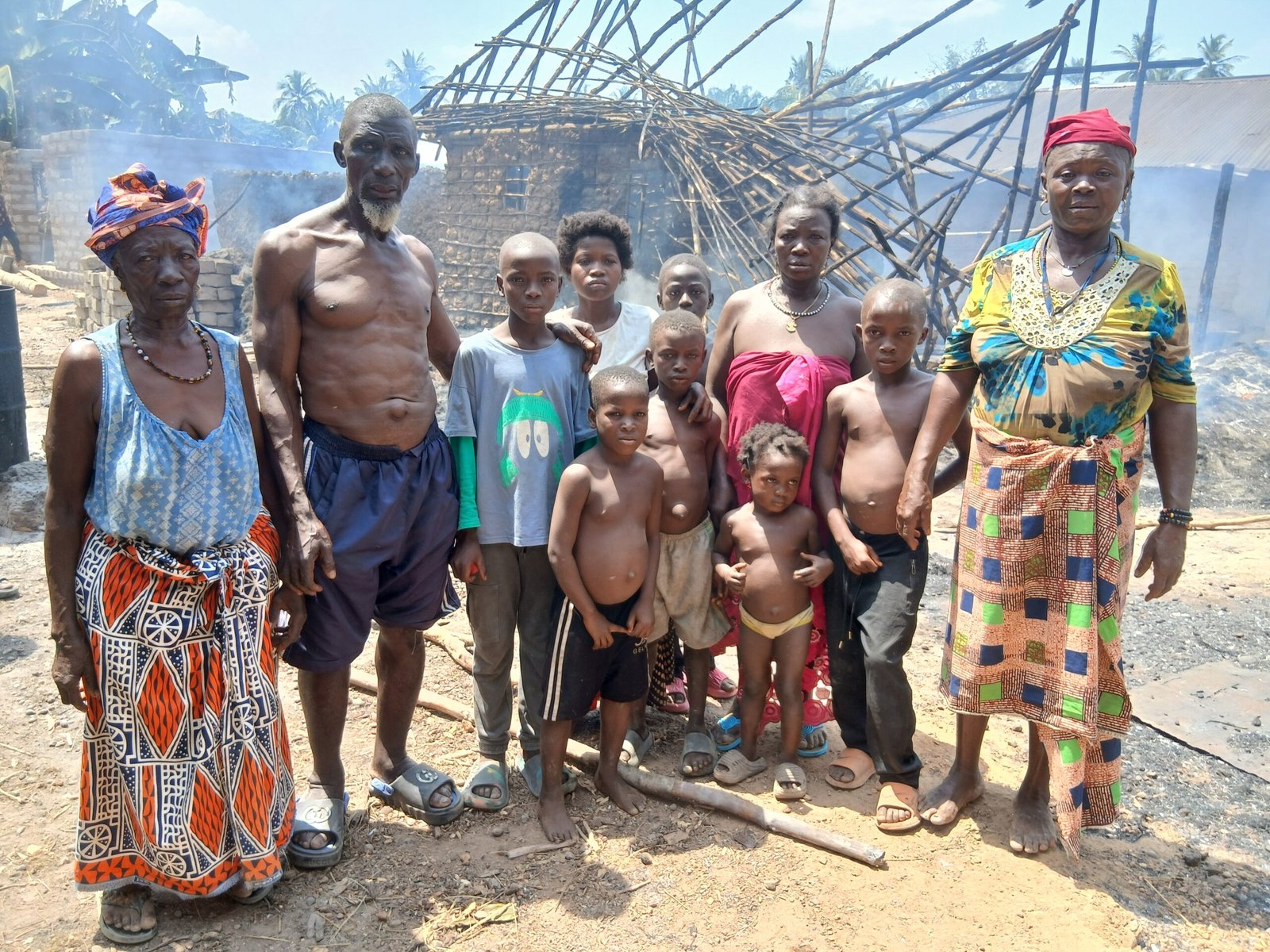
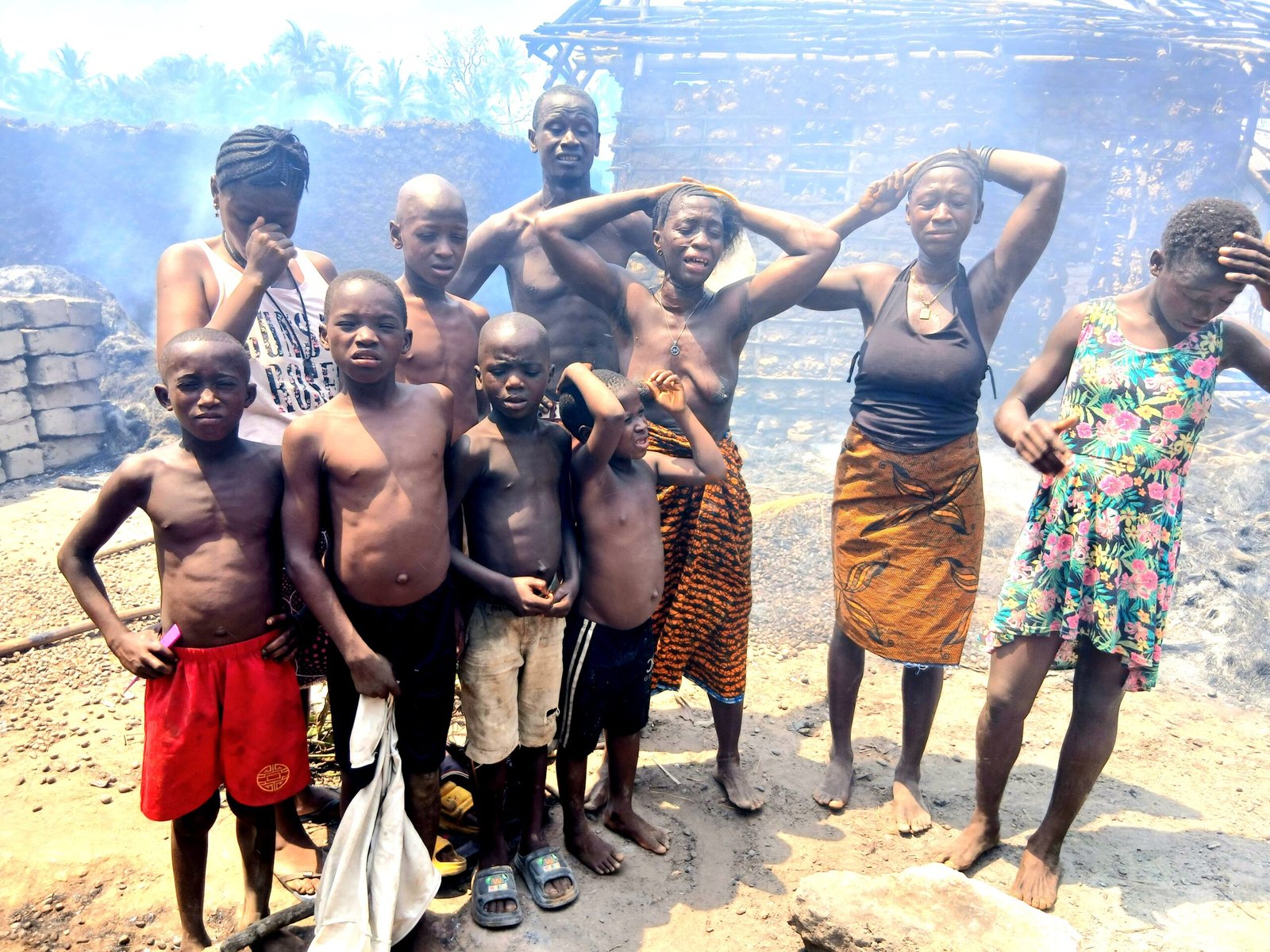
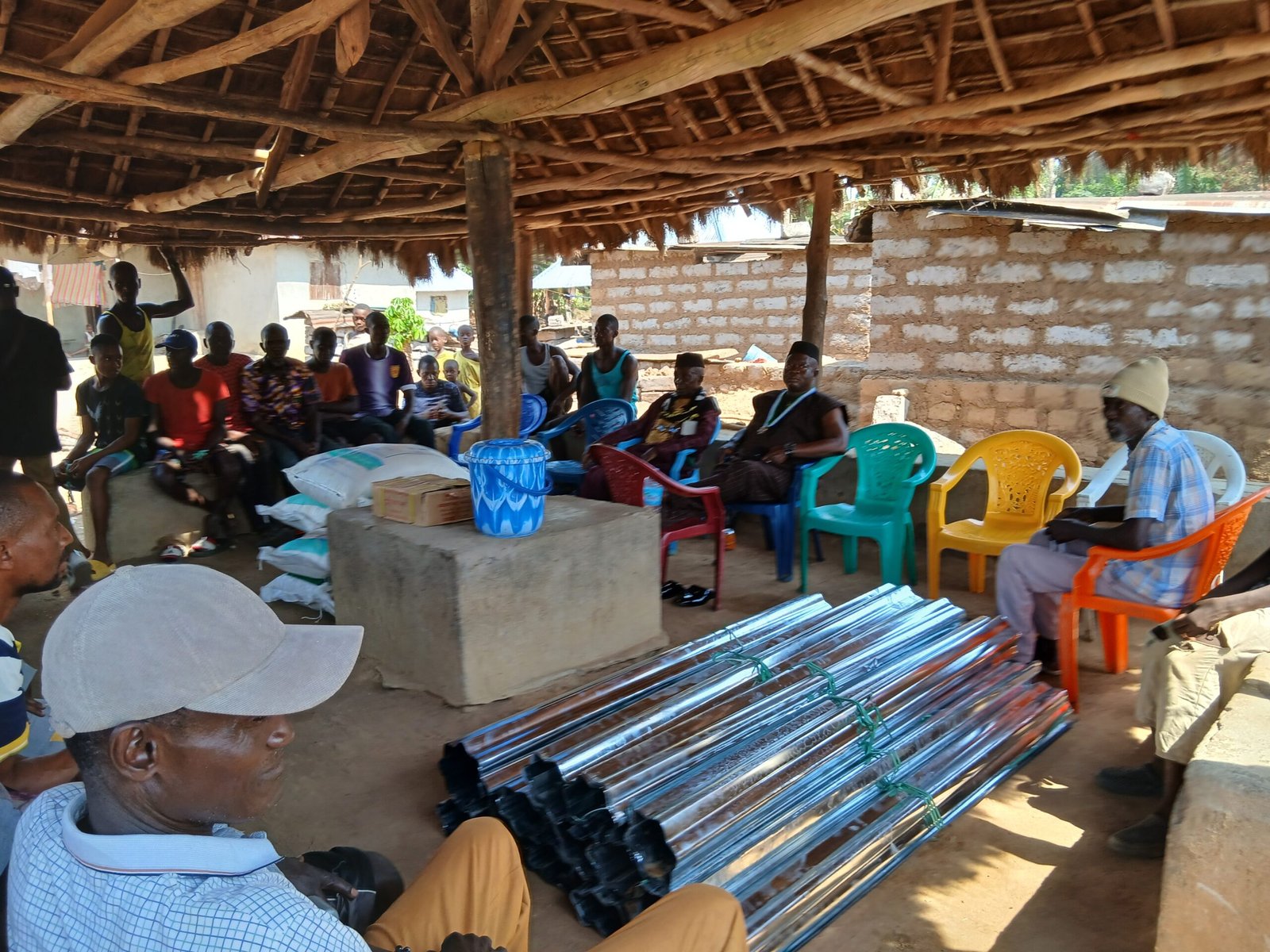
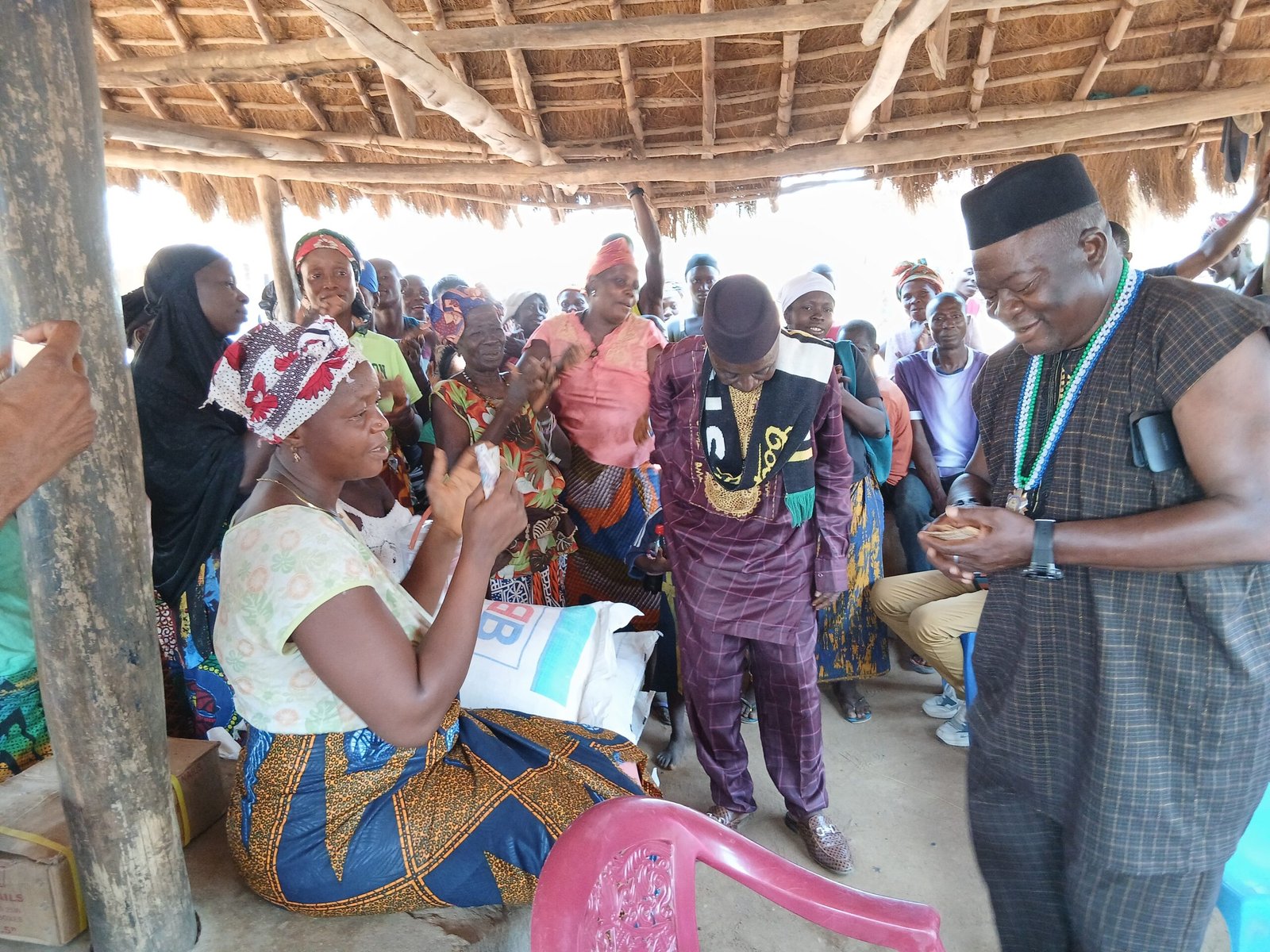
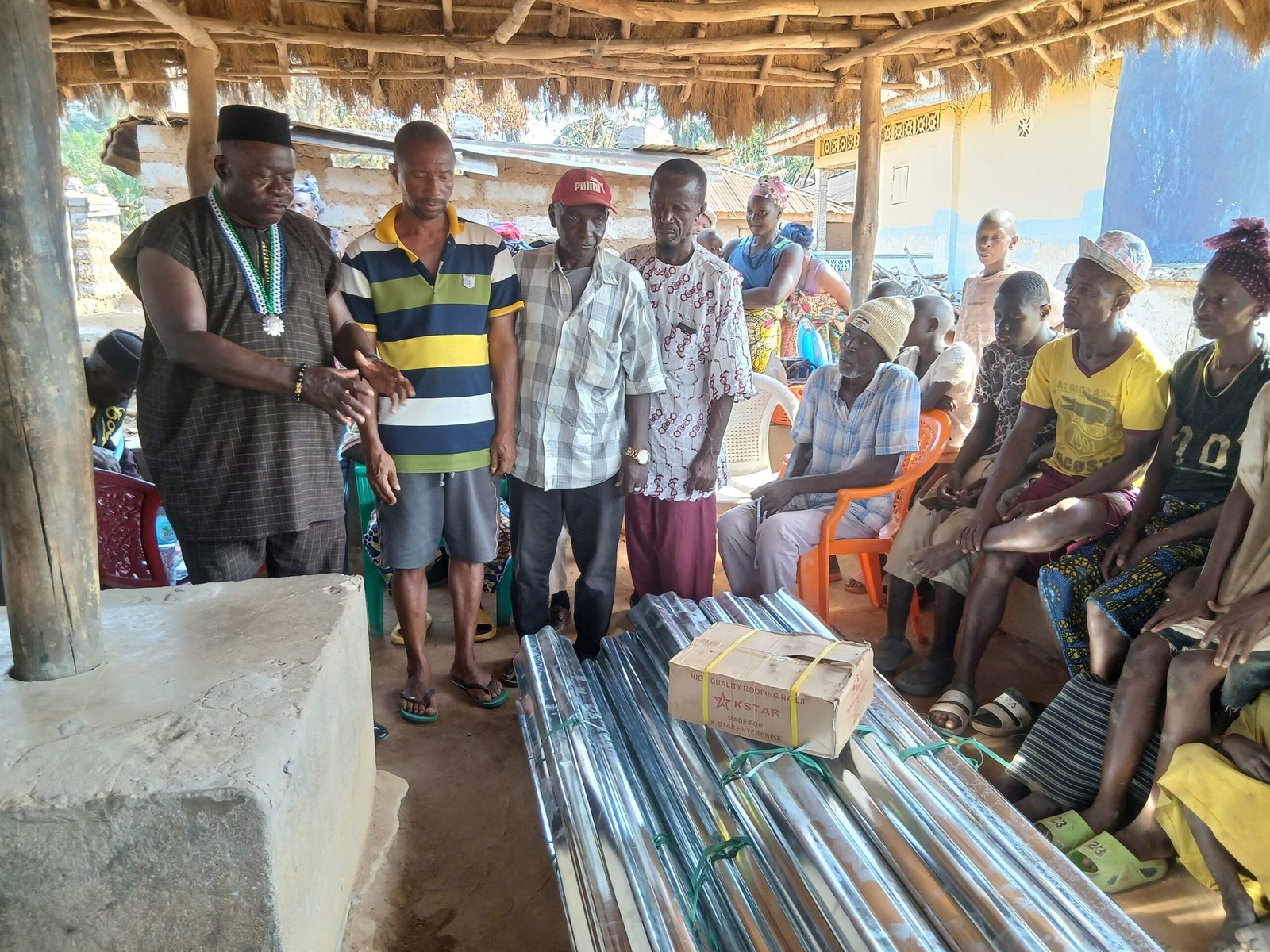
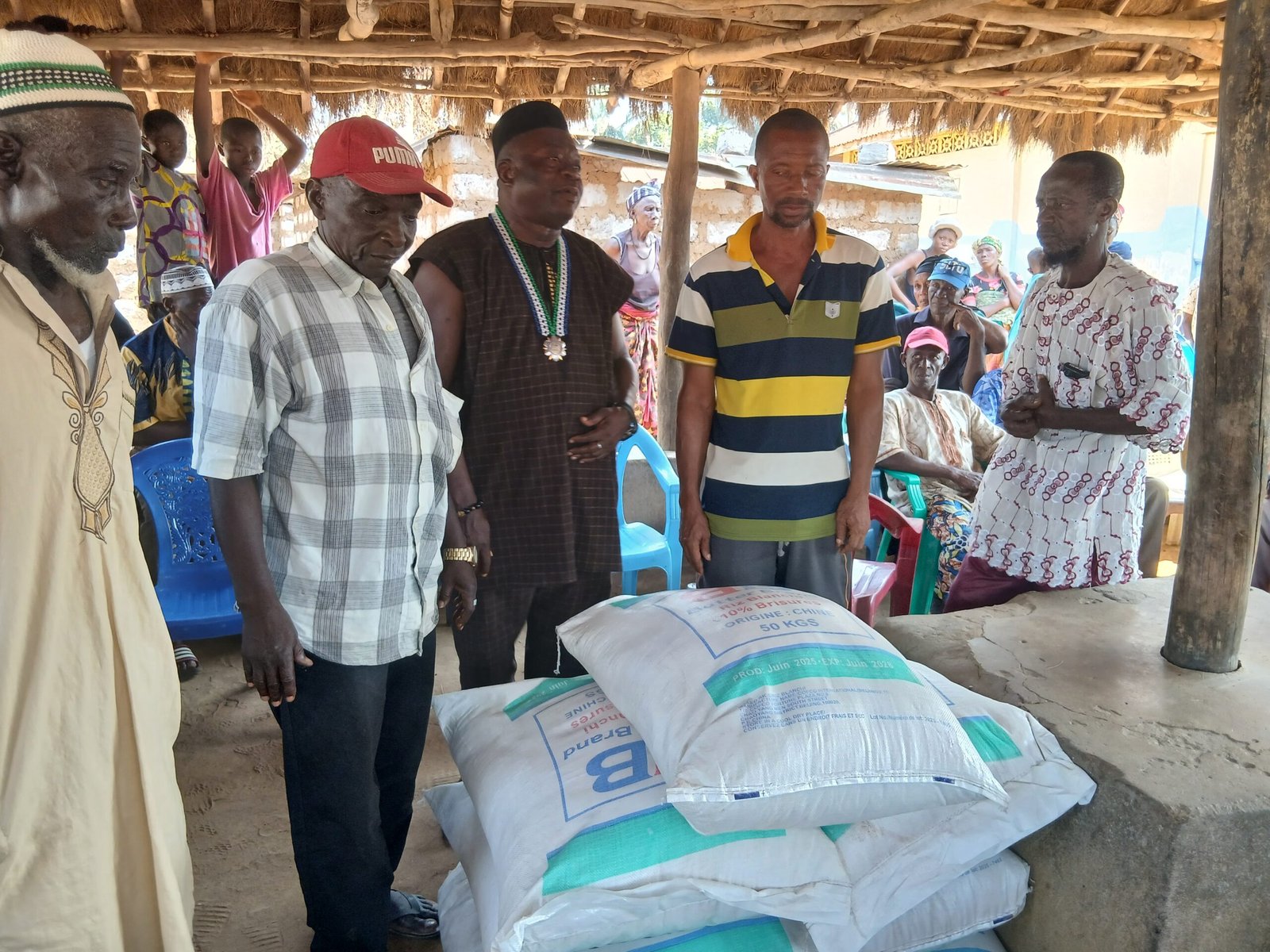
We are pleased to announce that emergency aid was available directly from FIOH through our cooperation with Youth Leading the World in Sierra Leone. Our response was instantaneous, with aid to rebuild the damaged dwellings with more substantial infrastructure and rice to replace what was lost in the fire. The community responded with thanks and celebrations.
Thank you for reading this article, if you would like to support us please Donate. If you would like to read more articles about disaster relief, try this.
Supporting grassroots initiatives in Sierra Leone.
Alpha Kargbo Youth Leading the World (YLTW) “We are pleased and grateful for all your support you have been giving us all this while, blessings to FIOH.”
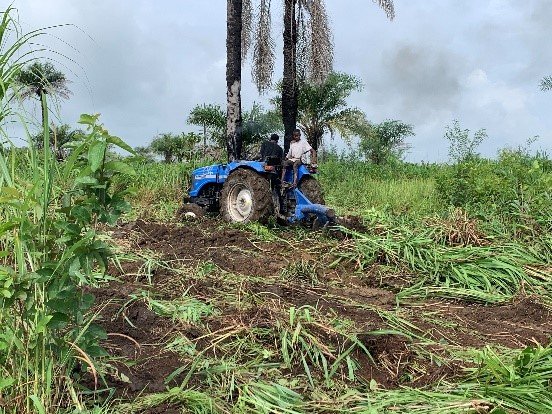
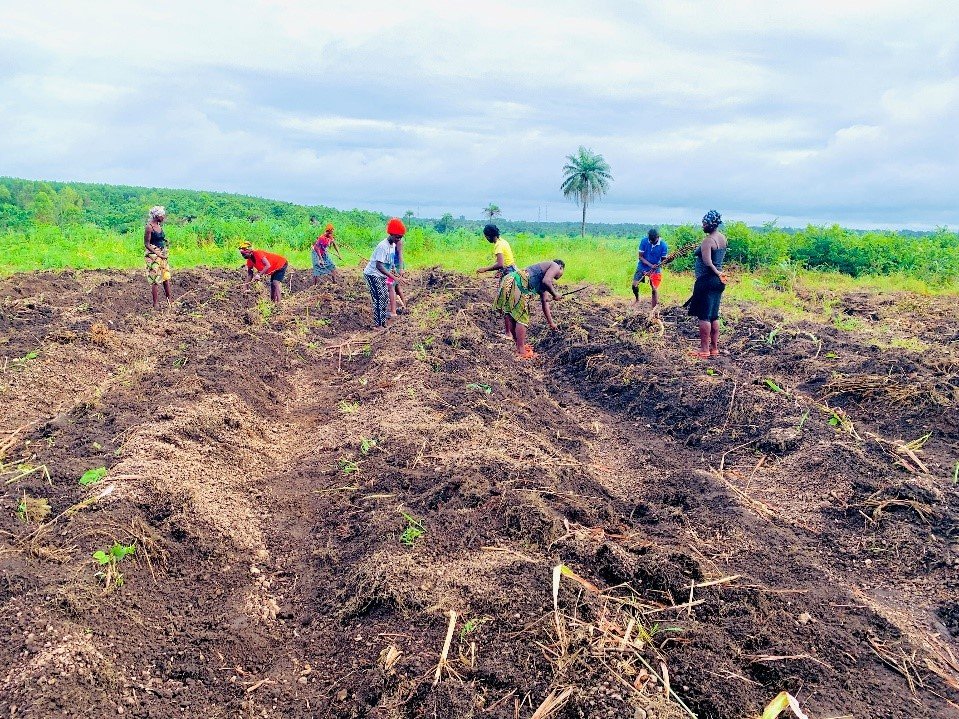
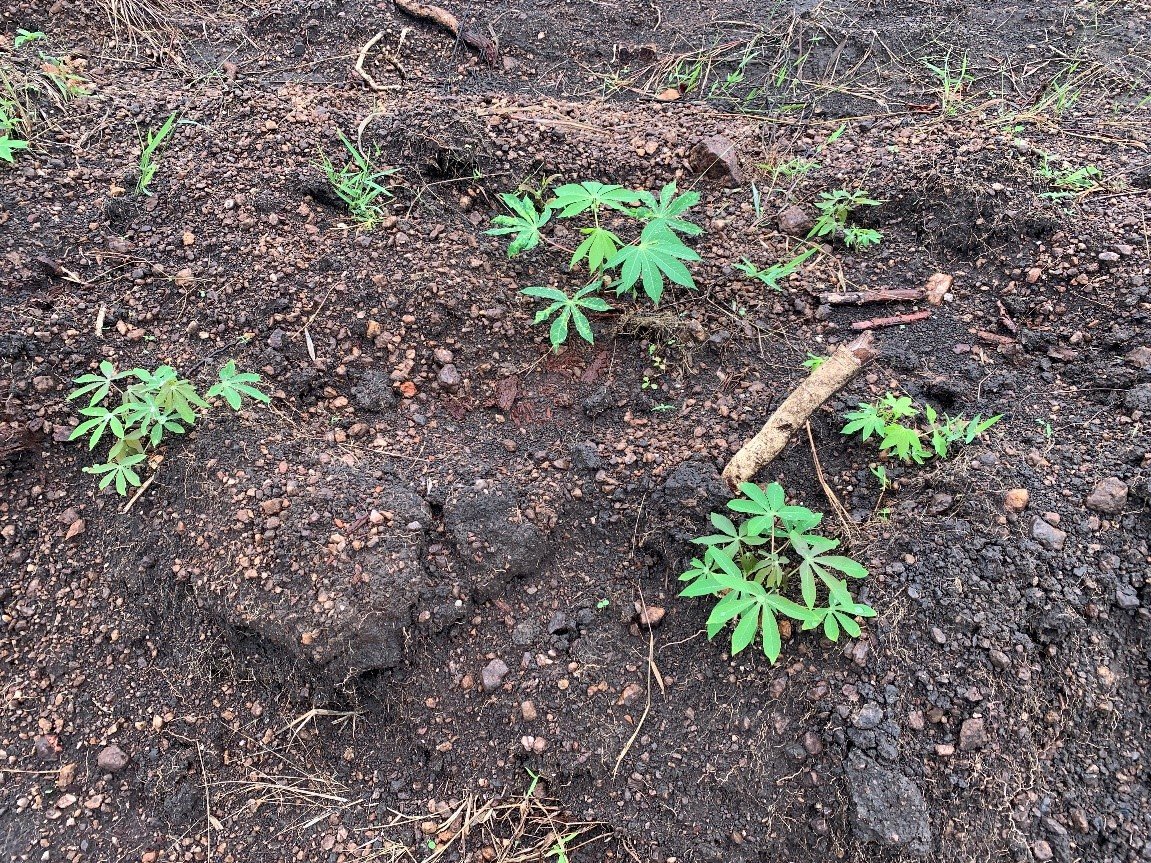
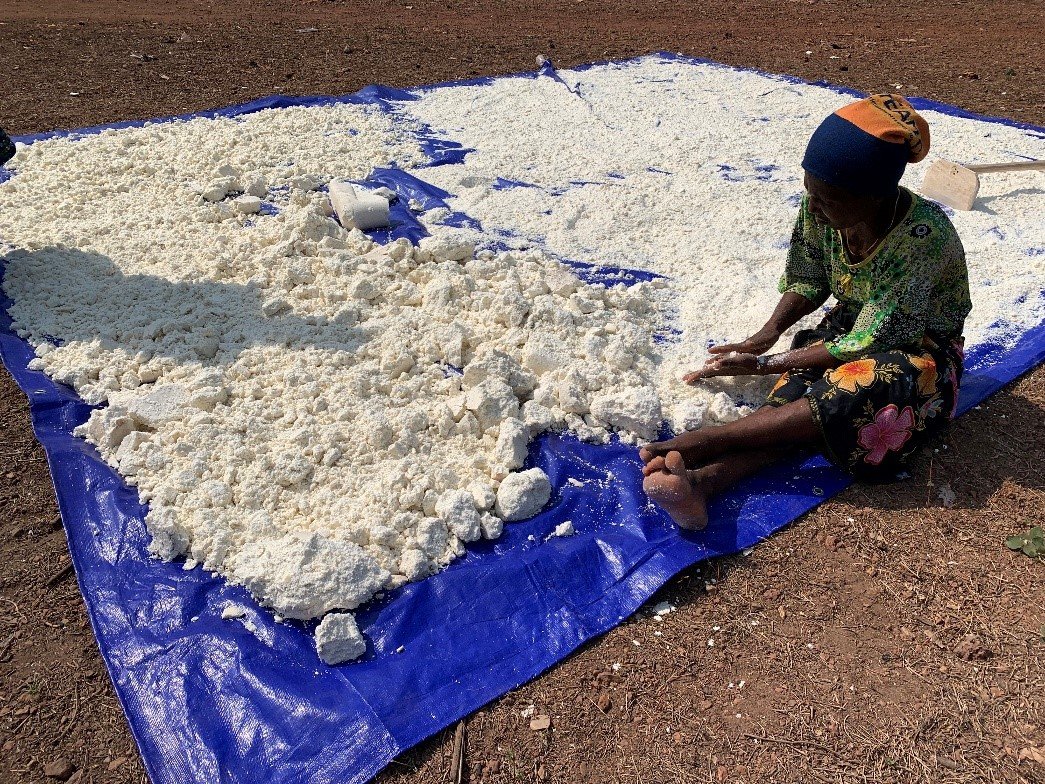
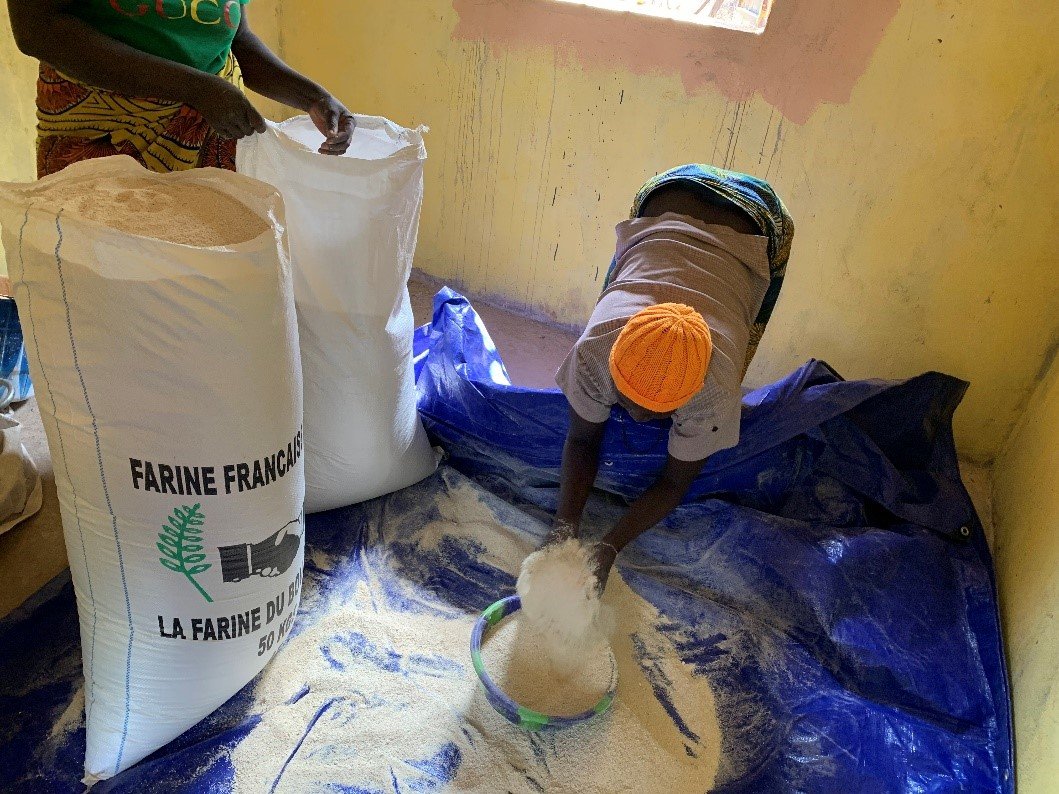
YLTW have managed to cultivate 2 acres of cassava during the summer of 2025 with the aimed to benefit to the community in establishing a staple subsistence crop. This will enable local communities have a more reliable source of carbohydrates in their diet. The end product flour can then be used in baking. The local enterprise gives us the ability to have greater control over price fluctuations and ina ddition provides regular and reliable employment through processing the raw material.
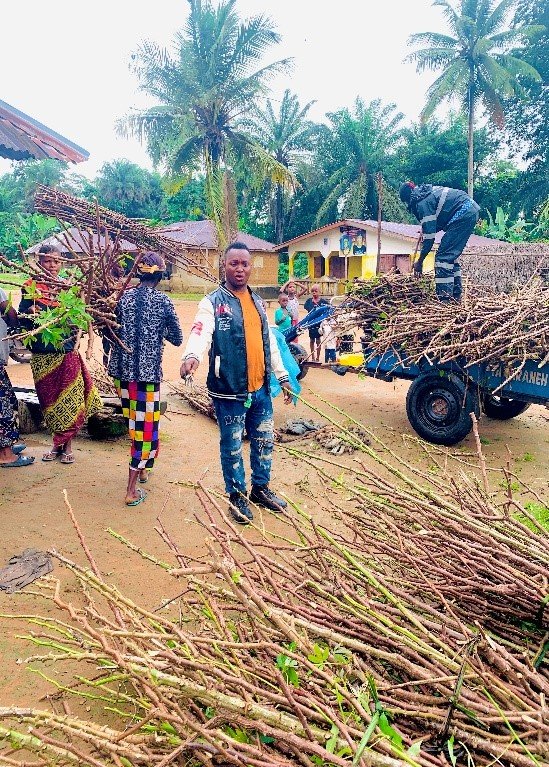
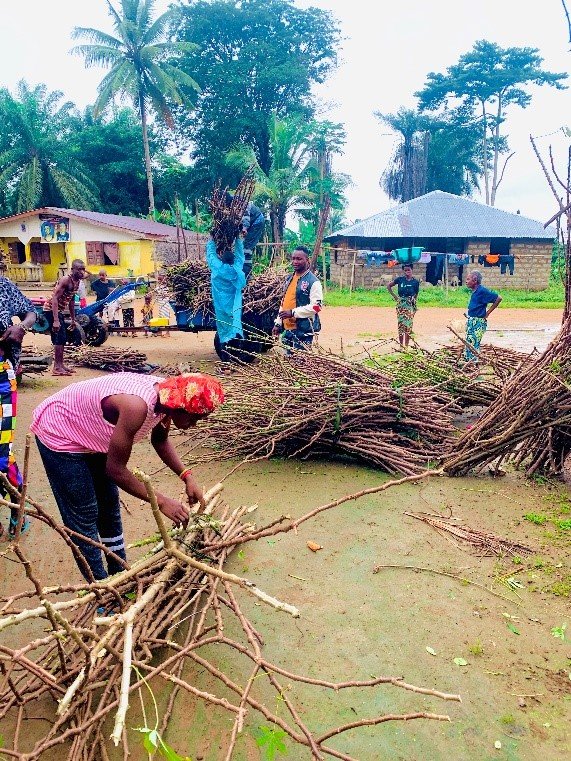
YLTW started with ploughing as two tractor machines (see image 1) went to work the land. They to organized and utilized local labour to construct the required ridges on the area (image 2). This was followed by planting, weeding and cultivation. All with the aim to purchase and transport cassava stems, for farming.
Gari Processing Centre
YLTW chose this as they were convinced it would yield a profound benefit. The processing centre is available for use and is owned cooperatively by the grassroots community. Offering free or reduced cost use towards processing of the Cassava into the final flour.
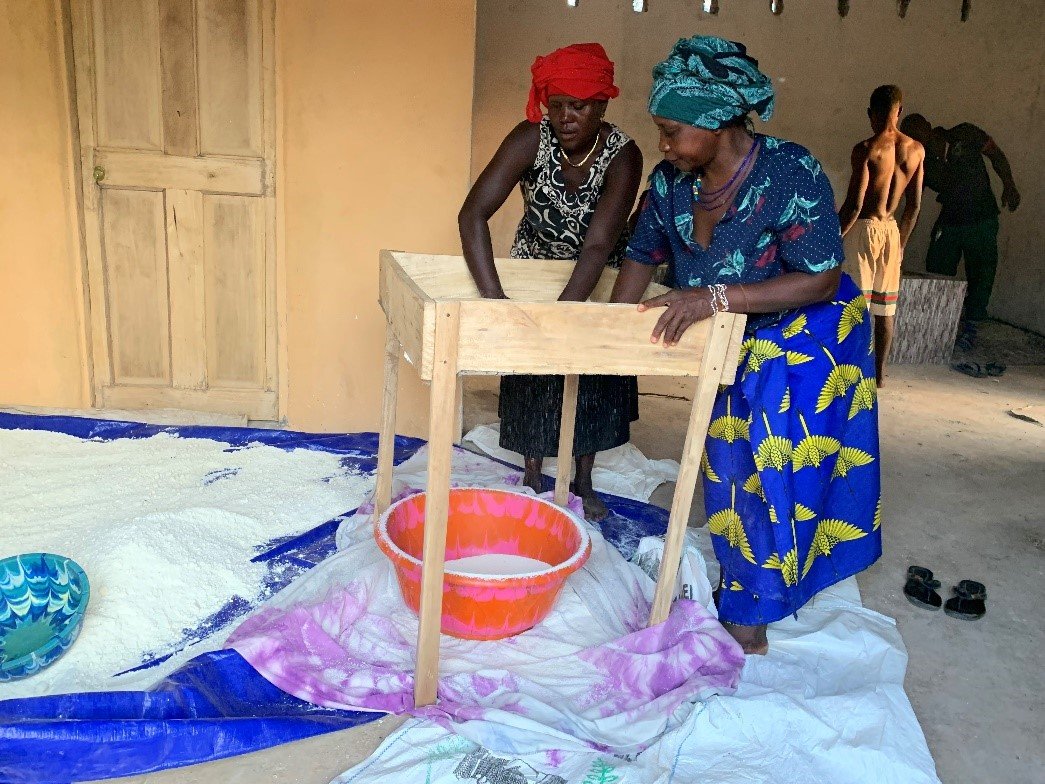
FIOH are delighted to participate and facilitate locally managed initiatives like this project. We feel that it has provided meaningful employment, impact and sustainability to the lives of people who need it most. Projects such as this, managed from the ground up by local people has the fastest and biggest impact to people’s livelihoods.
It is our hope to continue to provide funding and guidance on projects like this into the future. If you wish to help us with your support, please consider donating or getting in contact with us for fundraising opportunities.
Refugee crisis in NW and W Cameroon
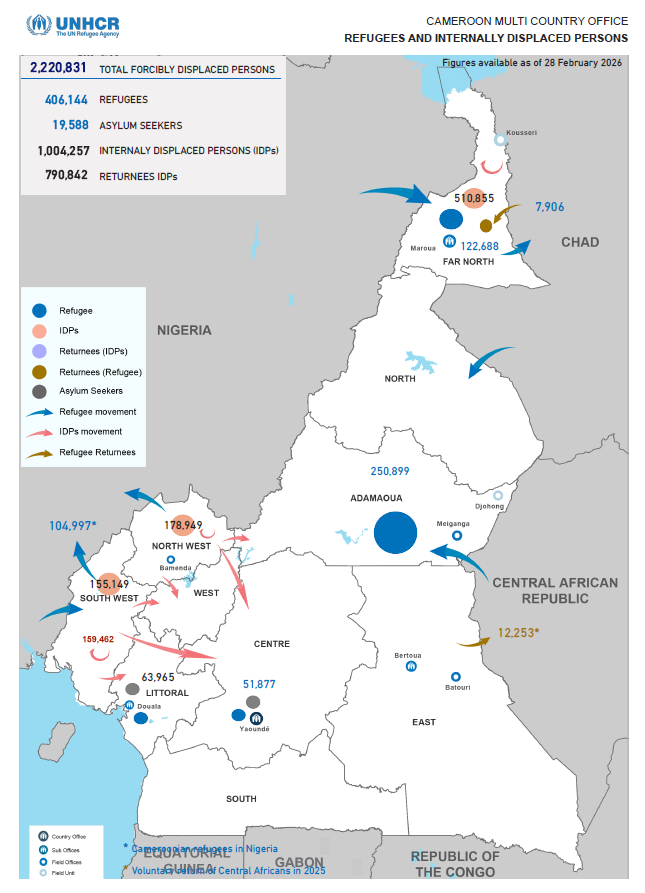
Situation mapped by UNHCR Feb 2025
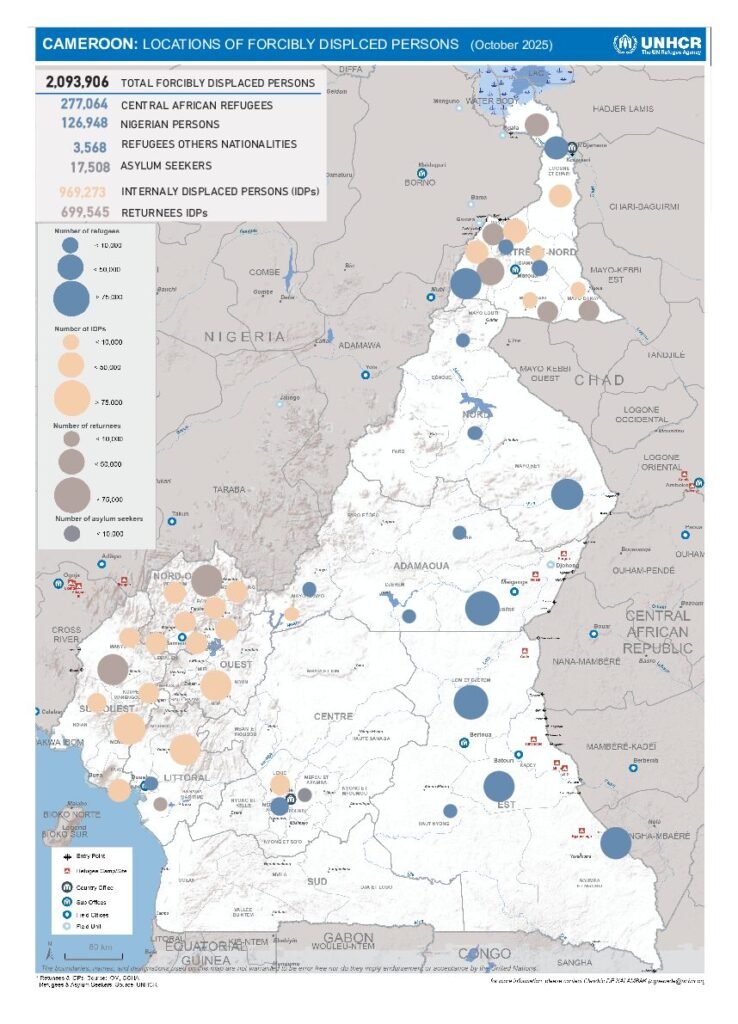
Situation update UNHCR Oct 2025
The situation continues to worsen with the civil unrest in Anglophone Cameroon. A most disadvantaged region with a Francophone government. This hidden issue continues to be under reported in a world of more newsworthy conflicts.
This initiated in 2014 when Cameroon began taking refugees from less stable Central African Republic and Chad
Families forcibly displaced from their villages and schools fleeing from coercion and impact of civil war compounded and exacerbated by impacts of climate change and terrorist groups like Boko Haram.
IAA Cameroon reaps the rewards of sustainability
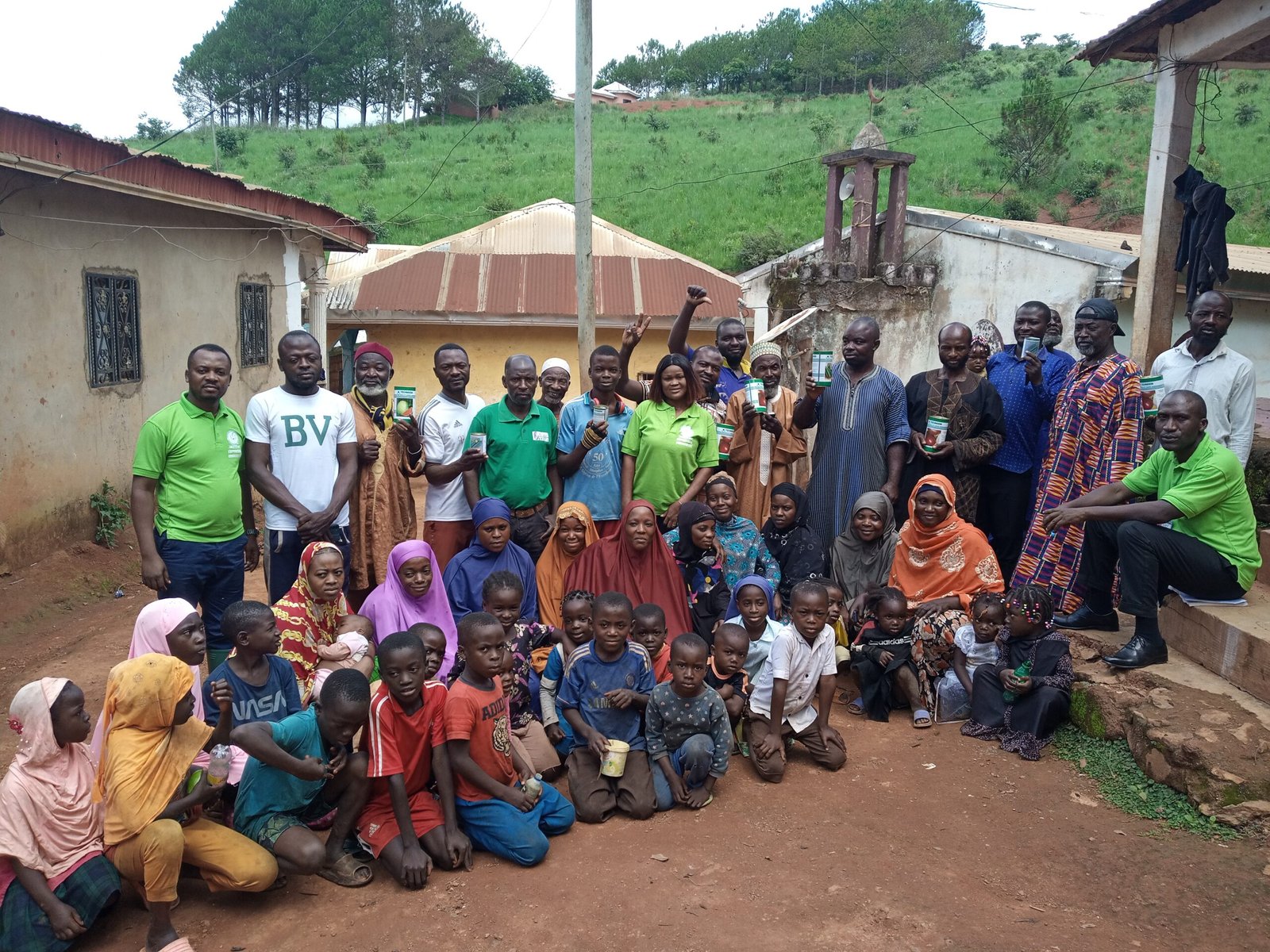
From seed distribution
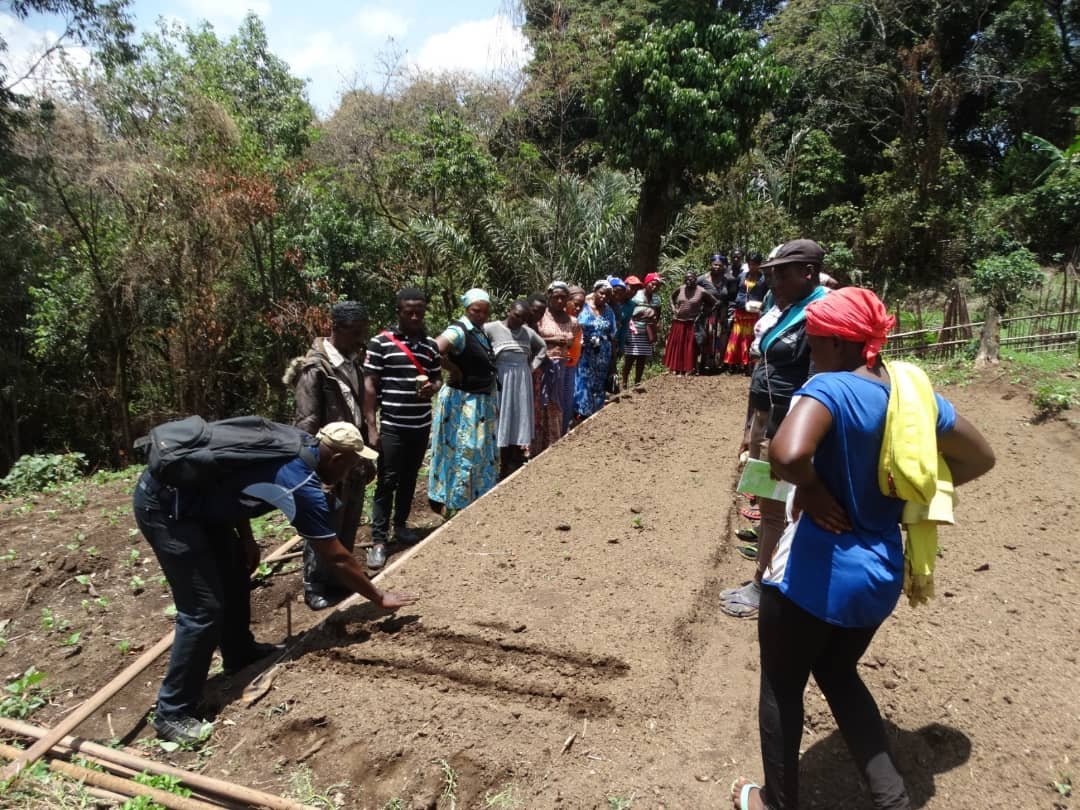
To planting out
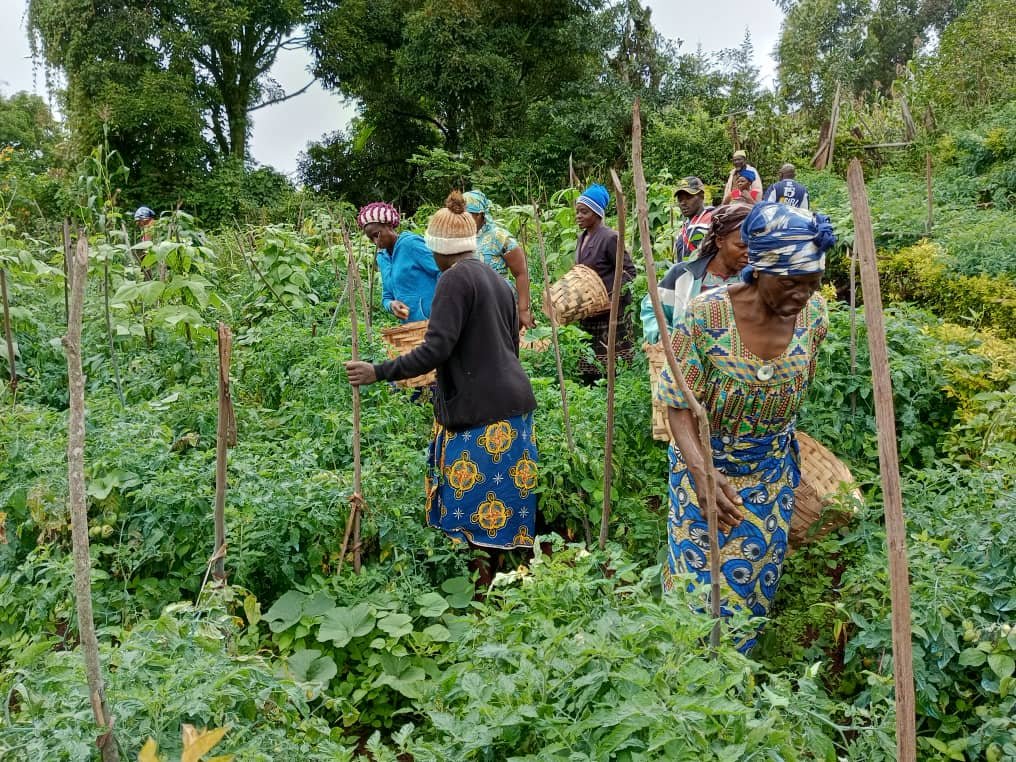
to harvesting
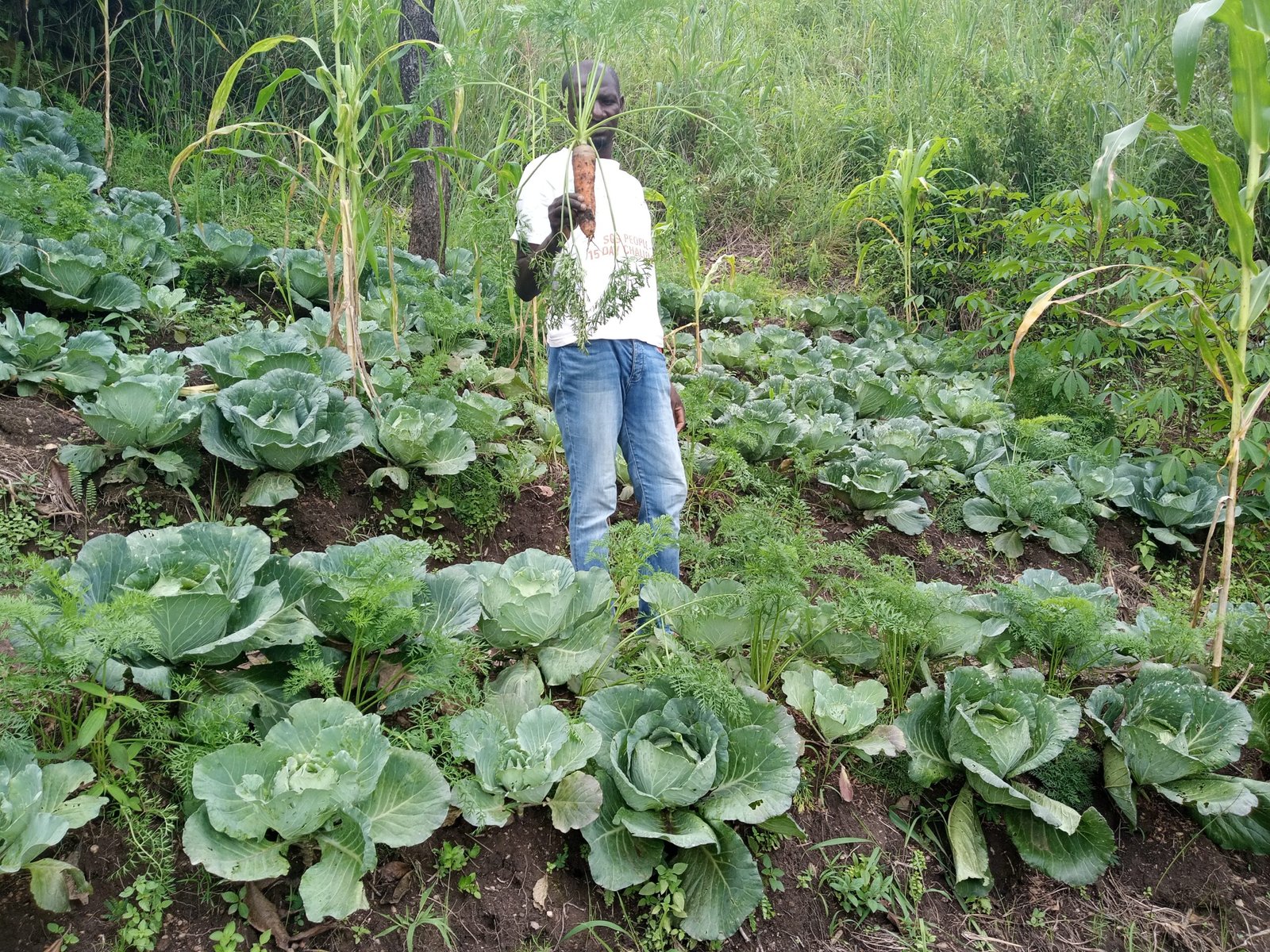
IAA receives international recognition with prestigious award
1) RECENT AWARD RECOGNITION
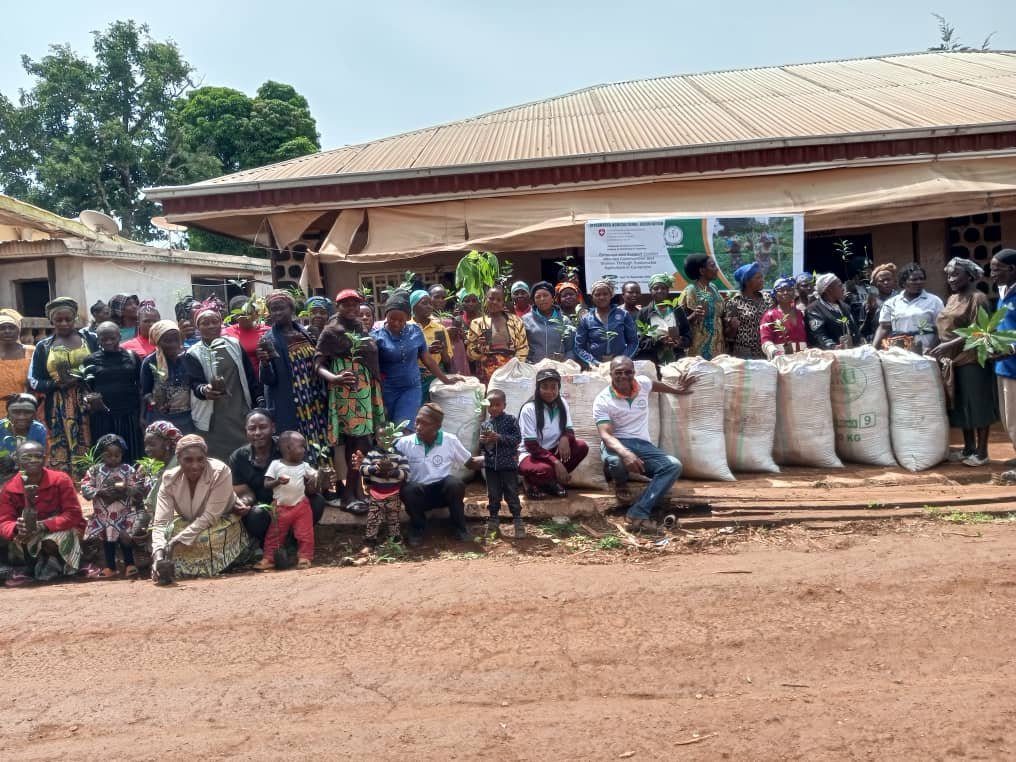
Regenerative Agriculture/Agroforestry, IAA has been honored as National Winner of 2024 Energy Globe Award.
The project aimed at training small-holder farmers in regenerative agriculture techniques and agroforestry. Specifically the project focused on climate adaption, carbon sequestration and conservation agriculture techniques, including the use of cover crops; “no till” practices, rotating crops, conserving water. Primarily using native crop varieties and trees to manage pests.
These approaches not only contribute to long term climate resilience, but also increase productivity, decrease farming input costs, and improve soil fertility. The project also increased local availability of safe, quality vegetables and fruits for the poorest and most vulnerable populations in the region. IAA trains and supports rural smallholder farmers in conservation agriculture and agroforestry. We promote sustainable practices that reduce water and chemical use, prevent land degradation, and protect biodiversity.
2) ANNUAL WORLD OF DIFFERENCE AWARD 2022
Founder and Executive Director of Integrated Agricultural Association (IAA): Dungrila Pascal Mbimenyuy has been selected and recognized by TIAW as a 2022 extraordinary man under the champion of Women’s Economic Empowerment in Cameroon
The World of Difference Awards – recognize up to 100 women (and men) around the world whose efforts have advanced the economic empowerment of women locally, regionally or worldwide.
Since 2017, Integrated Agricultural Association (IAA) under the leadership of Dungrila Pascal Mbimenyuy has supported thousands of women directly through sustainable agriculture, entrepreneurship and livelihood projects in rural communities within Cameroon.
Other News:
One Young World Ambassadors in Cameroon met with The British High Commissioner to Cameroon
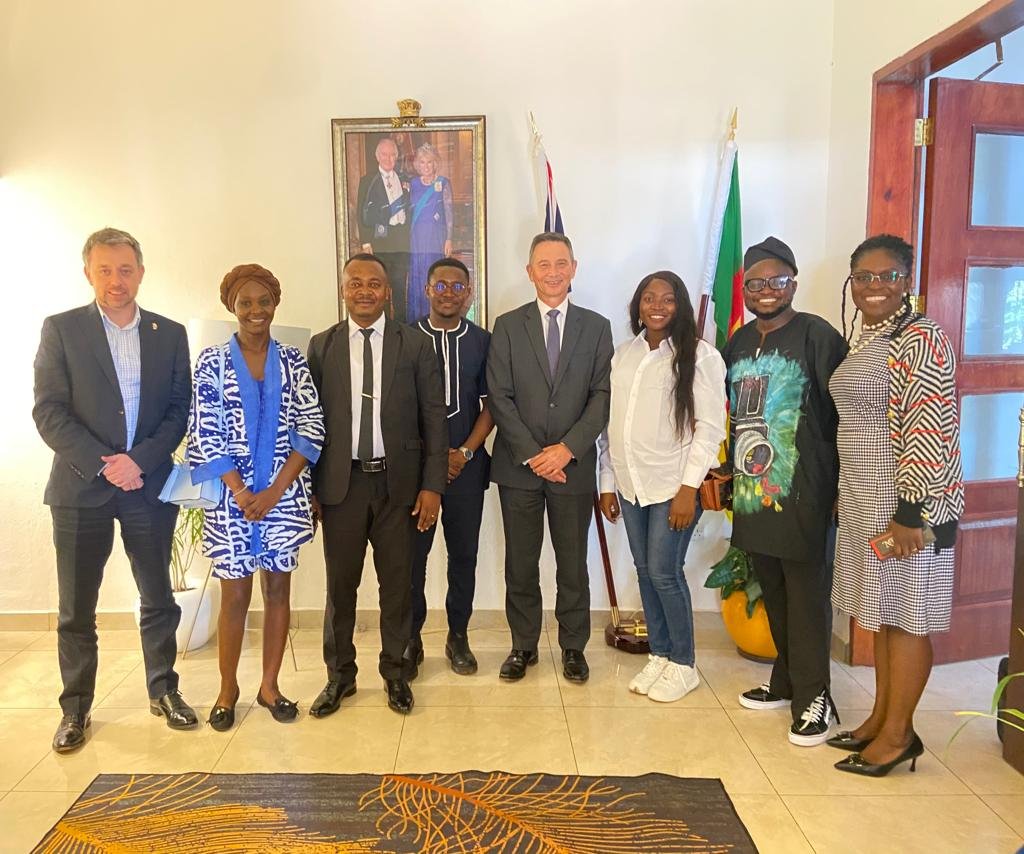
Dungrila Pascal and other One Young World Ambassadors had a meeting with The British High Commissioner to Cameroon, on the 9th of November 2023, at his residence in Bastos, Yaounde. One Young World Ambassadors spent a great moment together with the British High Commissioner, sharing ideas and experiences of their organizations and activities in their respective communities.
Dungrila had the opportunity to have a site meeting with the British High Commissioner, where he discussed the mission, objectives and activities of IAA with the BHC and explored opportunities for possible collaboration and to secure support for Integrated Agricultural Association (IAA).
3) THE CURRENT PROJECT 2025
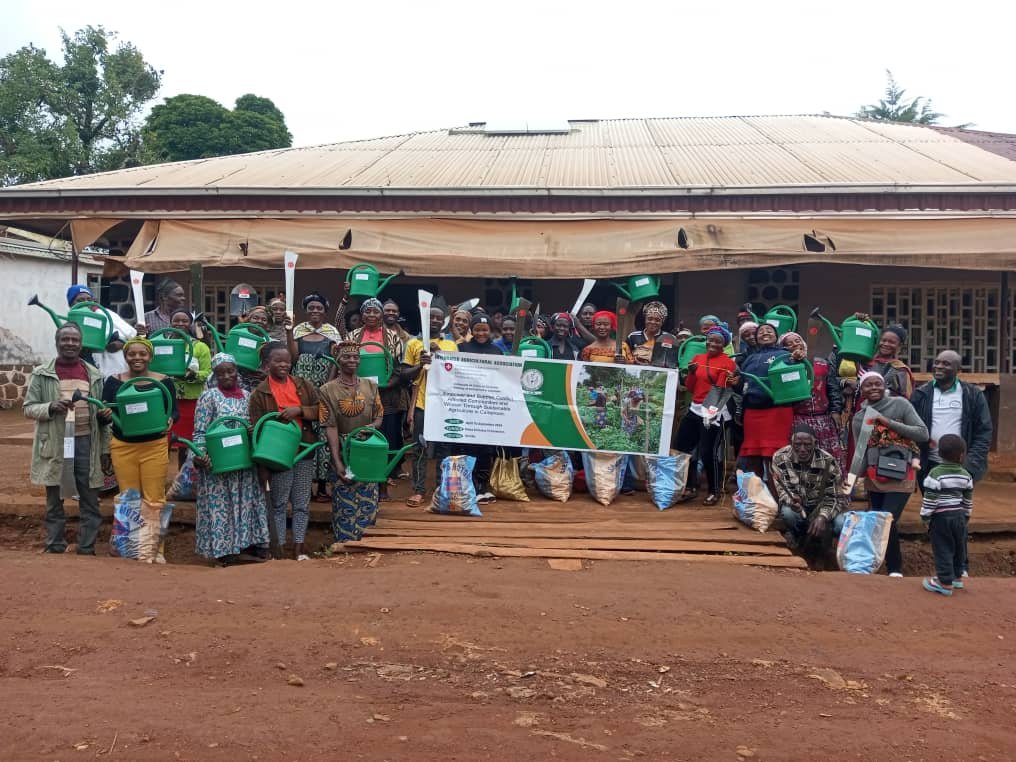
The ongoing project aimed at increasing local availability of safe, quality vegetables and empower conflict affected women and communities to enhance food security. In addition achieving nutritional balance for 100 households, through diversification of diets of the poorest segments of the vulnerable populations in Kumbo, Bui Division, Northwest Region of Cameroon. The project targeted diverse groups of beneficiaries including; ethnic communities, female-headed households, newly settled families, resource-poor herders and smallholder farmers, and other vulnerable groups without access to secure livelihood. The objective was to implement and mainstream innovative, sustainable, affordable and regenerative approaches to improve food security amongst 100 of the most vulnerable people in Kumbo area. Also to enhance the capacity of resource-poor and poverty-stricken farmers and herders at low income brackets through training and support to produce a wide variety of vegetables like onions, cabbages, carrots, pepper, Irish potato, huckleberry. Using regenerative practices with integrated social ownership, management and involvement. In response to global climate change, the project also aimed at promoting conservation agriculture, which is the foundation of climate-smart agriculture to help vulnerable communities understand the impact of climate change on agricultural productivity and how to reduce their carbon footprint.
The grant from The Embassy of Switzerland in Cameroon and Earth Rising Foundation with support from Seed Programs International has helped Integrated Agricultural Association (IAA) to strengthen the country’s food system in light of changing weather patterns and other challenges caused by the ongoing armed conflict in NW/SW regions and strengthen the affected communities with outreach and support. With the grants received in August 2023 and April 2024, IAA have reached 1028 people directly, from diverse backgrounds; including women, men and youths with essential gardening skills, nutritional education and agroforestry resources and skills, created awareness about climate change through environmental education outreach We have helpied to achieve larger goals like food security, adequate nutrition, increased livelihood opportunities, climate smart or resilient agriculture, community building and gender equality for thousands of people in the following ways:
i.) Community Development: IAA boosted its integrated demonstration garden in Kumbo with land capacity of 5 hectares, which will serve as a community hub for learning and access to planting resources. The garden involves an apiary, seed multiplication, agroforestry promotion, hands-on learning on ecological and bee farming and the distribution of potato tubers and fruit seedlings to smallholder farmers to support the ongoing agricultural development.
ii.) Home gardens support in Kumbo and Foumban: IAA empowered households with essential gardening skills and resources which resulted in the distribution of over 100,000grams of vegetables seeds and gardening tools to boost food production. Seed types distributed include; Cabbage, Carrot, Onion, Pepper, huckleberry, Cucumber, Okra, Tomato , Potato tubers, Sweet pepper, tree seedlings and Organic manure (2000kgs of cow dung) which resulted in 1350 gardens supported to increase food security and income level for 1350 people at the family/household level. Each seed type represents one garden and average family size is 10 members for 135 farm families supported. Tools include; 100 hoes, 100 watering cans, 100 machetes and 25 pairs of rain boots and 4000 tree seedlings.
In Foumban, IAA empowered 240 households with essential gardening skills and nutrition information which resulted in the distribution of 11,000 grams of vegetables seeds to boost food production. Seed types distributed include; Cabbage, 540 grams, Carrot, 5400 grams, Onion, 3500 grams , Pepper, 250 grams , Tomato, 250 grams , Cucumber, 400 grams which resulted in 1440 gardens to increase food security and income level for 2400 people at the family/household level in Foumban, West region of Cameroon
iii.) Nutrition and Diet: Empowered women on good nutrition practices, diet control and different nutrition options to reduce diet related diseases and malnutrition. With the message “Food is Medicine”, IAA implemented 10 workshops with 300 people that contributed to promoting public health and wellness through essential education on adequate nutrition and how to reduce food waste amongst conflict affected communities and women.
iv.) Environmental education and Agroforestry promotion: IAA engaged mixed age groups and community members on topics like deforestation, dangers of chemical fertilizers on agriculture, carbon emission and created awareness about climate change through regular environmental education outreach. IAA shared knowledge on agroforestry practices and distributed planting materials to 265 smallholder farmers who operate on less than 5 hectares of land. Ultimately, 15,000 trees were planted including, Moringa 1000, Cocoa 1000, Ricinodendron Heudeloti Known as Njansang or Essessang in Cameroon, 1000 and grafted pears (Avocado) 8000, and Prunus Africana 4000 in the Northwest and West regions of Cameroon.
EVOLUTION:
However, IAA recognizes that sustainable development requires continuous learning and adaptation to new challenges. This grant presents an opportunity for IAA to enhance the leadership skills of its team, gain advanced knowledge in sustainable agriculture, and network with global experts in environmental management. By deepening their understanding of innovative practices and policies, IAA aims to scale up this initiative, increase its impact, and empower more women in Cameroon and beyond. To go further, the Project Leader has partnered with Earth Guardian International to lead the Earth Guardian Crew of young climate leaders at the Integrated Agricultural Association (IAA) in Cameroon, as efforts to train and inspire young and community members on environmental and climate justice.
With increased demand for quality seedlings and vegetable seeds amongst the vulnerable farmers there is a need for consistent support. IAA will increase the production capacity of its demonstration garden. Grafted avocado, oranges, lemons, seedlings and seed potatoes will be subsidized to support the communities searching for secure nutrition. We will also train community members on seed multiplication and preservation to gain independence from over reliance on external support for seed donation.
4.) FIGHT AGAINST TOBACCO AND DRUGS USE AMONG YOUNG PEOPLE – NON-COMMUNICABLE DISEASES PREVENTION
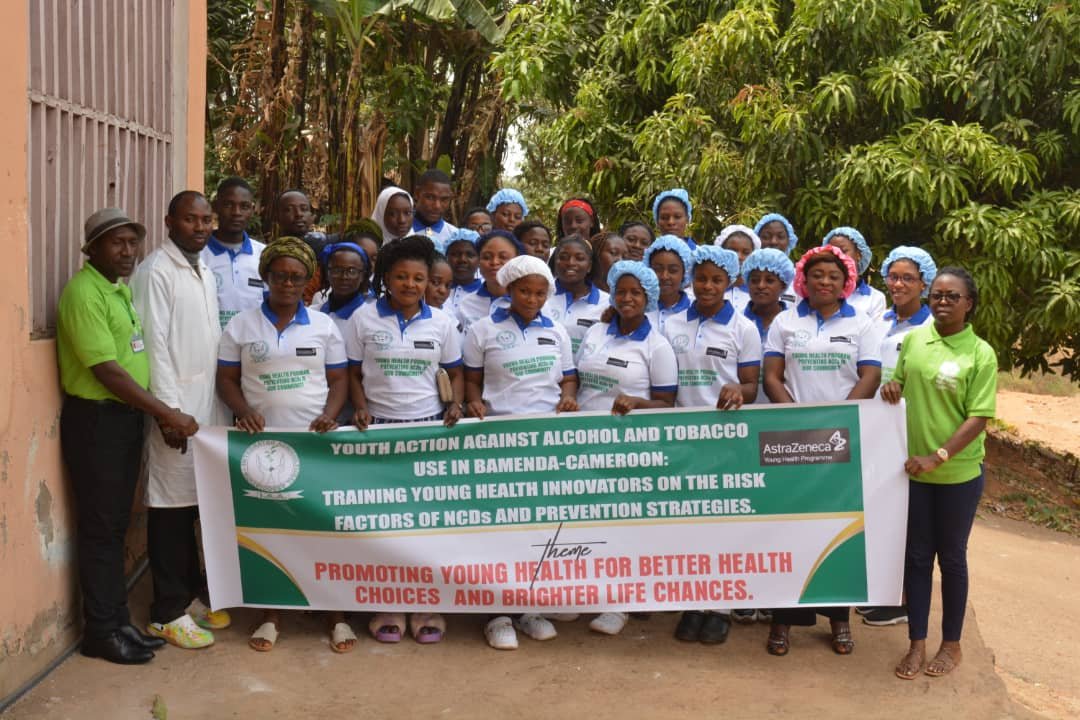
Building Healthier Communities and Brighter Life Chances for the Younger Generation: (IAA) shape the future of their community by raising awareness of non-communicable disease (NCD) risk factors by leading mobile NCD therapy interventions and health ambassador training workshops to build the capacity of community health workers. (IAA) uses an evidence-based approach to prevent the harmful use of alcohol and tobacco by building knowledge for medical students and community health workers.
IAA seeks to deliver impactful public health literacy campaigns and community outreach, delivered by and for young people with support from the YHP Impact Fellowship grant awarded by AstraZeneca in 2023.
We champion local initiatives by working with community structures, health units, municipal councils, community health workers, health providers and health academic institutions to reduce the impact of NCDs and their risk factors among young people. In 2023, IAA reached over 500 people directly through in-person workshops and door-to-door sensitization and over 50,000 people through media outreach with NCD information. Over 30% of violence in schools is as a result of drug addiction and tobacco use involving young people in Cameroon and over 20% death annually is related to the consumption of tobacco products. The program also raised awareness of Type 1 diabetes (T1D) risk factors and utilized the Household Cluster Health Education Model to train and deploy Health Education Volunteers, supported by Community Health Teams and the project team. The focus was on educating households about the risk factors of T1D. Our mobile T1D health initiative tackles health challenges posed by lifestyle, environmental and nutrition factors. The program reached over 207 T1D patients with essential health information and counseling, and 480 families in 2023 and 2024. However, this program did not only work with children and young adults, but also with community structures, health units, municipal councils, community health workers, health providers and health academic institutions through 10 capacity building workshops and health advocacy for 350 people, helping them to reduce the risk factors of T1D, which did not only have a direct impact on children and young people affected by T1D, but on public health as a whole.
5.) VEGANISM FOR HEALTHY LIFESTYLE AND PLANET EARTH!
WHY BECOME A VEGAN!
Compassion for Animals:
In every livestock system, animals are denied their basic needs and interests. Dairy cows are separated from their young shortly after they give birth, so that humans can take their milk. Bull calves are either killed or exported for veal. Even those with bigger cages end up in the same slaughterhouses. Vegans enjoy a variety of delicious and nutritious food with a clear conscience.
Justice for People:
The world’s population is set to exceed 9 billion by 2050. We’ve got to find fairer and more sustainable ways of feeding everyone – and fast. Currently, 40% of the world’s grain harvest goes to feed livestock instead of hungry people. Vegans reduce food waste by getting everything they need directly from plants.
Protecting the Planet:
Animal farming is responsible for at least 14.5% of greenhouse gas emissions globally. Up to ten times more land and water is needed to support a typical diet of meat, fish, eggs, and dairy than a plant-based diet. Ditching animal products could reduce your carbon footprint significantly. Vegans also have less impact on the rainforests and ease water shortages….and it’s good for your health. Naturally rich in vitamins, high in fibre, and low in saturated fats, plant based foods can provide all the nutrition we need in all stages of life.
Plant-Based Food for Non-Vegans Cameroon:
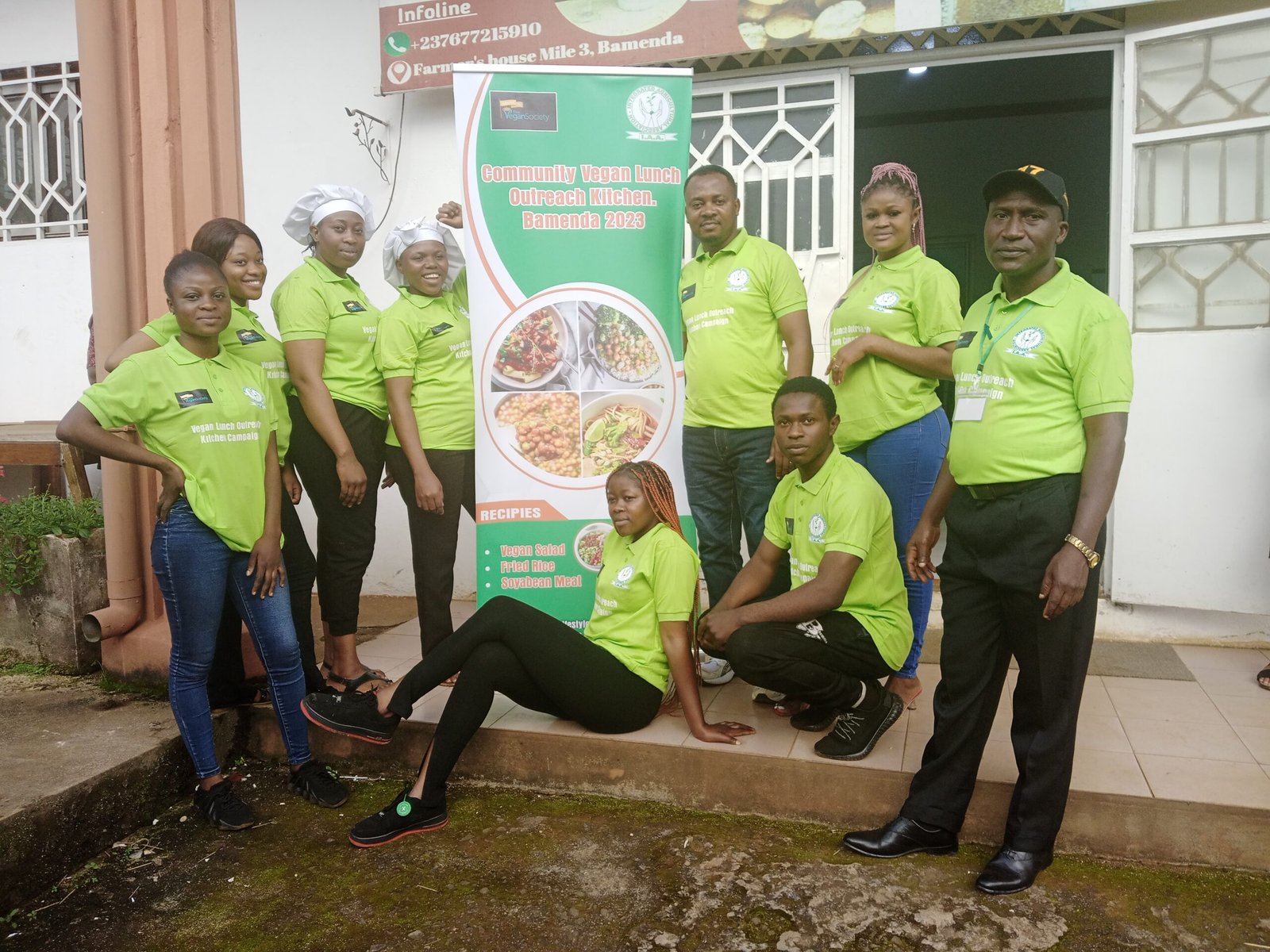
The project was designed to reduce meat consumption and farming by working with non-vegan communities in Cameroon to create awareness about veganism and the importance of plant based diet and farming, with support from the vegan society. It organized vegan advocacy workshops with heads of dormitory schools, restaurants and provided training on vegan recipes and protein, advocated for restaurants to include vegan dishes on their menu to affect public demand for meat and purchasing patterns. We also carried out a school vegan lunch campaign to expose children to veganism. The project also worked with Fulani community, carrying out vegan education and advocating for fully plant based farming and regenerative agriculture.
Community turnout was very impressive and more than 228 people have been exposed to veganism. 5 chefs trained on 3 vegan recipes and 1 trainer restaurant recruited, while 35 women trained on how to make meat out of soybean, vegan salad and fried rice. Funding and lack of knowledge about veganism was a concern because veganism is still a new concept and needs massive sensitization in Cameroon. Funding for restaurant food demo cannot be raised by the participants because we are a nonprofit organization and cannot sell food to generate profits. We will continue to create more awareness of veganism and work with trainee restaurants to expose the public to veganism by organizing regular vegan food demonstration events and including vegan recipes (dishes) on restaurant menus.”
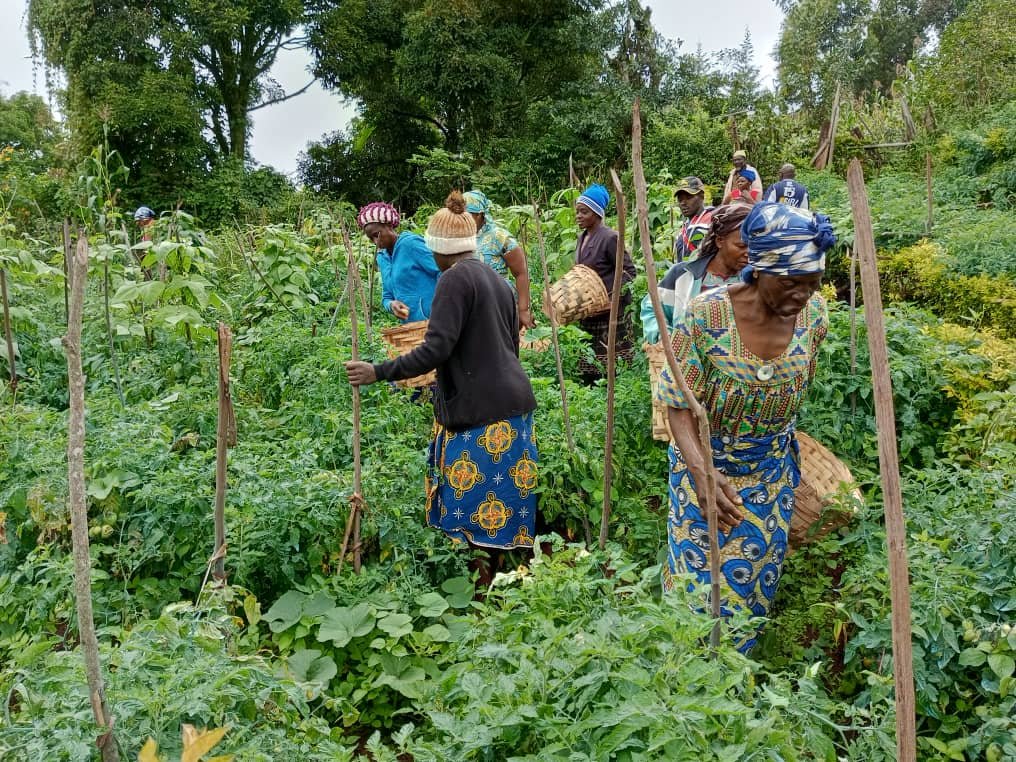
6.) VEGETABLE GARDENING, AN IMPORTANT SOURCE OF INCOME AND NUTRITION FOR LOW INCOME FAMILIES
Healthier lives and more resilient livelihoods through sustainable vegetable gardening: Integrated Agricultural Association (I.A.A) carries out experiment, builds collaboration, planting kitchen gardens and promotion activities to raise awareness of the role of vegetables for improved health and rural poverty alleviation.
Vegetables can alleviate poverty by creating new jobs and new sources of income for farmers and landless laborers, improve health by providing essential micronutrients lacking in diets, enhance learning and working capacities of adults and children through improved diets and health, and improve the sustainability of food production practices through mixed cropping. Our development work focuses on smallholder empowerment, developing and promoting safe production practices, reducing postharvest losses, and improving the nutritional value of vegetables. It increases smallholder farmer income and improve the quality of life as it is a major source of cash money for many families. Vegetable production provides an opportunity for poor rural population to come out of poverty, as it is a major source of fast income for most of the families. It generates income and jobs for smallholder farmers and landless especially the young and women. It has many advantages over most other agricultural enterprises. In 2023/2024, (IAA) distributed thousands grams of vegetable seeds in Northwest and West regions of Cameroon, which is enough to grow sufficient food rich in vitamin, minerals, energy and fibre for malnourish households and the society as a whole.
7.) COMMUNITY YOUTH MICRO ENTREPRENEURSHIP PROGRAM.
In 2019, the world experienced the COVID-19 pandemic outbreak that resulted in many businesses and institutions closing down, which meant thousands of young people lost jobs and educational opportunities in Cameroon. Lack of vocational training services and entrepreneurship opportunities for young people has the devastating potential to create a severe and prolonged economic impact. Young people have struggled with life since the COVID-19 outbreak and they need a hand that can support them through vocational training to equip them with constructive knowledge and reliable business skills. The creative abilities and livelihood skills of young people also remain low because of limited exposure to skills development opportunities and lagging behind in entrepreneurship opportunities, information and support.
The skills gap has led to high unemployment rates even at national level. 65% of Cameroonians are below 30 years while 75% still live in rural areas. The focus of this project is on Micro Entrepreneurship development for youth in order to promote self-employment because it’s projected that Cameroon will not be able to generate enough jobs for those entering the labour market during the COVID-19 pandemic and post COVID-19 recovery world. Unless young people are supported through skills development, they stand a risk of being trapped in viscous cycles of poverty yet in Cameroon, youths contribute 50% to the economy of the country.
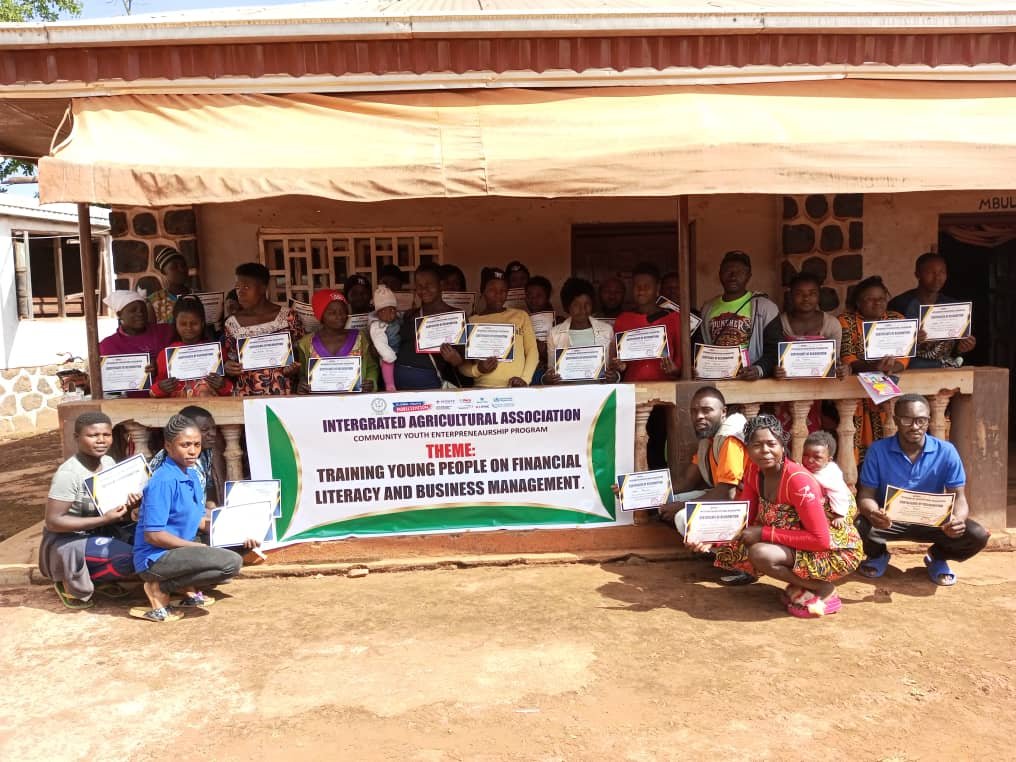
IAA implemented a project on agribusiness in 2022 with the mission to contribute to the improvement of young people’s lives through Micro Entrepreneurship and community based sustainable skills in Agriculture, with the overall aim to empower both in and out of school rural youths with Vocational Skills in agriculture/Market gardening, to keep them out of current dangers (HIV/AIDS, Early pregnancy , child/early marriage, recruitment into armed groups), Breaking the yolk of vulnerability and become responsible citizens of today and tomorrow in the society.
With support from Global Youth Mobilization, 275 youths have been trained and supported in the following areas:
Micro Business: Participants received intensive training, covering the following areas of a microbusiness common in a rural area: Steps in becoming a successful entrepreneur, Advantages and Disadvantages of micro business, How to prepare a simple business plan, sources of business funding, importance of savings in micro business, venturing into business, what does it take? loan management, record keeping and costing.
Sustainable agriculture: Participants received intensive training on sustainable vegetable gardening, Environmental management, horticulture production and marketing. The training was facilitated by a team of youth agricultural professionals that have extensive knowledge and skills in their field, agronomy and rural engineering.
8.) RISE AGAINST CHILD/EARLY MARRIAGE
Given that girls are victims of child marriage and other forms of sexual exploitation, Governments of many nations tries to delay marriage until the age of 18 years without necessarily empowering girls with the knowledge they deserve to make informed decisions about their lives and relationships. IAA implemented the project in 2021 which aimed at creating awareness about the dangers of child/early marriage and empowering young girls with skills and knowledge to advocate for themselves. With support from Global Youth Mobilization, IAA used integrated approach to help young people develop skills to challenge cultural norms and make informed choices about their bodies and sexuality.
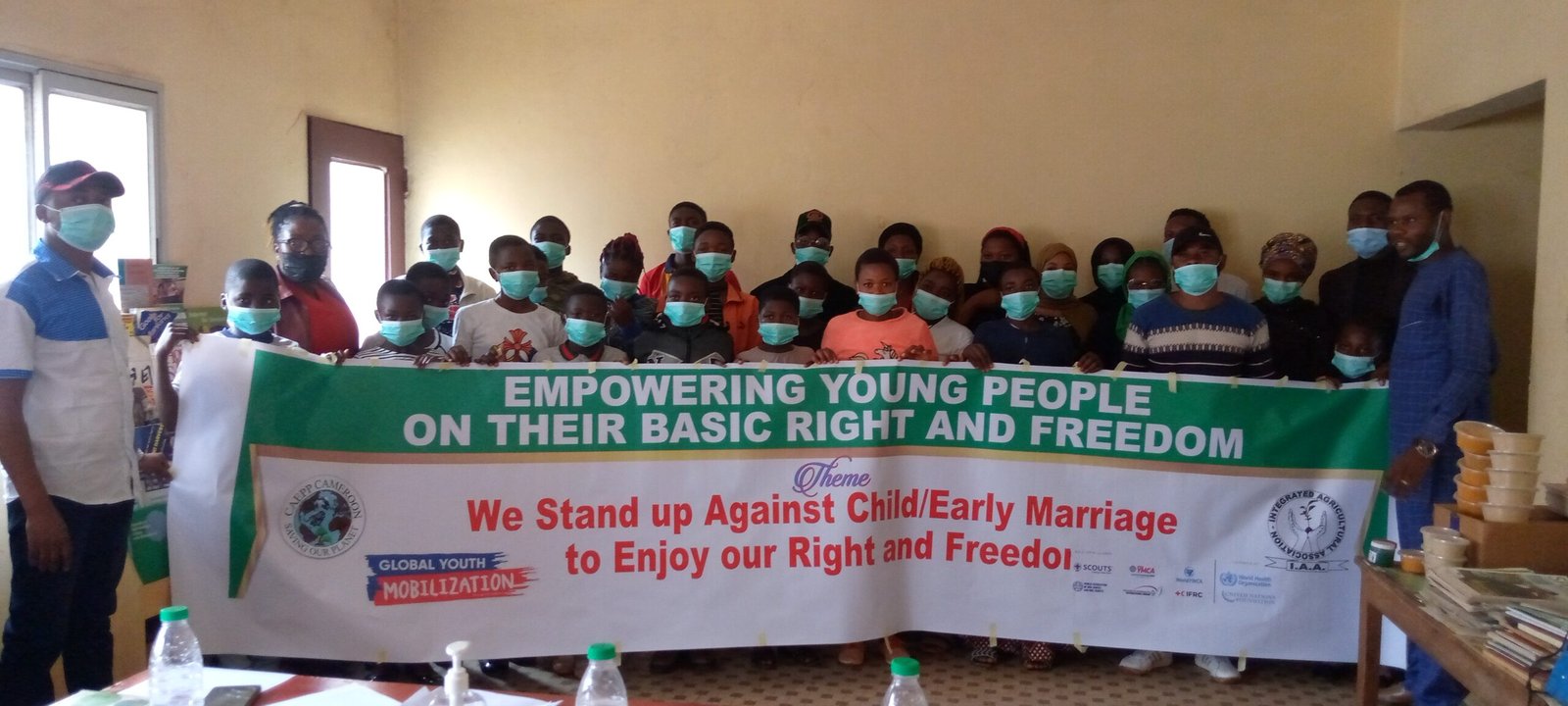
1.) Child/Early marriage and sexual abuse in Bamenda. Integrated Agricultural Association organized a series of workshops on the child/early marriage/sexual abuse. It aimed at empowering young people with skills and knowledge to challenge the physical and cultural norms that do not respect their rights and freedom. Over 750 young people between 16 and 30 years have been reached
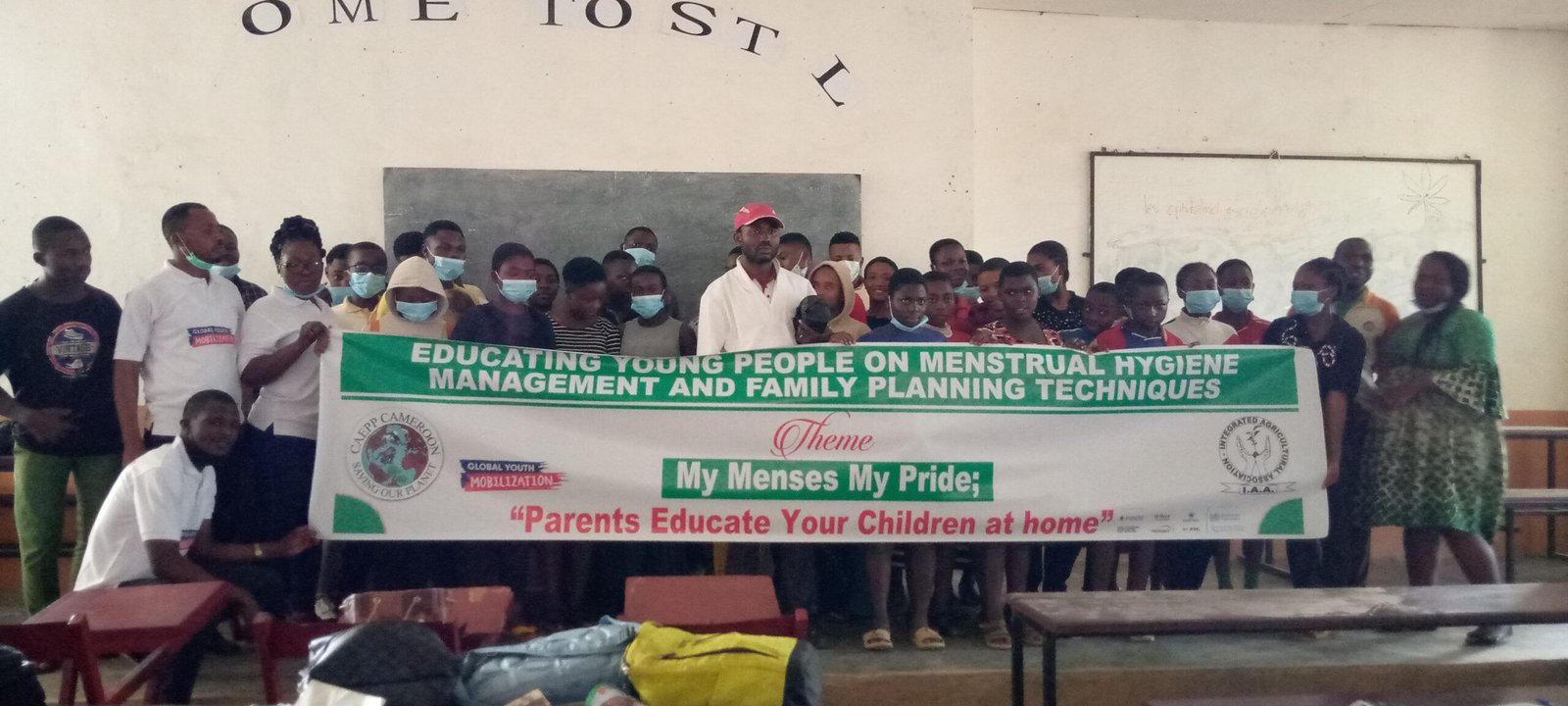
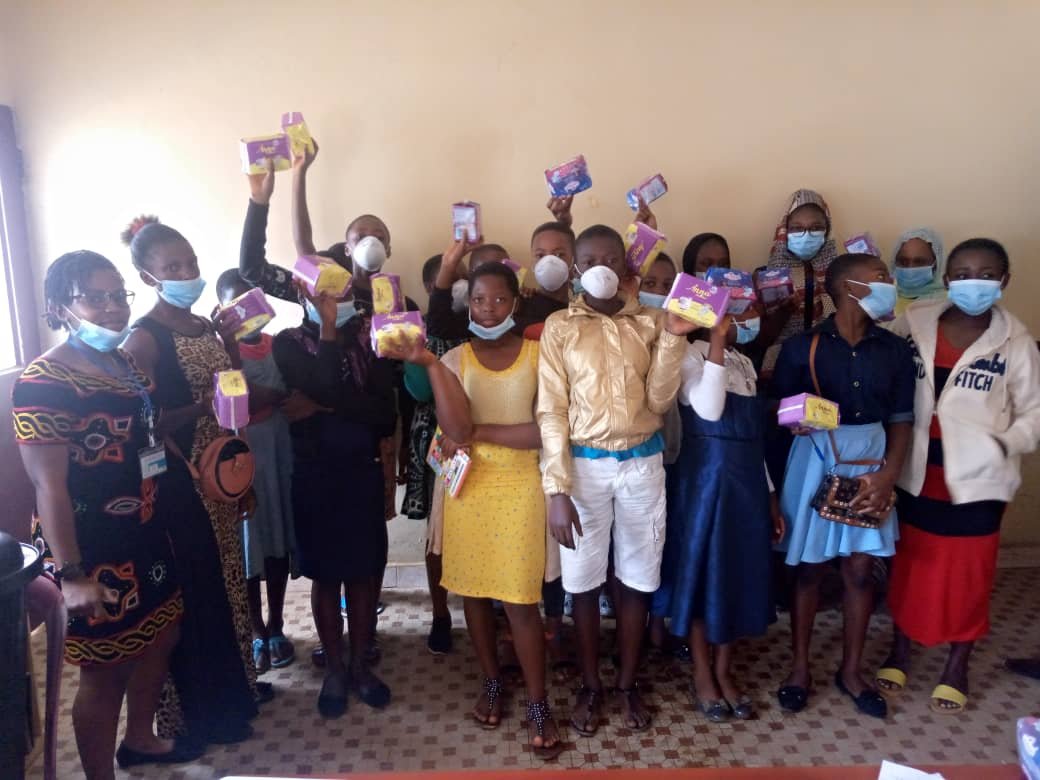
2.) Menstrual hygiene management and family planning in Bamenda. I.A.A trained and supported young people on family planning techniques, on how to make and use re-useable menstrual pads and safe sex practices in Bamenda, and given that thousands of vulnerable girls are not able to afford a packet of menstrual hygiene pads, at the current pricing, which cost at least, 1$ per pack. IAA continued to promote gender equality and fight poverty amongst the vulnerable girls by support them with tools and skills to make and use their own pads; to secure their own livelihood and reduce menstrual related stigma and trauma. IAA trained and supported over 1500 girls between 10 and 30 years, with funding from The Global Youth Mobilization. IAA also provided mental health support to children in conflict with the law at the Bamenda Central Prison, where 350 juveniles received food items, soap and COVID-19 protective equipment from IAA.
Other useful Youtube links:
https://www.iaa-africa.org/author/integrated-agricultural-association/
https://web.facebook.com/IntegratedAgriculturalAssociation
https://www.linkedin.com/company/integrated-agricultural-association/
https://www.instagram.com/iaaafrica/
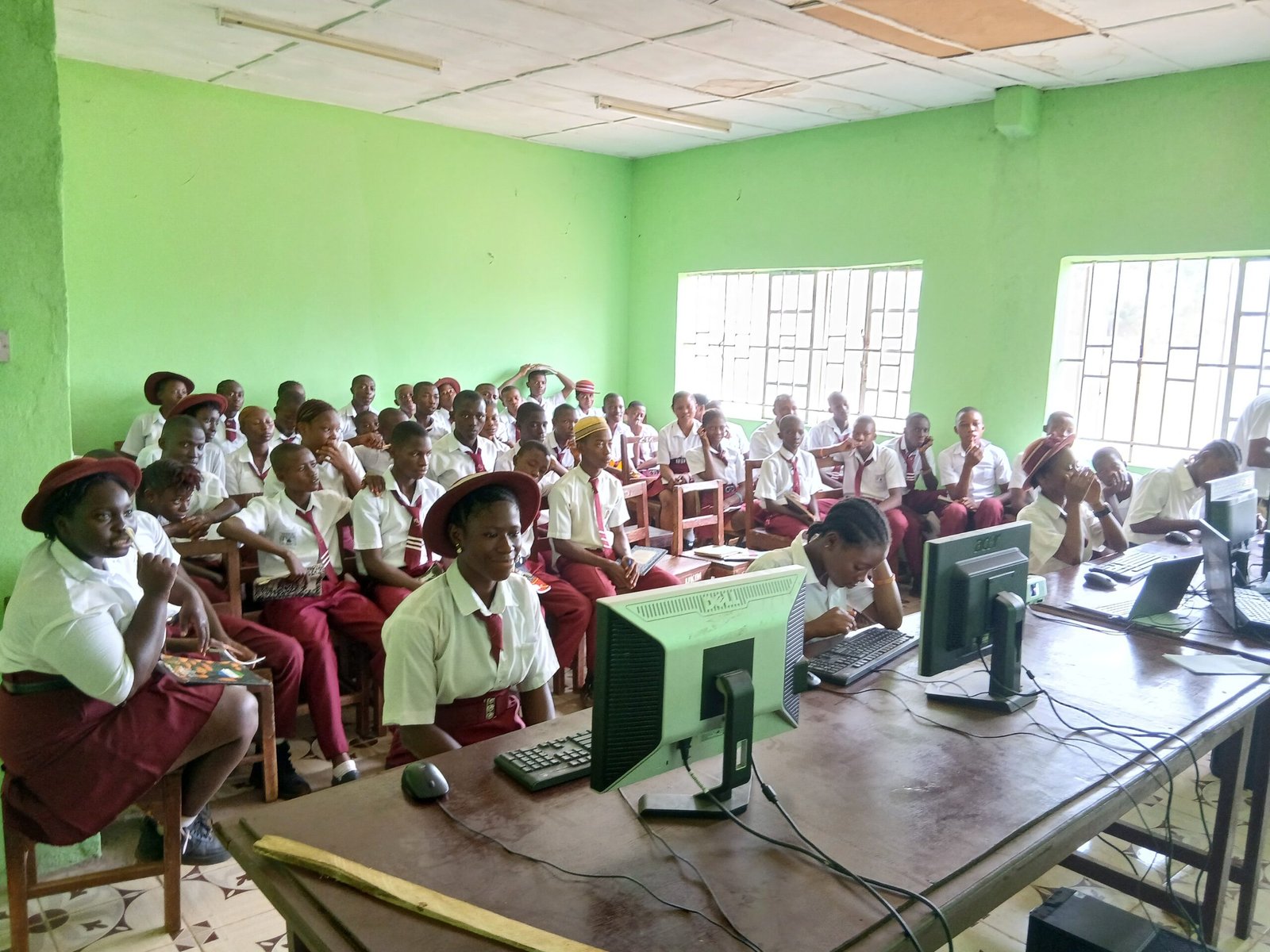
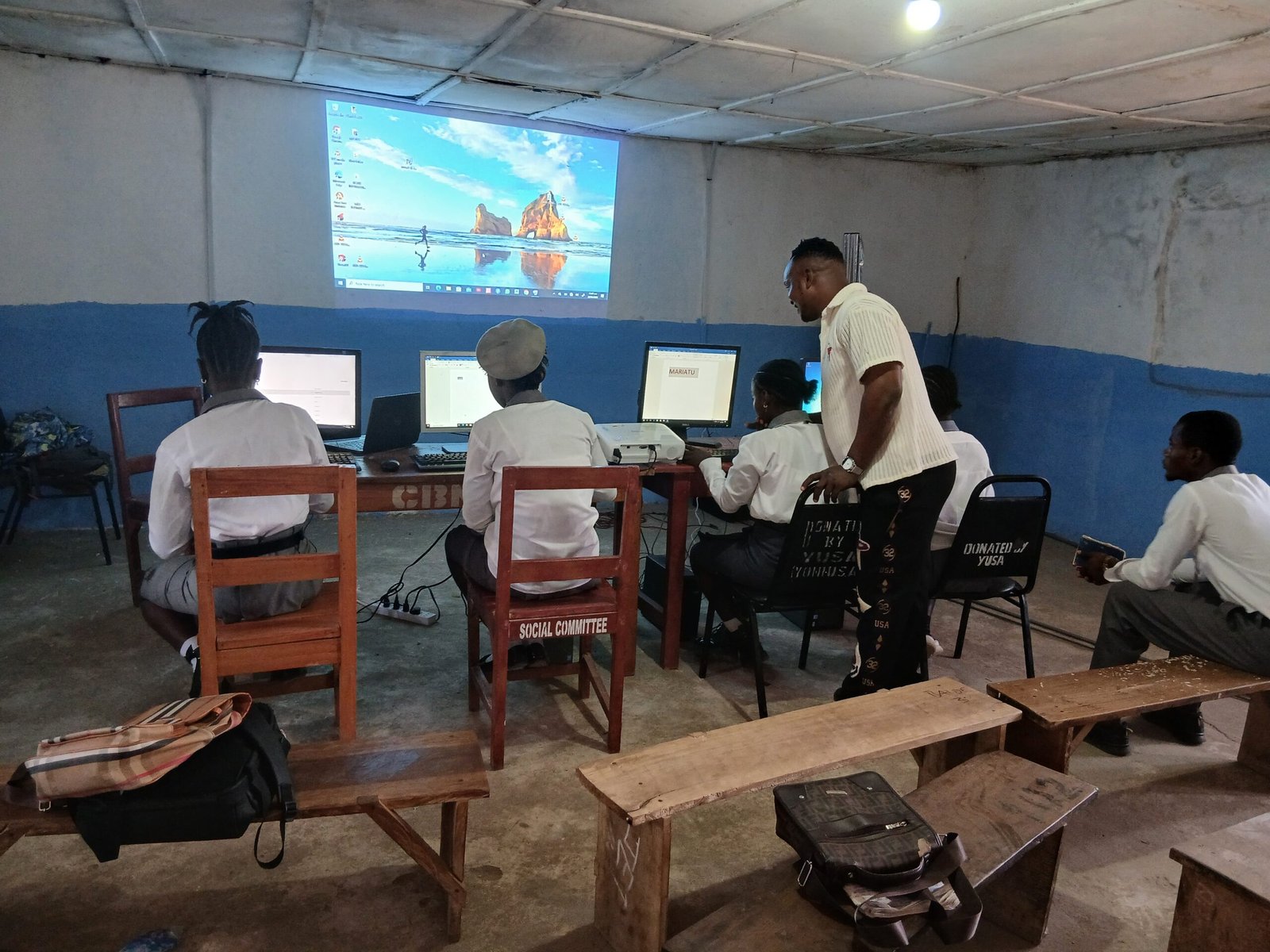
Computers on the way for Mike Thomas’s schools
Working in collaboration with Youth Leading the World Sierra Leone
Address 34 Back Street Mile 91 Sierra Leone E mail itzalpha@ gmail.com
Phone +23299900645 Motto Inspire, Inform, Involve
Historic Context
Future in Our Hands Education and Development Fund were responsible for the financing of initial construction of these schools in Sierra Leone. Following several visits in 1990s and 2000s our founder Mike Thomas, working alongside the local NGO (Future in Our Hands Sierra Leone). Whose Founder Edward Kargbo became a close personal friend and organised the planning and original construction using local labour. We have since funded repairs to these schools after extreme weather events and ensured superior building standards to the initial construction. We believe in grass roots initiatives and are delighted that Alpha Kargbo ( son) carries on the humanitarian work and has been pivotal in promoting school improvement. The plan below is the latest proposed innovation to ensure an education fit for the 21st century for these 2000+ local children.
Planned Activities for 2026
Issue of concern
Sierra Leone faces major computer literacy challenges due to lack of infrastructure (electricity, internet), high costs (devices, data), limited teacher training, outdated curricula, and low overall digital skills, this is particularly true in rural areas, hindering economic participation and access to online services.
Project vision
Computer based learning is crucial for economic empowerment, bridging the digital divide for jobs, fostering entrepreneurship, improving education through global access, and enabling women to combat challenges like gender-based violence, ultimately driving personal growth and national development in an increasingly digital world. This would impact directly on more than 2000 current students and many more in the future
Outline of planned activities
Across all five local primary and secondary schools all bearing the name of the original chairman of Future in Our Hands
1. Mike Thomas Secondary School Masingbi Town Sierra Leone Northern Province Sierra Leone
2. Mike Thomas Secondary School Mile 91 Town Northern Province Sierra Leone.
3. Mike Thomas Primary School Rogbetrr Northern Province Sierra Leone.
4. Mike Thomas Primary School Mile 91 Town Northern Province Sierra Leone.
5. Mike Thomas Primary School Masingbi Town Northern Province Sierra Leone
Construction of additional buildings in all five schools
Purchase of projectors and screens for tuition
Purchasing computers for the five schools
Solar installation and battery storage to overcome the local issue of power reliability.
Teacher training
Projected costs
66,000 Leones Current exchange rate March 2026 31 New Le to the GBP so around £2000. More would obviously allow for greater numbers of computers, solar panels, back up batteries and some teacher training.
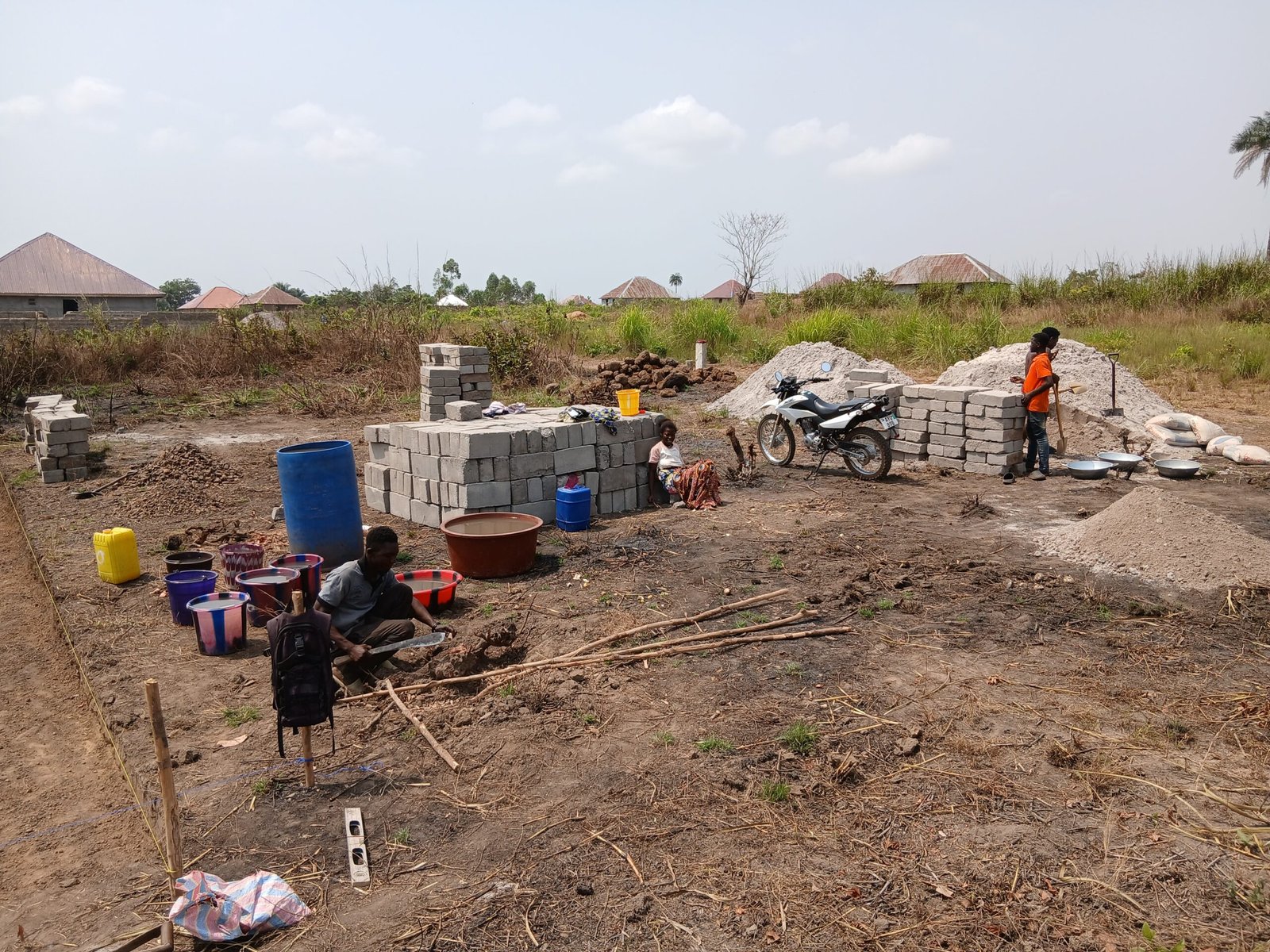
Initial plan of proposed construction
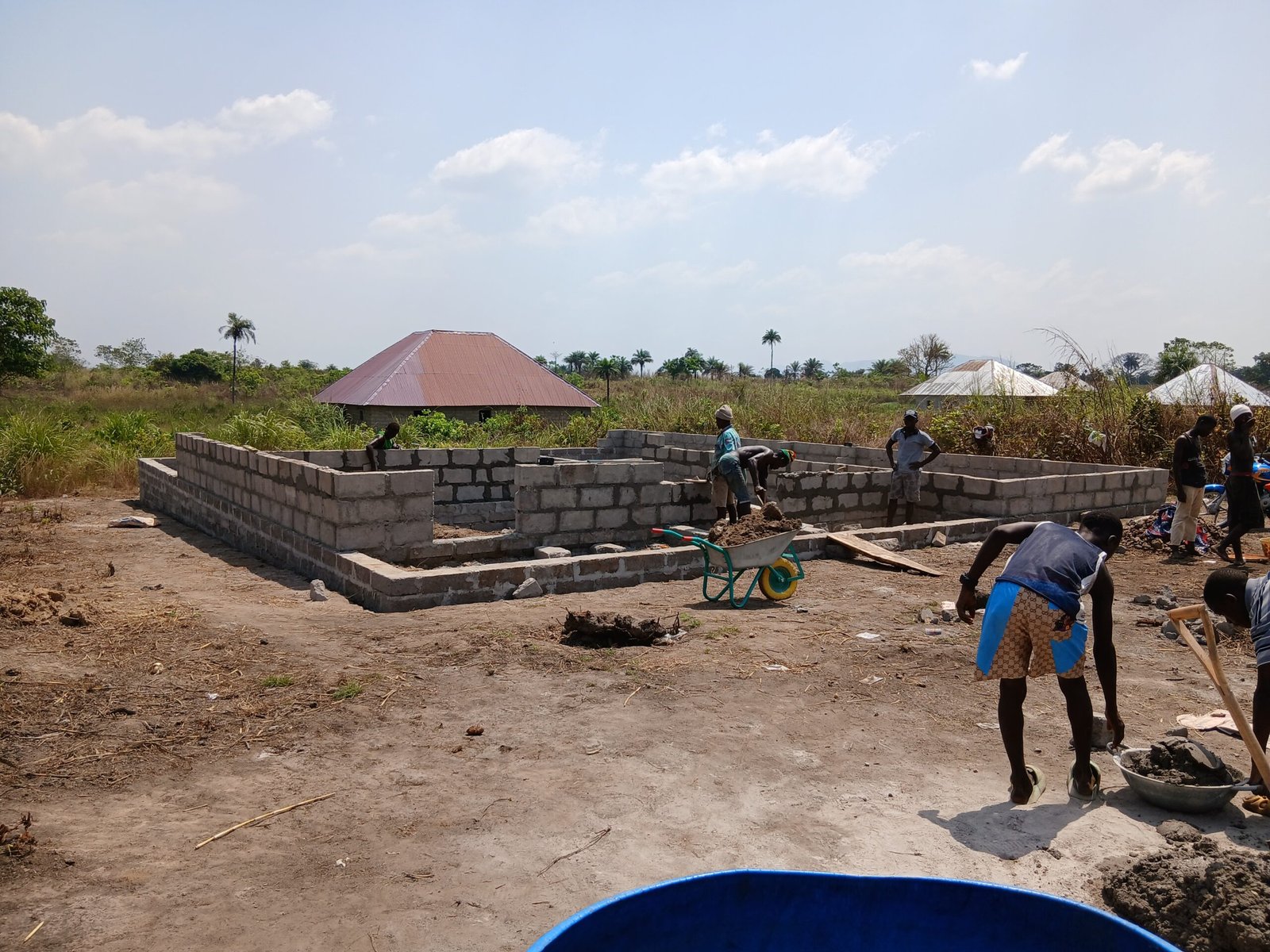
Progress on the fundamental block work
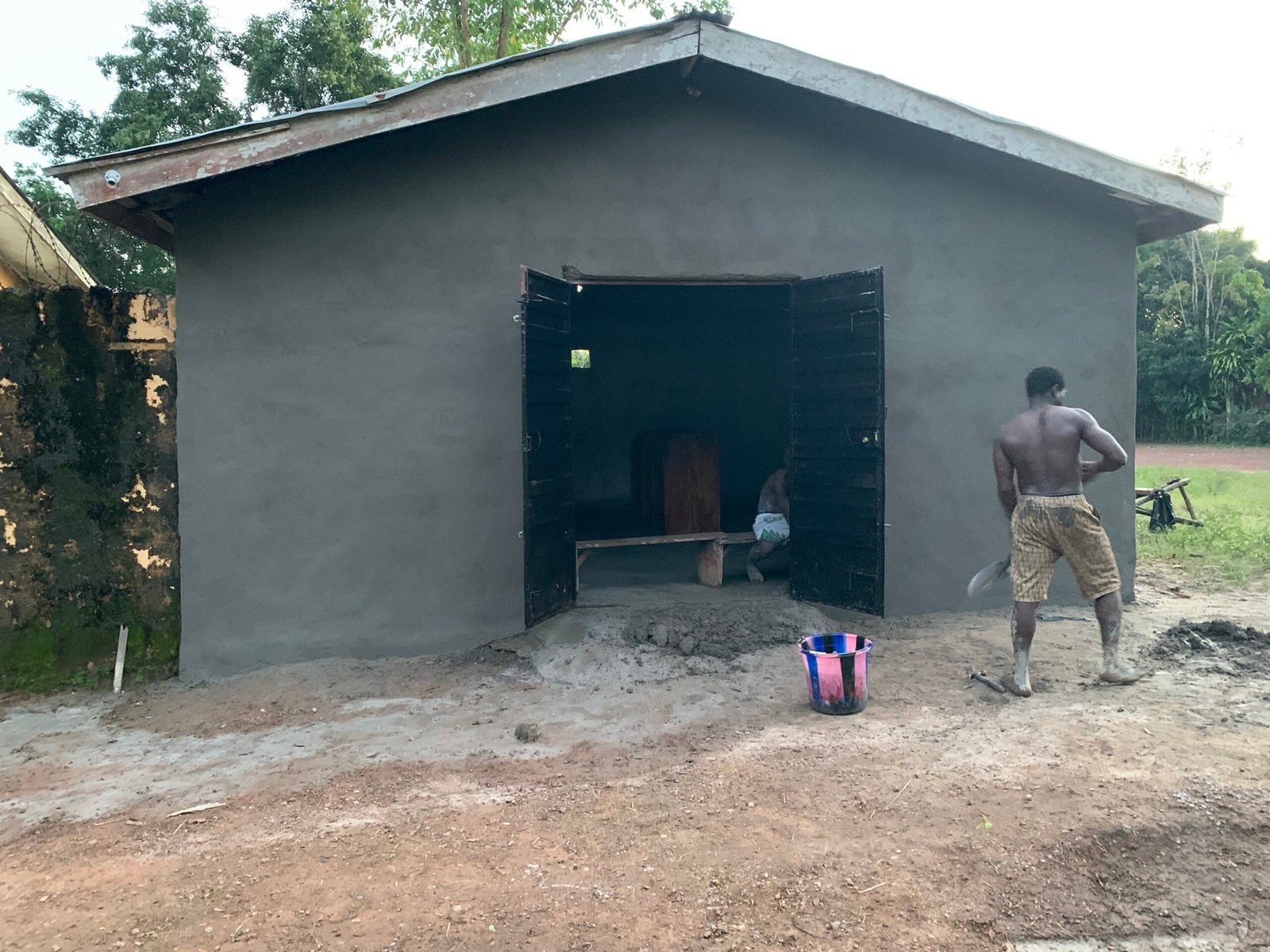
Well on the way to completion
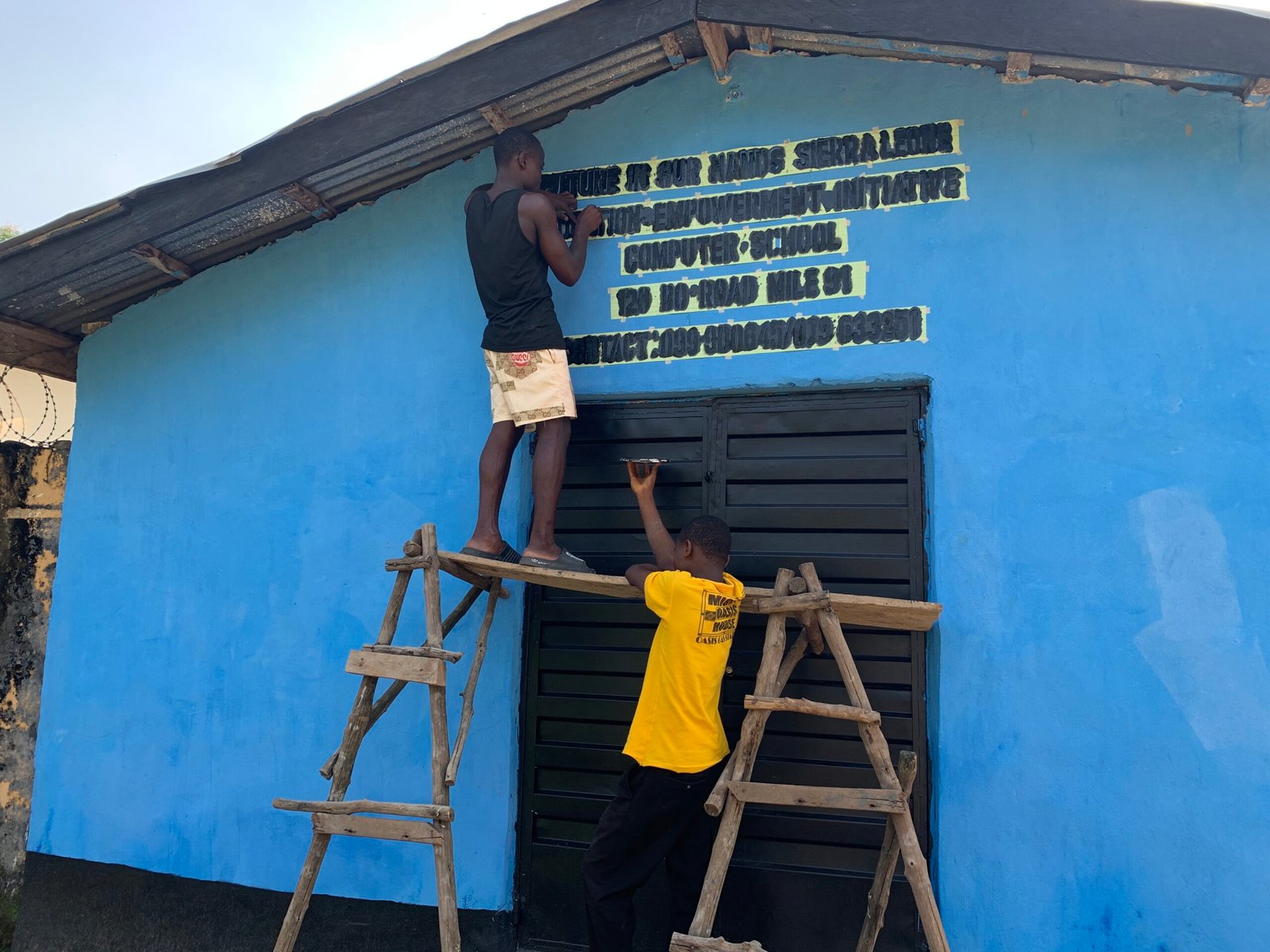
Finishing touches
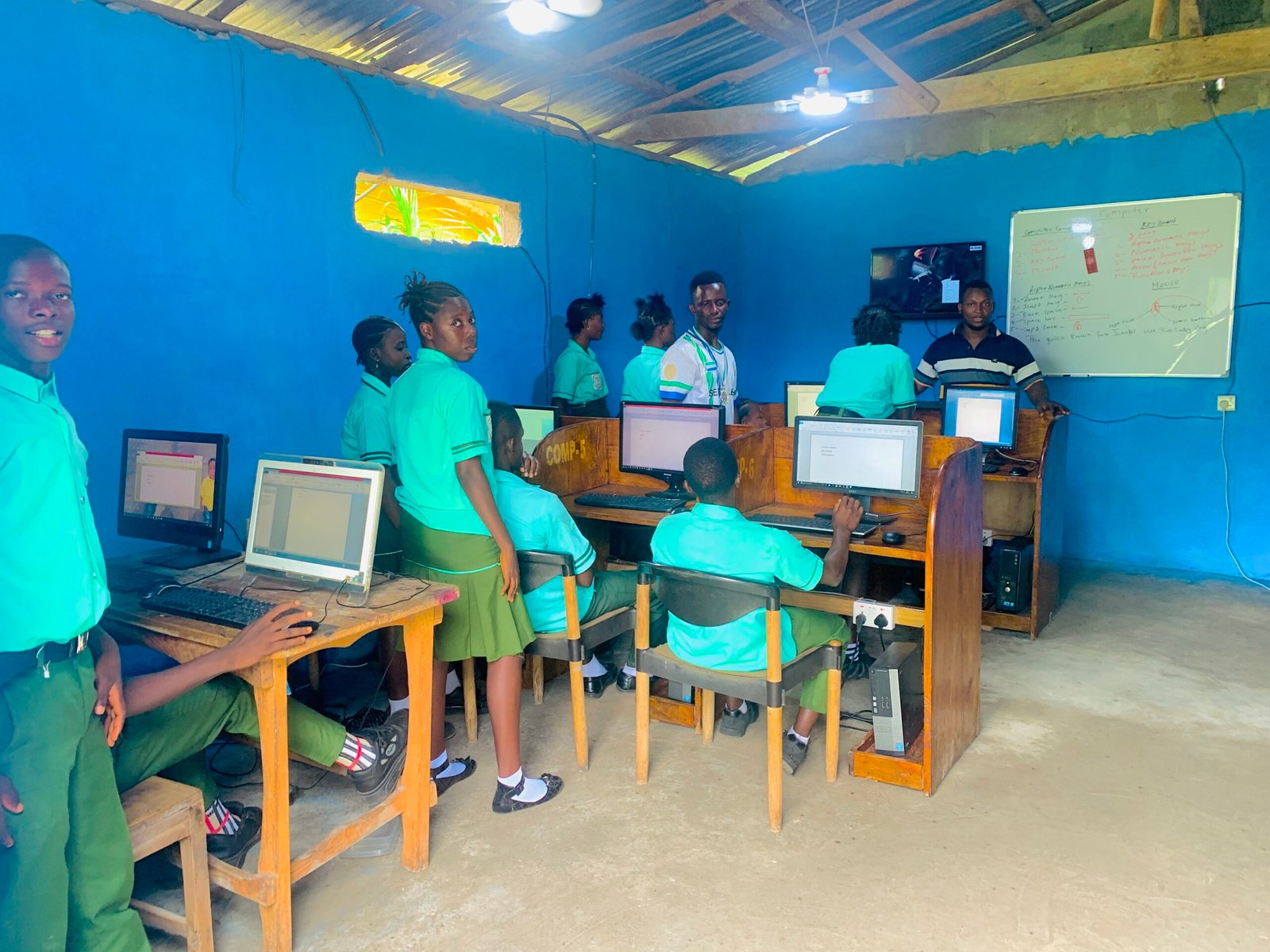
Pupil engagement and pride in the new facility
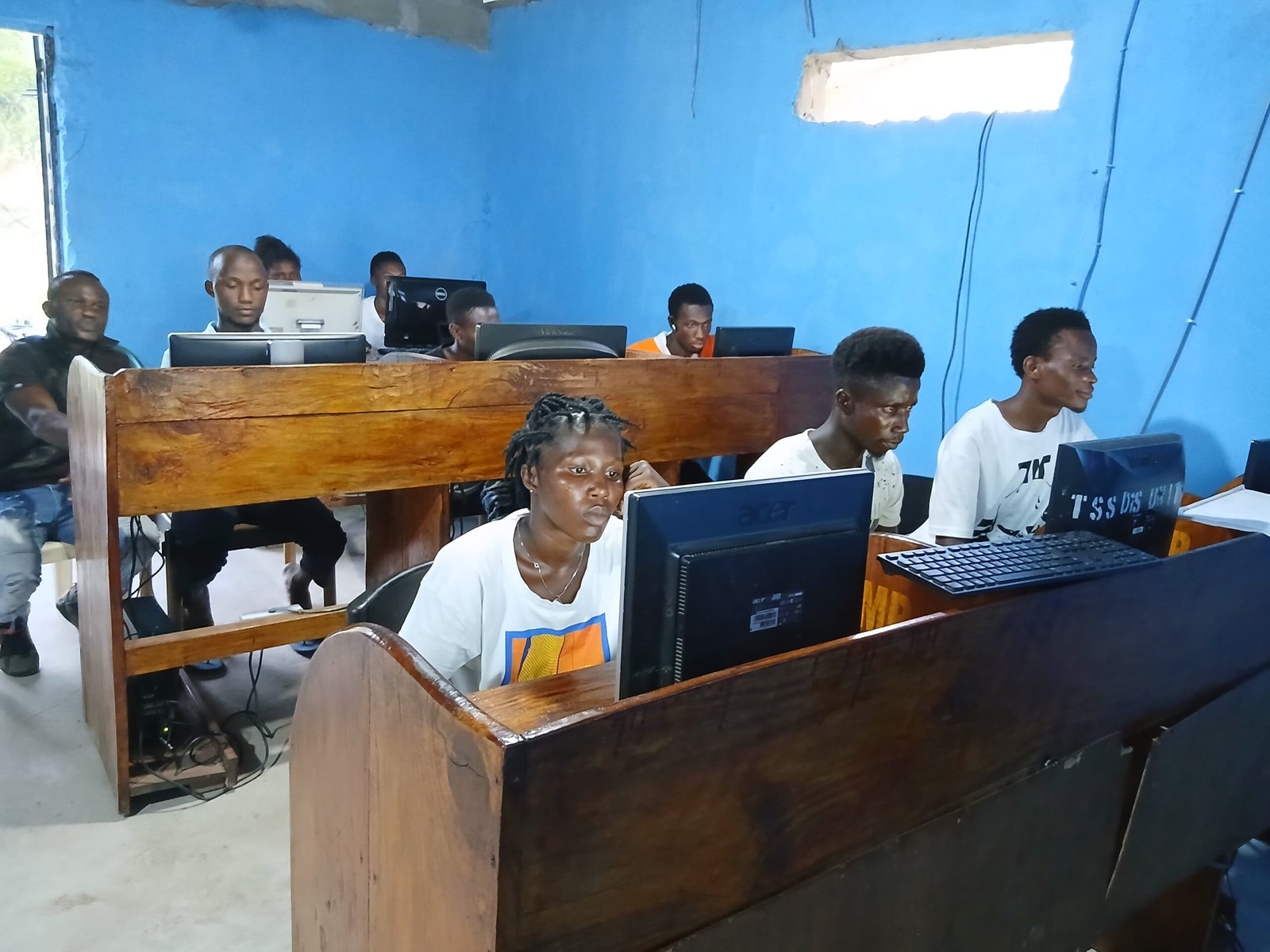
Engaged students
This was the first school equipped and fully working by the end of 2025. We seek to achieve the same in four more schools throughout 2026. If you think you can help the next generation establish the skills needed for the modern world please donate.
New Nursery School for Malawi Summer 2025
Village of Wamuzare Euthini near Mzuzu. Malawi
Lasallian Outeach Projects. A chance meeting with a lovely lady from Malawi (Leah),who has requested that, if possible, we could make best use of the land that they own in her village Wamuzare Euthini. Her mother (Ella) died last year and she would like to dedicate the efforts we hope to make a suitable dedication to her mother. Moreover, the local community are invested in this initiative are willing to help in whatever way they can.
Proposal for the Establishment of Ella’s Foundation
Introduction
The Ella’s Foundation is dedicated to uplifting the community of Wamazure Euthini Village by fostering a collaborative approach to sustainable farming, education, and female empowerment. Central to our mission is the belief that change is a two-way street—the foundation aims to work hand-in-hand with the community, empowering the youth and local residents to take an active role in the development and execution of initiatives. Through dynamic partnerships, we seek to create a sustainable environment where the community thrives, with the youth leading the charge in building a brighter future.
Vision
To create a dynamic, self-sufficient community in Wamazure Euthini Village, where the youth, in partnership with Ella’s Foundation, are actively involved in shaping a future of empowerment, education, and sustainable living.
Core Focus Areas
The foundation will focus on the following key areas, with a commitment to community involvement and leadership:
- Youth-Led Development and Empowerment:
- Engaging the youth as active partners in the planning and implementation of farming, educational, and entrepreneurial initiatives.
- Establishing youth leadership teams to collaborate with the foundation, bringing fresh ideas and local knowledge to the forefront.
- Providing educational programs that focus not just on skill development of Maths, Science and English but also on but on developing the child as a whole, creating an understanding and awareness of their mental health, providing leadership programs, decision-making, and community responsibility training.
- Female Empowerment and Health Education:
- Involving young women in shaping and leading programs aimed at reducing early pregnancies and promoting gender equality.
- Creating mentorship opportunities for young females, with a focus on helping them design their own paths toward independence and career success.
- Offering reproductive health education and life skills training, while ensuring young women have an active role in running these programs.
- Sustainable Farming and Income Generation:
- Partnering with the community to co-design and co-manage sustainable farms that provide food security and economic opportunities for the village.
- Encouraging innovation and local input into farming methods, empowering the community to adapt traditional knowledge with modern techniques.
- Building cooperative farming models where profits are shared, and decision-making is collective.
- Community-Led Early Education and Adult Learning:
- Developing nursery schools that are run by local teachers and community volunteers, with the foundation acting as a facilitator and resource provider.
- Empowering parents by offering adult education and life skills training, helping them contribute to the community’s economic growth.
- Co-creating programs where community members, parents, and educators contribute to curriculum development and early learning activities.
Nursery School Now completed Sept 2025
This facility will cater to the early learning needs of children in the community. It will include:
- Classrooms designed for children aged 2-5 years, promoting early childhood development.
- Outdoor play areas for physical activity and social interaction.
- Facilities such as restrooms, a small kitchen for snack preparation, and nap rooms.
Primary School Vision and target for 2026
The primary school will provide education for children aged 5-11 years. The building will include:
- Classrooms for each grade level.
- A multi-purpose hall for assemblies, sports, and school events.
- Administrative offices for staff, a staff room, and meeting spaces for teachers.
- A playground for physical education and recreation.
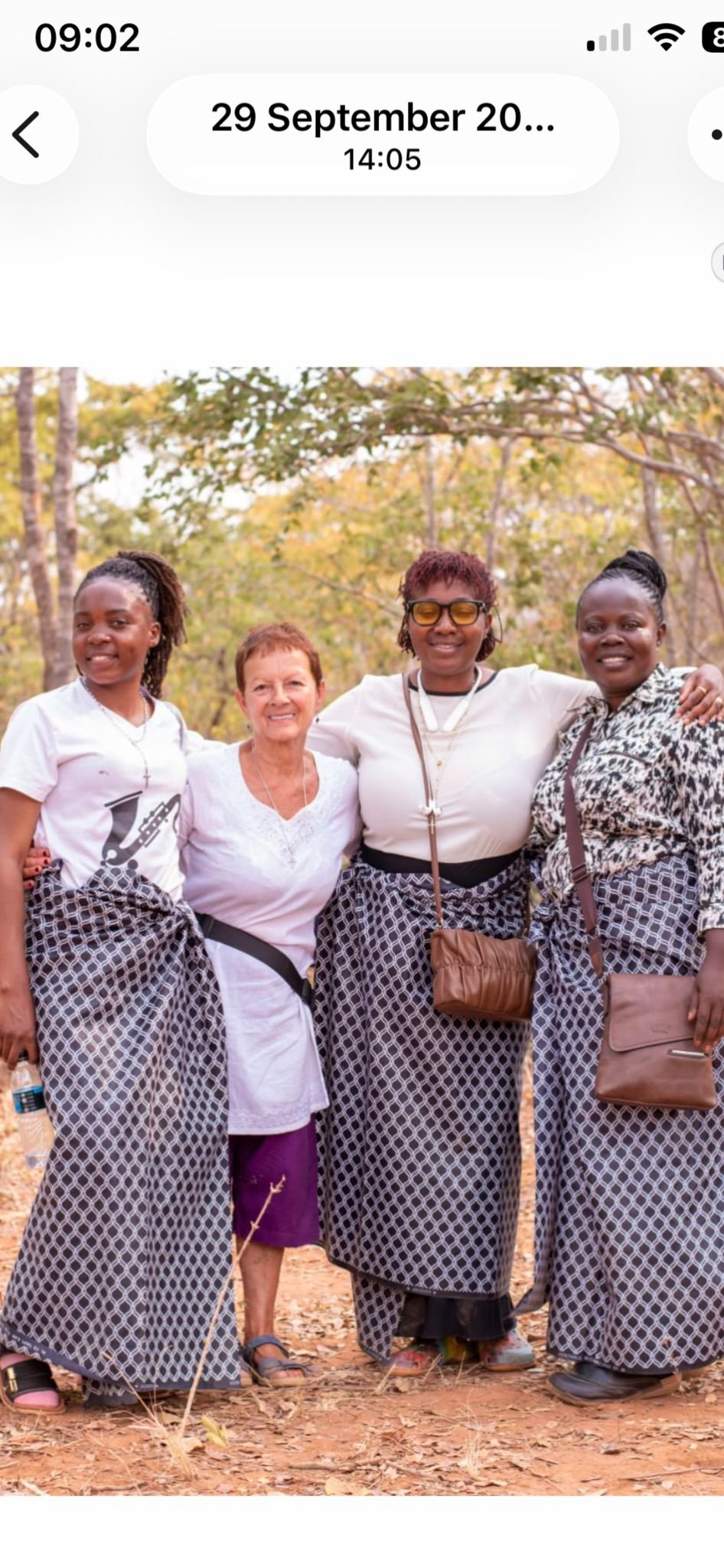
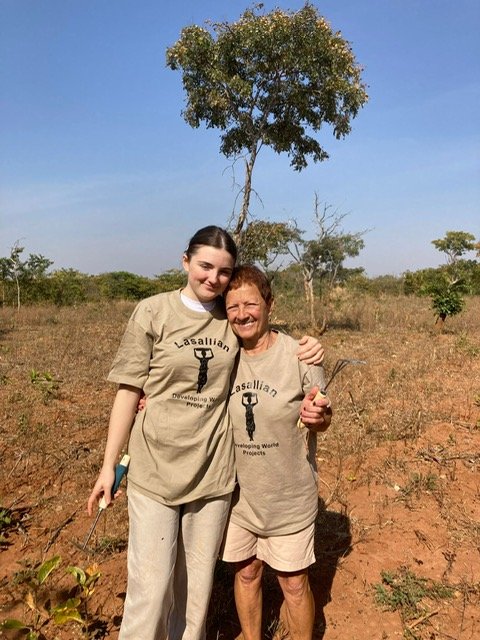
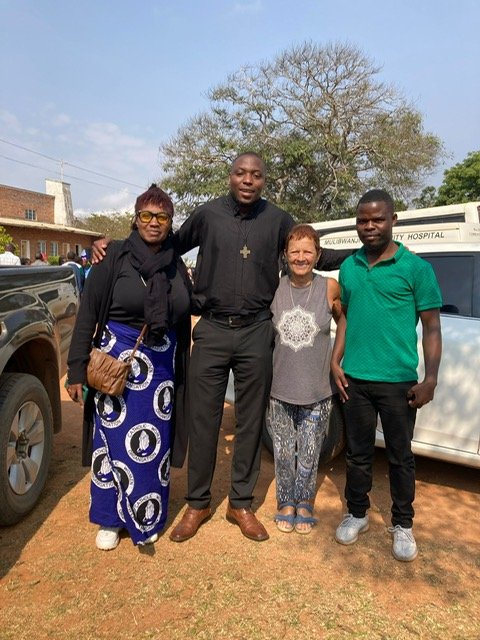
The build team of locals, clergy and Lasallian outreach volunteers
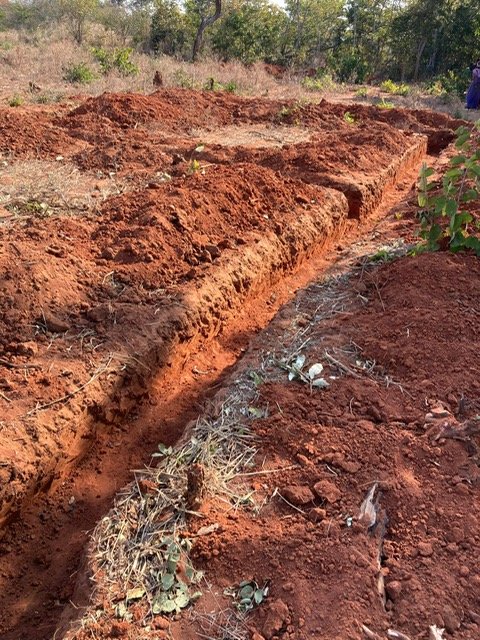
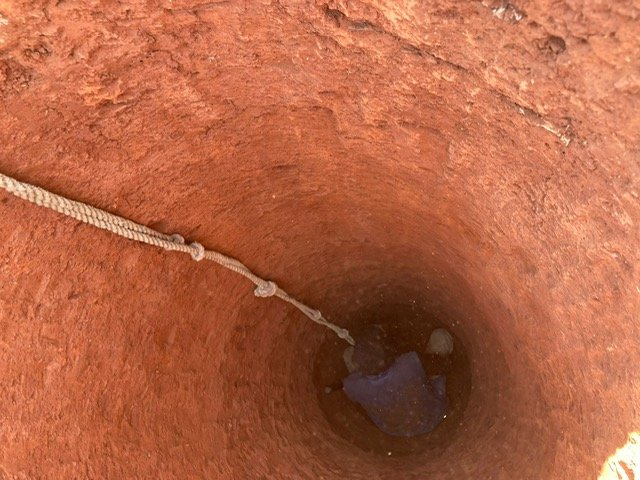
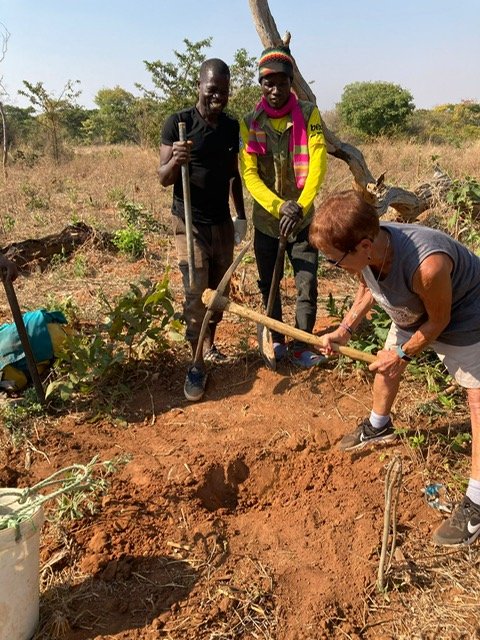
Initial preparation of footings and well for clean water
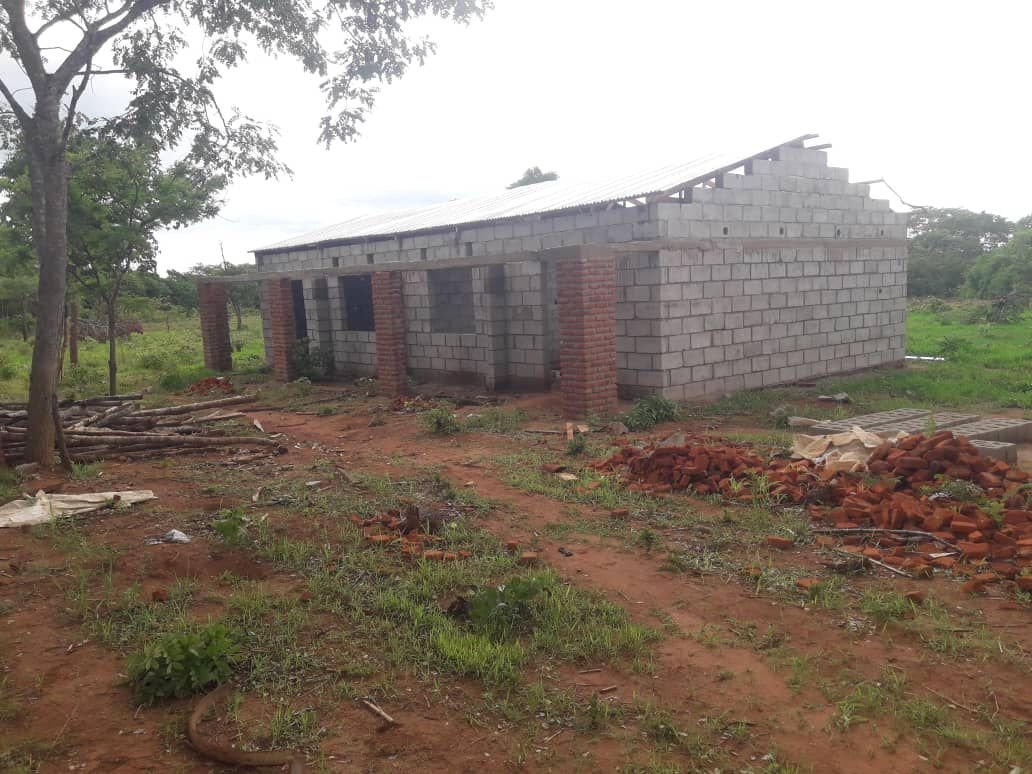
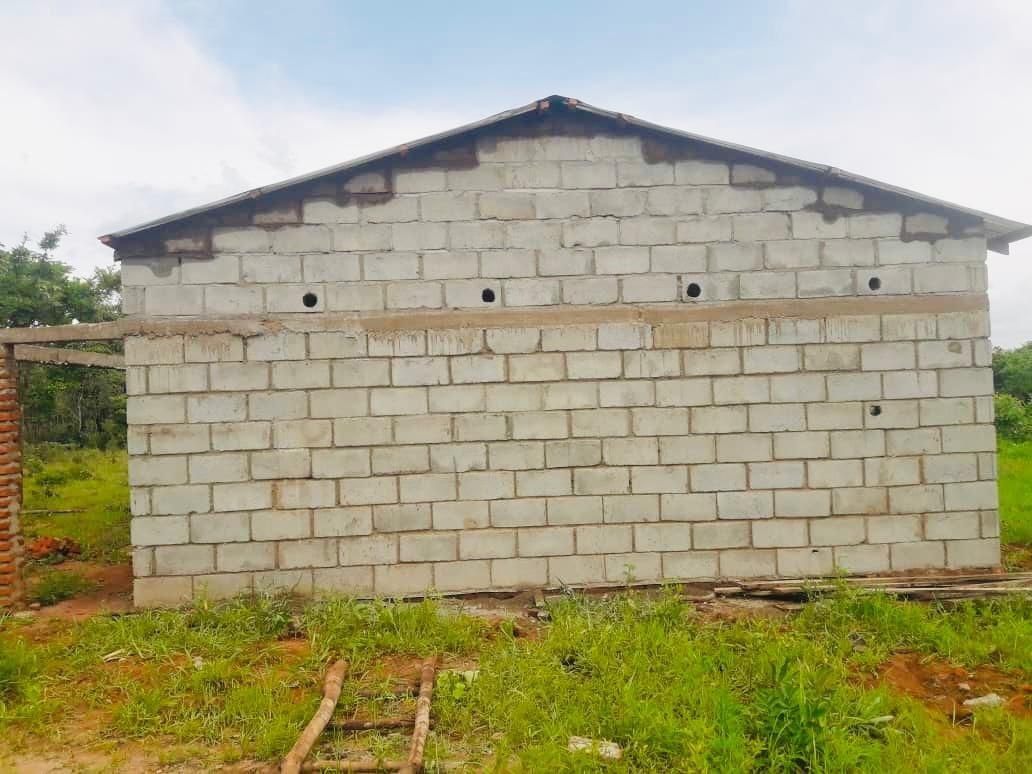
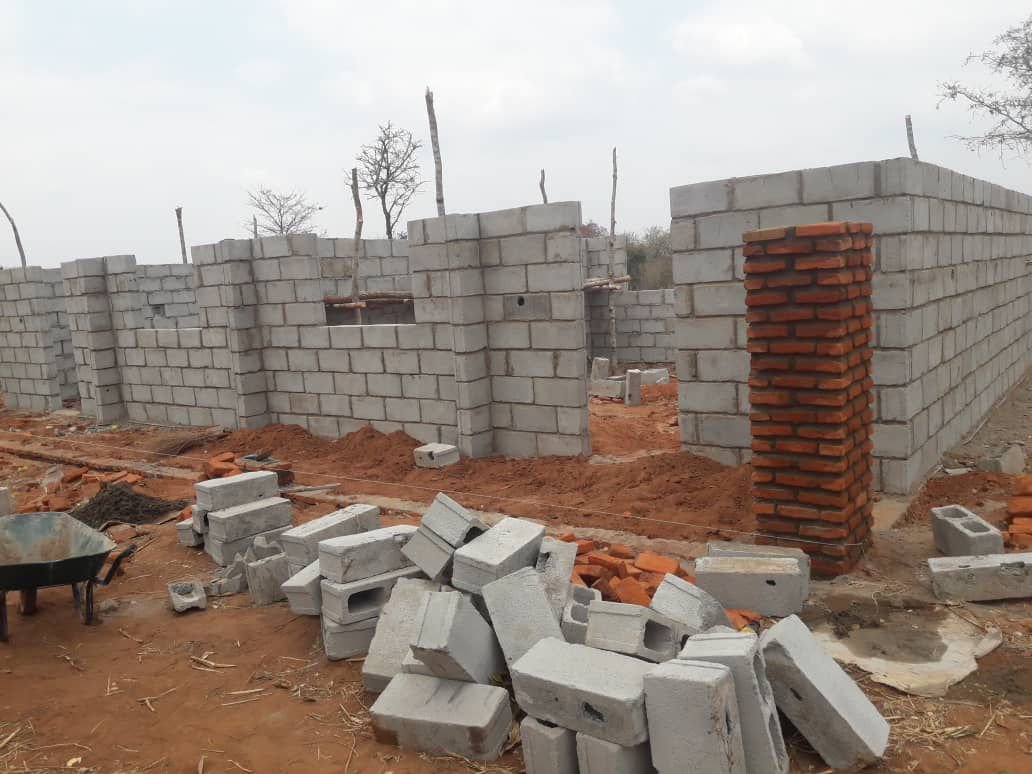
Transformation by block work
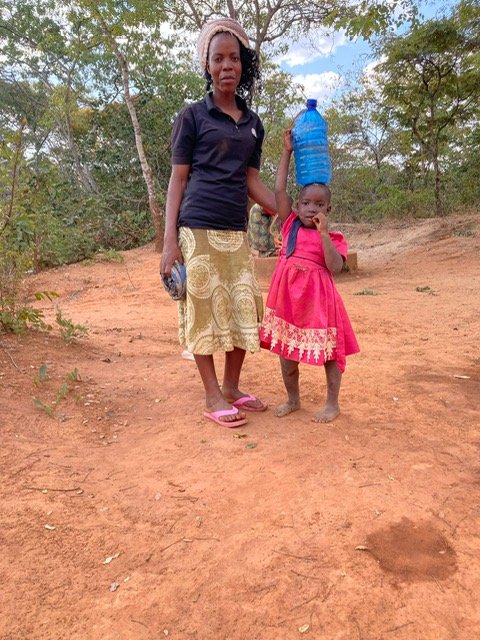
Happy new parents and customers
- Additional objectives
- To highlight the risks in the area of HIV and how best to cope.
- How do we keep our young people from leaving Malawi because of lack of opportunity and employment
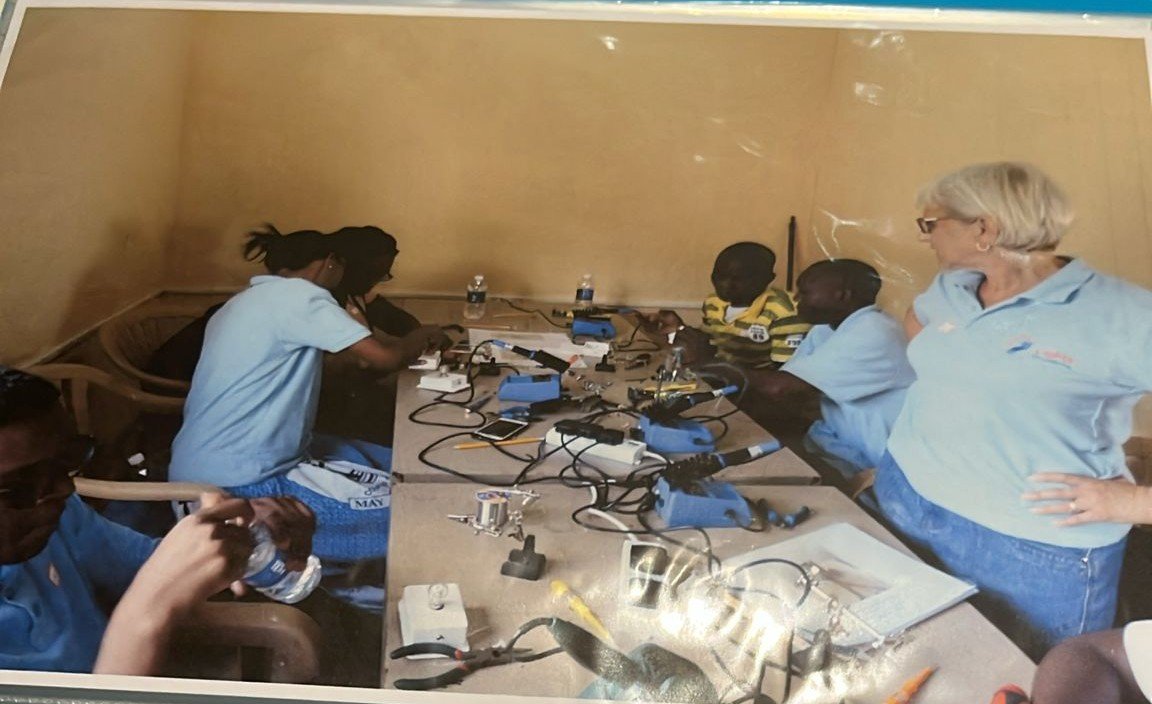
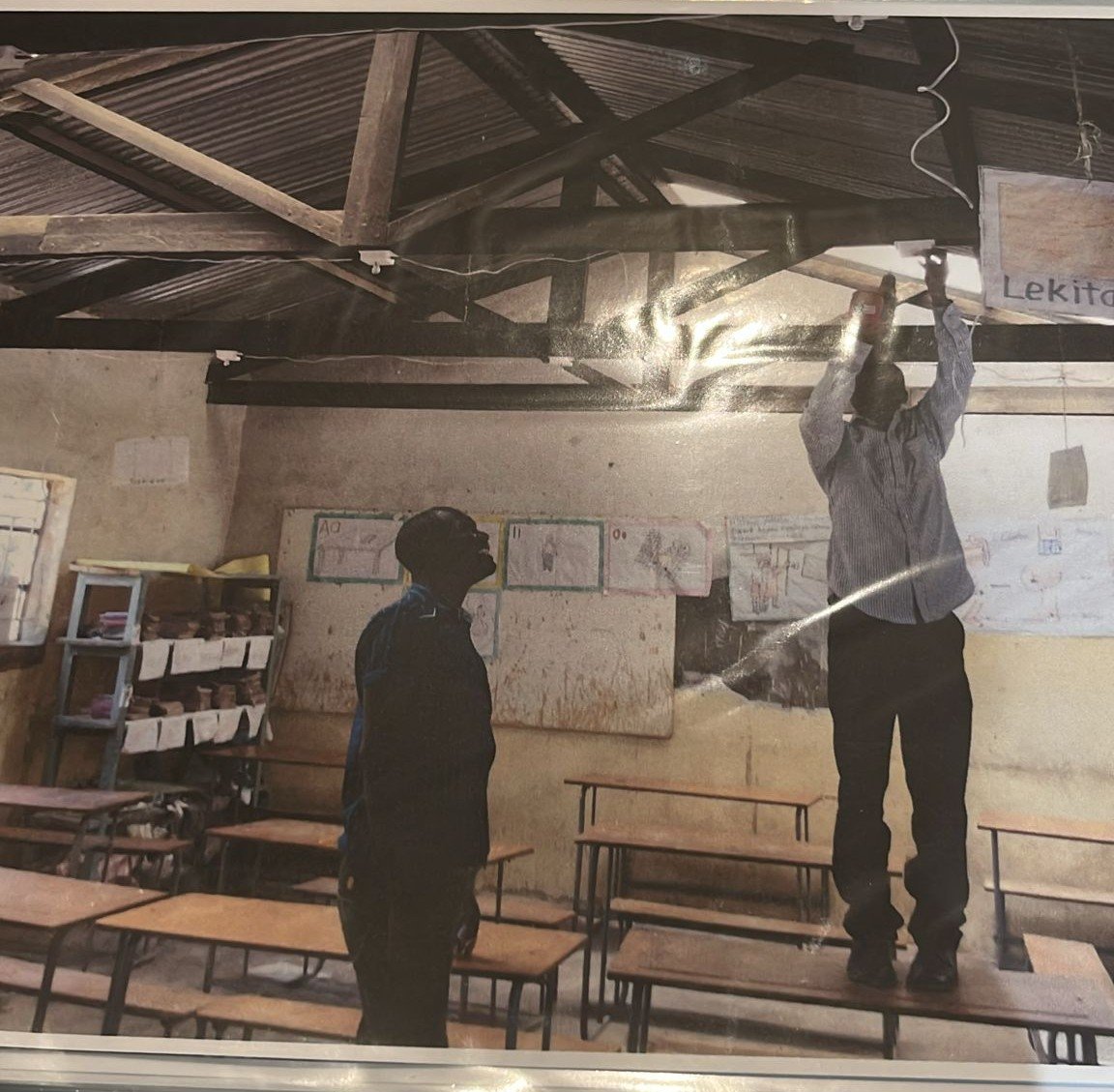
Installation of Solar panels for sustainability in collaboration with www.lightsforlearning.org
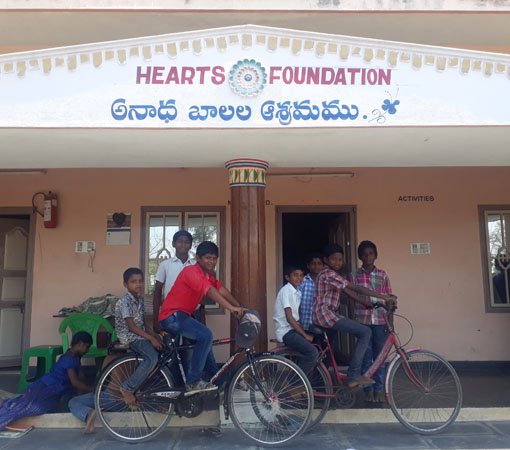
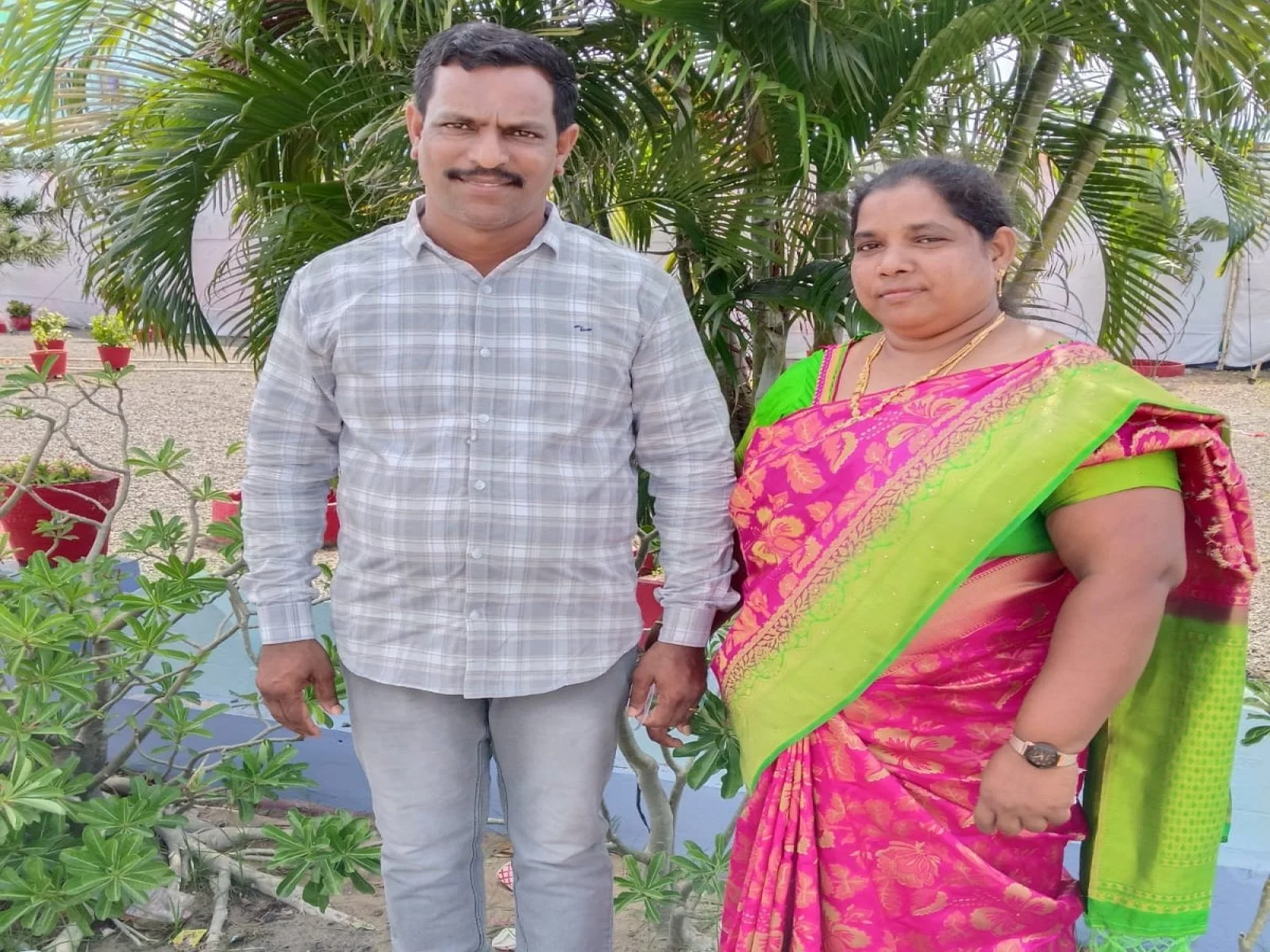
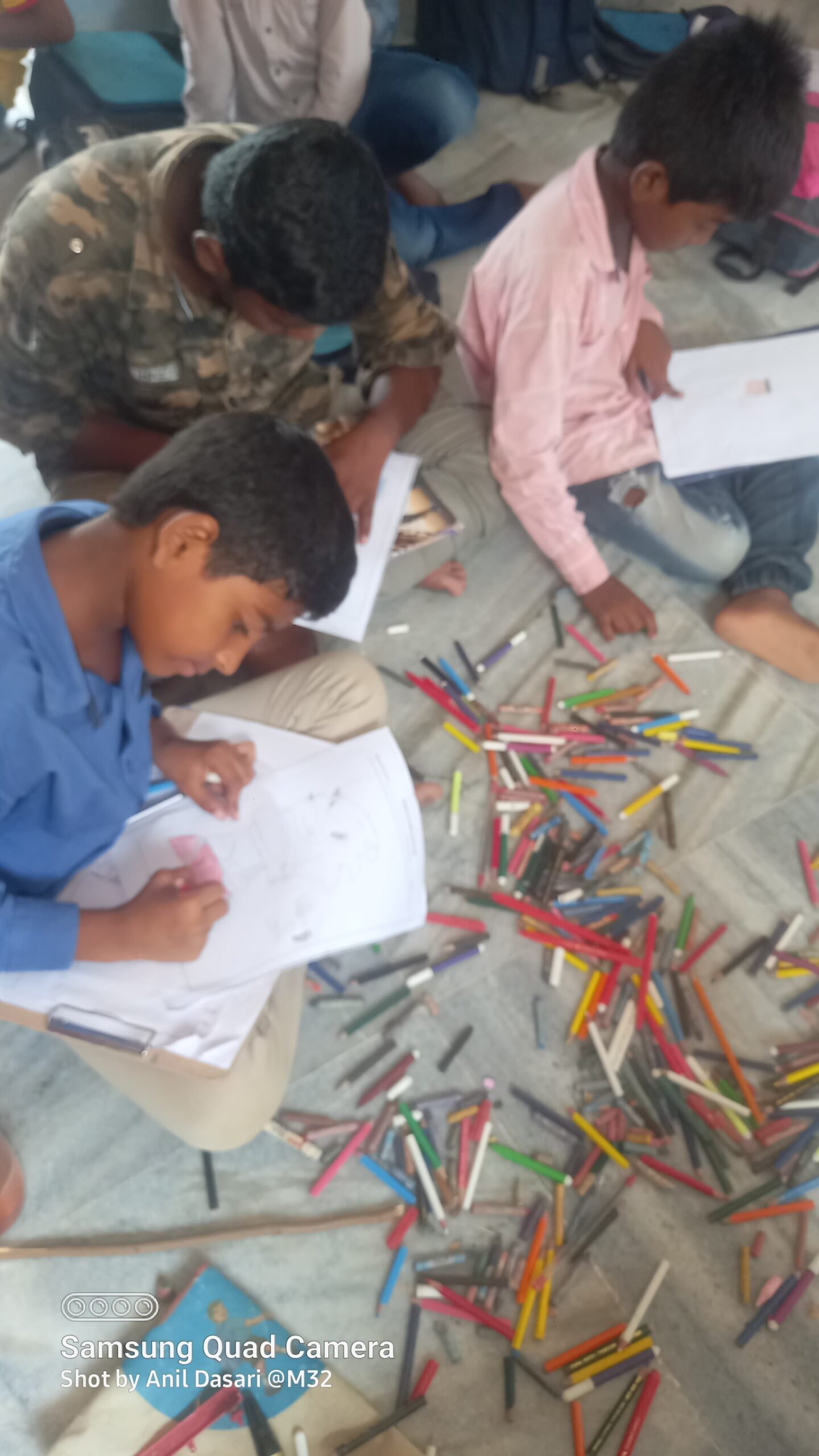
Hearts Indian Charitable Trust NGO working in collaboration with FIOH
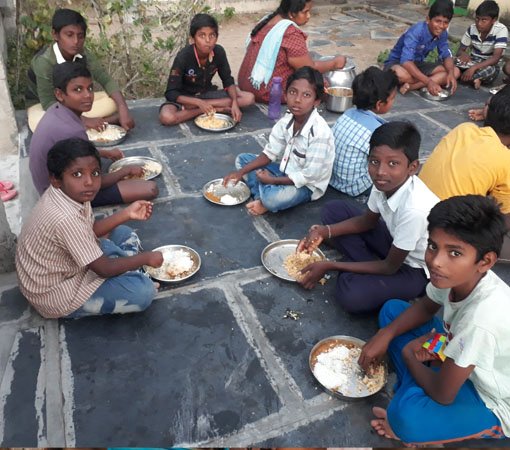
Helping today for a better tomorrow
Our Vision
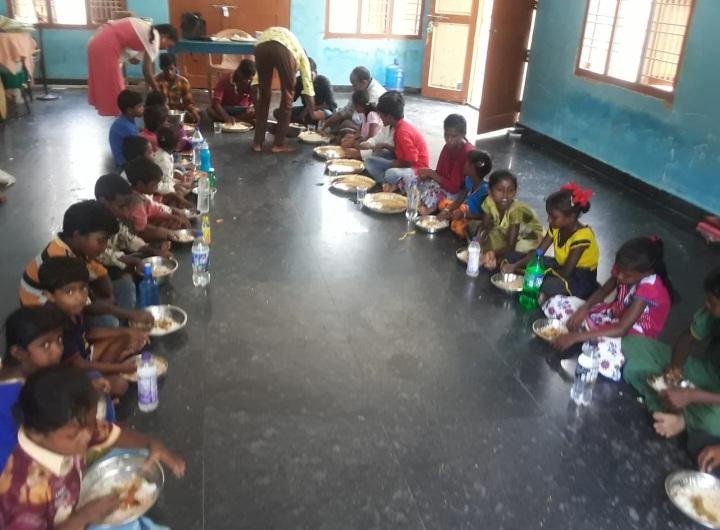
To provide nutritious food, clean drinking water, and safe shelter for underprivileged children.
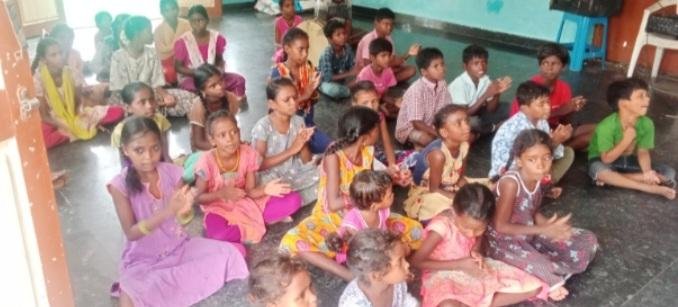
To ensure access to quality education, school supplies, and digital learning support for poor and orphaned children.
To organize health camps, vaccinations, and regular medical check-ups for children and mothers.
To support orphans, differently-abled children, and children with special needs with love, care, and rehabilitation services.
To create awareness on child rights, stop child labour, and protect children from abuse and exploitation.
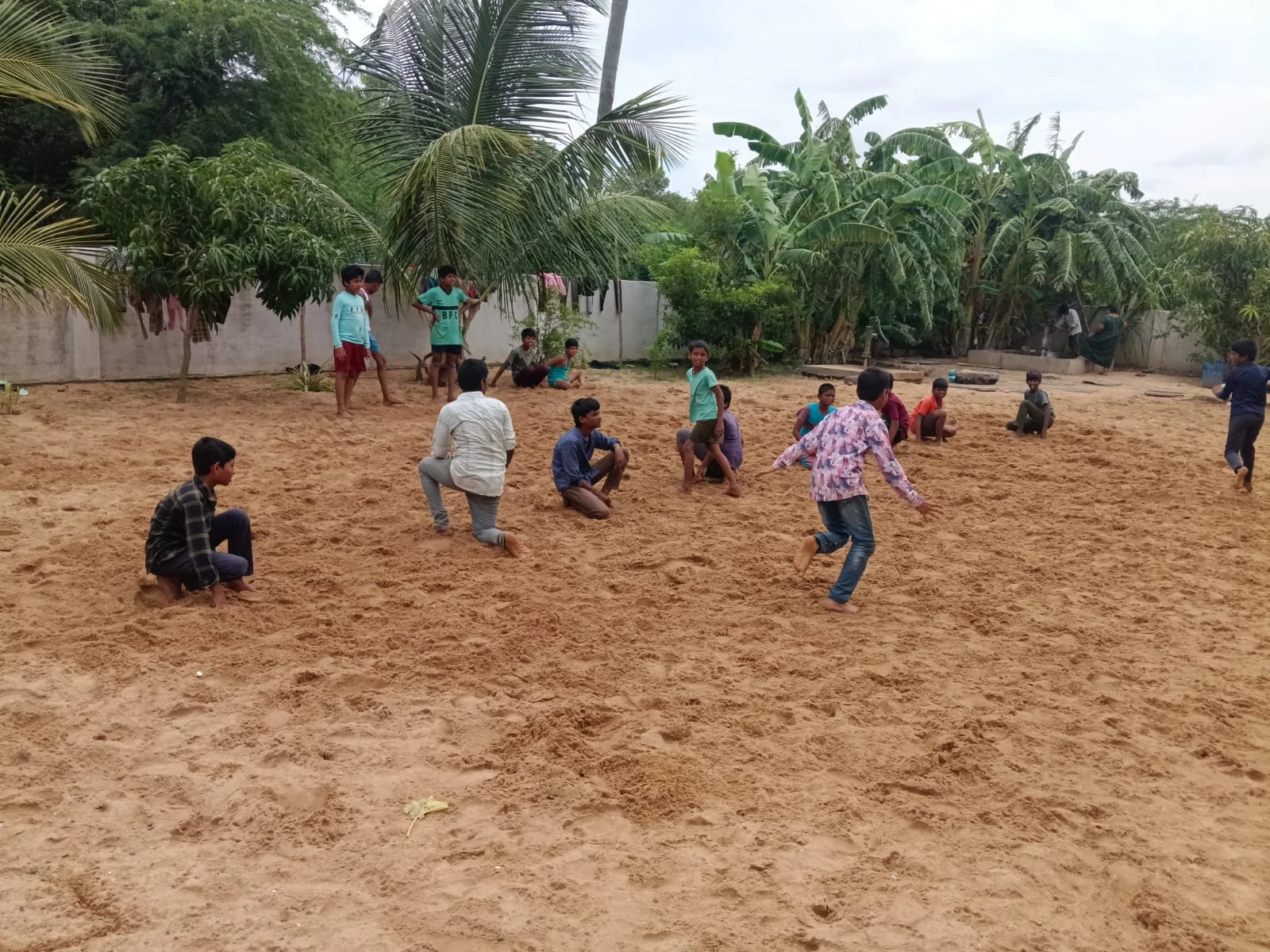
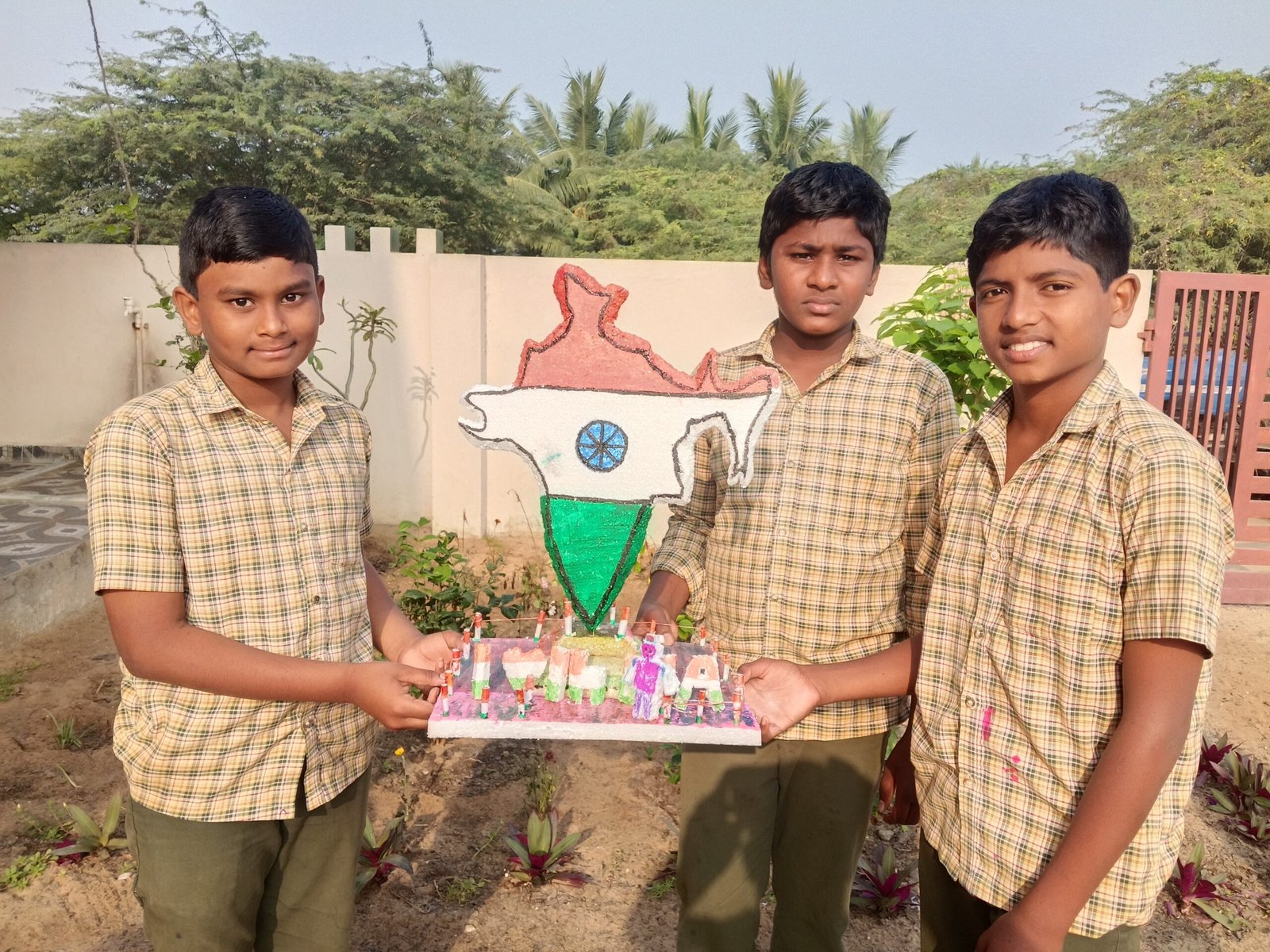
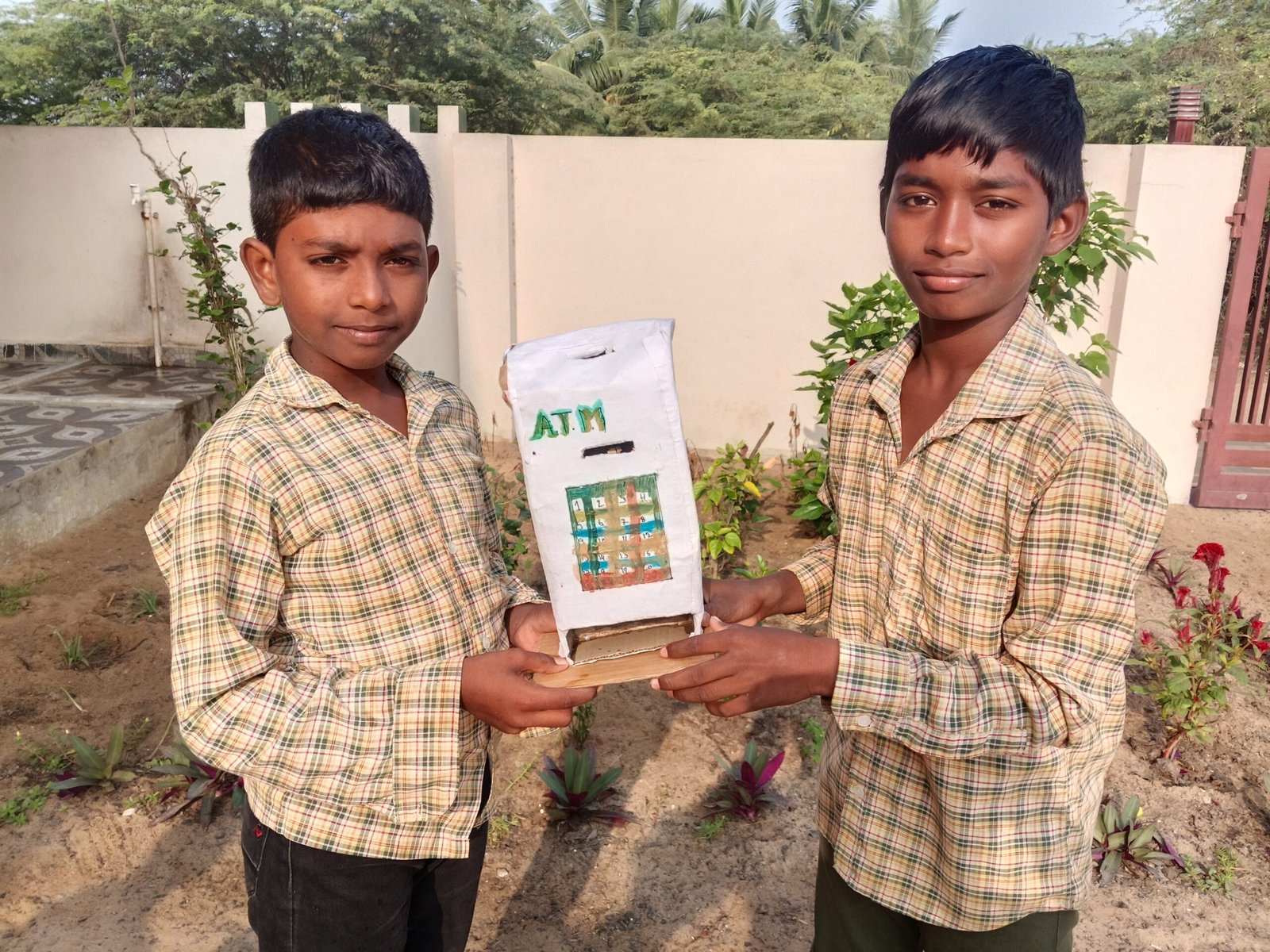
To provide skill development, art, sports, and cultural opportunities for holistic child development.
To empower poor families and single mothers with livelihood programs, ensuring better care for their children.
To establish children’s libraries, play centers, and safe spaces that encourage creativity and learning.
To promote environmental awareness among children through tree plantation, cleanliness, and plastic-free campaigns.
To provide scholarships and sponsorships for poor and meritorious students for higher education.