CRISIS RECOVERY PROJECT IN THE WEST REGION OF CAMEROON
Website: https://www.iaa-africa.org
Email: info@iaa-africa.org
Tel: +237652130115
1.1) BUDGET: 550GBP, YEAR: 2025
2.) BRIEF OVERVIEW
The scourge of Internal displacement has continued unabated despite international attempts to address its root causes. Ironically the so called anglophone crisis in SW and NW Cameroon has been largely ignored despite the untold misery it has caused the local people, many of whom have been displaced. The human rights of the victims of this violent insurgency have also been conveniently ignored. Questionnaires posed to those involved illustrate that the respondents live in immense fear of losing family members or being killed themselves. Moreover, they have been denied basic freedoms living in indignity with minimal access to water, food or means of subsistence. The greatest aspiration of the respondents is to simply return to their families and resume their livelihoods. The initiatives presented by IAA are an attempt to redress this unacceptable situation.
The situation began in 2014 with instability in Central African Republic which became exacerbated by the impacts of Climate change, unpredictable extremes of rainfall and resultant flooding and soil erosion compounded by unprecedented droughts. Add into the mix the rise of the terrorist sect Boko Haram and you have the perfect storm.
Presented in map form below is a situation analysis produced by UNHCR at the end of February 2025
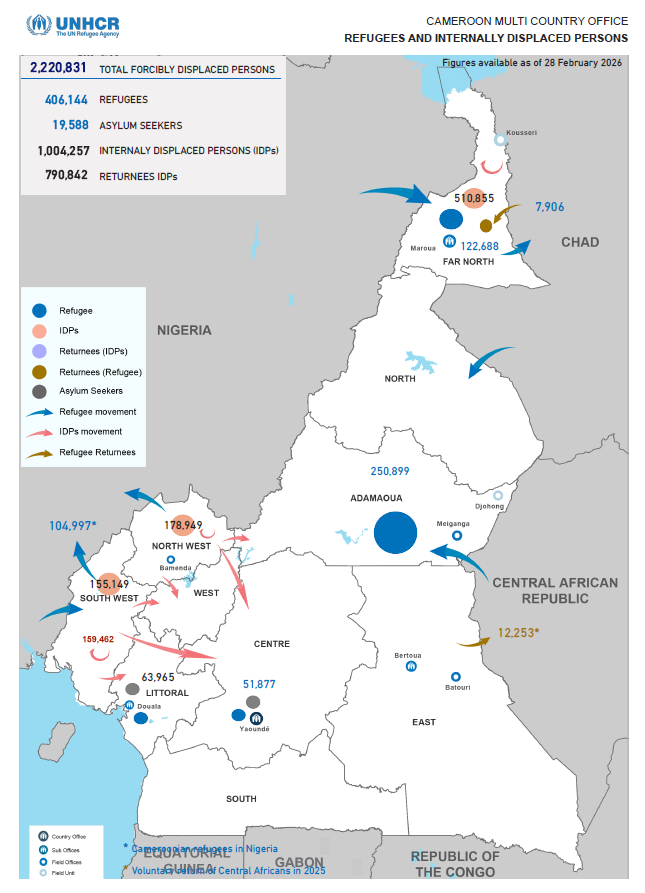
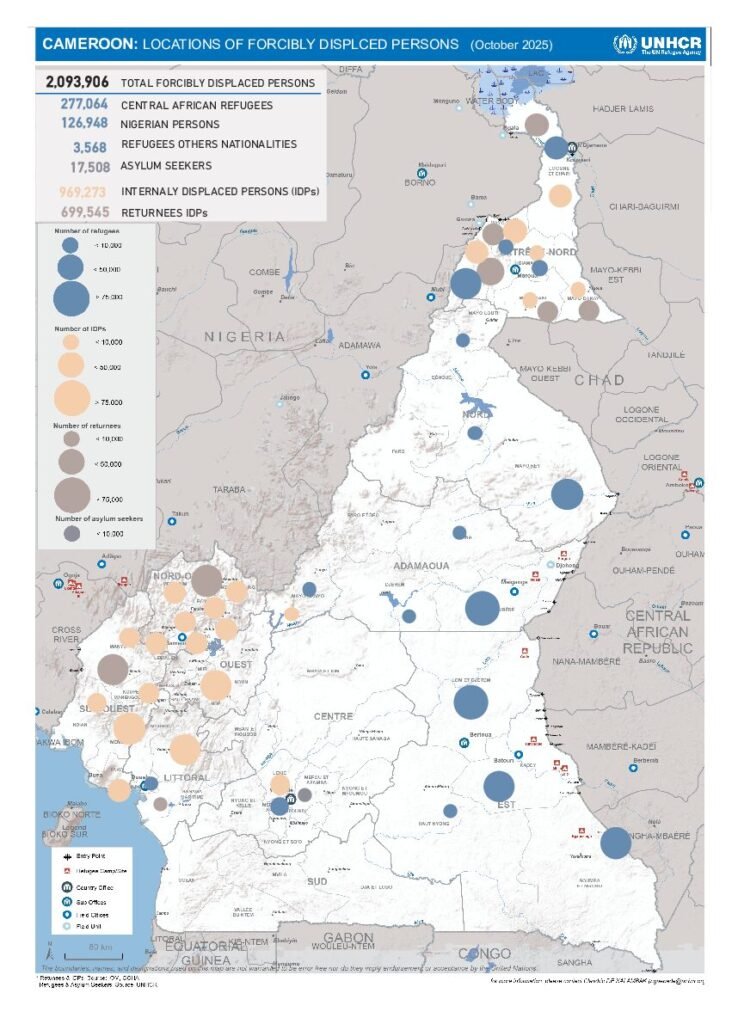
Anglophone region of Cameroon has almost 1 million IDPs to manage fleeing from civil war Oct 2025
The project aimed at addressing food shortage by empowering Internally Displaced Persons (IDP) and their host community of Foumbot through climate-smart agriculture to be able to grow vegetables during the dry season and increasingly during prolonged dry periods. We seek to end seasonal hunger and poverty, focusing activities in Mogny village of Foumbot sub-division in the West region of Cameroon.
The objective of the project was to empower and support IDPs with innovative, sustainable, affordable and locally owned approaches to improve food security and rebuild their lives, and enhance the capacity of 100 IDPs to produce a wide variety of vegetables using sustainable and environmentally-friendly technologies with integrated social ownership, management and involvement while increasing economic capacity and securing livelihoods and the planet for the future.
3.) IMPACT:
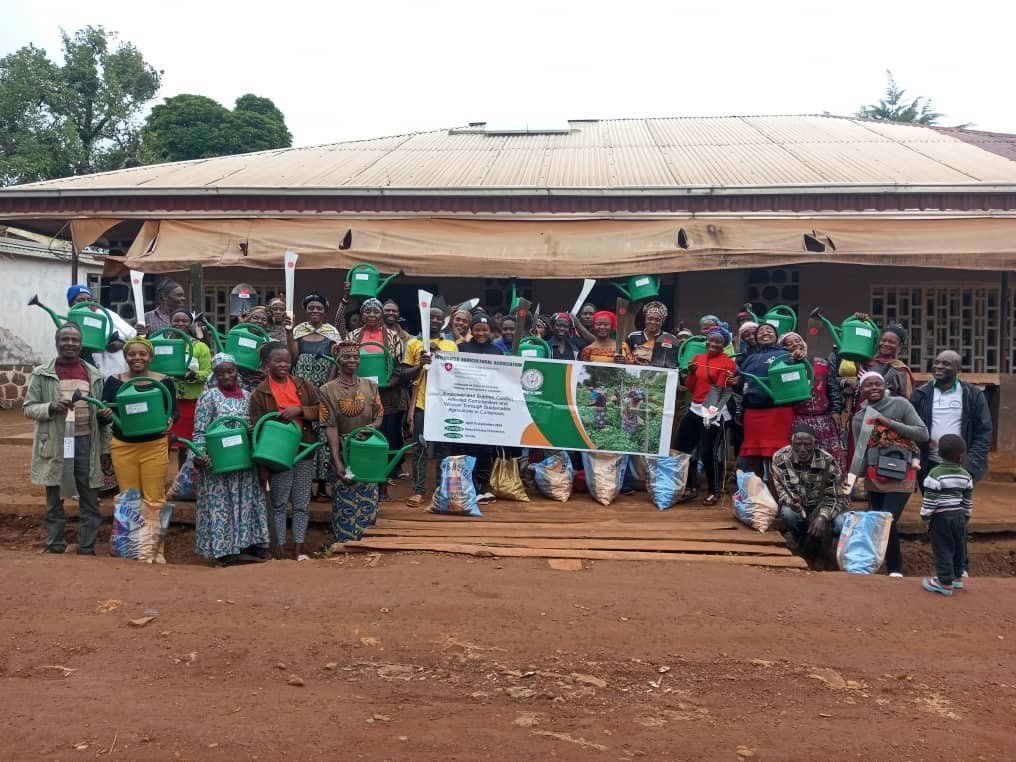
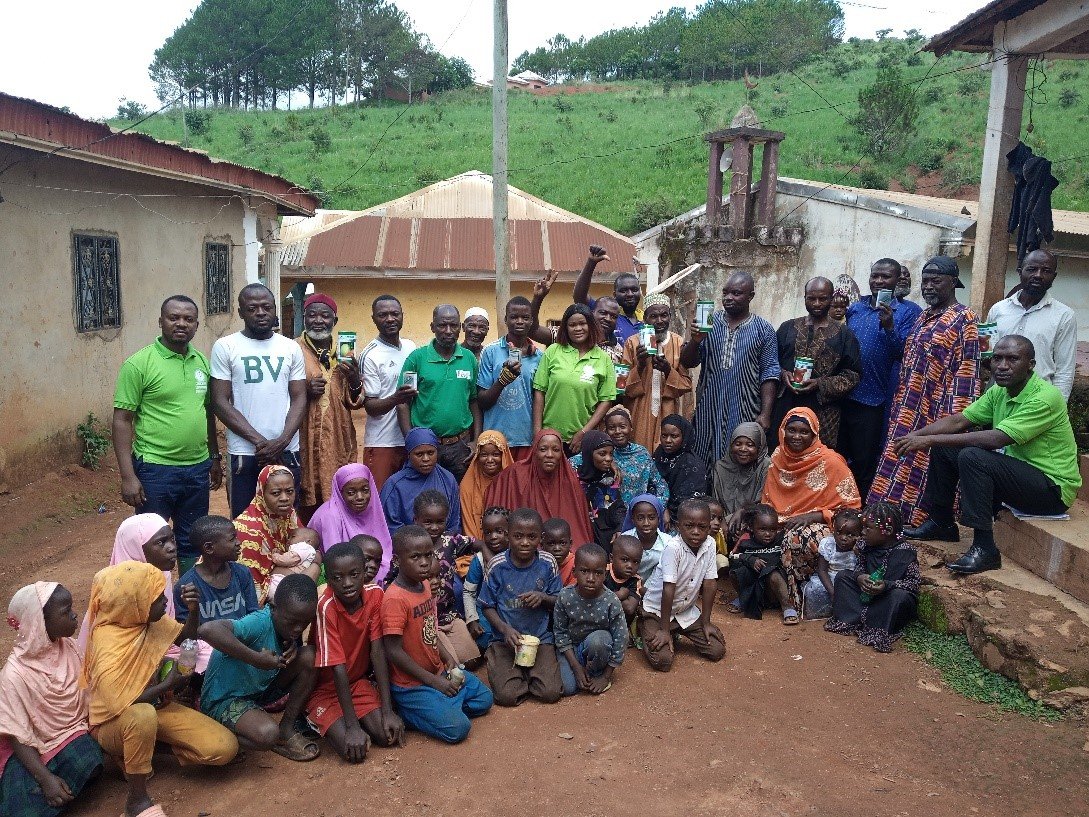
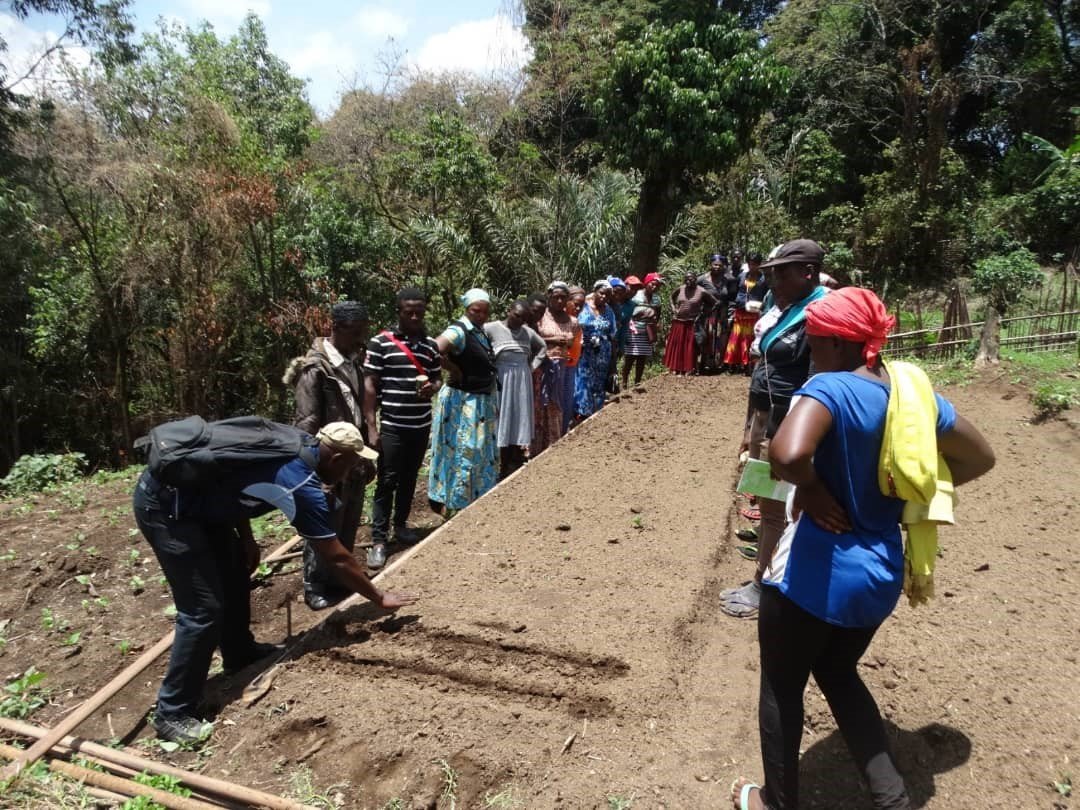
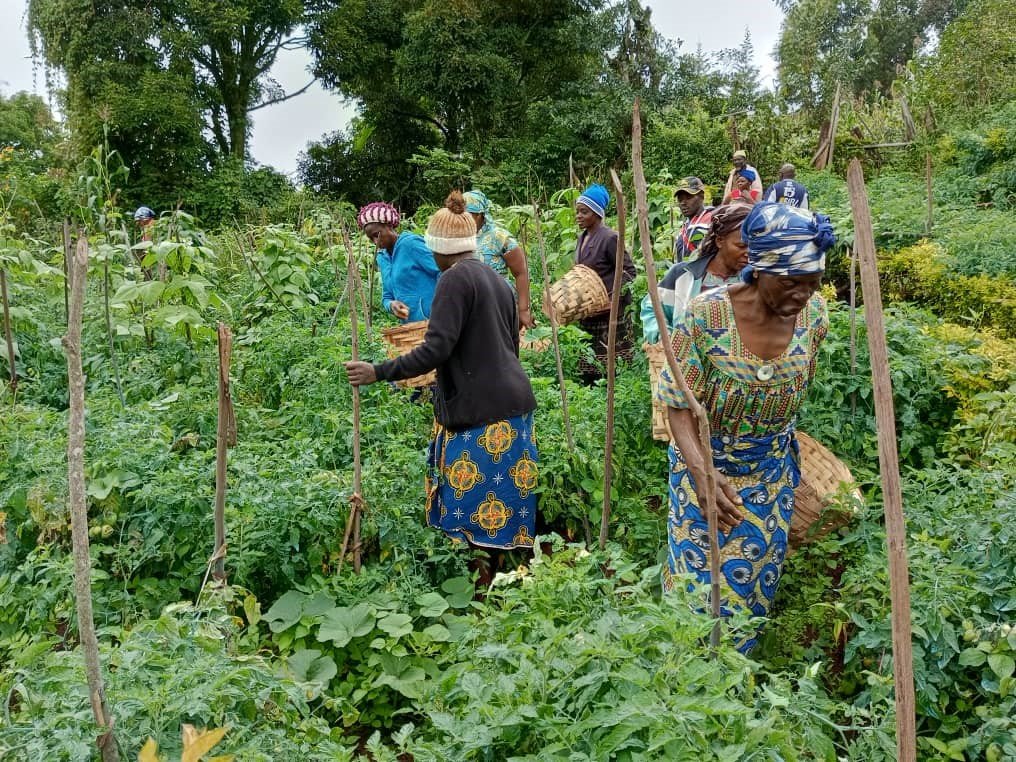
With the funding received from FIOH UK in February, 2025, Integrated Agricultural Association (I.A.A) trained diverse community members on climate-smart agriculture on topics including regenerative vegetable gardening, nutrition, water management, integrated pest management and soil health improvement. 127 people have been directly involved in training activities, with 71% women participation. 60,000 grams of huckleberry seed was donated to 120 IDPs, 500 grams per beneficiary who already had a farm plot of approximately ¼ hectare. 120 gardens were cultivated across 30 hectares of land and each garden generated approximately 1700 GBP per year for a family of 5 members which achieved larger goals including food and nutrition security, gender equality, health and wellbeing and improved livelihood for over 1000 people.
With the help of this funding, I.A.A also trained 34 trainers on climate-smart agriculture to monitor the program and continue to provide ongoing technical support and advice on best practices to smallholder farmers in the area. I.A.A also created a Huckleberry Producers Union in Mogny with current membership of 80 and the registration process is in progress. These efforts aimed at building local autonomy to sustain the project beyond the funding period.
4.) CHALLENGES:
- Inflation in local currency reduced the value of the project budget by 30% which impacted the ability to successfully distribute three different types of vegetable seeds.
- Follow up of program beneficiaries afterward was difficult due to their remote locations, no internet and network, bad roads in the rainy and dry season.
- Farmers often have to travel long distances to access inputs, extension services, or marketplaces, leading to high transaction costs and limited engagement with modern agricultural practices.
- Lack of clean drinking water and irrigation tools to boost productivity, health and nutrition.
5.) WAY FORWARD:
- I.A.A selected only huckleberry to support as many women as possible because of it economic and nutrition value and seeds can be sourced and saved locally. This decision minimized high cost on conventional seeds to focus on indigenous seeds that are locally adapted with moderate prices.
- I.A.A used private motorbikes in remote inaccessible locations and SMS to connect to participants.
- Trainers have been trained to support farmers locally and huckleberry union created to facilitate development, access to seeds, training and markets.
- I.A.A will construct and install a well with hand pump in the community, and provide smallholder farmers with irrigation kits including solar pumps to address water gaps in agriculture and household use.
6.) CONCLUSION:
Climate Change and disasters affect communities to varying degrees. Women on forced displacement and persons living with disabilities face considerable challenges in accessing help. Most disaster and conflict responses focus on short-term needs: shelter, food and medicine. While critical, this approach must be supplemented with medium-term recovery plans to rebuild lives. By working on vegetable-growing programs for crisis relief, IAA aims to bring stability to the lives of the internally displaced persons (IDPs) and empower the most vulnerable to enable sustainable and resilient livelihoods that are self-sufficient and not dependent on aid.
I extend my sincere gratitude to FIOH for supporting me and my team in this incredible mission which I so much have passion and enjoy doing while inspiring others in the same and similar fields.
DUNGRILA PASCAL MBIMENYUY; TEAM LEADER
The Future in Our Hands Education and Development Fund Logo

The original logo produced, by our founder Mike Thomas, when we were first established as a registered charity in 1995 (1047953). The ethos of the charity being clearly illustrated with the older generation passing on the green planet to the children of the next generation. We had clearly hoped to pass on a planet in a better sustainable state to future generations. Increased understanding of climate change has made this objective very challenging. Whilst our ethos has remained consistent throughout the thirty years. We have consistently attempted to initiate funding for ecologically and sustainably aware initiatives. Developing a network of cooperation through our first hand contacts and NGOs across the most disadvantaged communities.
Our ethos originated from the ideas and perceptions of 1970s authors
Erik Dammann is a Norwegian author, environmentalist and scholar, known for founding the organisation Future in Our Hands. His work challenges Western values and lifestyles in order to promote a more responsible attitude to the environment and the developing world
Ernst F Schumacher an author of Small is Beautiful. Economics as if people mattered is a political non fiction book which centres on the premise that economics should serve us the people, as opposed to the other way round.
Our newly designed logo , was produced by daughters and granddaughters in our organization . The clear objective was to produce a higher definition image which needed to maintain or perhaps enhance the clarity of our mission statement, ethos and purpose. We believe best achieved by pursuit of gender equality and furthermore nurturing biodiversity and sustainability.
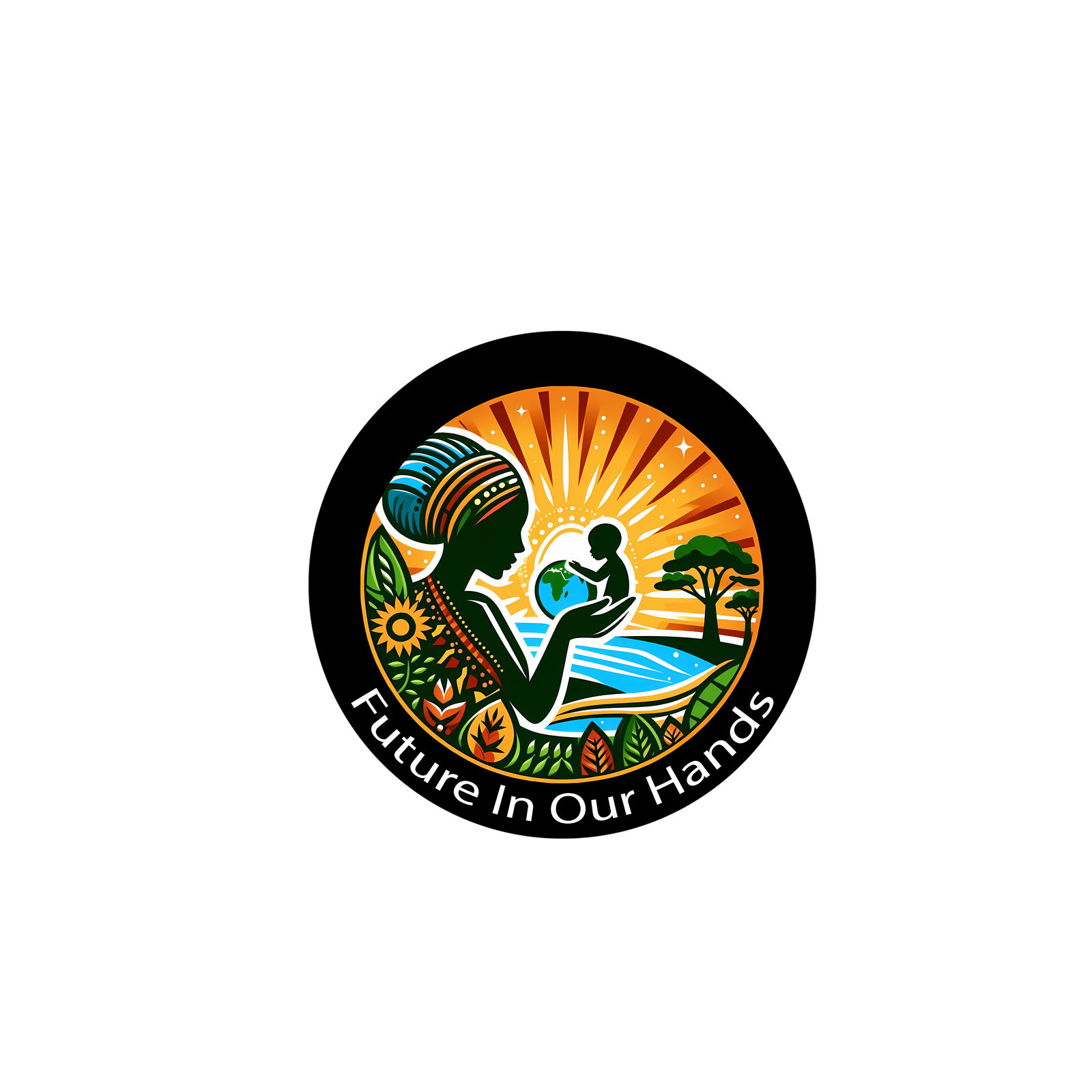
The deliberate choice of a female Gaia figure
We endeavour to enhance the status of women and children in the development process.
We seek to enhance ecological awareness and sustainability
We include a strong element of education or training in our projects
We support initiatives that originate from local communities through non governmental organizations.
The Future in Our Hands Education and Development fund achieves a significant milestone
Future in Our Hands Education and Development Fund having been established by founder Mike Thomas in 1995 is just reaching its 30th anniversary this year. We would like to thank all our regular donors and helpers for their selfless support over this time period.
As treasurer, I have trawled through our detailed accounts and aggregated all of our past donations. What began in the 1990’s, as a grant of £20 to test the water has grown into multiple affiliated NGOs across Africa and India. The incredible final total raised and donated stands at £548,748. All of this fundraising has gone to the most marginalized and deserving of causes and is far beyond our expectations at the outset. Who would have believed that a small official UK registered charity, administered from a small front room in Swindon, would issue grants way in excess of half a million pounds.
The list of individual beneficiaries must run to tens of thousands as our grants have been able to transform lives and livelihoods. Our updated website fiohnetwork.org illustrates a detailed archive of our work and highlights a network of organizations which share the same ethos. We have always encouraged individuals and non governmental organizations who share our ideas of a bottom up grassroots approach to solving problems of development.
Our goal is to help some of the poorest and most marginalized people in the world by empowering them and their local communities to find sustainable ways to overcome poverty, raise ecological and environmental awareness and create lasting just and equitable social change.
- Reafforestation schemes developing tree nurseries of millions of indigenous trees
- Built and continue to fund a medical clinic for disabled children
- Support the education of orphaned street children in India
- Assisted displaced persons from Civil wars
- Built and developed 5 schools in Sierra Leone
- Responded to climate induced emergencies in India and Pakistan
- Supported educational programmes of sustainability Cameroon and Sierra Leone
- Helped fund Integrated Organic Agricultural Development
- Promoting gender equality through womens’ banking cooperatives
- One of our partners even achieving U.N. Equator Prize award recognition
- Supported Youth Leading the world in Sierra Leone
- Encourage effective networking between organizations
FIOH news update from Sierra Leone Autumn 2024

The Mike Thomas School at Mile 91, due East of the capital Freetown, near Yonibana. The school suffered a sudden and prolonged extreme wind event which caused severe damage to two classroom roofs.
Alpha Kargbo our link person in Sierra Leone, immediately informed us of the emergency issue. The severe and detrimental impact on the education of the children was obvious.
FIOH agreed that immediate intervention was necessary and sent a grant so work could be expedited to rectify this situation. The following images show the reconstruction with more appropriate building materials to ensure that any further damage would be less likely.

With the new roofing intact the normal daily procedures of schooling could continue, as the photos below illustrate


Students hard at work in the organic school gardens and impressive in their smart, well turned out uniform
Grants made by Future in Our Hands Fund 2017-2024
FIOH Sierra Leone – responding to climate change and Covid 19
ACTIVITY REPORT
PROJECT : Local response to climate change and Covid19
Funder : FIOH Fund -UK
COST : GBP 545
REPORTING DATE: 4thJune 2020
Brief background
In a bid to integrate climate change in development projects, FIOH-SL in collaboration with FIOH-UK supported farmers to mitigate climate change through scaling up the adoption of regenerative agriculture. This involved farming practices that work together not just to sustain, but to increase the carrying capacity of the land, restoring the natural fertility of agro-ecosystems. Core practise involves permanent soil cover with living plants, minimum or zero tillage, maximization of biodiversity, composting from zero waste in the farming system and reduction of agrochemicals with a view of their elimination.
FIELD ACTIVITY RESULT
Result of activity 1: Organize community sensitization meetings on climate change:
- Two community sensitization meetings were organized which attracted 50 participants, farmers, stakeholders, facilitator and participants to share learning on the following:
WHAT IS CLIMATE CHANGE?
Following the discussion on the literal understanding of climate change, participants also brainstorm, on the kinds of climate hazards.
- Heavy wind
- Increase in the frequency and magnitude of warm daily temperature (extremes and decreases)/prolong day seasons from October May)
- Frequency heavy precipitation/rainfall.
- Spring/small rivers completely dry up during the day season.
IMPACTS OF CLIMATE CHANGE
- Water shortage
- Floods
- Heat waves
- Droughts
- Outbreak of infectious diseases.
Traditional/cultural practices adopted in the past to mitigate climate change as:
- Establishment of fire belts around forest reserves in March.
- No bush clearing around water catchment areas.
- Secret society bushes as protected as forest reserves.
- Forest reserves known as village green surrounding the entrance of villages protected.
- Bush fallowing for 15 years to encourage regrowth.
RESULTS OF ACTIVITY 2 – Practical training on Agroecological/ farming.
25 farmers (15F,10M) received practical training (5 per session) of farm design, planting methods, plant spacing, zero or minimum tillage practice, composting from zero waste and field application. Monitoring results reveal that farmers are gradually adopting these practices on their own farms.

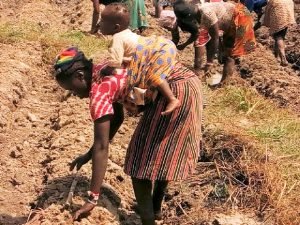
RESULTS OF ACTIVITY 3 – Seeds and tools support. Following the procurement of assorted seeds and tools, these items were distributed to farmer field school representatives.
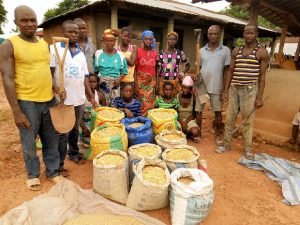


FIOH-SL seeds and tools support to cross-section of farmers.
RESULTS OF ACTIVITY 4 – Seed multiplication and demonstration farms.
Two multiplication and demonstration farms were established in two communities using permaculture/agroecological principles – farmers working with natural forces or farming using natural approaches, the wind the sun and water to provide food, shelter, and everything else including compost, farm/ gardens needs beside seeds and plants. Any farm established using these principles is a permaculture /agroecological farm.

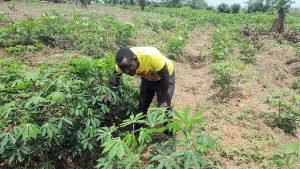
FIOH -SL support to the establishment of two permaculture farms.
CHALLENGES
- Overwhelming demand for the project activities by other FIOH operational communities in Tonkolili and Koinadugu districts.
- Frequent lockdown caused by Covid19 is affecting farm management.
- Lack of on farm hand washing stations to prevent Covid19.
- Farm work rationed with a batch of 5 Farmers per day as a result of Covid19.
WAYS OF OVERCOMING CHALLENGES
- Overwhelming demands
Representatives from the demanding villages were included in the on-farm training and promised to be given some proceeds from the established multiplication farms as starter seeds to establish their own farms. Development of community pilot projects by FIOH-SL is underway to service other communities.
- FREQUENT LOCK DOWN CAUSED BY COVID 19
A detailed concept Note will be shared with National and International donors for possible support.
LESSONS LEARNT.
Household food insecurity exacerbated by the global lock down by Covid19 reveal the extent that existing food systems (and the people underlying them) have been undervalued and under-protected.
Please support the work of the Future in Our Hands Education and Development Fund whose aim is to help and empower some of the world’s poorest and most marginalised people by:
- UK residents can provide long term support by completing the FIOH FUND DONATION FORM and sending to the address shown on the form:
- Direct grant to the charity’s bank account or by cheque to:
 Bank account details:
Co-operative Bank
IBAN: GB07CPBK08929965050707
BIC: CPBKGB22
Cheques should be made payable to the
Future in Our Hands E&D Fund
—————————————————————————-
Fundraising to help the work of the charities would be greatly appreciated
Perhaps Our greatest achievement ?
Alfred Wingo GLORES and FIOH Fund
Takeo timeline

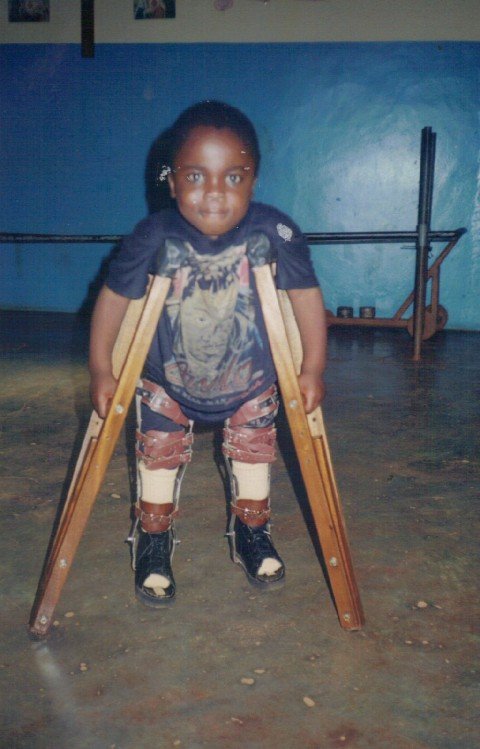
Takeo is a three and half year old girl with spina bifida. She is under treatment with splints and this will probably have to continue for the rest of her life.
Her splints will need adjustment and replacing as she grows older. This is Takeo when she first arrived at GLORES rehabilitation Centre
The following video shows her under treatment with splints and intensive physiotherapy
Takeo walking unaided for the first time and now able to walk to school
Please support the work of the Future in Our Hands Education and Development Fund whose aim is to help and empower some of the world’s poorest and most marginalised people by:
- UK residents can provide long term support by completing the FIOH FUND DONATION FORM and sending to the address shown on the form:
- Direct grant to the charity’s bank account or by cheque to:
- Bank account details:
Co-operative Bank
Account no 65050707
Sort Code 08 92 99
—————————————————————————-
Fundraising to help the work of the charities would be greatly appreciated
FIOH Fund Newsletter – Winter 2017
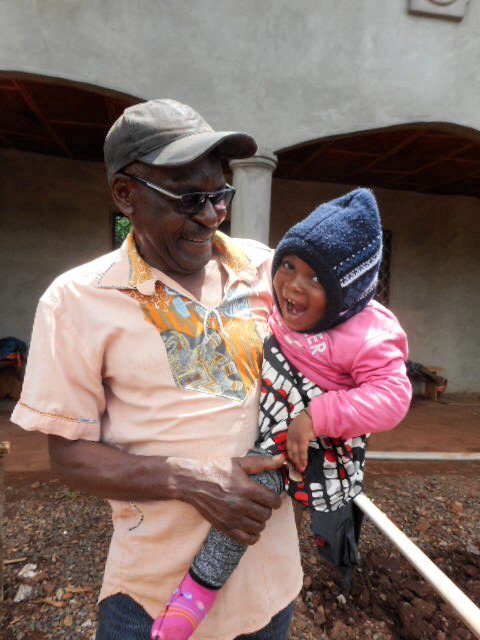

Alfred Wingo,the founder and director of GLORES, is shown here with one of the children being treated.
NEWSLETTER – ISSUE2 – WINTER 2017
FIOH FUND NEWSLETTER 2 – WINTER 2017
This newsletter summarises and illustrates some of the activities which have taken place in a new treatment and rehabilitation centre established in the Cameroon with the financial support of the FIOH Fund. The centre is run by Global Rehabilitation Services (GLORES), a local NGO, which moved from its former rented accommodation in April 2017.
Please support the work of the Future in Our Hands Education and Development Fund whose aim is to help and empower some of the world’s poorest and most marginalised people by:
- UK residents can provide long term support by completing the FIOH FUND DONATION FORM and sending to the address shown on the form:
- Direct grant to the charity’s bank account or by cheque to: Bank account details:
Co-operative Bank
IBAN: GB07CPBK08929965050707
BIC: CPBKGB22
Cheques should be made payable to the
Future in Our Hands E&D Fund
—————————————————————————-
Fundraising to help the work of the charities would be greatly appreciated
Images – Global Rehabilitation Services treating severely disabled children


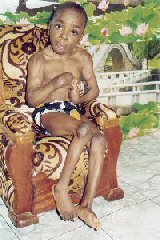


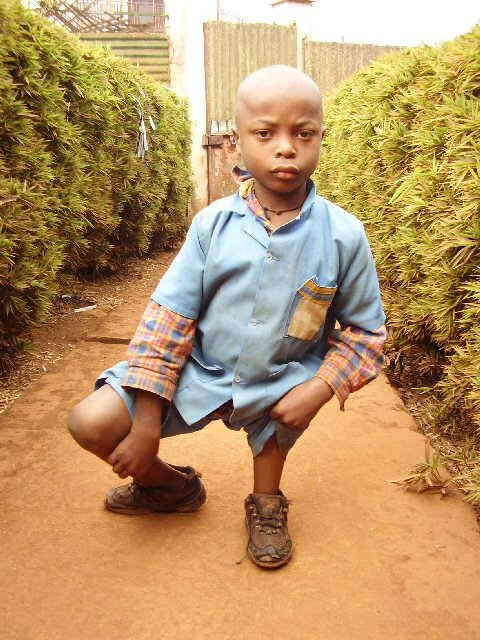


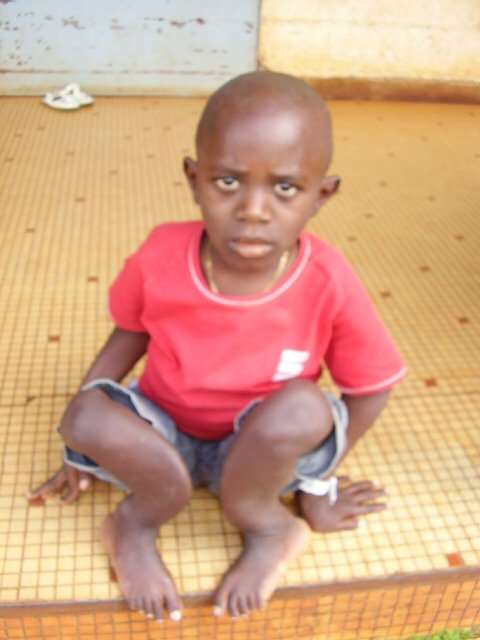




Mike Thomas with some of the children

Treatment and rehabilitation centre elevation

Treatment and rehabilitation plan
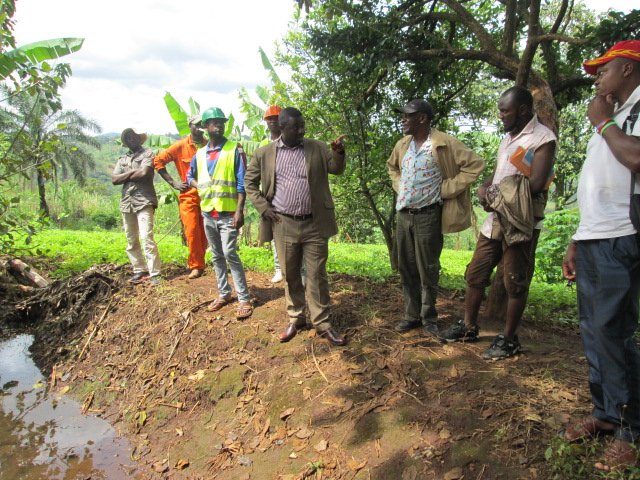


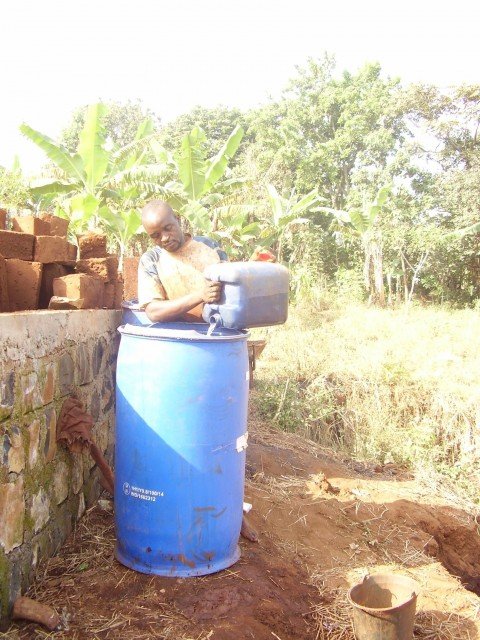


Coordinator – Emmanuel Wirsy

Delivering seedlings

Planting seedlings

Follow us on Facebook:
www.facebook.com/fiohfund
Follow us on Twitter:
twitter.com/fiohnet
Please share our links with your friends to help us reach a wider audience.
Global Rehabilitation Services
Mike Thomas with some of the children
Global rehabilitation Services (GLORES)
GLORES was started in 2004 by Cameroonian, Alfred Wingo, after receiving prosthetics training in the USA.
The work of GLORES in a poor rented building in Bafoussam, capital of the West Region of Cameroon, was observed by FIOH Fund trustee, Mike Thomas in 2009. He was impressed by what GLORES was achieving with very basic equipment.

A video showing Mike Thomas interviewing Alfred Wingo.
Disabled people in the West Region of Cameroon, especially children, suffer from neglect and discrimination due to ignorance and cultural beliefs about disability. There is a general lack of care and rehabilitation planning in the country and disabled children, who are mostly from poor families, rarely obtain an education and employment. They are often viewed as being possessed of evil spirits and a curse upon their parents. Hence they may be locked up at home and fed like animals and hidden from society. It is estimated that about 70% of disabled children suffer from neglect and discrimination.
GLORES organises its work in three major sections:
- Prevention of disabilities through health education and encouragement of parents to vaccinate their children against diseases causing disabilities. Part of the education focuses on prenatal/postnatal care, nutrition, hygiene, genetic information and environmental pollution.
- Physical therapy that includes therapeutic exercises, mobility training, functional re-education, occupational therapy and activity training for coping with everyday life.
- Vocational training in 3 trades. The disabled person makes the choice of trade and is then able to undergo training in that trade for one year in a sheltered workshop environment. Younger children who cannot work are sent to local schools for their education. While the child is in school parents will take an active part in its education and prepare to take over responsibility for the child’s welfare later on. After successful completion of the training disabled persons are settled in their individual group ventures or employment and there will be follow-up by GLORES for a few months after treatment and training has finished.
Once a disabled person goes through the GLORES project he or she becomes a member of the GLORES family. GLORES monitors all the outcomes of its work in order to evaluate its effectiveness and introduce improvements where necessary.
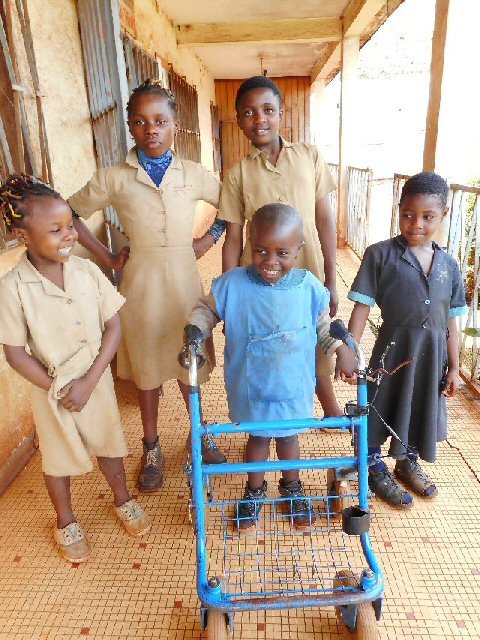
The pictures below show some of the disabled youths and children before, during and after treatment:
Moving testimonials of six of the children treated by GLORES
If you would like to support the work of the Future in Our Hands Education and Development Fund please make a donation:
Please support the work of the Future in Our Hands Education and Development Fund whose aim is to help and empower some of the world’s poorest and most marginalised people by:
- UK residents can provide long term support by completing the FIOH FUND DONATION FORM and sending to the address shown on the form:
- Direct grant to the charity’s bank account or by cheque to: Bank account details:
Co-operative Bank
IBAN: GB07CPBK08929965050707
BIC: CPBKGB22
Cheques should be made payable to the
Future in Our Hands E&D Fund
—————————————————————————-
Fundraising to help the work of the charities would be greatly appreciated