
Remarkable humanitarian GLORES Director Alfred Wingo (Obituary)
Alfred was a remarkable man who has improved the life chances of thousands of children born with disabilities by adopting physiotherapy techniques. He was instrumental is combating the misinformed beliefs of the local population. There were widely held beliefs that disability was because the parents had done something wrong and that disability was a punishment for previous misdemeanors. The debilitating effects of associated stigmas served to compound the negative impact on these children’s lives. He remained a voice of reason.
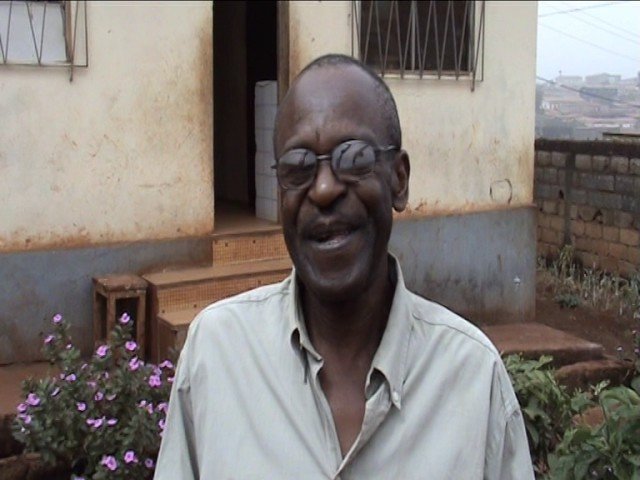
It is with enormous sadness that we report the loss of our main contact in Bafoussam, Cameroon. After meeting Alfred in 2008 we established assistance for GLORES (Global Rehabilitation Services) a unique service provided for the most vulnerable in society. Modelled on United Kingdom National Health Service treatment should be free at the point of access and based on need. We first encountered Alfred in rented accommodation making do with minimal equipment to transform the life chances of disabled children in Cameroon. The photographic record below vividly shows the rudimentary conditions we witnessed first hand.
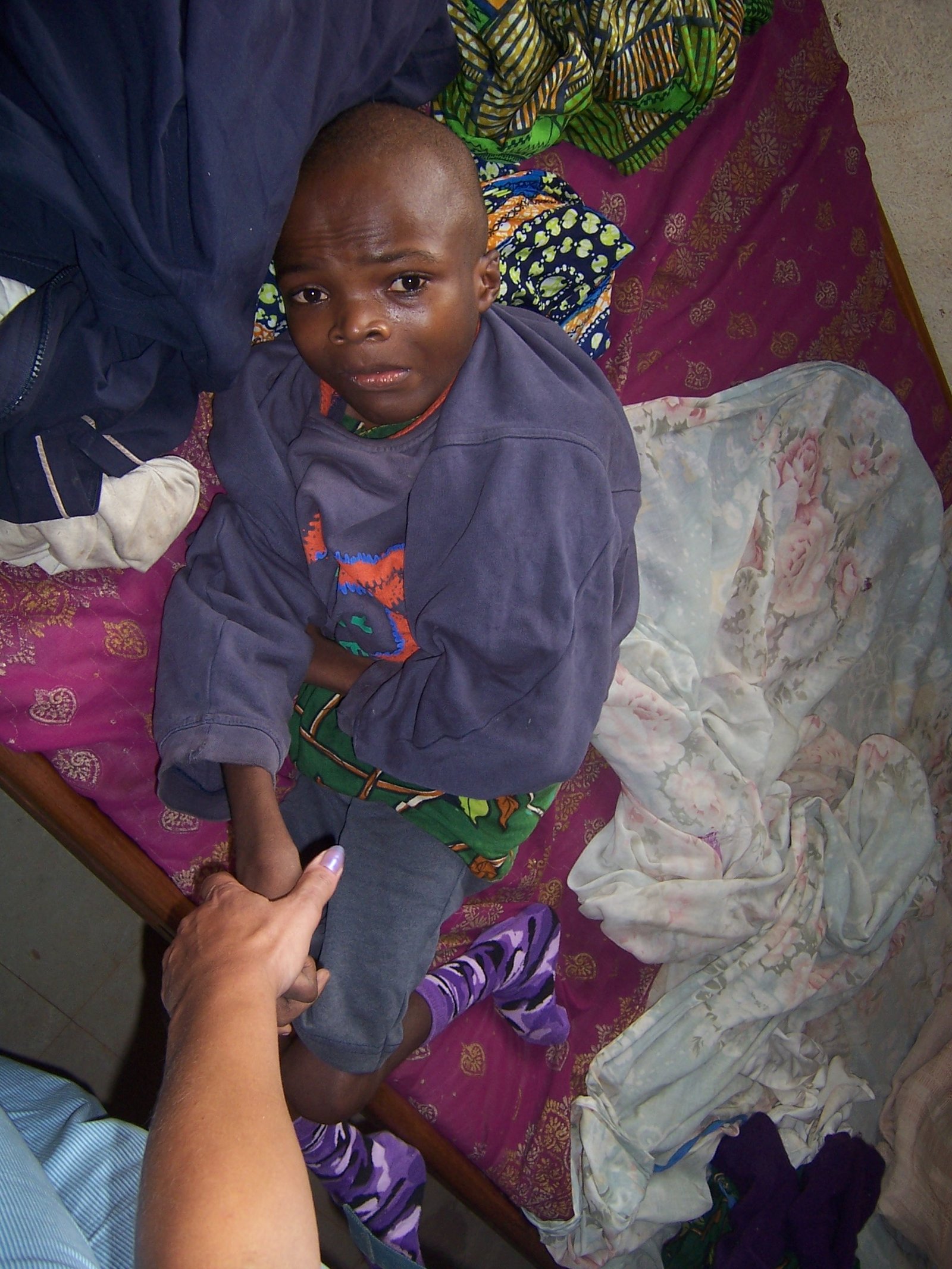
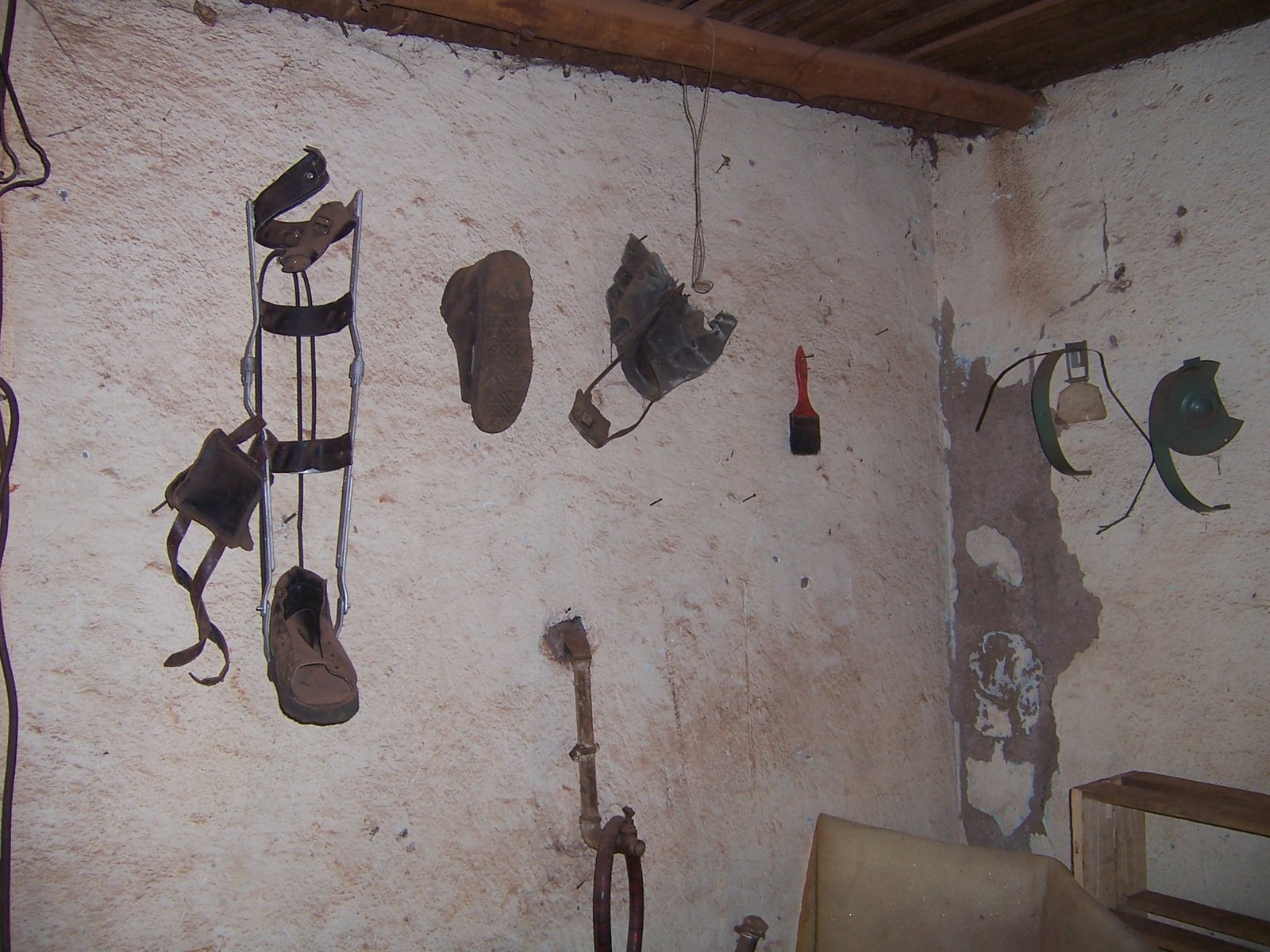
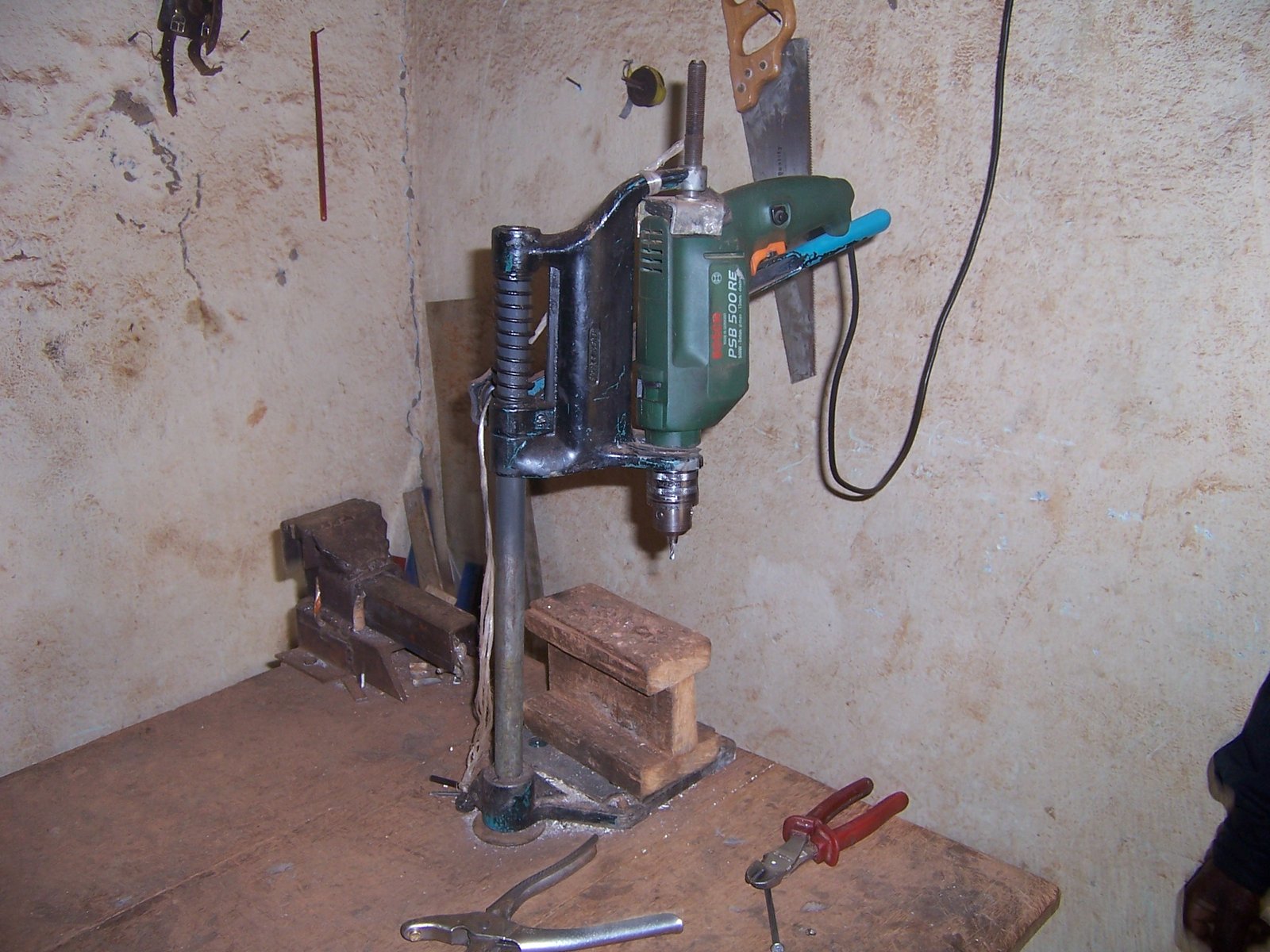
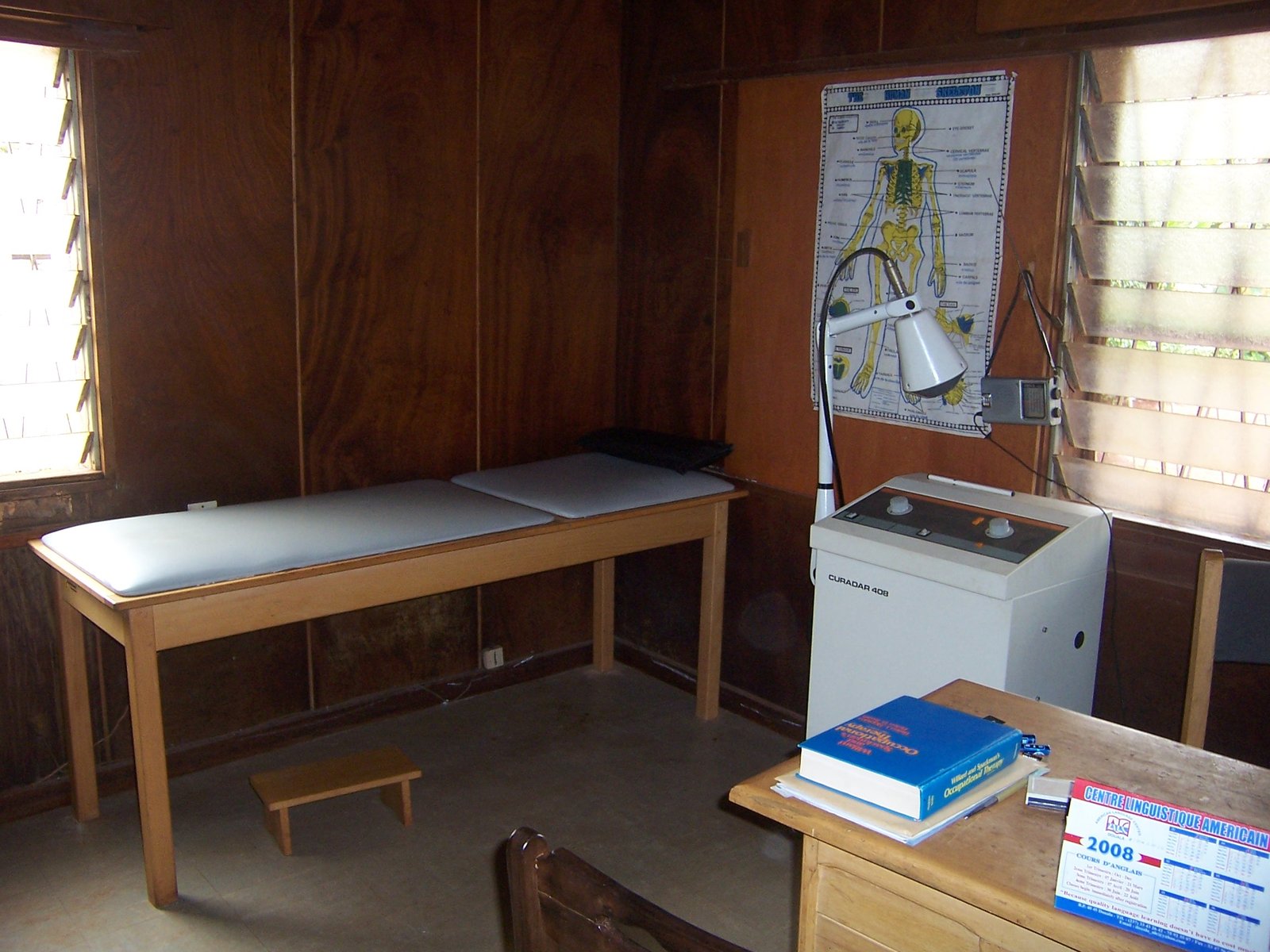
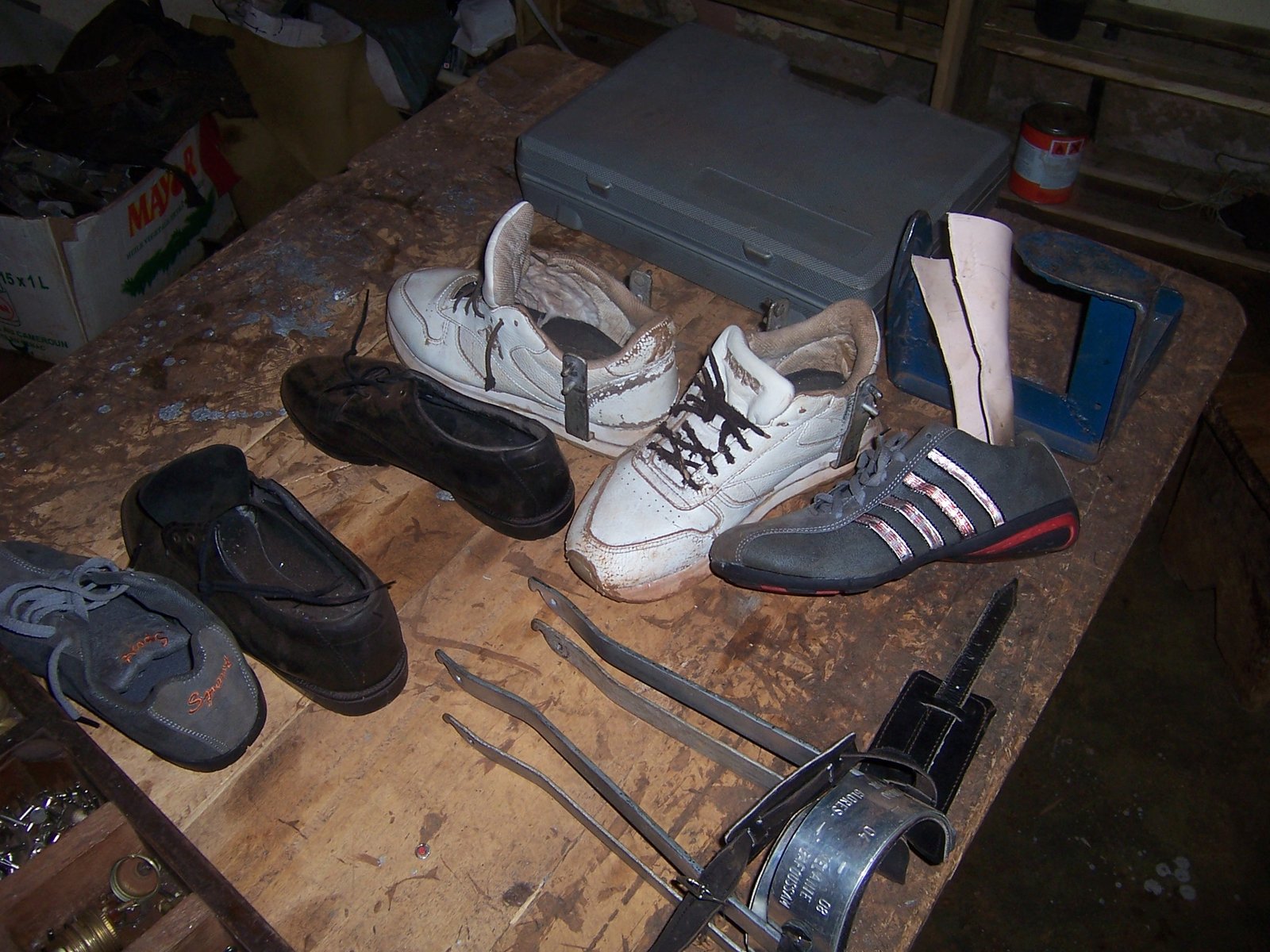
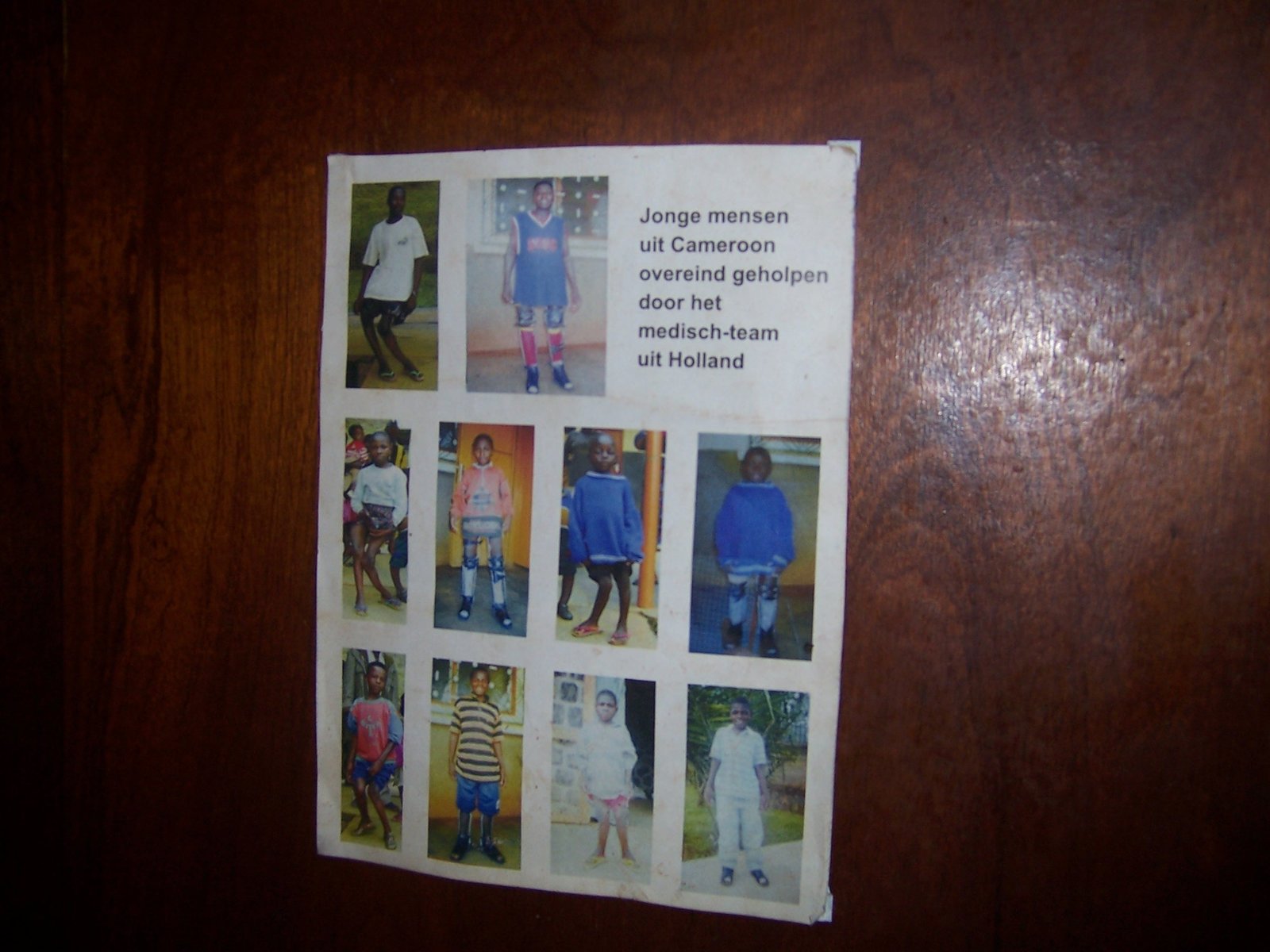
Immediate support required
The need for immediate support was self evident and through a sustained programme of support the FIOH fund financed the development of a new bespoke treatment facility , unique to Cameroon. The construction infrastructure was finally completed in 2016.
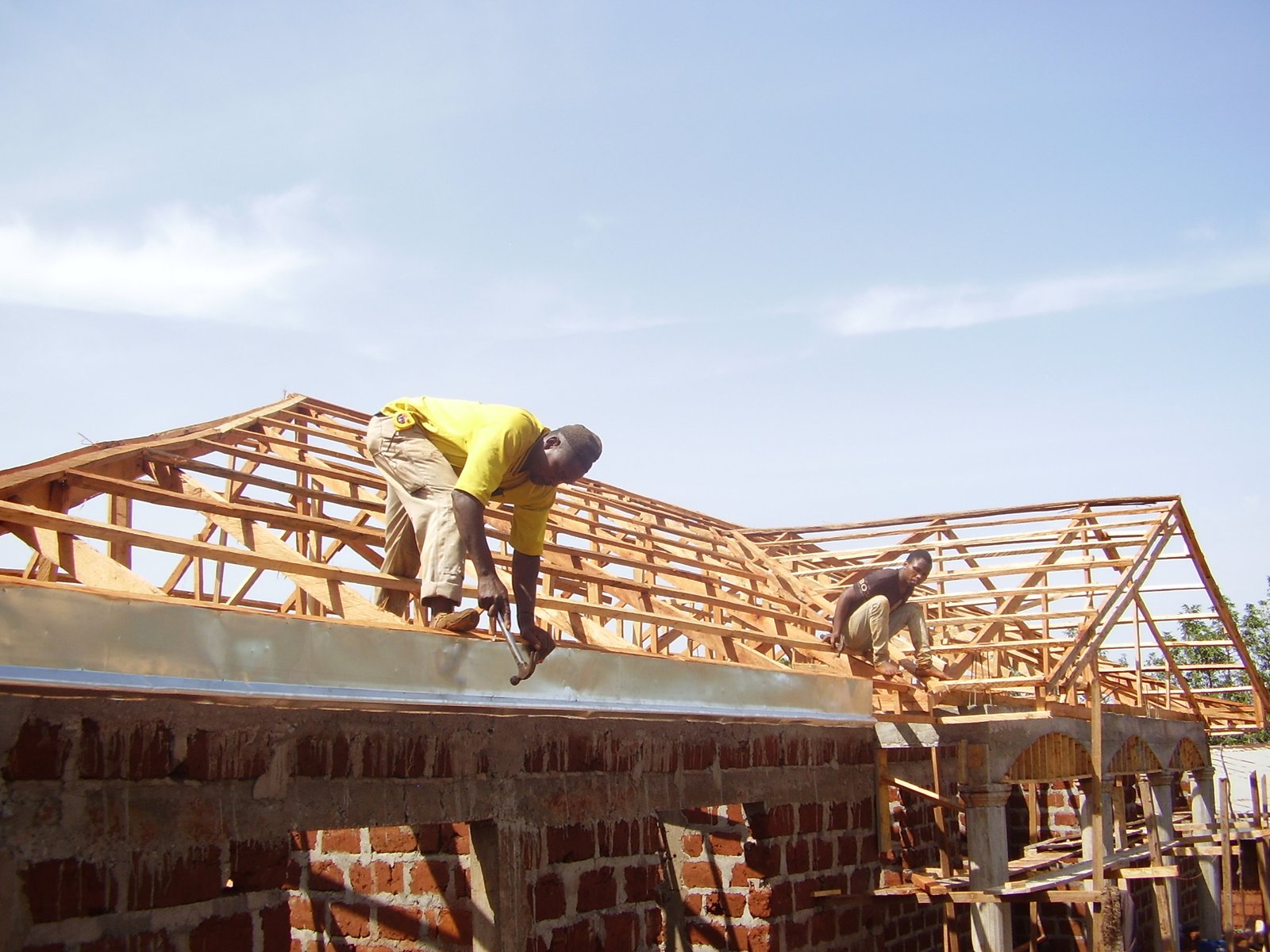
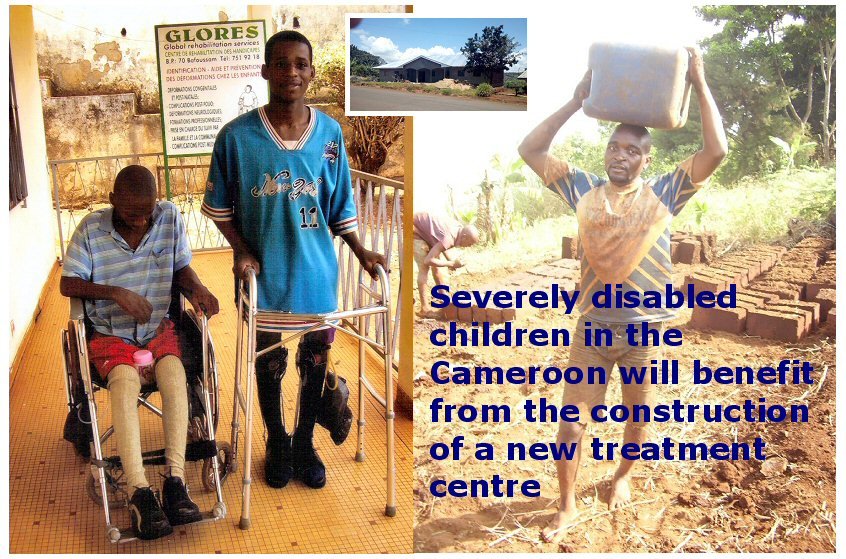
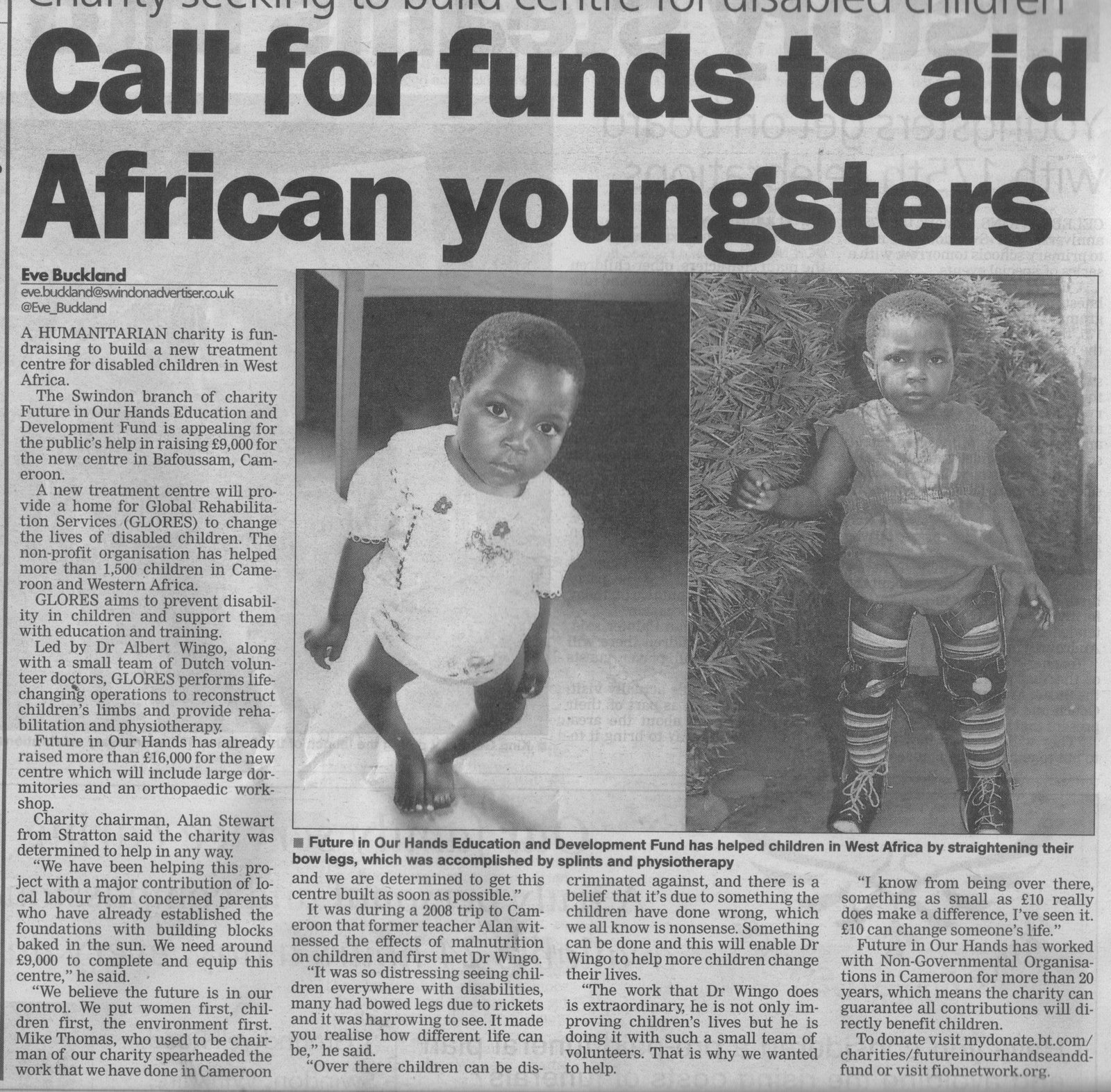
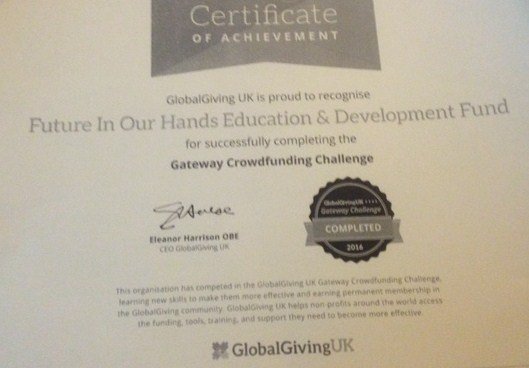
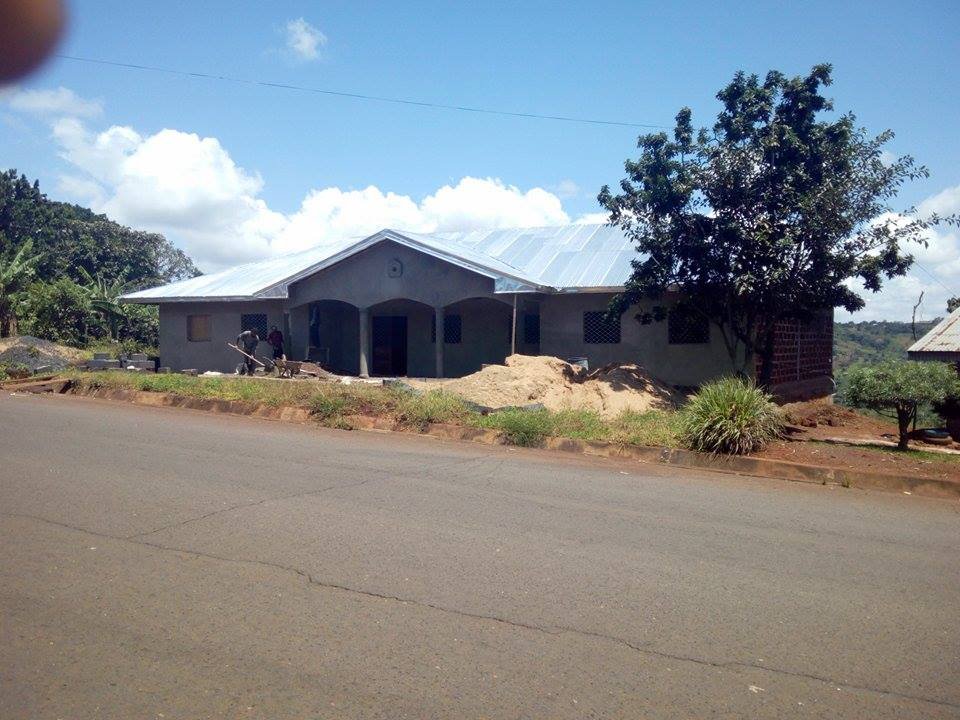
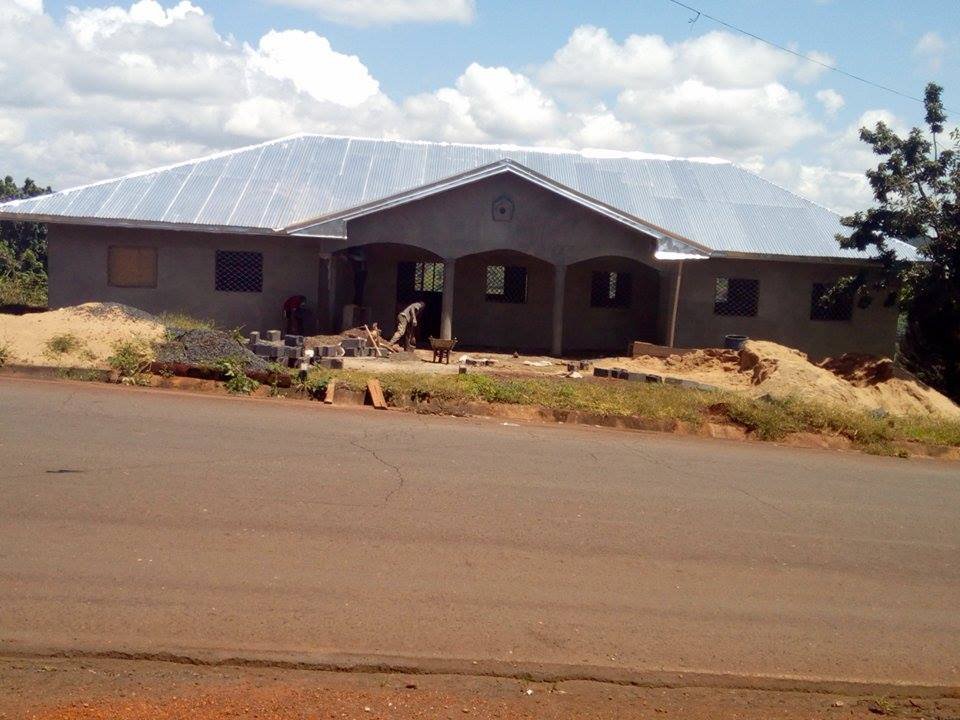
Alfred was instrumental in developing this idea from it’s planning to inception and continued to serve the disabled children of Cameroon until his untimely Death in Nov 2024. We express our condolences to his family and pay tribute to a remarkable humanitarian. FIOH remain honoured to have been a vital part of his story alongside additional support from a team of Dutch doctors who regularly performed the more complex surgery.
Verification of progress
As overseas donors we endeavoured to promote networking to solve issues and problems and so engaged officers from our partner organisation in Cameroon to visit and produce a comprehensive report on the progress towards the final construction of the bespoke facility.
A VISIT TO GLORES IN BAFOUSSAM BY CAMGEW 5th of October 2015 Requested by: Michael Thomas of Future In Our Hands – UK Objective Assess the progress of work in the GLORES CENTRE Contruction site Discuss challenges of GLORES Determine the date when GLORES will come for exchange visit to CAMGEW Discuss on procedure to apply for a service car for GLORES Time CAMGEW through Wirsiy Emmanuel and Sevidzem Ernestine left for Bafoussam to visit.
Methodology
We arrived the GLORES office and prepared a programme of work. The visit started with movement round the various departments of GLORES. We then moved to the GLORES Centre contruction site using CAMGEW car. After working there, Emmanuel and Alfred had a working session to close closely at construction activities, possibility of completion of work, means of mobility for GLORES and possibility of exchange visit. Activities CAMGEW staff visited all the offices and activities of GLORES in the GLORES office CAMGEW and GLORES move to the GLORES Centre construction site. This visit was done together with technicians to do the work. Alfred told us that the technicians will do the work with the assistance of volunteers who are beneficiaries (parents and guardians of patients). I did ask Alfred to call the technicians for us to reflect together on how to proceed with work. There, ALFRED told us that the small two room house constructed to serve as packing store for material collapsed 2 days ago after continuous rain fall and heavy wind storm. With the technician and Alfred we discussed what must have happened and what lessons must have been learned. We saw that the house was poorly built with poor mixture of sand and cement. The builder promised to redo the work on his cost. We also discovered that the wind blowing from down upward was too strong and needed wind breaks. It was agreed that Alfred should plant some fast growing trees to rescue the situation. Alfred said this was to be done the next day. The technicians that came were different from the ones that constructed the collapsed house. These ones looked more professional. The bricks for the house were still to be moulded this dry season starting from November. It was agreed that bricks made out of soil be used. The bricks were to be constructed on site because the soil is good for bricks. We deliberated on how to get water to the construction site. The government was still putting water pipes around the road close to the site but it was not clear when the water will start flowing. There was a small spring that is always available in the dry season and we assessed and saw that the water from the spring was small. We also looked at possibility of digging a well to get water but saw that the area was too rocky with high possibility of meeting a big rock before getting to see water. We also thought of pumping water from the river down in the valley to the construction site but saw that this was costly in pipes to connect the water, in fuel for the pump and in buying the pump. We thought of getting a land down beside the river to mould bricks and pay students during holidays like Christmas holidays to carry the blocks up to the site and saw that the hill was too steep for somebody to climb. We finally agreed that the spring will be used but Alfred will buy 10 containers of 20 Litres each and use them to carry additional water using his small vehicle every day for use in brick moulding and construction. Renting a car to do this work is costly. In terms of construction Alfred and technicians agreed that the centre has to be constructed to be solid since it will be beside a heavily used road by huge trucks. He said he hope that the house should be constructed and roofed before January. Alfred told me he has 5000 pounds at hand to start the work. He says he need an additional 10000 pounds to finish the work. This does not involve the fence construction and I saw the fence very important. Discussing with Alfred and from the reality he need a good secretary to handle finances, secretariat duties and communication We also agreed that Alfred will come to Oku for exchange visit when he comes we will use the opportunity to work on the GLORES MIVA car project. The visit will involve radio programme to advertise and sentise community on GLORES activities. Alfred could do consultation of his target group who needs help and could later be taken to GLORES Bafoussam for further treatment.
I did admire Alfred’s work. I have a soft spot for it. I pray God bless him and give him energy to do this work and take care of his children
Report prepared by WIRSIY EMMANUEL BINYUY Director of CAMGEW 2
Amabazonia mourns the loss of Transformational humanitarian leader in Cameroon
It is with great sadness that we mourn a true compassionate leader of SHUMAS. It was FIOH through initial contact with Mike Thomas, that were around to stimulate the origins of his story.
Tribute by Emmanuel Wirisy Director of CAMGEW
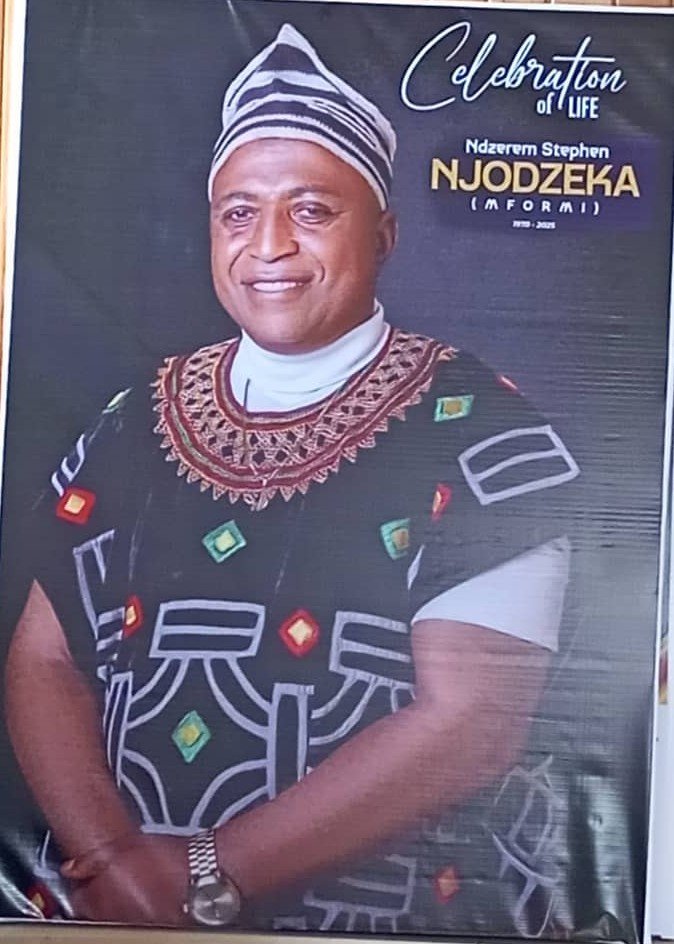
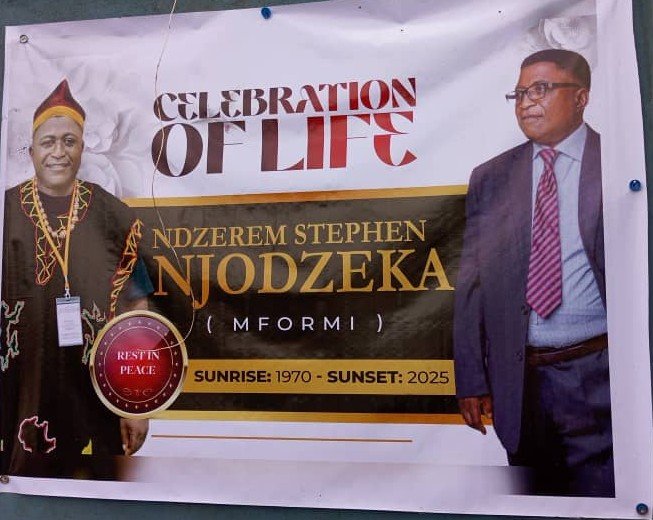
Our family has lost a great civil society leader, mentor and role model. SHUMAS director Mforme Ndzerem Atephen Njodzeka was a member of this group and guided its functionality. He made little noise but did more in actions. He did much in community development and moreover mentored and coached many who now lead their own NGOs non governmental organisations. We thank you for being an exemplary mentor and our hearts bleed with your premature departure. To make you proud , we pledge to continue your humanitarian and environmental work and to assist the most disadvantaged in society. We pray you rest in peace and send condolences to your family.
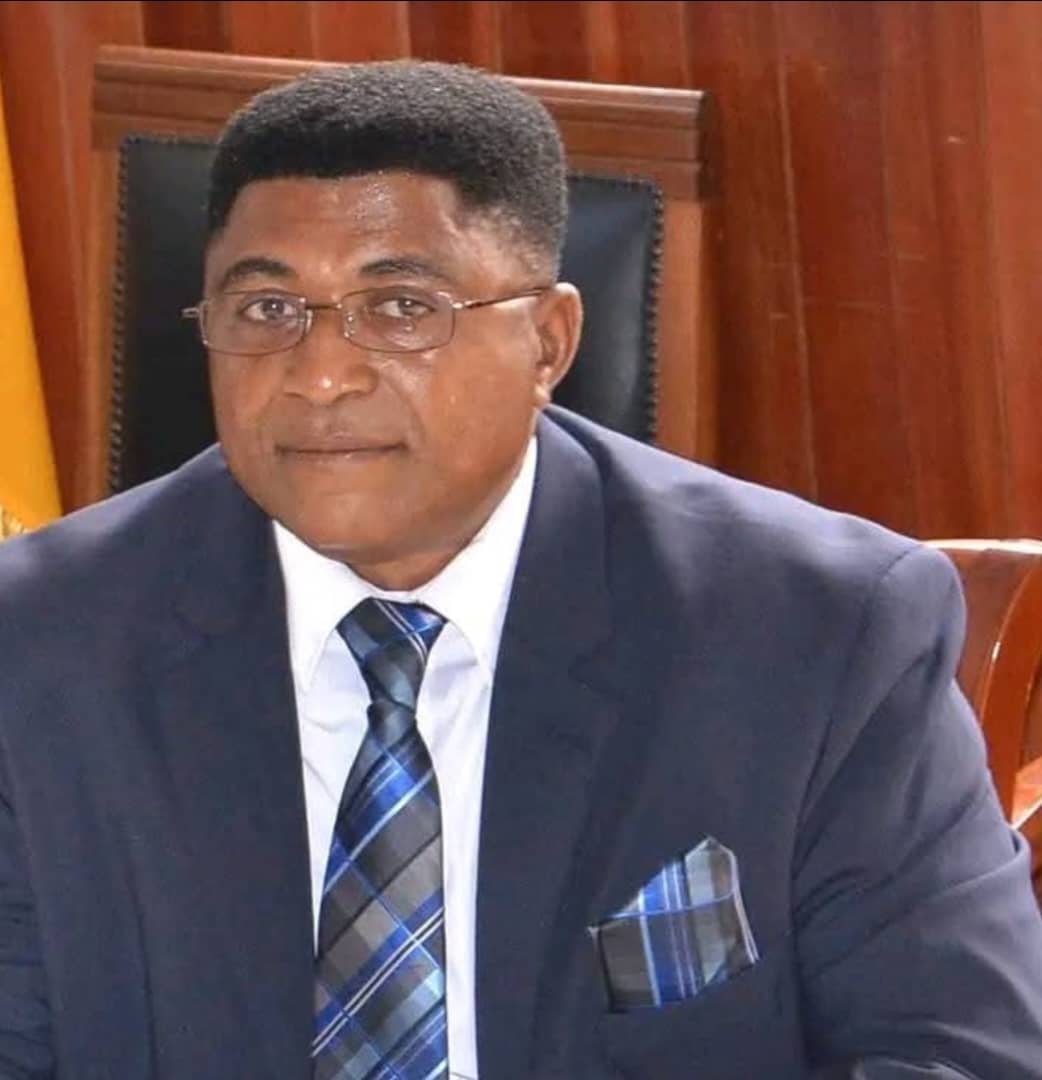
12 April 2025 we will be seeing off our Hero, Mentor, Model and Father that death took away from us in January 2025. This is Mforme Ndzerem Stephen Njodzeka who was Director of SHUMAS. He was one of us in this family here. His impact to humanity speaks loud and his forging spirit is what CSO leaders can hold as legacy to keep moving. Our condolence to his family. Go Well Our Hero to join the Great People of Our Community. We love you our Hero.
Emergency response provided by FIOH to disastrous fire
How did FIOH respond to disaster relief, fire in Sierra Leone with our network partner Youth Leading the World.
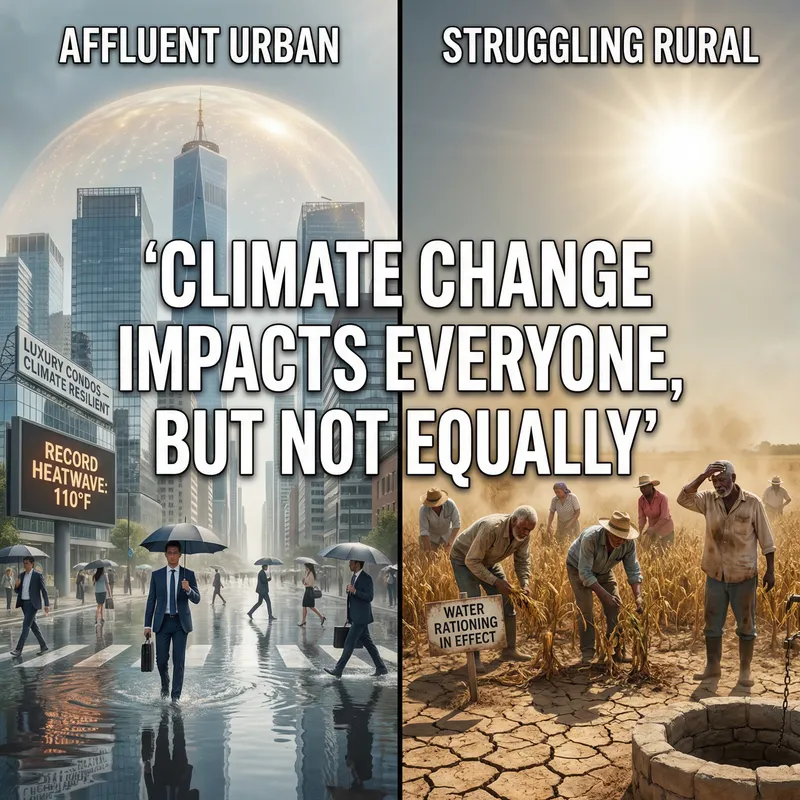
The unreported world as climate induced extreme dry season has devastating impact
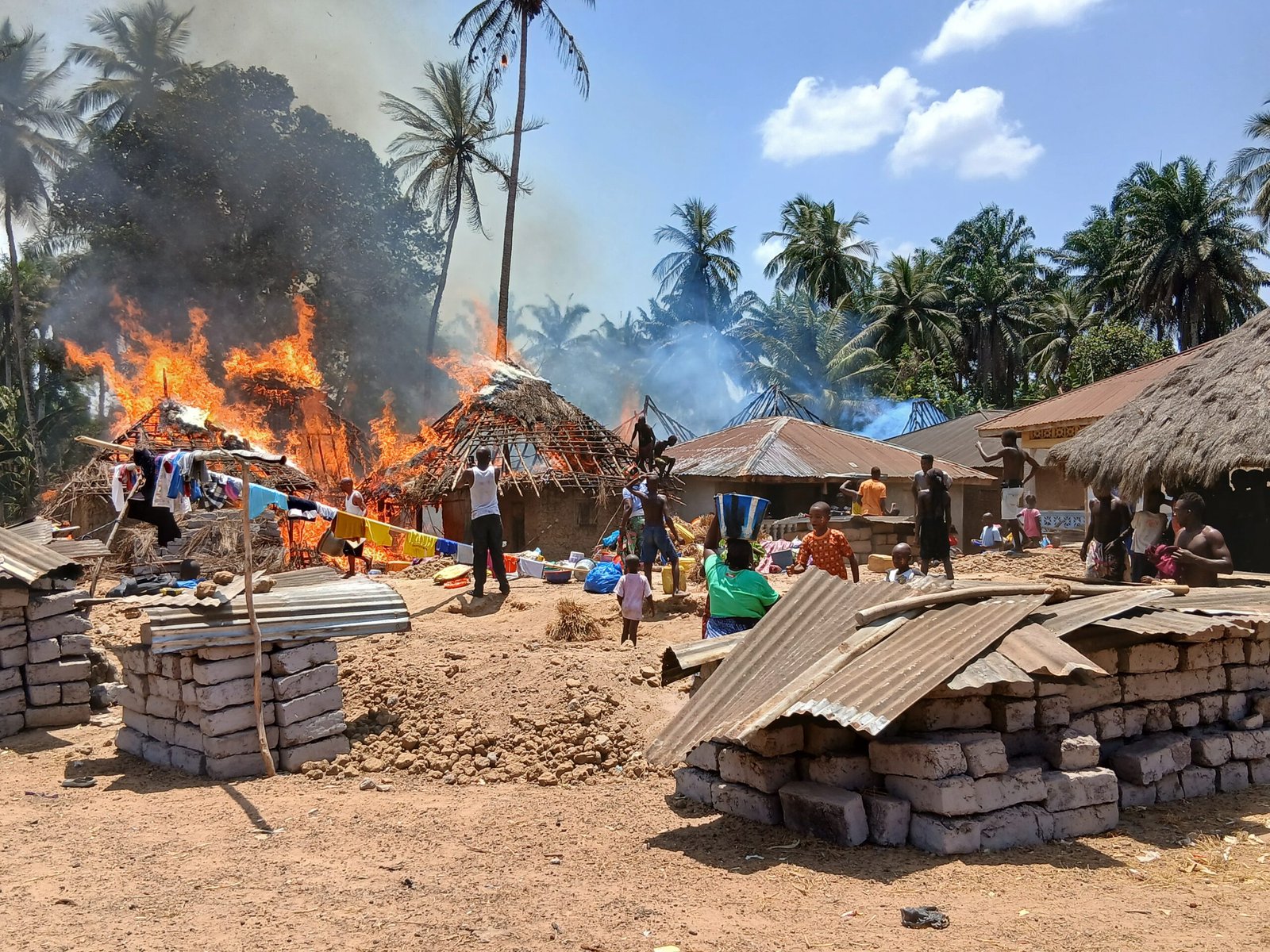
I am writing to you today with a very heavy heart. Today, I went to our mother’s village, and what I witnessed there has left me in tears. We all know how harsh the dry season can be, with the sun beating down and the heat becoming almost unbearable—but today, that heat turned into a nightmare.
As we were gathered for a settlement meeting between two villages, the peace was suddenly shattered. We heard shouting and screaming from the back. When we ran toward the noise, the sight was terrible: houses were already being swallowed up by fire.
In the village, our people work so hard. You know how they plant and harvest their rice with such care. They eat what they need and then, with such hope for the future, they store the rest high up in the ceilings of their homes to keep it safe for the months ahead. It is their life savings, their only security.
Today, that security turned to ash.
I stood there and watched as six homes and then a seventh were completely destroyed.
The villagers fought the flames with everything they had, but the fire was too fast. I saw the very rice they had reserved for their children’s meals falling from the burning roofs, blackened and ruined.
Everything—their clothes, their properties, their shelter—is gone.
As I walked through the scene, taking pictures and talking to the families, I couldn’t stop the tears from falling. These people are now homeless and helpless, and the food they counted on to last for months has vanished in a single afternoon.
I am stepping forward as a humanitarian to coordinate help for them. I have documented the damage and the households affected, but the need is far greater than what one person can do alone.
I am pleading with you, on behalf of YLTW SL, that whatever little support you can provide whether it is for food, clothing, or helping them get materials to start rebuilding their roofs would be a blessing beyond measure.
Even the smallest contribution will help a family find their footing again after losing everything.
Please, let us come to their aid in this darkest hour
With love and hope,
Alpha Mohamed Kargbo
Three of the affected extended families
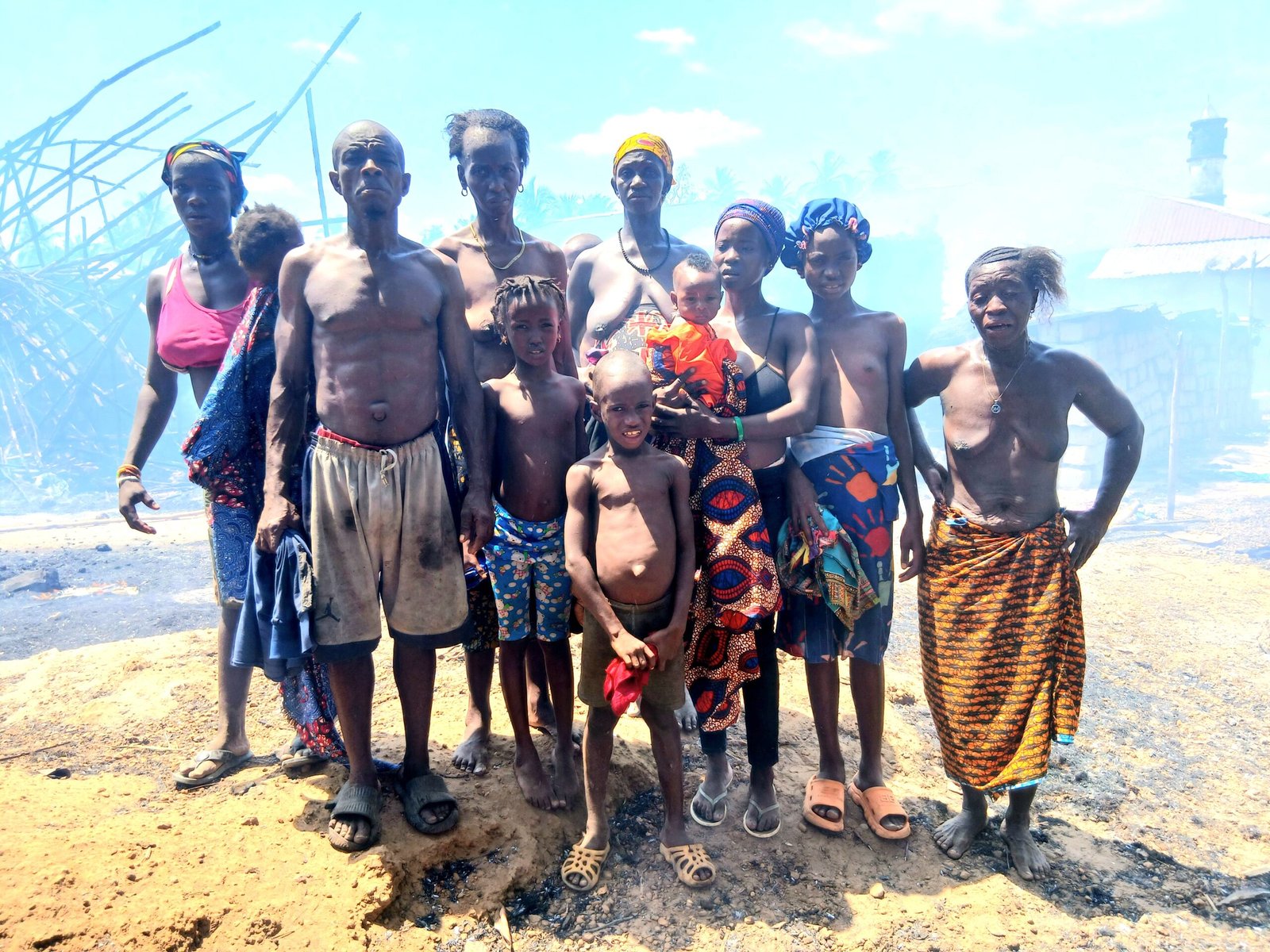
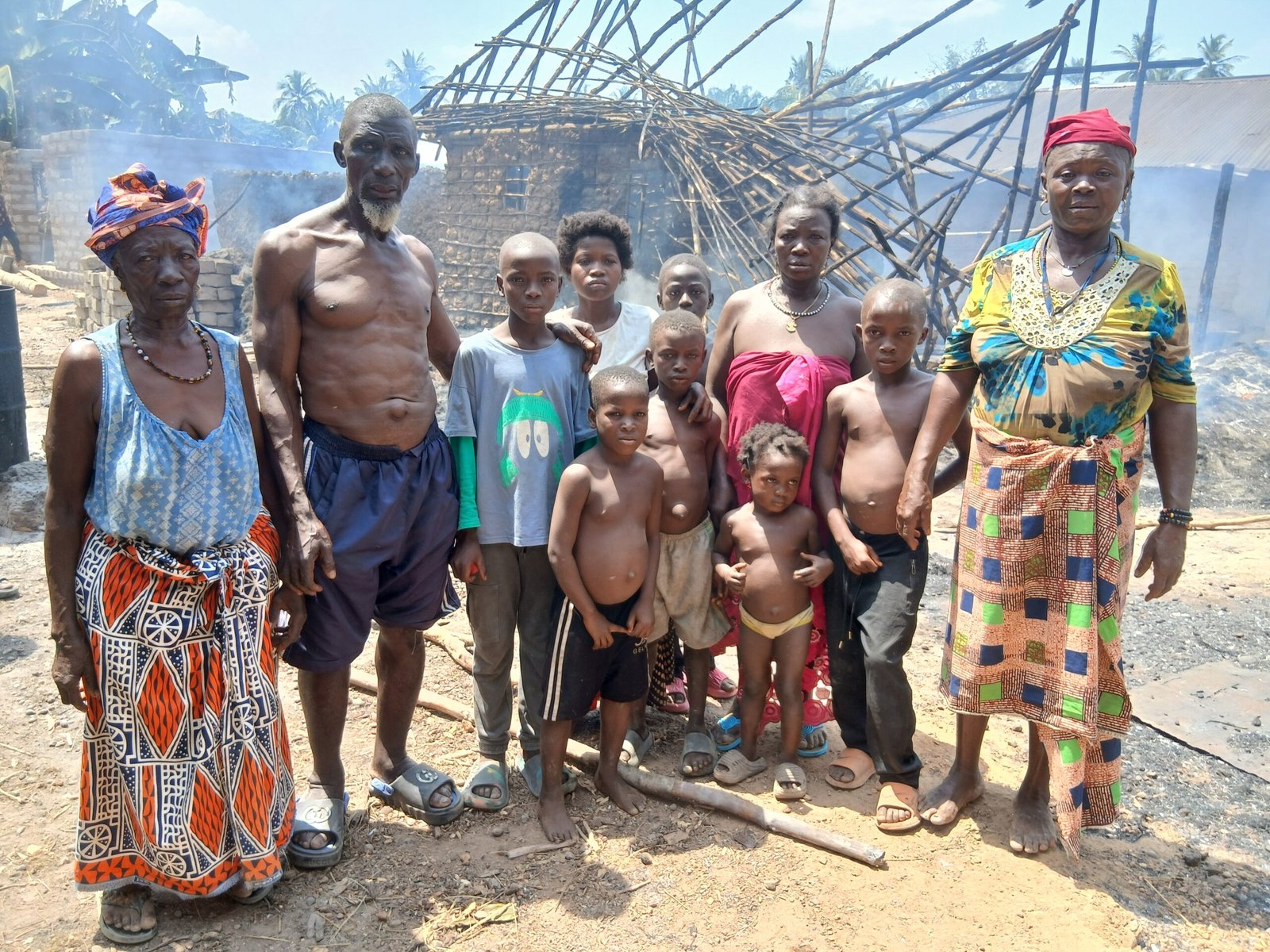
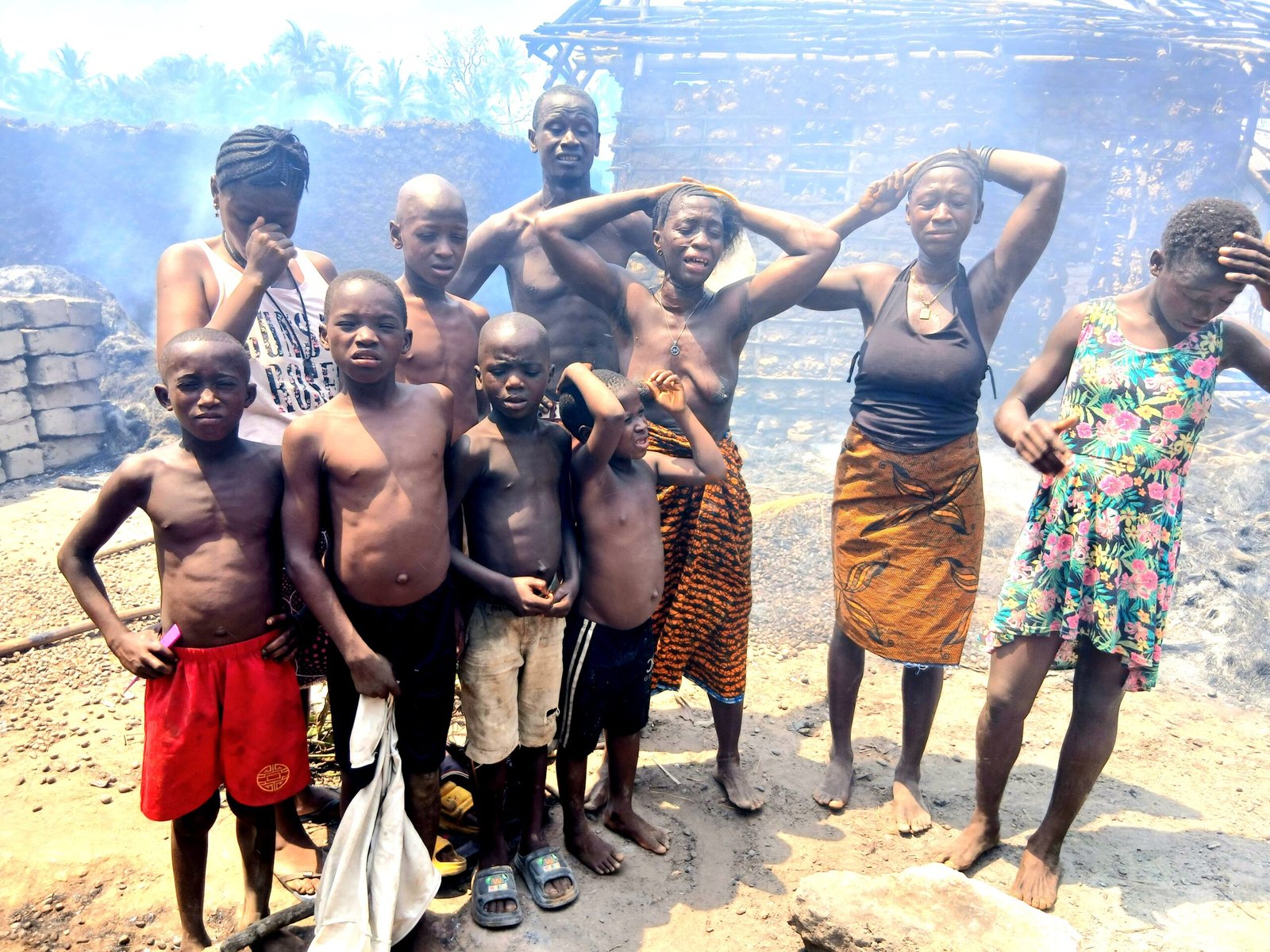
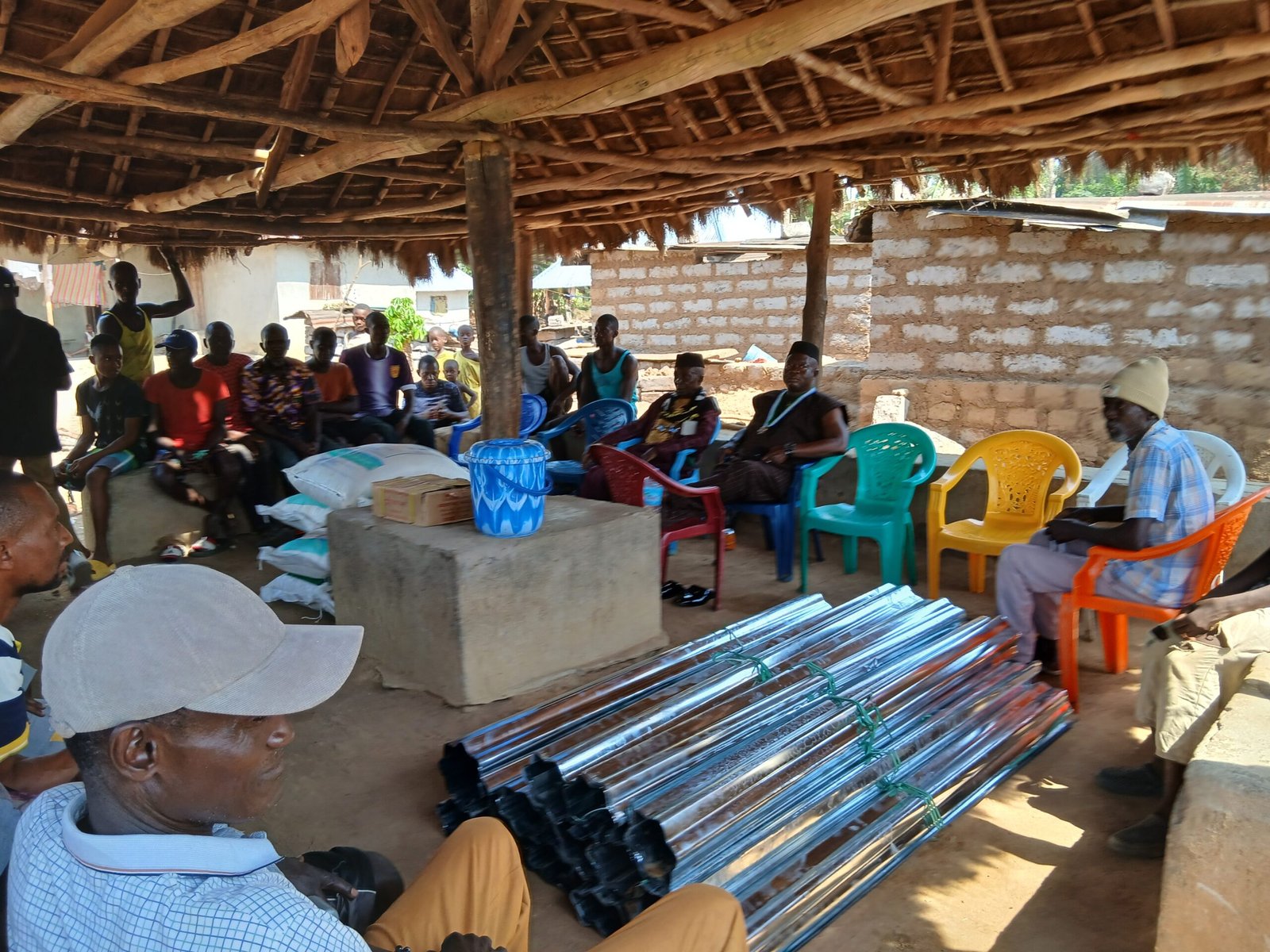
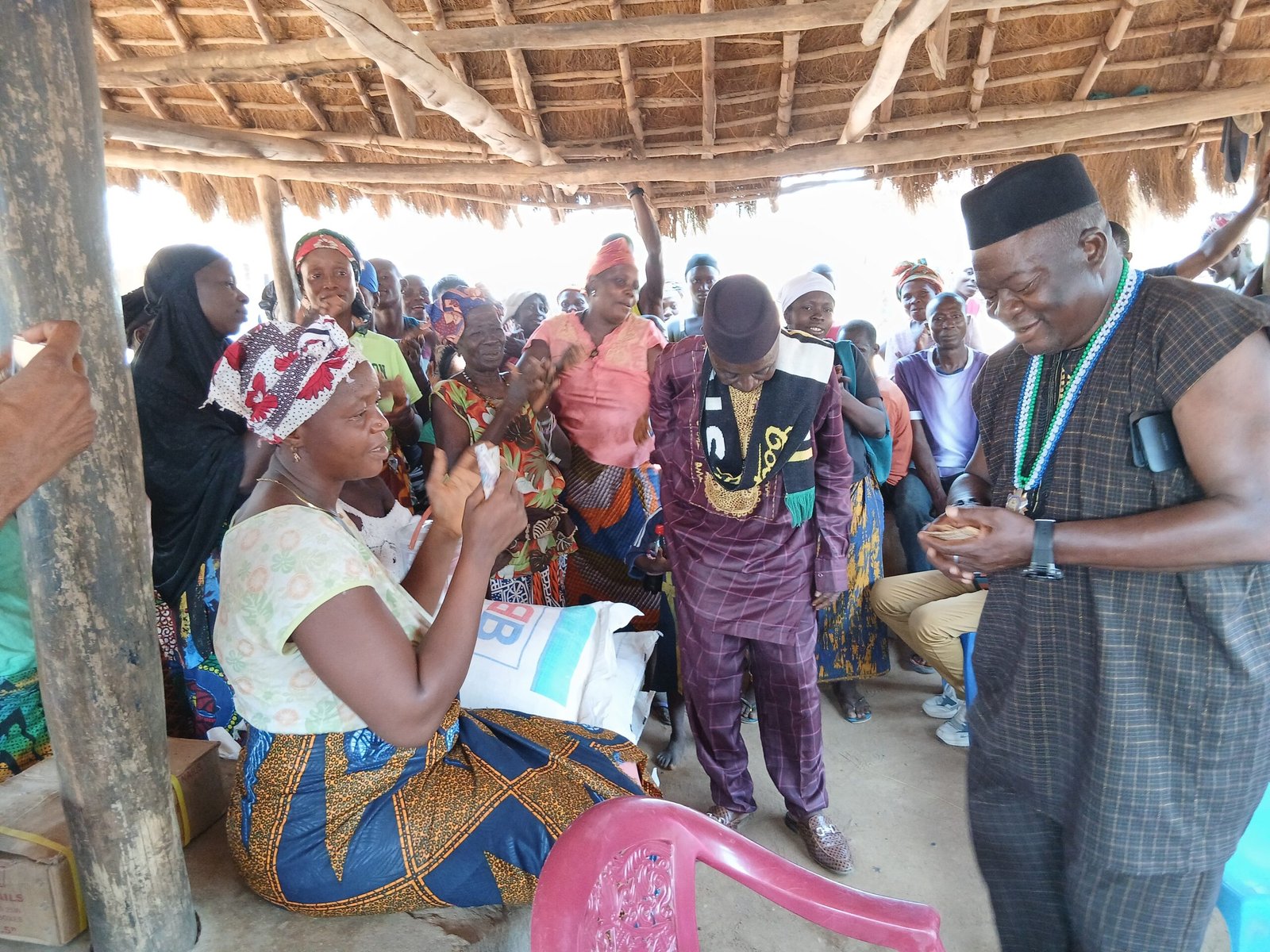
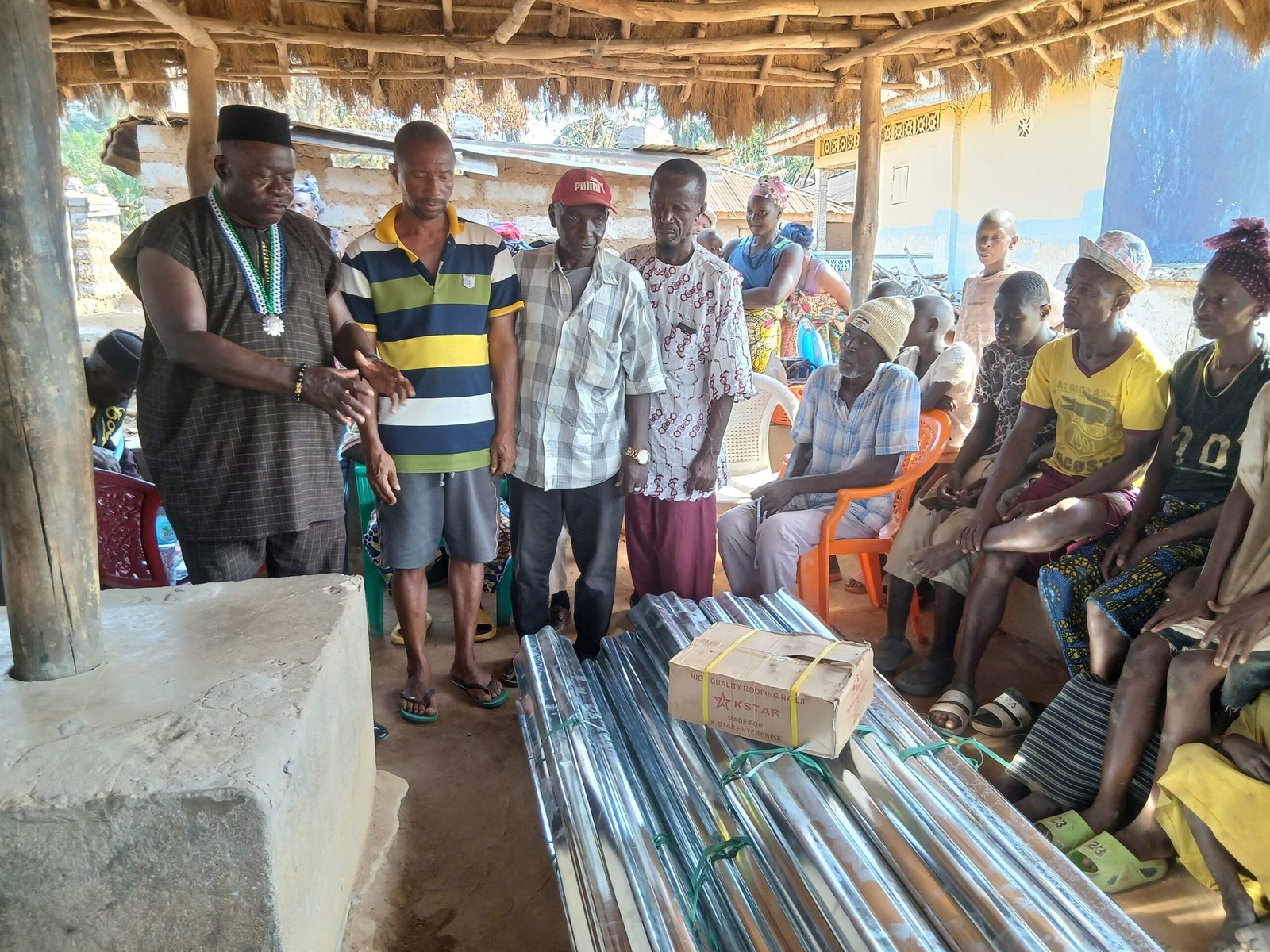
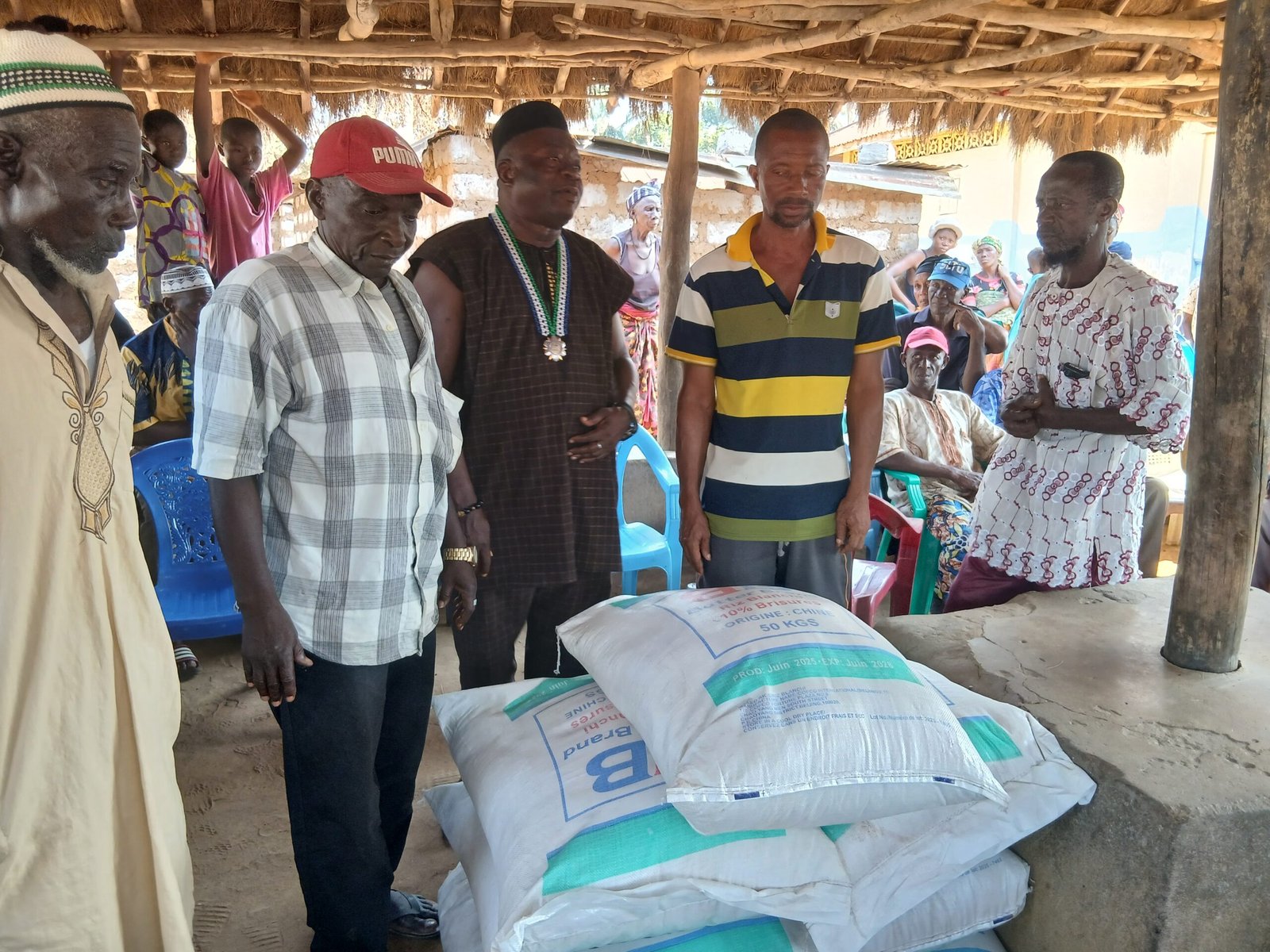
We are pleased to announce that emergency aid was available directly from FIOH through our cooperation with Youth Leading the World in Sierra Leone. Our response was instantaneous, with aid to rebuild the damaged dwellings with more substantial infrastructure and rice to replace what was lost in the fire. The community responded with thanks and celebrations.
Thank you for reading this article, if you would like to support us please Donate. If you would like to read more articles about disaster relief, try this.
Climate Change solution Cap CO2 and Share the income

Philonomics – A Science of Common Sense

Philonomics is a new social science first launched in 2022 at a School in the Tonkolili District of Sierra Leone. The name Philonomics was conceived by a civil engineer, Michael Thomas in 2010.
Philonomics can be launched at anytime, anywhere.
As Michael Thomas writes in the Swindon Advertiser:
I believe most of crises that threaten humanity (not just global warming) are related to economic growth, which is the main cause of the inequality between rich and poor and the unsustainable use of fossil fuels.
Hence I am suggesting the development of a new science which I am calling Philonomics. My suggested definition is:
- The study of the equitable production and fair distribution of goods and services globally in a sustainable manner
- Science relating to the fair and equitable development and regulation of the material and human resources of a community or nation in a manner that does not prejudice human needs in the present nor the ability of future generations to meet their needs
- Science related to international social justice and the ecologically sustainable production and fair distribution of material wealth and knowledge.
The rules of economics that deliver the bulk of the world’s resources to the rich nations of the world, are a crime against humanity as a whole.
Global warming threatens us all and therein lies a seed of hope for a fairer world in which we may all increasingly have to view the natural forces of nature as our greatest enemy.
https://www.swindonadvertiser.co.uk/yoursay/1431721.plenty-of-ways-to-save-energy/
Global warming – the tipping point
The world is now entering a critical era in which a tipping point could arise beyond which human beings will lose the ability to stop runaway global warming.
What are the feedback processes that cause accelerated warming?
First it is necessary to understand that the build up of greenhouse gases can create feedback mechanisms – some with warming and others with cooling – effects. The important point to bear in mind is that the warming effects outweigh the cooling ones. As the quantity of greenhouse gases builds up in the atmosphere this causes effects that increase the warming. The warming itself causes effects which increasethe warming still further. The main effects are summarised below:
Rising CO2 will cause acidification in the oceans killing
plankton which sequesters carbon dioxide thus increasing CO2
concentration in the atmosphere.
Vast stores of methane (a greenhouse gas 24 times more potent than CO2) are trapped or ‘frozen’ in crystal lattice form in sea bed deposits. Rising temperatures in the oceans would release methane into the atmosphere. Methane will gradually break down into CO2 and water vapour, but CO2 has an atmospheric life measured in centuries or even millennia.
Methane is also trapped in large expanses of frozen tundra and this would be released with thawing.
As temperatures rise, the concentration of water vapour in the atmosphere rises. Water vapour is itself a very powerful
greenhouse gas. So this is also a strong and rapid feedback
process.
Increased water vapour would also cause cloud formations that have both warming and cooling effects, the overall impact of
which is uncertain. However, warmer cloud systems would
increase the energy and impact of storm events.
The effect of melting ice would be to replace a white shiny
surface which reflects heat back into space with a dark surface
absorbing heat.
Human activities, including deforestation, present farming practices which break down soil carbon and convert it to CO2 and involve large amounts of fossil fuels, industrial processes and transport using fossil fuels, have already raised the carbon dioxide concentration in the atmosphere above the level which scientists believe will cause catastrophic climate changes. This is above the level that would make a 2˚C temperature rise causing such changes, inevitable. The recorded level of CO2e (carbon dioxide equivalent) in 2006 has been measured at 420 ppm and the rate of accumulation (now at 2 ppm per year) is
accelerating. Hence the feedback dynamics outlined above indicate that not only is it an urgent necessity to stop the use of fossil fuels, but also to adopt measures that would remove CO2 from the atmosphere.

Reducing personal carbon emissions

The figures shown below give an approximation of what average reductions in energy (and hence carbon emissions) might result from UK individuals by taking the following actions:
20 kWh/day – Put on a wooly jumper and turn down your heatings thermostat (to 15 or 17 deg C say). Make sure the heating is off when noone is in the house.
35 kWh/day – Stop flying
20 kWh/day – Drive less. Drive more slowly, drive more gently, car pool, join a car club, walk, use trains and buses. Use an electric car.
4 kWh/day – Change lights to fluorescent or LED
20 kWh/day – Dont buy clutter. Avoid packaging.
10 kWh/day – Eat vegetarian six days out of ten.
5 kWh/day – Eliminate draughts.
10 kWh/day – Double glazing.
10 kWh/day – Improve wall, roof and floor insulation.
8 kWh/day – Solar hot water panels.
5 kWh/day – Photovoltaic panels.
10 kWh/day – Replace fossil fuel heating by ground-source or air-source heat pumps.
The figures above illustrate the importance of reducing travel by car and plane.
Reducing carbon emissions
Each year the devastating effects of droughts, flooding, rising sea levels and cyclones are increasing. There is a growing consensus amoung scientists that these severe climate changes are attributable mainly to human created carbon emmissions. The human abilty to reduce these trends appears to be diminishing with each passing year and economic cost of adapting to climate change compounds the the suffering of the world’s poorest people. How can we respond?
The following book by Michael Thomas (shown here as a pdf document) contains many practical ideas, from the international to the local personal level, for reducing carbon emmissions. He also provides a perspective on the many injustices and negative environmental impacts of global systems of trade and finance.
The book includes some accounts of the author’s own experiences monitoring the overseas projects funded by the two development charities he helped to establish.
The book has 320 pages and is arranged in 10 chapters with a comprehensive bibliography.
Global monetary reform
 Global Monetary Reform
FUTURE WORLD presents a range of proposals and models which reflect the twin goals of international social justice and sustainability and offer alternatives to those based on economic growth and globalisation.
The Foundation for the Economics of Sustainability (FEASTA) believes that the present world and monetary system is so gravely dysfunctional that it makes the achievement of sustainability impossible. We have three main reasons for this belief:
- The earth is finite, and as all economic growth requires some use of the Earth’s resources, perpetual growth is not compatible with sustainability.
Unfortunately, most of the money used around the world is created on the basis of debt and ceases to exist if that debt is repaid. This means that if the world economy is not to collapse because a lot of the money required to make trading possible has disappeared, it needs to grow continually by enough to ensure that investors can always find attractive opportunities and consequently always borrow more than they repay. In other words, as things stand, the money system is always in direct conflict with social and environmental limits and has to take precedence over them. - National and multinational currencies created by some of the wealthiest countries in the world are used as if they were world currencies.
The countries issuing the pseudo-world currencies gain enormous power and advantages at the expense of the rest of the world. - Individual governments cannot afford to take account of whether the growth required to stop the global system from collapsing is socially or environmentally sustainable because current account money flows are lumped together when the market determines their currencies’ exchange rates.
This gives the owners of mobile capital an excessive amount of power over exchange rates and hence over governments. It also creates instability by allowing speculative financial flows to destabilise the ‘real’ economies of the countries concerned.
The proposals for reforming the world’s financial architecture that we saw in the run up to the World Summit on Sustainable Development only dealt with the symptoms of these problems, rather than their root causes. Accordingly we present our proposals for changes at the Global, National and Sub-National levels in the hope that they will influence the debate. The proposals should be considered as a package. However, the three National and Sub-National level proposals could be adopted by countries in the absence of change at the international level.
Our seven proposals are:
Global
1. A genuine world currency should be established.
2. This new world currency should be issued by being given into circulation rather than lent.
3. The initial distribution of the new currency should be on the basis of population rather than economic power.
4. Over the years, the supply of the new currency should be limited in a way which ensures that the overall volume of world trade is compatible with whatever is considered to be the most crucial area of global sustainability.
National
5. Each country or monetary union should operate two currencies, one for normal commercial exchanges, the other for savings and capital transfers. Each of these currencies would have its own floating exchange rate with the new international currency, and hence a variable exchange rate with the other.
6. The new national exchange currencies would be spent into circulation by their governments rather than being created through the banking system on the basis of debt.
Local
7. The establishment of regional (i.e. sub-national) and local exchange currencies should be encouraged.
The detailed arguments in support of these proposals are not presented here. Brian Davey, author of “Credo – Economic beliefs in a world in crisis” presents a detailed critique of the dysfunctional nature of economics and present global system of wealth creation and distribution. He is also skeptical about the chances of influencing policy-makers to make any meaningful reforms to the present economic system, despite the urgency of the challenges presented by climate change:
“In regard to climate policy (or its absence) the situation has also changed dramatically for the worse because nothing remotely adequate has been done – so that to have a realistic chance of preventing dangerous climate change would now require spectacularly rapid rates of decarbonisation – so fast that I for one think they could occur only in conditions of involuntary economic collapse.
The problem that I have is trying to envisage a situation where a small band of thinkers like those in Feasta have the remotest chance of being heard and our ideas and designs for a better world taken seriously and acted upon. I do think we can do things that make a difference. We can perhaps influence students and young people setting out on their journey in life. In the long term projects that improve the lives of poor people especially can provide a model of a better world and citizens action – but designs for the international monetary order written up for politicians, officials and policy wonks get ignored I fear. The world keeps changing and moving on quickly – and often getting worse.
I see my role as preparing the next generations for the ideas about the limits to growth…and what can be done in small local projects, perhaps networked together”.

A simple water tank in a desert region
A simple water tank in a desert region
 One of the main problems of the Thar Desert Region of southern Pakistan is a lack of a regular water supply. Poor women walk long distances to collect water, which is usually brackish, from deep borewells. Other problems are the shortage of fuelwood and the smoke created by cooking on open fires. The water problem can be alleviated to a large extent by providing families with a 2.4 m deep ‘urn-shaped’ tank below ground level with a capacity of 3,000 litres (nearly 700 gals). These will catch the monsoon rains and usually provide enough drinking water for families during six months of the dry season.
The internal shape of the tank enables it to be constructed using a very thin lining of cement /sand mortar.
How the tanks are constructed:
An urn-shaped hole is hand excavated to a depth of
2.4 m .
The faces of the hole are plastered with cement and water and then lined with a one and a half inch thickness of 1:4 cement/sand mortar.
After 12 hours the hole is filled with sand to enable slow curing. The sand iis then built up above the surface to form a turret.
The turret is plastered with a 75 mm thickness of mortar.
A 75 mm thick slab is formed around the tank to collect monsoon rainwater. (A small hole is made in the turret to channel water into the finished cistern).
The fill material is kept moist for 5 days and then removed
after 7 days.
Tank catchment 21 sq m
Storage capacity 3,000 litres
Costs in 2004:
Materials cost £12
Labour cost £7
Total cost £19
Follow us on Facebook:
www.facebook.com/fiohfund
Follow us on Twitter:
twitter.com/fiohnet
Please share our links with your friends to help us reach a wider audience.