
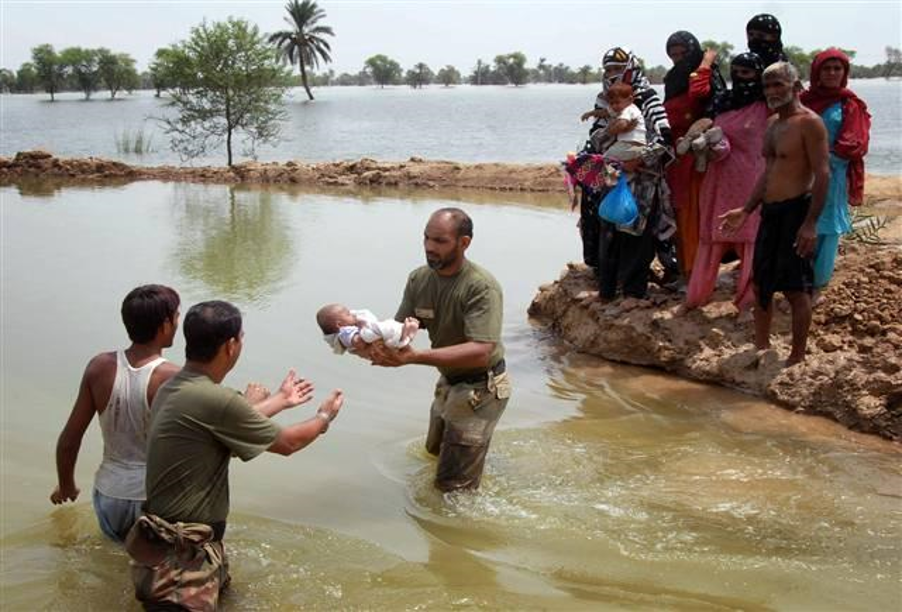
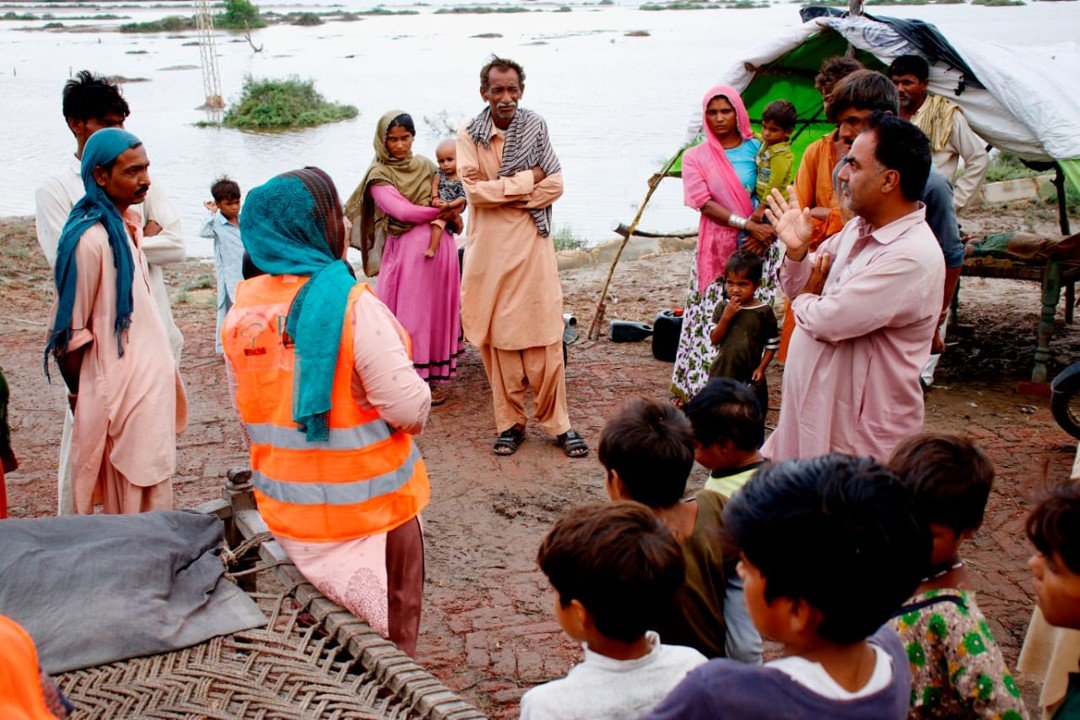
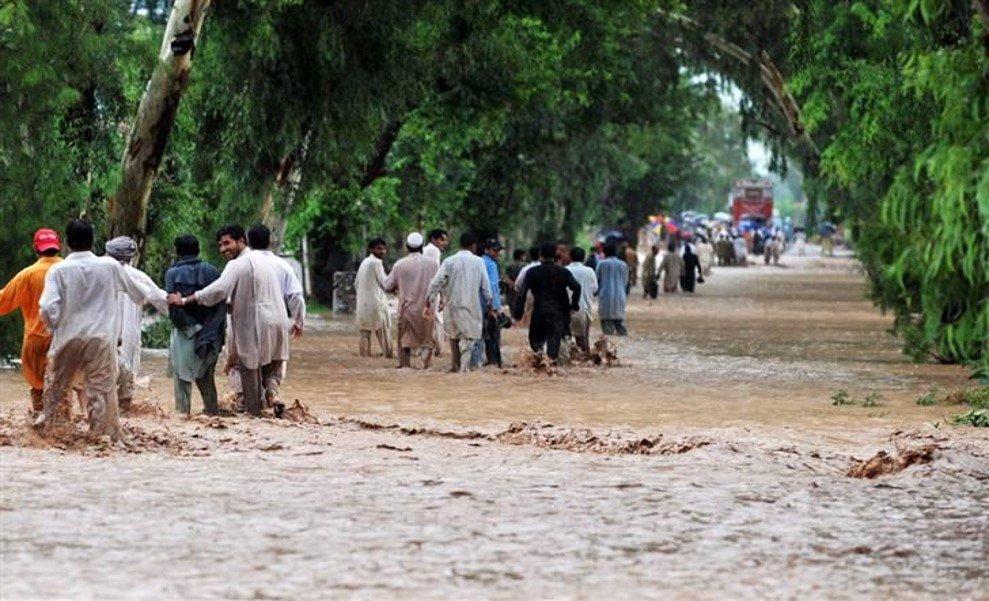
Disaster Relief – Inundation of Sindh province 2022
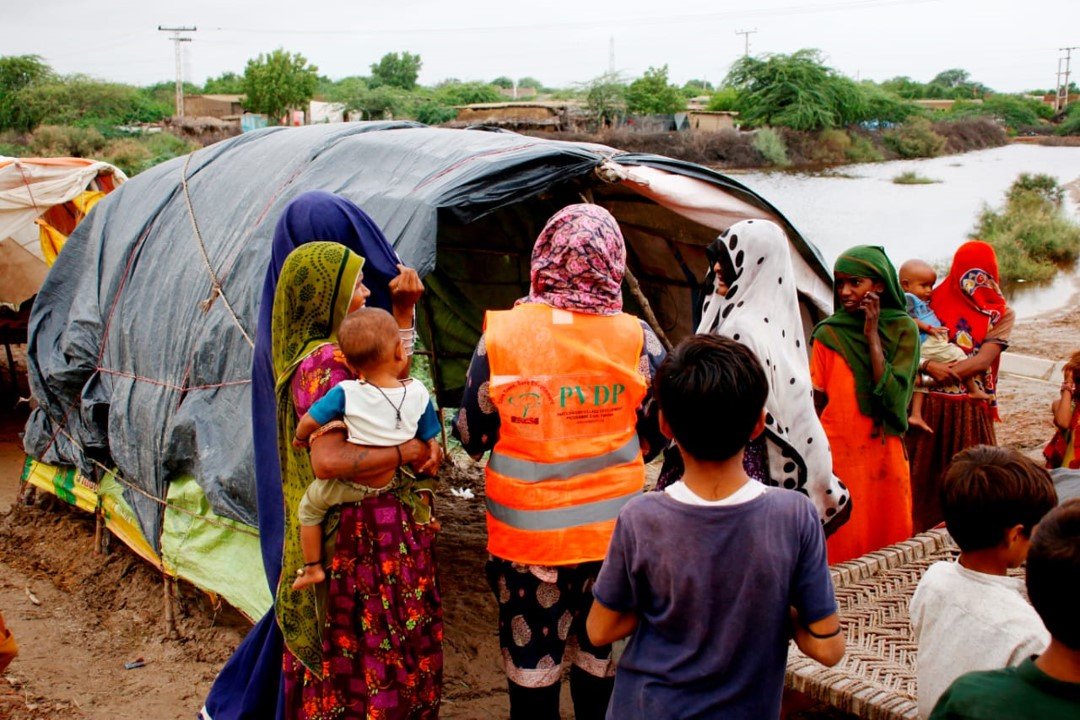
Sindh Province, Pakistan and the aid provided by PVDP with our support for disaster relief.
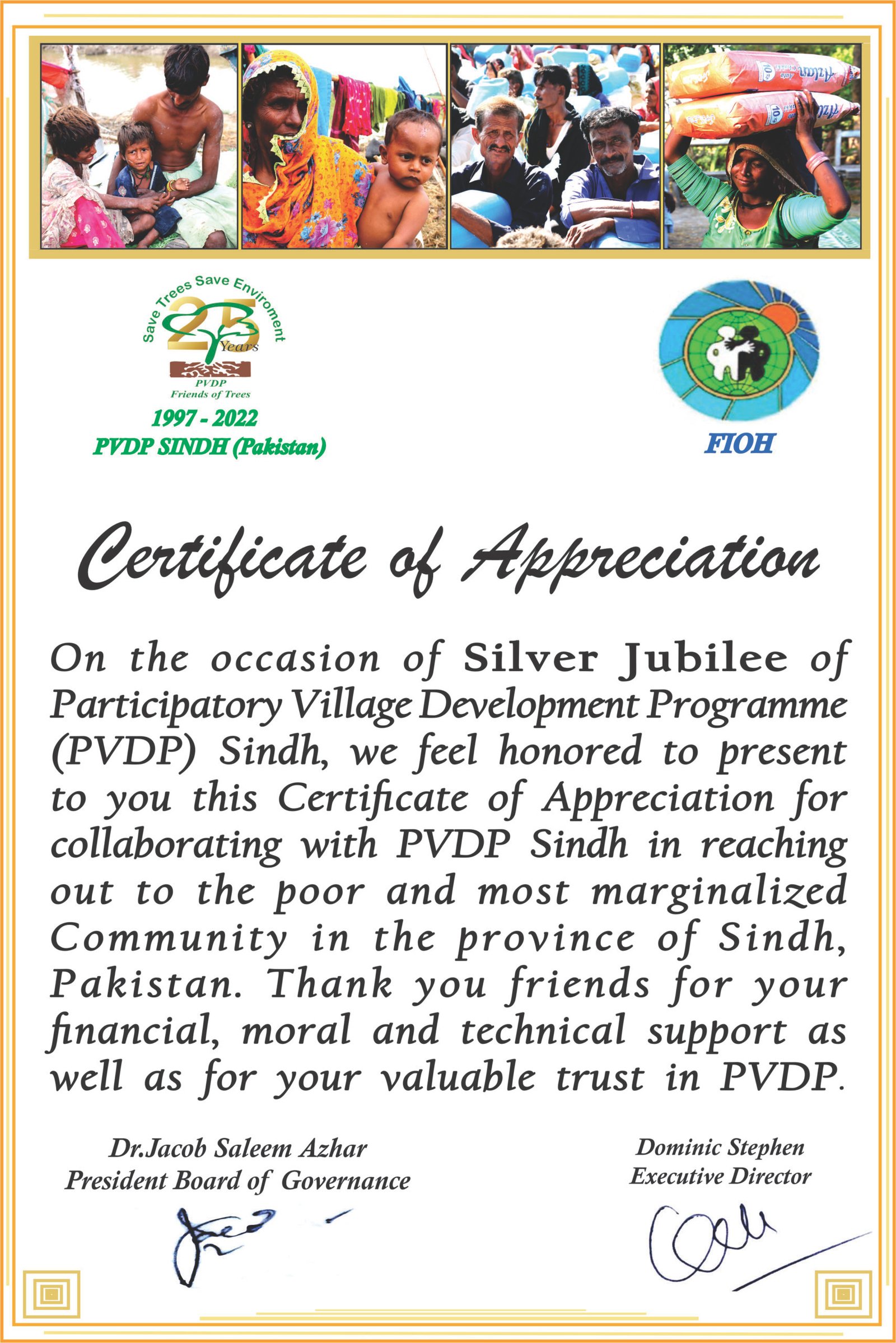
Introduction of PVDP
Participatory Village Development Programme (PVDP) established in 1997. PVDP was registered
on 15th June 1998 under the Societies Registration Act 1860 with Registration Number 3830. The
organization was formed with a mission to support the poor and disadvantaged communities in
improving the qualities of their lives, through encouraging people to organize and mobilize
themselves for holistic social change.
Pakistan Flood situation analysis 2022
SINDH FLOODS 2022-OVERVIEW
- According to flood extent mapping using Sentinel-1 satellite images acquired during
22–28 August, over 18% of Sindh’s total area was directly inundated. - In the summer (KHARIF) season, most of the area in Sindh is cultivated under three commercial crops: rice, cotton, and sugarcane. The flood inundation is highest in the rice crop zone, which has resulted in an
overall estimated loss of 1.8 million tons of rice, or an 80% loss of the expected total rice production in Sindh
In economic terms, rice, cotton, and sugarcane together faced a direct loss of USD 1.30
billion (rice: USD 543 million, cotton: USD 485 million, and sugarcane: USD 273 million).
- As per estimates, floods killed 42,174 livestock, causing USD 13 million loss.
- Overall, the province faced a combined loss of USD 1.7 billion in rice, cotton, sugarcane, tomato, onion, chili, and livestock.
- Economic losses in agriculture are much beyond the estimated direct losses to crop production and livestock.
Summary of findings and recommendations
The key findings are compiled in to key humanitarian needs sectors thus:
Food Security, Agriculture and Livestock – Needs
- Food or Cash/Voucher Assistance (CVA) to reduce food consumption gaps, supporting
the most affected and food insecure population while restoring livelihoods and resilience. - Construction/rehabilitation of animal shelters and irrigation infrastructure and
equipment. - Protection of remaining livestock through provision of feed and vaccinations.
- Provision of seeds to restart vegetable crops and support for long-term restoration of
orchards.
Health – Needs - Provision of essential medicine, tents, blankets, medical equipment, face masks, hand
sanitizers and mosquito nets. - Strengthening disease surveillance in flood-affected districts and mitigating the outbreak
and spread of diseases. - Monitoring the health of the affected population.
- Provision of medicines and other medical supplies.
- Targeted repairs of health facilities.
- Support for integrated outreach activities such as medical practitioners, lady health
visitors, medicines and transport.
Protection – Needs - Psychosocial support for the affected population.
- Dignity Kits and other non-food items (NFI) for vulnerable households.
- Scaling up assessments to identify people who may have lost civil documentation.
Water, Sanitation and Hygiene (WASH) – Needs - Emergency Latrines
- Water Purification Tablets
- Bio sand Nadi water filters.
- Hygiene Kits
- Water Tanks
Shelter and Non-Food Items (S/NFI) – Needs
Shelter items including tents, tarpaulins, blankets, mattresses and mosquito nets are needed to
support displaced
Emergency response provided by FIOH to disastrous fire
How did FIOH respond to disaster relief, fire in Sierra Leone with our network partner Youth Leading the World.
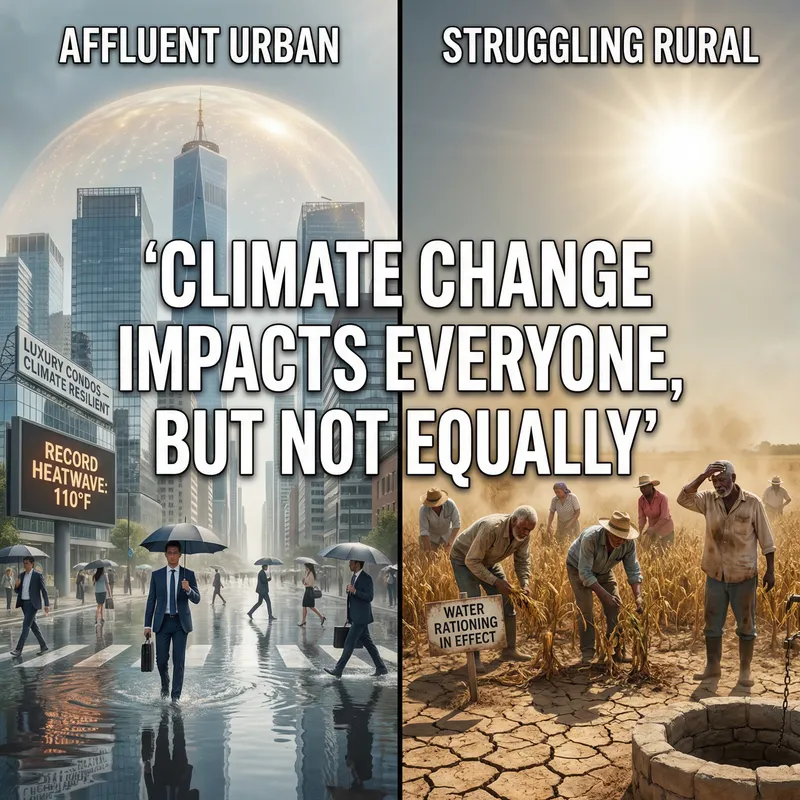
The unreported world as climate induced extreme dry season has devastating impact
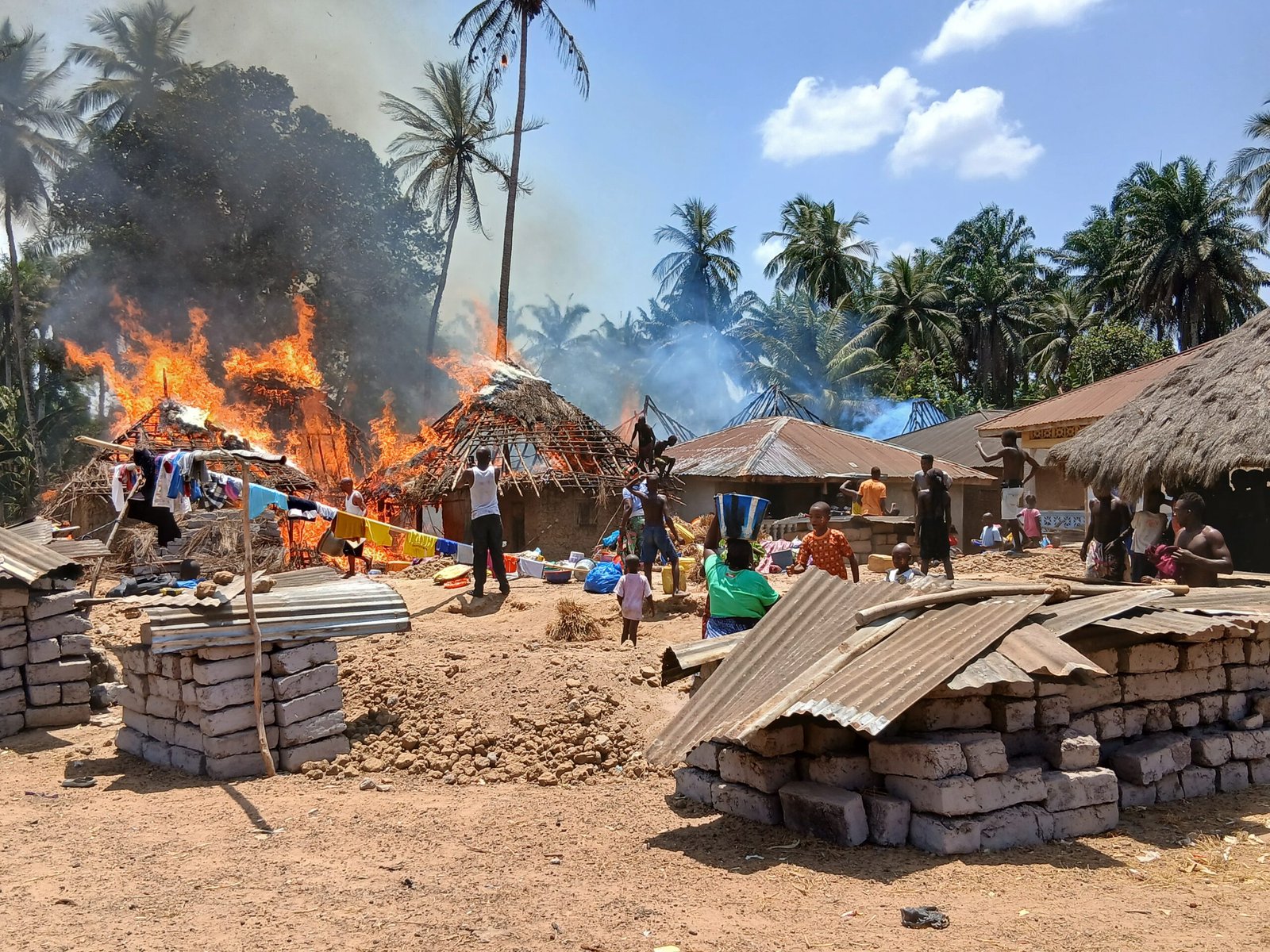
I am writing to you today with a very heavy heart. Today, I went to our mother’s village, and what I witnessed there has left me in tears. We all know how harsh the dry season can be, with the sun beating down and the heat becoming almost unbearable—but today, that heat turned into a nightmare.
As we were gathered for a settlement meeting between two villages, the peace was suddenly shattered. We heard shouting and screaming from the back. When we ran toward the noise, the sight was terrible: houses were already being swallowed up by fire.
In the village, our people work so hard. You know how they plant and harvest their rice with such care. They eat what they need and then, with such hope for the future, they store the rest high up in the ceilings of their homes to keep it safe for the months ahead. It is their life savings, their only security.
Today, that security turned to ash.
I stood there and watched as six homes and then a seventh were completely destroyed.
The villagers fought the flames with everything they had, but the fire was too fast. I saw the very rice they had reserved for their children’s meals falling from the burning roofs, blackened and ruined.
Everything—their clothes, their properties, their shelter—is gone.
As I walked through the scene, taking pictures and talking to the families, I couldn’t stop the tears from falling. These people are now homeless and helpless, and the food they counted on to last for months has vanished in a single afternoon.
I am stepping forward as a humanitarian to coordinate help for them. I have documented the damage and the households affected, but the need is far greater than what one person can do alone.
I am pleading with you, on behalf of YLTW SL, that whatever little support you can provide whether it is for food, clothing, or helping them get materials to start rebuilding their roofs would be a blessing beyond measure.
Even the smallest contribution will help a family find their footing again after losing everything.
Please, let us come to their aid in this darkest hour
With love and hope,
Alpha Mohamed Kargbo
Three of the affected extended families
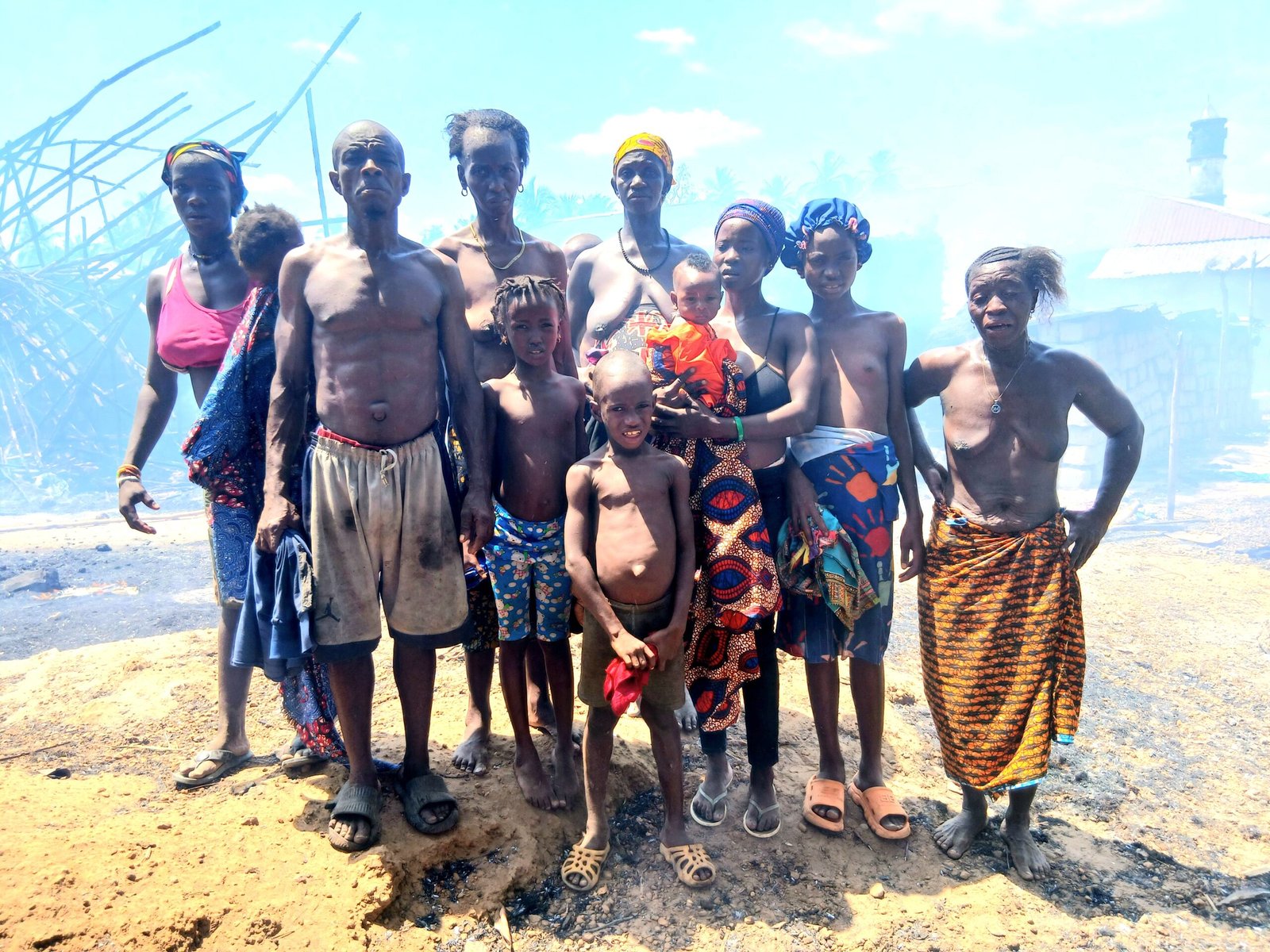
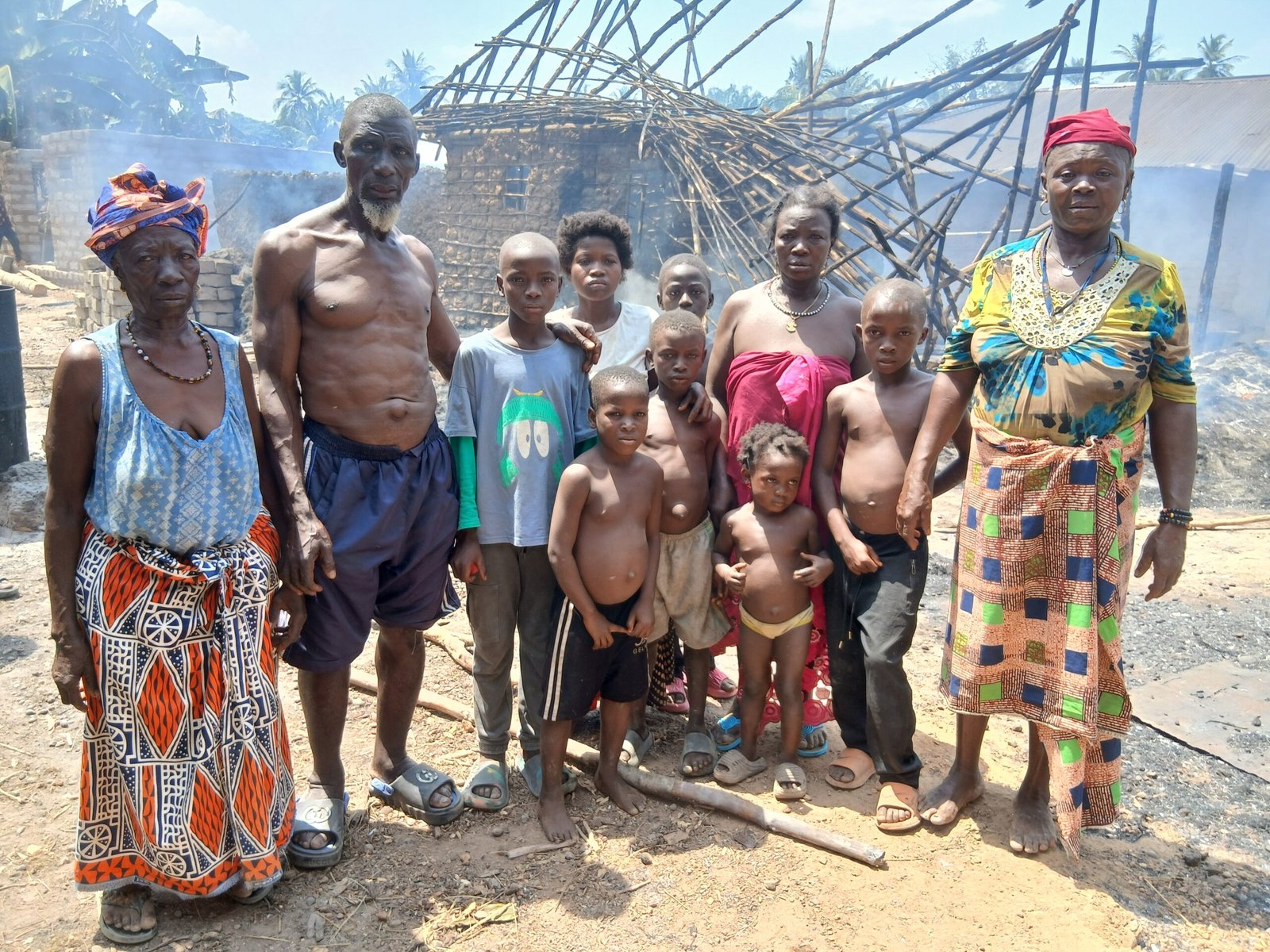
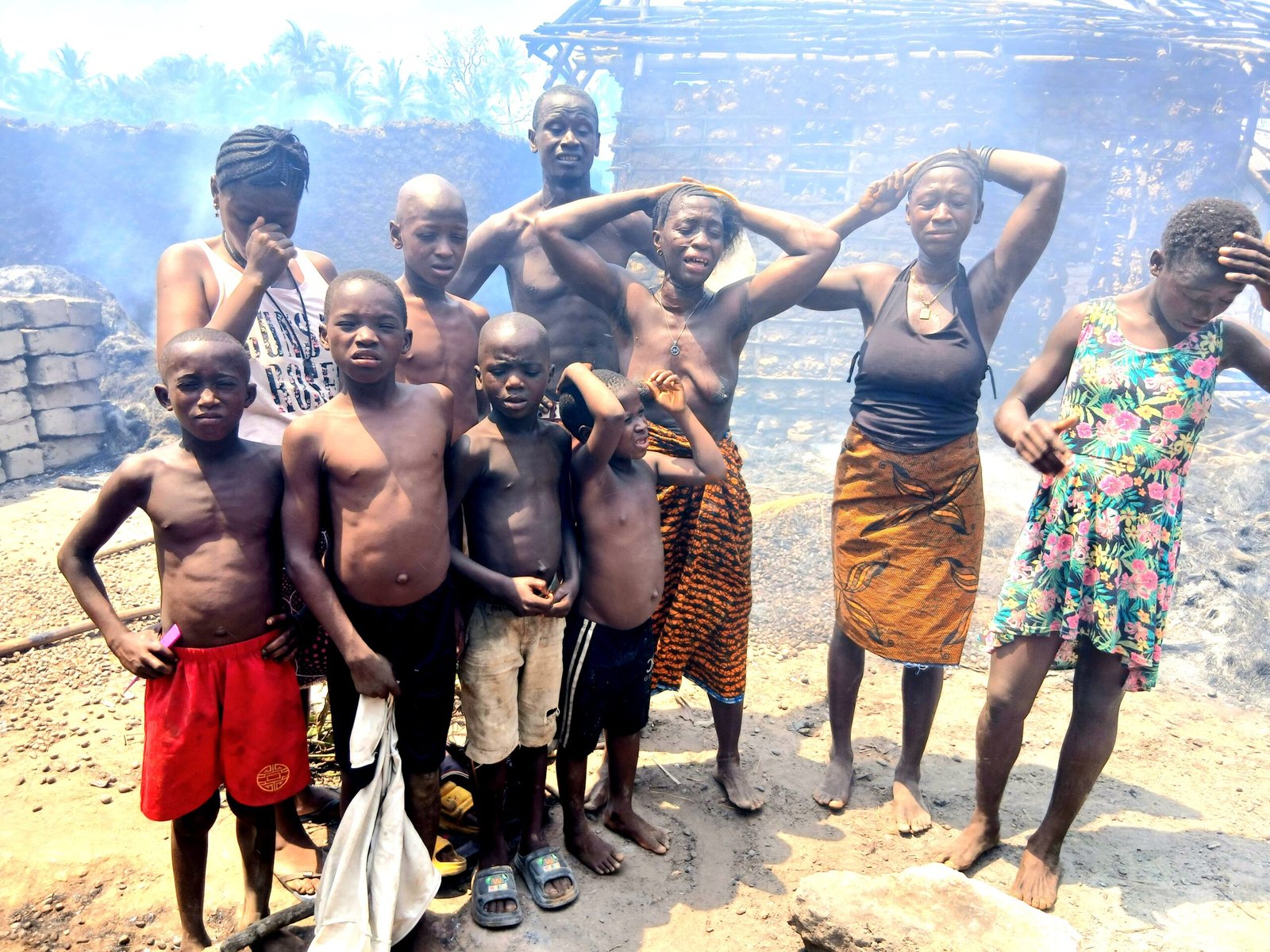
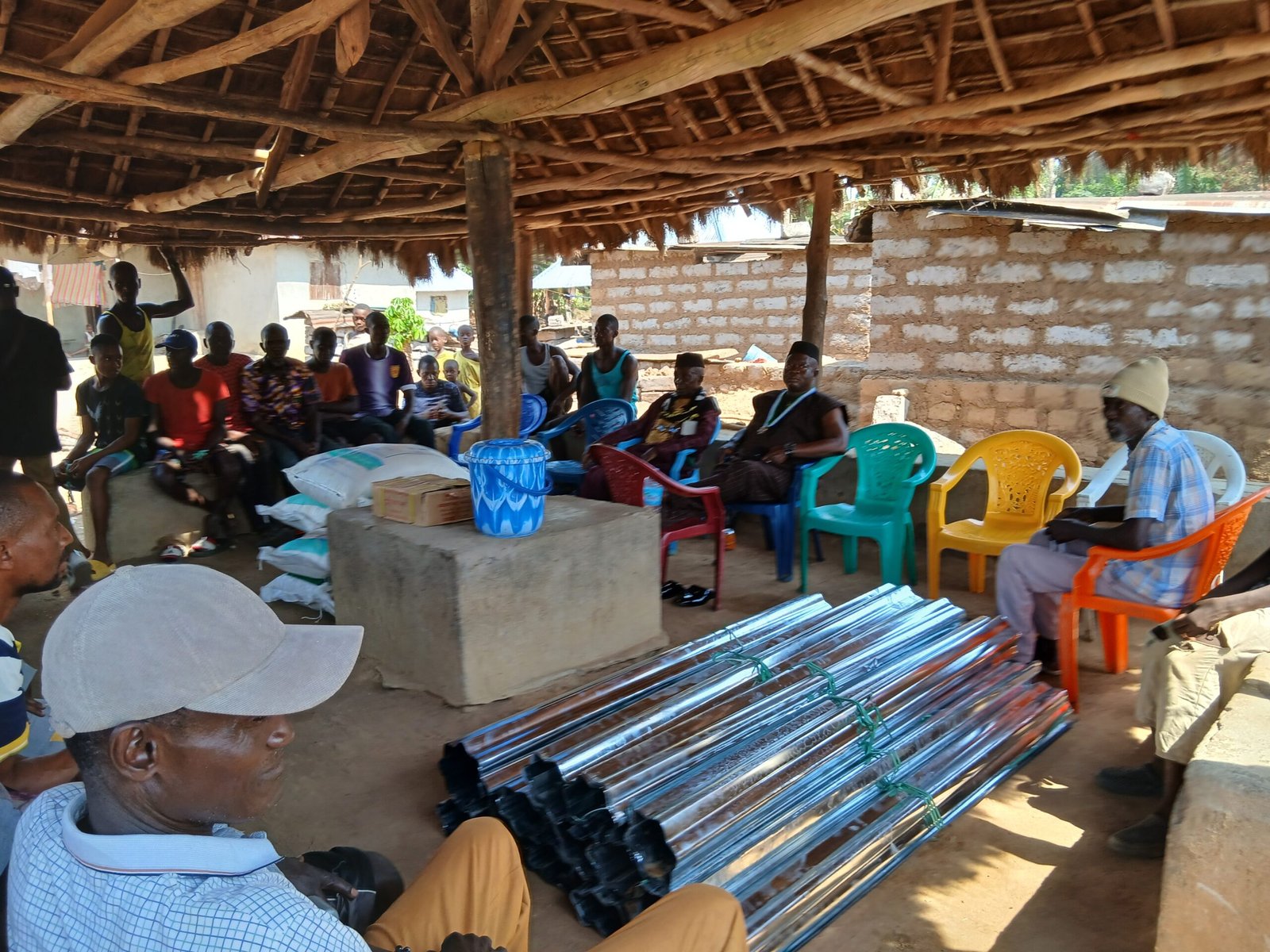
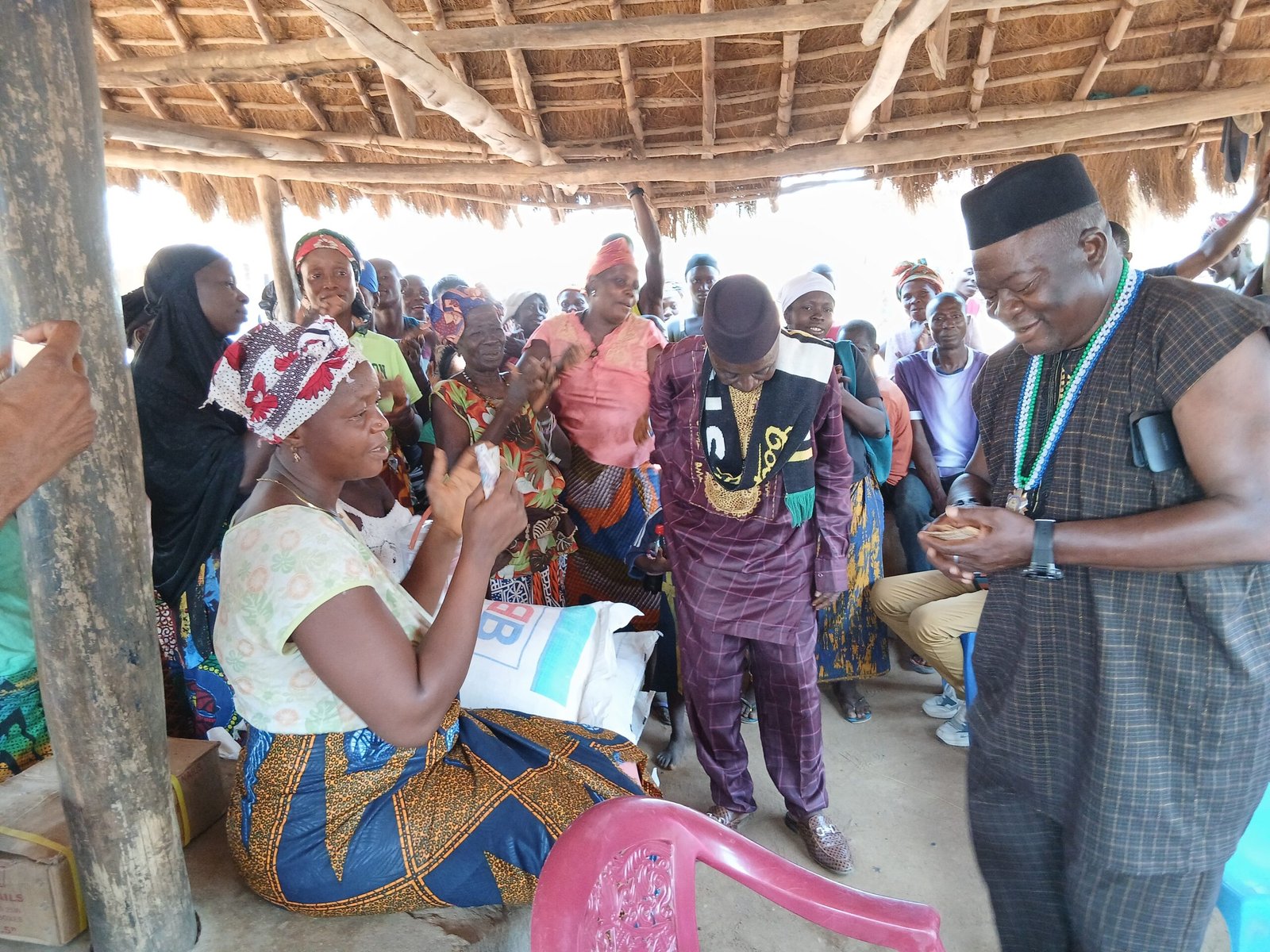
We are pleased to announce that emergency aid was available directly from FIOH through our cooperation with Youth Leading the World in Sierra Leone. Our response was instantaneous, with aid to rebuild the damaged dwellings with more substantial infrastructure and rice to replace what was lost in the fire. The community responded with thanks and celebrations.
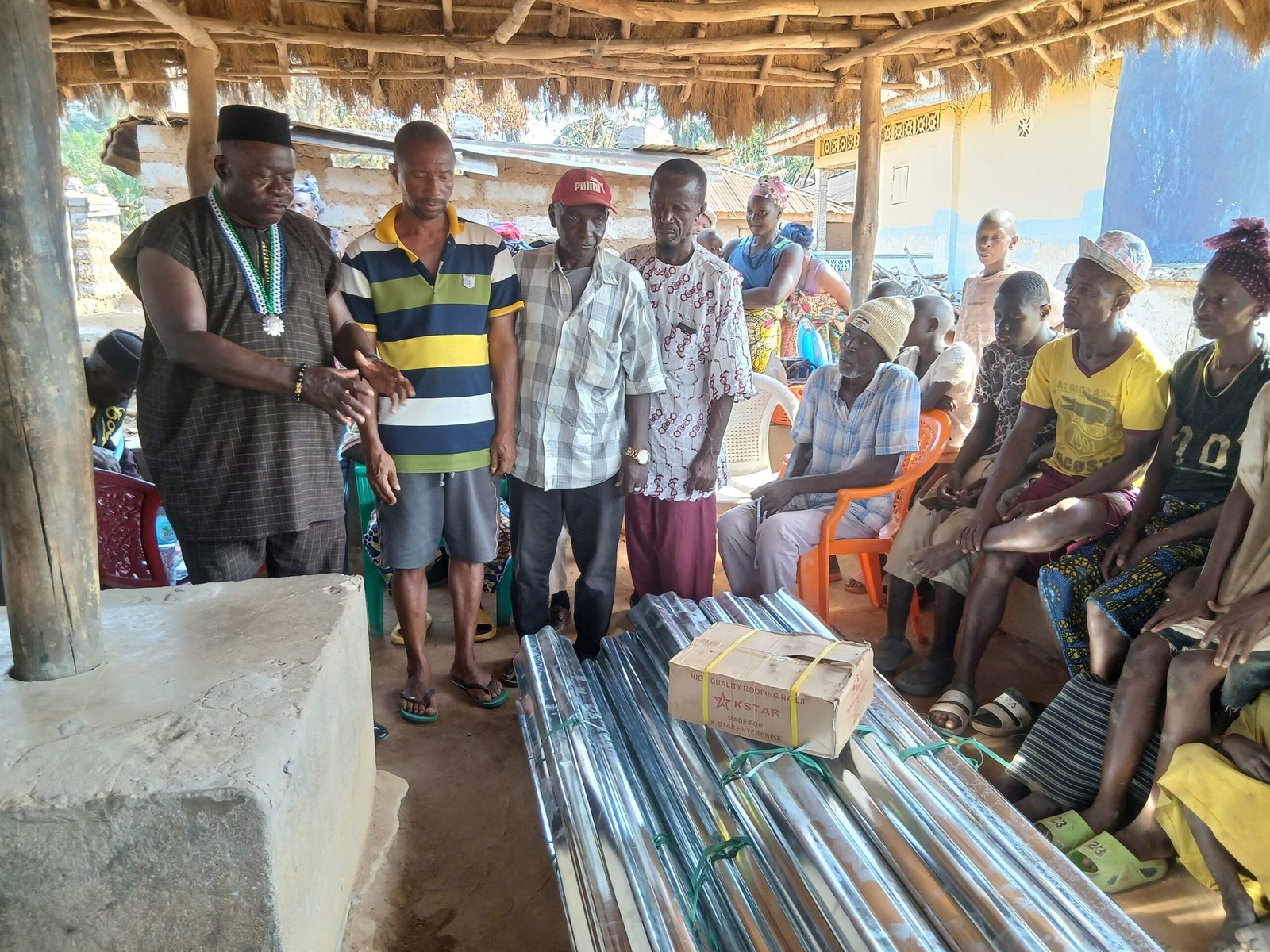
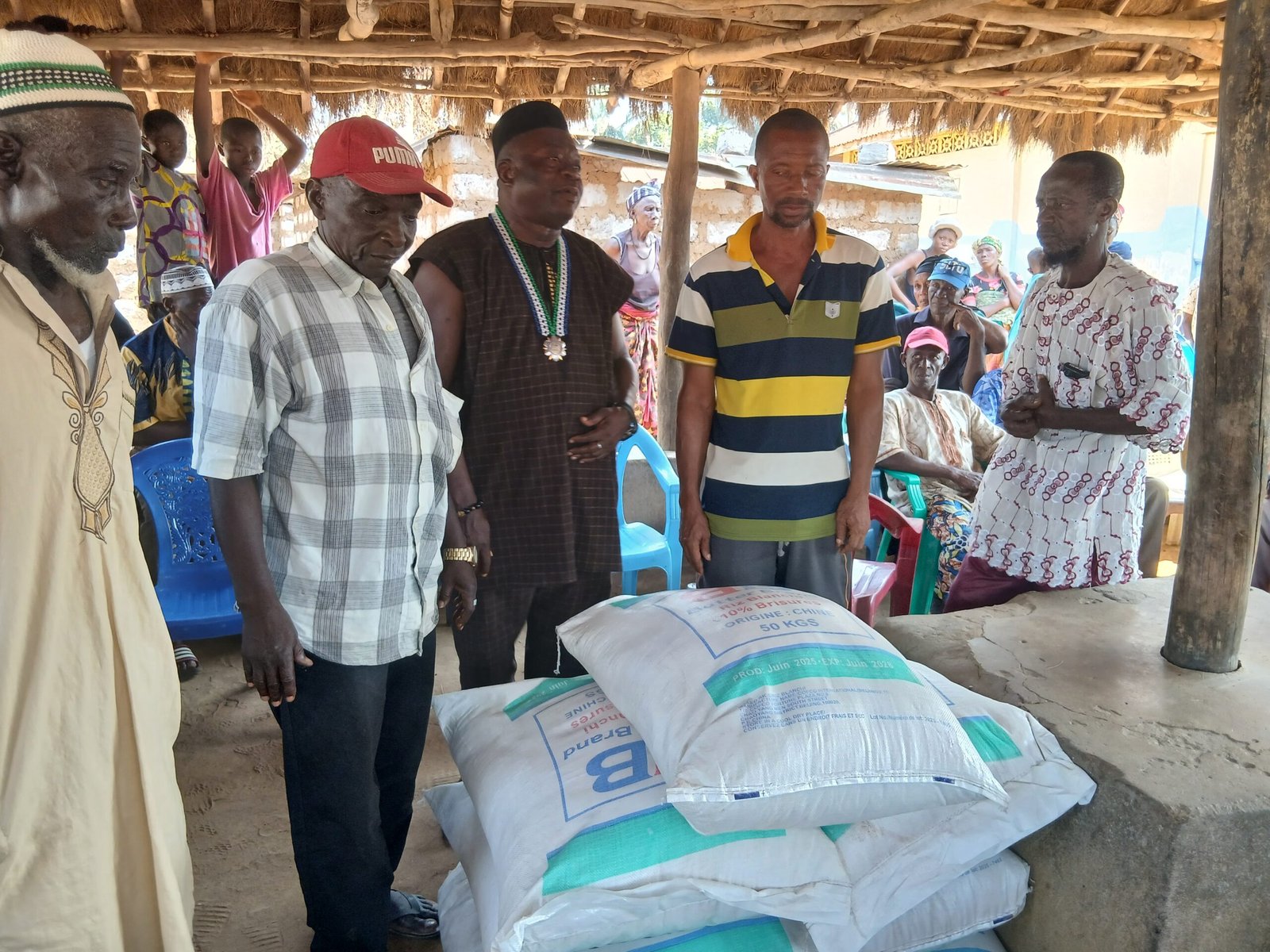
Thank you for reading this article, if you would like to support us please Donate. If you would like to read more articles about disaster relief, try this.
Climate Change solution Cap CO2 and Share the income

Global warming – the tipping point
The world is now entering a critical era in which a tipping point could arise beyond which human beings will lose the ability to stop runaway global warming.
What are the feedback processes that cause accelerated warming?
First it is necessary to understand that the build up of greenhouse gases can create feedback mechanisms – some with warming and others with cooling – effects. The important point to bear in mind is that the warming effects outweigh the cooling ones. As the quantity of greenhouse gases builds up in the atmosphere this causes effects that increase the warming. The warming itself causes effects which increasethe warming still further. The main effects are summarised below:
Rising CO2 will cause acidification in the oceans killing
plankton which sequesters carbon dioxide thus increasing CO2
concentration in the atmosphere.
Vast stores of methane (a greenhouse gas 24 times more potent than CO2) are trapped or ‘frozen’ in crystal lattice form in sea bed deposits. Rising temperatures in the oceans would release methane into the atmosphere. Methane will gradually break down into CO2 and water vapour, but CO2 has an atmospheric life measured in centuries or even millennia.
Methane is also trapped in large expanses of frozen tundra and this would be released with thawing.
As temperatures rise, the concentration of water vapour in the atmosphere rises. Water vapour is itself a very powerful
greenhouse gas. So this is also a strong and rapid feedback
process.
Increased water vapour would also cause cloud formations that have both warming and cooling effects, the overall impact of
which is uncertain. However, warmer cloud systems would
increase the energy and impact of storm events.
The effect of melting ice would be to replace a white shiny
surface which reflects heat back into space with a dark surface
absorbing heat.
Human activities, including deforestation, present farming practices which break down soil carbon and convert it to CO2 and involve large amounts of fossil fuels, industrial processes and transport using fossil fuels, have already raised the carbon dioxide concentration in the atmosphere above the level which scientists believe will cause catastrophic climate changes. This is above the level that would make a 2˚C temperature rise causing such changes, inevitable. The recorded level of CO2e (carbon dioxide equivalent) in 2006 has been measured at 420 ppm and the rate of accumulation (now at 2 ppm per year) is
accelerating. Hence the feedback dynamics outlined above indicate that not only is it an urgent necessity to stop the use of fossil fuels, but also to adopt measures that would remove CO2 from the atmosphere.
