Computers on the way for Mike Thomas’s schools
Working in collaboration with Youth Leading the World Sierra Leone
Address 34 Back Street Mile 91 Sierra Leone E mail itzalpha@ gmail.com
Phone +23299900645 Motto Inspire, Inform, Involve
Historic Context
Future in Our Hands Education and Development Fund were responsible for the financing of initial construction of these schools in Sierra Leone. Following several visits in 1990s and 2000s our founder Mike Thomas, working alongside the local NGO (Future in Our Hands Sierra Leone). Whose Founder Edward Kargbo became a close personal friend and organised the planning and original construction using local labour. We have since funded repairs to these schools after extreme weather events and ensured superior building standards to the initial construction. We believe in grass roots initiatives and are delighted that Alpha Kargbo ( son) carries on the humanitarian work and has been pivotal in promoting school improvement. The plan below is the latest proposed innovation to ensure an education fit for the 21st century for these 2000+ local children.
Planned Activities for 2026
Issue of concern
Sierra Leone faces major computer literacy challenges due to lack of infrastructure (electricity, internet), high costs (devices, data), limited teacher training, outdated curricula, and low overall digital skills, this is particularly true in rural areas, hindering economic participation and access to online services.
Project vision
Computer based learning is crucial for economic empowerment, bridging the digital divide for jobs, fostering entrepreneurship, improving education through global access, and enabling women to combat challenges like gender-based violence, ultimately driving personal growth and national development in an increasingly digital world. This would impact directly on more than 2000 current students and many more in the future
Outline of planned activities
Across all five local primary and secondary schools all bearing the name of the original chairman of Future in Our Hands
1. Mike Thomas Secondary School Masingbi Town Sierra Leone Northern Province Sierra Leone
2. Mike Thomas Secondary School Mile 91 Town Northern Province Sierra Leone.
3. Mike Thomas Primary School Rogbetrr Northern Province Sierra Leone.
4. Mike Thomas Primary School Mile 91 Town Northern Province Sierra Leone.
5. Mike Thomas Primary School Masingbi Town Northern Province Sierra Leone
Construction of additional buildings in all five schools
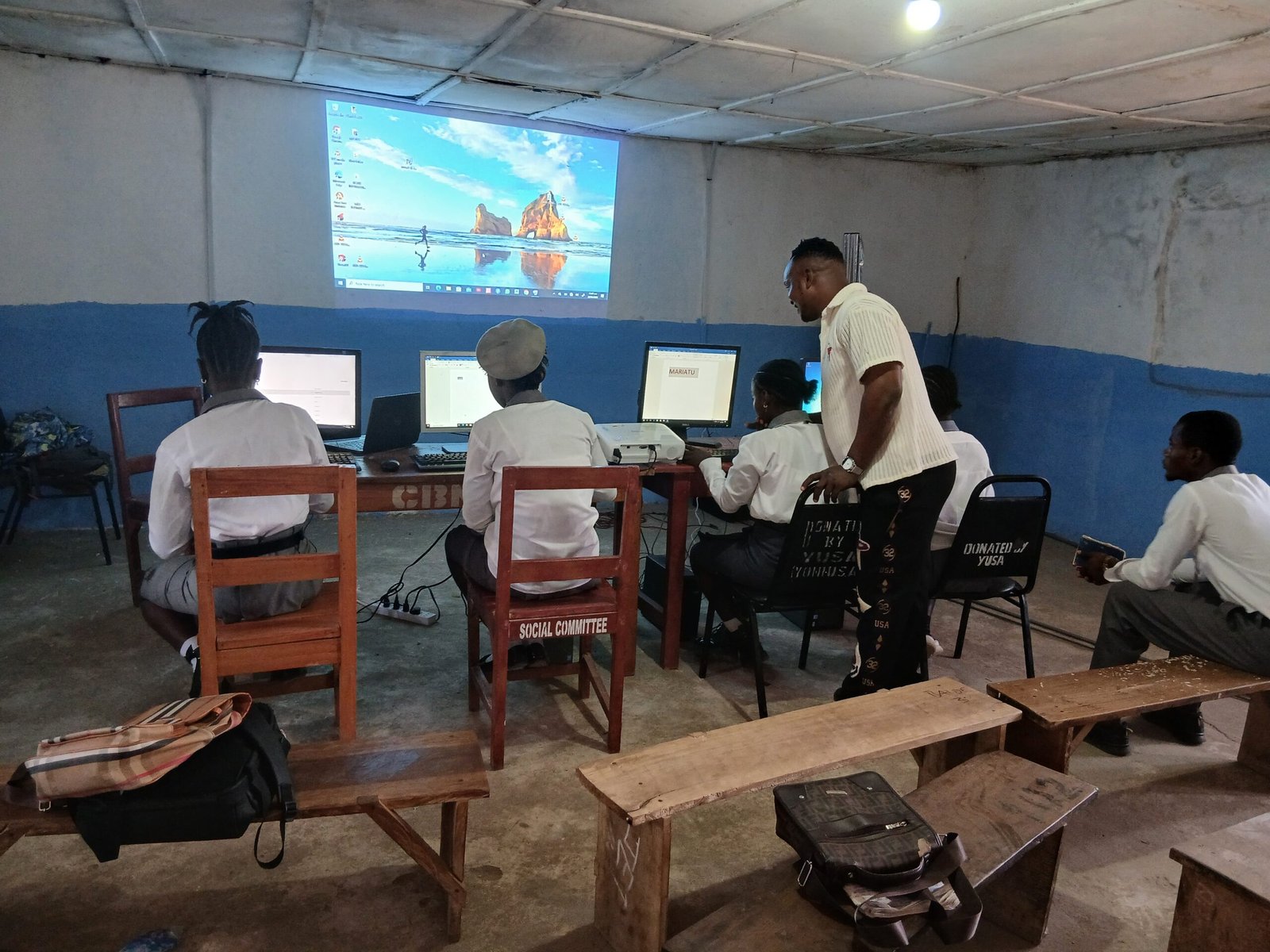
Purchase of projectors and screens for tuition
Purchasing computers for the five schools
Solar installation and battery storage to overcome the local issue of power reliability.
Teacher training
Projected costs
66,000 Leones Current exchange rate March 2026 31 New Le to the GBP so around £2000. More would obviously allow for greater numbers of computers, solar panels, back up batteries and some teacher training.
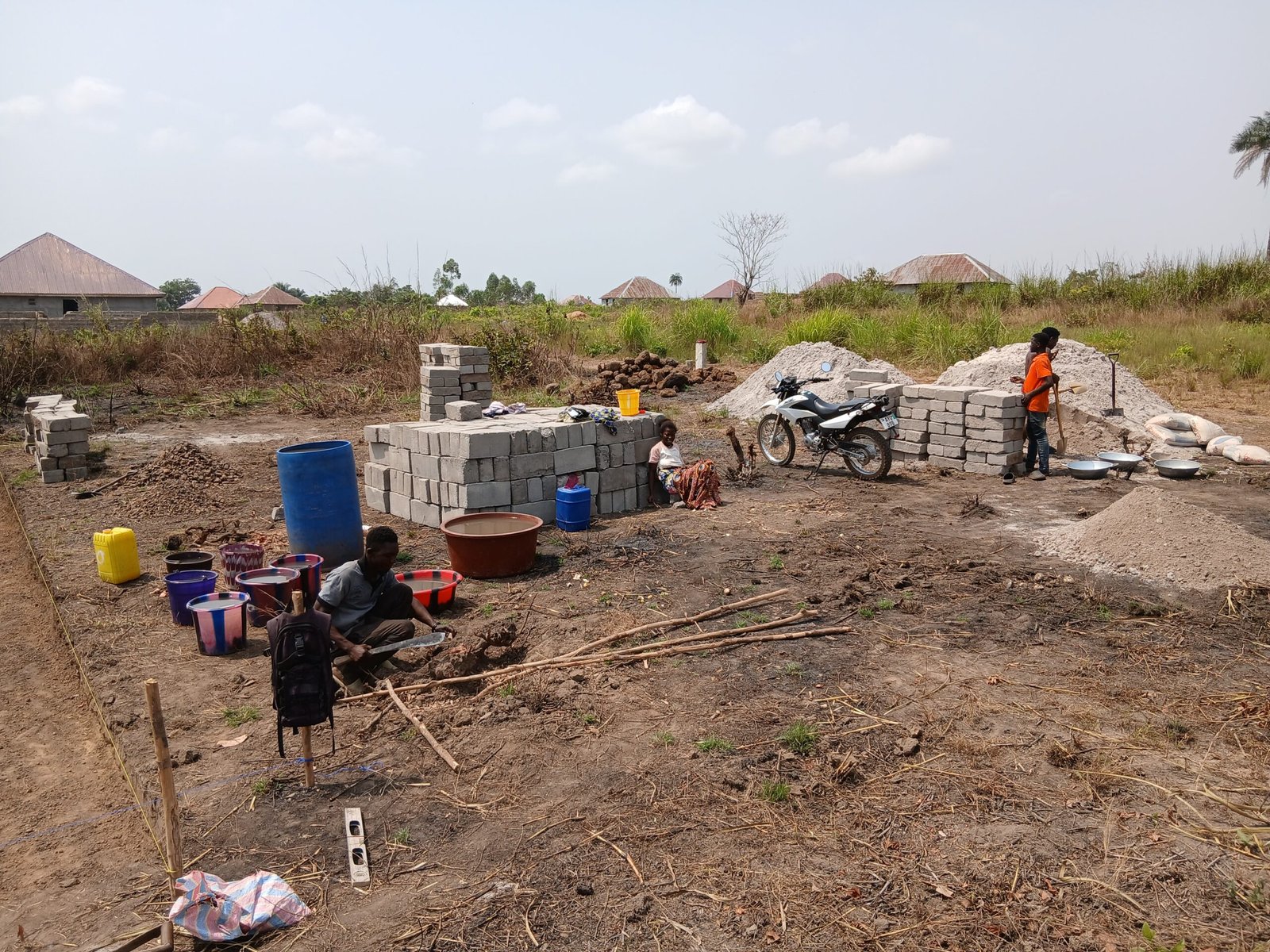
Initial plan of proposed construction
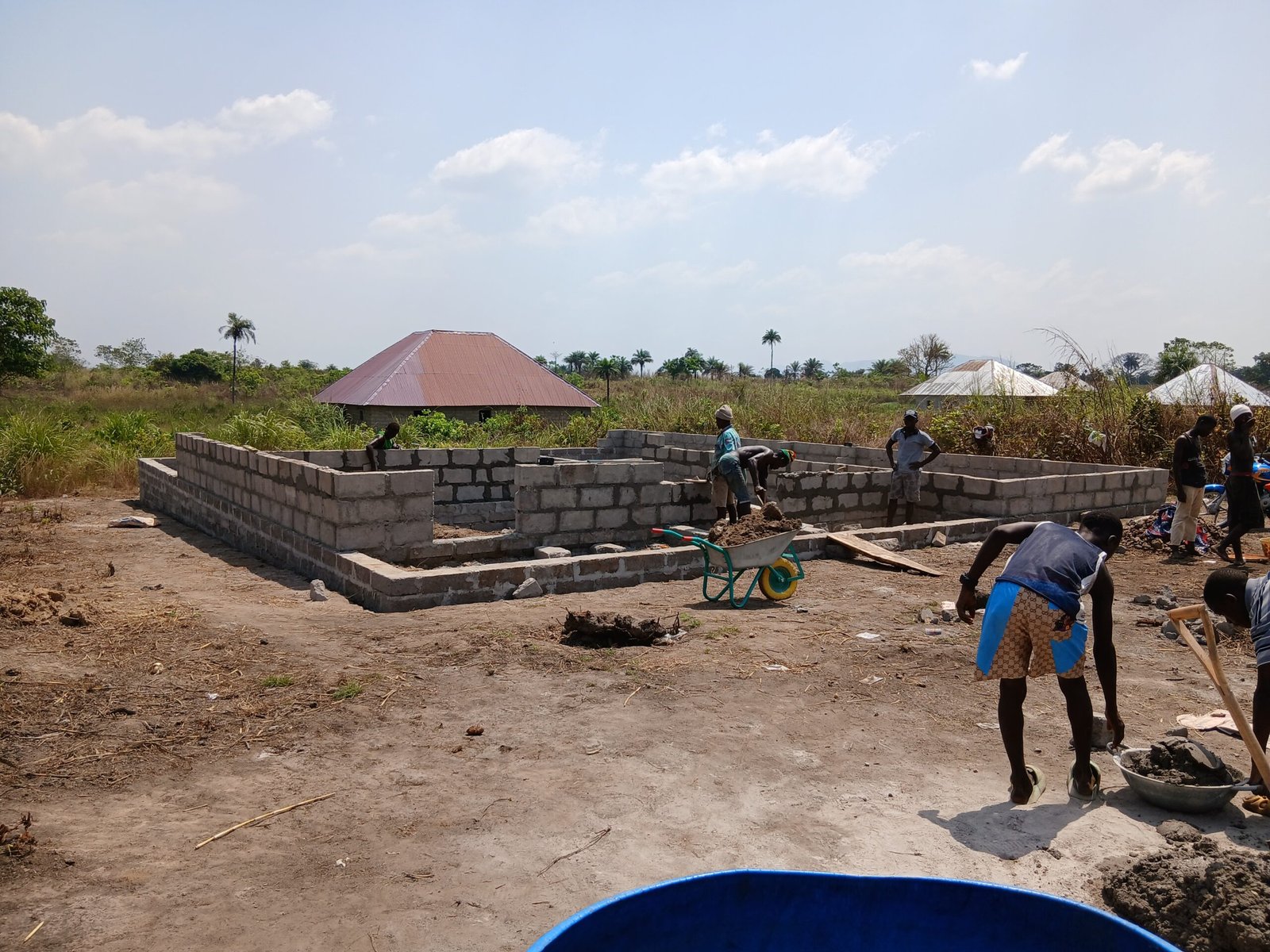
Progress on the fundamental block work
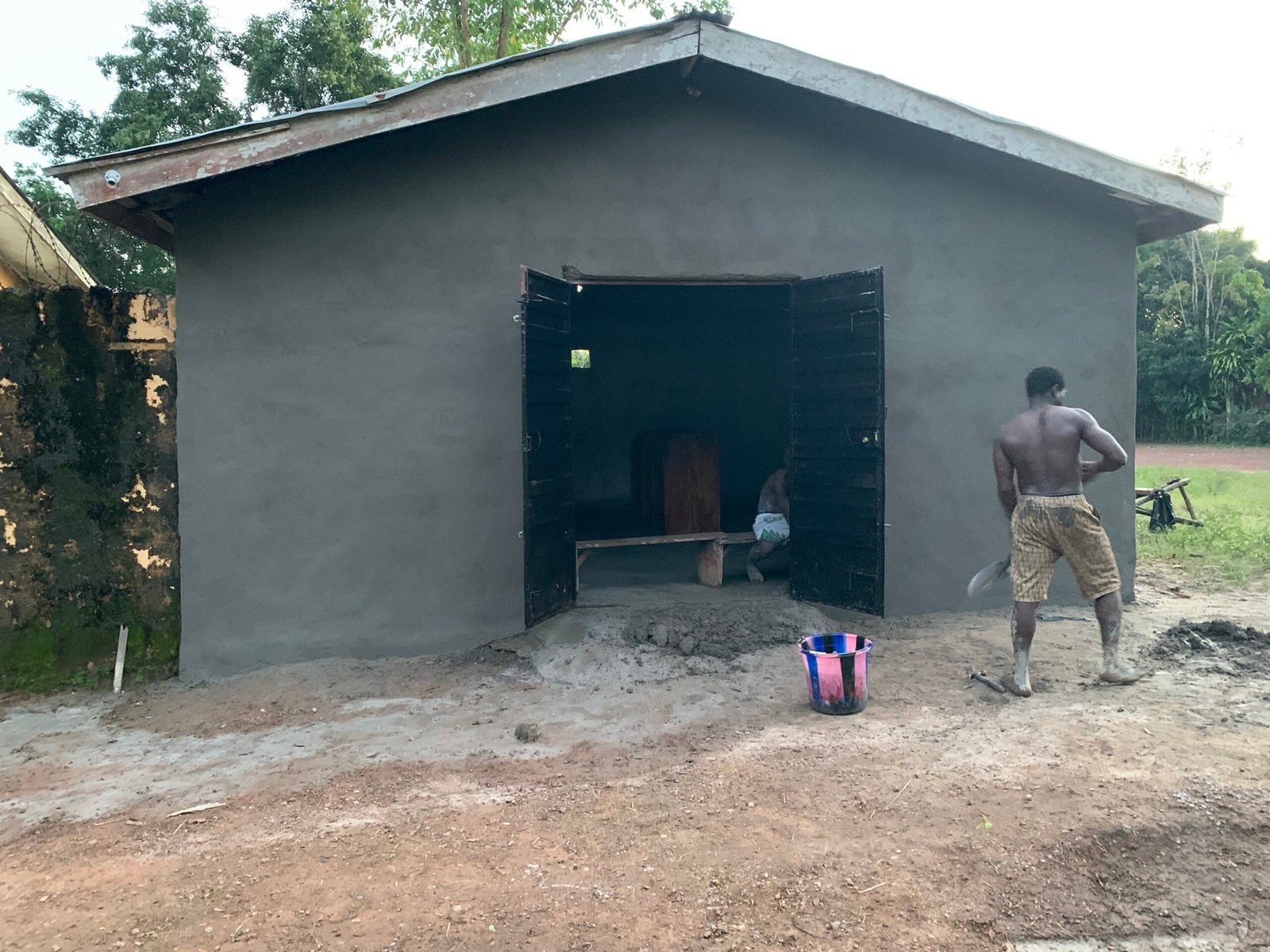
Well on the way to completion
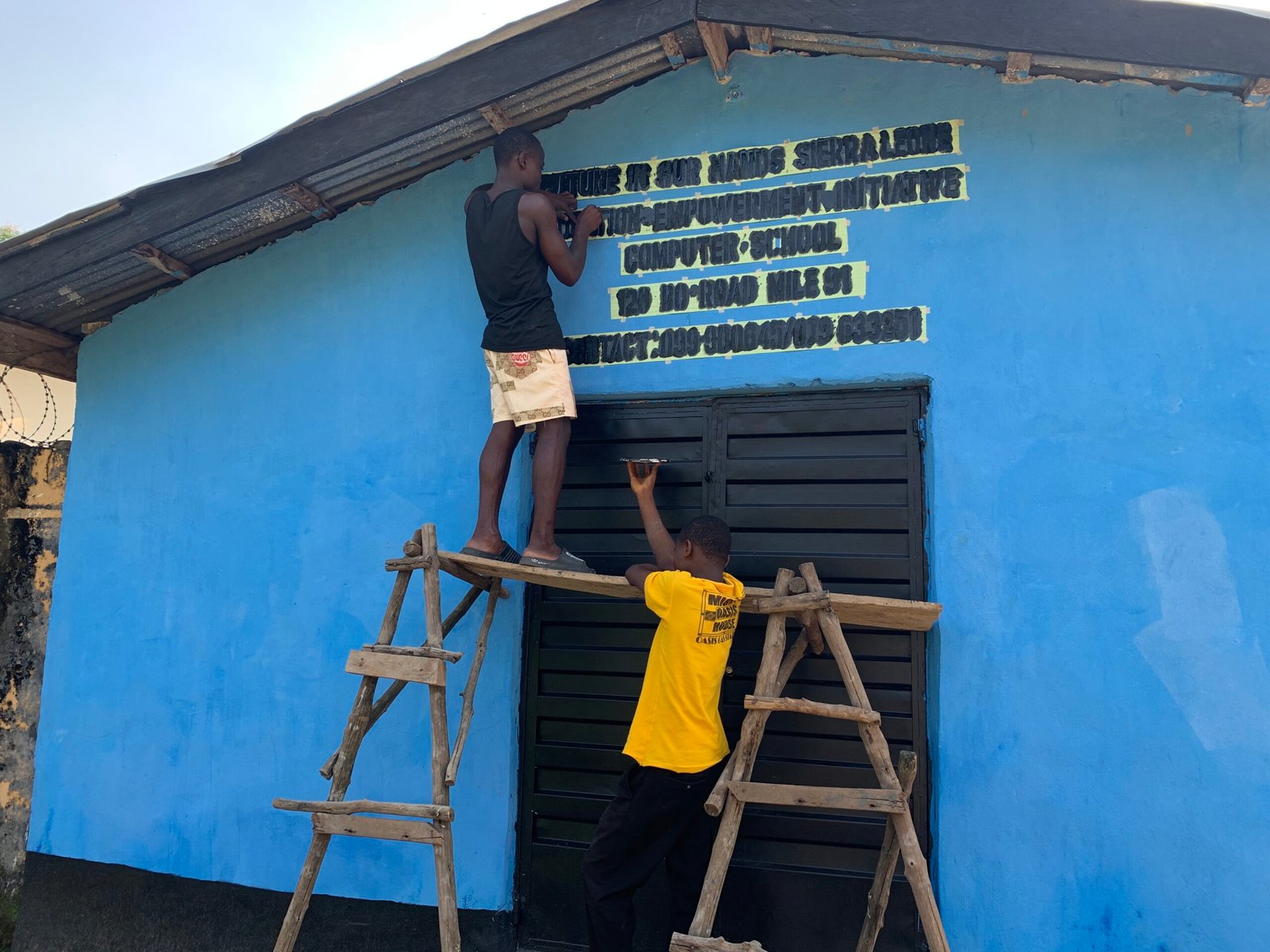
Finishing touches
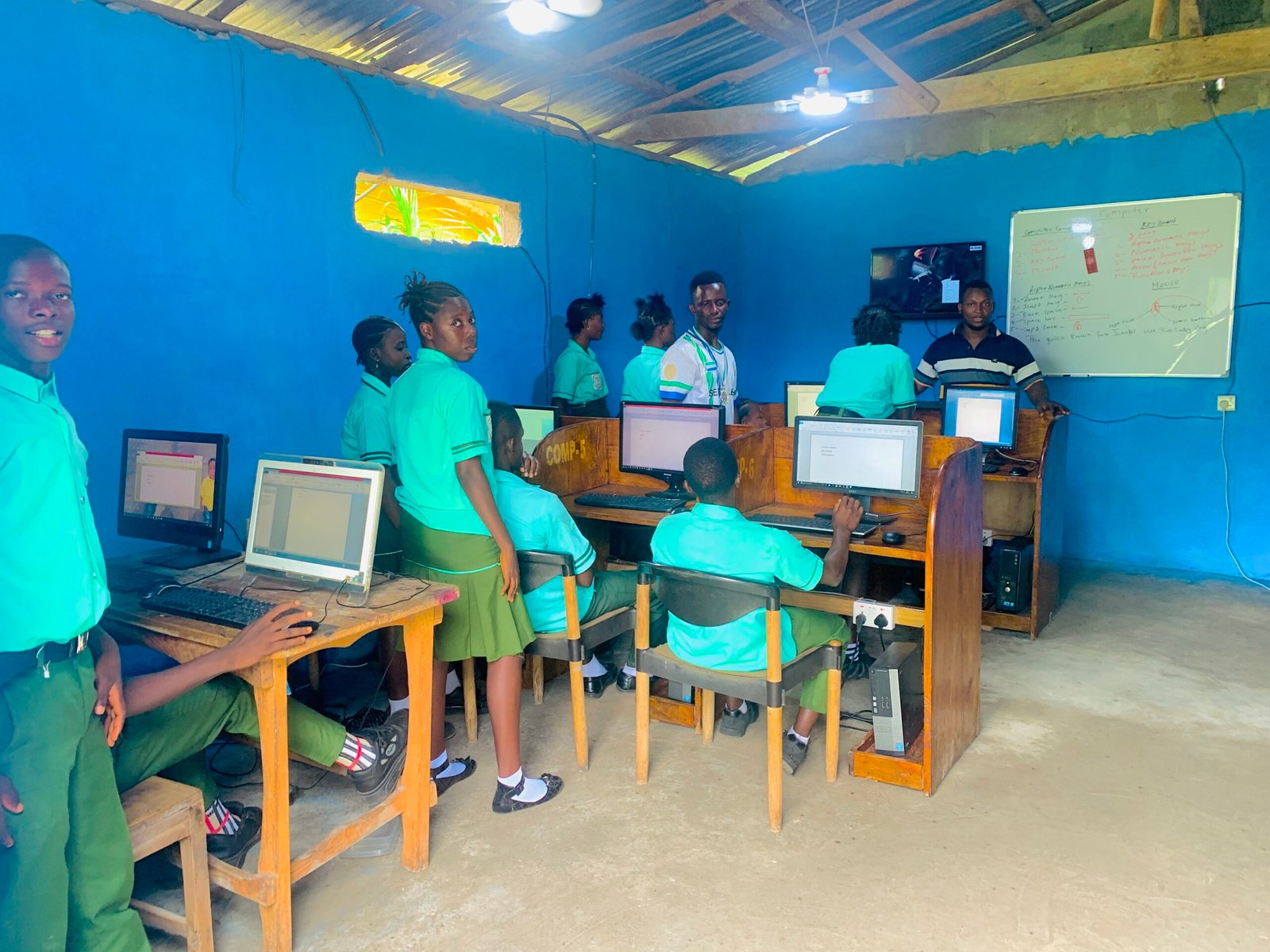
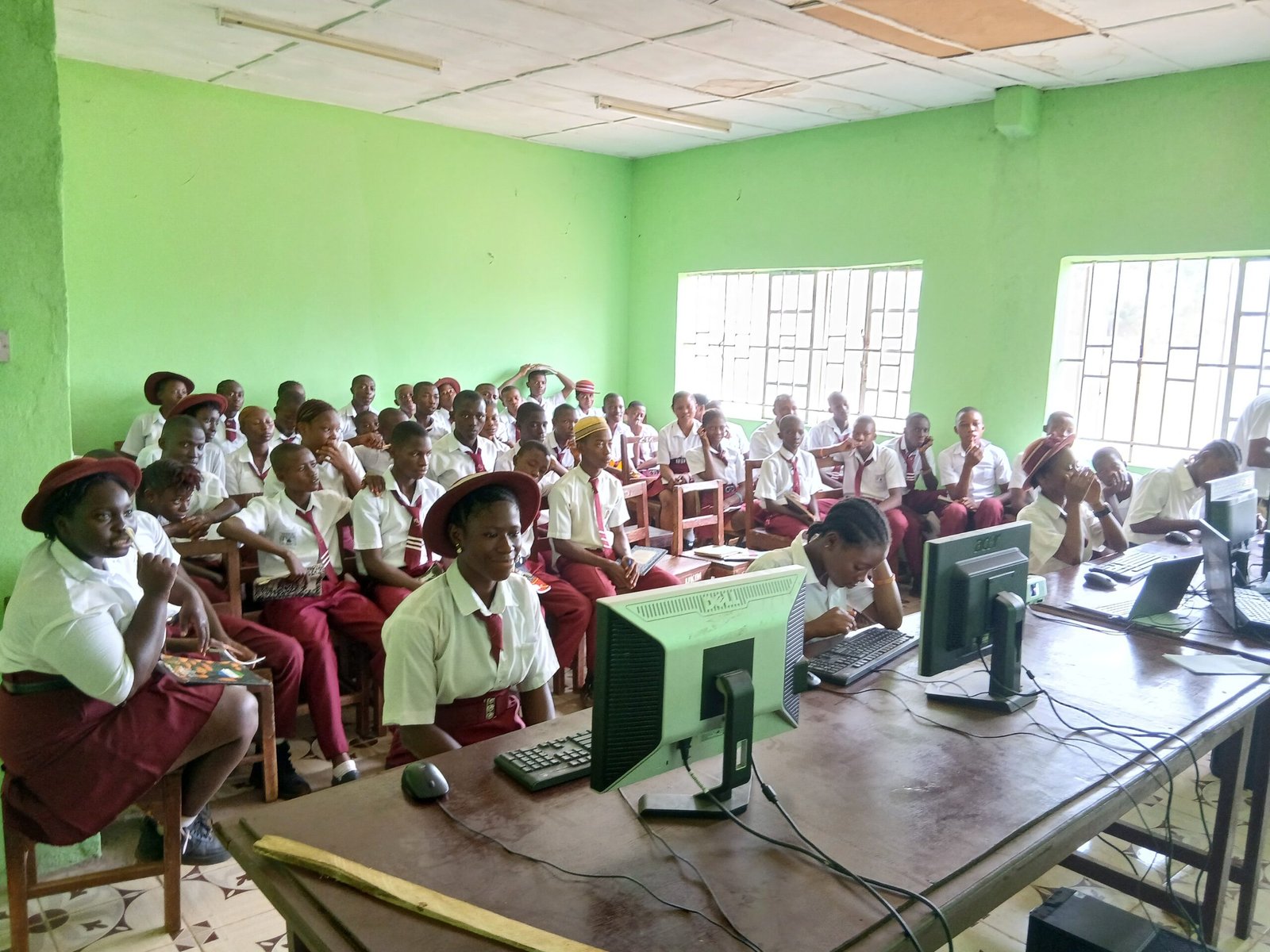
Pupil engagement and pride in the new facility
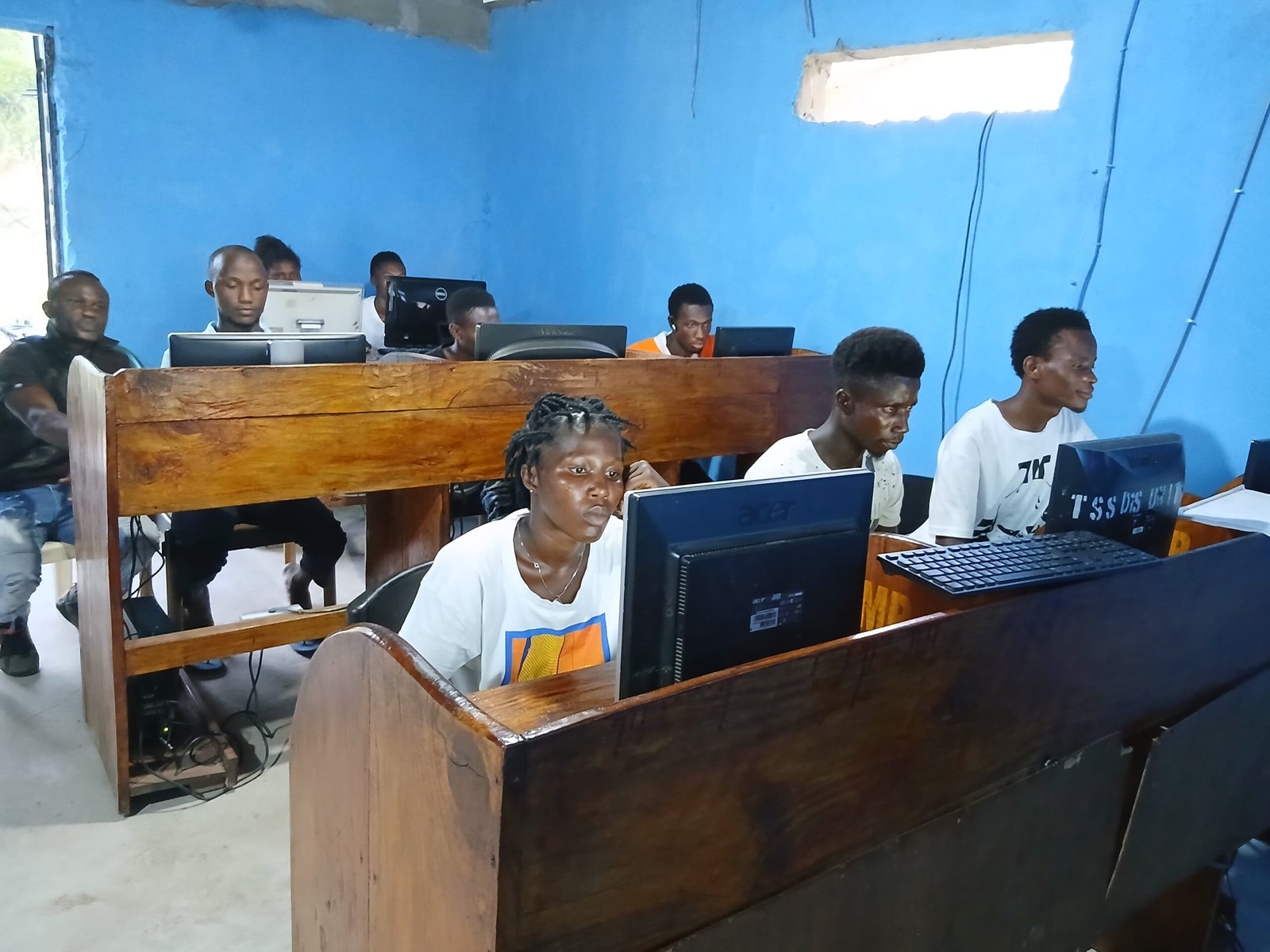
Engaged students
This was the first school equipped and fully working by the end of 2025. We seek to achieve the same in four more schools throughout 2026. If you think you can help the next generation establish the skills needed for the modern world please donate.
New Nursery School for Malawi Summer 2025
Village of Wamuzare Euthini near Mzuzu. Malawi
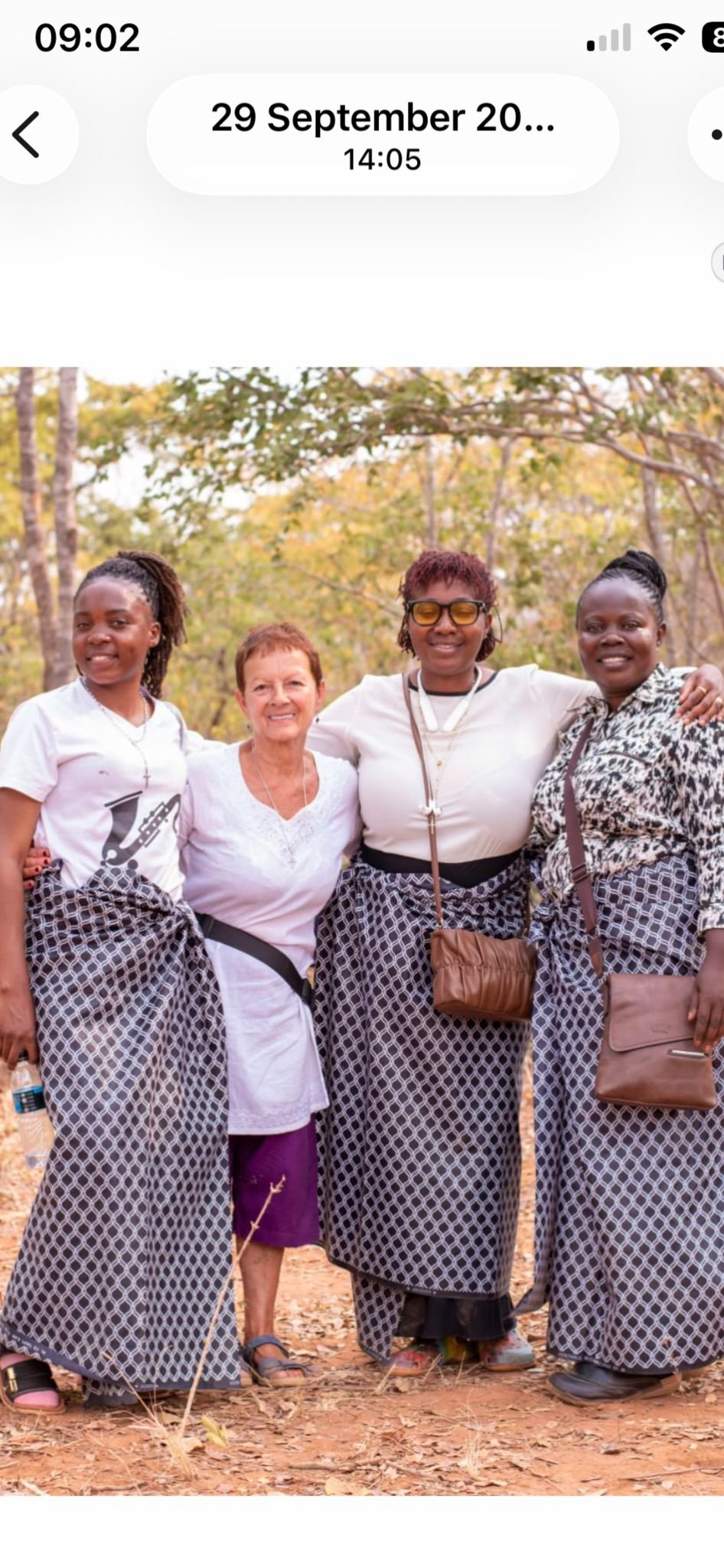
Lasallian Outeach Projects. A chance meeting with a lovely lady from Malawi (Leah),who has requested that, if possible, we could make best use of the land that they own in her village Wamuzare Euthini. Her mother (Ella) died last year and she would like to dedicate the efforts we hope to make a suitable dedication to her mother. Moreover, the local community are invested in this initiative are willing to help in whatever way they can.
Proposal for the Establishment of Ella’s Foundation
Introduction
The Ella’s Foundation is dedicated to uplifting the community of Wamazure Euthini Village by fostering a collaborative approach to sustainable farming, education, and female empowerment. Central to our mission is the belief that change is a two-way street—the foundation aims to work hand-in-hand with the community, empowering the youth and local residents to take an active role in the development and execution of initiatives. Through dynamic partnerships, we seek to create a sustainable environment where the community thrives, with the youth leading the charge in building a brighter future.
Vision
To create a dynamic, self-sufficient community in Wamazure Euthini Village, where the youth, in partnership with Ella’s Foundation, are actively involved in shaping a future of empowerment, education, and sustainable living.
Core Focus Areas
The foundation will focus on the following key areas, with a commitment to community involvement and leadership:
- Youth-Led Development and Empowerment:
- Engaging the youth as active partners in the planning and implementation of farming, educational, and entrepreneurial initiatives.
- Establishing youth leadership teams to collaborate with the foundation, bringing fresh ideas and local knowledge to the forefront.
- Providing educational programs that focus not just on skill development of Maths, Science and English but also on but on developing the child as a whole, creating an understanding and awareness of their mental health, providing leadership programs, decision-making, and community responsibility training.
- Female Empowerment and Health Education:
- Involving young women in shaping and leading programs aimed at reducing early pregnancies and promoting gender equality.
- Creating mentorship opportunities for young females, with a focus on helping them design their own paths toward independence and career success.
- Offering reproductive health education and life skills training, while ensuring young women have an active role in running these programs.
- Sustainable Farming and Income Generation:
- Partnering with the community to co-design and co-manage sustainable farms that provide food security and economic opportunities for the village.
- Encouraging innovation and local input into farming methods, empowering the community to adapt traditional knowledge with modern techniques.
- Building cooperative farming models where profits are shared, and decision-making is collective.
- Community-Led Early Education and Adult Learning:
- Developing nursery schools that are run by local teachers and community volunteers, with the foundation acting as a facilitator and resource provider.
- Empowering parents by offering adult education and life skills training, helping them contribute to the community’s economic growth.
- Co-creating programs where community members, parents, and educators contribute to curriculum development and early learning activities.
Nursery School Now completed Sept 2025
This facility will cater to the early learning needs of children in the community. It will include:
- Classrooms designed for children aged 2-5 years, promoting early childhood development.
- Outdoor play areas for physical activity and social interaction.
- Facilities such as restrooms, a small kitchen for snack preparation, and nap rooms.
Primary School Vision and target for 2026
The primary school will provide education for children aged 5-11 years. The building will include:
- Classrooms for each grade level.
- A multi-purpose hall for assemblies, sports, and school events.
- Administrative offices for staff, a staff room, and meeting spaces for teachers.
- A playground for physical education and recreation.
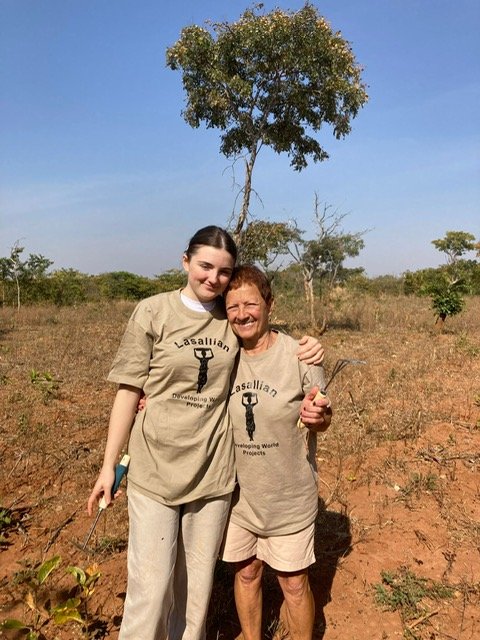
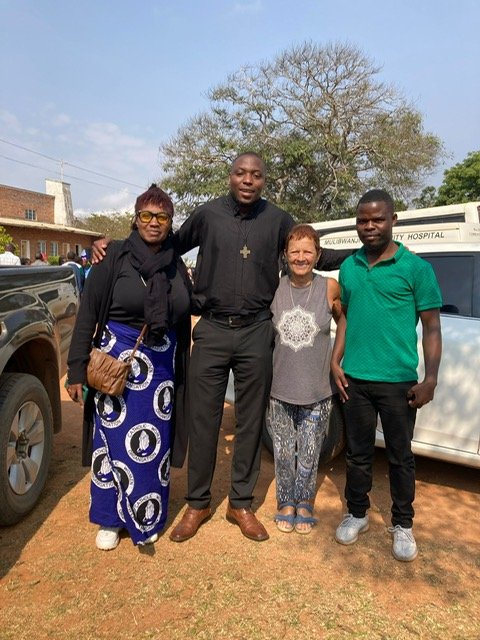
The build team of locals, clergy and Lasallian outreach volunteers
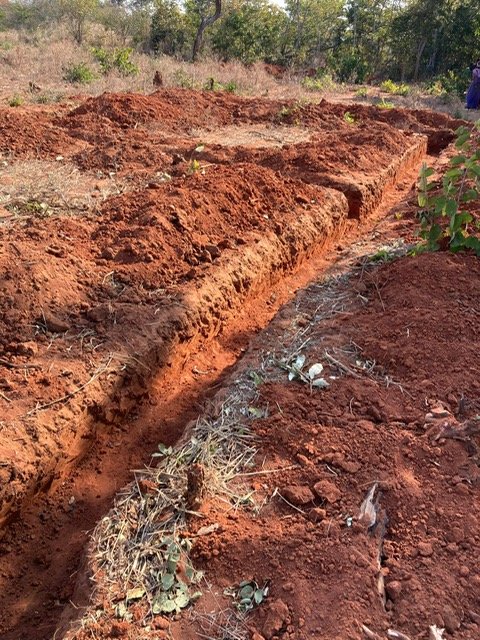
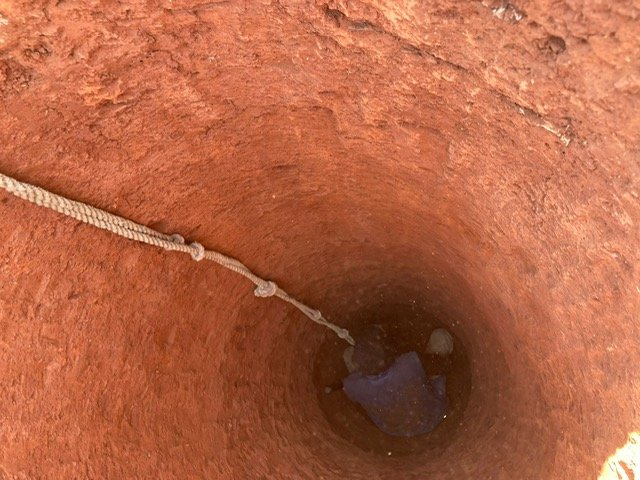
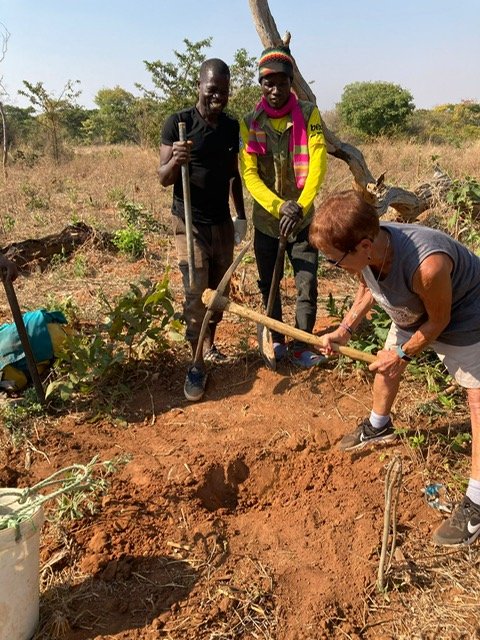
Initial preparation of footings and well for clean water
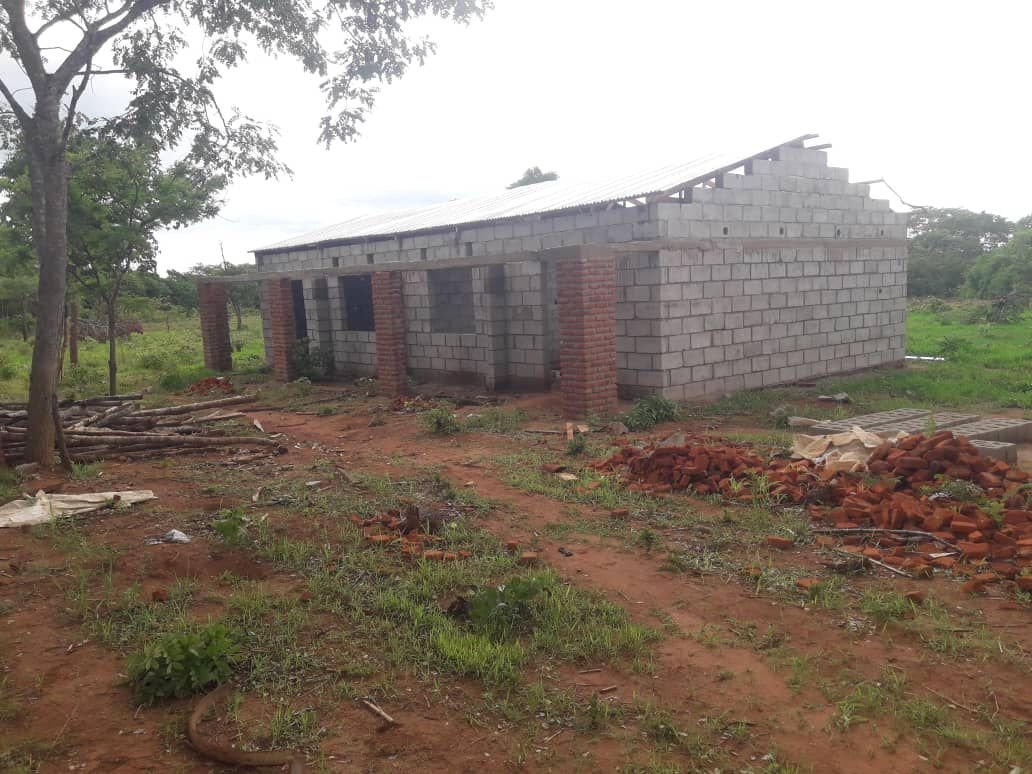
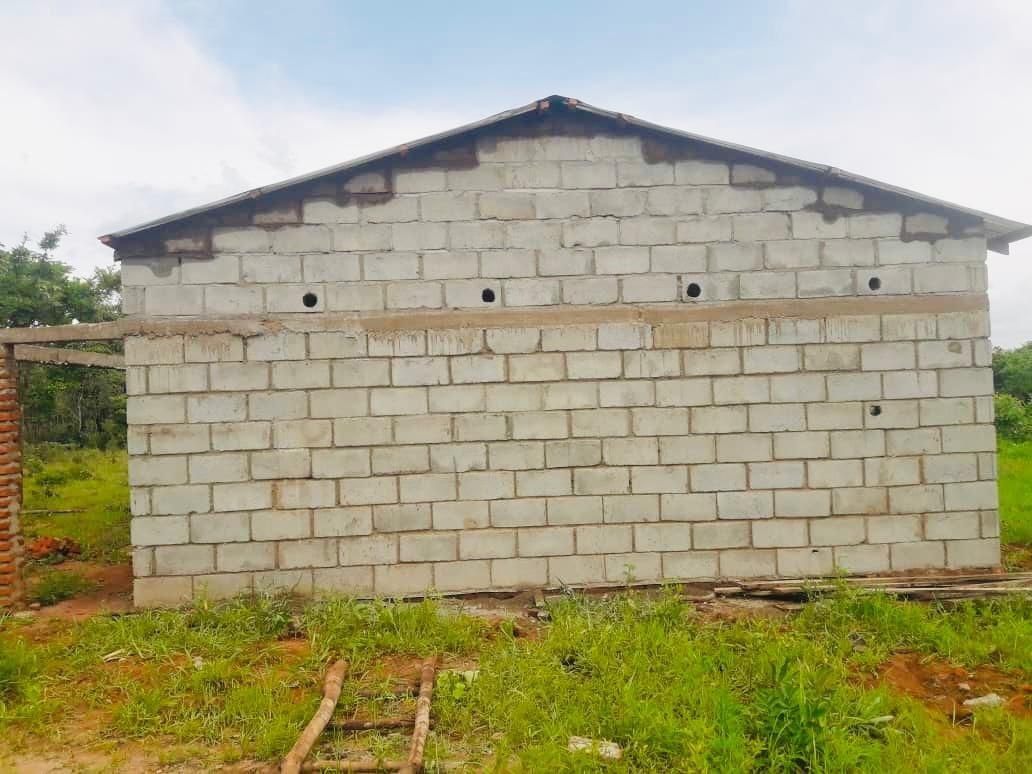
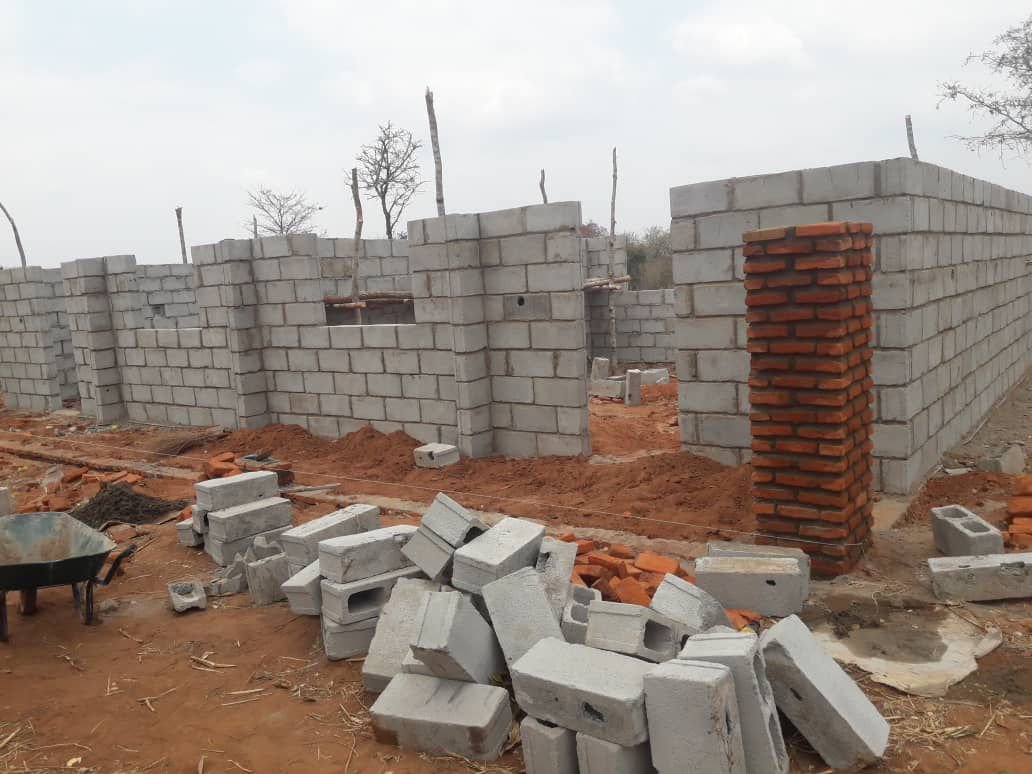
Transformation by block work
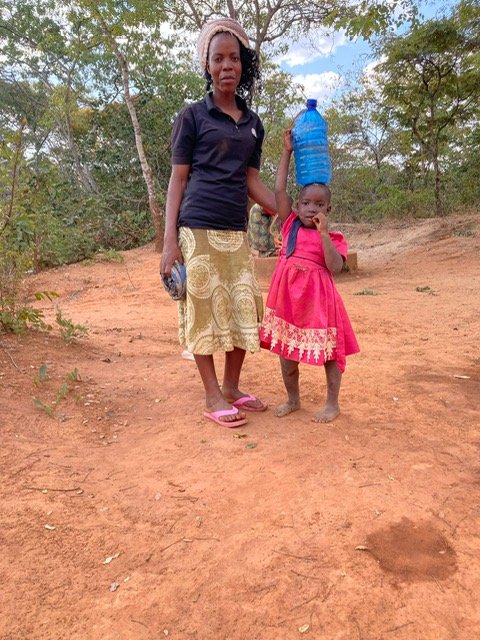
Happy new parents and customers
- Additional objectives
- To highlight the risks in the area of HIV and how best to cope.
- How do we keep our young people from leaving Malawi because of lack of opportunity and employment
Installation of Solar panels for sustainability in collaboration with www.lightsforlearning.org
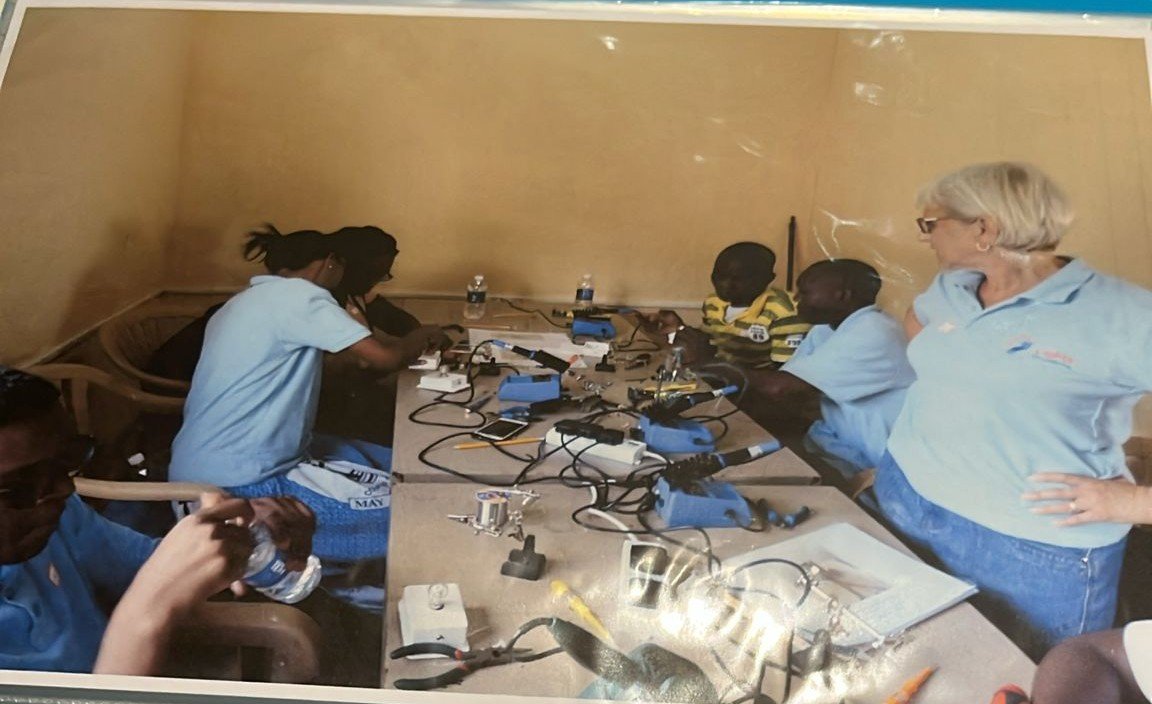
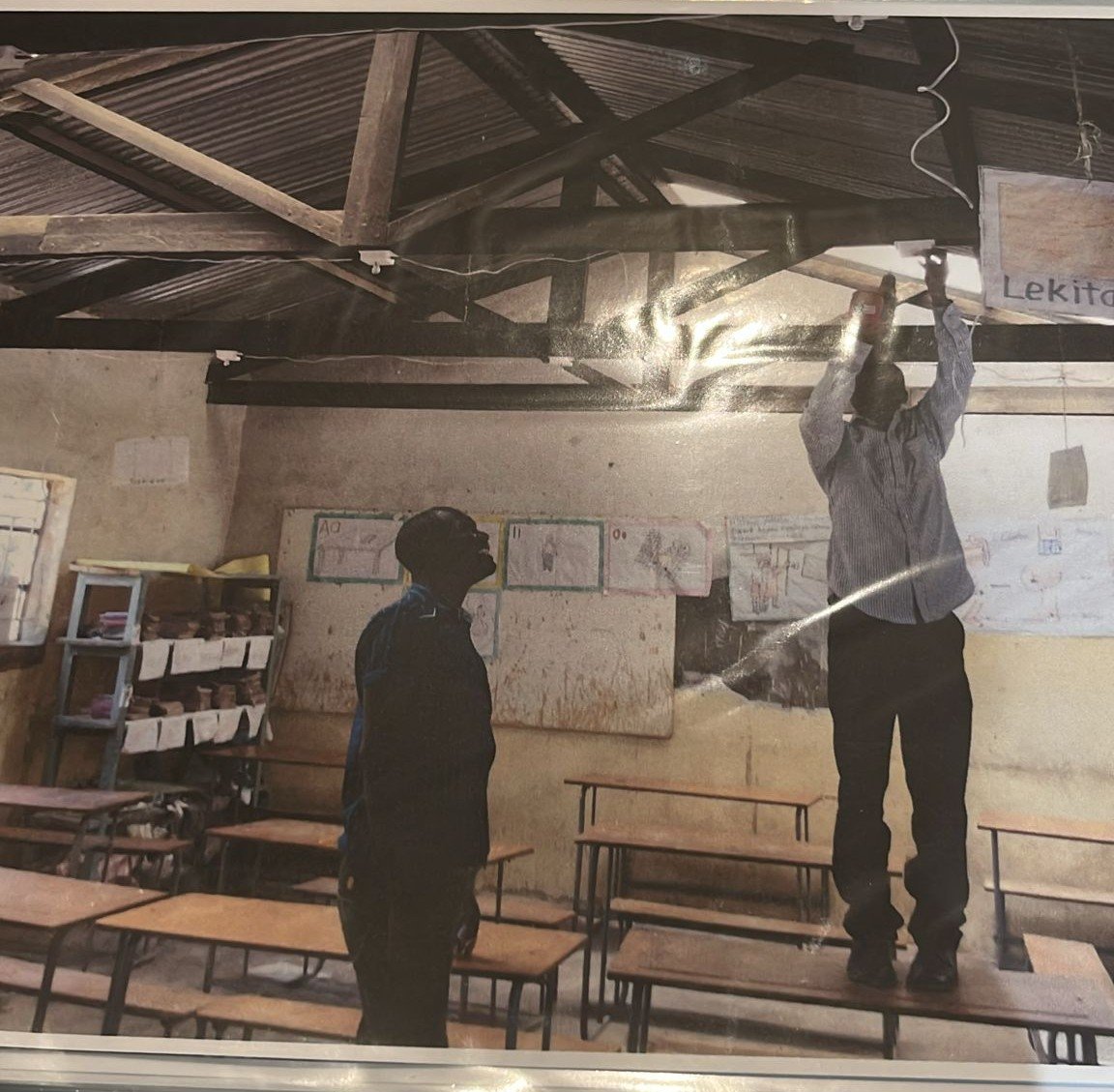
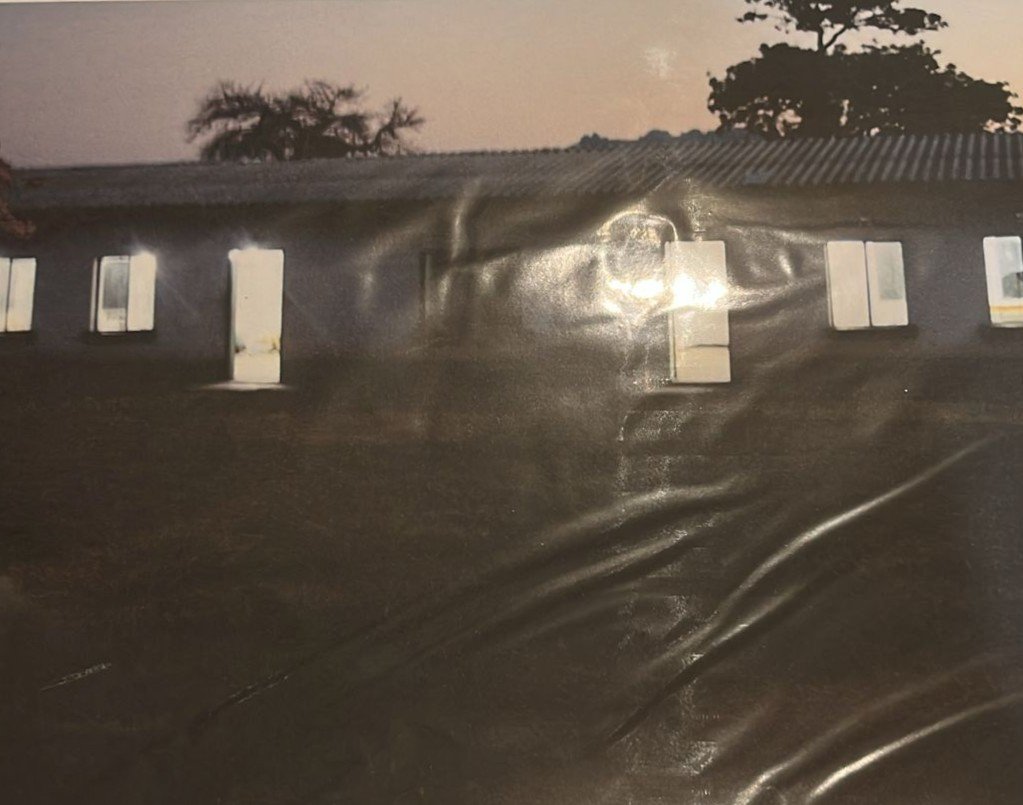
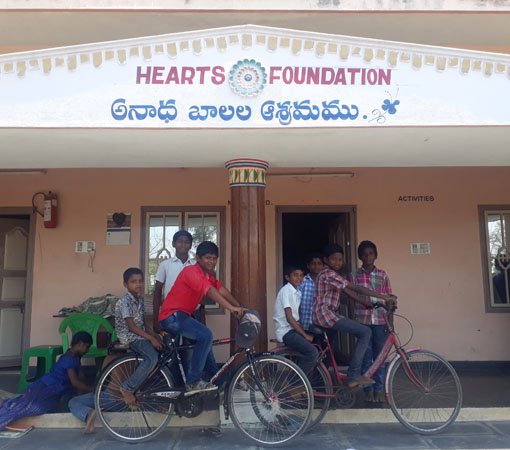
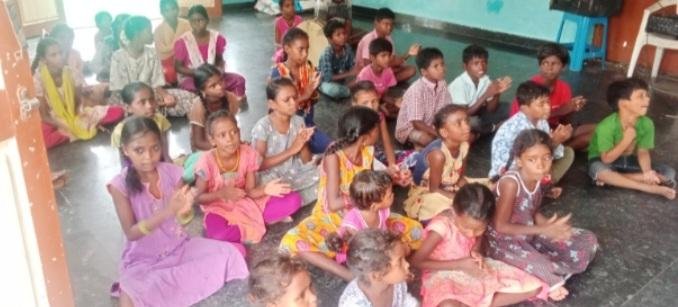
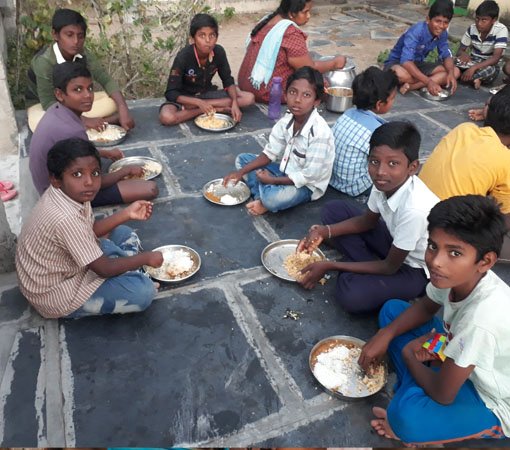
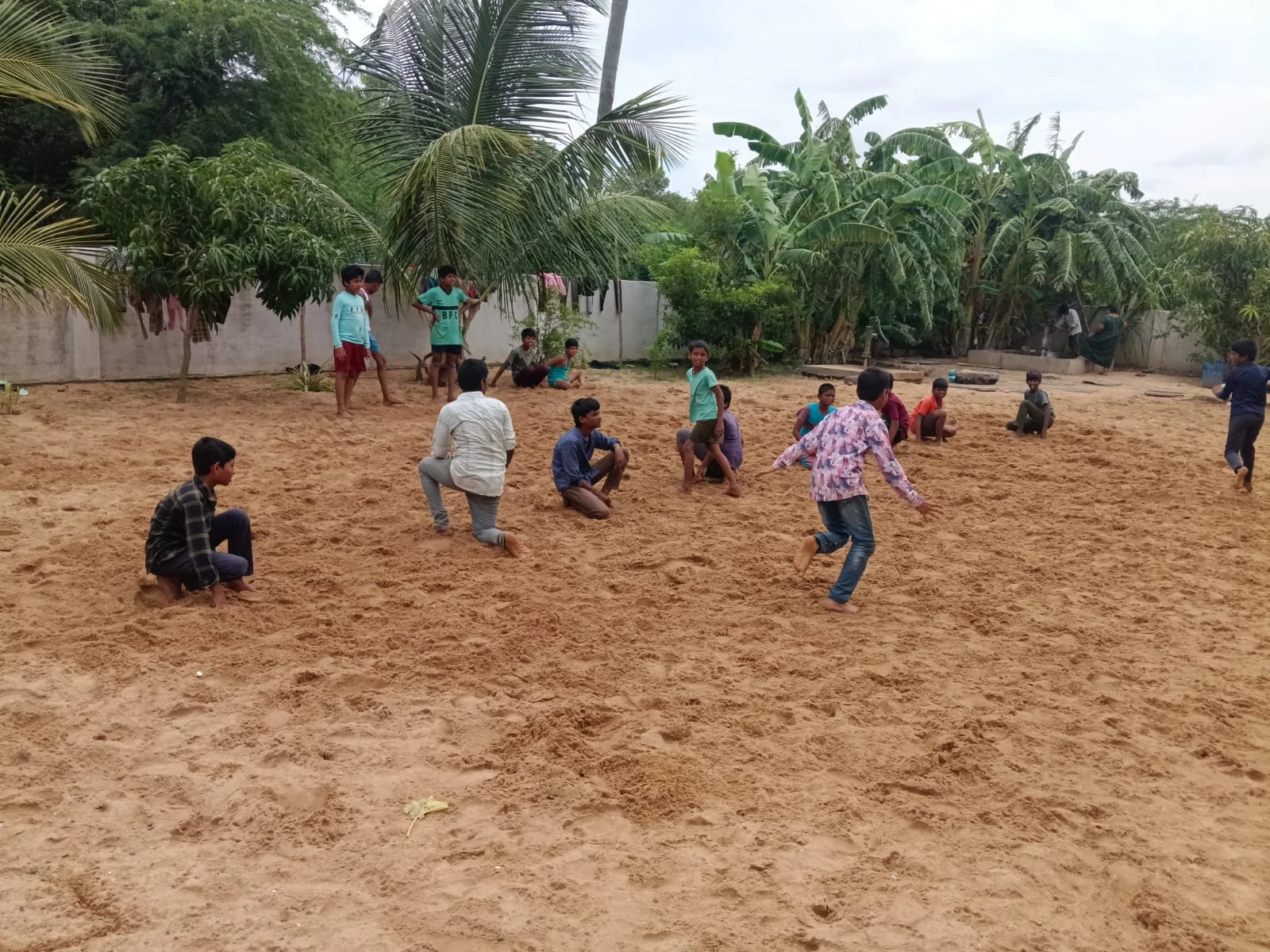
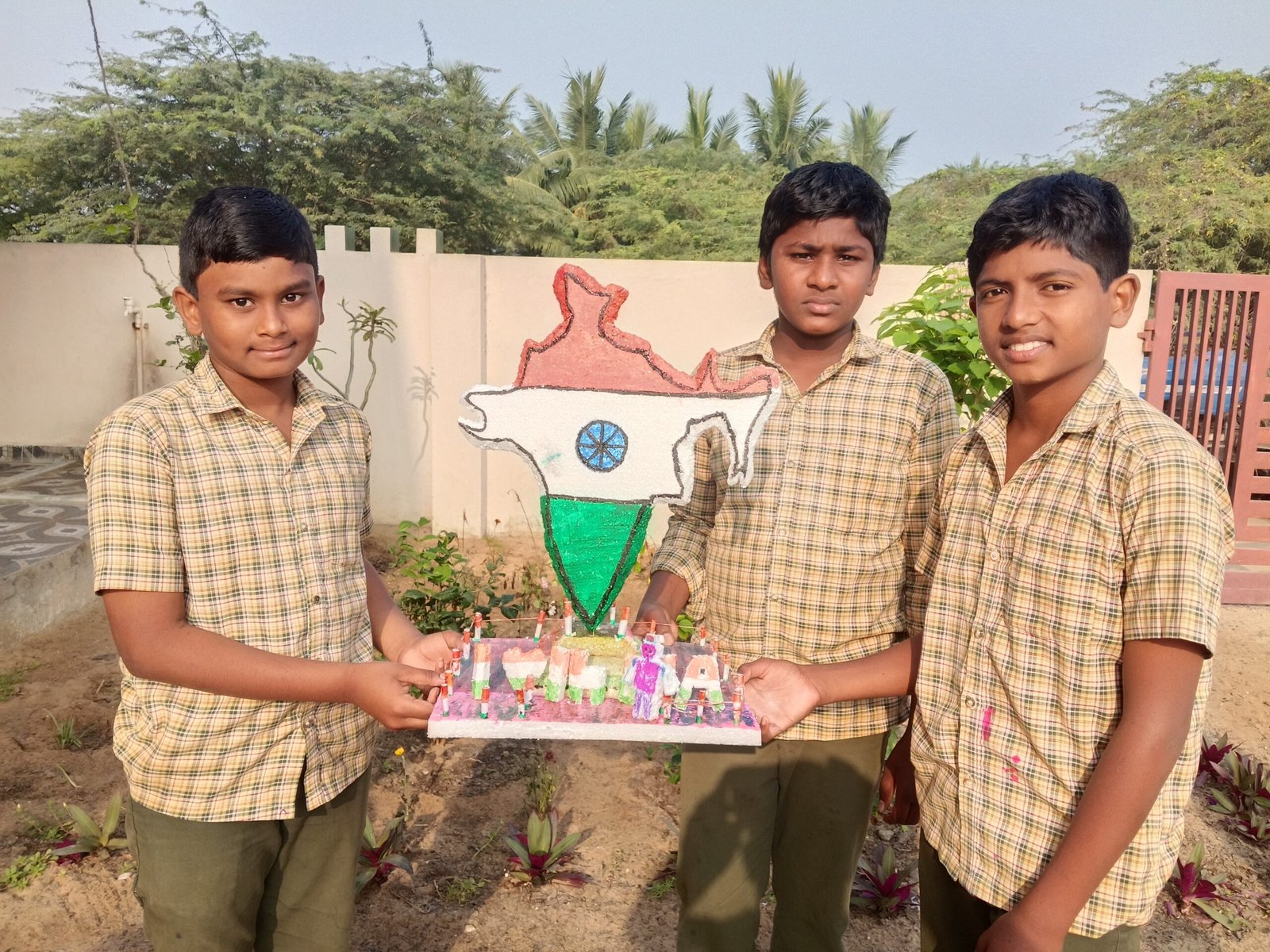
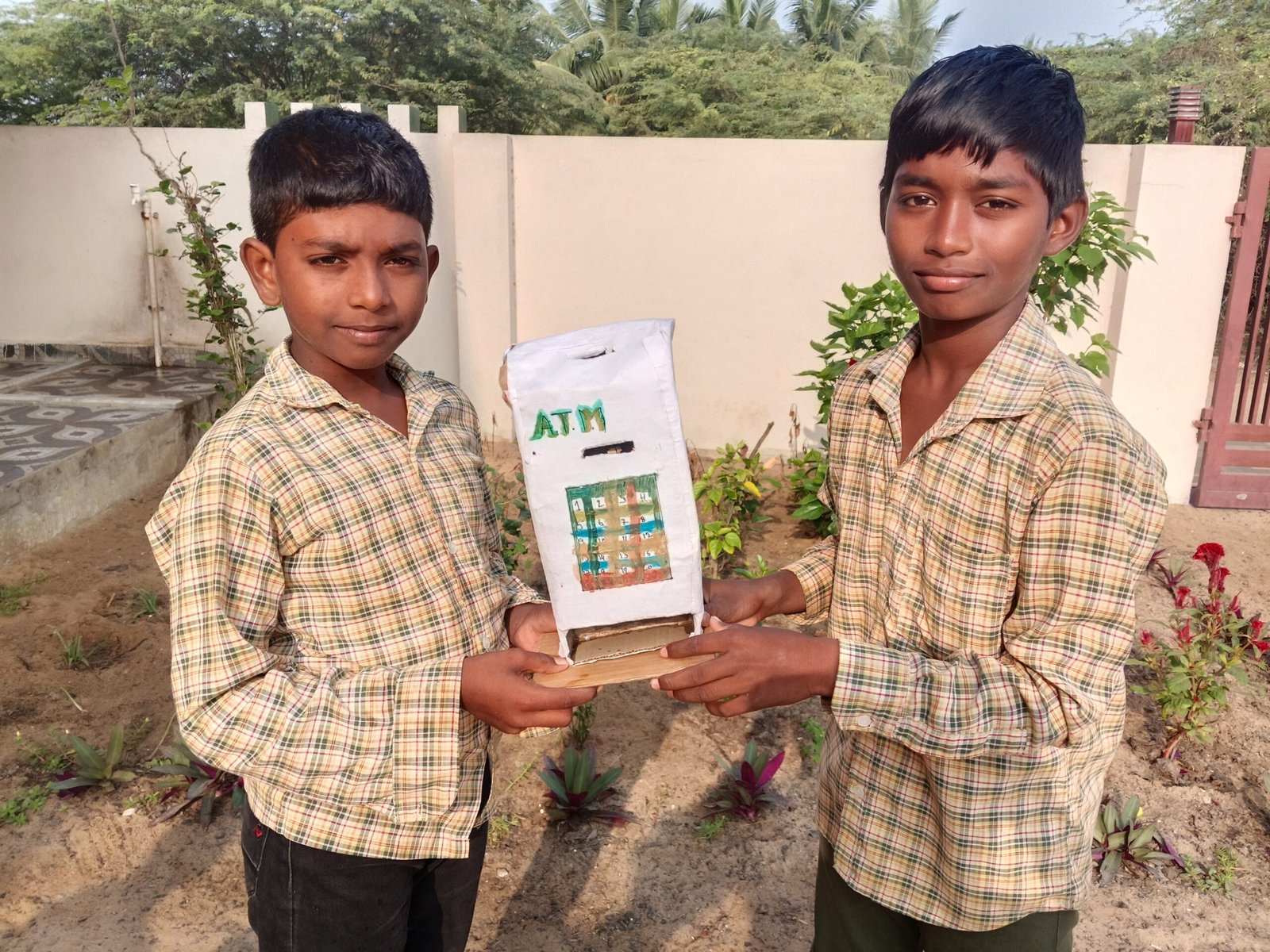
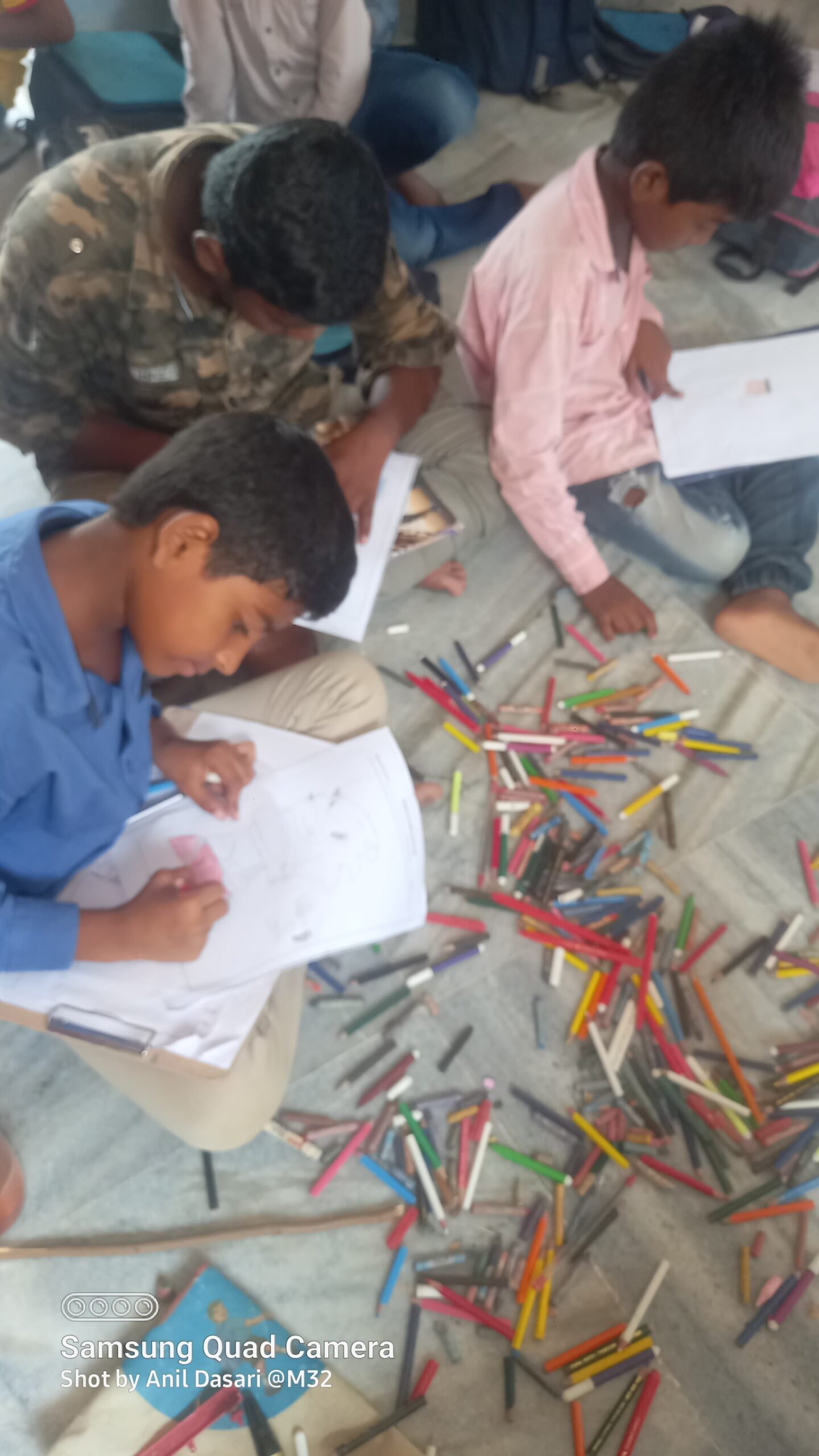
Hearts Indian Charitable Trust NGO working in collaboration with FIOH
Helping today for a better tomorrow
Our Vision
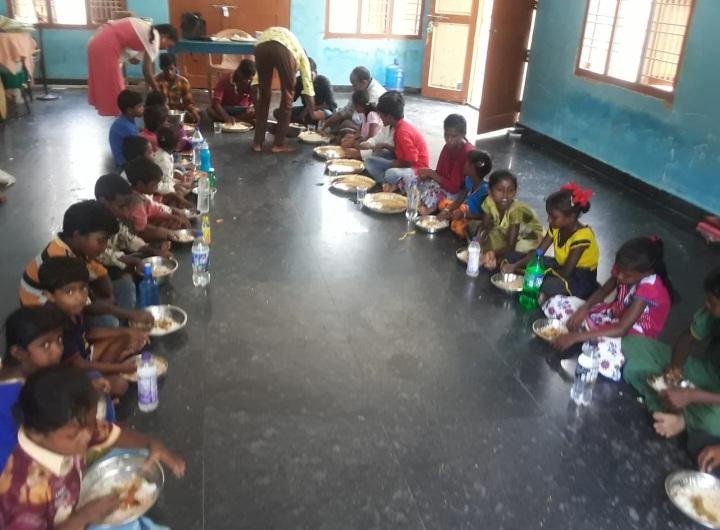
To provide nutritious food, clean drinking water, and safe shelter for underprivileged children.
To ensure access to quality education, school supplies, and digital learning support for poor and orphaned children.
To organize health camps, vaccinations, and regular medical check-ups for children and mothers.
To support orphans, differently-abled children, and children with special needs with love, care, and rehabilitation services.
To create awareness on child rights, stop child labour, and protect children from abuse and exploitation.
To provide skill development, art, sports, and cultural opportunities for holistic child development.
To empower poor families and single mothers with livelihood programs, ensuring better care for their children.
To establish children’s libraries, play centers, and safe spaces that encourage creativity and learning.
To promote environmental awareness among children through tree plantation, cleanliness, and plastic-free campaigns.
To provide scholarships and sponsorships for poor and meritorious students for higher education.

FIOH news update from Sierra Leone Autumn 2024

The Mike Thomas School at Mile 91, due East of the capital Freetown, near Yonibana. The school suffered a sudden and prolonged extreme wind event which caused severe damage to two classroom roofs.
Alpha Kargbo our link person in Sierra Leone, immediately informed us of the emergency issue. The severe and detrimental impact on the education of the children was obvious.
FIOH agreed that immediate intervention was necessary and sent a grant so work could be expedited to rectify this situation. The following images show the reconstruction with more appropriate building materials to ensure that any further damage would be less likely.

With the new roofing intact the normal daily procedures of schooling could continue, as the photos below illustrate


Students hard at work in the organic school gardens and impressive in their smart, well turned out uniform
HEARTS COVID 19 RELIEF SEPTEMBER 2020
HEARTS FOUNDATION
BAPATLA, GUNTUR DIST, ANDHRA PRADESH, INDIA.
COVID-19 (CORONA VIRUS) RELIEF ASSISTANCE
SUPPORTED BY FUTURE IN OUR HANDS, U.K.
BACKGROUND:
The Covid 19 crisis began in January 2020 in Wuhan, China and within days spread across the world and till today has become a major challenging factor and created a global health emergency. India is alerted starting from Kerala by identifying passengers coming to Indian Airports from overseas. The first lockdown in India was started on 20th March, 2020 and till today (15-09-2020) normalcy has not been established. The current Indian population is 1.3 billion people. Everyone feared the impact of Covid-19 if not brought under control. Thanks to the Indian Government and State Governments for tackling this outbreak collectively. An impressive role was played by the Doctors, Nurses, Sanitary Workers and Police in combating spreading of this virus. The Indian Council of Medical Research suggests that it is not over and can be repeated if health related precautions are not taken care of i.e. Mask, Sanitizer, Cleanliness, Social Distance etc. The current statistics in India related to Covid-19 is declining but the virus is still prevailing in a few locations across the country. Our Prime Minister warned the country to not fear the virus and respect the people who are positive and the reality is for everyone to live with it. It can be cured and vaccines are coming shortly to tackle the problem. Current Indian statistics show the total number of positive cases is 5.02 million and deaths are 82,066. In Andhra Pradesh the state total number of positive cases is 514,000 and deaths are 5,041.

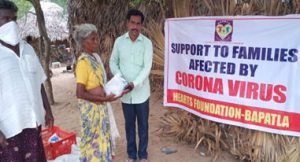
Hearts covered relief assistance in four Tribal colonies in and around Bapatla town and rural areas two times till date. The word Tribe is based on Caste reservation system called Scheduled Tribe (ST) and some others are Scheduled Caste (SC), Backward Classes (BC), Minorities (Muslim) and rest are general who are upper caste i.e. Brahmins, Pundits, Merchants etc. India is a huge populated country and illiteracy plays a major role for academic and employment opportunities. Therefore without reservations for underprivileged population, there is no chance at all for their children getting into Universities, Government jobs etc. Under the Caste system, Scheduled Tribes are downtrodden, looked down upon and particularly on those who are illiterate. Usually they live out of the towns especially on river or canal banks. The Government talks about equality for ST population in line with others but in practice it’s not happening.
We have identified four colonies where the population are living in thatched roof palm leaf houses and it is shocking to know the many hurdles they are facing under the lockdown due to Covid-19. In one of the colony, Hearts runs a Day Care Centre for children to come to school.
Colonies helped: Tribal population in four colonies namely:
1) Krupanagar Colony – 85 families
2) Ramnagar Colony – 90 families
3) Venkata Reddy Colony – 60 families
4) Matsyapuri Colony – 30 families
Total – 265 families
A family includes husband, wife, children and grand parents, if any. Approximately on an average we have reached 1,000 people who are children and adults.
Activities: We have carried out following activities:
- Purchasing of food supplies (Rice & Groceries), vegetables, fruits, milk etc.
- Purchasing of masks, sanitizers, medicines etc.
- Distribution of food supplies and other items as per pre plans and discussions with the beneficiaries
- Involving local community resource persons i.e. school teachers, health workers, Pastors etc.
- Creating awareness on Covid-19 precautions
Details:
- Each family received approx. 5 kilos Rice, 1 kilo Red gram dal, 1 kilo Wheat, 1 kilo Sugar, 1 kilo Oil.
- Each family received approx. 1 kilo each variety of vegetables i.e. tomatoes, potatoes, onions, brinjal, beans, chillies, milk and a dozen eggs.
- Each family received a pack of Mask & Sanitizer
- Each family received a pack of first aid medicines i.e fever, cold, cough, diarrhoea, de-worming and multi vitamins.
Apart from Tribal colonies, Hearts also helped children’s parents from Hearts Children Home. Since lockdown the parents or guardians of children are out of work. They have struggled a lot financially. The Government supplied Rice and Dal but they had to buy other ingredients to cook a meal.
Please support the work of the Future in Our Hands Education and Development Fund whose aim is to help and empower some of the world’s poorest and most marginalised people by:
- UK residents can provide long term support by completing the FIOH FUND DONATION FORM and sending to the address shown on the form:
- Direct grant to the charity’s bank account or by cheque to:
 Bank account details:
Co-operative Bank
IBAN: GB07CPBK08929965050707
BIC: CPBKGB22
Cheques should be made payable to the
Future in Our Hands E&D Fund
—————————————————————————-
Fundraising to help the work of the charities would be greatly appreciated
People helped by the work of Global Rehabilitation Services
Global Rehabilitation Services has since its foundation carried out successful prosthetics treatment, including the arrangement of corrective surgery when required, for over 1,500 severely disabled children and youths.
Testimonials of six of these children are given below:
Jackson Kuetche
This child at the age of five had a severe cogenetal deformation (Bilateral valgus knees). The picture on the right shows the boy after corrective surgery and physiotherapy.
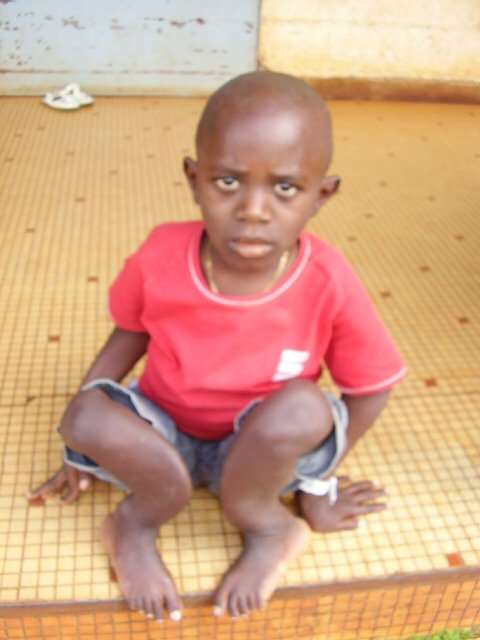

My Name is Jackson Kuetche and I am 7 years of age. My mother told me that when I was born, my legs were normal but later started deforming as I developed.
I went to school like other children until my legs got so serious that I found it difficult to walk to school. There came a time that I could not walk any more. I could only drag my buttucks on the ground to displace myself from one place to the other. Other children were laughing at me at school and I felt so bad and could not stop crying. The problem became so serious that my parents asked me to stop schooling and stay at home. I was sad because my brothers and sisters were going to school and I could not.
My parents were informed in the village meeting that there was a Handicap Treatment Centre called GLORES. The village group helped my parents through contributions to pay transportation to the GLORES Centre in Bafoussam.
In GLORES they told me that my deformations were so serious that surgery was needed. They also told my parents that I had ricketitis, a disease that causes severe deformations of the bones and retards growth and develoment. My parents did not have money for the operation. I started crying with my mother. GLORES worked out a financial assistance for the operation of my legs and put me on medical treatment. My parents only paid a small portion of the operation charges.
My legs are corrected and are straight. I can now go to school. I am happy with my family because I have returned to school. My family and I do not know how to thank GLORES programme.
——————————————————————-
2. Mapta Yomgue
This two days old baby had a severe cogenetal deformity. The picture on the right shows her after one month of physiotherapy.


This testimony was given by the mother of a three year old child who was refered to GLORES for treatment for a severe congenital deformation of the right leg by the Bafoussam Regional Reference Hospital.
Mother’s observation
God still continue to perform miracles today through individual and charitable organizations like GLORES. I believe in what I am saying because of my experience with my little girl whom I brought to GLORES at the age of two days with serious deformation of the right leg after birth. The hospital where the child was born told me that something can only be done through surgery when the child reaches the age of 25 years. They, however, refered the child to the Handicap Treatment Centre called GLORES. If the hospital of that calibre could not do anything, I was left with no choice than to cry.
I brought the child to GLORES in tears. I was comforted and told not to worry. I could not believe what they were saying. They consulted the child and put her on treatment for one month. To my utter amazement the child’s leg returned to normal. I could not believe myself. I thought I was dreaming.
Now my little girl is growing up normally like other children and shows no sign of any problem at birth. This was a miracle to me. I started thanking the therapists in GLORES but they told me that they only treat and God heals.
Thank God for giving us a treatment Centre like GLORES. God through GLORES prevents disabilities in Children! Let God give more inspiration to the Therapists in GLORES so that they can help more handicap children in Cameroon.
Knefack Evelyn Yomgue
« Mother of Mapta Yomgue »
———————————————————————
3. Efone Jacque
This boy was without a left femur. The picture on the right shows him after physiotherapy
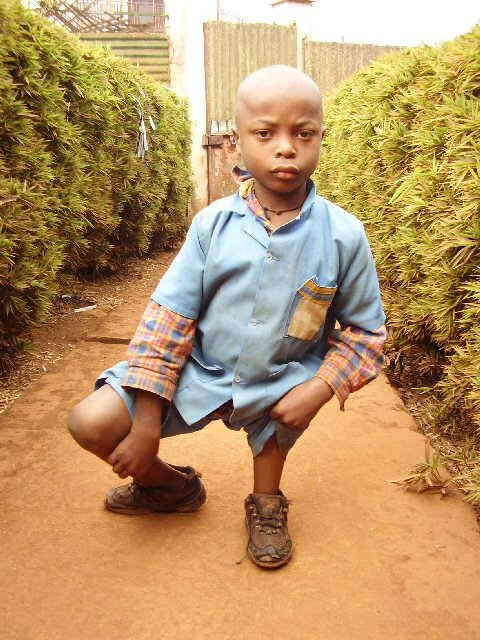

My name is Efone Jacques from Bafoussam. My parents did not want to send me to school because I found it difficult to walk due to my left leg that was deformed and shorter than the right leg from birth. They said that going to school was not necessary since I would not be able to walk making it difficult to find a job.
When I went to GLORES they made it possible for me to walk with the help of splints and now I am in school and doing very well with my school work. My parents, villagers and I am happy.
Efone Jacques
Note: The splints this child is using are temporal and he will continue to wear them until the age of 25 when the deformed leg will be amputated and replaced with a permanent prosthesis.
——————————————————————-
4. Freddy Pokam
This boy had a severe limb deformation (bilateral valgus knees). The picture on the right shows him after corrective surgery, physiotherapy and splinting.


I am speechless. I returned to the village after treatment and people could not recognize me again, even my relatives. One of them even asked if I went to the native Doctor for the magic done on my legs. This is really like magic.
It was already getting difficult for me to go to school. My legs were crossing over each other making it hard to walk. The worst thing is that other children in my school were often laughing at me. Some of them called me distorted legs. Things like these made my school grades to go down because I was not at ease at all.
To the utter amazement and to the surprise of the villagers, I can walk normally with no sign of disability any more. I am like other children.
Thanks be to GLORES and to God above all.
Freddy Pokam
——————————————————————
5. Patrick Kenfack
This young man had a cogenetal deformation. The picture on the right shows him after prosthetics treatment.


I am an 18 year old boy from Bafoussam, Cameroon. I was born with my legs deformed. To displace myself from one place to the other I had to creep and roll. I was brought to see the Orthopaedic surgeons from Holland for corrective surgery. They consulted me and said that nothing could be done to my legs. My mother and I started crying in the hospital. The Physiotherapist from GLORES told us not to cry and that we should come to GLORES so they can see what could be done.
We did not have the confidence because the surgeons said that nothing could be done. We, however, went to GLORES treatment Centre in Bafoussam. I was evaluated and internalized there for three months. They were able to straighten my deformed legs, put on prosthesis and trained me to walk.
Now I can walk and go to school and I am the secretary of the handicapped people organization (Arc -En- Ciel) in Bafoussam. I am looking forward to finding a job after my education.
Patrick Kenfack
——————————————————————–
6. Brunhilda Tsakong
This girl had varus knees when she was five years old. The picture on the right shows her with legs straightened by physiotherapy.


My name is Brunhilda Tsakong. I am now 10 years of age. My legs were deformed when I was 5 years of age. I am from a family of 10 children and my father is a village chief with 3 wives. My father is a farmer and his income is so small that he is unable to send all the children to school. The 5 children that go to school are boys. Girls are encouraged to go to the farm with their mothers.
My father could not afford to send me to the hospital for the treatment of my legs. He once attended a village meeting which was organised by GLORES. In the meeting, they talked about disability, treatment of handicaps and showed pictures of treated children. My father was thrilled and took me to the GLORES Treatment Centre in Bafoussam, Cameroon. There I was consulted and referred for corrective surgery followed be physiotherapy.
They invited my parents and encouraged them to send the girls to school with the help of GLORES. Now I am preparing to go to the secondary school. And my legs are straight and normal. As a girl I feel beautiful.
Thanks to GLORES Treatment Centre. Because of GLORES programme I can walk straight, go to school and feel beautiful.
Please support the work of the Future in Our Hands Education and Development Fund whose aim is to help and empower some of the world’s poorest and most marginalised people by:
- UK residents can provide long term support by completing the FIOH FUND DONATION FORM and sending to the address shown on the form:
- Direct grant to the charity’s bank account or by cheque to: Bank account details:
Co-operative Bank
IBAN: GB07CPBK08929965050707
BIC: CPBKGB22
Cheques should be made payable to the
Future in Our Hands E&D Fund
—————————————————————————-
Fundraising to help the work of the charities would be greatly appreciated
k:
www.facebook.com/fiohfund
Follow us on Twitter:
twitter.com/fiohnet
Please share our links with your friends to help us reach a wider audience.
New treatment centre for disabled children
Donate
Global Rehabilitation Services (GLORES) is a non-government organisation based in Bafoussam, Cameroon treating severely disabled children. GLORES is badly in need of a new centre to expand its services to meet a growing need.
The sum of £29,770 is needed for this of which £25,721 has already been provided by the FIOH Fund.

 Background
GLORES rehabilitation approach is global, as its name implies. That is, we are not only concerned about treating disability, but ensure that our beneficiaries lead self-reliant and socio-economically independent lives.
GLORES major mission, therefore, is to prevent disability in children; identify and treat those already affected; support education, provide vocational training, placement and follow-up in their communities to achieve effective socio-economic integration.
Global Rehabilitation Services was authorized by administrative order No 238/RDA/F35/BAPP of November 2004 and registered as a non-profit association at the service of disabled children. GLORES is made up of a group of Cameroonians of all walks of life, men and women, concerned about the plight of an increasing number of underprivileged disabled children in the West Region, who decided to make their contribution in the fight against poverty, specifically among disabled children. GLORES is the first comprehensive rehabilitation centre in the region.
GLORES opened its doors to physically disabled children in July 2005. Despite the micro resources available, 1,500 physically disable children have received direct services while 4,500 persons have had indirect services from GLORES.
These beneficiaries came not only from this region but also from the northwest, littoral and central provinces of Cameroon. GLORES organises the following activities from a basic rented building in Bafoussam:
PHYSIOTHERAPY DEPARTMENT
 This is the first objective in our rehabilitation process where functional re-education is provided through intensive physical therapy, functional re-education, and mobility training. The aim is to ensure mobility and use of limbs because we believe that without mobility a disabled person cannot lead a productive and independent life. During therapy, parents and the disabled persons are themselves educated to become their own therapists upon discharge from the centre.
ORTHOPAEDIC WORKSHOP
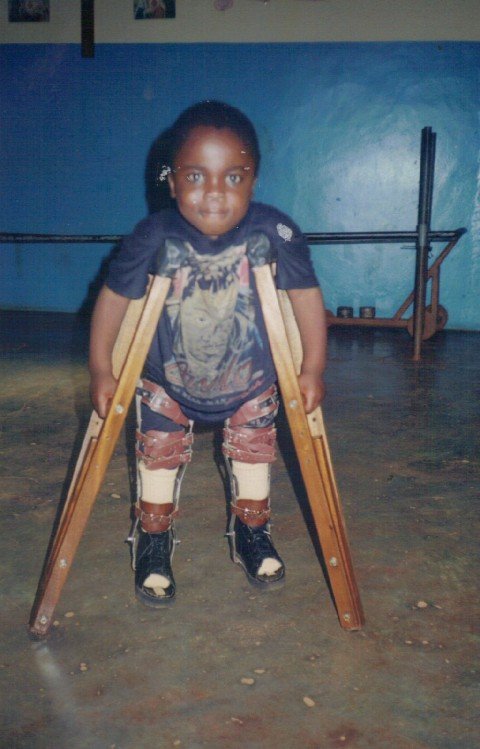 This is where splints and mobility aids are produced including orthopaedic shoes, splints and other assistive devices. This serves as a training place for those disabled who would like to become either shoemakers or orthopaedic technicians.
VOCATIONAL TRAINING
After treatment, beneficiaries choose from such income-generating professions as shoe making, tailoring, hairdressing and cane work. Upon successful completion of the training, beneficiaries are placed in either individual or group business ventures in their communities with follow-up to ensure success.
COMMUNITY BASED REHABILITATION
This is a follow-up programme in which maintenance treatment is also assured. This involves the family and the community at large. In this programme, the families and the disabled become their own therapists. Preventive measures are taken and disabled children are identified and referred for appropriate treatment. Disability prevention services, human rights education, information about discrimination against the disabled are provided and self help, social, and group activities including community development participation are introduced and supported.
ASSISTANCE PROGRAMME
GLORES also runs assistance programmes to sponsor treatment and corrective orthopaedic surgery for those children with severe disabilities who are unable to afford the symbolic treatment fees. GLORES pays particular attention to orphaned disabled children. GLORES hopes to extend the project to include other disabilities other than physical disabilities as the project expands and develops.
The need for the new centre
Despite the successes of the activities of GLORES, the most important difficulty has been the lack of space in the present Centre to accommodate the many children being referred for treatment. The present rented building only has four small bedrooms, a small physiotherapy treatment room, an adapted internal kitchen that is being used as the administrative office and treatment room at the same time and an external kitchen which is being used as the orthopaedic workshop. Besides these, there is a small external traditional toilet, and two internal toilets which often fail to function due to mechanical malfunctioning and shortage of water which is common in the Bafoussam town. In fact the house was conceived as a residential house not for other activities.
GLORES, therefore needs a larger space in order to effectively carry out the many activities as specified above. To summarise, a larger building is needed for the following reasons:
- A larger building will help cut down the high rents we have to pay for the existing house. The heavy rents could be use in purchasing other items for the centre.
- We will be able to serve the many children who are asking for our help from neighbouring regions in Cameroon, GLORES being the only comprehensive rehabilitation centre for physically disabled children.
- A more spacious workshop will help us in the production of more orthopaedic equipments without leaving children to wait for long to get ambulation and other equipments. It will also provide space for the training of disabled children in the production of orthopaedic equipments.
- A larger treatment room will help us better position treatment equipments and consequently we will be able able to treat many children simultaneously. With the present structure children have to be put on the waiting list to have treatment.
- There will be enough dormitories to accommodate children, most of whom come from distant villages and have no place to stay for follow-up treatment.
- The hygiene situation will be solved with available toilets and the water system.
- The New building will be situated by a major surfaced road and is more reachable by public transport unlike the present centre.
- The new building will be more adapted for handicapped persons.
- There will be space to train disabled children to engage in income-generating professions.
- A new centre will provide a conference room which will be rented by the public for meetings thus generating income for the centre.
The land for the centre was purchased in 2014.


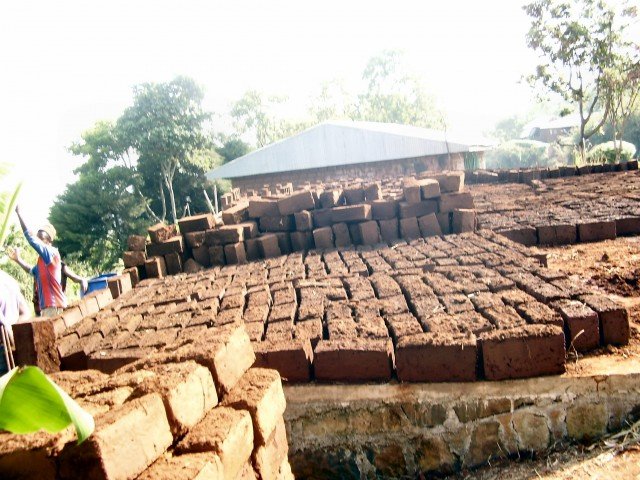

Delivering sand
The completed foundations.
Making blocks.
Wall construction

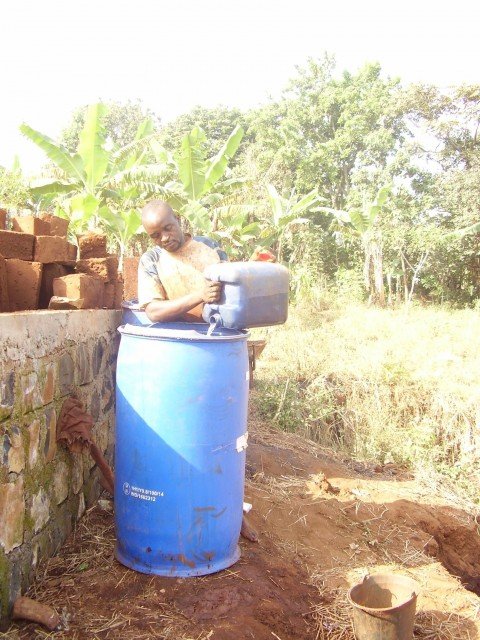

Water is collected by hand from a local stream.


Roof construction.
Completed roof.
Window protection – September 2016.

Alfred Wingo assists visiting Dutch surgeons with an operation.


Moving testimonials of six of the children treated by GLORES

Mike Thomas with some of the children in 2009
Fo
Please support the work of the Future in Our Hands Education and Development Fund whose aim is to help and empower some of the world’s poorest and most marginalised people by:
- UK residents can provide long term support by completing the FIOH FUND DONATION FORM and sending to the address shown on the form:
- Direct grant to the charity’s bank account or by cheque to: Bank account details:
Co-operative Bank
IBAN: GB07CPBK08929965050707
BIC: CPBKGB22
Cheques should be made payable to the
Future in Our Hands E&D Fund
—————————————————————————-
Fundraising to help the work of the charities would be greatly appreciated
Future in Our Hands Education and Development Fund
48 Churchward Avenue
Swindon, Wiltshire SN2 1NH
United Kingdom
Registered Charity No. 1047953
Global Rehabilitation Services
Mike Thomas with some of the children
Global rehabilitation Services (GLORES)
GLORES was started in 2004 by Cameroonian, Alfred Wingo, after receiving prosthetics training in the USA.
The work of GLORES in a poor rented building in Bafoussam, capital of the West Region of Cameroon, was observed by FIOH Fund trustee, Mike Thomas in 2009. He was impressed by what GLORES was achieving with very basic equipment.

A video showing Mike Thomas interviewing Alfred Wingo.
Disabled people in the West Region of Cameroon, especially children, suffer from neglect and discrimination due to ignorance and cultural beliefs about disability. There is a general lack of care and rehabilitation planning in the country and disabled children, who are mostly from poor families, rarely obtain an education and employment. They are often viewed as being possessed of evil spirits and a curse upon their parents. Hence they may be locked up at home and fed like animals and hidden from society. It is estimated that about 70% of disabled children suffer from neglect and discrimination.
GLORES organises its work in three major sections:
- Prevention of disabilities through health education and encouragement of parents to vaccinate their children against diseases causing disabilities. Part of the education focuses on prenatal/postnatal care, nutrition, hygiene, genetic information and environmental pollution.
- Physical therapy that includes therapeutic exercises, mobility training, functional re-education, occupational therapy and activity training for coping with everyday life.
- Vocational training in 3 trades. The disabled person makes the choice of trade and is then able to undergo training in that trade for one year in a sheltered workshop environment. Younger children who cannot work are sent to local schools for their education. While the child is in school parents will take an active part in its education and prepare to take over responsibility for the child’s welfare later on. After successful completion of the training disabled persons are settled in their individual group ventures or employment and there will be follow-up by GLORES for a few months after treatment and training has finished.
Once a disabled person goes through the GLORES project he or she becomes a member of the GLORES family. GLORES monitors all the outcomes of its work in order to evaluate its effectiveness and introduce improvements where necessary.
The pictures below show some of the disabled youths and children before, during and after treatment:
Moving testimonials of six of the children treated by GLORES
If you would like to support the work of the Future in Our Hands Education and Development Fund please make a donation:
Please support the work of the Future in Our Hands Education and Development Fund whose aim is to help and empower some of the world’s poorest and most marginalised people by:
- UK residents can provide long term support by completing the FIOH FUND DONATION FORM and sending to the address shown on the form:
- Direct grant to the charity’s bank account or by cheque to: Bank account details:
Co-operative Bank
IBAN: GB07CPBK08929965050707
BIC: CPBKGB22
Cheques should be made payable to the
Future in Our Hands E&D Fund
—————————————————————————-
Fundraising to help the work of the charities would be greatly appreciated
Centre for Community Regeneration and Development
ACTIVITY UPDATE AUG 2016
Education for sustainable development through sports in schools
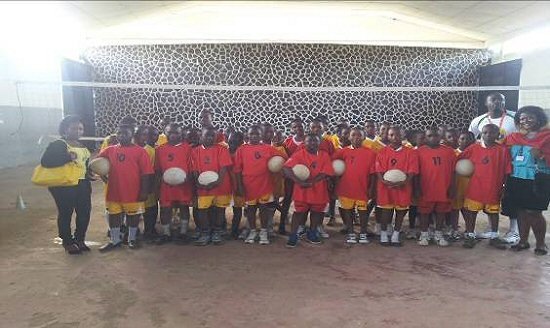 CCREAD-Cameroon in continuation of its Education for Sustainable Development Programme, has mobilized more than 300 children and youths through environmental and conservation leadership camps, with sports as a uniting factor, to educate the children on climate change mitigation and adaptation, sustainable development goals, biodiversity conservation, sexuality and family planning, human rights, leadership and good governance. We need more volunteers for this ongoing programme.
ICT for development programme for youths within poor communities


CCREAD has set up a free ICT daily training unit which serves children, women and youths from extremely poor countries to gain generational skills on computer and ICT skills for development. The facility also trains students daily who are enrolled in schools without computer laboratories so they can be able to take official examinations in computer sciences. This project needs more trainers and those who can support to buy more computers, a projector and more desks for trainees.
Sexual and reproductive health rights education for abandoned teenage and single mothers
 CCREAD volunteers are currently organizing weekly workshops for 25 single and teenage mothers on sexual and reproductive health rights. The aim is to educate teenage mothers to stay away from sexual and different forms of gender base violence, organizing them into action groups and linking them up with mentors for social and economic empowerment.
Supporting women and widows living with disabilities
 CCREAD is currently supporting unmarried women with children living with disabilities and who are not employed through granting of micro financial support to start small micro enterprises which will enable them take care of themselves, send their children to school and meet their health needs. We have identified a total of 320 of such women with pressing needs and have been able to assist 15 of them already. We need more people to help this initiative.
To support any of these ongoing projects, kindly drop an email to: projects@ccreadcameroon.org


Children helped by the work of HEARTS – case studies
CASE STUDIES
 Child Name: Jagadeesh Babu Jonnalagadda

Class studying: Polytechnic final year (pre-engineering – 3 years course)
Age: 17 years
Family background: His parents died from HIV/AIDS when he was six years old. He has two elder sisters and an elder brother. Three of them are married and working. His brother used to come to see Jagadeesh but stopped coming since he got married. Jagadeesh doesn’t like the family because they don’t care for him. They don’t even invite him for vacations. Hence he likes to stay in the children’s home even for holidays. Considering his family background, we had to keep him in the home and send to college.
Education progress 2016: Jagadeesh is about to complete year 3 in Polytechnic after successfully securing ‘A’ grade in 10th class final exams. He has joined in Bapatla Polytechnic College in Mechanical branch which is a three years course. In these three years of Diploma, he obtained 95% marks. After completion of three years, he is eligible to upgrade to Engineering 2nd year or to get a job.
Hobbies / other activities:
- He likes drawing, reading, dancing and outdoor games like cricket, kabadi and volleyball.
- In the High School, he won several certificates in Drawing competitions and essay writings.
In the home, as a senior boy, Jagadeesh helps other boys in getting ready to school and related activities.
—————————————————————
 Child Name: Sampath Kumar Guntur

Class studying: 10th class
Age: 15 years
Family background: Sampath’s parents died of Jaundice seven years ago. He has an elder sister and an elder brother. His sister is married and working in a cloth shop. His brother also recently married and is working as a Barber since they belong to this particular community. His grandfather died of a heart attack last year. He used to be visited by a distant uncle who is working in a bank but he got transferred to a neighbouring district hence he could not come to visit Sampath anymore. His sister never comes to see him. His brother and an aunt come to see him occasionally.
Education progress 2016: Sampath passed 9th class in ‘B’ grade in final exams. He is an average student but trying hard to improve for the next class. He goes to Municipal High School in the town by a bicycle provided by Hearts. This year he will come to 10th class which is a public examination.
Hobbies / other activities:
- He likes drawing, dancing and games like kabadi, carom board and cricket.
- In the school he received a certificate and dictionary for the participation of planting trees.
————————————————————–
 Child Name: Bhagya Laxmi Manchala

Class studying: 9th class
Age: 14 years
Family background: Bhagya Laxmi’s father left the house and mother died of Cancer when she was a small girl. In the family they are four girls and one boy. She and her brother Bala Krishna are staying in the children’s home. Considering their family circumstances, Hearts agreed to look after them both. One of the elder sisters is married and died last year. Bhagya Laxmi is visited by her two sisters whenever they can. They go to work for their living. In the recent floods, their house collapsed. At present her sisters are living in a small hut which was built with donations from the community.
Education progress 2016: She has passed 8th class in ‘A+’ grade in the final exams. In the units and half yearly exams she scored from 95% to 98% marks. Bhagya Laxmi is a brilliant student in the entire class. This year she will be studying English.
Hobbies / other activities:
- She likes reading, drawing, dancing and games like skipping, coco and badmington.
- In the school she won several prizes for studies in ‘A’ grade, essay writings and talent competitions.
—————————————————————
 Child Name: Bala Krishna Manchala

Class studying: 9th class
Age: 15 years
Family background: Bala Krishna’s father left the house and mother died of cancer when he was a small boy. In the family they are four girls and one boy. He and his sister Bhagya Laxmi are staying in the children’s home. Considering their family circumstances Hearts agreed to look after them both. One of the elder sisters is married and died last year. Bala Krishna is visited by their two sisters whenever they can. They go to work for their living. In the recent floods, their house is collapsed. At present their sisters are living in a small hut which was built with donations from the community.
Education progress 2016: He has passed 8th class in ‘A’ grade in the final exams. He studies well but due to his interest in sports he got less marks in the units and half yearly exams. This year for class 9th he will be going to high school in the town. He will also be studying English.
Hobbies / other activities:
- He likes drawing, dancing and games like cricket and kabadi.
- In the school he won several prizes for sports and cultural activities.
- In the children’s home he performs well in any drama or cultural programmes.
- He is a helping hand for other children in the home.
————————————————————–

Child Name: Dinesh Kandiyar
Class studying: Degree 1st year
Age: 16 years
Family background: Dinesh’s father left the house nearly 10 years ago. His mother runs a small Tiffin centre left by the father. The family came to know that the father died of tuberculosis last year. Dinesh has an elder brother who is working and a twin sister who has at present discontinued studies. She used to stay in the children’s home but left because her mother wanted her to work.
Dinesh is visited by the mother and brother occasionally.
Education progress 2016: He has passed Intermediate and scored 7.5 points out of 10. He is an average student but trying to improve in college studies. In 2013 he attended 10th class and passed in all subjects. He took the group MPC (Maths, Physics and Chemistry).
This year he is studying Degree (graduation) 1st year with the same subjects. After completion of degree studies, he will be eligible to study university or to get a job.
Hobbies / other activities:
- He likes reading and playing games like cricket, kabadi and carom board.
- He won several prizes for essay writings on national leaders.
————————————————————–
 Child Name: Chenna Kesavulu Maruprolu

Class studying: 10th class
Age: 14 years
Family background: His father died from jaundice 10 years ago. His mother works as a daily labourer. He has an elder brother who has discontinued studies and working due to mother being unwell. The mother and brother live in a small hut beside the canal.
Chenna Kesavulu is visited by the mother occasionally.
Education progress 2016: He is a brilliant student in studies and studying English. He has scored 95% marks in the final exams of class 9th. This year he is studying 10th class and will be writing public exams. He has good handwriting and is a role model for students in the school and children’s home.
Hobbies / other activities:
- He likes reading, drawing and games like kabadi and coco.
- In the school he won several prizes for essay writings and cultural activities.
- In the children’s home he participates in activities i.e planting trees, saving water and energy.
—————————————————————

Child Name: Jhansi Varadala
Class studying: 9th class
Age: 14 years
Family background: Jhansi’s parents are daily labourers. Her father goes to building mason work and mother goes to agriculture works. She has an elder brother studying at home. They live in a small hut in Bapatla town. Jhansi’s parents are very poor and often migrate to neighboring districts to work. Jhansi likes to study and continue education. Her parents also like Jhansi to study unlike them. Her mother comes to see Jhansi whenever she can.
Education progress 2016: Jhansi passed 8th class in ‘B’ grade in the final exams. She is an average student in studies but showing interest to improve. She finds English medium difficult this year because until last year she studied Telugu (mother tongue) medium. She will be studying 9th class this year in English.
Hobbies / other activities:
- She likes reading, drawing, dancing and playing games like skipping and carom board.
- In the school she participated in science exhibition and won a prize and certificate.
- In the children’s home she participated in cultural programmes.
—————————————————————

Child Name: Esther Jangam
Class studying: 8th class
Age: 14 years
Family background: Esther’s mother died when she was a small girl. She has a younger brother who was given for adoption at the age of six months. Then the father left the house and married someone else. Esther was left with her great grandmother who is very aged and could not go to work. Esther is happily staying in the children’s home. She is loved by everyone. Her grandma comes to visit her whenever she can. Recently a distant uncle is also coming to visit her.
Education progress 2016: Esther passed 7th class in ‘A’ grade in the final exams. She is a brilliant student. Since she joined the children’s home in the year June 2009, she is always coming first in her classes. Even though she studied Telugu medium until 2012, she picked up greatly to study English in 2013. This year she will be studying 8th class in English.
Hobbies / other activities:
- She likes reading, drawing, dancing and games like coco and carom board.
- In the school she won several prizes and certificates for essay writings and cultural programmes.
—————————————————————

Child Name: Rafi Shaik Mohammed
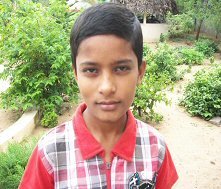
Class studying: 10th class
Age: 14 years
Family background: Rafi’s father is an invalid who is suffering from haemophilia. His mother is a daily labourer who works at a limestone factory. He has a younger brother studying at home. His mother has lot of burden to look after the family since the father needs medication very often. Rafi’s parents cannot come to see him but speak to him over telephone. His grandmother visits him whenever she can.
Education progress 2016: Rafi passed 9th class in ‘B’ grade in the final exams. He studies well but at the time of exams he gets nervous. He is studying English and goes to Municipal High School in the town. This year he will be studying 10th class.
Hobbies / other activities:
- He likes reading, drawing and games like cricket, kabadi and coco.
- In the school he won a certificate for essay writing on International Environment Day.
- In the children’s home he likes to do gardening on Sundays.
—————————————————————
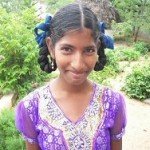
Child Name: Prasanthi Lingala

Class studying: Intermediate 1st year (class XI)
Age: 15 years
Family background: Prasanthis’s father is a drinker and never cares for the family. A few years ago he left the house and came back recently. Still now he is torturing his wife and children. Her mother is a daily labourer who works at the local market. The mother is suffering a lot by physical abuse of the father. Prasanthi has two younger sisters who are staying with the mother. Her father never comes to see her at the children’s home. Her mother visits her whenever she can.
Education progress 2016: Prasanthi passed 10th class in ‘A’ grade in the final exams. She is a brilliant student in studies. She always secures more than 95% marks. This year she will be studying Intermediate 1st year and writing public examinations in English.
Hobbies / other activities:
- She likes reading, drawing, dancing and games like skipping, coco and carom board.
- In the school she won several prizes for essay competitions. She also won a certificate and prize in the science exhibition.
- In the children’s home she participates in cultural programmes and likes to do gardening on Sundays.
—————————————————————

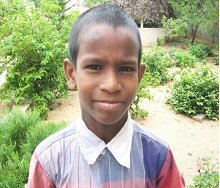
Child Name: Sujit Talatoti
Class studying: 7th class
Age: 12 years
Family background: Sujit’s mother died from tuberculosis when he was a small boy. His father then left the house and married someone else. Sujit has an elder brother who is also staying with him in the children’s home. For several years his father did not care for the family. Very recently he has started communicating with the boys. His grandmother comes to visit Sujit whenever she can.
Education progress 2016: Sujit passed 6th class in ‘A’ grade in the final exams. He has much improved in education because of children’s home regular tuitions. This year he will be studying 7th class in local Government elementary school.
Hobbies / other activities:
- He likes drawing; dancing and games like carom board and cricket.
- In the school he won several prizes for sports and cultural programmes.
—————————————————————

Child Name: Sandeep Talatoti

Class studying: 8th class
Age: 14 years
Family background: Sandeep’s mother died from tuberculosis when he was a small boy. His father then left the house and married someone else. Sandeep has a younger brother who is also staying with him in the children’s home. For several years his father did not care for the family. Very recently he has started communicating with the boys. His grandmother comes to visit Sandeep whenever she can.
Education progress 2016: Sandeep passed 7th class in ‘A’ grade in the final exams. He has much improved in education because of children’s home regular tuitions. This year he will be studying 8th class in local Government elementary school.
Hobbies / other activities:
- He likes drawing; dancing and games like coco, kabadi and cricket.
- In the school he won several prizes for sports and cultural programmes.
——————————————————————————-
Follow us on Facebook:
www.facebook.com/fiohfund
Follow us on Twitter:
twitter.com/fiohnet
Please share our links with your friends to help us reach a wider audience.