How CAMGEW Restored Forests and Empowered Women in Cameroon – 2025
All of the Major achievements by our network partner CAMGEW and a summary of their annual report focused on reforestation and women’s equality in Cameroon, with support from FIOH.
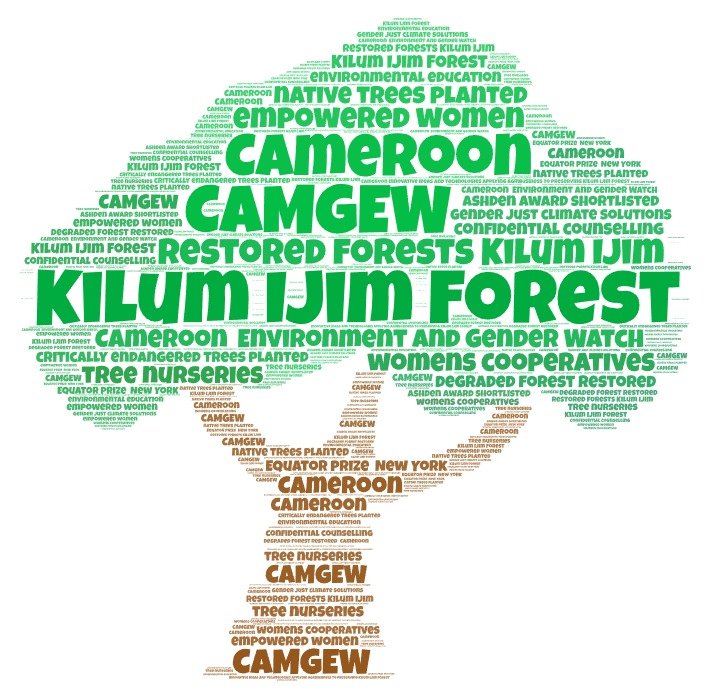
In 2025 CAMGEW was restoring forests and empowering women in Cameroon, rebuilt livelihoods with sustainable agriculture and a focus on youth livelihoods — while quietly transforming itself from a single-forest project organisation into a multi-region programme NGO with a 2026–2030 strategy.
Nine Headline numbers
| Indicator | 2025 Result |
| Native trees planted | 11825 seedlings plus 406 wild stems protected |
| Cumulative total trees planted | 134880 over 14 consecutive years |
| Critically endangered trees planted | 1386 Newtonia Camerunesis IUCN Red List |
| Degraded Forest restored | 12=-15 Hectares |
| Farmers trained in agroecology and enterprise | 600+ |
| People reached by environmental education | 4161 |
| Confidential counselling provided | 510 |
| Girls in leadership programmes | 102 |
| Livestock Livelihood beneficiaries | 230+ households |
The annual report has itemised, verifiable and audited statistics to support the following areas of action.
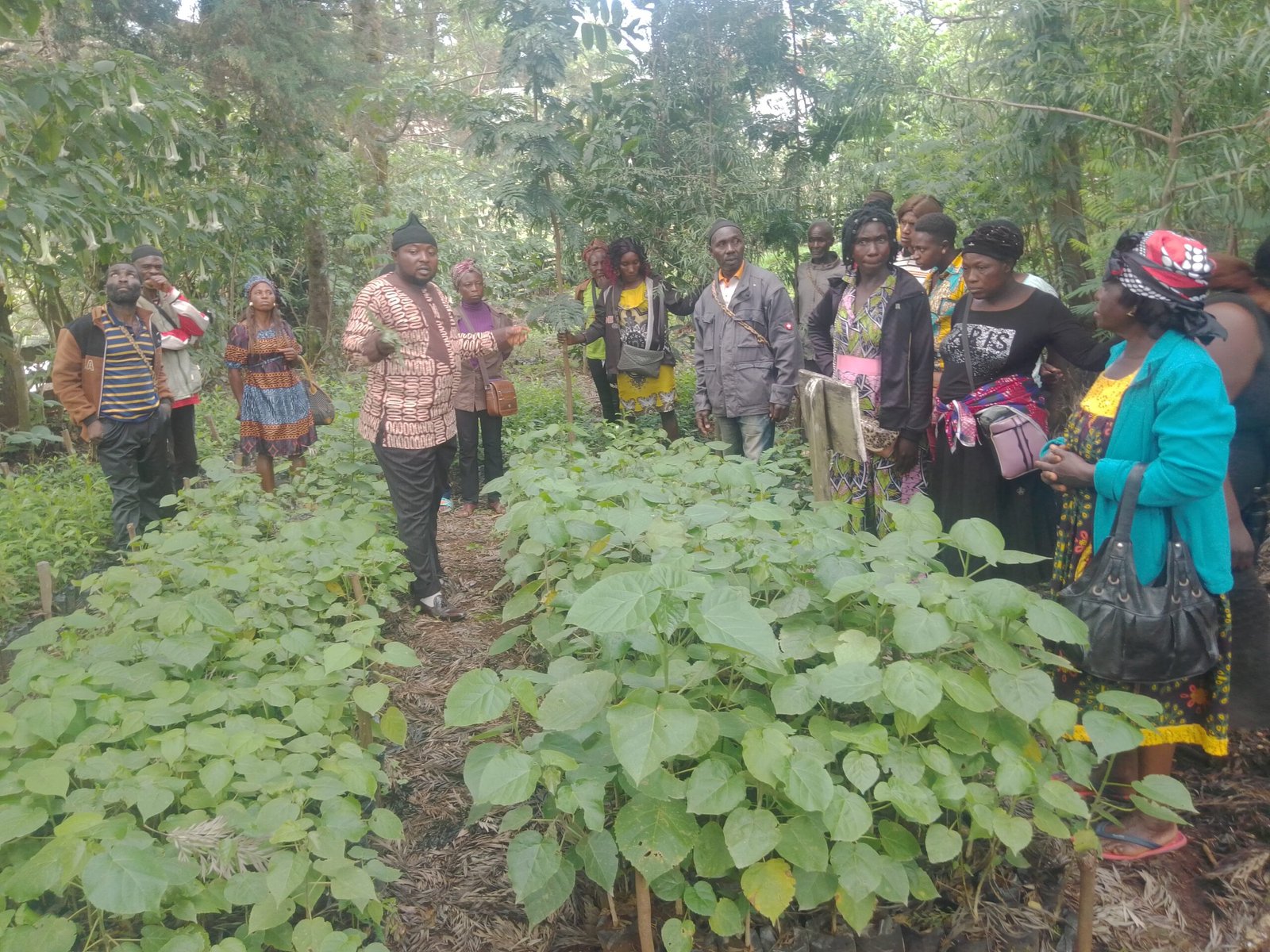
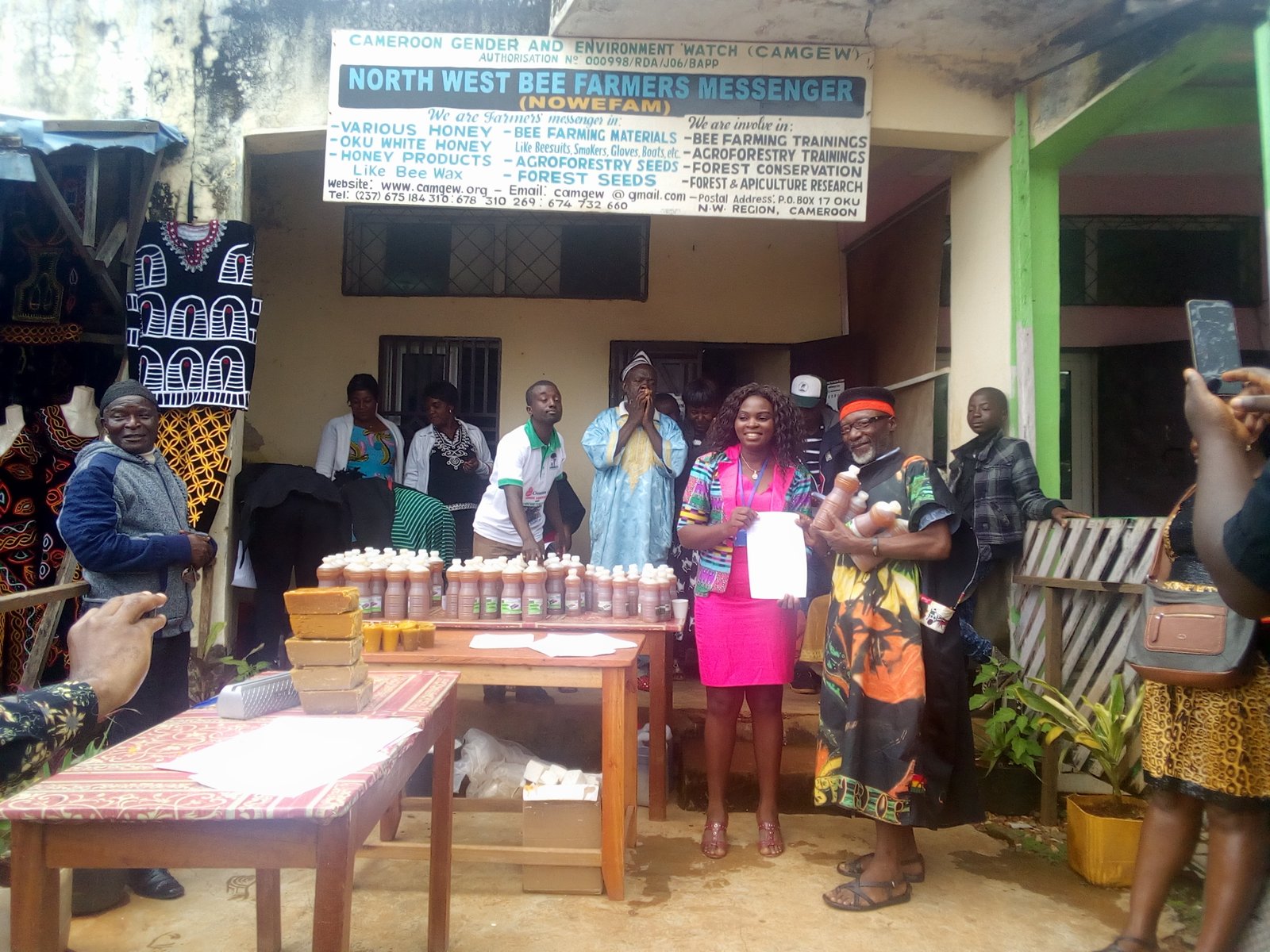
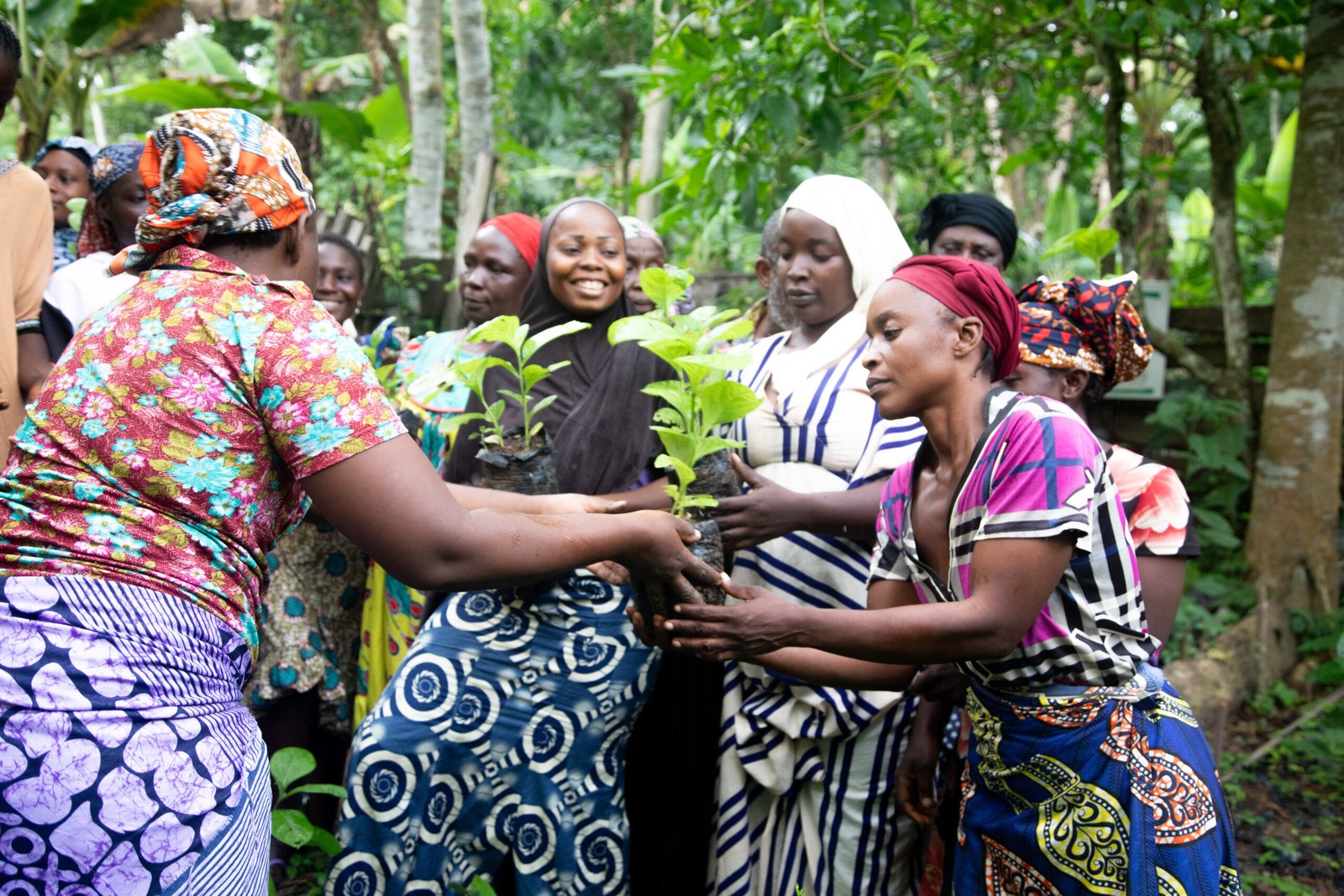
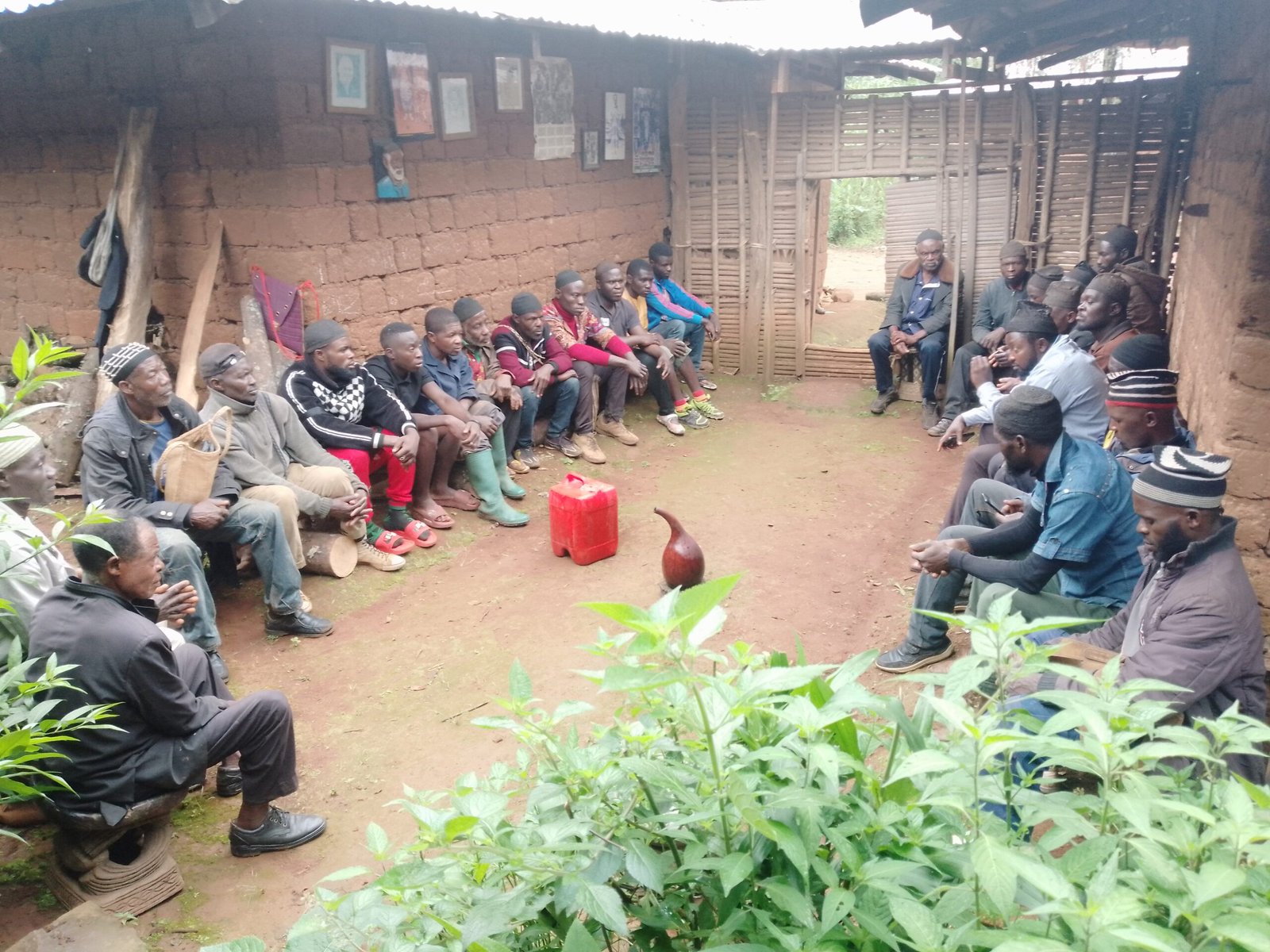
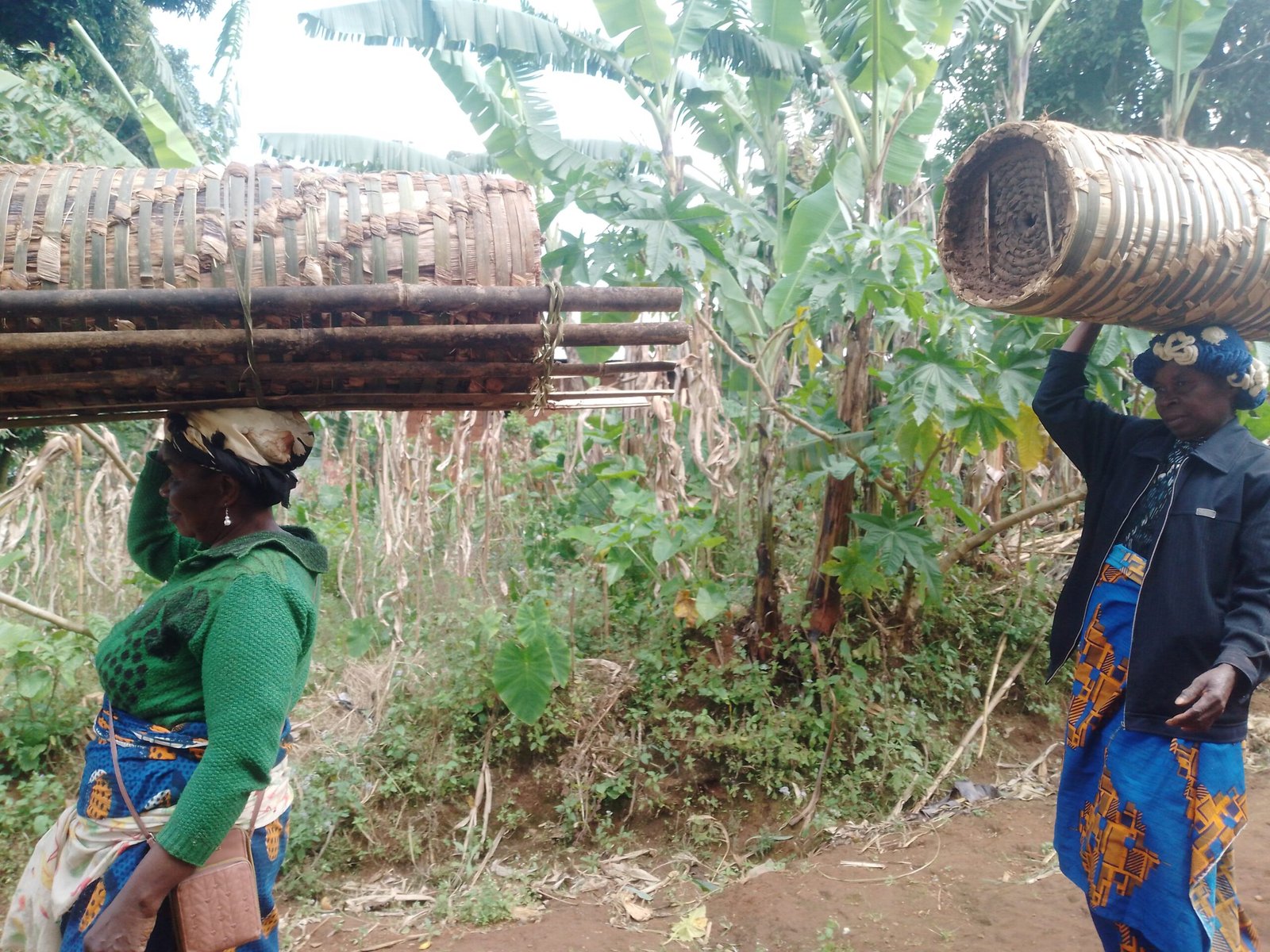
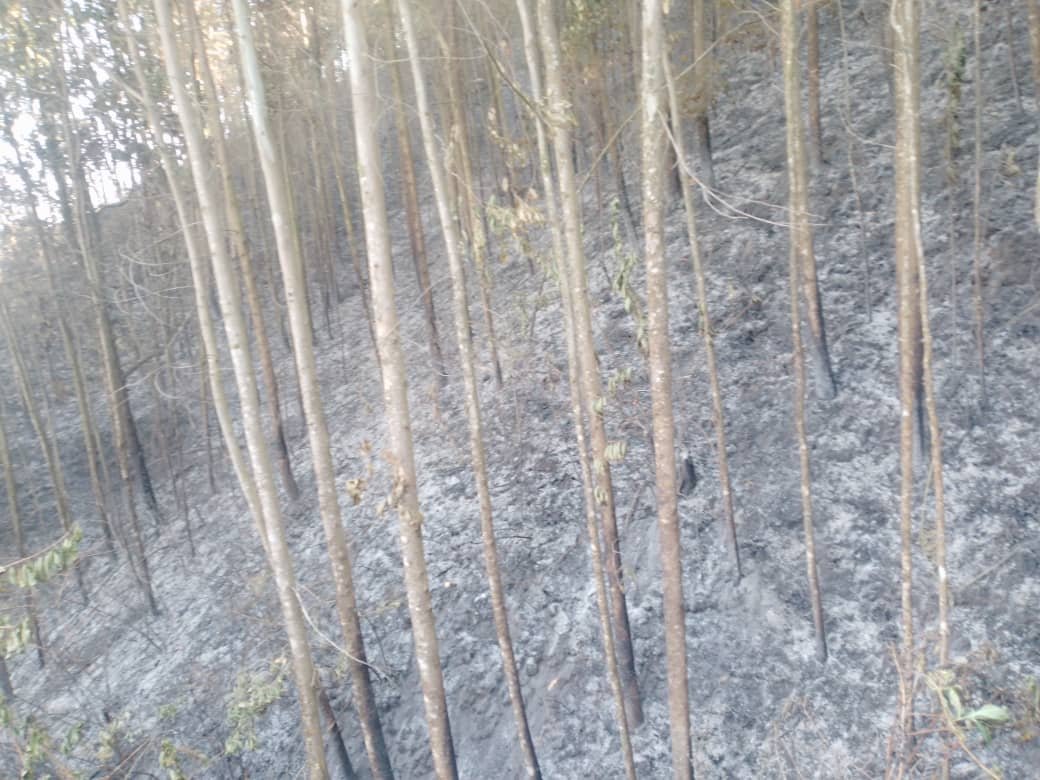
International Awards 🏆
Equator Prize New York
Gender Just Climate Solutions Sevidzem Ernestine Leikeki
Innovative ideas and technologies in agribusiness in efforts to preserve the Kilum Ijim forest
Ashden Award shortlisted
CAMGEW Cameroon Gender and Environment Watch on its way to NGO status with photography from Director Emmanuel Wirsiy and edited by FIOH
Source: CAMGEW 2025 Full Annual Report (80 pp). www.camgew.org Prepared for FIOH website digests and articles. CAMGEW Cameroon Gender and Environment Watch. Founded Oct 2007; works in 3 regions of Cameroon (North West, West, Adamawa). FIOH–UK was one of CAMGEW’s original tree-planting funders (2012-2017).
If you wish to support our cause and fund future projects on restoring forests and empowering women in Cameroon like CAMGEW’s please Donate via our website. To read more articles like this one, try reading this one of Cassava Farming in Sierra Leone.
Amabazonia mourns the loss of Transformational humanitarian leader in Cameroon
It is with great sadness that we mourn a true compassionate leader of SHUMAS. It was FIOH through initial contact with Mike Thomas, that were around to stimulate the origins of his story.
Tribute by Emmanuel Wirisy Director of CAMGEW
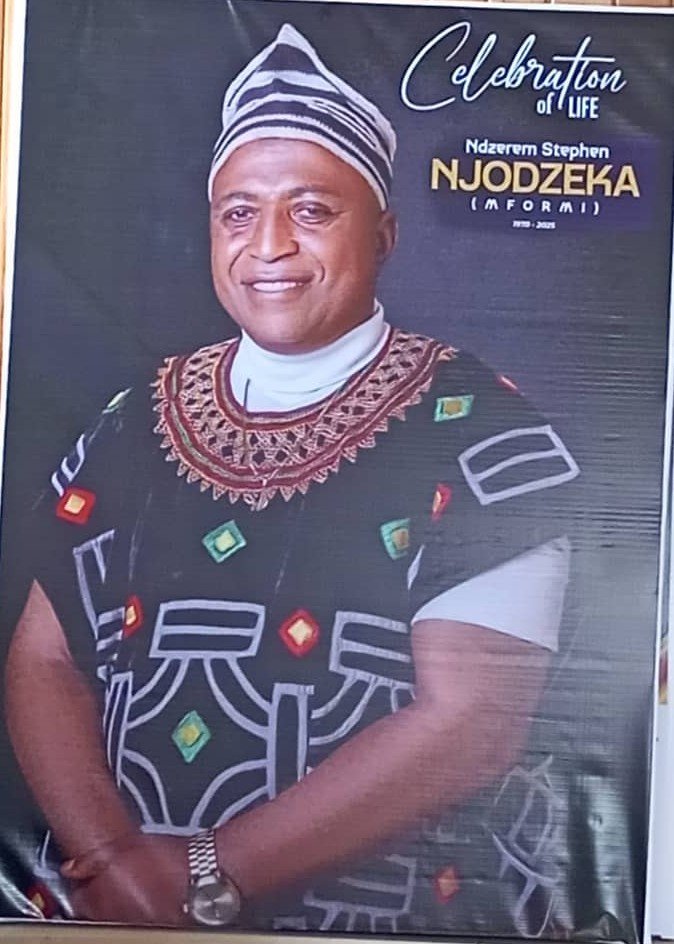
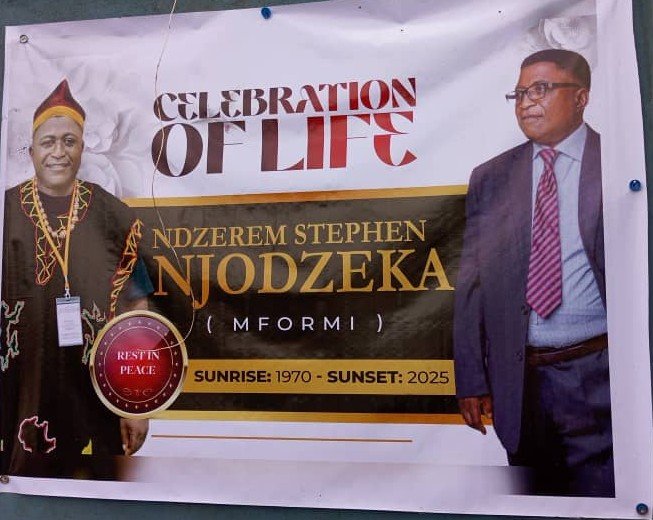
Our family has lost a great civil society leader, mentor and role model. SHUMAS director Mforme Ndzerem Atephen Njodzeka was a member of this group and guided its functionality. He made little noise but did more in actions. He did much in community development and moreover mentored and coached many who now lead their own NGOs non governmental organisations. We thank you for being an exemplary mentor and our hearts bleed with your premature departure. To make you proud , we pledge to continue your humanitarian and environmental work and to assist the most disadvantaged in society. We pray you rest in peace and send condolences to your family.
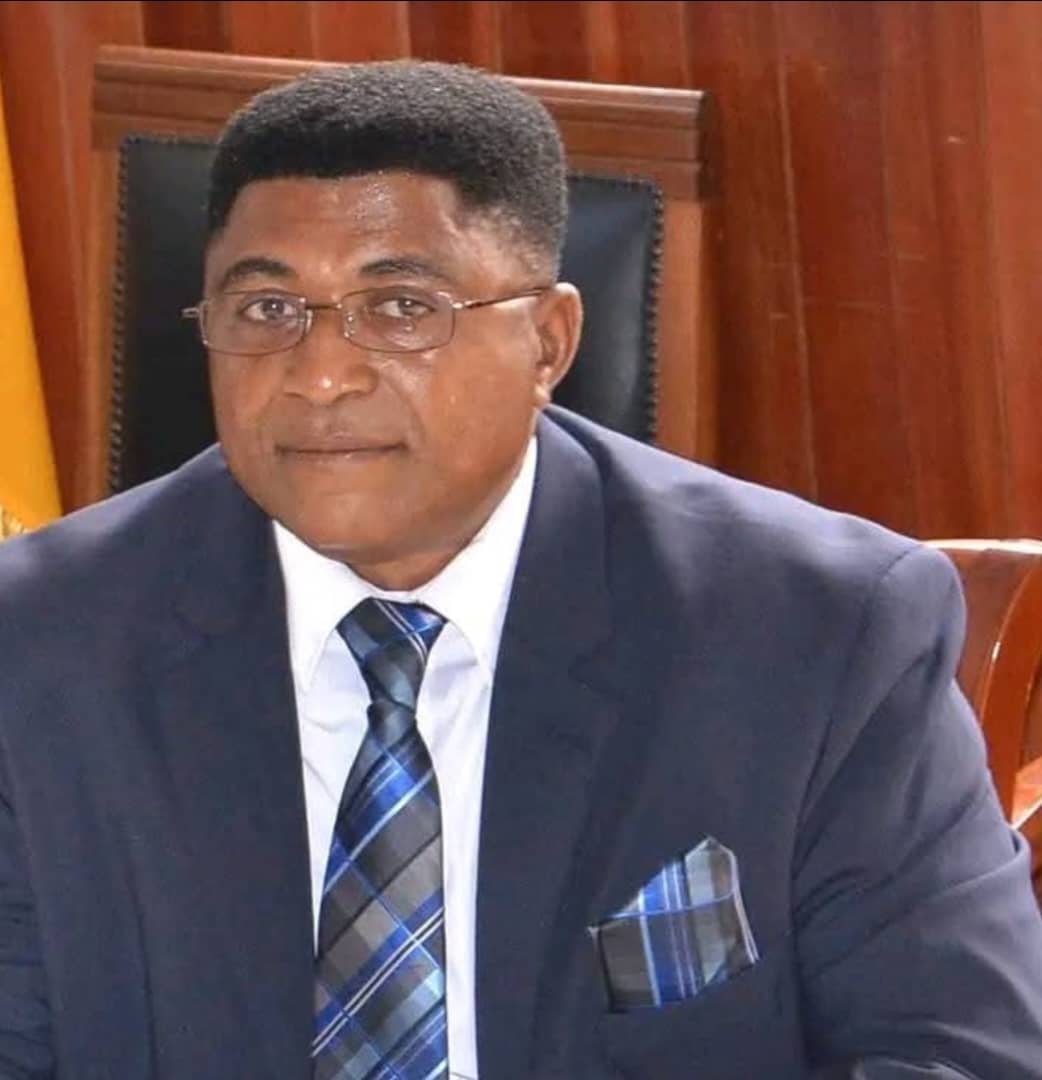
12 April 2025 we will be seeing off our Hero, Mentor, Model and Father that death took away from us in January 2025. This is Mforme Ndzerem Stephen Njodzeka who was Director of SHUMAS. He was one of us in this family here. His impact to humanity speaks loud and his forging spirit is what CSO leaders can hold as legacy to keep moving. Our condolence to his family. Go Well Our Hero to join the Great People of Our Community. We love you our Hero.
IAA Cameroon reaps the rewards of sustainability
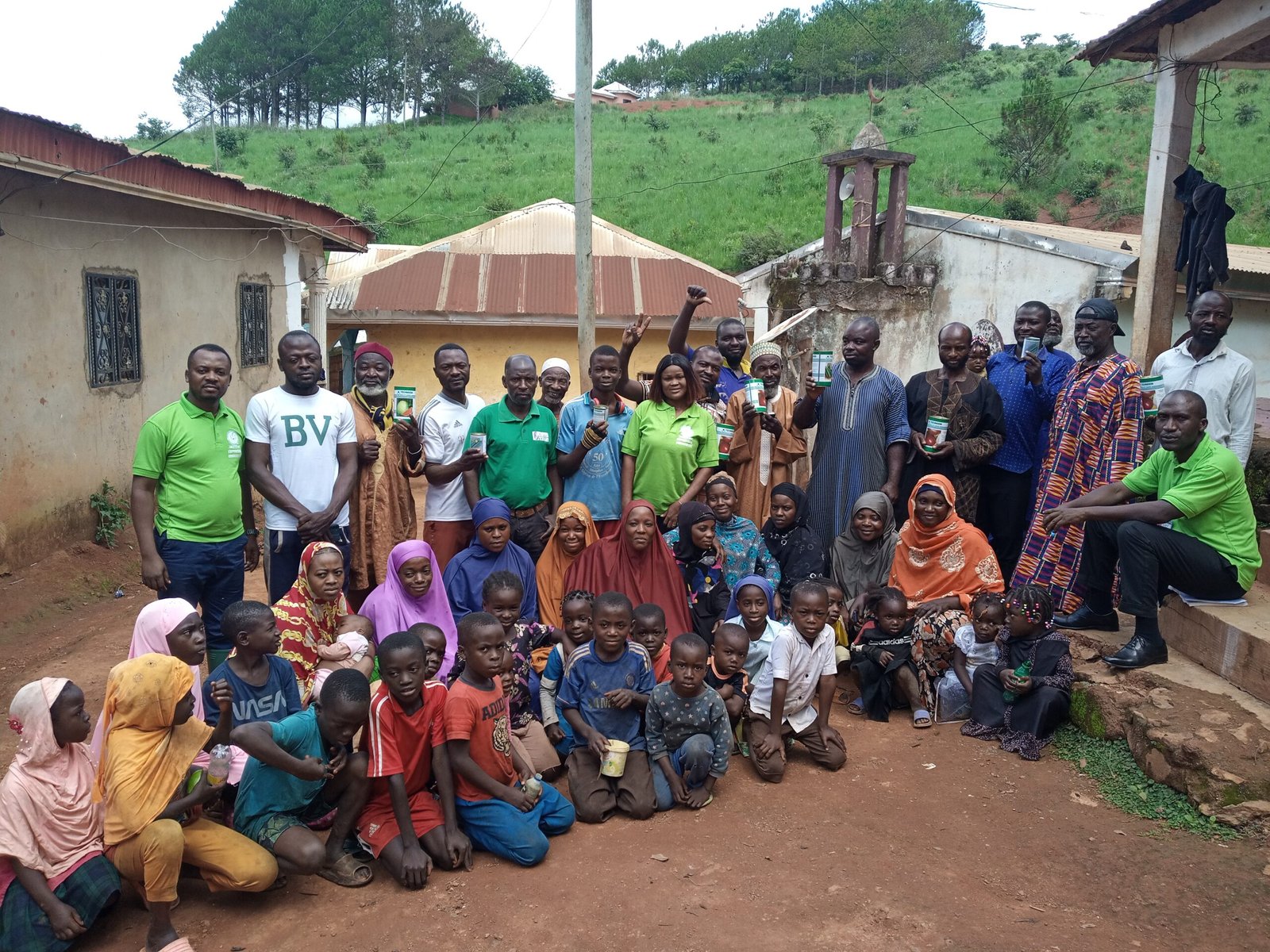
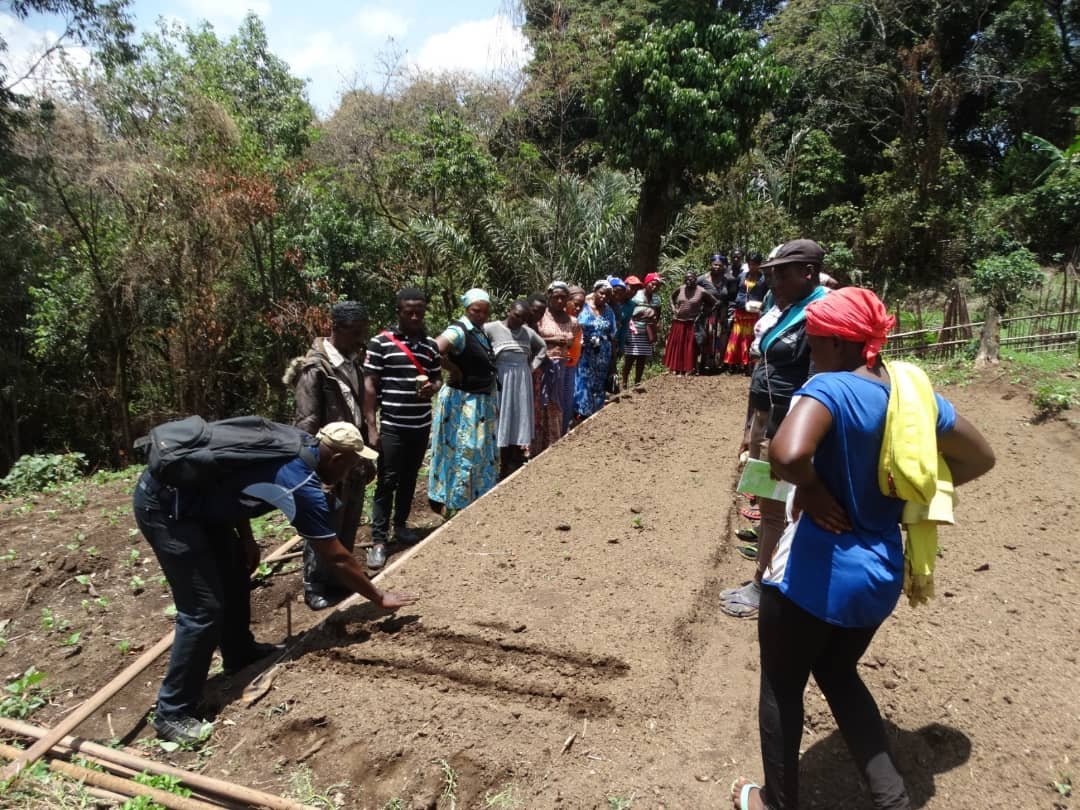
From seed distribution
To planting out
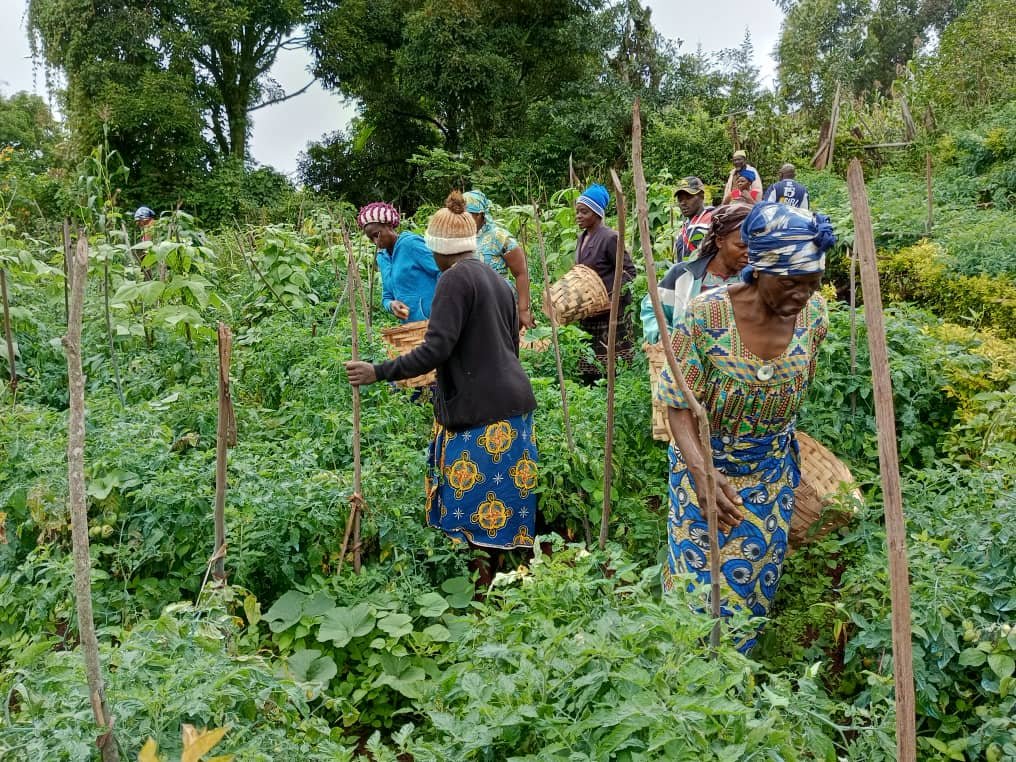
to harvesting
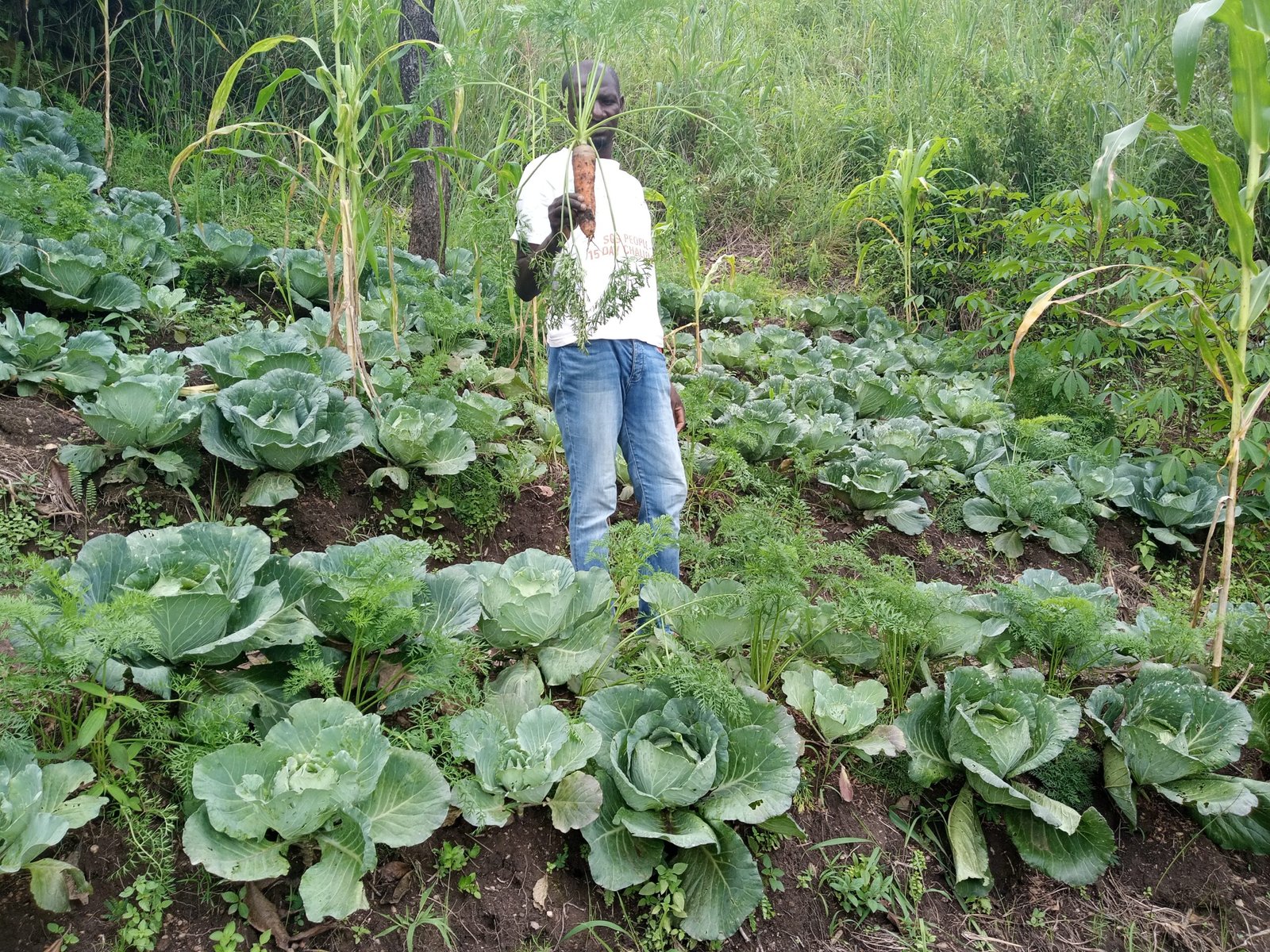
IAA receives international recognition with prestigious award
1) RECENT AWARD RECOGNITION
Regenerative Agriculture/Agroforestry, IAA has been honored as National Winner of 2024 Energy Globe Award.
The project aimed at training small-holder farmers in regenerative agriculture techniques and agroforestry. Specifically the project focused on climate adaption, carbon sequestration and conservation agriculture techniques, including the use of cover crops; “no till” practices, rotating crops, conserving water. Primarily using native crop varieties and trees to manage pests.
These approaches not only contribute to long term climate resilience, but also increase productivity, decrease farming input costs, and improve soil fertility. The project also increased local availability of safe, quality vegetables and fruits for the poorest and most vulnerable populations in the region. IAA trains and supports rural smallholder farmers in conservation agriculture and agroforestry. We promote sustainable practices that reduce water and chemical use, prevent land degradation, and protect biodiversity.
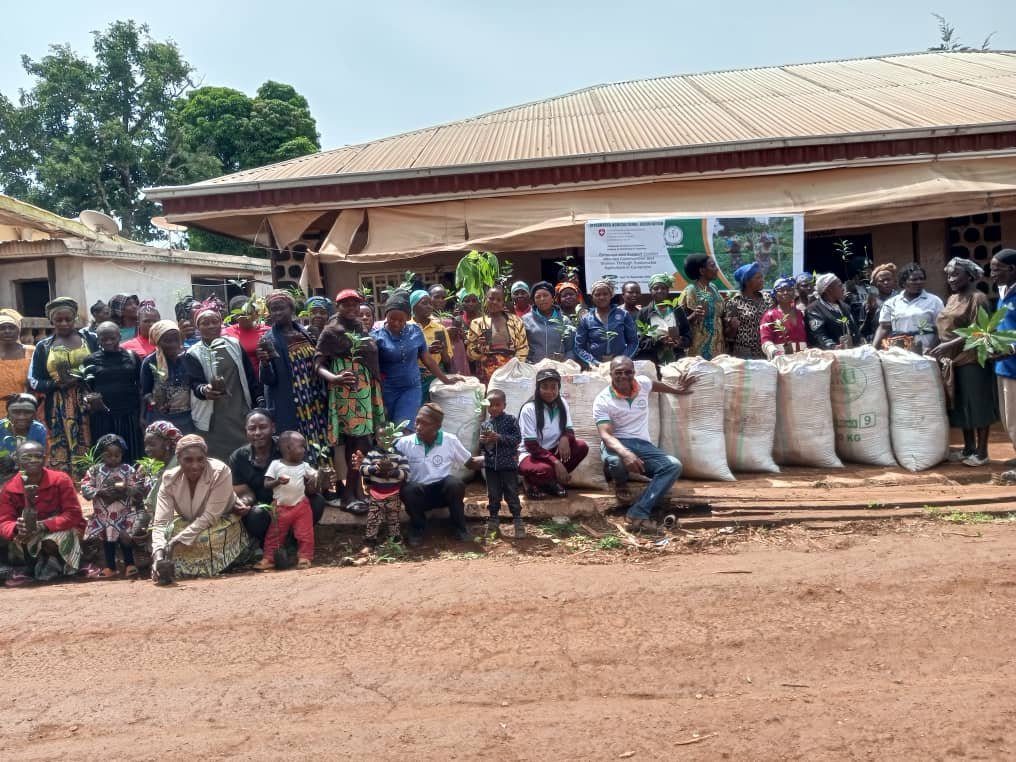
2) ANNUAL WORLD OF DIFFERENCE AWARD 2022
Founder and Executive Director of Integrated Agricultural Association (IAA): Dungrila Pascal Mbimenyuy has been selected and recognized by TIAW as a 2022 extraordinary man under the champion of Women’s Economic Empowerment in Cameroon
The World of Difference Awards – recognize up to 100 women (and men) around the world whose efforts have advanced the economic empowerment of women locally, regionally or worldwide.
Since 2017, Integrated Agricultural Association (IAA) under the leadership of Dungrila Pascal Mbimenyuy has supported thousands of women directly through sustainable agriculture, entrepreneurship and livelihood projects in rural communities within Cameroon.
Other News:
One Young World Ambassadors in Cameroon met with The British High Commissioner to Cameroon
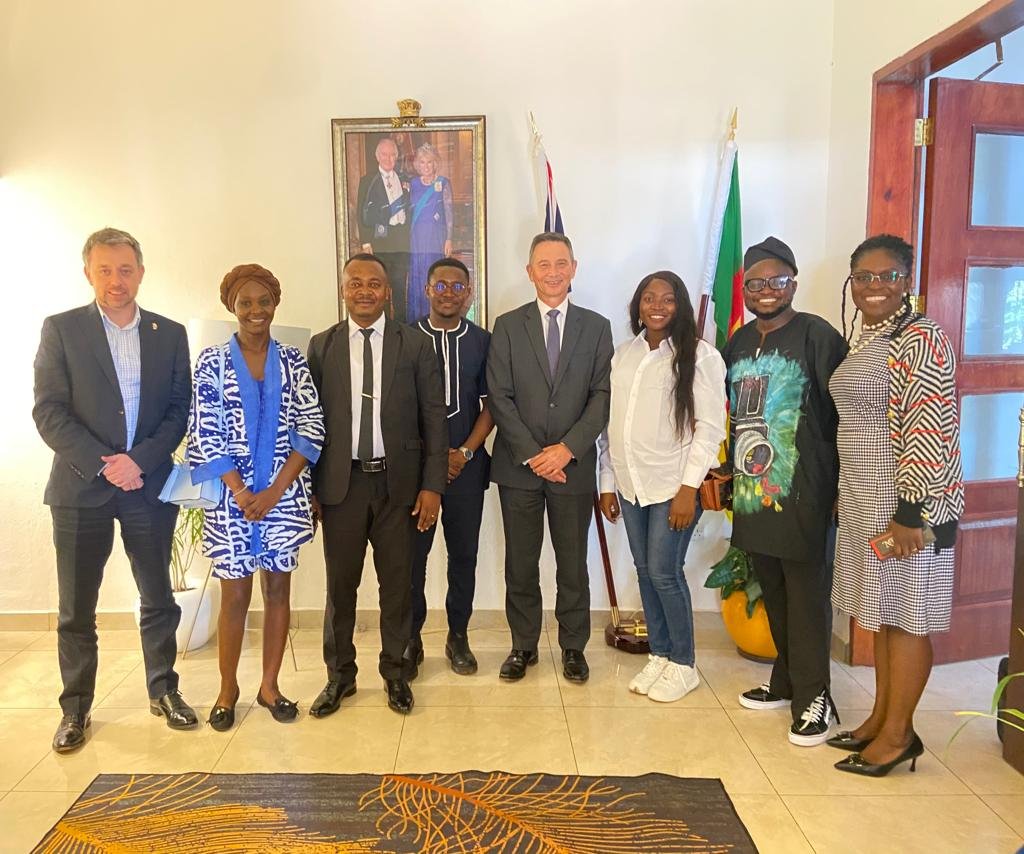
Dungrila Pascal and other One Young World Ambassadors had a meeting with The British High Commissioner to Cameroon, on the 9th of November 2023, at his residence in Bastos, Yaounde. One Young World Ambassadors spent a great moment together with the British High Commissioner, sharing ideas and experiences of their organizations and activities in their respective communities.
Dungrila had the opportunity to have a site meeting with the British High Commissioner, where he discussed the mission, objectives and activities of IAA with the BHC and explored opportunities for possible collaboration and to secure support for Integrated Agricultural Association (IAA).
3) THE CURRENT PROJECT 2025
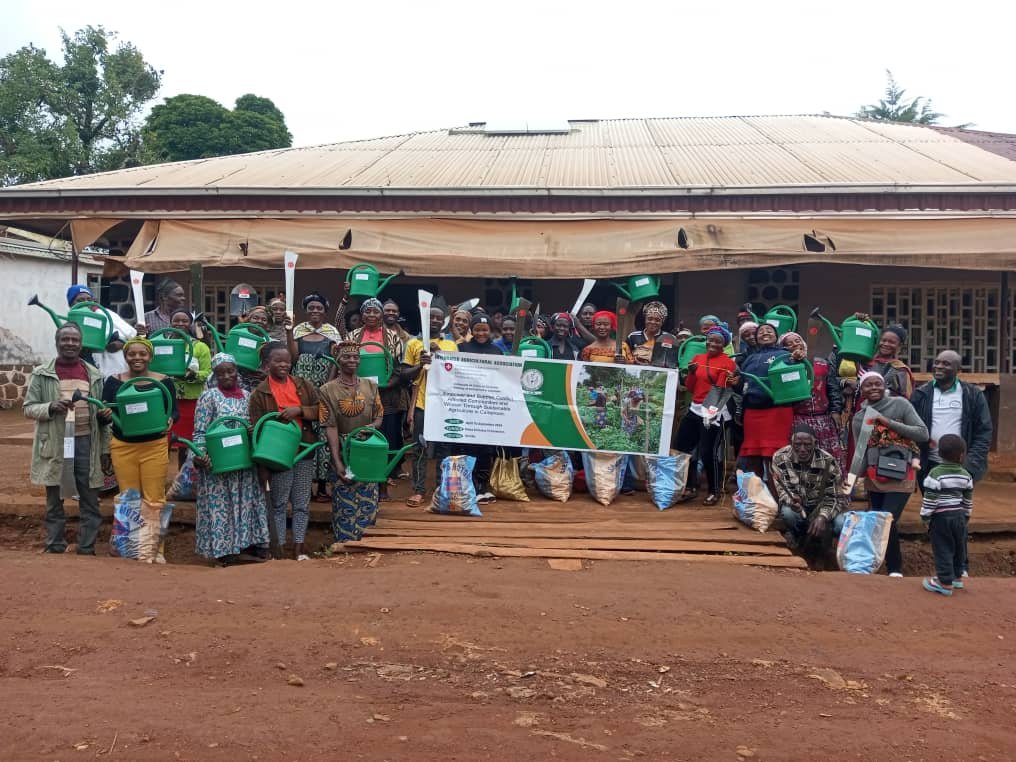
The ongoing project aimed at increasing local availability of safe, quality vegetables and empower conflict affected women and communities to enhance food security. In addition achieving nutritional balance for 100 households, through diversification of diets of the poorest segments of the vulnerable populations in Kumbo, Bui Division, Northwest Region of Cameroon. The project targeted diverse groups of beneficiaries including; ethnic communities, female-headed households, newly settled families, resource-poor herders and smallholder farmers, and other vulnerable groups without access to secure livelihood. The objective was to implement and mainstream innovative, sustainable, affordable and regenerative approaches to improve food security amongst 100 of the most vulnerable people in Kumbo area. Also to enhance the capacity of resource-poor and poverty-stricken farmers and herders at low income brackets through training and support to produce a wide variety of vegetables like onions, cabbages, carrots, pepper, Irish potato, huckleberry. Using regenerative practices with integrated social ownership, management and involvement. In response to global climate change, the project also aimed at promoting conservation agriculture, which is the foundation of climate-smart agriculture to help vulnerable communities understand the impact of climate change on agricultural productivity and how to reduce their carbon footprint.
The grant from The Embassy of Switzerland in Cameroon and Earth Rising Foundation with support from Seed Programs International has helped Integrated Agricultural Association (IAA) to strengthen the country’s food system in light of changing weather patterns and other challenges caused by the ongoing armed conflict in NW/SW regions and strengthen the affected communities with outreach and support. With the grants received in August 2023 and April 2024, IAA have reached 1028 people directly, from diverse backgrounds; including women, men and youths with essential gardening skills, nutritional education and agroforestry resources and skills, created awareness about climate change through environmental education outreach We have helpied to achieve larger goals like food security, adequate nutrition, increased livelihood opportunities, climate smart or resilient agriculture, community building and gender equality for thousands of people in the following ways:
i.) Community Development: IAA boosted its integrated demonstration garden in Kumbo with land capacity of 5 hectares, which will serve as a community hub for learning and access to planting resources. The garden involves an apiary, seed multiplication, agroforestry promotion, hands-on learning on ecological and bee farming and the distribution of potato tubers and fruit seedlings to smallholder farmers to support the ongoing agricultural development.
ii.) Home gardens support in Kumbo and Foumban: IAA empowered households with essential gardening skills and resources which resulted in the distribution of over 100,000grams of vegetables seeds and gardening tools to boost food production. Seed types distributed include; Cabbage, Carrot, Onion, Pepper, huckleberry, Cucumber, Okra, Tomato , Potato tubers, Sweet pepper, tree seedlings and Organic manure (2000kgs of cow dung) which resulted in 1350 gardens supported to increase food security and income level for 1350 people at the family/household level. Each seed type represents one garden and average family size is 10 members for 135 farm families supported. Tools include; 100 hoes, 100 watering cans, 100 machetes and 25 pairs of rain boots and 4000 tree seedlings.
In Foumban, IAA empowered 240 households with essential gardening skills and nutrition information which resulted in the distribution of 11,000 grams of vegetables seeds to boost food production. Seed types distributed include; Cabbage, 540 grams, Carrot, 5400 grams, Onion, 3500 grams , Pepper, 250 grams , Tomato, 250 grams , Cucumber, 400 grams which resulted in 1440 gardens to increase food security and income level for 2400 people at the family/household level in Foumban, West region of Cameroon
iii.) Nutrition and Diet: Empowered women on good nutrition practices, diet control and different nutrition options to reduce diet related diseases and malnutrition. With the message “Food is Medicine”, IAA implemented 10 workshops with 300 people that contributed to promoting public health and wellness through essential education on adequate nutrition and how to reduce food waste amongst conflict affected communities and women.
iv.) Environmental education and Agroforestry promotion: IAA engaged mixed age groups and community members on topics like deforestation, dangers of chemical fertilizers on agriculture, carbon emission and created awareness about climate change through regular environmental education outreach. IAA shared knowledge on agroforestry practices and distributed planting materials to 265 smallholder farmers who operate on less than 5 hectares of land. Ultimately, 15,000 trees were planted including, Moringa 1000, Cocoa 1000, Ricinodendron Heudeloti Known as Njansang or Essessang in Cameroon, 1000 and grafted pears (Avocado) 8000, and Prunus Africana 4000 in the Northwest and West regions of Cameroon.
EVOLUTION:
However, IAA recognizes that sustainable development requires continuous learning and adaptation to new challenges. This grant presents an opportunity for IAA to enhance the leadership skills of its team, gain advanced knowledge in sustainable agriculture, and network with global experts in environmental management. By deepening their understanding of innovative practices and policies, IAA aims to scale up this initiative, increase its impact, and empower more women in Cameroon and beyond. To go further, the Project Leader has partnered with Earth Guardian International to lead the Earth Guardian Crew of young climate leaders at the Integrated Agricultural Association (IAA) in Cameroon, as efforts to train and inspire young and community members on environmental and climate justice.
With increased demand for quality seedlings and vegetable seeds amongst the vulnerable farmers there is a need for consistent support. IAA will increase the production capacity of its demonstration garden. Grafted avocado, oranges, lemons, seedlings and seed potatoes will be subsidized to support the communities searching for secure nutrition. We will also train community members on seed multiplication and preservation to gain independence from over reliance on external support for seed donation.
4.) FIGHT AGAINST TOBACCO AND DRUGS USE AMONG YOUNG PEOPLE – NON-COMMUNICABLE DISEASES PREVENTION
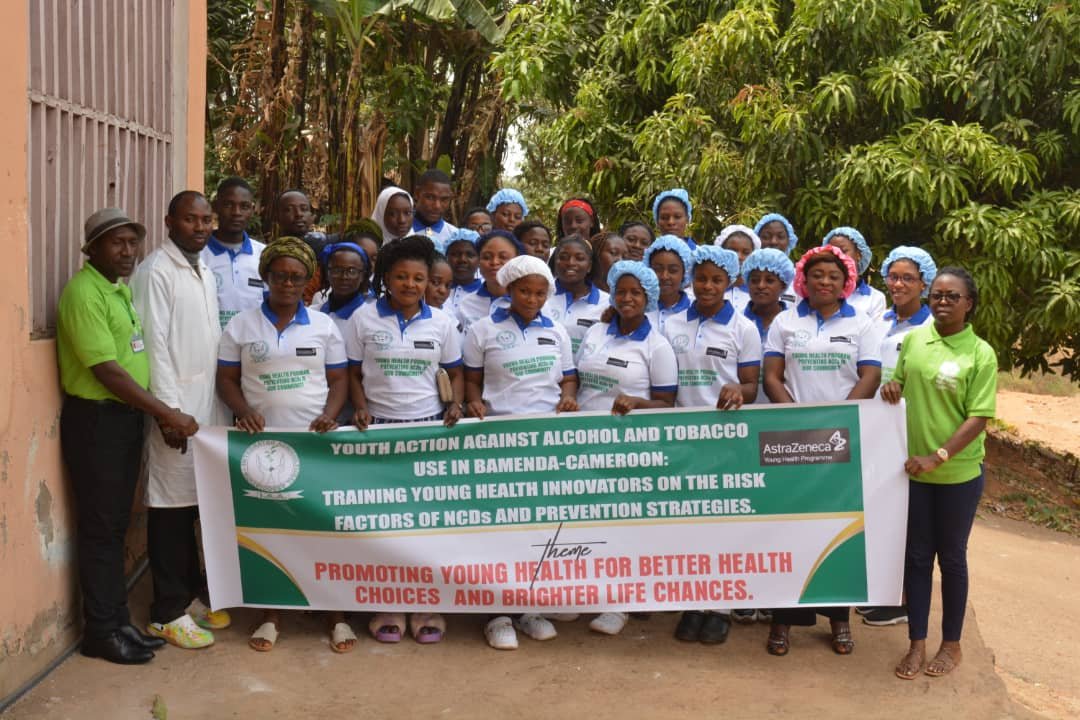
Building Healthier Communities and Brighter Life Chances for the Younger Generation: (IAA) shape the future of their community by raising awareness of non-communicable disease (NCD) risk factors by leading mobile NCD therapy interventions and health ambassador training workshops to build the capacity of community health workers. (IAA) uses an evidence-based approach to prevent the harmful use of alcohol and tobacco by building knowledge for medical students and community health workers.
IAA seeks to deliver impactful public health literacy campaigns and community outreach, delivered by and for young people with support from the YHP Impact Fellowship grant awarded by AstraZeneca in 2023.
We champion local initiatives by working with community structures, health units, municipal councils, community health workers, health providers and health academic institutions to reduce the impact of NCDs and their risk factors among young people. In 2023, IAA reached over 500 people directly through in-person workshops and door-to-door sensitization and over 50,000 people through media outreach with NCD information. Over 30% of violence in schools is as a result of drug addiction and tobacco use involving young people in Cameroon and over 20% death annually is related to the consumption of tobacco products. The program also raised awareness of Type 1 diabetes (T1D) risk factors and utilized the Household Cluster Health Education Model to train and deploy Health Education Volunteers, supported by Community Health Teams and the project team. The focus was on educating households about the risk factors of T1D. Our mobile T1D health initiative tackles health challenges posed by lifestyle, environmental and nutrition factors. The program reached over 207 T1D patients with essential health information and counseling, and 480 families in 2023 and 2024. However, this program did not only work with children and young adults, but also with community structures, health units, municipal councils, community health workers, health providers and health academic institutions through 10 capacity building workshops and health advocacy for 350 people, helping them to reduce the risk factors of T1D, which did not only have a direct impact on children and young people affected by T1D, but on public health as a whole.
5.) VEGANISM FOR HEALTHY LIFESTYLE AND PLANET EARTH!
WHY BECOME A VEGAN!
Compassion for Animals:
In every livestock system, animals are denied their basic needs and interests. Dairy cows are separated from their young shortly after they give birth, so that humans can take their milk. Bull calves are either killed or exported for veal. Even those with bigger cages end up in the same slaughterhouses. Vegans enjoy a variety of delicious and nutritious food with a clear conscience.
Justice for People:
The world’s population is set to exceed 9 billion by 2050. We’ve got to find fairer and more sustainable ways of feeding everyone – and fast. Currently, 40% of the world’s grain harvest goes to feed livestock instead of hungry people. Vegans reduce food waste by getting everything they need directly from plants.
Protecting the Planet:
Animal farming is responsible for at least 14.5% of greenhouse gas emissions globally. Up to ten times more land and water is needed to support a typical diet of meat, fish, eggs, and dairy than a plant-based diet. Ditching animal products could reduce your carbon footprint significantly. Vegans also have less impact on the rainforests and ease water shortages….and it’s good for your health. Naturally rich in vitamins, high in fibre, and low in saturated fats, plant based foods can provide all the nutrition we need in all stages of life.
Plant-Based Food for Non-Vegans Cameroon:
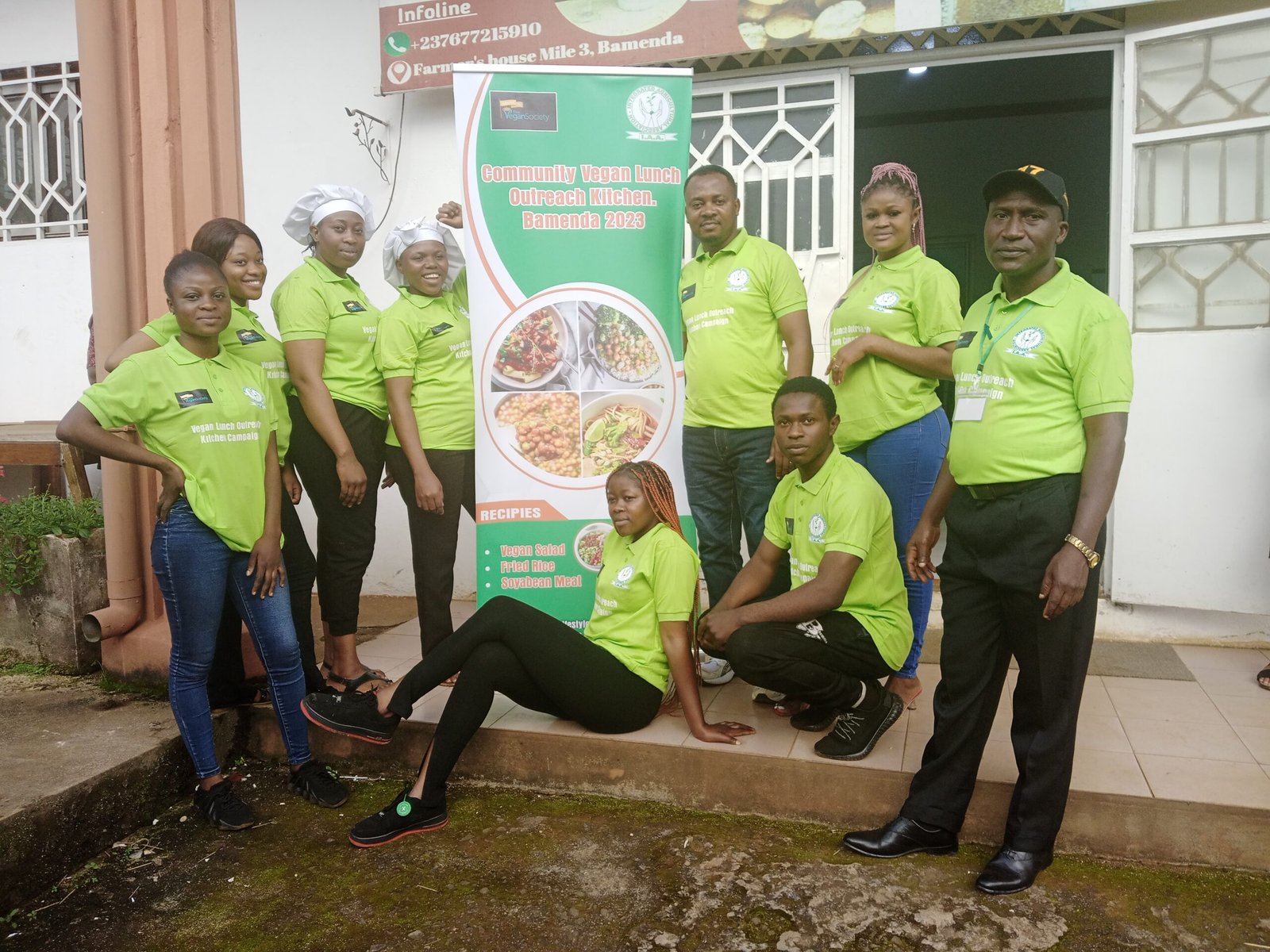
The project was designed to reduce meat consumption and farming by working with non-vegan communities in Cameroon to create awareness about veganism and the importance of plant based diet and farming, with support from the vegan society. It organized vegan advocacy workshops with heads of dormitory schools, restaurants and provided training on vegan recipes and protein, advocated for restaurants to include vegan dishes on their menu to affect public demand for meat and purchasing patterns. We also carried out a school vegan lunch campaign to expose children to veganism. The project also worked with Fulani community, carrying out vegan education and advocating for fully plant based farming and regenerative agriculture.
Community turnout was very impressive and more than 228 people have been exposed to veganism. 5 chefs trained on 3 vegan recipes and 1 trainer restaurant recruited, while 35 women trained on how to make meat out of soybean, vegan salad and fried rice. Funding and lack of knowledge about veganism was a concern because veganism is still a new concept and needs massive sensitization in Cameroon. Funding for restaurant food demo cannot be raised by the participants because we are a nonprofit organization and cannot sell food to generate profits. We will continue to create more awareness of veganism and work with trainee restaurants to expose the public to veganism by organizing regular vegan food demonstration events and including vegan recipes (dishes) on restaurant menus.”
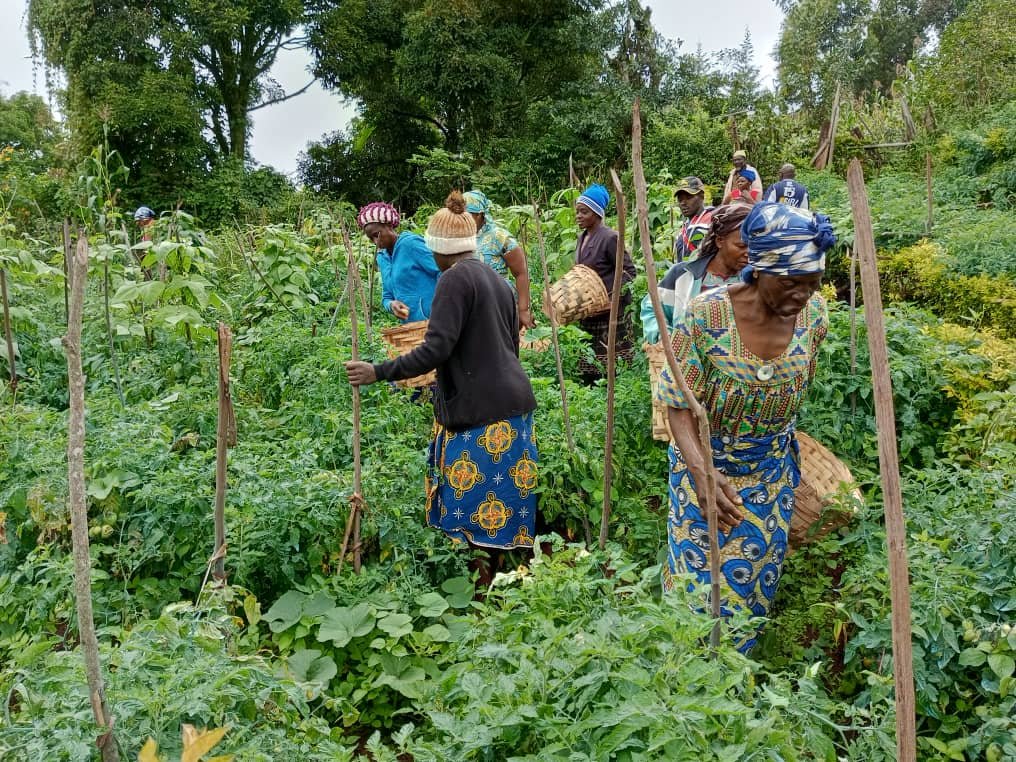
6.) VEGETABLE GARDENING, AN IMPORTANT SOURCE OF INCOME AND NUTRITION FOR LOW INCOME FAMILIES
Healthier lives and more resilient livelihoods through sustainable vegetable gardening: Integrated Agricultural Association (I.A.A) carries out experiment, builds collaboration, planting kitchen gardens and promotion activities to raise awareness of the role of vegetables for improved health and rural poverty alleviation.
Vegetables can alleviate poverty by creating new jobs and new sources of income for farmers and landless laborers, improve health by providing essential micronutrients lacking in diets, enhance learning and working capacities of adults and children through improved diets and health, and improve the sustainability of food production practices through mixed cropping. Our development work focuses on smallholder empowerment, developing and promoting safe production practices, reducing postharvest losses, and improving the nutritional value of vegetables. It increases smallholder farmer income and improve the quality of life as it is a major source of cash money for many families. Vegetable production provides an opportunity for poor rural population to come out of poverty, as it is a major source of fast income for most of the families. It generates income and jobs for smallholder farmers and landless especially the young and women. It has many advantages over most other agricultural enterprises. In 2023/2024, (IAA) distributed thousands grams of vegetable seeds in Northwest and West regions of Cameroon, which is enough to grow sufficient food rich in vitamin, minerals, energy and fibre for malnourish households and the society as a whole.
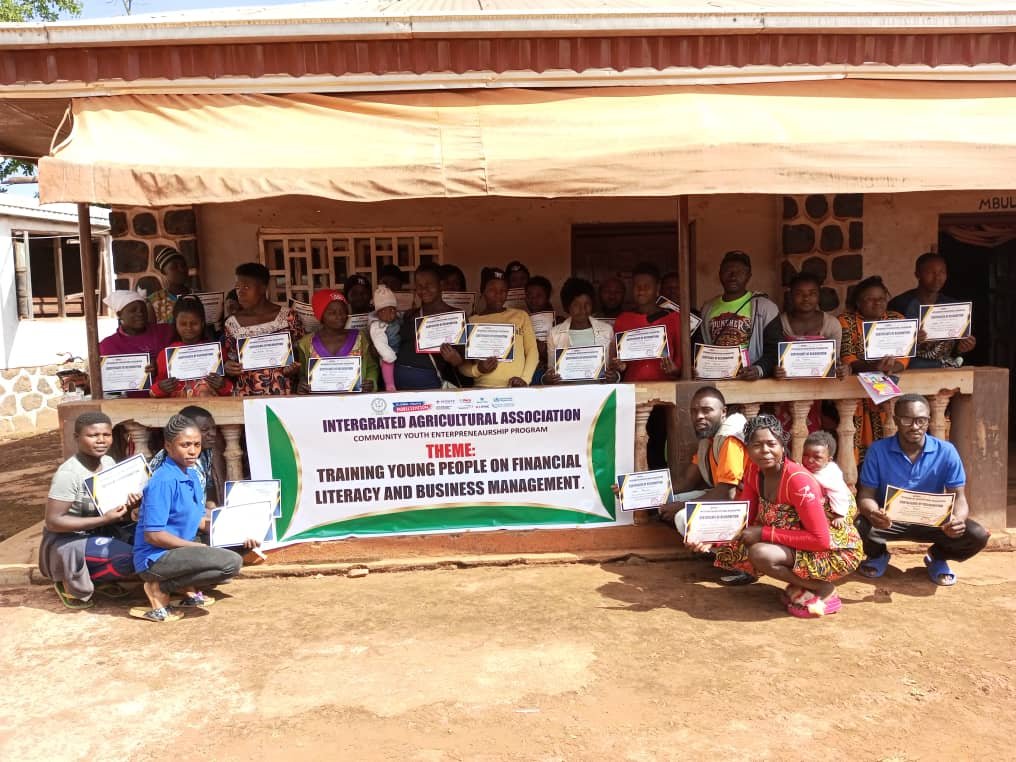
7.) COMMUNITY YOUTH MICRO ENTREPRENEURSHIP PROGRAM.
In 2019, the world experienced the COVID-19 pandemic outbreak that resulted in many businesses and institutions closing down, which meant thousands of young people lost jobs and educational opportunities in Cameroon. Lack of vocational training services and entrepreneurship opportunities for young people has the devastating potential to create a severe and prolonged economic impact. Young people have struggled with life since the COVID-19 outbreak and they need a hand that can support them through vocational training to equip them with constructive knowledge and reliable business skills. The creative abilities and livelihood skills of young people also remain low because of limited exposure to skills development opportunities and lagging behind in entrepreneurship opportunities, information and support.
The skills gap has led to high unemployment rates even at national level. 65% of Cameroonians are below 30 years while 75% still live in rural areas. The focus of this project is on Micro Entrepreneurship development for youth in order to promote self-employment because it’s projected that Cameroon will not be able to generate enough jobs for those entering the labour market during the COVID-19 pandemic and post COVID-19 recovery world. Unless young people are supported through skills development, they stand a risk of being trapped in viscous cycles of poverty yet in Cameroon, youths contribute 50% to the economy of the country.
IAA implemented a project on agribusiness in 2022 with the mission to contribute to the improvement of young people’s lives through Micro Entrepreneurship and community based sustainable skills in Agriculture, with the overall aim to empower both in and out of school rural youths with Vocational Skills in agriculture/Market gardening, to keep them out of current dangers (HIV/AIDS, Early pregnancy , child/early marriage, recruitment into armed groups), Breaking the yolk of vulnerability and become responsible citizens of today and tomorrow in the society.
With support from Global Youth Mobilization, 275 youths have been trained and supported in the following areas:
Micro Business: Participants received intensive training, covering the following areas of a microbusiness common in a rural area: Steps in becoming a successful entrepreneur, Advantages and Disadvantages of micro business, How to prepare a simple business plan, sources of business funding, importance of savings in micro business, venturing into business, what does it take? loan management, record keeping and costing.
Sustainable agriculture: Participants received intensive training on sustainable vegetable gardening, Environmental management, horticulture production and marketing. The training was facilitated by a team of youth agricultural professionals that have extensive knowledge and skills in their field, agronomy and rural engineering.
8.) RISE AGAINST CHILD/EARLY MARRIAGE
Given that girls are victims of child marriage and other forms of sexual exploitation, Governments of many nations tries to delay marriage until the age of 18 years without necessarily empowering girls with the knowledge they deserve to make informed decisions about their lives and relationships. IAA implemented the project in 2021 which aimed at creating awareness about the dangers of child/early marriage and empowering young girls with skills and knowledge to advocate for themselves. With support from Global Youth Mobilization, IAA used integrated approach to help young people develop skills to challenge cultural norms and make informed choices about their bodies and sexuality.
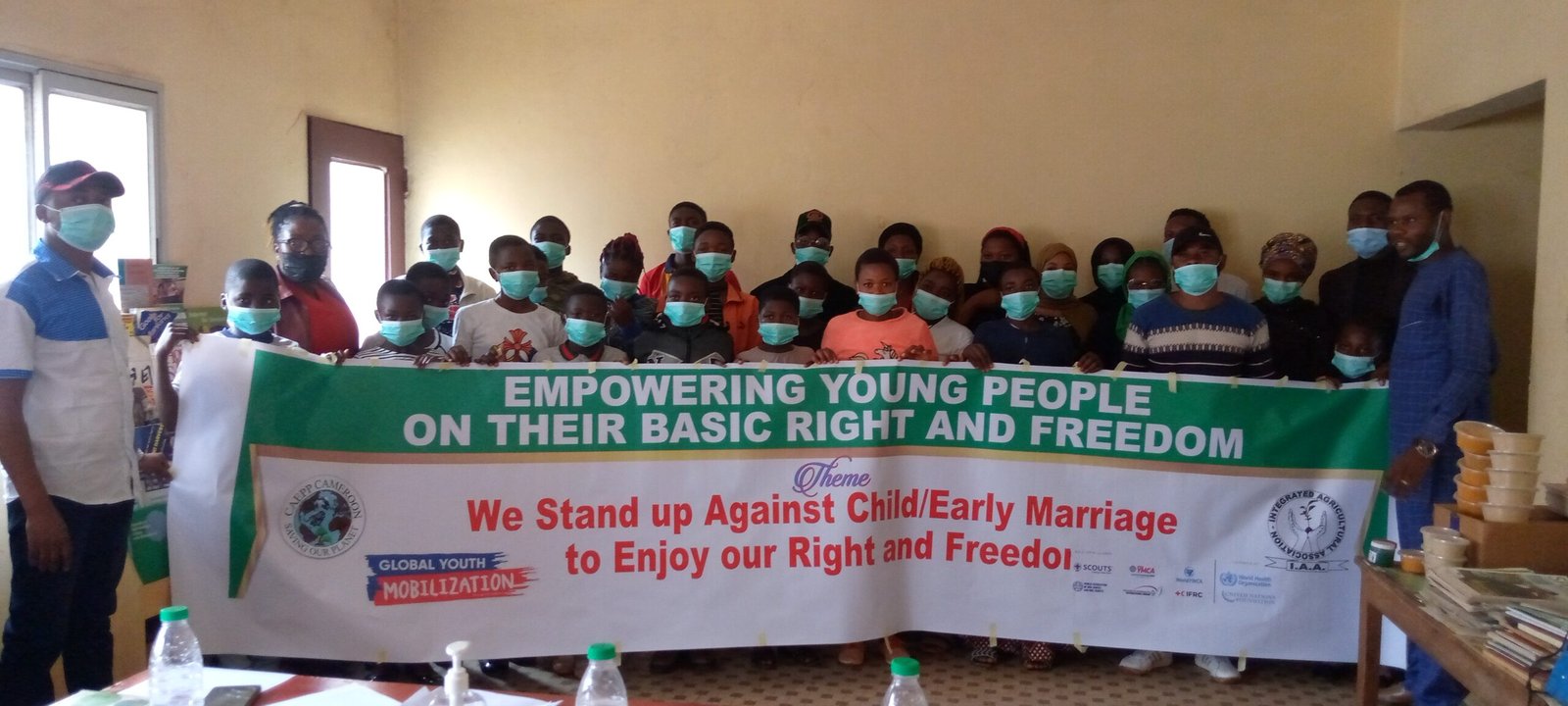
1.) Child/Early marriage and sexual abuse in Bamenda. Integrated Agricultural Association organized a series of workshops on the child/early marriage/sexual abuse. It aimed at empowering young people with skills and knowledge to challenge the physical and cultural norms that do not respect their rights and freedom. Over 750 young people between 16 and 30 years have been reached
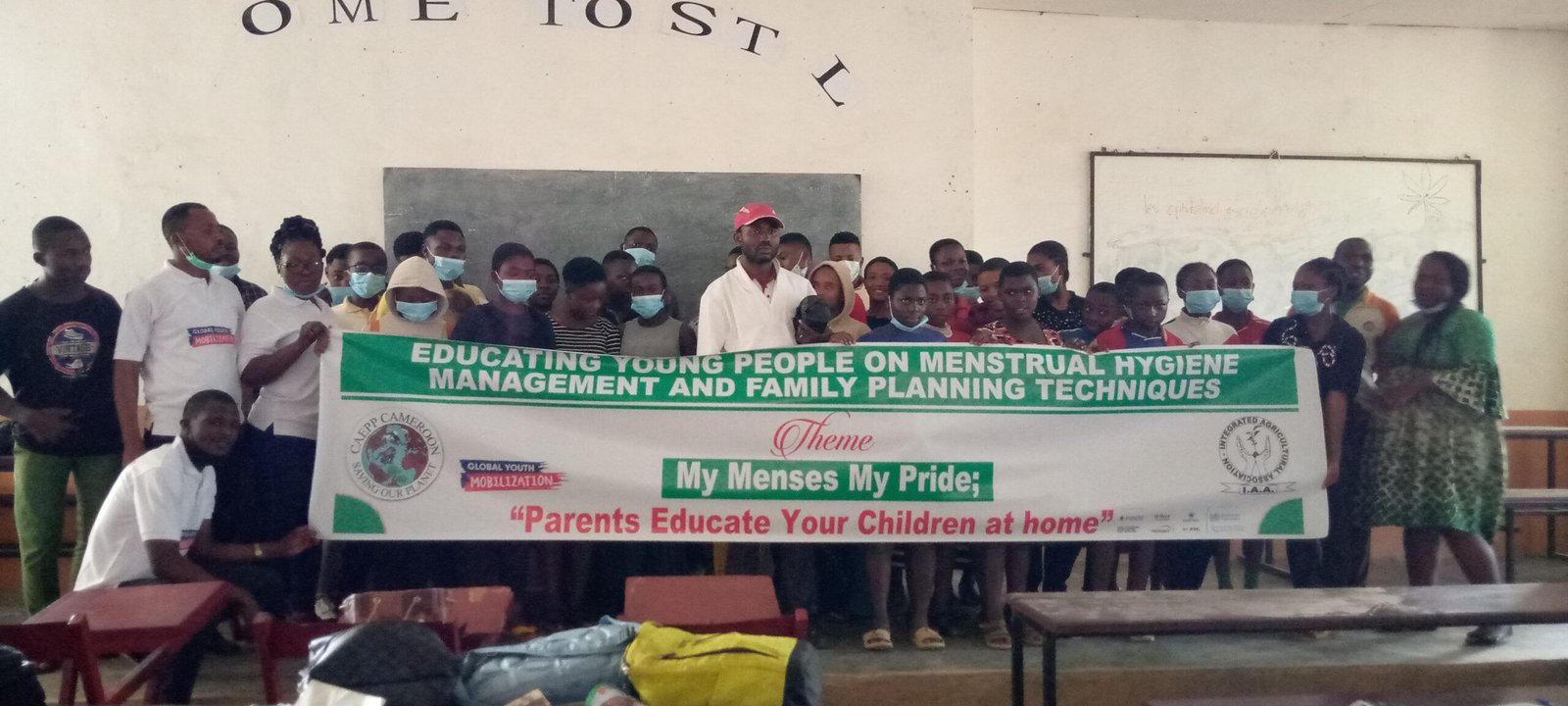
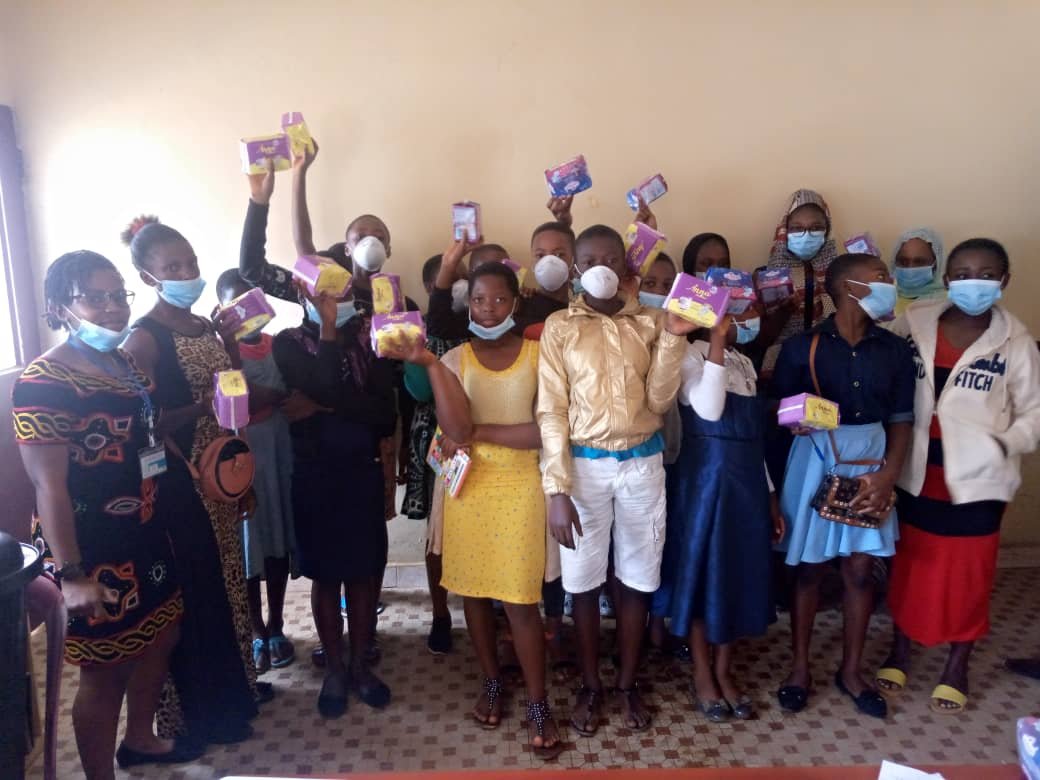
2.) Menstrual hygiene management and family planning in Bamenda. I.A.A trained and supported young people on family planning techniques, on how to make and use re-useable menstrual pads and safe sex practices in Bamenda, and given that thousands of vulnerable girls are not able to afford a packet of menstrual hygiene pads, at the current pricing, which cost at least, 1$ per pack. IAA continued to promote gender equality and fight poverty amongst the vulnerable girls by support them with tools and skills to make and use their own pads; to secure their own livelihood and reduce menstrual related stigma and trauma. IAA trained and supported over 1500 girls between 10 and 30 years, with funding from The Global Youth Mobilization. IAA also provided mental health support to children in conflict with the law at the Bamenda Central Prison, where 350 juveniles received food items, soap and COVID-19 protective equipment from IAA.
Other useful Youtube links:
https://www.iaa-africa.org/author/integrated-agricultural-association/
https://web.facebook.com/IntegratedAgriculturalAssociation
https://www.linkedin.com/company/integrated-agricultural-association/
https://www.instagram.com/iaaafrica/
New Nursery School for Malawi Summer 2025

Village of Wamuzare Euthini near Mzuzu. Malawi
Lasallian Outeach Projects. A chance meeting with a lovely lady from Malawi (Leah),who has requested that, if possible, we could make best use of the land that they own in her village Wamuzare Euthini. Her mother (Ella) died last year and she would like to dedicate the efforts we hope to make a suitable dedication to her mother. Moreover, the local community are invested in this initiative are willing to help in whatever way they can.
Proposal for the Establishment of Ella’s Foundation
Introduction
The Ella’s Foundation is dedicated to uplifting the community of Wamazure Euthini Village by fostering a collaborative approach to sustainable farming, education, and female empowerment. Central to our mission is the belief that change is a two-way street—the foundation aims to work hand-in-hand with the community, empowering the youth and local residents to take an active role in the development and execution of initiatives. Through dynamic partnerships, we seek to create a sustainable environment where the community thrives, with the youth leading the charge in building a brighter future.
Vision
To create a dynamic, self-sufficient community in Wamazure Euthini Village, where the youth, in partnership with Ella’s Foundation, are actively involved in shaping a future of empowerment, education, and sustainable living.
Core Focus Areas
The foundation will focus on the following key areas, with a commitment to community involvement and leadership:
- Youth-Led Development and Empowerment:
- Engaging the youth as active partners in the planning and implementation of farming, educational, and entrepreneurial initiatives.
- Establishing youth leadership teams to collaborate with the foundation, bringing fresh ideas and local knowledge to the forefront.
- Providing educational programs that focus not just on skill development of Maths, Science and English but also on but on developing the child as a whole, creating an understanding and awareness of their mental health, providing leadership programs, decision-making, and community responsibility training.
- Female Empowerment and Health Education:
- Involving young women in shaping and leading programs aimed at reducing early pregnancies and promoting gender equality.
- Creating mentorship opportunities for young females, with a focus on helping them design their own paths toward independence and career success.
- Offering reproductive health education and life skills training, while ensuring young women have an active role in running these programs.
- Sustainable Farming and Income Generation:
- Partnering with the community to co-design and co-manage sustainable farms that provide food security and economic opportunities for the village.
- Encouraging innovation and local input into farming methods, empowering the community to adapt traditional knowledge with modern techniques.
- Building cooperative farming models where profits are shared, and decision-making is collective.
- Community-Led Early Education and Adult Learning:
- Developing nursery schools that are run by local teachers and community volunteers, with the foundation acting as a facilitator and resource provider.
- Empowering parents by offering adult education and life skills training, helping them contribute to the community’s economic growth.
- Co-creating programs where community members, parents, and educators contribute to curriculum development and early learning activities.
Nursery School Now completed Sept 2025
This facility will cater to the early learning needs of children in the community. It will include:
- Classrooms designed for children aged 2-5 years, promoting early childhood development.
- Outdoor play areas for physical activity and social interaction.
- Facilities such as restrooms, a small kitchen for snack preparation, and nap rooms.
Primary School Vision and target for 2026
The primary school will provide education for children aged 5-11 years. The building will include:
- Classrooms for each grade level.
- A multi-purpose hall for assemblies, sports, and school events.
- Administrative offices for staff, a staff room, and meeting spaces for teachers.
- A playground for physical education and recreation.
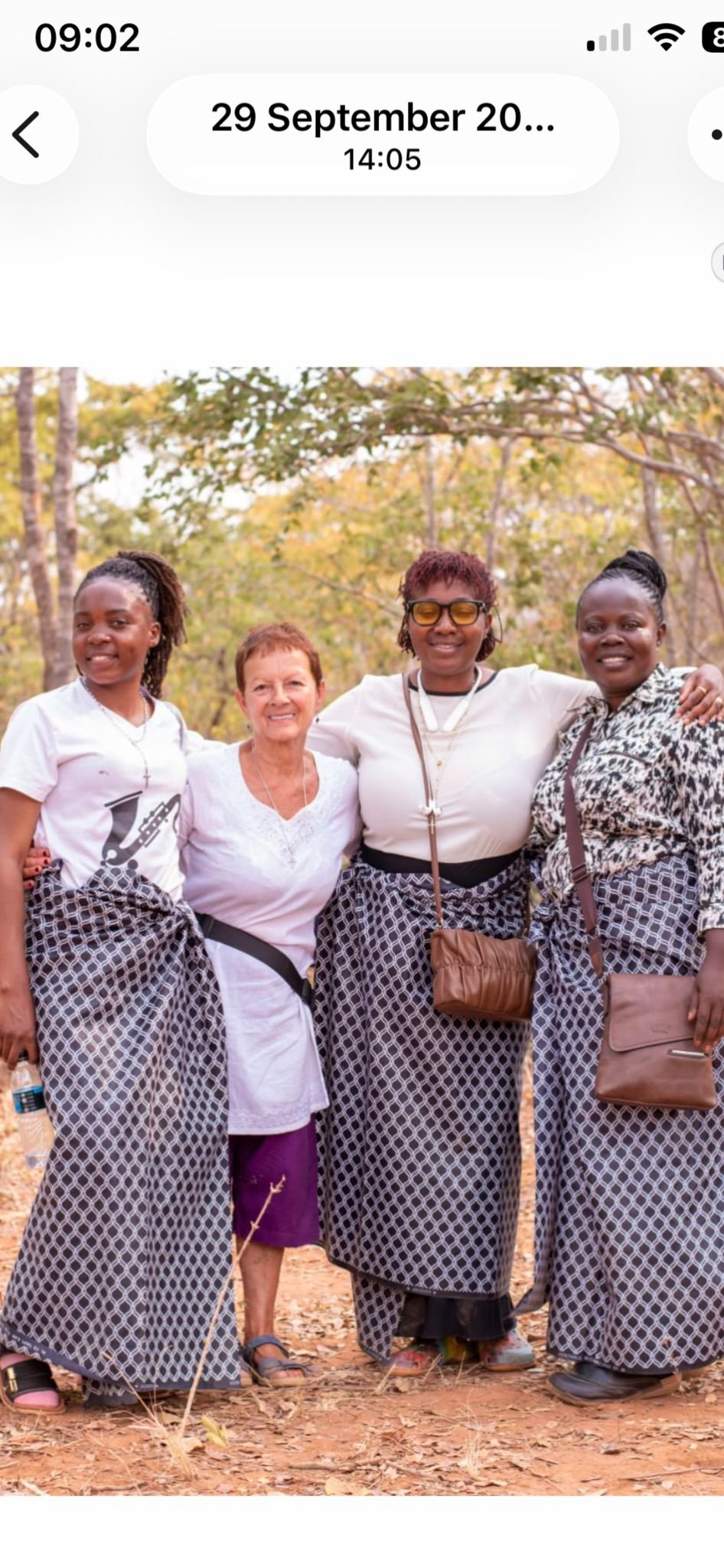
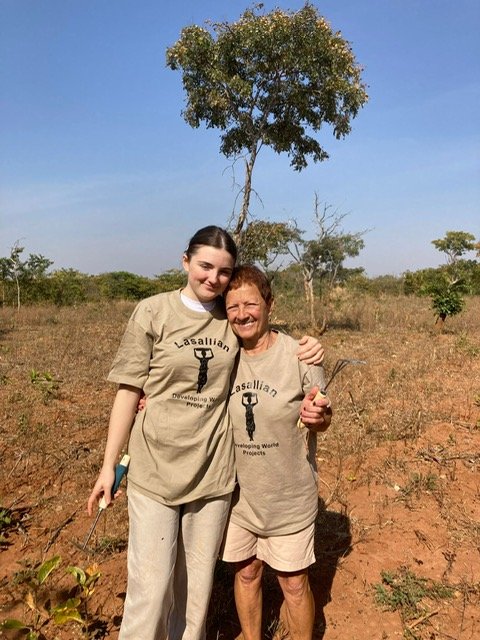
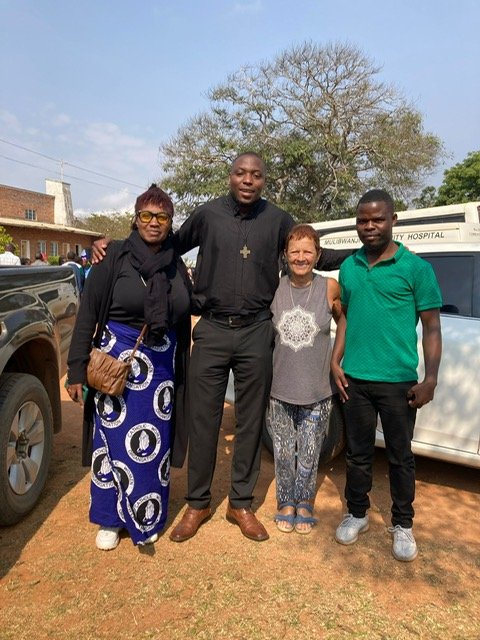
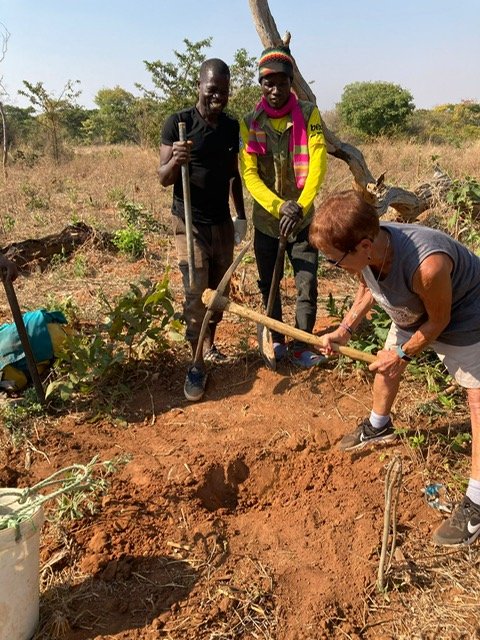
The build team of locals, clergy and Lasallian outreach volunteers
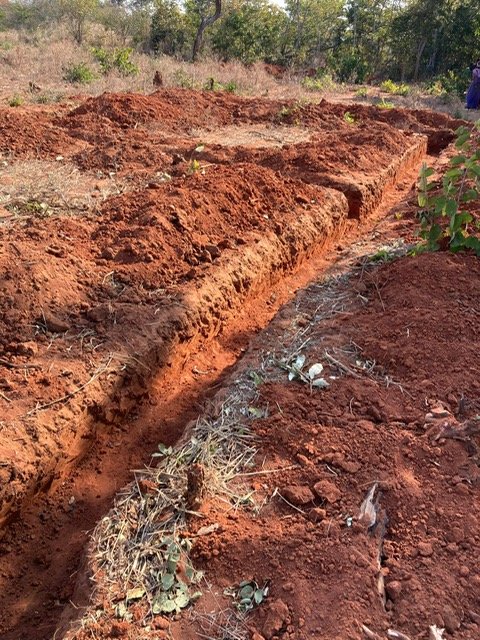
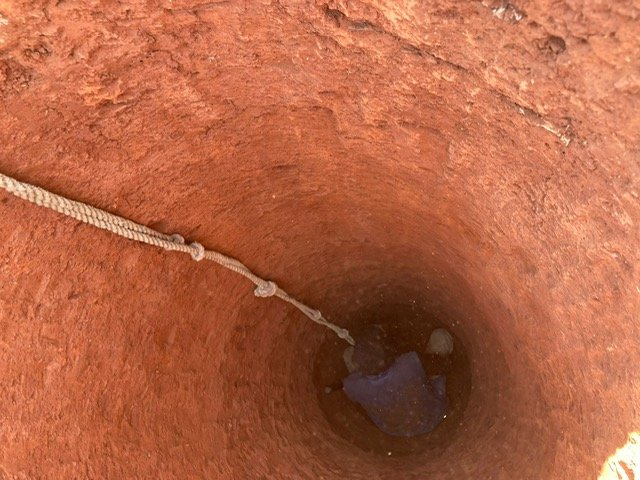
Initial preparation of footings and well for clean water
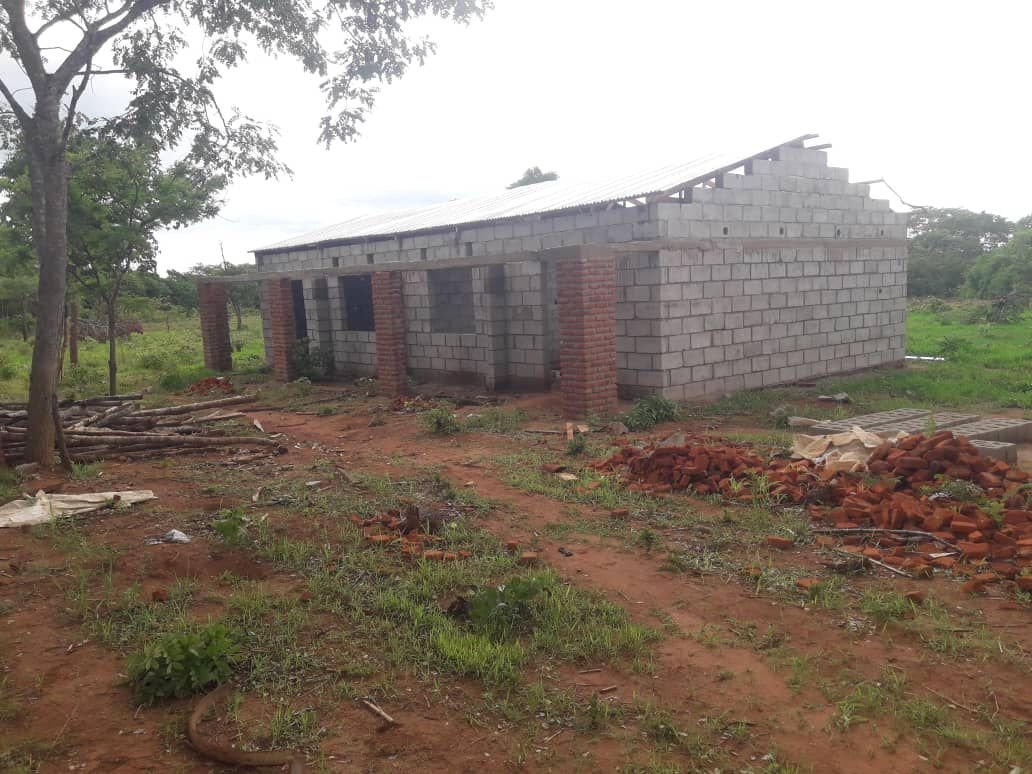
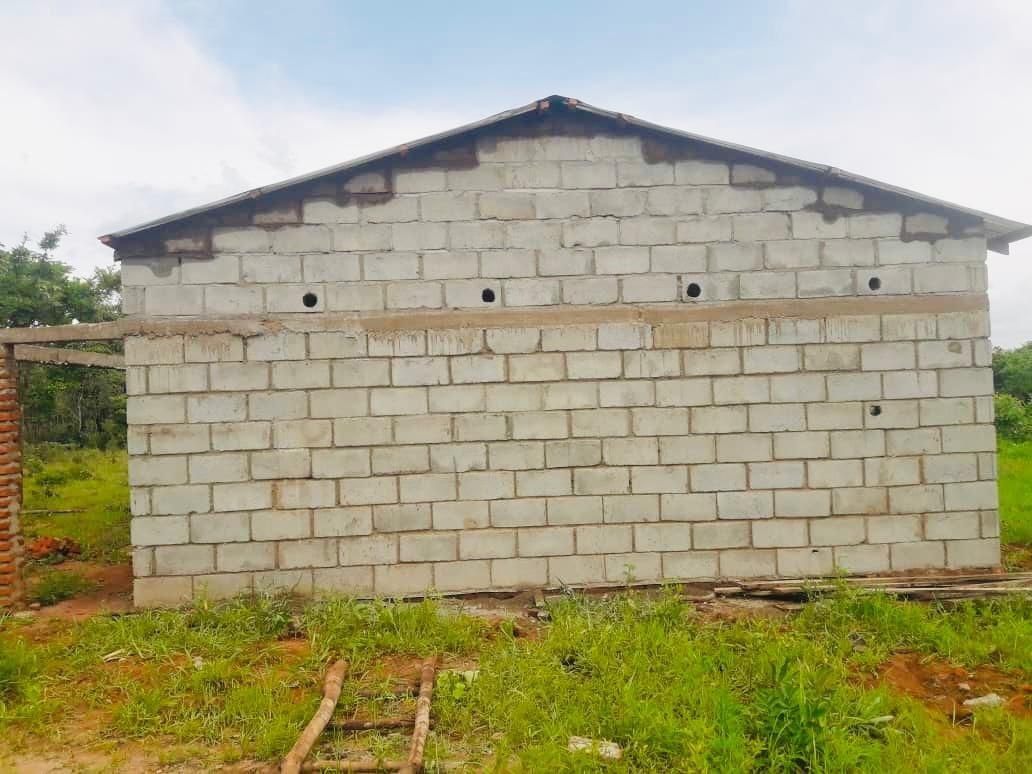
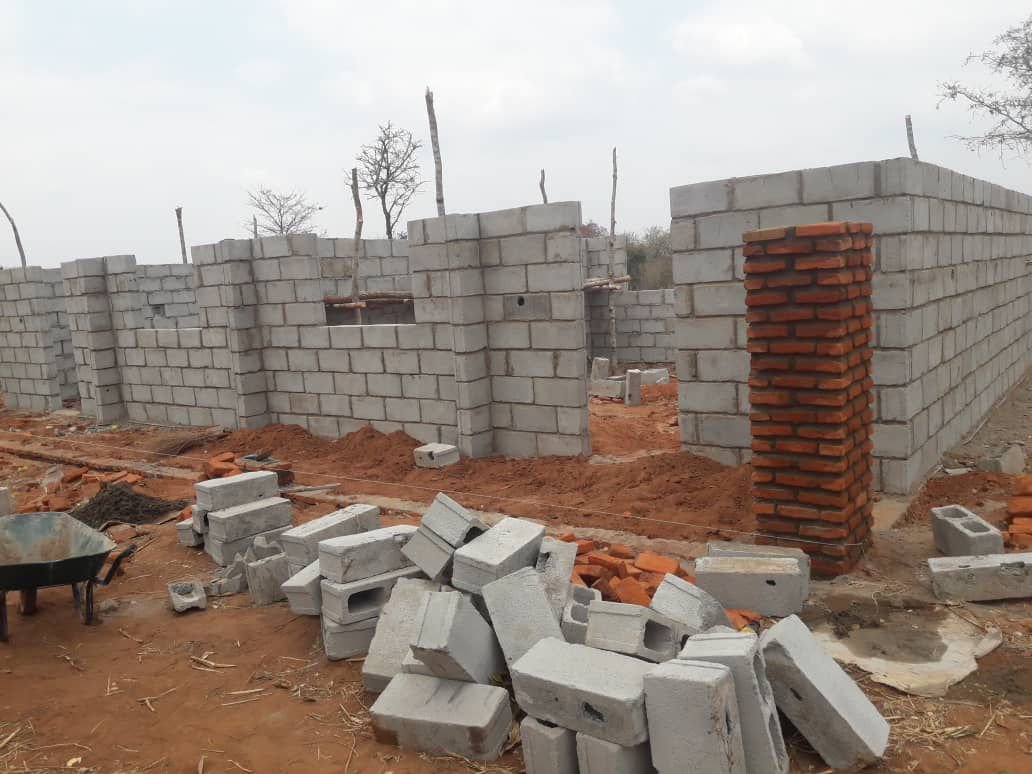
Transformation by block work
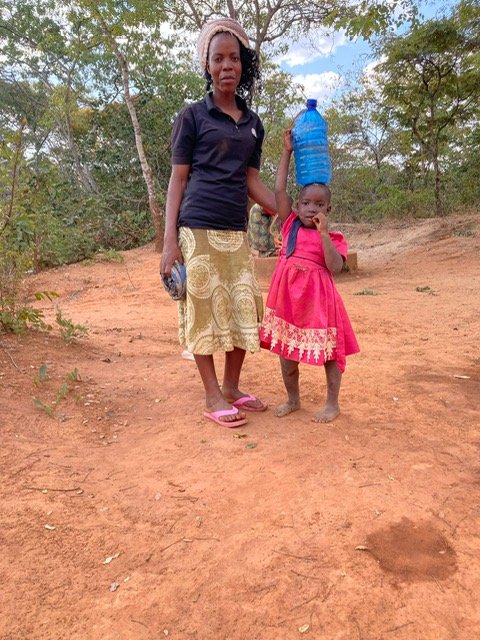
Happy new parents and customers
- Additional objectives
- To highlight the risks in the area of HIV and how best to cope.
- How do we keep our young people from leaving Malawi because of lack of opportunity and employment
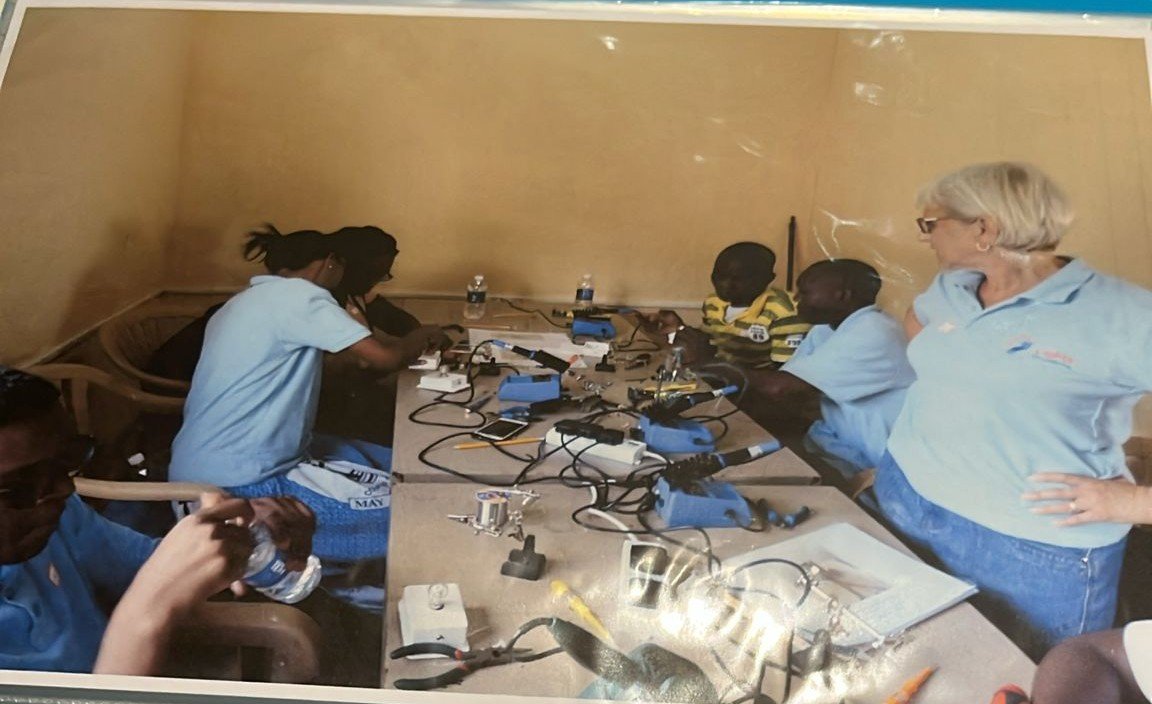
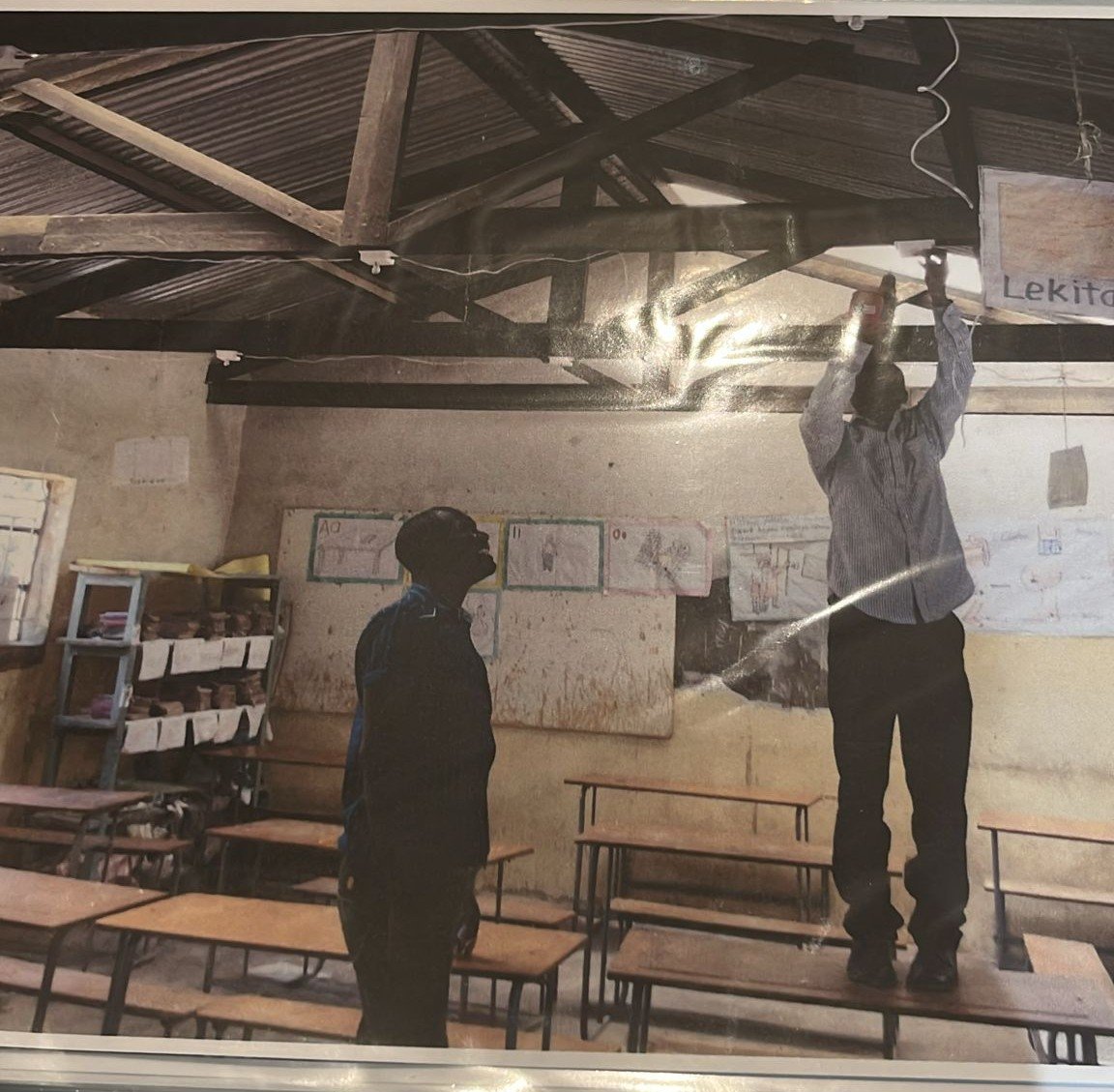
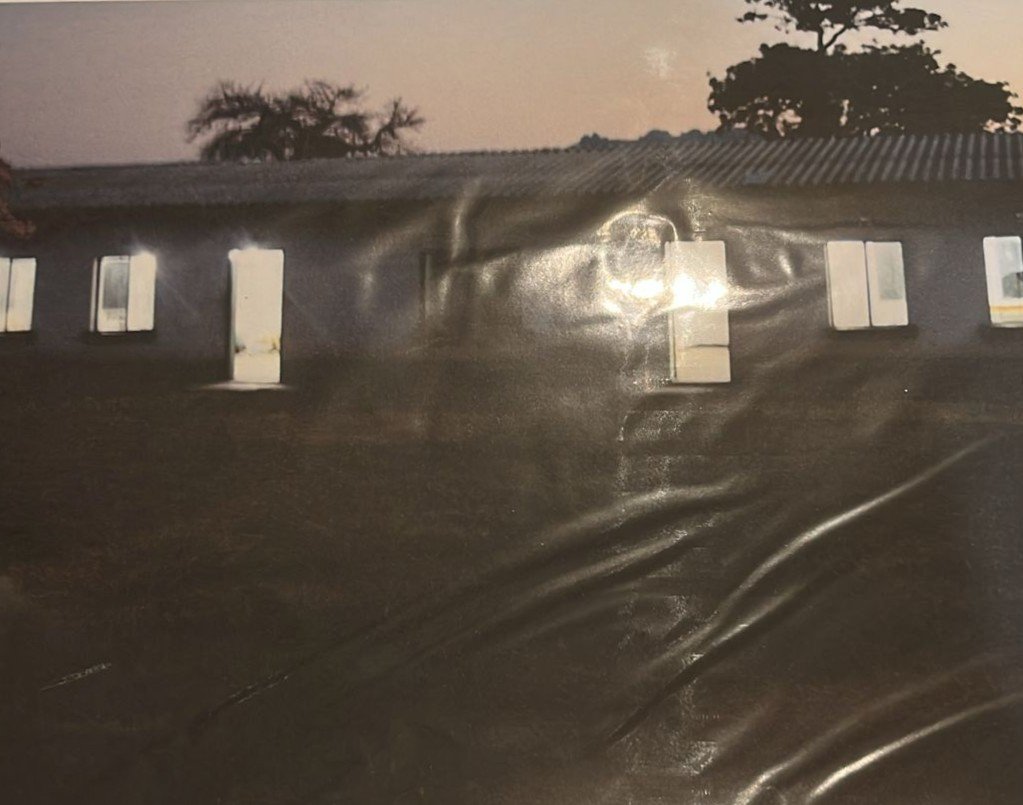
Installation of Solar panels for sustainability in collaboration with www.lightsforlearning.org
CRISIS RECOVERY PROJECT IN THE WEST REGION OF CAMEROON
Website: https://www.iaa-africa.org
Email: info@iaa-africa.org
Tel: +237652130115
1.1) BUDGET: 550GBP, YEAR: 2025
2.) BRIEF OVERVIEW
The scourge of Internal displacement has continued unabated despite international attempts to address its root causes. Ironically the so called anglophone crisis in SW and NW Cameroon has been largely ignored despite the untold misery it has caused the local people, many of whom have been displaced. The human rights of the victims of this violent insurgency have also been conveniently ignored. Questionnaires posed to those involved illustrate that the respondents live in immense fear of losing family members or being killed themselves. Moreover, they have been denied basic freedoms living in indignity with minimal access to water, food or means of subsistence. The greatest aspiration of the respondents is to simply return to their families and resume their livelihoods. The initiatives presented by IAA are an attempt to redress this unacceptable situation.
The situation began in 2014 with instability in Central African Republic which became exacerbated by the impacts of Climate change, unpredictable extremes of rainfall and resultant flooding and soil erosion compounded by unprecedented droughts. Add into the mix the rise of the terrorist sect Boko Haram and you have the perfect storm.
Presented in map form below is a situation analysis produced by UNHCR at the end of February 2025
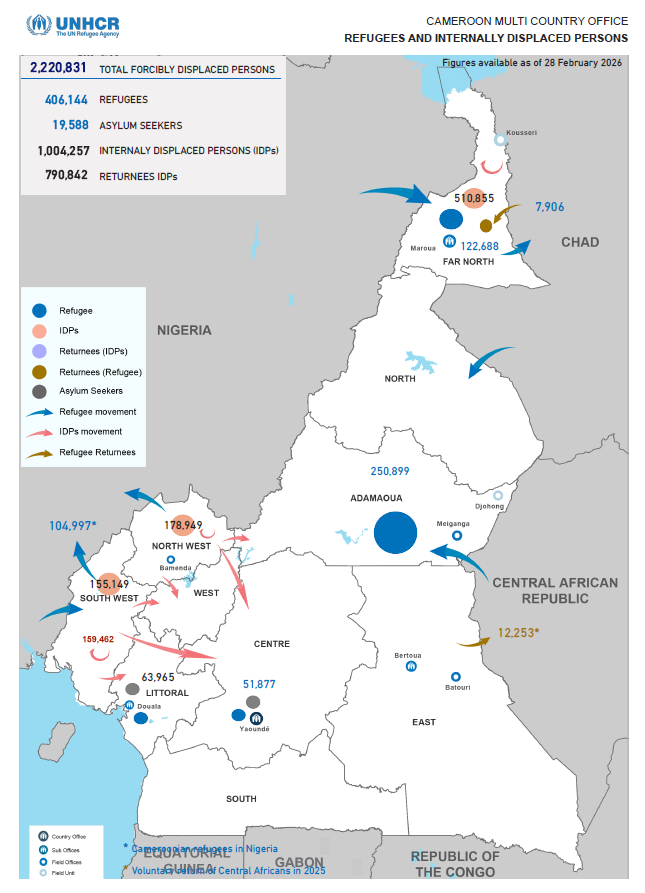
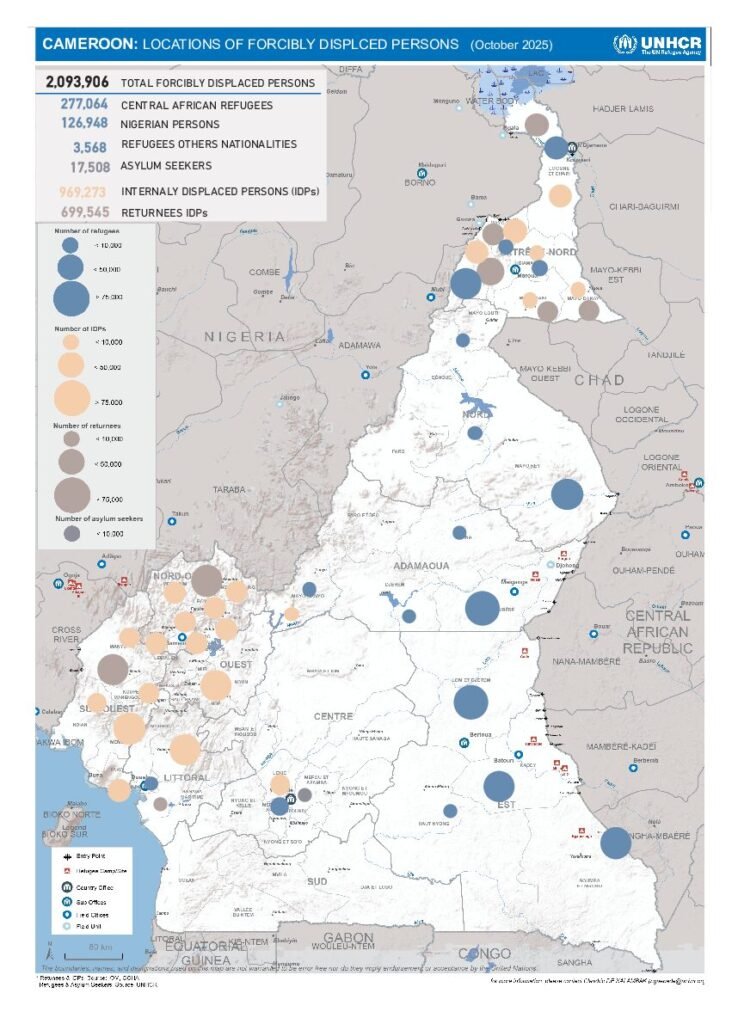
Anglophone region of Cameroon has almost 1 million IDPs to manage fleeing from civil war Oct 2025
The project aimed at addressing food shortage by empowering Internally Displaced Persons (IDP) and their host community of Foumbot through climate-smart agriculture to be able to grow vegetables during the dry season and increasingly during prolonged dry periods. We seek to end seasonal hunger and poverty, focusing activities in Mogny village of Foumbot sub-division in the West region of Cameroon.
The objective of the project was to empower and support IDPs with innovative, sustainable, affordable and locally owned approaches to improve food security and rebuild their lives, and enhance the capacity of 100 IDPs to produce a wide variety of vegetables using sustainable and environmentally-friendly technologies with integrated social ownership, management and involvement while increasing economic capacity and securing livelihoods and the planet for the future.
3.) IMPACT:
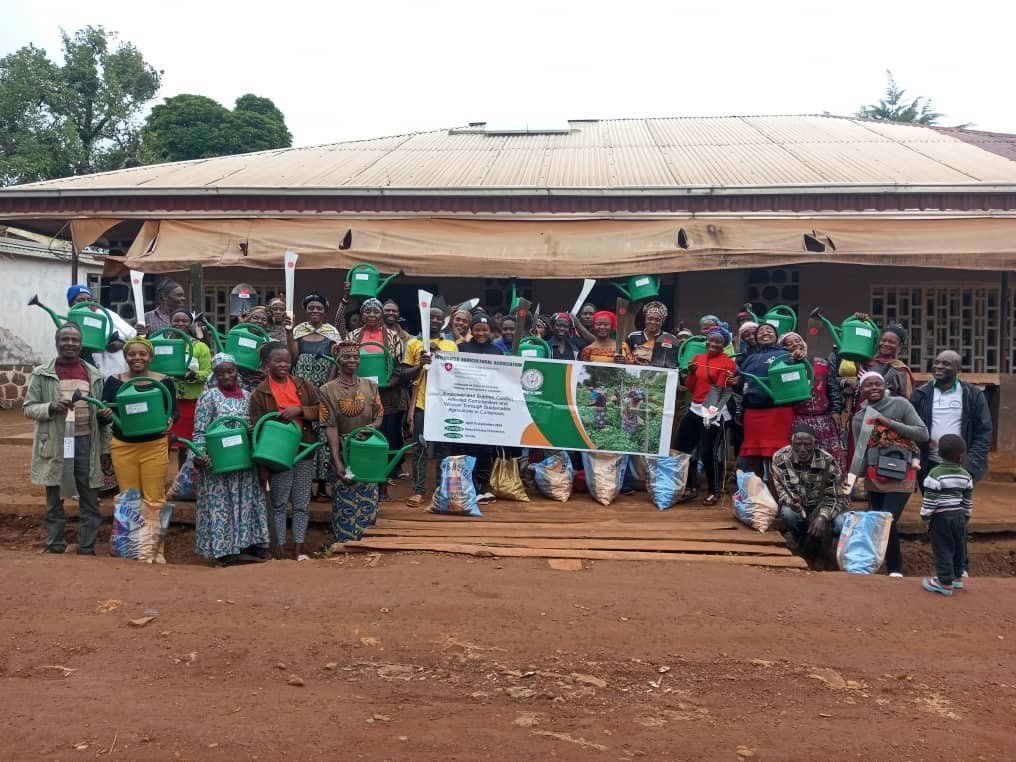
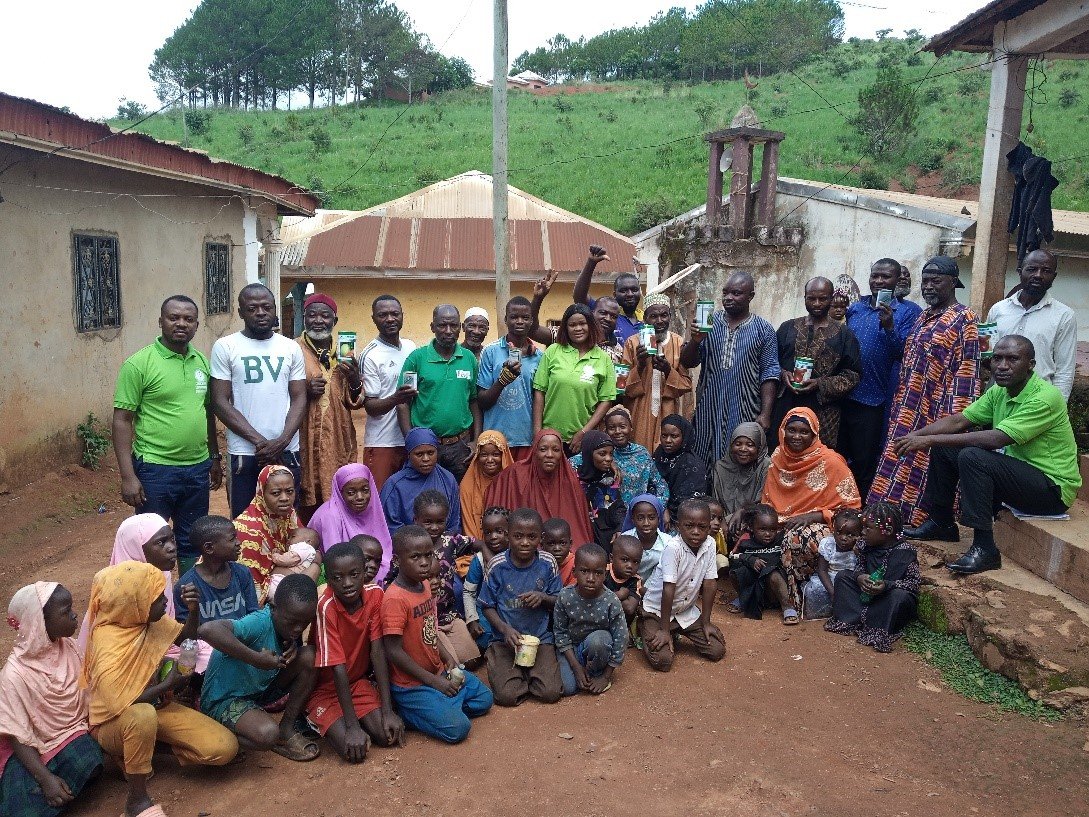
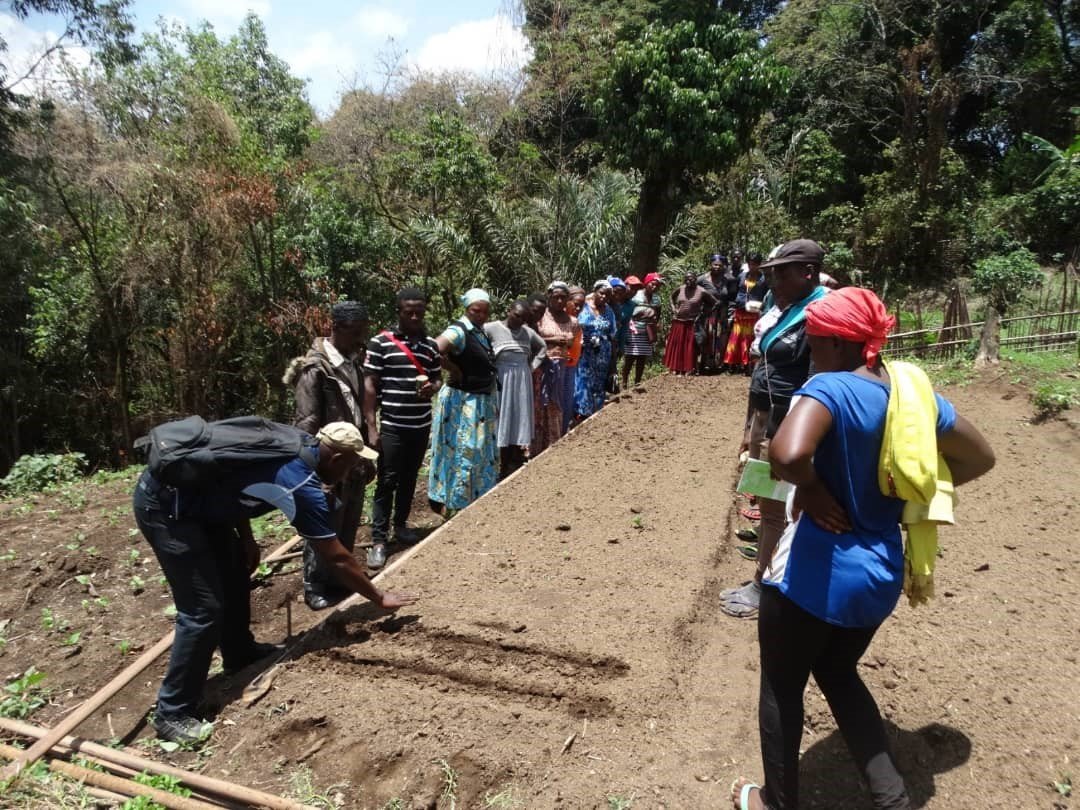
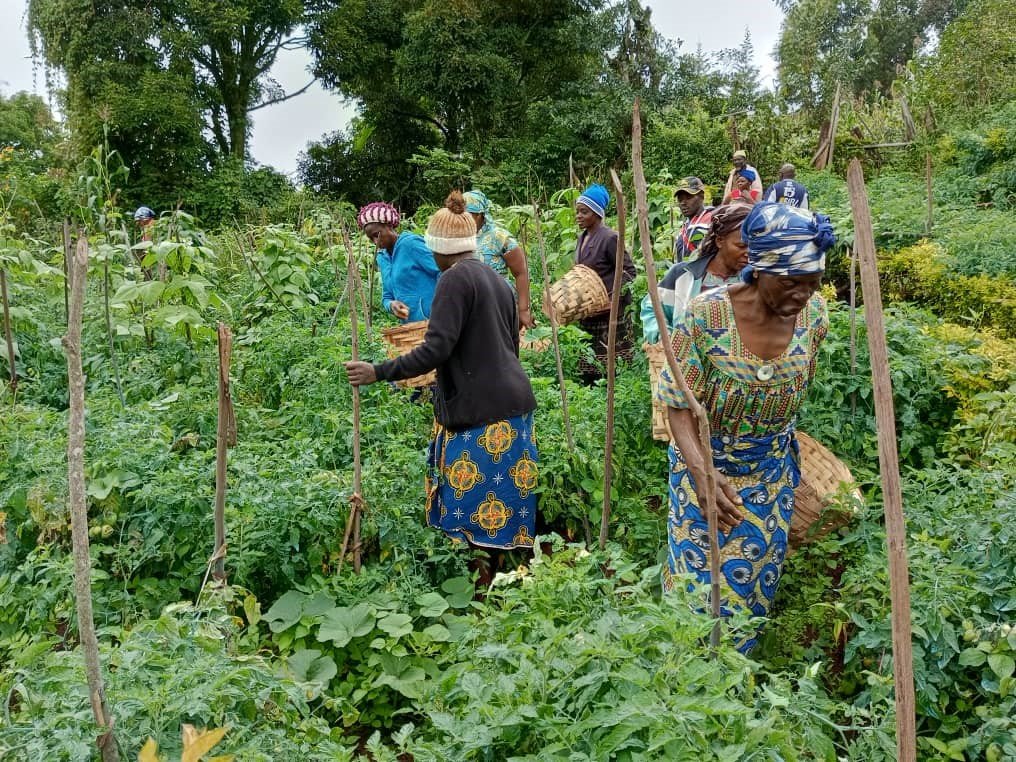
With the funding received from FIOH UK in February, 2025, Integrated Agricultural Association (I.A.A) trained diverse community members on climate-smart agriculture on topics including regenerative vegetable gardening, nutrition, water management, integrated pest management and soil health improvement. 127 people have been directly involved in training activities, with 71% women participation. 60,000 grams of huckleberry seed was donated to 120 IDPs, 500 grams per beneficiary who already had a farm plot of approximately ¼ hectare. 120 gardens were cultivated across 30 hectares of land and each garden generated approximately 1700 GBP per year for a family of 5 members which achieved larger goals including food and nutrition security, gender equality, health and wellbeing and improved livelihood for over 1000 people.
With the help of this funding, I.A.A also trained 34 trainers on climate-smart agriculture to monitor the program and continue to provide ongoing technical support and advice on best practices to smallholder farmers in the area. I.A.A also created a Huckleberry Producers Union in Mogny with current membership of 80 and the registration process is in progress. These efforts aimed at building local autonomy to sustain the project beyond the funding period.
4.) CHALLENGES:
- Inflation in local currency reduced the value of the project budget by 30% which impacted the ability to successfully distribute three different types of vegetable seeds.
- Follow up of program beneficiaries afterward was difficult due to their remote locations, no internet and network, bad roads in the rainy and dry season.
- Farmers often have to travel long distances to access inputs, extension services, or marketplaces, leading to high transaction costs and limited engagement with modern agricultural practices.
- Lack of clean drinking water and irrigation tools to boost productivity, health and nutrition.
5.) WAY FORWARD:
- I.A.A selected only huckleberry to support as many women as possible because of it economic and nutrition value and seeds can be sourced and saved locally. This decision minimized high cost on conventional seeds to focus on indigenous seeds that are locally adapted with moderate prices.
- I.A.A used private motorbikes in remote inaccessible locations and SMS to connect to participants.
- Trainers have been trained to support farmers locally and huckleberry union created to facilitate development, access to seeds, training and markets.
- I.A.A will construct and install a well with hand pump in the community, and provide smallholder farmers with irrigation kits including solar pumps to address water gaps in agriculture and household use.
6.) CONCLUSION:
Climate Change and disasters affect communities to varying degrees. Women on forced displacement and persons living with disabilities face considerable challenges in accessing help. Most disaster and conflict responses focus on short-term needs: shelter, food and medicine. While critical, this approach must be supplemented with medium-term recovery plans to rebuild lives. By working on vegetable-growing programs for crisis relief, IAA aims to bring stability to the lives of the internally displaced persons (IDPs) and empower the most vulnerable to enable sustainable and resilient livelihoods that are self-sufficient and not dependent on aid.
I extend my sincere gratitude to FIOH for supporting me and my team in this incredible mission which I so much have passion and enjoy doing while inspiring others in the same and similar fields.
DUNGRILA PASCAL MBIMENYUY; TEAM LEADER
The Future in Our Hands Education and Development fund achieves a significant milestone

Future in Our Hands Education and Development Fund having been established by founder Mike Thomas in 1995 is just reaching its 30th anniversary this year. We would like to thank all our regular donors and helpers for their selfless support over this time period.
As treasurer, I have trawled through our detailed accounts and aggregated all of our past donations. What began in the 1990’s, as a grant of £20 to test the water has grown into multiple affiliated NGOs across Africa and India. The incredible final total raised and donated stands at £548,748. All of this fundraising has gone to the most marginalized and deserving of causes and is far beyond our expectations at the outset. Who would have believed that a small official UK registered charity, administered from a small front room in Swindon, would issue grants way in excess of half a million pounds.
The list of individual beneficiaries must run to tens of thousands as our grants have been able to transform lives and livelihoods. Our updated website fiohnetwork.org illustrates a detailed archive of our work and highlights a network of organizations which share the same ethos. We have always encouraged individuals and non governmental organizations who share our ideas of a bottom up grassroots approach to solving problems of development.
Our goal is to help some of the poorest and most marginalized people in the world by empowering them and their local communities to find sustainable ways to overcome poverty, raise ecological and environmental awareness and create lasting just and equitable social change.
- Reafforestation schemes developing tree nurseries of millions of indigenous trees
- Built and continue to fund a medical clinic for disabled children
- Support the education of orphaned street children in India
- Assisted displaced persons from Civil wars
- Built and developed 5 schools in Sierra Leone
- Responded to climate induced emergencies in India and Pakistan
- Supported educational programmes of sustainability Cameroon and Sierra Leone
- Helped fund Integrated Organic Agricultural Development
- Promoting gender equality through womens’ banking cooperatives
- One of our partners even achieving U.N. Equator Prize award recognition
- Supported Youth Leading the world in Sierra Leone
- Encourage effective networking between organizations
Future in Our Hands Sierra Leone Report Sept 2019
Achievements
For the period January – September 2019 FIOH SL undertook the following activities:
Regenerative agriculture
 Rice permaculture farm
 Training farmers on ridges construction
 Vegetable farm inspection
 Agro ecological training on compost making
Establishment of village savings and credit associations
 Training meeting on share purchase and loan disbursement and repayment
Nutrition

Training on baby positioning during exclusive breast feeding
 Training on methodologies to ensure a balanced diet for pregnant women and lactating mothers
Future in Our Hands Sierra Leone
37 Lunsar Road
Makeni City
Northern Region
Sierra Leone
Cameroon Gender and Environment Watch report 2016
This is a summary of the CAMGEW 2016 annual report a complete copy of which can be seen here:
CAMGEW 2016 ANNUAL REPORT READY

CAMGEW logo
Cameroon Gender and Environment Watch (CAMGEW) reflects its holistic approach to development through the activities described in its 2016 annual report prepared by its director, Wirsiy Emmanuel Binyuy. Most of these activities are located in and around Kilum-Ijim Forest area in the NW Region of Cameroon with her office in Oku.
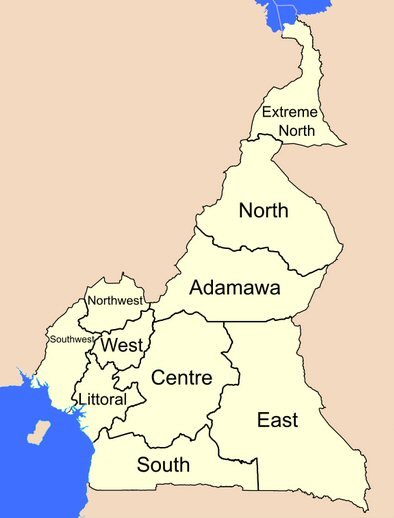 Activities included:
- Planting of indigenous trees to regenerate the important Kilum-Ijim natural forest.
- Training and practical support for bee farming to produce the local distinctive white honey.
- Marketing training and the establishment of a shop in Bamenda (capital of the region of North West) to sell the honey, its products and equipment.
- Training in organic farming methods and raising of nitrogen-fixing trees for agroforestry.
- Vocational training in dress-making, hair dressing, shoe making and repair.
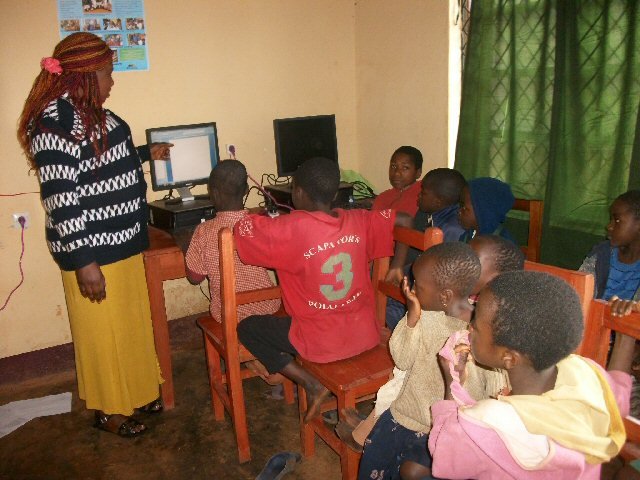
- Establishing a micro-credit and savings scheme for women and training in business management, including the use of computers.
- Training for women in health and nutrition.
- Training for communities in the basic human, statutory and legal rights of women.
- Provision of counselling and advice for women who are subjected to physical and/or mental abuse.
- Environmental and computer education for children.
- Tree planting around the new centre for the treatment of disabled children which is located in Bafoussam, West Region.
Forest regeneration
The Kilum-Ijim natural forest contains several endangered species of flora and fauna, including the Bannerman’s Turaco (fauna), Newtonia camerunensis(flora) and has an important role to play in the mitigation of global warming. Despite these and the many economic benefits which can be derived directly from the forest, a large section of the original forest has been cut down to create farming land.


CAMGEW has played an important role in safeguarding the remaining forest by educating people about the environmental importance of preserving the forest and showing local people how they can gain an economic benefit from the natural products the forest provides.

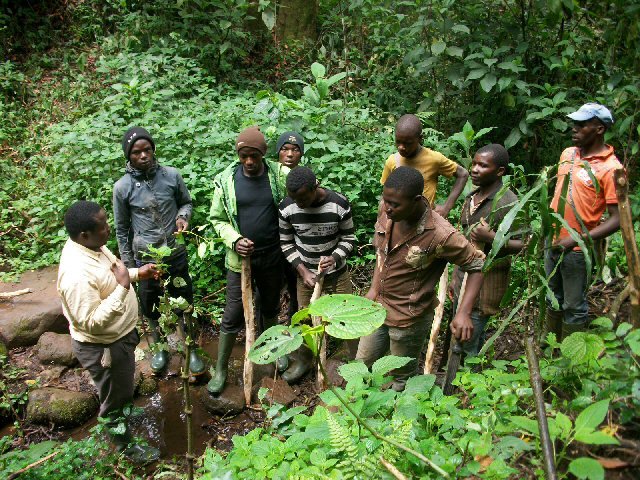

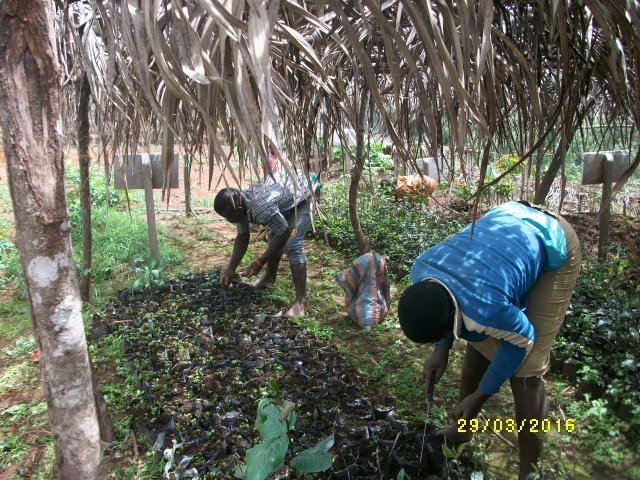
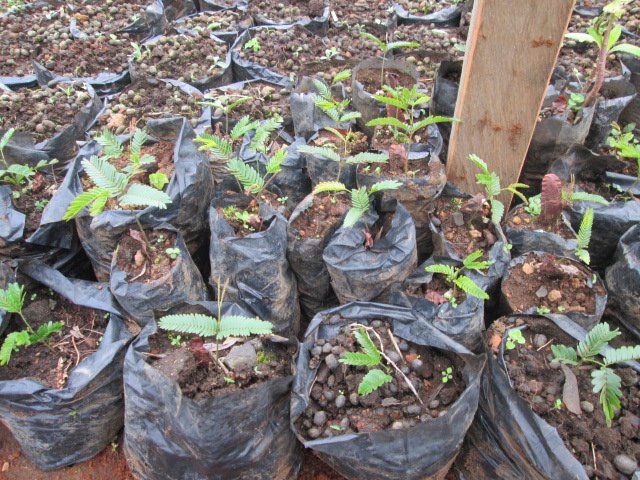

CAMGEW has established nurseries to grow native tree species, including Prunus Africana, Croton Macrotachyst, Carapas Grandifolia, Pittusporum Veridiflorium, Zysigium Staundtii, Solanecio Mannii, Newtonia Camerunensis, Psydrax Dunlapii, Briellia Speciosa, Pyschotria Pendularis, Acacia, Leuceana, Mysposis, Tephrosia, Sesbania and Tree Tomatoes. Many of these have been planted in the forest by children and local community groups to regenerate sections of forest destroyed by domestic animals and fire.


Nitrogen fixing seedlings have been distributed to local farmers who are using agroforestry methods. Three nurseries have been established (Manchok, Mbockenghas and Ikal) with a capacity to raise 200,000 trees. The different species have been labelled with scientific and local names and their uses to educate the local community and school children.

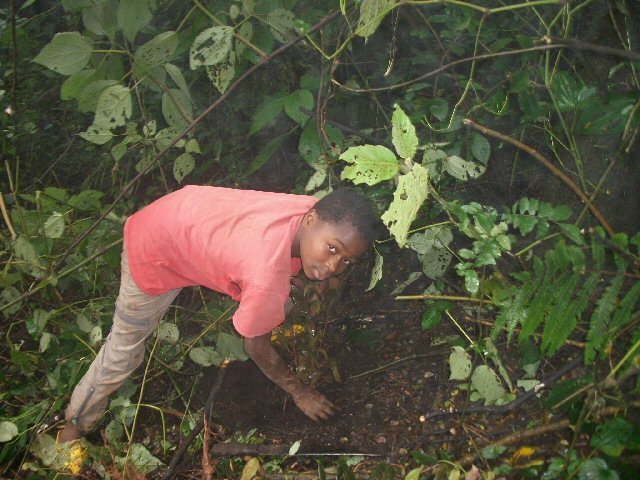

In order to restrict the spread of ferns cuttings of Schefflera abysisinica and Solanecio mannii have been planted in the forest. The fern plants die once the trees grow above them.
Bee farming
Bee farming is an important activity in the preservation of the Kilum Ijim forest as the farmers have a vested interest in preserving the natural flora which provides nectar for the bees and preventing forest fires. CAMGEW has provided hives, training in good bee management activities and organised the farmers into cooperatives/village groups. It has also provided a shop in Bamenda to assist with marketing the honey. The training has involved 212 farmers and 85 cooperative executive members in 22 villages in 2016. CAMGEW has also provided training in the production of bee wax which is more profitable than honey. It also involves full utilization of the honey combs which might otherwise be discarded. 116 community members were trained in 2016, 21 of whom were women.


CAMGEW distributed 10 honey drainers, 100 suits, 30 buckets and provided management training including the establishment of a constitution and by-laws and the production of an instruction manual in cooperative law.
Organic farming and agroforestry training
CAMGEW distributed more than 900,000 seeds of Leucena, Tephrosia and Sesbania (for animal fodder) to over 139 farmers, including 38 women in 7 villages. These species are nitrogen fixing and can be grown together with crops including coffee, potatoes, beans, huckleberry, cabbage, yams, corn. In addition to providing nitrogen for crops, the trees provide shade and help prevent erosion on sloping ground.
CAMGEW also distributed 60Kg of bracharia seeds for obtaining fodder in the dry season when other feed is scarce. This will prevent farmers having to move their animals long distances to find pasture.
Vocational training
Unfortunately the CAMGEW training centre had to close down as a result of the lack of funding. However, the equipment was distributed to the trainers who then located to Elak where there was a greater customer base. Also since the CAMGEW initiative other training centres have been established in the community. Many of the trainees at the CAMGEW centre have established workshops in their own communities.


Health, human rights and nutrition training for women
 CAMGEW has provided training about women rights to health services, nutrition, legal marriage and counselling as a result of physical and psychological abuse. This included education to reduce early pregnancies and nutrition to improve the health of teenage mothers and their children.
Information was also provided about sexually transmitted diseases and the benefits of legalised marriages. Information was also provided with the aim of reducing child trafficking.
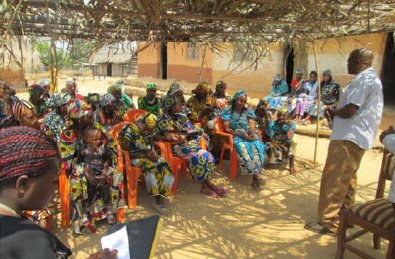

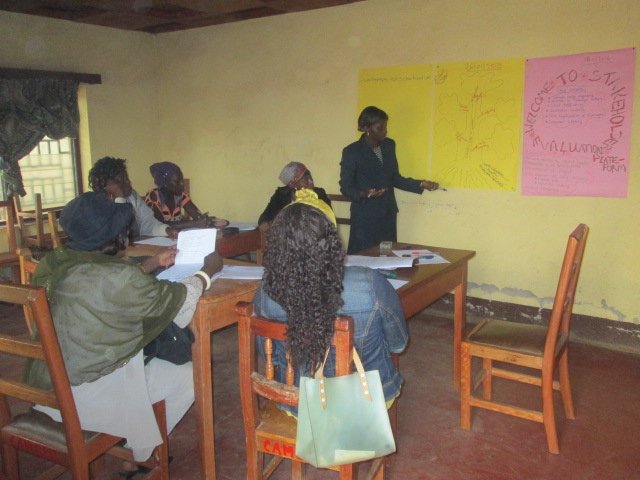
Much of this work has been carried out with the young women of the Muslim Mbororo tribe who are known for high birth rates and low literacy. Most of the men keep grazing animals which are their main source of income. Counselling of the girls involved marital crises physical and psychological abuse, frustration arising from child trafficking, loneliness and stigma from unplanned teenage pregnancy.
Micro credit and savings scheme training for women
CAMGEW has been running a micro-credit scheme for women since 2015. Loans are given at an interest rate of 2% per CFA 1,000 with a 6 month repayment period. Each recipient must have undergone training provided by CAMGEW. 500 women had benefited from the scheme by December 2016.
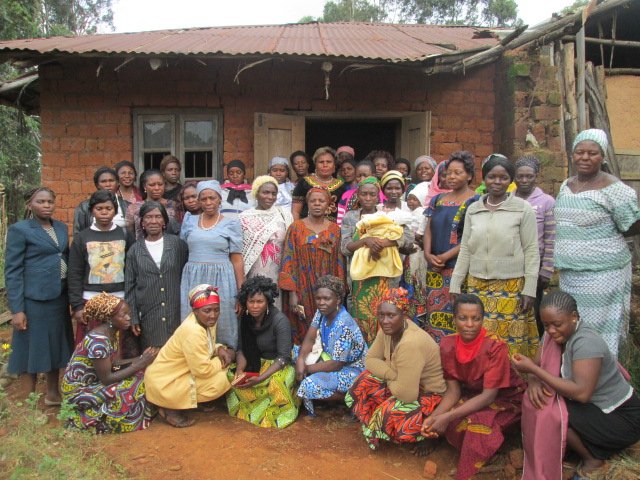 Most women do not have enough the money required to open a bank savings account. The CAMGEW savings scheme enables women to open an account with as little as 500 CFA (about 35p). CAMGEW keeps its funds with the Manchok Credit Union. In 2015 CAMGEW trained 193 women and 153 received loans and in 2016 trained 483 women and gave loans to 390 women. Loans ranged from 30,000 to 120,000 CFA.
Environmental education
The nurseries established by CAMGEW have served as learning areas for children, schools and community groups in types of forest trees and their uses. Children have gained hands-on experience working in the nurseries and also gathering seeds from the forest.
Computer training for women and children
CAMGEW has provided basic computer training for women and children.


Tree planting at the GLORES treatment centre for disabled children
In 2016 CAMGEW planted 500 tree seedlings around a new centre for the treatment of severely disabled children based in Bafoussam in the West Region. These included, prunus africana, pittosporum, ornamental, palms, mangoes, plums and oranges.
Video productions about CAMGEW and its director
The following productions provide clear presentation of the comprehensive range of CAMGEW activities and how they contribute to the inter-relationship between various aspects of sustainable development:
Kilum-Ijim forest apiculture:
https://www.youtube.com/watch?v=TBqEgnjsWSg
Organic coffee farming in Oku:
https://www.youtube.com/watch?v=hHKY15LEuos
Short video featuring CAMGEW director, Emmanuel Wirsy
http://www.dw.com/en/money-for-forest-honey/a-37473719
CAMGEW in other documentaries. (Emmanuel’s work is featured about 9 minutes into the video)
https://www.youtube.com/watch?v=rCVVzGDXQmw&t=129s
CAMGEW FOREST VIDEO. This video is an excellent presentation of the work of CAMGEW and illustrates the link between bee farming and the preservation of the forest. It also shows children actively involved in the both the raising and out-planting of seedlings in to the forest :
https://www.youtube.com/watch?v=4TwdiXGj3zk
CAMGEW GENERAL ACTIVITIES VIDEO. This is a brief overview of activities of CAMGEW including its vocational training: https://www.youtube.com/watch?v=zyM89iaLnHw&feature=youtu.be&hd=1
WEB SITE:
www.camgew.org or www.camgew.com.
Future in Our Hands Kenya activities 2016
FIOH-KENYA REPORT – 2016
- WOMEN CREDIT UNION: The women have been going on well with their loaning program. The money received from Ebay boosted their kitty very well. The capacity building workshop held for the women groups has really motivated them and the results can be seen from their return reports.
- THE YOUTH GROUP: The poultry project by Usoma Shiners youth group is still stable. The group now has 500 hens . This project was co–funded through FIOH-USA in 2013. The group plans to venture into fish farming by putting up a fish pond along Lake Victoria so as to preserve the rare species that are facing extinction due to use of poor fishing methods.
- THE COW PROJECT: This is known as the Poor Man’s Bank Initiative whereby we fund women groups to purchase dairy cows that they can easily manage and take care of. They are taught to use the wastes from the cow to practice organic farming in their gardens so as to help in nutrition. The little money they get from sale of milk is used for subsistence. So far, two groups have been funded and we have proposal for 4 more groups.
- WELLS: The latest well in Wathorego Kibos is complete and is serving the residents well. All the other wells are in good working condition. The well was donated by a volunteer from USA at a cost of $3000. It serves approximately 300 households in this village with an average of 6 people per household. FIOH- K has identified 3 more villages that are in dire need of water i.e Mawego village, Seme Village and Alego. Both Geological and hydrological surveys have been carried out . We are looking for sponsors or donors to fund these projects. The wells that have been dug through donation from FIOH-USA have reached 20 in number.
5.TREE NURSERY: Due to the effect of global warming,
deforestation is rate is alarming. We have started a campaign
for reforestation in Kisumu County .We envisage to start tree
seedling nurseries in each of the 7 sub counties of Kisumu in
order to create awareness on importance of trees. It has not
rained since May. Even the long rains of April and May which
is normally used for planting season failed that people are
facing starvation. A proposal for this too is ready and has been
sent several organizations with no response yet.We are looking
for partners towards this endeavour.
- COMMUNITY LIBRARY AND RESOURCE CENTER:
It was Rom’s wish and dream to have a community Library
and resource center in Usoma village where he taught for his
entire teaching career. This he said would stump out illiteracy
and create awareness among the vulnerable people in the
village. Land has been donated for this, and a proposal ready
for the same. We haven’t submitted the proposal to any
organization.
Our main partner is still FIOH-USA which primarily funds the
orphans education program and HIV and AIDS program.
Their resources are limited as they too depend on donors.
We are very much in contact with Sr.Linda and she visited for
2 months this year with another volunteer.
Paul Odhiambo, Co-ordinator.


Follow us on Facebook:
www.facebook.com/fiohfund
Follow us on Twitter:
twitter.com/fiohnet
Please share our links with your friends to help us reach a wider audience.
Strategic Humanitarian Services
 Strategic Humanitarian Services (SHUMAS), a Cameroonian Development NGO, after working on its own for sometime, considered possible networking and collaboration with northern NGOs who shared common objectives and methods of approach to development. Between 1997 and 1999, the General Co-ordinator of SHUMAS, Stephen Ndzerem and the President of Plant a Tree in Africa (PATIA)/Co-ordinator of Future in Our Hands Education and Development Fund UK, Mike Thomas, were involved in some intensive correspondence.
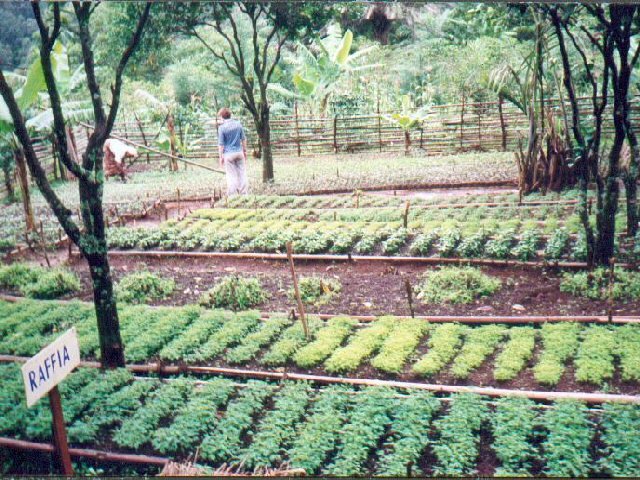 One of the issues they discussed was how to seek a sustainable solution to the adverse effects of eucalyptus plantations on water sources and farming areas. Women were the principal victims.
In 1999 Mike Thomas visited to carry out a site assessment and provided £500 from PATIA (matched by SHUMAS) to establish a nursery for 40,000 tree seedlings (10 species) and fell several thousand eucalyptus.
Because of the encroachment of the trees into existing and potential farming areas, many women have to walk long distances (often 15 miles or more) to find new areas to farm. They will then live in temporary self-made huts for 2 to 4 weeks before returning home with whatever they can carry on their heads. Many will carry babies or take young children with them. People in general, usually women and children, have to walk further and further each year to fetch water. A summary of the project and its outcomes are shown below.
Information gained from the pilot project was used in support of an application to the Big Lottery Fund to fund a large project named the Eucalyptus Replacement Project .
A 10 page brochure summarising the first phase of the project can be seen here:
CAMEROON – EUREP I – BROCHURE
Since then SHUMAS has established partnerships with AidCamps International and Building Schools for Africa both of which have resulted in a comprehensive school building programme involving a partnership between local communities and the schools’ parent teacher associations.
A Buildings Schools for Africa report can be seen here:
BUILDING SCHOOLS FOR AFRICA Newsletter October 2014
SHUMAS is now a well respected organisation in the area and has established many projects, including those summarised below, which have improved the lives of poor people in both urban and rural areas. More details can be seen at the SHUMAS web site:
STRATEGIC HUMANITARIAN SERVICES
SHUMAS integrated organic farming training centre

Another inspirational development has been the establishment of an Organic Farming Training Centre in the NW Region near Kumbo.
Details of the operation of the Centre can be seen in this 34 page report: BIOFARM
Primary health care
A partnership with Spreading Health [Founded by Dr Peter Hearn] is facilitating primary health care training for people in the rural areas. This has included a scheme to sponsor local village candidates to train for three years at the St Louis Higher Institute of Health & Biomedical Sciences in Bamenda (the capital of NW Cameroon).
Womens co-operative network
 During his visit in 1999, SHUMAS gave Mike Thomas an opportunity to present his idea for establishing savings and credit cooperatives to about 300 women. There were some initial setbacks but before 2000 more than five co-operatives had been trained and became fully operational.
By 2014 sixty two autonomous co-operatives all of which have again come under the single umbrella called Future in Our Hands Womens Credit Union Cooperative- Cameroon.
The FIOH co-operatives are quite different from conventional co-operatives. FIOH concentrates on building the capacities of grass roots women through encouraging the spirit of sharing, co-operation and fellowship, rather than on too much external dependency and a quest for individual material gain.
The SHUMAS head office and rehabilitation centre
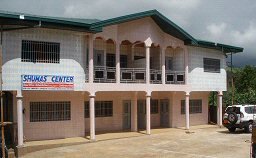 In February 2009 SHUMAS started the construction of an inspirational new building that combined facilities for both staff and vocational training for disabled people. The building was completed later that year. The SHUMAS head office combines facilities for administrative staff with those providing vocational training for disabled people. The object is to provide disabled people with the means to become economically self-reliant and the ability to effectively participate in the development of their communities.
The objectives of the Centre are to:
- Train disabled people in self-reliant skills so that they will be able to carry out economic activities which enhance their self-esteem and enable them to be part of the mainstream of development of their communities.
- Train them in basic management and leadership skills.
- Continuously monitor and evaluate graduates for some years to assess their progress.
- Set up a revolving micro-finance scheme to benefit ex-trainees.
- Advocate for the rights of disabled people.
The Eucalyptus Replacement Project

Project launch
The project was launched in 2000 and was supported by all sections of the community and government authorities and provided the framework for the introduction of new ideas to the women.
The womens network was to play an important role in the day-to-day management of the project which involved the felling of 1,017,200 eucalyptus and the raising of 2,624,000 mainly indigenous African trees (60 species) carried out in two phases between July 2000 and October 2008.
The projects cleared about 463 ha of eucalyptus trees resulting in the recovery of 105 springs and 140 water taps during the dry season. Over 9,000 women who had previously walked long distances to farm and collect water, were able to farm close to their homes.
Statistics in 6 rural health centres and 1 hospital recorded an average 27% reduction in water born disease during the life of the project. It was estimated that an additional 5,153 children were able to go to school because of the increase in family incomes resulting from the projects.
The local authority and many individual farmers copied the example of the project and hence the figures shown above are an underestimate of the project’s impact.

