How CAMGEW Restored Forests and Empowered Women in Cameroon – 2025
All of the Major achievements by our network partner CAMGEW and a summary of their annual report focused on reforestation and women’s equality in Cameroon, with support from FIOH.
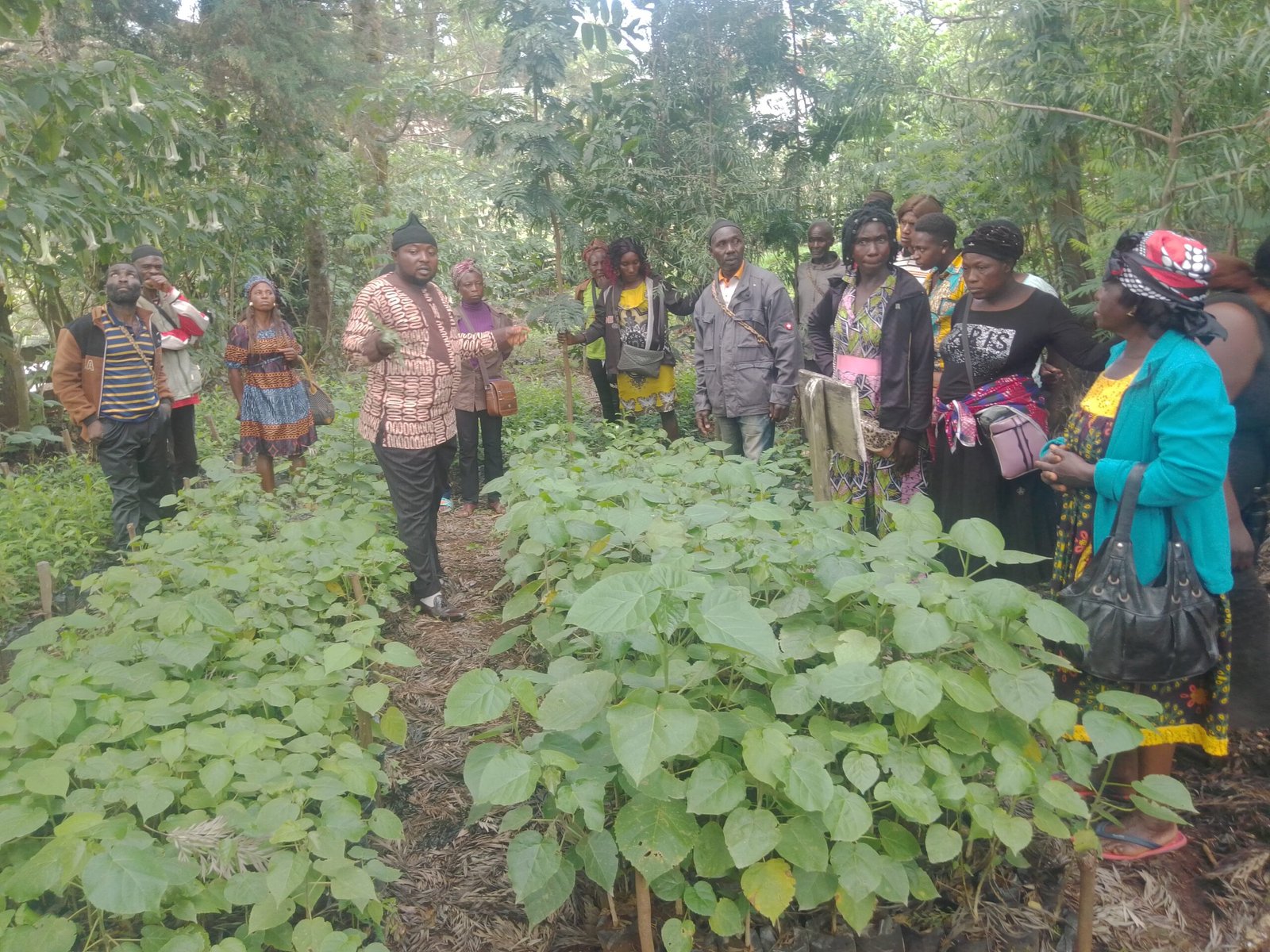
In 2025 CAMGEW was restoring forests and empowering women in Cameroon, rebuilt livelihoods with sustainable agriculture and a focus on youth livelihoods — while quietly transforming itself from a single-forest project organisation into a multi-region programme NGO with a 2026–2030 strategy.
Nine Headline numbers
| Indicator | 2025 Result |
| Native trees planted | 11825 seedlings plus 406 wild stems protected |
| Cumulative total trees planted | 134880 over 14 consecutive years |
| Critically endangered trees planted | 1386 Newtonia Camerunesis IUCN Red List |
| Degraded Forest restored | 12=-15 Hectares |
| Farmers trained in agroecology and enterprise | 600+ |
| People reached by environmental education | 4161 |
| Confidential counselling provided | 510 |
| Girls in leadership programmes | 102 |
| Livestock Livelihood beneficiaries | 230+ households |
The annual report has itemised, verifiable and audited statistics to support the following areas of action.
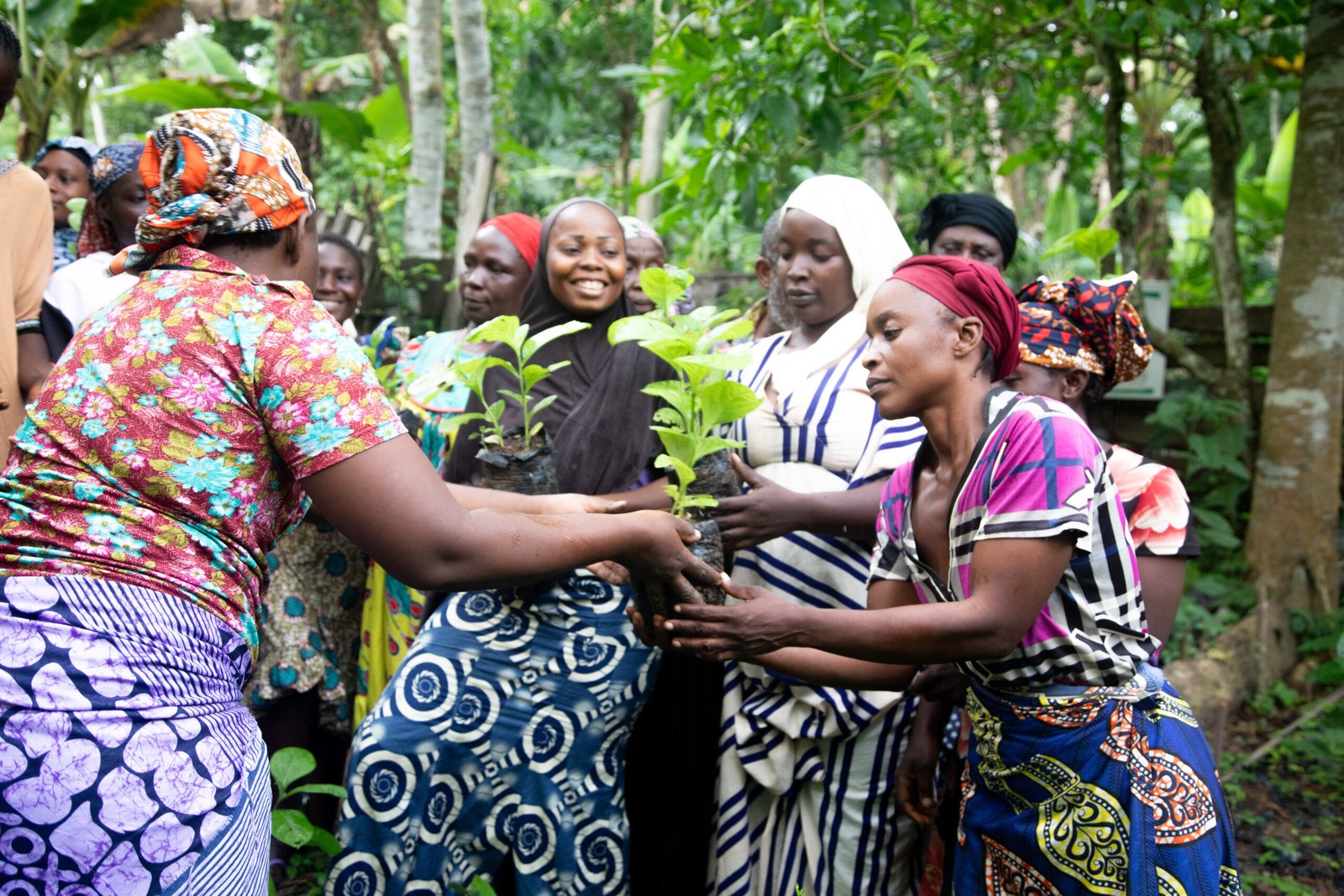
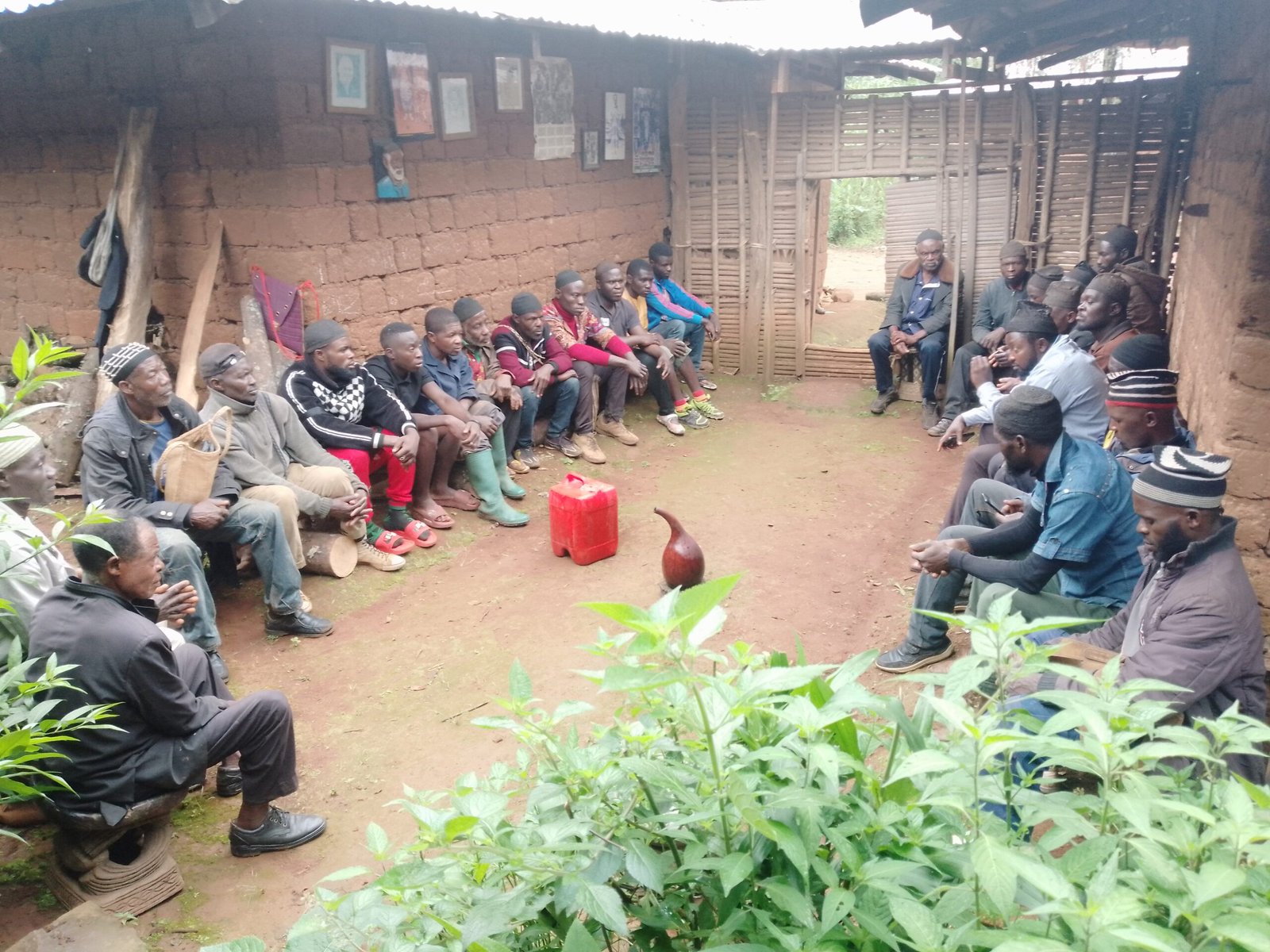
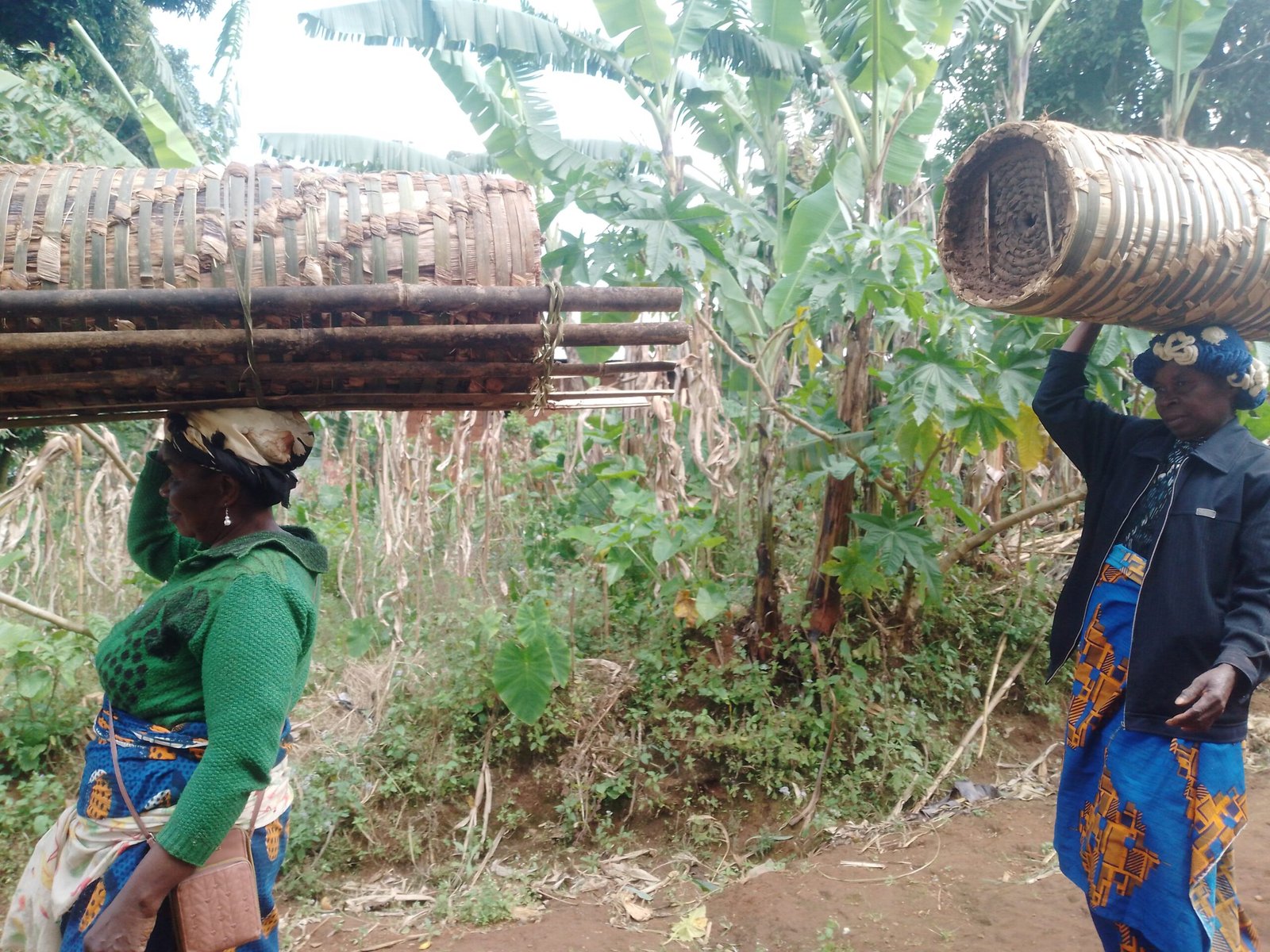
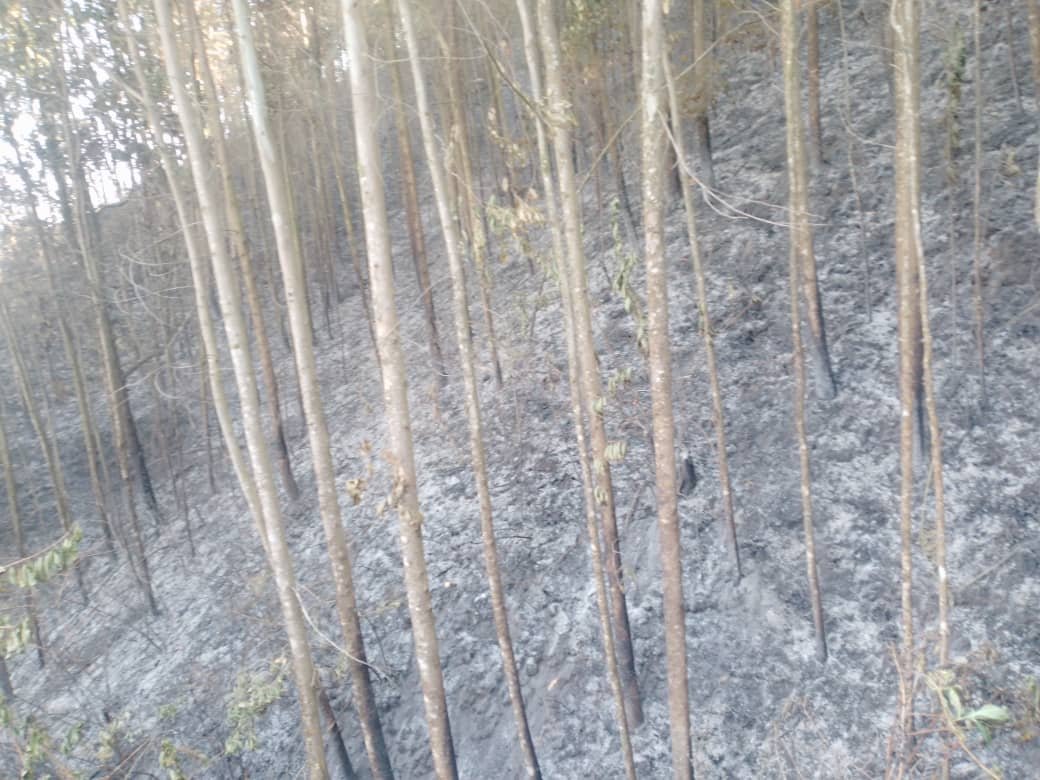
International Awards 🏆
Equator Prize New York
Gender Just Climate Solutions Sevidzem Ernestine Leikeki
Innovative ideas and technologies in agribusiness in efforts to preserve the Kilum Ijim forest
Ashden Award shortlisted
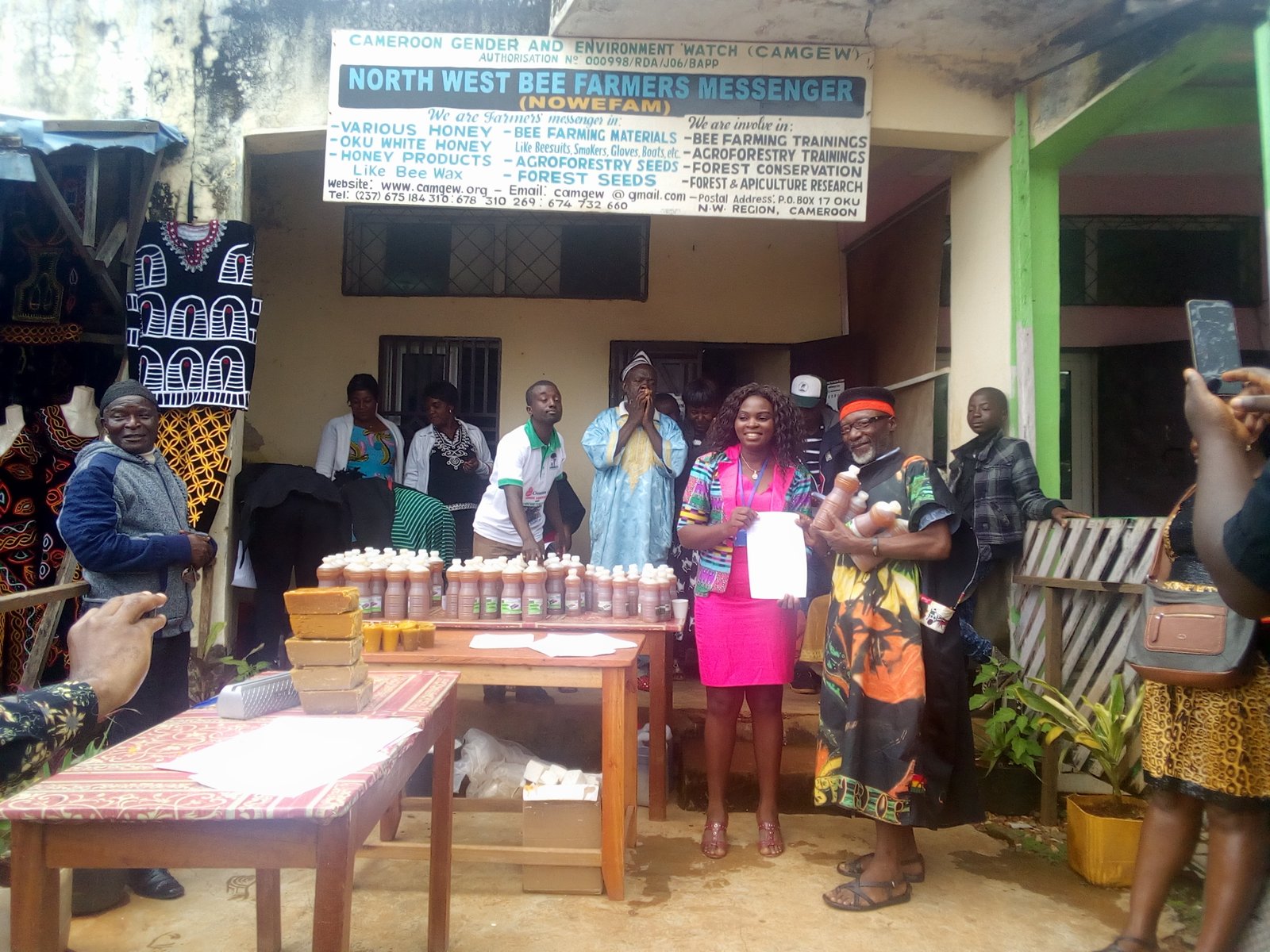
CAMGEW Cameroon Gender and Environment Watch on its way to NGO status with photography from Director Emmanuel Wirsiy and edited by FIOH
Source: CAMGEW 2025 Full Annual Report (80 pp). www.camgew.org Prepared for FIOH website digests and articles. CAMGEW Cameroon Gender and Environment Watch. Founded Oct 2007; works in 3 regions of Cameroon (North West, West, Adamawa). FIOH–UK was one of CAMGEW’s original tree-planting funders (2012-2017).
If you wish to support our cause and fund future projects on restoring forests and empowering women in Cameroon like CAMGEW’s please Donate via our website. To read more articles like this one, try reading this one of Cassava Farming in Sierra Leone.
HEARTS COVID 19 RELIEF SEPTEMBER 2020
HEARTS FOUNDATION
BAPATLA, GUNTUR DIST, ANDHRA PRADESH, INDIA.
COVID-19 (CORONA VIRUS) RELIEF ASSISTANCE
SUPPORTED BY FUTURE IN OUR HANDS, U.K.
BACKGROUND:
The Covid 19 crisis began in January 2020 in Wuhan, China and within days spread across the world and till today has become a major challenging factor and created a global health emergency. India is alerted starting from Kerala by identifying passengers coming to Indian Airports from overseas. The first lockdown in India was started on 20th March, 2020 and till today (15-09-2020) normalcy has not been established. The current Indian population is 1.3 billion people. Everyone feared the impact of Covid-19 if not brought under control. Thanks to the Indian Government and State Governments for tackling this outbreak collectively. An impressive role was played by the Doctors, Nurses, Sanitary Workers and Police in combating spreading of this virus. The Indian Council of Medical Research suggests that it is not over and can be repeated if health related precautions are not taken care of i.e. Mask, Sanitizer, Cleanliness, Social Distance etc. The current statistics in India related to Covid-19 is declining but the virus is still prevailing in a few locations across the country. Our Prime Minister warned the country to not fear the virus and respect the people who are positive and the reality is for everyone to live with it. It can be cured and vaccines are coming shortly to tackle the problem. Current Indian statistics show the total number of positive cases is 5.02 million and deaths are 82,066. In Andhra Pradesh the state total number of positive cases is 514,000 and deaths are 5,041.

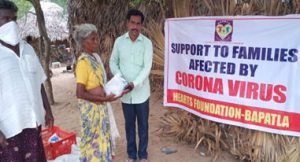
Hearts covered relief assistance in four Tribal colonies in and around Bapatla town and rural areas two times till date. The word Tribe is based on Caste reservation system called Scheduled Tribe (ST) and some others are Scheduled Caste (SC), Backward Classes (BC), Minorities (Muslim) and rest are general who are upper caste i.e. Brahmins, Pundits, Merchants etc. India is a huge populated country and illiteracy plays a major role for academic and employment opportunities. Therefore without reservations for underprivileged population, there is no chance at all for their children getting into Universities, Government jobs etc. Under the Caste system, Scheduled Tribes are downtrodden, looked down upon and particularly on those who are illiterate. Usually they live out of the towns especially on river or canal banks. The Government talks about equality for ST population in line with others but in practice it’s not happening.
We have identified four colonies where the population are living in thatched roof palm leaf houses and it is shocking to know the many hurdles they are facing under the lockdown due to Covid-19. In one of the colony, Hearts runs a Day Care Centre for children to come to school.
Colonies helped: Tribal population in four colonies namely:
1) Krupanagar Colony – 85 families
2) Ramnagar Colony – 90 families
3) Venkata Reddy Colony – 60 families
4) Matsyapuri Colony – 30 families
Total – 265 families
A family includes husband, wife, children and grand parents, if any. Approximately on an average we have reached 1,000 people who are children and adults.
Activities: We have carried out following activities:
- Purchasing of food supplies (Rice & Groceries), vegetables, fruits, milk etc.
- Purchasing of masks, sanitizers, medicines etc.
- Distribution of food supplies and other items as per pre plans and discussions with the beneficiaries
- Involving local community resource persons i.e. school teachers, health workers, Pastors etc.
- Creating awareness on Covid-19 precautions
Details:
- Each family received approx. 5 kilos Rice, 1 kilo Red gram dal, 1 kilo Wheat, 1 kilo Sugar, 1 kilo Oil.
- Each family received approx. 1 kilo each variety of vegetables i.e. tomatoes, potatoes, onions, brinjal, beans, chillies, milk and a dozen eggs.
- Each family received a pack of Mask & Sanitizer
- Each family received a pack of first aid medicines i.e fever, cold, cough, diarrhoea, de-worming and multi vitamins.
Apart from Tribal colonies, Hearts also helped children’s parents from Hearts Children Home. Since lockdown the parents or guardians of children are out of work. They have struggled a lot financially. The Government supplied Rice and Dal but they had to buy other ingredients to cook a meal.
Please support the work of the Future in Our Hands Education and Development Fund whose aim is to help and empower some of the world’s poorest and most marginalised people by:
- UK residents can provide long term support by completing the FIOH FUND DONATION FORM and sending to the address shown on the form:
- Direct grant to the charity’s bank account or by cheque to:
 Bank account details:
Co-operative Bank
IBAN: GB07CPBK08929965050707
BIC: CPBKGB22
Cheques should be made payable to the
Future in Our Hands E&D Fund
—————————————————————————-
Fundraising to help the work of the charities would be greatly appreciated
Future in Our Hands Sierra Leone Report Sept 2019
Achievements
For the period January – September 2019 FIOH SL undertook the following activities:
Regenerative agriculture
 Rice permaculture farm
 Training farmers on ridges construction
 Vegetable farm inspection
 Agro ecological training on compost making
Establishment of village savings and credit associations
 Training meeting on share purchase and loan disbursement and repayment
Nutrition

Training on baby positioning during exclusive breast feeding
 Training on methodologies to ensure a balanced diet for pregnant women and lactating mothers
Future in Our Hands Sierra Leone
37 Lunsar Road
Makeni City
Northern Region
Sierra Leone
Future in Our Hands Kenya activities 2016
FIOH-KENYA REPORT – 2016
- WOMEN CREDIT UNION: The women have been going on well with their loaning program. The money received from Ebay boosted their kitty very well. The capacity building workshop held for the women groups has really motivated them and the results can be seen from their return reports.
- THE YOUTH GROUP: The poultry project by Usoma Shiners youth group is still stable. The group now has 500 hens . This project was co–funded through FIOH-USA in 2013. The group plans to venture into fish farming by putting up a fish pond along Lake Victoria so as to preserve the rare species that are facing extinction due to use of poor fishing methods.
- THE COW PROJECT: This is known as the Poor Man’s Bank Initiative whereby we fund women groups to purchase dairy cows that they can easily manage and take care of. They are taught to use the wastes from the cow to practice organic farming in their gardens so as to help in nutrition. The little money they get from sale of milk is used for subsistence. So far, two groups have been funded and we have proposal for 4 more groups.
- WELLS: The latest well in Wathorego Kibos is complete and is serving the residents well. All the other wells are in good working condition. The well was donated by a volunteer from USA at a cost of $3000. It serves approximately 300 households in this village with an average of 6 people per household. FIOH- K has identified 3 more villages that are in dire need of water i.e Mawego village, Seme Village and Alego. Both Geological and hydrological surveys have been carried out . We are looking for sponsors or donors to fund these projects. The wells that have been dug through donation from FIOH-USA have reached 20 in number.
5.TREE NURSERY: Due to the effect of global warming,
deforestation is rate is alarming. We have started a campaign
for reforestation in Kisumu County .We envisage to start tree
seedling nurseries in each of the 7 sub counties of Kisumu in
order to create awareness on importance of trees. It has not
rained since May. Even the long rains of April and May which
is normally used for planting season failed that people are
facing starvation. A proposal for this too is ready and has been
sent several organizations with no response yet.We are looking
for partners towards this endeavour.
- COMMUNITY LIBRARY AND RESOURCE CENTER:
It was Rom’s wish and dream to have a community Library
and resource center in Usoma village where he taught for his
entire teaching career. This he said would stump out illiteracy
and create awareness among the vulnerable people in the
village. Land has been donated for this, and a proposal ready
for the same. We haven’t submitted the proposal to any
organization.
Our main partner is still FIOH-USA which primarily funds the
orphans education program and HIV and AIDS program.
Their resources are limited as they too depend on donors.
We are very much in contact with Sr.Linda and she visited for
2 months this year with another volunteer.
Paul Odhiambo, Co-ordinator.


Follow us on Facebook:
www.facebook.com/fiohfund
Follow us on Twitter:
twitter.com/fiohnet
Please share our links with your friends to help us reach a wider audience.
Centre for Community Regeneration and Development
ACTIVITY UPDATE AUG 2016
Education for sustainable development through sports in schools
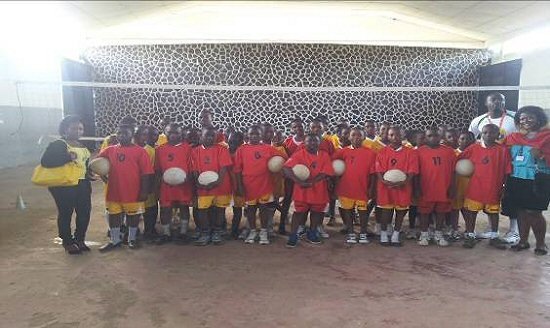 CCREAD-Cameroon in continuation of its Education for Sustainable Development Programme, has mobilized more than 300 children and youths through environmental and conservation leadership camps, with sports as a uniting factor, to educate the children on climate change mitigation and adaptation, sustainable development goals, biodiversity conservation, sexuality and family planning, human rights, leadership and good governance. We need more volunteers for this ongoing programme.
ICT for development programme for youths within poor communities


CCREAD has set up a free ICT daily training unit which serves children, women and youths from extremely poor countries to gain generational skills on computer and ICT skills for development. The facility also trains students daily who are enrolled in schools without computer laboratories so they can be able to take official examinations in computer sciences. This project needs more trainers and those who can support to buy more computers, a projector and more desks for trainees.
Sexual and reproductive health rights education for abandoned teenage and single mothers
 CCREAD volunteers are currently organizing weekly workshops for 25 single and teenage mothers on sexual and reproductive health rights. The aim is to educate teenage mothers to stay away from sexual and different forms of gender base violence, organizing them into action groups and linking them up with mentors for social and economic empowerment.
Supporting women and widows living with disabilities
 CCREAD is currently supporting unmarried women with children living with disabilities and who are not employed through granting of micro financial support to start small micro enterprises which will enable them take care of themselves, send their children to school and meet their health needs. We have identified a total of 320 of such women with pressing needs and have been able to assist 15 of them already. We need more people to help this initiative.
To support any of these ongoing projects, kindly drop an email to: projects@ccreadcameroon.org


Cameroon Gender and Environment Watch
Cameroon Gender and Environment Watch (CAMGEW)
 CAMGEW works to see social and environmental justice put at the centre of development. It works with all age groups. It works to see that the social welfare of children in Cameroon is improved, especially the girls who in many communities are deprived of opportunities to grow up to be future leaders.
It sees it necessary also to work to improve the lives of children in many rural and urban areas who lack the means to go to school and to meet their needs. It does this by trying to meet their basic needs, instilling in them the spirit of positive thinking and encouraging them to strive for excellence.
 It seeks also to build the capacity of women especially those in the rural areas where most women are poor farmers. These women lack the agricultural skills and inputs to increase farm yields. They also lack crop storage techniques and facilities. This means they are unable to gain an income sufficient to meet their basic needs and pay for the education of their children. They need to be empowered to be economic and social leaders. Many of them are bread winners of their families. CAMGEW also works to provide women and children with basic needs like water, food, education, energy and shelter.
It works with children, youths and the old to create environmental awareness. and works with children through environmental education to instil in them the spirit to grow up to live in harmony with nature. It educates children about ecology e.g. rivers and lakes; marine ecosystems like the Atlantic ocean; land ecosystems like natural forests, botanical gardens, Zoos; pollution and waste management; gardening and tree nurseries.
It fights poaching, the bushmeat trade, illegal wildlife trade, deforestation, bushfires and climate change by trying to bring about a positive behavioural change in people involved in activities that are environmentally unfriendly. To bring this change CAMGEW carries out sensitisation, lobbying and advocacy at various levels of the society (policy makers, private sector, civil society and grass root populations).
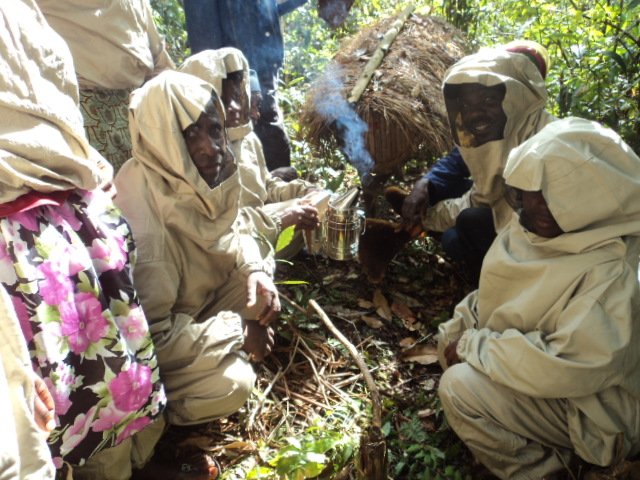
 CAMGEW encourages organic farming by improving on soil fertility with organic matter and encourages household organic waste sorting for use in farms to increase crop yields and also as a means of managing household waste. Agroforestry is another way CAMGEW promotes ecofarming. This was a traditional method used to improve the soil. It promotes integrated organic farming, horticulture (flower, vegetable and fruit farming) and apiculture (bee farming).


To discourage the use of plastic papers which are known to be non-biodegradable and to reduce the aesthetics of our environment, CAMGEW promotes the use of bags and baskets made from locally available materials like bamboo, jute, rattan etc that are biodegradable. These bags and baskets have been used in the past when plastics were not yet common. CAMGEW is building a campaign to see how biodegradable materials could be used for packaging instead of plastics.
The availability and affordability of modern energy is paramount to every development. Many rural areas lack this energy because they are far away from the national grid and also because they cannot afford it. Another, problem faced by Cameroon is the shortage of power due to dependency on one energy source – hydropower that is always affected by droughts brought by the changing climatic.
It promotes decentralised and diverse energy systems like small hyro, solar, wind and biogas systems exploited from the available natural energy sources like river fall, sun, wind and animal waste or plant matter respectively. It also engages in a campaign to reduce dependency on environmentally unfriendly energy sources like fossil fuels.
It takes part in fighting climate change from four key perspectives – mitigation, adaptation, finance and technology as identified in the global Climate Change Conference that took place in Bali, Indonesia in December 2007. During the Bali conference, the UN Secretary General, Ban Ki moon said “no one-rich or poor-can remain immune from the dangers of climate change”.
To achieve all of above, CAMGEW uses media, gatherings, posters, newsletters and organised events like workshops. It therefore, sees creativity and innovations as a way forward to solve the global problems that plague humanity.
These innovations and creative ideas therefore need to be replicated and/or scaled-up to tackle global challenges. It believes that through partnership, networking, research and volunteerism this shared vision for long-term cooperative action among the people of the world to improve on lives and promote sustainable development, can be achieved.
A video showing activities at its vocational training centre in Oku can be seen here:

Centre for Community Regeneration and Development
Centre for Community Regeneration and Development
 (CCREAD-Cameroon) is a youth led development organization established in 2004 and legally registered as a non profit organization in December 2006 with Registration Number: 379/AG/G.42/162/AJPAS under Cameroon Law of 1990 governing non political associations. CCREAD-Cameroon won the 2011-2012 World Bank Development Marketplace Competition on the promotion of good governance, is affiliated to Peace Child International, (UK), MIYC South Korea, an active member of United Network of Young Peacebuilders (Worldwide) and an NGO participant of UN Global Compact. CCREAD-Cameroon is also in Special Consultative Status with UN-ECOSOC
Vision
CCREAD-Cameroon helps to empower marginalised children, youths, women and indigenous populations merged with environmental sustainability through united youth actions.
Mission
Working in response to adopted community driven strategic plans, CCREAD-Cameroon currently has a mission to enhance the social, economic, cultural and political empowerment of children, youths, women and indigenous groups for poverty alleviation, better community organization, improved governance/human rights and environmental conservation and management.
Objectives
The activities implemented by CCREAD-Cameroon are guided by the following objectives:
- Increase the application of good goverance, decentralisation, and democratic practices in hard to reach/marginalized regions.
- Reduce the high incidence of poverty among marginalized women and youths with focus on hard-to-reach forest communities.
- Increase basic education and health facility access for children, women and youths in poor communities.
- Foster peacebuilding and conflict resolution initiatives in selected communities.
- Increase the respect of the rights of children, and women
- Raise environmental sustainability awareness and promote management actions among youths.
Operational area
South West, North West, West and Eastern Regions of Cameroon as core regions.
Activities undertaken
Leadership and peacebuilding training for women and youths. Through this activity, Cameroonian youths in Kupe Muanenguba Division through schools and women were drilled on leadership qualities, peacebuilding and conflict prevention/resolution skills mainstreamed with human resources management abilities/decentralisation education. A total of 4,692 youths and 1,982 women have received training.
Leadership training
Recognizing that corruption remains a key development limiting factor in most sectors in Cameroon, CCREAD-Cameroon has also joined other stakeholders in fighting corruption starting with schools in 2011. A national baseline study on the challenges of corruption and governance was completed and adopted.
A governance Education Manual was developed and 1,200 copies distributed to major stakeholders and 82 school anti corruption campaigns and advocacy forums were organised.
Schools management Boards were instituted and trained to fight and report corruption in schools in the South West Regions.
Governance training and fight against corruption campaigns were organised through youth actions.
Many inter tribal conflicts result from land problems and the marginalization of particular groups. CCREAD-Cameroon has been responding to these problems by organizing communities into groups, educating them and assisting them to start group initiatives for poverty alleviation/solving land conflicts.
Training women and indigenous groups on project planning, fundraising and networking
Started in 2011, this project helps women and youths constituted into development common initiative groups on identifying community problems, documentation, elaboration of micro projects, finding and mobilizing resources, creating relevant partnership monitoring and evaluation/reporting of their result to the general public. CCREAD-Cameroon has organized 12 regional trainings/follow-up workshops reaching 12 groups through 120 group leaders and members in the South West Region of Cameroon
Rise for Nature Programme
This is an integrated environmental sustainability programme which CCREAD-Cameroon launched in 2011 to respond to nature conservation and rural development needs in many hard-to-reach forest communities of Kupe Muanenguba region. Activities were targeted towards forest and wildlife conservation unsustainable practices campaigns, environmental education through schools, climate change and adaptation education, instituting alternative livelihoods activities with indigenous forest communities and advocacy for the respect of the rights to benefits from natural resources. Through campaigns and field actions, 25 communities have been reached, 27 schools covered and 2 regional advocacy forums held by the end of 2012.
In many parts of Cameroon, women still experience violation of their sexual/reproductive rights, cultural and political rights and exclusion from cultural inheritances. By December 2012 CCRead organised 6 regional advocacy and education forums on the rights of women. 30 women leaders were trained on human rights education and counseling and over 2,000 human rights education leaflets were handed to policy and traditional leaders.
Women’ rights activities
 CCREAD-Cameroon has continued the donation of hygiene and sanitation materials (toilets, water, waste management materials and facility management). From 201o-2012, 5 toilets have been constructed for 5 community primary schools, 10 volunteer teachers were sent to teach in schools and 200 water drinking buckets and cups were distributed to school children.
Direct assistance to needy schools in marginalized forest communities
Working to end high mortality rates in rural communities CCREAD has focused on the training of traditional Birth Attendants (TBAs) in rural areas with emphases on communities with no health units. In collaboration with BKFA, CCREAD-Cameroon distributes each month 500 birthing kits to rural women and community centers to help in safe and clean delivery.
Planned projects for the future
- Vocational training for youths and women on ICTs, Tailoring entrepreneurship, and leadership.
- Scaling up of youth leadership and governance training.
- School base peace, human rights, governance and environmental education.
- Start of Rise for Nature Program Phase 3 in 5 communities on environmental sustainability and climate change adaptation.
- Integrated poverty alleviation scheme for women and youths in need.
- Assistance to 10 schools through classroom and toilet constructions.
- Donation of birthing kits to rural women for safe and clean delivery
Team members
 Hilary Ewang Ngide – Executive Director MS.c(Development/Environment, PGC(PPME), BS.c(Geo& planning)
Belinda Menyange – Programs Officer BS.c (Sociology/Anthropology)
Etienne Mponne – Projects officer BS.c (Environmental mgt)
Sylvie E. Epolle – Outreach manager LL.B
Cirus Msumbe Epie – Communications officer B.ED, Dip(Communications)
Ntungwe Remitus – Administrator LLB, Dip in PME
Lucy Etuge – Partnerships BA, Community development
Lyn Tim – Outreach Assist. LLB, Dip HRM
Anna Dressler – Coordinator.
Future in Our Hands Womens Co-operative, Oku
Future In Our Hands Cooperative Oku
 FIOH Oku is a women’s farming cooperative made of over 5 Common Initiative Groups (CIGs) representing over five villages in Oku Subdivision. It was created on the 22nd of September 1999. It encourages the spirit of hard work, cooperation and togetherness in women. It is called a women’s cooperative because 95% of members are women. Her creation was thanks to the interest SHUMAS NGO and Future Our Hands had to empower women and the vulnerable in the Oku community. It has as motto: educate a man, educate an individual; educate a woman to educate a whole nation. This is because of the socio-economic importance of a woman in the purely African village community like Oku. Some of the projects realised by FIOH-Oku:-
- Improving the processing and transformation of corn and cassava through mills and haulers donated by SHUMAS and her partners.
- Offering loans to members at very minimal interest rates through a scheme developed by SHUMAS.
- Through SHUMAS there has been the development of community health infrastructure for the village of Lui.
- Regular production of organic food crops and other natural products for income generation and food security.
- Attending agro-pastoral shows to market their produce.
- Training and practising sustainable and integrated farming and livestock productions methods amongst her members.
- Training and application of agroforestry techniques to her membership.
Oku is located in Bui Division of the North West Region of Cameroon. It is made up of 36 village communities mostly living along the slopes of the Kilum Mountain. The people depend mostly on forest resources, subsistence agriculture, cash crop farming, livestock production and local artisan work for their livelihood. The Kilum Ijim Forest found in the community is a naturally preserved moist montane forest with a surface area of about 20,000 hectares. It is located in the Mount Oku Ridge in the Bamenda Highlands and forms part of the High Plateaus Agro-ecological Zone of Cameroon. The geographic location of the area is latitude 6°07’N – 6°17’N and longitude 10°20’E – 10°25’E. It has very important and threatened Afro-Montane endemic animal and plant species such as Prunus africana amongst others. It is an internationally important biodiversity hotspot and a critical zone for carbon sequestration within the High Plateaus Agro-ecological Zone.
The Kilum area is one of the highly populated locations in Africa and Cameroon in particular, accommodating 144,800 people occupying about 328 km2 (439.3persons/km2); hence, high pressure on resources is inevitable. There has been progressive deforestation and degradation mainly due to agricultural expansion, forest fire and overgrazing. Fuel wood harvesting has also been a major cause of deforestation and forest degradation. The late 1980s decline in coffee prices triggered many farmers to migrate further up the slopes in search of new land to increase income through alternative crops.
Within two years of its formation the activities of the co-operative had a profound positive impact on the lives of the women:
Former situation
- We were scattered and never cared to come together because we did farming far away from our homes because of the eucalyptus trees that were planted around our homes by men.
- We thought that only men had the right to inherit the property of parents. We never attended seminars and training programmes.
- We were shy to express ourselves among men and only played the part of listening.
- Our opportunities for income-generation were very limited.
- We thought HIV/AIDS was a curse from God and an opportunity for white people to sell us condoms.
- We thought that bread and cakes production was the duty of men. We did not know the importance of business – buyam sellam.
- If a woman was illiterate when she married we thought this was the last chance for her to become literate.
- Single parents had to resort to work on farms just to feed the family. They had insufficient income for their children’s education.
- Women believed that only men had the right to determine how many children they should bear.
- Husbands decided which political party their wives should vote for in Elections.
- Only men had the right to erect buildings and got the credit for doing so despite the help of women.
- Men brought in second wives without the consent of the first wife, claiming it is their right.
- Women thought only of their own needs and rarely discussed problems together. We did not engage with women from other villages.
- Widows used to sleep on bare floors in very smokey houses that constituted a breeding ground for germs and diseases.
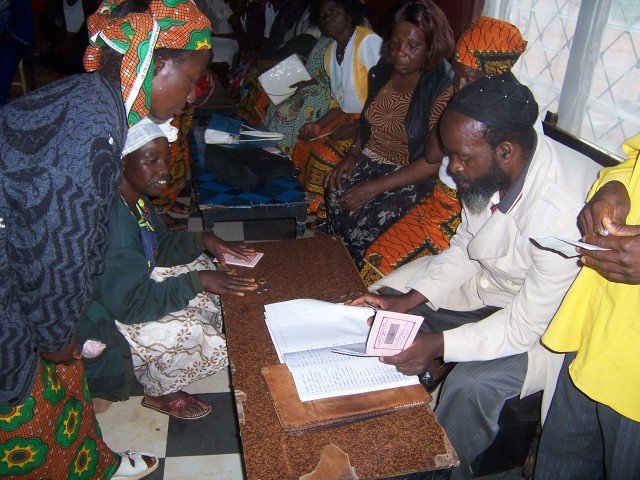
Current situation
- We now farm around our homes and have enough time to come together. Children now attend school as they do not have to come with us to distant farms. We have gained experience by coming together e.g. joined savings and credit groups with small interest charged on loans. We now have small businesses that help to solve some of our problems like paying for school fees and drugs. We are healthy and do not have to rely on our husbands for money.
- We have attended many seminars organised by SHUMAS and the Diocesan Commission for Justice and Peace, Bishops House, Kumbo, Human Rights agent and the International Federation of Female Lawyers in Cameroon.
- Now we express ourselves freely because of the lectures from SHUMAS and human rights agent who told us that every person is the same before the law and has the right to express his/her views freely.
- We now produce tablet and powder soap and hire a hand cart for transporting items.
- Through seminars we have learned that HIV/AIDS is real. We go out to schools and talk on the rural radio about the dangers and the precautioins that must be taken. There have been significant changes in sexual behaviour as a result.
- We now have our own small bakery and members can take part in bread making and poff poff production. We sell what we make and employ male youths to carry to far distant places by motorbike to sell.
- The eucalyptus replacement project has enabled women to have more time to engage in adult literacy classes. These include married women who were once illiterate.
- FIOH Oku has encouraged single parents to join the co-opertive and learn how to engage in income generating activities. The co-operative has provided them with small loans and they are now able to sell items in the market. Some have been able to send their children to school and have given testimonies on how their lives have improved.
- From the lectures and seminars women became more aware that men and women should jointly agree the number of children they should bear.
- Through the education of the human rights agent and messages from Mike Thomas of the FIOH UK Fund, women now know their rights to vote in their own right.
- Women now realise that they can take the initiative in putting up a building. Our women have bought a plot of land and have erected their own meeting hall.
- Through the co-operative we have taught women the importance of marriage certificates and various types of marriage . If monogamy is the choice then men have no right to bring in a second wife or mistress.
- We now have exchange visits with other womens co-operatives in our network. We exchange ideas and learn from each others experience.
- Now most women, especially FIOH women, do not now sleep in such houses. When their husbands die they sit in a special room with friends who comfort them.
Follow us on Facebook:
www.facebook.com/fiohfund
Follow us on Twitter:
twitter.com/fiohnet
Please share our links with your friends to help us reach a wider audience.