
Global Rehabilitation Services Report Sept 2019
REPORT SEPTEMBER 2019
50 children came for treatment during the long summer holidays, including some who continued from the previous period especially those who need long term treatment. That is why some names are repeated in the two lists below. Of those who continued treatment, most of them successfully completed their treatment and went back to school normally to the satisfaction of their parents. Although the treatments are completed, we still give two to three months’ rendezvous to make sure the deformations do not restart, in which case we intervene to avoid waste of effort and money spent in the treatments.
The number of children coming indicates that the new Centre is being easily located since we moved. There were difficulties initially for some people to find the location.
EVENTS
GLORES was once more invited to the Bafoussam Annual Development Conference. This is an indication that GLORES is getting known for it’s development efforts in the area of social services in the Bafoussam community. The GLORES cultural group graced the occasion with traditional music to the satisfaction of everyone.
We purchased a lawn mower to reduce the expendure on hiring a gardener.
OTHER ISSUES
We noticed that water pressure in the pipes is low and a plumber advised us to raise the water reservoir a few metres up to solve the problem. Arrangements were made to do the work as the dry season starting in October. This is not a problem to get too concerned about but will make the use of water in the building more convenient.
We will organize an information meeting in GLORES new Centre in October during which we will invite some prominent personalities in Bafoussam and the FIOH Network. This will serve as information meeting about disability, the work of GLORES and it should serve as a fundraising occasion.
SOME OF THE CHILDREN BEING TREATED

Mothers of two children being treated both taught how to work with children at home


Nembot, a 7 year old boy with fractured femur, immobalised in plaster


Foudyceu, a 5 year old boy with cerebral palsy undergoing ambulatory training


Check, a 4 year old boy with varus knees underoing preparation for splints


Donfack, a 5 year old boy with windswept deformity successfully treated using splints
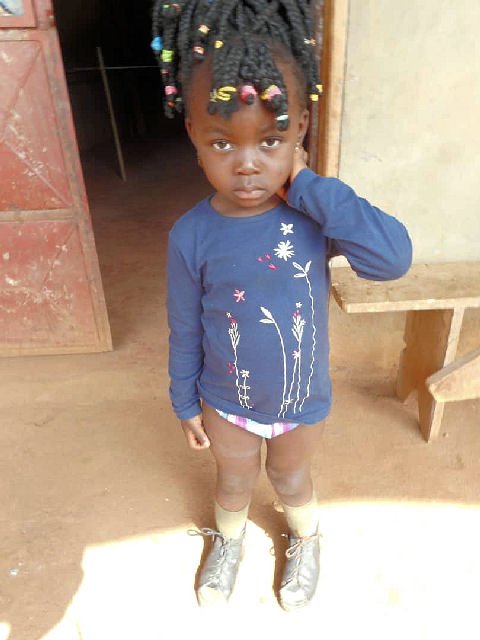

Demanou, a girl with valgus knees before and after treatment
SCHEDULE OF CHILDREN BEING TREATED:
Please support the work of the Future in Our Hands Education and Development Fund whose aim is to help and empower some of the world’s poorest and most marginalised people by:
- UK residents can provide long term support by completing the FIOH FUND DONATION FORM and sending to the address shown on the form:
- Direct grant to the charity’s bank account or by cheque to:
 Bank account details:
Co-operative Bank
IBAN: GB07CPBK08929965050707
BIC: CPBKGB22
Cheques should be made payable to the
Future in Our Hands E&D Fund
—————————————————————————-
Fundraising to help the work of the charities would be greatly appreciated
Cameroon Gender and Environment Watch report 2016
This is a summary of the CAMGEW 2016 annual report a complete copy of which can be seen here:
CAMGEW 2016 ANNUAL REPORT READY

CAMGEW logo
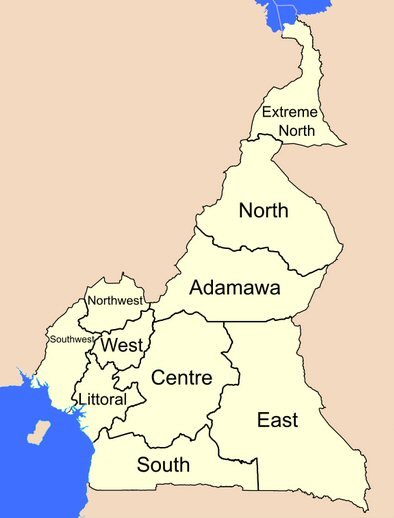
Cameroon Gender and Environment Watch (CAMGEW) reflects its holistic approach to development through the activities described in its 2016 annual report prepared by its director, Wirsiy Emmanuel Binyuy. Most of these activities are located in and around Kilum-Ijim Forest area in the NW Region of Cameroon with her office in Oku.
 Activities included:
- Planting of indigenous trees to regenerate the important Kilum-Ijim natural forest.
- Training and practical support for bee farming to produce the local distinctive white honey.
- Marketing training and the establishment of a shop in Bamenda (capital of the region of North West) to sell the honey, its products and equipment.
- Training in organic farming methods and raising of nitrogen-fixing trees for agroforestry.
- Vocational training in dress-making, hair dressing, shoe making and repair.
- Establishing a micro-credit and savings scheme for women and training in business management, including the use of computers.
- Training for women in health and nutrition.
- Training for communities in the basic human, statutory and legal rights of women.
- Provision of counselling and advice for women who are subjected to physical and/or mental abuse.
- Environmental and computer education for children.
- Tree planting around the new centre for the treatment of disabled children which is located in Bafoussam, West Region.
Forest regeneration
The Kilum-Ijim natural forest contains several endangered species of flora and fauna, including the Bannerman’s Turaco (fauna), Newtonia camerunensis(flora) and has an important role to play in the mitigation of global warming. Despite these and the many economic benefits which can be derived directly from the forest, a large section of the original forest has been cut down to create farming land.


CAMGEW has played an important role in safeguarding the remaining forest by educating people about the environmental importance of preserving the forest and showing local people how they can gain an economic benefit from the natural products the forest provides.

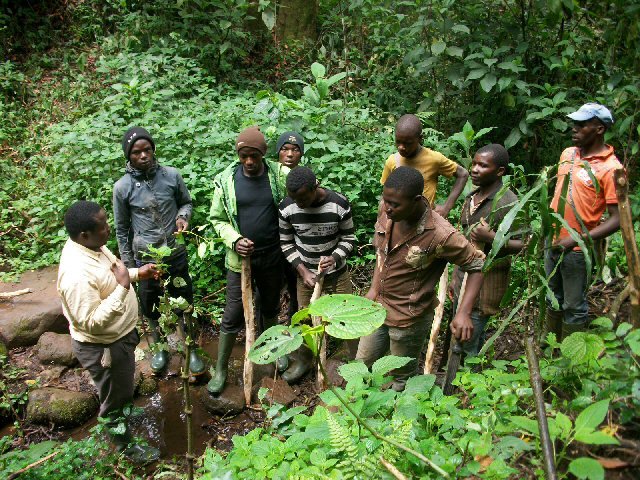

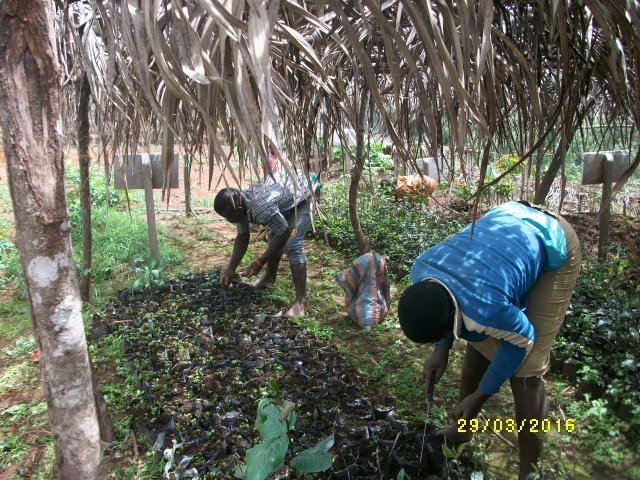
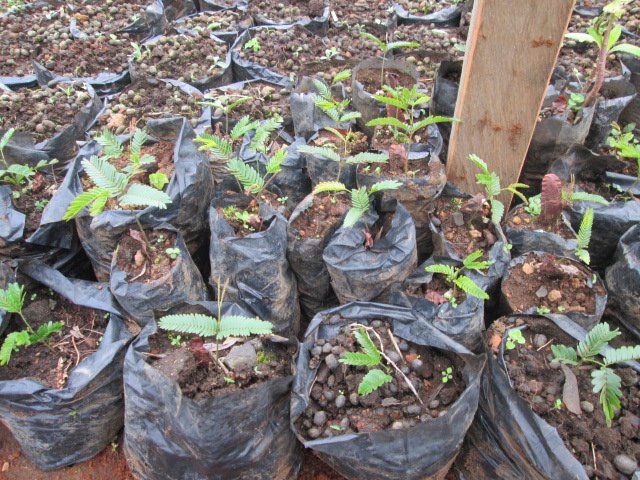

CAMGEW has established nurseries to grow native tree species, including Prunus Africana, Croton Macrotachyst, Carapas Grandifolia, Pittusporum Veridiflorium, Zysigium Staundtii, Solanecio Mannii, Newtonia Camerunensis, Psydrax Dunlapii, Briellia Speciosa, Pyschotria Pendularis, Acacia, Leuceana, Mysposis, Tephrosia, Sesbania and Tree Tomatoes. Many of these have been planted in the forest by children and local community groups to regenerate sections of forest destroyed by domestic animals and fire.


Nitrogen fixing seedlings have been distributed to local farmers who are using agroforestry methods. Three nurseries have been established (Manchok, Mbockenghas and Ikal) with a capacity to raise 200,000 trees. The different species have been labelled with scientific and local names and their uses to educate the local community and school children.

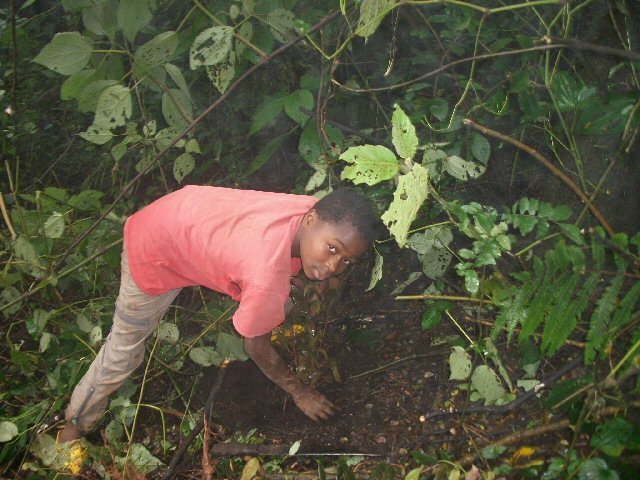

In order to restrict the spread of ferns cuttings of Schefflera abysisinica and Solanecio mannii have been planted in the forest. The fern plants die once the trees grow above them.
Bee farming
Bee farming is an important activity in the preservation of the Kilum Ijim forest as the farmers have a vested interest in preserving the natural flora which provides nectar for the bees and preventing forest fires. CAMGEW has provided hives, training in good bee management activities and organised the farmers into cooperatives/village groups. It has also provided a shop in Bamenda to assist with marketing the honey. The training has involved 212 farmers and 85 cooperative executive members in 22 villages in 2016. CAMGEW has also provided training in the production of bee wax which is more profitable than honey. It also involves full utilization of the honey combs which might otherwise be discarded. 116 community members were trained in 2016, 21 of whom were women.


CAMGEW distributed 10 honey drainers, 100 suits, 30 buckets and provided management training including the establishment of a constitution and by-laws and the production of an instruction manual in cooperative law.
Organic farming and agroforestry training
CAMGEW distributed more than 900,000 seeds of Leucena, Tephrosia and Sesbania (for animal fodder) to over 139 farmers, including 38 women in 7 villages. These species are nitrogen fixing and can be grown together with crops including coffee, potatoes, beans, huckleberry, cabbage, yams, corn. In addition to providing nitrogen for crops, the trees provide shade and help prevent erosion on sloping ground.
CAMGEW also distributed 60Kg of bracharia seeds for obtaining fodder in the dry season when other feed is scarce. This will prevent farmers having to move their animals long distances to find pasture.
Vocational training
Unfortunately the CAMGEW training centre had to close down as a result of the lack of funding. However, the equipment was distributed to the trainers who then located to Elak where there was a greater customer base. Also since the CAMGEW initiative other training centres have been established in the community. Many of the trainees at the CAMGEW centre have established workshops in their own communities.


Health, human rights and nutrition training for women
 CAMGEW has provided training about women rights to health services, nutrition, legal marriage and counselling as a result of physical and psychological abuse. This included education to reduce early pregnancies and nutrition to improve the health of teenage mothers and their children.
Information was also provided about sexually transmitted diseases and the benefits of legalised marriages. Information was also provided with the aim of reducing child trafficking.
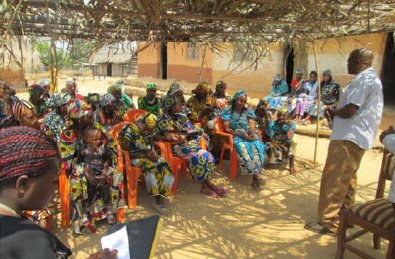

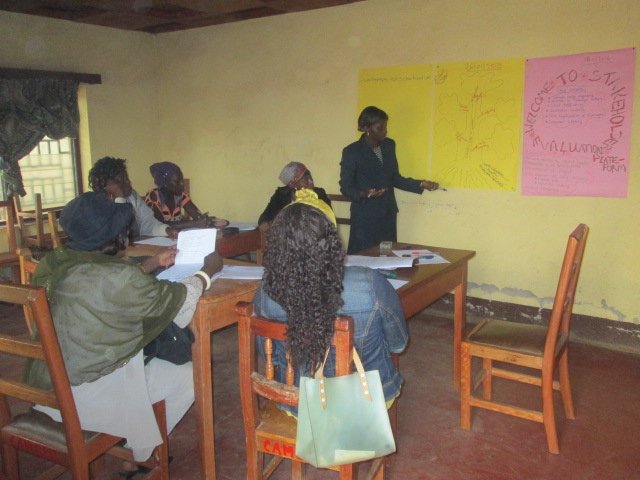
Much of this work has been carried out with the young women of the Muslim Mbororo tribe who are known for high birth rates and low literacy. Most of the men keep grazing animals which are their main source of income. Counselling of the girls involved marital crises physical and psychological abuse, frustration arising from child trafficking, loneliness and stigma from unplanned teenage pregnancy.
Micro credit and savings scheme training for women
CAMGEW has been running a micro-credit scheme for women since 2015. Loans are given at an interest rate of 2% per CFA 1,000 with a 6 month repayment period. Each recipient must have undergone training provided by CAMGEW. 500 women had benefited from the scheme by December 2016.
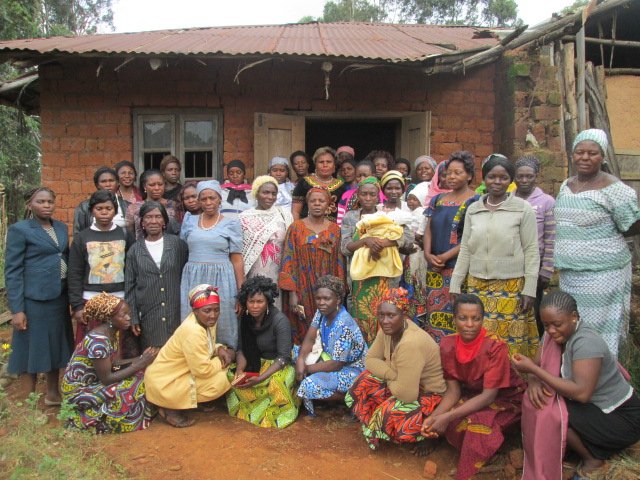 Most women do not have enough the money required to open a bank savings account. The CAMGEW savings scheme enables women to open an account with as little as 500 CFA (about 35p). CAMGEW keeps its funds with the Manchok Credit Union. In 2015 CAMGEW trained 193 women and 153 received loans and in 2016 trained 483 women and gave loans to 390 women. Loans ranged from 30,000 to 120,000 CFA.
Environmental education
The nurseries established by CAMGEW have served as learning areas for children, schools and community groups in types of forest trees and their uses. Children have gained hands-on experience working in the nurseries and also gathering seeds from the forest.
Computer training for women and children
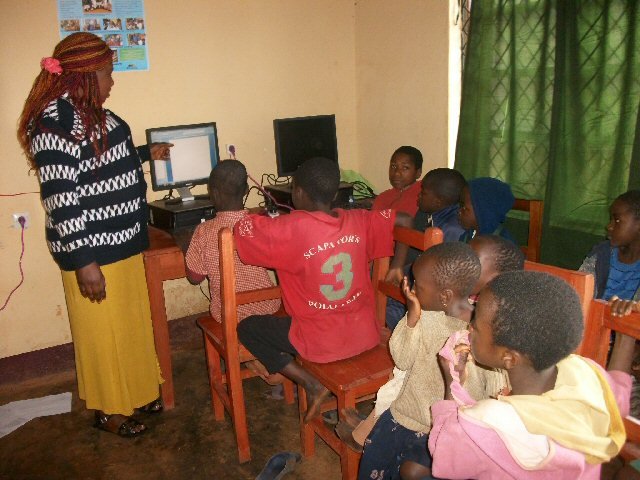
CAMGEW has provided basic computer training for women and children.


Tree planting at the GLORES treatment centre for disabled children
In 2016 CAMGEW planted 500 tree seedlings around a new centre for the treatment of severely disabled children based in Bafoussam in the West Region. These included, prunus africana, pittosporum, ornamental, palms, mangoes, plums and oranges.
Video productions about CAMGEW and its director
The following productions provide clear presentation of the comprehensive range of CAMGEW activities and how they contribute to the inter-relationship between various aspects of sustainable development:
Kilum-Ijim forest apiculture:
https://www.youtube.com/watch?v=TBqEgnjsWSg
Organic coffee farming in Oku:
https://www.youtube.com/watch?v=hHKY15LEuos
Short video featuring CAMGEW director, Emmanuel Wirsy
http://www.dw.com/en/money-for-forest-honey/a-37473719
CAMGEW in other documentaries. (Emmanuel’s work is featured about 9 minutes into the video)
https://www.youtube.com/watch?v=rCVVzGDXQmw&t=129s
CAMGEW FOREST VIDEO. This video is an excellent presentation of the work of CAMGEW and illustrates the link between bee farming and the preservation of the forest. It also shows children actively involved in the both the raising and out-planting of seedlings in to the forest :
https://www.youtube.com/watch?v=4TwdiXGj3zk
CAMGEW GENERAL ACTIVITIES VIDEO. This is a brief overview of activities of CAMGEW including its vocational training: https://www.youtube.com/watch?v=zyM89iaLnHw&feature=youtu.be&hd=1
WEB SITE:
www.camgew.org or www.camgew.com.
Future in Our Hands Sierra Leone
 Future in Our Hands Sierra Leone
Background
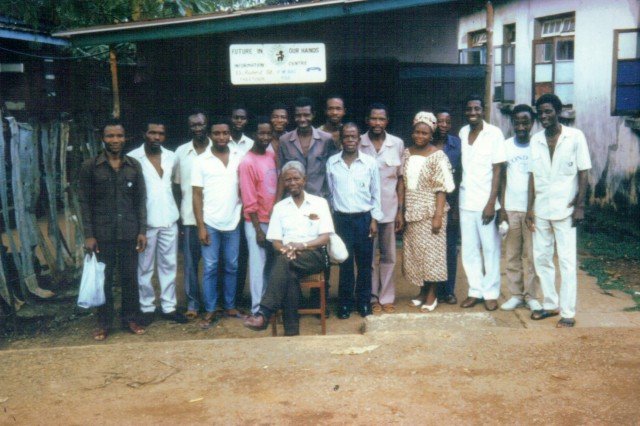 An FIOH group was established by Olatunde Johnson in Freetown in the 1980s and registered as a national non-government organisation by Edward Kargbo in 1995. The first interest in FIOH arose from an article in the New Internationalist and the second from a seminar at Port Loko when Mike Thomas paid a second visit to the country in 1993. Edward, who attended the seminar, formed an association of 13 farmers groups which was then named the FIOH Farmers Union. The name was later changed to FIOH Sierra Leone.
Edward Kargbo testimony: EDWARD TESTIMONY
Mission Statement
The Mission of FIOH Sierra Leone is to co-ordinate and facilitate the efforts of village development groups by enabling them to access farming inputs, modern farming techniques, education and skills poverty alleviation programmes, sanitation and credit facilities for self-sustainability and self reliance.
Programme interventions – capacity building, food security, women and youth empowerment, environment, health and sanitation, advocacy.
Brief History Of The Organisation:
 The Future In Our Hands Sierra Leone (FIOH-SL) is an indigenous non-governmental organization with a Head Office in Makeni (Bombali district) and sub-offices in Kabala town (Koinadugu District) and Mile 91 (Tonkolili District). It was established in 1993 as an offshoot of what was formally the Yoni Farmers’ Union. In 1994, as the situation in Sierra Leone deteriorated, the membership decided that FIOH had a vital role to play in providing assistance to those affected by the escalating conflict. The main focus of the organization during the rebel war was to complement the emergency and relief work of the Government of Sierra Leone, as well as that of international and national NGOs.

During and immediately after the war, FIOH worked in collaboration with CARE International, Department for International Development (DFID) UK, Voluntary Service Overseas (VSO) UK and the World Food Programme (WFP) UN, distributing food and other relief items to internally displaced persons in their operational areas. Further activities included providing psychosocial support to affected communities and raising awareness on human rights, HIV and AIDS prevention and control.


Edward Kargbo and his family surviving in the bush
Youth group in Freetown
Displaced people queuing for food at Mile 91
FIOH vocational training centre at Mile 91
Following the end of the conflict in 2002, FIOH shifted its focus from emergency relief to development which involved building the capacity of communities for self reliance. It has continued to build partnerships and linkages with a variety of local and international organizations and has implemented two projects (Conservation Agriculture Project (CAP) and Villages Savings and Loans (VS&L) project with CARE-SL in Koinadugu District whilst the Voluntary Services Overseas (VSO) has provided the human resource support. In addition, the FIOH Fund-UK and UN/WFP supported Life Skills Trainings and Community Asset Creation for marginalized youths and communities.
FIOH-SL also enjoys strong links with community based organisations (CBOs) at grassroots level aimed at building their capacities to better serve their communities.
Food for work
 During 2003 FIOH Sierra Leone was able to increase its operational area to include 3 chiefdoms (Kissy Tongi, Njaluahun and Dea) in the Kailahun District and two chiefdoms (Kalansogoia and Sambaia Benduga) in the Tonkolili District.
In August 2012, FIOH Norway member, Nini Haeggernes, visited Sierra Leone and was made aware of the work of Edward Kargbo by Mike Thomas. Subsequent to her visit she wrote an article which appeared in the FIOH Norway magazine, Folkevette: FOLKEVETT-FIOH SIERRA LEONE
Norwegian, Georg Hansen, read this article and decided to visit the country and see the the work of FIOH Sierra Leone. He has raised a considerable sum of money to support a school building programme and has contributed funds to address the ebola crisis in 2015.
 Future in Our Hands Sierra Leone
37 Lunsar Road
Makeni City
Northern Region
Sierra Leone
Future in Our Hands Pakistan
Background
 FIOH Pakistan is part of the FIOH International Network. It was established in 2005 as a non-profit civil society organization in Pakistan having national coverage. Provincial offices will be located in all four Provinces of Pakistan at an appropriate time.
FIOH Pakistan has adopted the Principles of the FIOH Movement.
Aims and objectives
- To advance public awareness that development is a matter of right rather than charity.
- To propagate the removal of hunger as a means of establishing peace and tranquility among human beings.
- To develop the capacities of people to honorably and boldly cope with their situation and work towards the establishment of peace.
- To work towards Inter-Faith harmony between all people.
- To promote environmental education for creating conditions for the greening of Pakistan and establishing environmental peace.
- To promote a simple lifestyle by the more affluent people in society so that savings can be invested in social welfare of the poor.
- To campaign for changes in the unjust social, economic and political systems and cultural attitudes which oppress or impoverish people, especially women and children.
- To pursue the principles of the FIOH Movement through the services of an Information Centre and by fostering and co-coordinating the growth of local community groups.
- To work in co-operation with like-minded organizations nationally and globally for the promotion of peace, tolerance, justice and equality of all human beings.
- To develop networking with National and International Civil Society Organizations.
- To disseminate information to all stakeholders including Government and Non-Government Organizations promoting the objectives and principles of FIOH Pakistan.
Help for victims of the earthquake in 2005


FIOH Pakistan, with limited financial resources, collected blankets and clothing to distribute to the victims of the earthquake that occured on 8th October 2005. At the beginning of November 2005 the death toll was estimated at over 73,000.
With a small grant from the FIOH Fund UK, FIOH Pakistan carried out a survey and feasibility study in the area affected with a view to providing longer term help to the victims in 3 or 4 villages by supplying goats, tree and vegetable seeds.
St Joseph’s Grammer School in Karachi helped with emergency supplies.
FIOH Pakistan is working with the Participatory Village Development Programme (PVDP) and has no separate office yet nor staff. It works on a voluntary basis. The activities conducted in 2009 and 2010 included:
- Youth rallies for human rights and environment protection in Pakistan.
- Awareness on the importance of National Identity Cards for government services and security.
- Health and hygiene awareness among youth, women, girls, boys and minority communities.
- Relief Operation in which food and non food items provided to flood affected men, women, children and minority communities in Sindh.
- Formation of Youth Groups and capacity building for advocacy on human right.
- Awareness on the importance of education for social development of poor communities.
- Interactive Theatre used as a mobilization tool for creating awareness.
Pakistan experienced a series of disasters in 2010.
A massive flood engulfed half of Pakistan destroying life and properties all over the country. More than 20 million people were affected, exceeding the combined total of people affected by the 2004 Indian Ocean Tsunami, the 2005 Kashmir earthquake and the 2010 Haiti earthquake. In funding terms, the revised inter-agency appeal disaster (US$ 2 billion) issued on 17 September was the largest ever, surpassing even that for the Haiti earthquake earlier this year with over 10 million children hit by the flooding.
World Environment Day was celebrated on 5 June at Hyderabad District by FIOH Pakistan jointly with the Environment Protection Agency and partner organization Participatory Village Development Programme (PVDP). The purpose of celebrating the event was to undertake initiatives to mobilize communities to take environment friendly initiatives and reduce environment polluting activities. Mr. Dominic Stephen and Mr. Irfan Abbassi were the main speakers after the rally conducted at the Hyderabad Press Club. Speaking on the occasion Mr. Dominic said that it is the responsibility of both the government and the common man to take initiatives to keep the environment clean, otherwise we will have to encounter horrible consequences in future. Mr. Irfan Abbassi official of EPA said the government is making efforts to ensure a clean environment for the public safety. He maintained that local Government is ready to work with the civil society organizations on any environment issue.
In addition to this a theatre performance was presented to the audience at the conclusion of the walk at the Press Club. A theatre team highlighted the common environmental problem caused by carelessness or lack of awareness of the people. They brought it to light that plastic bags are a big problem and cause blockages in sewerage systems which creates health and sanitation problems. They asked the audience to use cloth bags instead of plastic bags for shopping.
To sensitize the community of Thar Desert about the importance of National Identity Cards FIOH and PVDP organized 5 awareness meetings in many villages of the Thar Desert. In these meetings it decided that PVDP’s Khushal Goth Markaz Committees (KGMC) will prepare the list of those adult men and women who have no Computerized National Identity Cards (CNICs) due to various reasons.
PVDP organized 5 Health and Higeine Awareness Workshops in 3 schools and 2 villages of taluka Nagarparkar, District Tharparkar jointly with FIOH. 90 school children and 80 adults including women and youth of the villages attended the workshops. In these workshops people were sensitized about the following health and hygiene interventions.
· Care of teeth and trimming of finger nails.
· Body cleaning/bathing
· Wearing of clean clothes
· Hand washing after defecation/anal cleaning after defecation.
· House and kitchen and cooking pots cleaning
· Cleaning of village
· Clean drinking water/filtration of drinking water.
Youth rally for human rights
A remarkable Youth Rally was organized to sensitize the youth about human and social rights at Ratanabad, Mirpurkhas, Sindh. Mr. Dominic was the speaker in the Rally and highlighted some of the main human and social rights violations taking place in Pakistan. 57 persons, including youth and people from different walks of life, attended the Rally.
Formation of youth groups
FIOH Pakistan formed three youth groups in 2010. FIOH orientated and trained them for human rights advocacy. These groups were formed in Tando Allahyar, Ratanabad and Mirpurkhas Sindh and these groups are active in their areas.
Education for social development of poor communities
Lack of education is one of the main reasons for poverty and this has created obstacles in the way of community development of poor people in Pakistan. Most of the adults, particularly women, are illiterate and are unaware of modern tools and techniques that could enhance their quality of life and standard of living. Very few women are literate and this puts them at the bottom of the social ladder due to the cultural mindset and traditional norms. Due to lack of literacy and awareness the women are considered to be the weakest members of the family.
FIOH Pakistan believes that if adult members of the households are literate and educated, they can contribute towards the formation of an exemplary society in the country which can enable them to cope with their socio economic barriers. FIOH and PVDP therefore, organized 4 seminars to make the people recognize the value and importance of education.
Interactive theatre
As the theatre is one of the best tools to convey the message to communities especially to the youth FIOH Pakistan arranged 5 theatre performances during the year to mobilize and sensitize communities about different aspects of life including environment, human rights, literacy and health.
Response to the flooding
FIOH provided food and non-food items to flood affected men, women, children and minority communities in Sindh.
According to UN sources, 20 million were affected all over Pakistan. About a million houses were submerged. Huge damage was caused to schools, health facilities, community centres, roads and other infrastructure. 40% of livestock and all crops were lost in flooded areas. About 2000 flood related deaths were reported. There were large displacements of people . Millions were forced to live on road sides and in school buildings, health centres and in camps. They lacked food, health facilities, clean drinking water and other basic needs of life.
The worst affected were the women and children. Women in pregnancies and deliveries suffered due to non availability of maternity facilities. Children suffered from various diseases such as malaria, cholera, dysentery, gastroenteritis and diarrhoea due mainly to unclean drinking water and mosquito menace.
PVDP interventions
PVDP made a very quick response to flood affected communities in Sindh and chose Khairpur and Badin Districts which are the most severely affected in Sindh province. PVDP provided dresses to the affected community before Eid-ul-fiter and provided food and non-food items and Mobile Medical Health Services to the affected community of District Khairpur and Badin of Sindh Province. People were still living in the flood relief camps as refugees because their homes were destroyed.
Seminar

FIOH organised a one day seminar on 5th February 2011 on the Responsibilities of Youth in Society at the Danishkad Hall, Caritas Pakistan Hyderabad office.
Speakers: Mr Dominic Stephen, Mrs Lina Khalid and Mr Shamoon Masih. FIOH Pakistan has taken up the challenge to help the younger generation work towards the aim of peace promotion and poverty reduction in the country.
48 people from Hyderabad, Kotri and Mirpurkhas participated in this seminar.
Mr Manshad (volunteer in FIOH) welcomed all the participants and then gave a brief introduction to the seminar.
This was followed by an opening prayer led by Ms Maria.
Mr Yousaf Dominic then gave an explanatory introduction of FIOH Pakistan, its purpose and activities to date.
Mr Dominic explained that Future in Our Hands was an international movement. The vision of FIOH Pakistan is to empower young people to play an active role in creating an environment of peace and a better quality of life for the people of Pakistan. FIOH Pakistan is a partner in the Future in our Hands International Network. It was registered in Pakistan under the Society Registration act of 1860 in 2005 and has been working for the development of the marginalised communities of the Sindh Province with the help of the Participatory Village Development Programme (PVDP). He summarised FIOH Pakistan activities and its aims and objectives.
Dominic Stephen said that poverty is not a destiny but a man-made situation. Poverty should be reduced by quality education, better occupation according to skill, refusing drugs and making and adopting a simple lifestyle.
Poor health is a major cause of poverty. People should therefore avoid drug and alcohol addiction and the smoking of tobacco.
A simple lifestyle is essential for poverty reduction since greed leads society towards unlawfulness, bribery, terrorism, etc If we encourage a simple lifestyle amongst young people then no one can abuse them for their own selfish motives.
A session on gener balance was conducted by Mrs Lina Khalid. She said that in a male dominated society gender imbalance blocked the way to development. In some areas of Pakistan people do not want girls and women to get an education. If some women successfully complete their education they are not allowed to choose any profession. They should be encouraged to participate equally in the well being and support of their families. Men and women should have equal rights and responsibilities in society.
Group activity
Participants were divided into four groups to discuss what they considered to be the main causes of poverty in the country and suggest solutions:

Mr Shamoon Masih said that peace needs to be begin from within us as individuals who should then form a collective movement for establishing peace. Young people should then join with other peace movements and advocate against unlawfulness using participatory approaches. We should condemn activities which cause discrimination, the violation of human rights and extremism.
Mr Yousaf Dominic thanked all the participants and said that FIOH Pakistan intends to arrange more seminars on different topics in the future to promote the culture of peace. All are encouraged join this task of peace building, interfaith harmony and a develop a behaviour of tolerance in society.
On 22nd Feb 2010 at Mirpurkhas, Sindh FIOH and PVDP organisaed a Peace Rally.
About 60 members took part in the rally. The rally walk started from St Teresa Hospital to the Press Club and participants chanted peace slogans along the way. After the walk leaders of non government organisations and community leaders spoke to the participants.

Poverty alleviation in the Thar Desert
 Poverty Alleviation in the Thar Desert

For the people living in the Thar Desert region of Sindh, drought is a frequent threat and one of the major causes of poverty and deprivation.
This project (June 2004 – Nov 2008) involving the following activities helped 1,100 families (6,600 people) in 20 villages cope with this situation and build up resilience for the future:
- Village Development Organisations were
established in 10 villages. - Provision of 800 water harvesting tanks and 800 fuel efficient stoves.
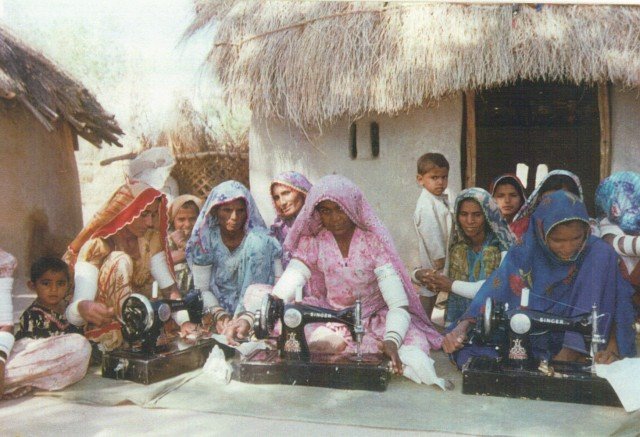
- Provision of materials and training of women in embroidery and their civil and political rights.
This video gives an indication of what life is like for people living in the region:

Training was also provided for the families and the community as a whole in HIV/AIDS awareness, controlled grazing practices and management techniques.
Water harvesting tank




The outcomes of the project included:
- A 12% increase in the numbers of girls being enrolled in primary education.
- A drop of 10% in the incidences of cholera and infant mortality.
- A 27% decrease in eye problems and chest infections of women beneficiaries.
- Better access to water by all the beneficiaries during periods of drought.
- Communities gaining more confidence to campaign for their statutory rights and the women becoming more involved in village decision making.
The project managing partner, Participatory Village Development Programme (PVDP), was well established before this project started.


The project was visited by FIOH Fund assessors, Eddie Thomas in 2005 and Joanna Heaven in 2008.
The PVDP poverty reduction model, which involved establishing Village Development Organisations and an Integrated Management Committee, was used in the Eucalyptus Replacement Project in Cameroon and proved to be a very effective method of involving all the stakeholders.
Poor people benefitting from the project:
Three case histories
If you would like to support the work of the FIOH Fund please make a DONATION:

Post war rural development in the Tonkolili District

Post war Rural Development
This project was intended to help people living in the rural areas of the Tonkolili District recover from a 10 year civil conflict.
 The project was officially launched in November 1998 and comprised agriculture and small-scale income-generating activities. Maize, pepper, cassava, cow pea and egg plant were grown successfully.
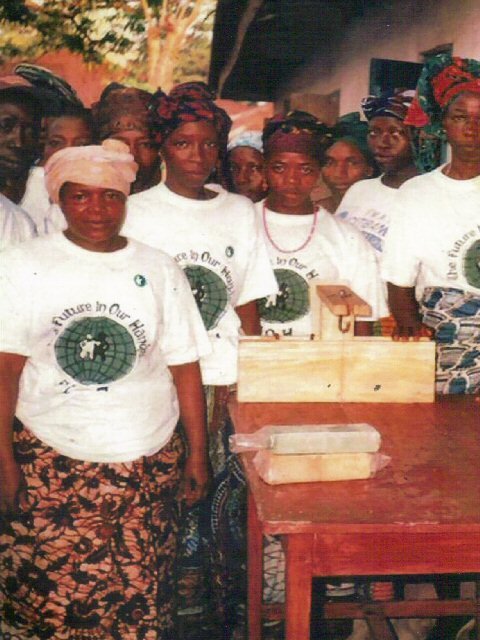
Gara dyeing, tailoring, soap making, bread making, including the required training, were established in conjunction with savings and credit schemes. All of these activities proved to be sustainable in the long term despite being interrupted by a resumption of hostilities between February and December 1999.
The background to the war and an account of the monitoring visits Mike Thomas made to Sierra Leone can be seen here:
BACKGROUND TO THE WAR IN SIERRA LEONE
SIERRA LEONE DIARY 2000 and 2002
The project was re-launched on 26th February 2000.

Mike Thomas and Edward Kargbo at Mamyoko heliport
Mike Thomas made a monitoring visit on 5th May 2000, but had to leave the country two days later because of renewed rebel activities. Shortly after about 45,000 people fled into the project area due to fighting between rebel and government forces. In addition to the intended beneficiaries, emergency food and water was provided to many of these internally displaced people.

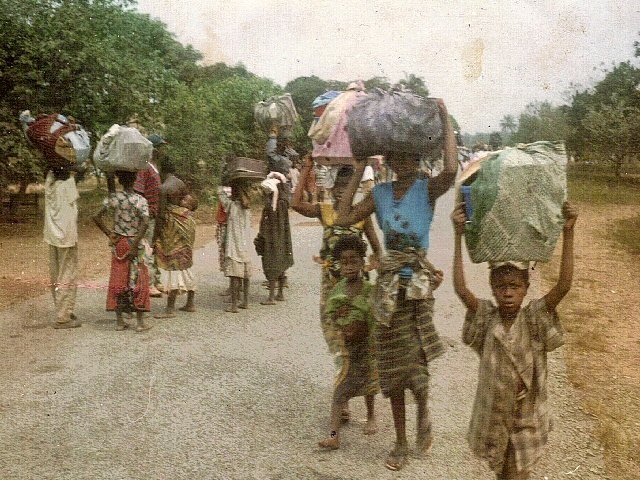


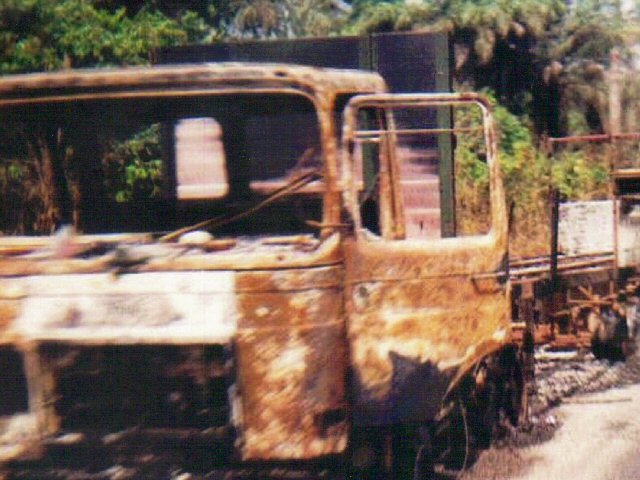
The pictures above show (i) the effects of a rebel attack on a relief convoly, (ii) Displaced people queuing for food, (iii) displaced people fleeing from rebel attacks (iv) displaced people with their belongings, (v) one of 10 Swindon schools which collected she boxes of emergency aid to send to Sierra Leone (vi) the aid being distributed at Yonibana.
Rebels first attacked the project area in December 1994 destroying two villages and most public buildings and shops . Many of project beneficiaries shown had been traumatised by rebel attacks and seen members of their families killed and maimed. Many spent months surviving in the bush. Many will have spent time in Freetown slums or displaced camps where they have had to develop new skills to survive.
The project co-ordinator, Edward Kargbo, himself a farmer, had to adapt to these very different environments and at one stage spent nine months surviving in the bush with his large family. Several of his staff were killed and others brutally maimed.

One of the most successful activities of the project during periods of conflict was the seed multiplication programme. This involved sowing crop seeds in areas not affected by rebel activities and using some of the seeds derived from those crops in other areas when vacated by rebels.

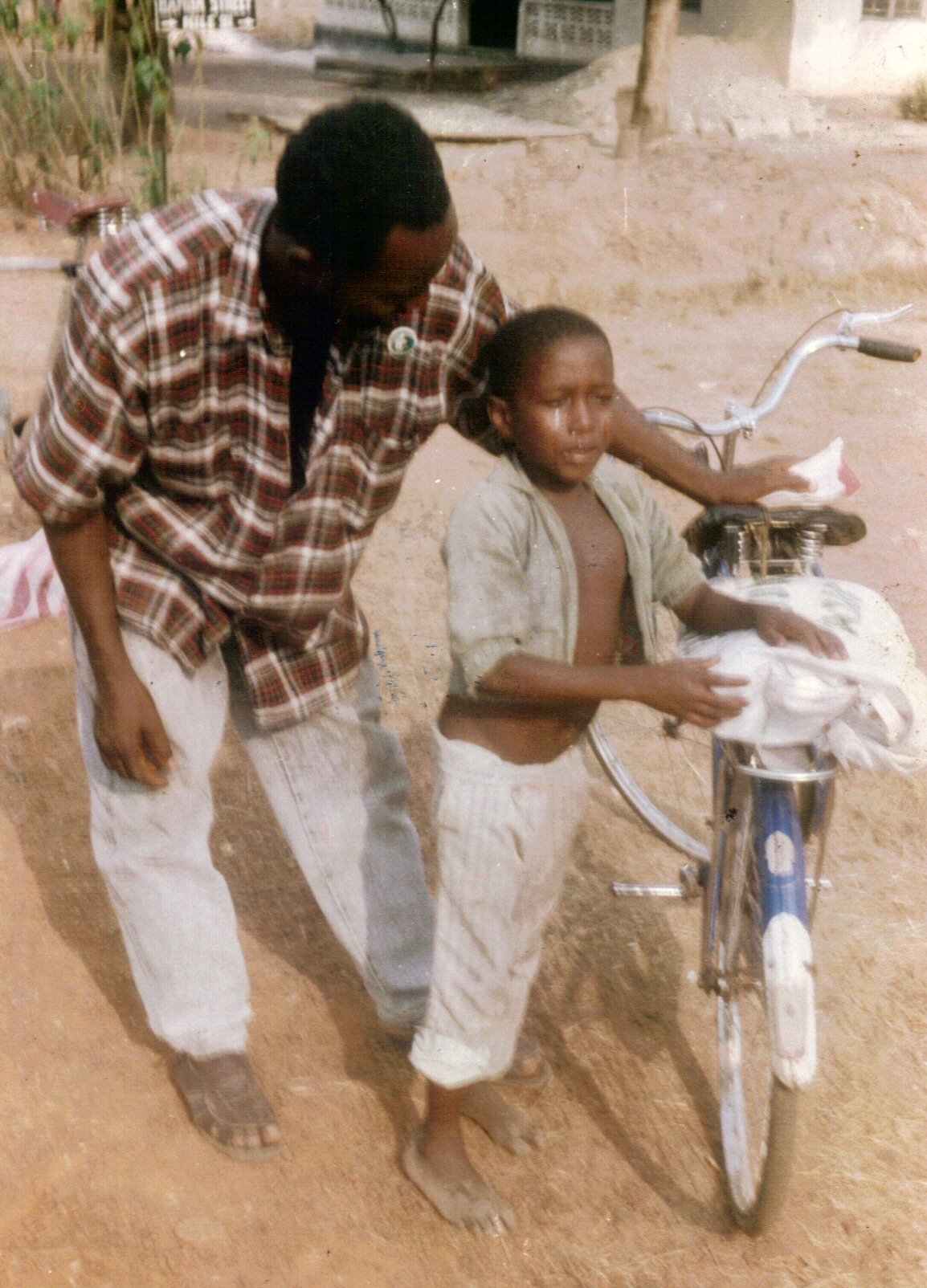
When peace was eventually restored after the intervention of British troops and United Nations troops from India and Pakistan, Mike Thomas carried out the final monitoring visit between the 18th November and 7th December 2002.


All agricultural activities had been re-established and the training centre had been rebuilt after it was destroyed by rebels. Most of the tools and equipment had been hidden during rebel attacks and were re-claimed.
The partner non-government organisation, Future in Our Hands Sierra Leone is now well known and respected for its development work in the region.
If you would like to support the work of the FIOH Fund please make a DONATION:

New Hope Rural Leprosy Trust
 Background

Probably the best way of introducing the work of New Hope is to recount some of the early experiences of the founder of the Trust, Eliazar Rose, in the introduction to his book “The Ring of Capital L”:
 I was in a leprosy colony taking skin biopsies when one day a woman came in and sat on the broken step of the small temple which a local businessman had built. He had in fact encroached on a piece of Government land allocated to the colony.
The land was barren and stony – wasteland except for one corner of approximately one acre. That piece was almost prime rice land as it had a small spring fed irrigation canal at one point. The businessman owned the adjoining land and simply encroached on the piece that would at least have given the patients a few bags of rice. The temple was an appeasement to the colony to get them to back off with their constant appeal to the local government land revenue officer. The temple of course was built with sun baked mud bricks bonded with a mortar with very little cement. The building, not surprisingly, started crumbling with the first monsoon rains.
Jokingly I told her not to sit on the cracked step as the wall behind her might collapse and fall on her. She asked if that happened would she be killed?
I didn’t answer.
Her story was simple. She had leprosy for many years, taken treatment and stayed in her home because her husband was the village leader. He believed it was his responsibility to care for her against the social norms of the time.
He died and the village turned her out with the threat that, if she didn’t go, they would burn her house down.
She left alone and her married family stayed behind in the village.
In the same colony a year later a woman came in while we were distributing rations. It was mid summer and simply too hot for the old people to go begging. This was long before we started a programme of custodial care by having people sponsor the aged.
At the end of the long queue an argument started. I stopped helping the two paramedics weighing out rice to see what had happened.
The argument was about this woman who had been in the colony for a couple of weeks and was not on our register. The elders of the colony had said that she couldn’t get a ration because they feared that one extra would mean a fraction less for them.
Life in a leprosy colony is tough – Life in India for the poor is tough.
She argued that she had a piece of paper like them. Everyone had been issued with a ration medical card. She did have a piece of paper. It was a hand-written notice certifying that her husband had divorced her because she had contracted leprosy.
In the same year I watched from a small first aid post we had constructed in a colony as a bullock cart wandered slowly down the dusty track in the middle of the afternoon. The wind was hot and it had been a long day dressing ulcers. I wasn’t really in a good mood.
The cart creaked to a halt and a woman slipped off the back and squatted on the ground. Three men climbed down and came over. They announced they had decided to send her away as she had leprosy. They of course said they were doing a kind deed bringing her to a colony instead of simply sending her away with nothing.
One man was her husband, another was her eldest son and the third was from the lowest caste in the village. It had been his job to help her climb onto the cart.
They nodded when I asked if the ‘well conditioned bullocks and cart were theirs. They smiled with pride.
Something cracked inside me. I had the colony men drive the three of them out of the colony without their bullocks and cart.
They went to the local police station and tried to register a case. A lone constable came to the colony, or should I say as near as he dared; to the path leading to the colony. I told him that indeed the colony did have a cart and two good bullocks and that two men had come into the colony and tried to steal them. Did he want to come into the colony and verify it all?
The police inspector saw me in town that night and stopped me. We made a deal that the cart and bullocks should be sold within three days and that I should report that there were certainly no bullocks or cart in the colony.
The proceeds built the outcast woman a small mud-walled hut with a grass roof. Majji lived there in the colony for almost twelve years. She died in 1996.
I don’t know how often she smiled, but whenever I visited the colony she would nod and smile as I passed her hut.
It was during this time that I was employed to visit 13 leprosy colonies to see more than 2,500 patients on a monthly basis. Things seemed to happen when I was in the colony. I know these experiences have influenced the policy of our Trust to adopt an ‘open door’ approach.
One cold winter’s morning I cycled from the town where I stayed to five surrounding leprosy colonies.
The turn into one colony was at a junction on the highway. There was a tea shop on the corner where I went each month. The owner asked me where it was that I went when I visited. I told him ‘To the leprosy colony down the road’. He did not smile.
After that, whenever I stopped he would take a cup down from the top shelf and wash it out with hot water before pouring my tea. When I had finished he would pour hot water over the cup and place it back on the top of the cupboard.
The fear associated with leprosy is not something that is described in words, but rather by the actions, of others.
One month later I arrived at Jigabur leprosy colony. I was late because the monsoon rains had caused a river to flood. Thirteen houses in a small colony on the bank had been washed away when an embankment upstream had broken.
We got no sympathy from the local government flood relief officer. He considered it a blessing that the houses and people had been washed away in the night as it meant they were no longer ‘polluting the river’.
I didn’t know what to say when a new patient appeared before me for an ulcer dressing. I asked her name. She began to cry. She had been warned by her family never to mention her name even when they forced her to leave their home and village.
She showed me a two rupee note her husband had given to her. He gave it to her with the advice that the best thing she could do with the money was to buy rat poison for herself.
I am not very fond of speaking at service clubs in India. I have the feeling they are out of touch with the social fabric of our society. A few times I have not been able to come up with excuses quickly enough and have felt obliged to attend.
At one such meeting (it certainly wasn’t at a Rotary Club), a member asked if I could please visit his home the next day. I knew by the way he spoke there was ‘leprosy in the house’.
His brother’s wife was in what I will simply describe as border line leprosy trauma. She was pregnant with her third child. The husband was a lawyer and the brother, incredibly as it seems, was a doctor.
Money was not the problem. Their request was simple – could I find a place in one of ‘those places’ where ‘they’ lived and build her a ‘nice place’. The end of this story is too sad for me to write about, even after 15 years.
It is my belief that if we can change the attitude of people in India towards this now curable disease, we can make other social changes.
If we can change the attitude to a disease whose name strikes terror just by its utterance, then getting other social changes will be easy. This policy, this belief, is happening in areas where we work.
Nowadays we see fewer and fewer people being turned away from their families, their homes and their villages because of the stigma associated with leprosy.
Some people allege that young people become leprosy paramedics simply because they can’t get a job elsewhere, or because it pays reasonably well (at least today it does).
I disagree, because you need to have a heart in the right place, you have to have a depth of compassion and courage, to write LEPROSY PARAMEDICAL on papers, that goes far beyond the negative comments that some people still make.
Although New Hope was established originally to help those suffering from leprosy, its work has expanded to include tribal people in general, street children and victims of ‘natural’ disasters.
Since its foundation New Hope has carried out health inspections on over one million people in western Orissa. Over 6,000 people have been identified with leprosy and most have received treatment. Over 5,000 have been cured.
In addition to the hospital, the only one of its kind in western Orissa, the Centre accommodates:-
· a hostel for children with physical and mental disabilities (mainly polio) –
· calliper and shoe making units
· administrative block, and staff and patient accommodation
· accommodation for visitors, surgeons and students
· a weaving unit
· a shop for the use of patients
· laboratory
· vegetable gardens for patients
· occupational therapy unit
· savings and credit facility
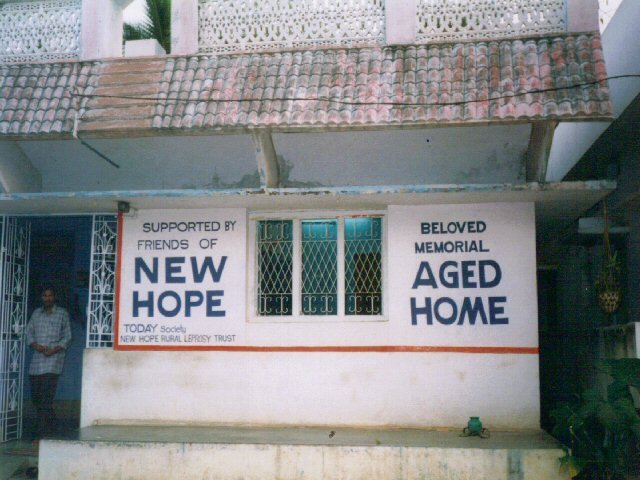
New Hope also has homes for old people, disabled children and for street children.



Leprosy Colonies
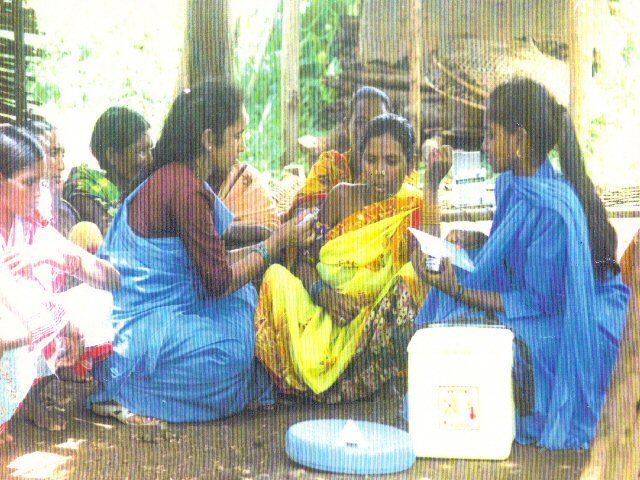
In the leprosy colonies it serves, New Hope treats 2,500 patients on a monthly basis and has extended its work to the 76 villages of a remote hilly and forested tribal area named Raghubari.
In all its areas of operation New Hope provides anti-tetanus and polio immunisation, iron and folic acid supplements and safe delivery kits for pregnant women.
Street children
Street children are a manifestation of societal malfunctioning and an economic and social order that does not take timely preventive action. Today, street children command a great deal of attention because of their sheer numbers and high visibility. Street children are found in large numbers in all Indian cities. They are forced onto the streets because they cannot cope with their family situation. A street child is forced to be an adult at an early age. He/she has to struggle for survival and earn an income for day-to-day living. By running away from their families, these children are making a major decision and even displaying their anger towards their irresponsible parents.
The need for systematically observing and deeply understanding the behaviour of street children must be emphasized. These children are not substandard ignorant kids. They have acquired the valuable knowledge, attitudes, emotions, abilities and skills that are necessary for their survival on the street. Though self-esteem is the answer to all childhood problems, street children have a weakly developed identity. This identity is derived from their interactions with their peers on the street and with adults who often abuse or deceive them, instilling in them fear or rejection.

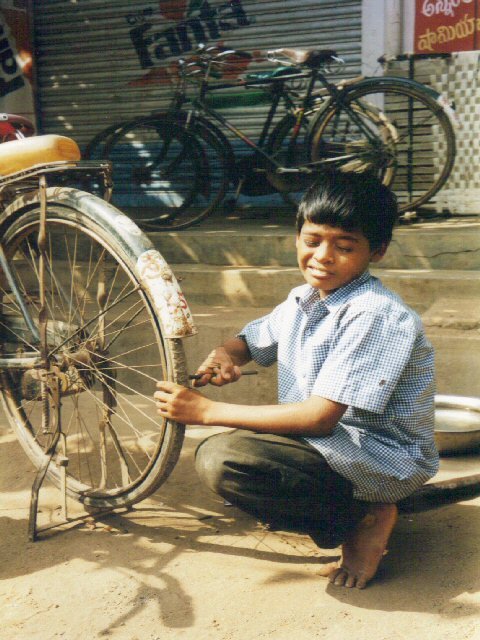

Although each child has a different story to tell, most of them have irresponsible parents and experience poverty and marginalisation. Parents are models, whether they want it or not. It is in the give and take of the parent-child and other relationships that the child finds a sense of security and self-esteem and the ability to deal with complex inner problems. But in the context of street children, the parents’ behaviour is often so cruel that the child makes a heroic decision to walk out on them into urban uncertainty. Poverty often overwhelms and infuriates the child rummaging through a garbage bin for discarded food. Ironically, food becomes an escape for street children. Their ravenous appetite and the fear of hunger compel them to eat every scrap they can get their hands on. Thus the street children have a combination of different characteristics. In varying proportions they can be emotionally vulnerable, physically resilient, naïve, wary and street-smart.
In spite of the increasing visibility of India’s ‘overall’ development on the international scene, the ‘inner contribution’ has been that the enrichment of a few is accompanied by the marginalisation or exclusion of millions of others. The real issue is that development continues to benefit some people, while many others are left out and pushed out. The phenomenon of street children has its roots not just in what meets the eye (poverty, family problems, etc.) but also in this whole gamut of development itself.
Child labour
Working children are everywhere but invisible, toiling as domestic servants in homes, labouring behind the walls of workshops or hotels or on hidden from view plantations. Millions of children who work as domestic servants and in unpaid household help are especially vulnerable to exploitation and abuse. Millions of others work under horrible circumstances. Child labour is a pervasive problem throughout the world, especially in developing countries. It is prevalent in rural areas where the capacity to enforce minimum age requirements for schooling and work is lacking. Children work for a variety of reasons, the most important being poverty and the induced pressure upon them to escape from this plight. Though children are not well paid, they still serve as major contributors to family income. Working children are the objects of extreme exploitation in terms of toiling for long hours for minimal pay. Their work conditions are especially severe, often not providing the stimulation for proper physical and mental development. Many of these children endure lives of pure deprivation.
Despite restrictions on child labour, children do work. This vulnerable state leaves them prone to exploitation. The International Labour Office reports that children work the longest hours and are the worst paid of all labourers. They endure work conditions which include health hazards and abuse. Employers take advantage of the docility of the children, recognizing that these small ones cannot legally form unions to change their condition. Such manipulation stifles their development. Deprived of the simple joys of childhood, these children are relegated to a life of drudgery.
However, abolishing child labour has its own limitations. First, there is no international agreement defining child labour. Countries not only have different minimum age work restrictions, but also have varying regulations based on the type of labour. This makes the limits of child labour ambiguous. Most would agree that a six-year-old is too young to work, but whether the same can be said about a twelve-year-old is debatable. Until there is global agreement which can isolate cases of child labour, it will be very hard to abolish.
Child labour is a significant problem in India. The major determinate of child labour is poverty. Even though children are paid less than adults, whatever income they earn is of benefit to poor families. Some parents are of the opinion that formal education is not beneficial and hence children learn work skills through labour at a young age. Another determinate is access to education in some areas. Education is not affordable, or is found to be inadequate. With no other alternative, children spend their time working.
Child labour can’t be eliminated by focusing on one determinant, be it education or brute enforcement of child labour laws. National and state Government must ensure that the needs of the poor are fulfilled before attacking child labour. If poverty is addressed, the need for child labour will automatically diminish. Children are growing up illiterate because they have been working and not attending school. A cycle of poverty is formed and the need for child labour is reborn after every generation.
If you would like to support the work of the New Hope Rural Leprosy Trust this can be done through its sister organisation in the UK: The New Hope Rural Community Trust.
