How CAMGEW Restored Forests and Empowered Women in Cameroon – 2025
All of the Major achievements by our network partner CAMGEW and a summary of their annual report focused on reforestation and women’s equality in Cameroon, with support from FIOH.
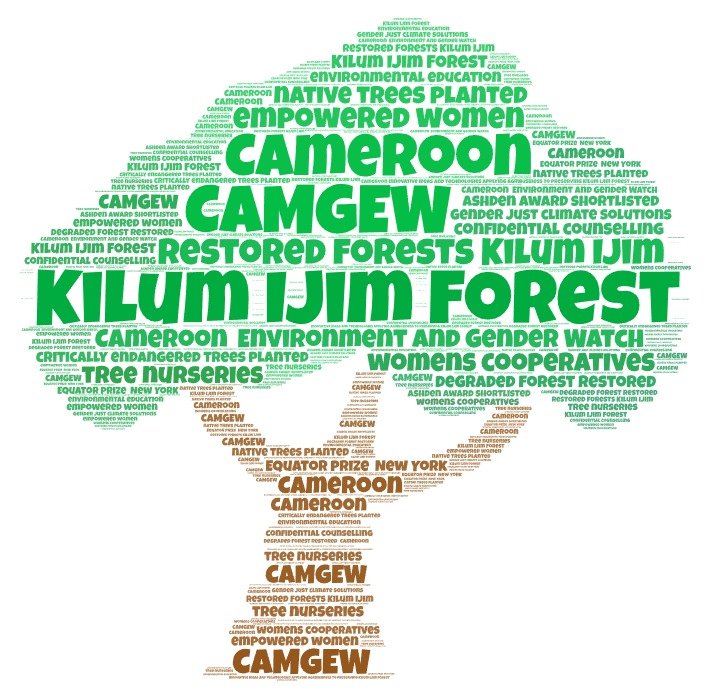
In 2025 CAMGEW was restoring forests and empowering women in Cameroon, rebuilt livelihoods with sustainable agriculture and a focus on youth livelihoods — while quietly transforming itself from a single-forest project organisation into a multi-region programme NGO with a 2026–2030 strategy.
Nine Headline numbers
| Indicator | 2025 Result |
| Native trees planted | 11825 seedlings plus 406 wild stems protected |
| Cumulative total trees planted | 134880 over 14 consecutive years |
| Critically endangered trees planted | 1386 Newtonia Camerunesis IUCN Red List |
| Degraded Forest restored | 12=-15 Hectares |
| Farmers trained in agroecology and enterprise | 600+ |
| People reached by environmental education | 4161 |
| Confidential counselling provided | 510 |
| Girls in leadership programmes | 102 |
| Livestock Livelihood beneficiaries | 230+ households |
The annual report has itemised, verifiable and audited statistics to support the following areas of action.
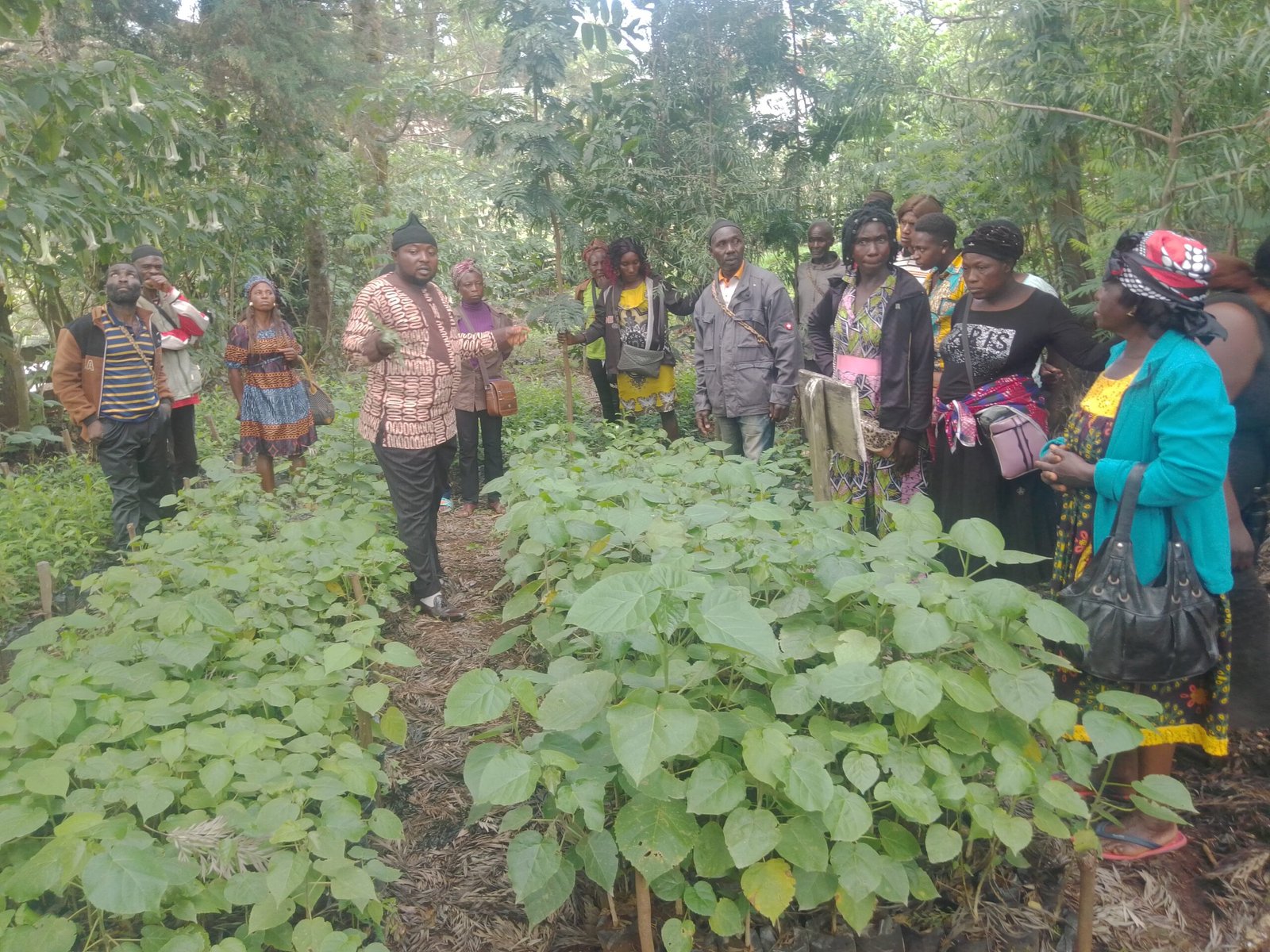
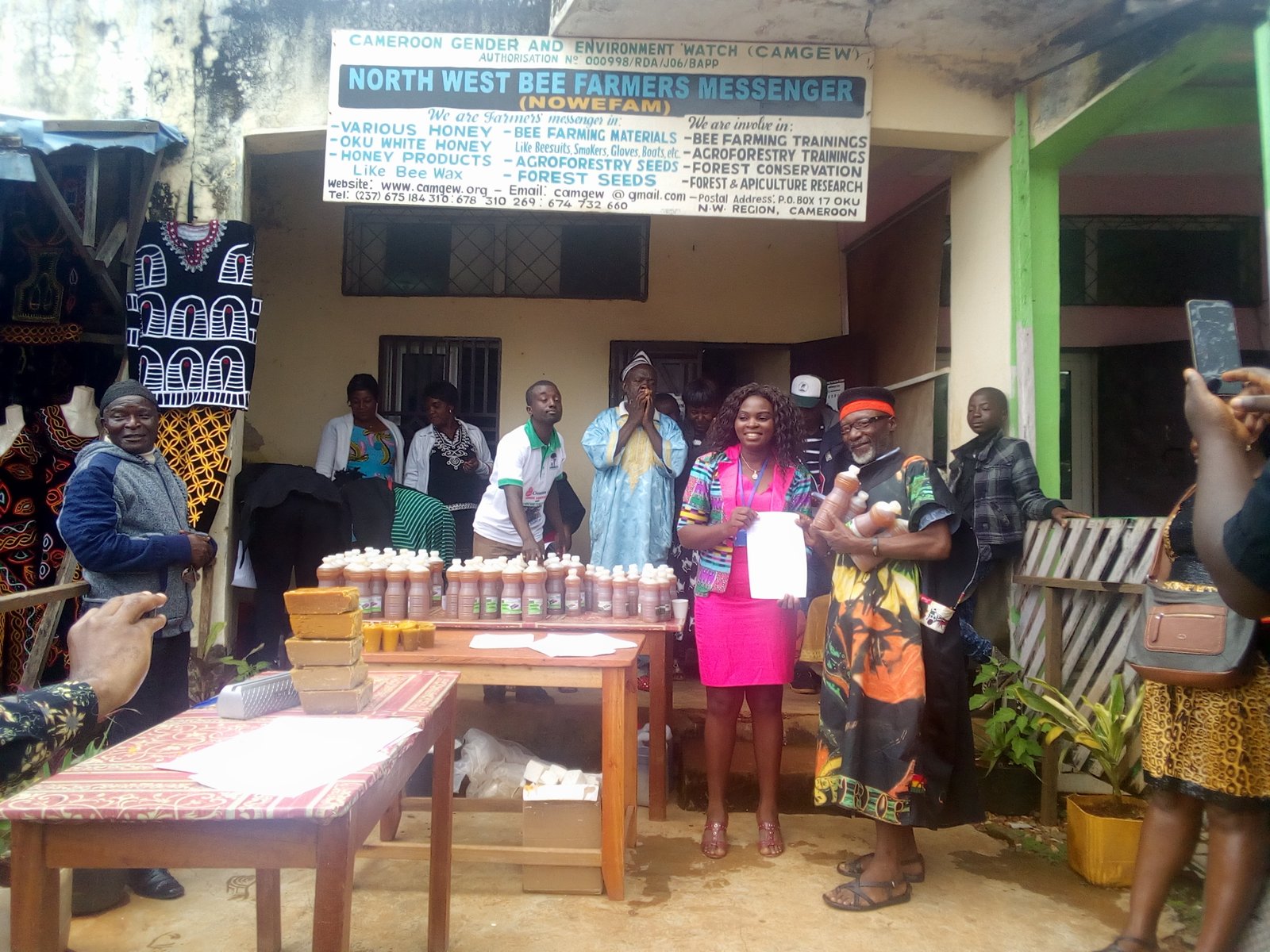
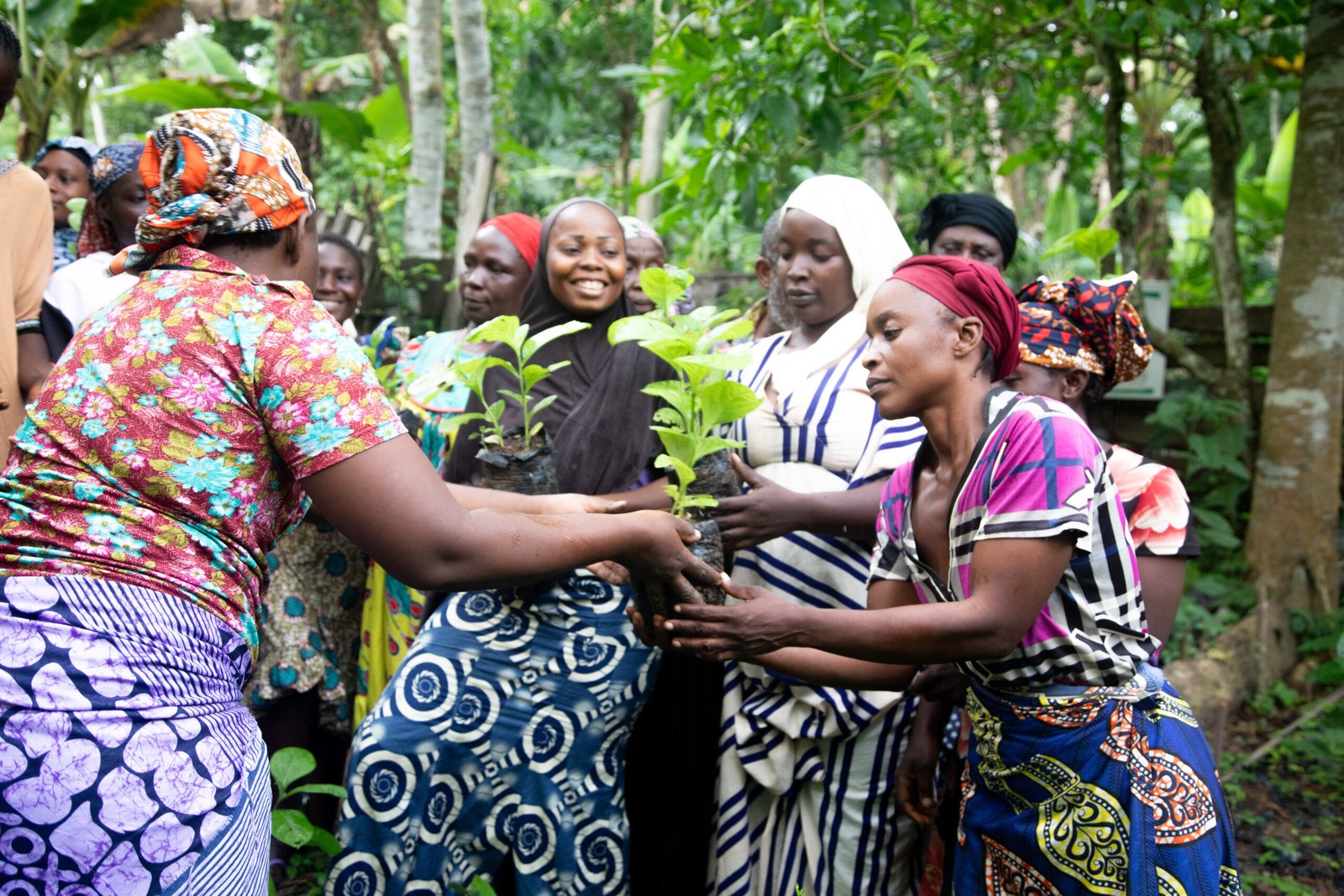
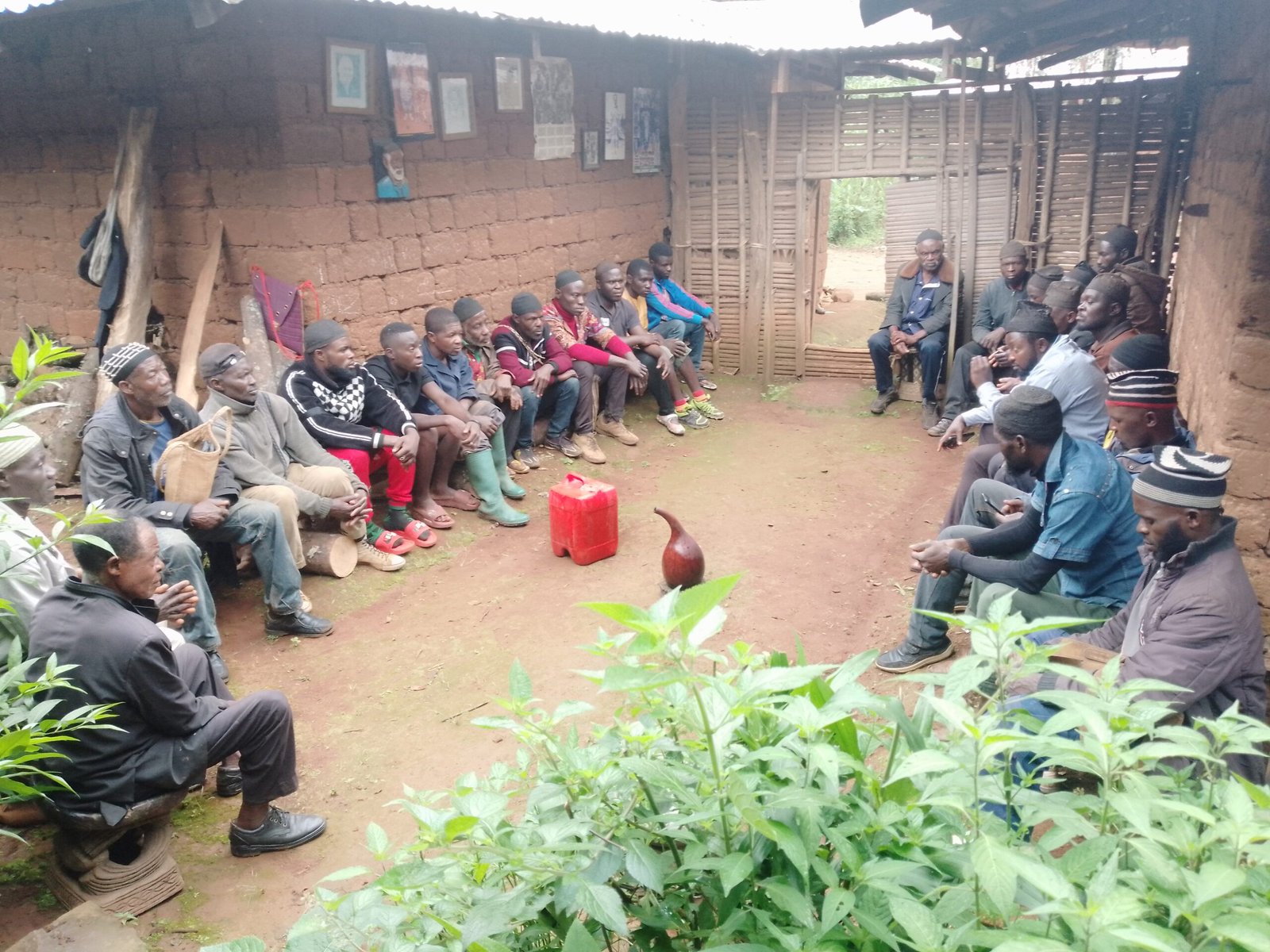
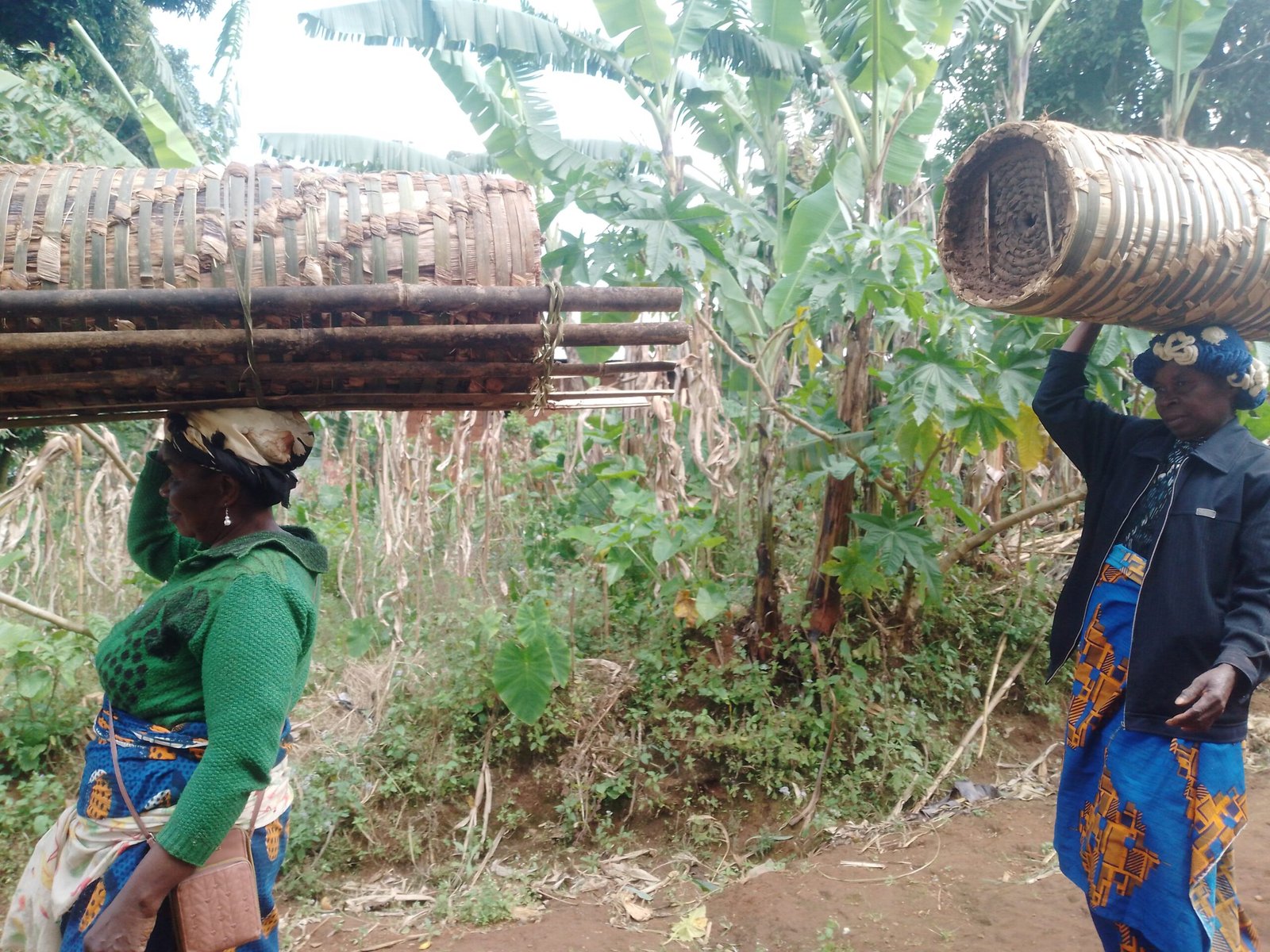
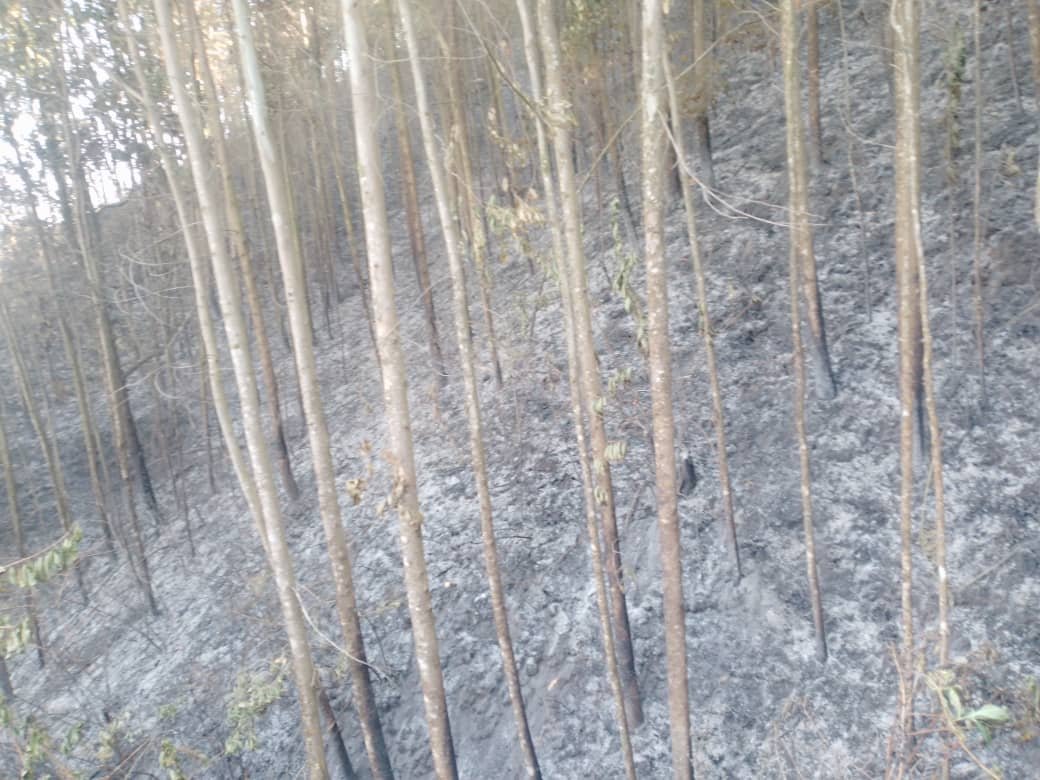
International Awards 🏆
Equator Prize New York
Gender Just Climate Solutions Sevidzem Ernestine Leikeki
Innovative ideas and technologies in agribusiness in efforts to preserve the Kilum Ijim forest
Ashden Award shortlisted
CAMGEW Cameroon Gender and Environment Watch on its way to NGO status with photography from Director Emmanuel Wirsiy and edited by FIOH
Source: CAMGEW 2025 Full Annual Report (80 pp). www.camgew.org Prepared for FIOH website digests and articles. CAMGEW Cameroon Gender and Environment Watch. Founded Oct 2007; works in 3 regions of Cameroon (North West, West, Adamawa). FIOH–UK was one of CAMGEW’s original tree-planting funders (2012-2017).
If you wish to support our cause and fund future projects on restoring forests and empowering women in Cameroon like CAMGEW’s please Donate via our website. To read more articles like this one, try reading this one of Cassava Farming in Sierra Leone.
Amabazonia mourns the loss of Transformational humanitarian leader in Cameroon
It is with great sadness that we mourn a true compassionate leader of SHUMAS. It was FIOH through initial contact with Mike Thomas, that were around to stimulate the origins of his story.
Tribute by Emmanuel Wirisy Director of CAMGEW
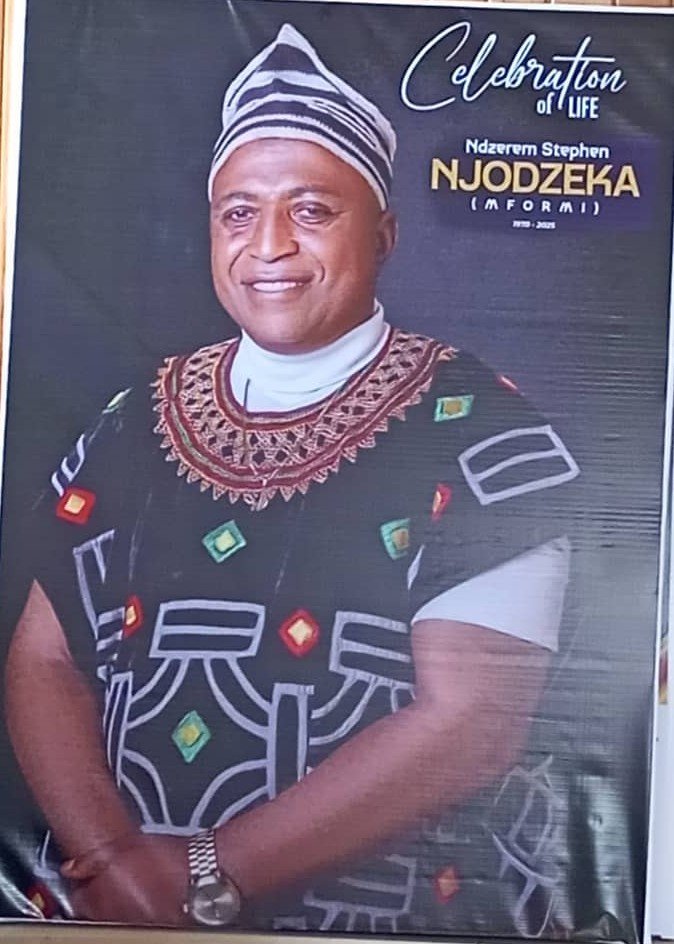
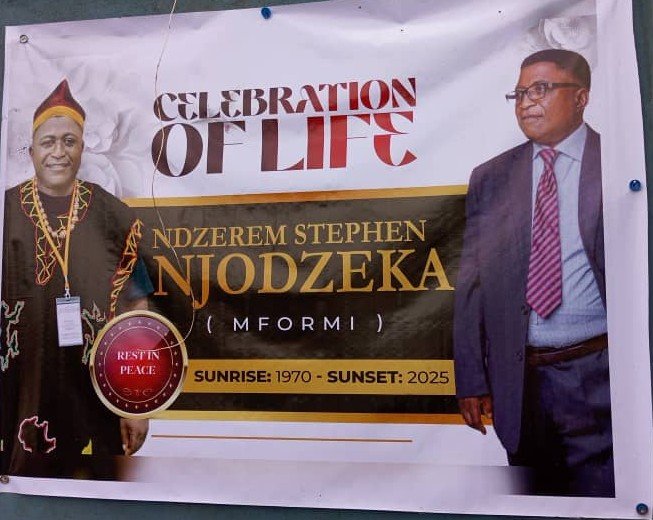
Our family has lost a great civil society leader, mentor and role model. SHUMAS director Mforme Ndzerem Atephen Njodzeka was a member of this group and guided its functionality. He made little noise but did more in actions. He did much in community development and moreover mentored and coached many who now lead their own NGOs non governmental organisations. We thank you for being an exemplary mentor and our hearts bleed with your premature departure. To make you proud , we pledge to continue your humanitarian and environmental work and to assist the most disadvantaged in society. We pray you rest in peace and send condolences to your family.
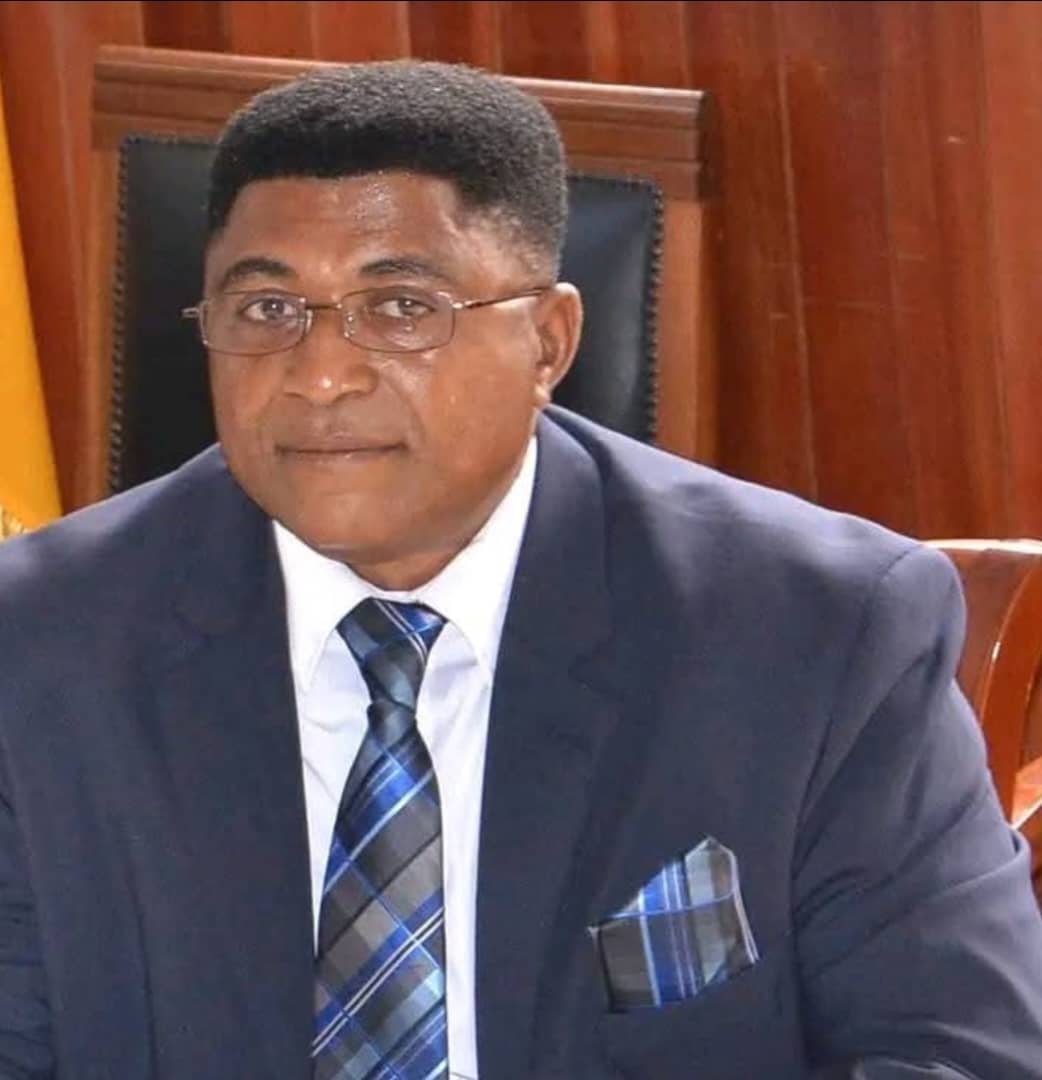
12 April 2025 we will be seeing off our Hero, Mentor, Model and Father that death took away from us in January 2025. This is Mforme Ndzerem Stephen Njodzeka who was Director of SHUMAS. He was one of us in this family here. His impact to humanity speaks loud and his forging spirit is what CSO leaders can hold as legacy to keep moving. Our condolence to his family. Go Well Our Hero to join the Great People of Our Community. We love you our Hero.
Supporting grassroots initiatives in Sierra Leone.
Alpha Kargbo Youth Leading the World (YLTW) “We are pleased and grateful for all your support you have been giving us all this while, blessings to FIOH.”
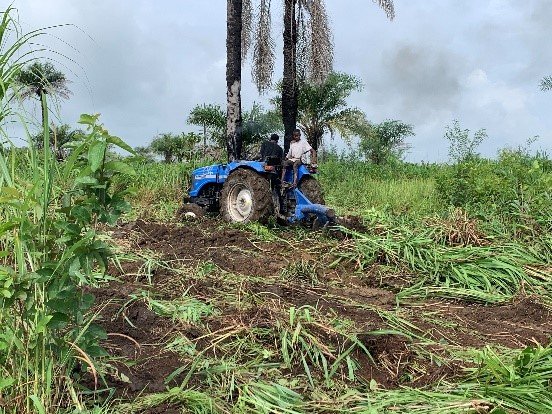
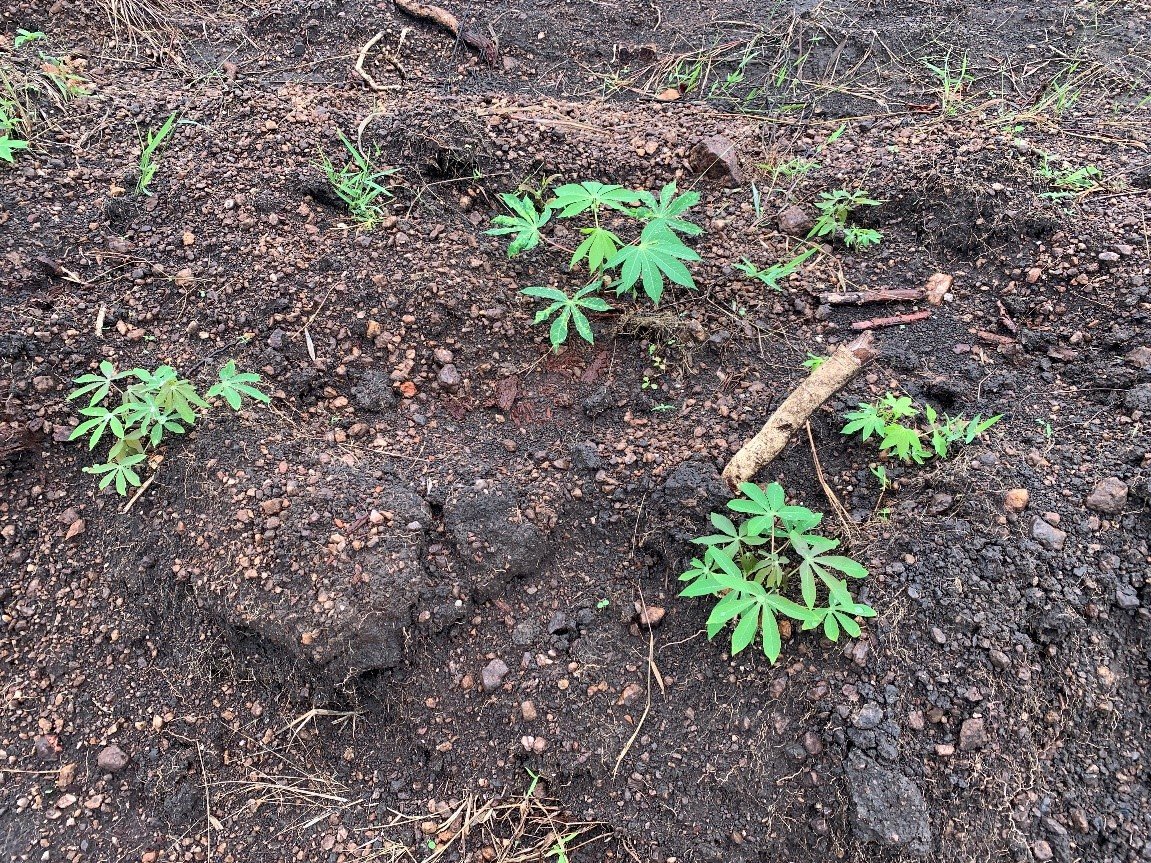
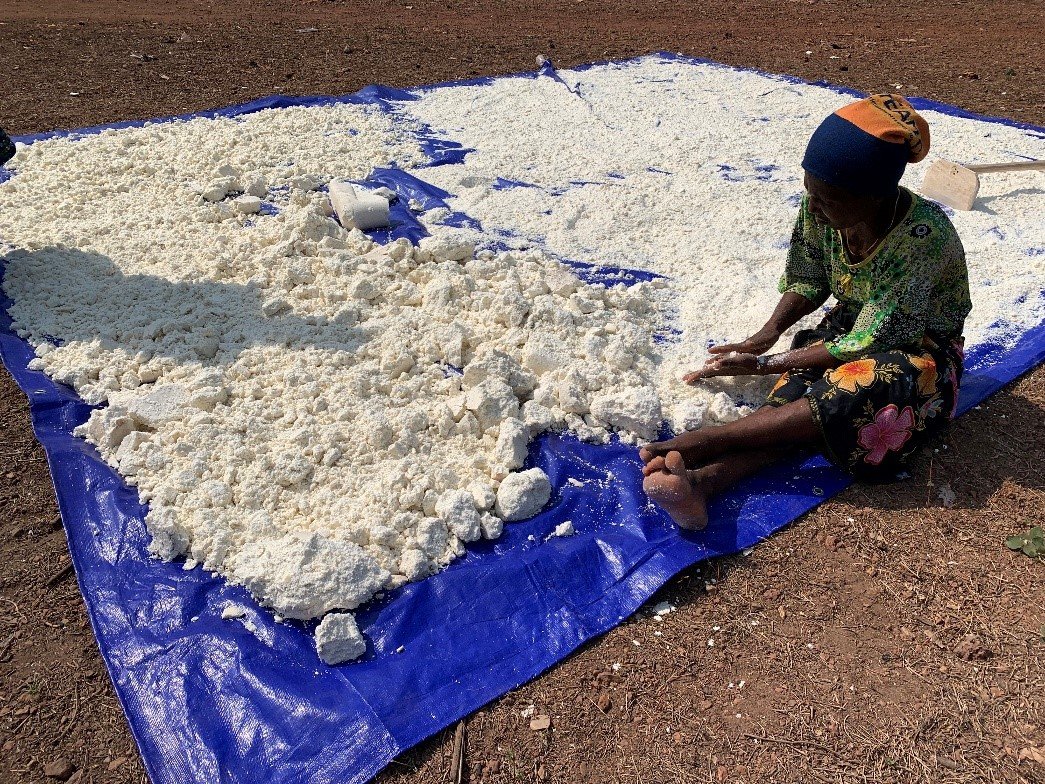
YLTW have managed to cultivate 2 acres of cassava during the summer of 2025 with the aimed to benefit to the community in establishing a staple subsistence crop. This will enable local communities have a more reliable source of carbohydrates in their diet. The end product flour can then be used in baking. The local enterprise gives us the ability to have greater control over price fluctuations and ina ddition provides regular and reliable employment through processing the raw material.
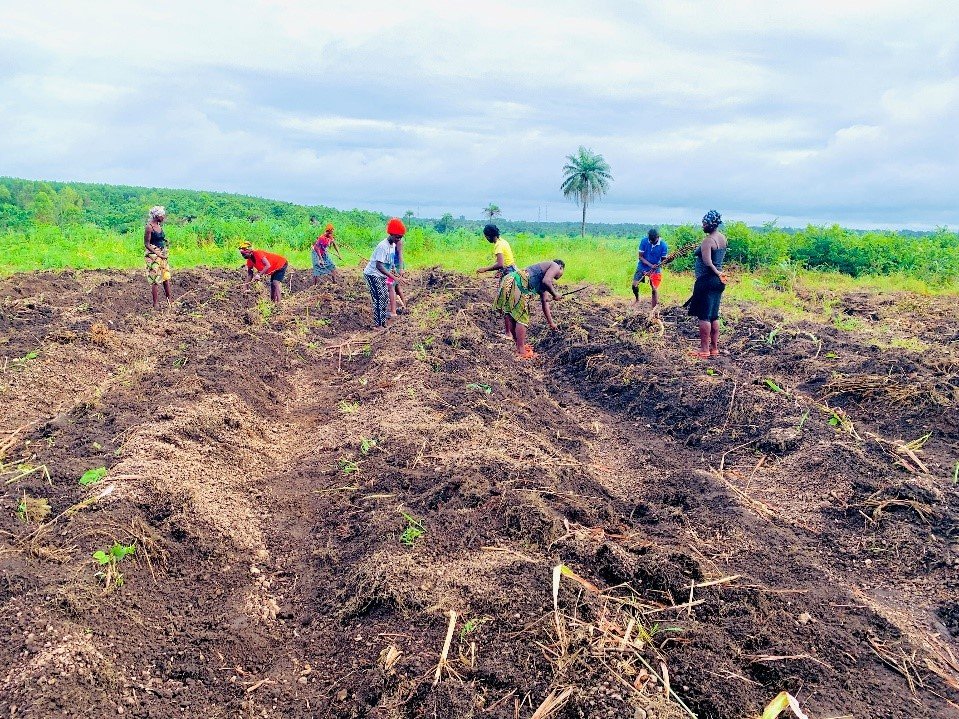
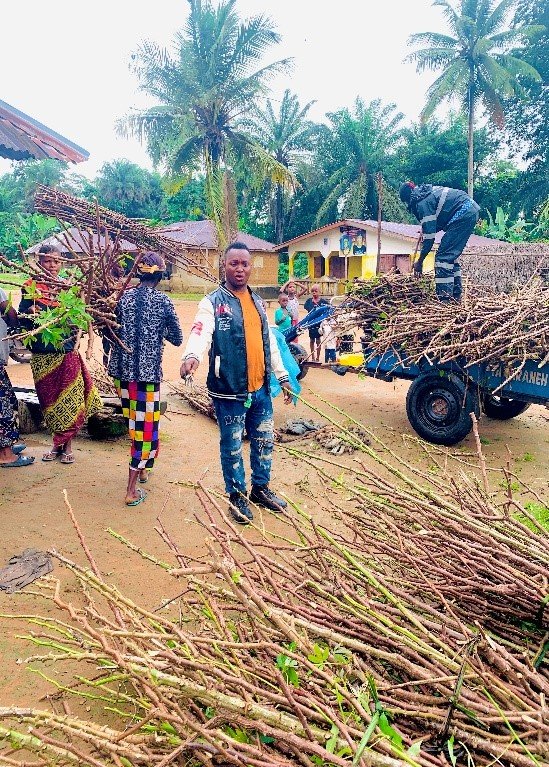
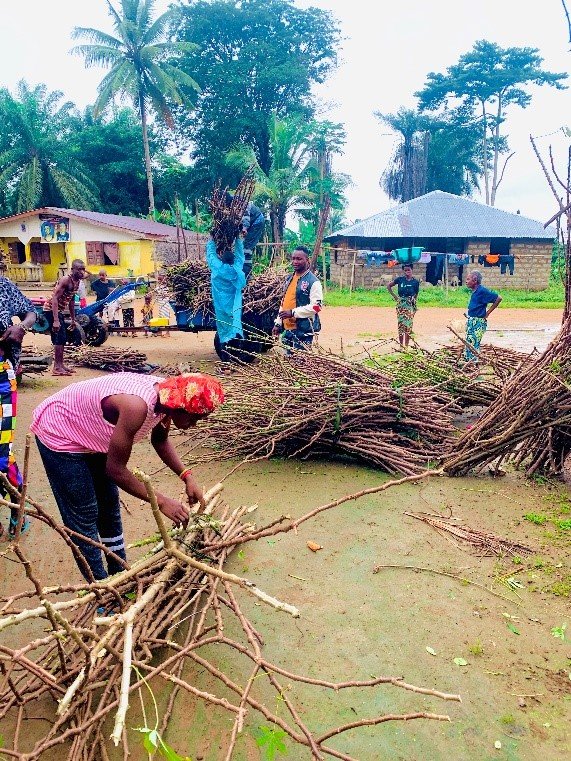
YLTW started with ploughing as two tractor machines (see image 1) went to work the land. They to organized and utilized local labour to construct the required ridges on the area (image 2). This was followed by planting, weeding and cultivation. All with the aim to purchase and transport cassava stems, for farming.
Gari Processing Centre
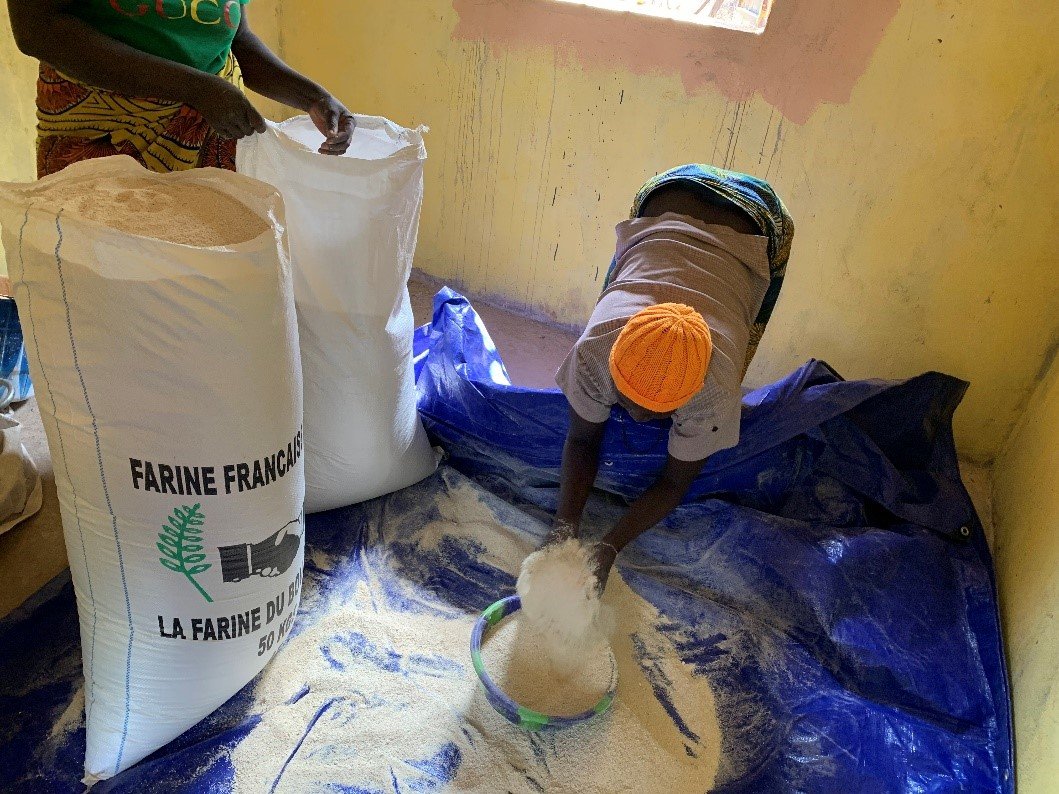
YLTW chose this as they were convinced it would yield a profound benefit. The processing centre is available for use and is owned cooperatively by the grassroots community. Offering free or reduced cost use towards processing of the Cassava into the final flour.
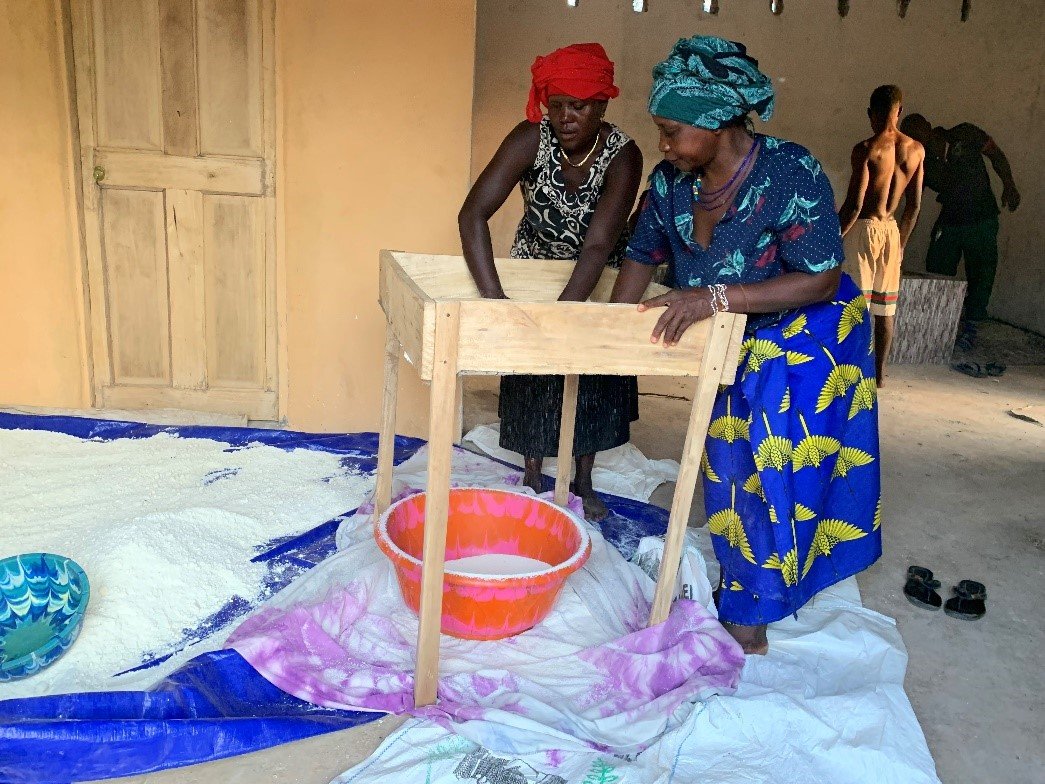
FIOH are delighted to participate and facilitate locally managed initiatives like this project. We feel that it has provided meaningful employment, impact and sustainability to the lives of people who need it most. Projects such as this, managed from the ground up by local people has the fastest and biggest impact to people’s livelihoods.
It is our hope to continue to provide funding and guidance on projects like this into the future. If you wish to help us with your support, please consider donating or getting in contact with us for fundraising opportunities.
Refugee crisis in NW and W Cameroon
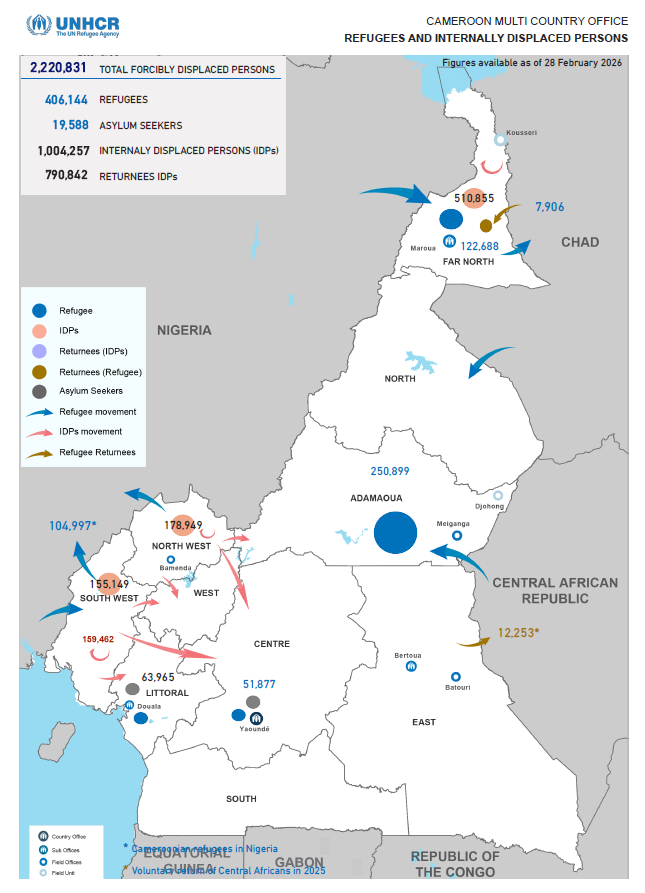
Situation mapped by UNHCR Feb 2025
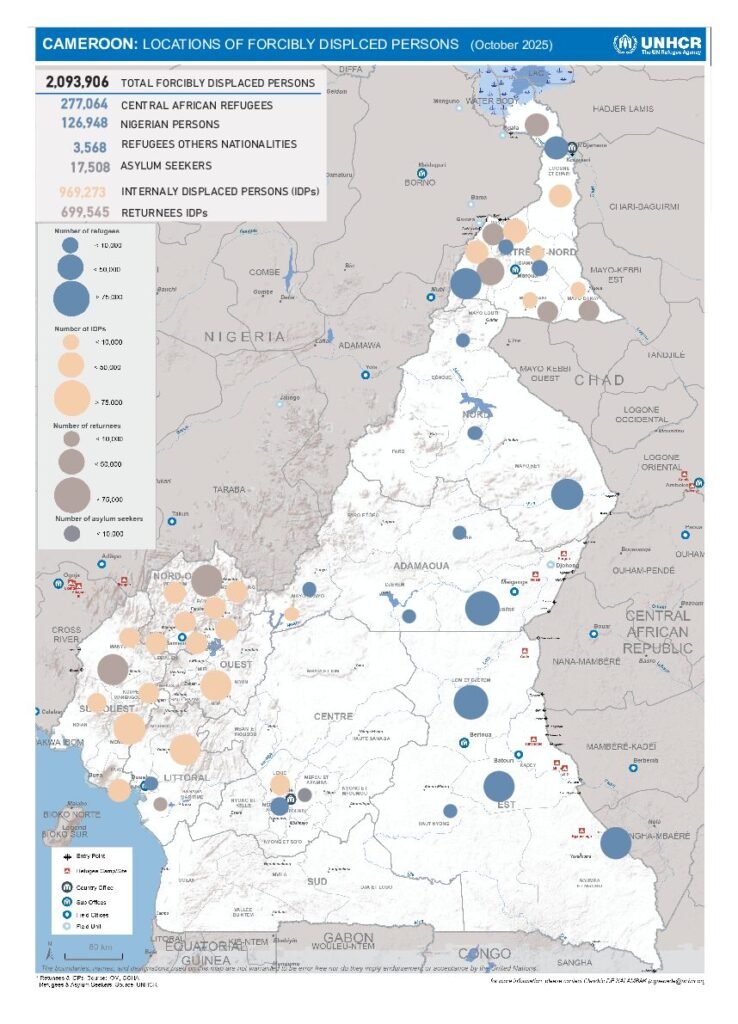
Situation update UNHCR Oct 2025
The situation continues to worsen with the civil unrest in Anglophone Cameroon. A most disadvantaged region with a Francophone government. This hidden issue continues to be under reported in a world of more newsworthy conflicts.
This initiated in 2014 when Cameroon began taking refugees from less stable Central African Republic and Chad
Families forcibly displaced from their villages and schools fleeing from coercion and impact of civil war compounded and exacerbated by impacts of climate change and terrorist groups like Boko Haram.
IAA Cameroon reaps the rewards of sustainability
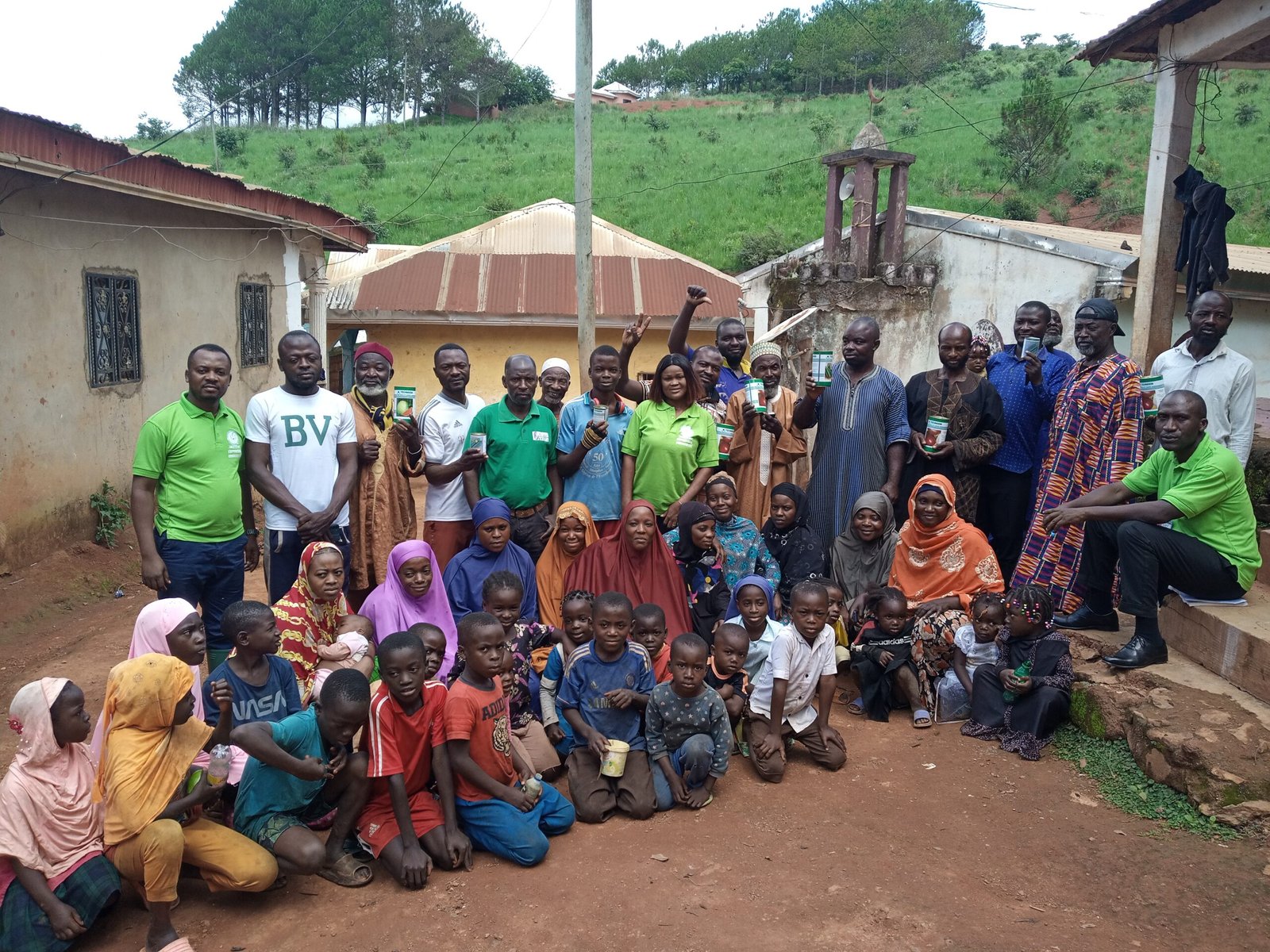
From seed distribution
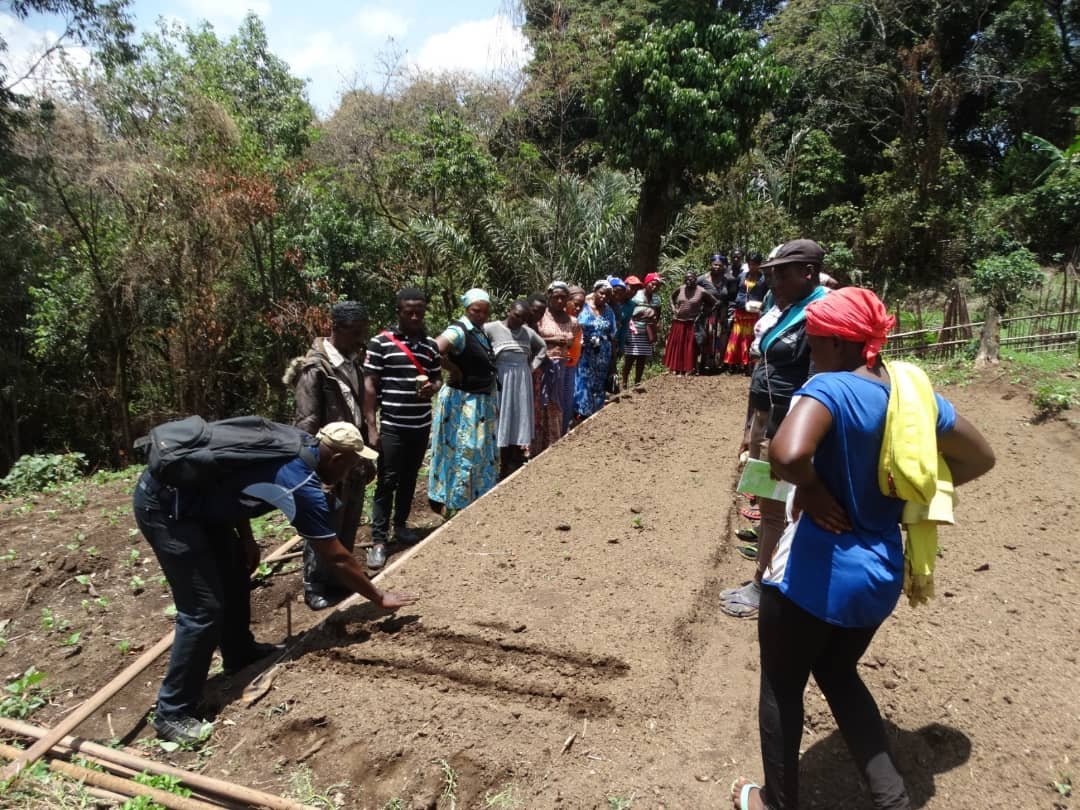
To planting out
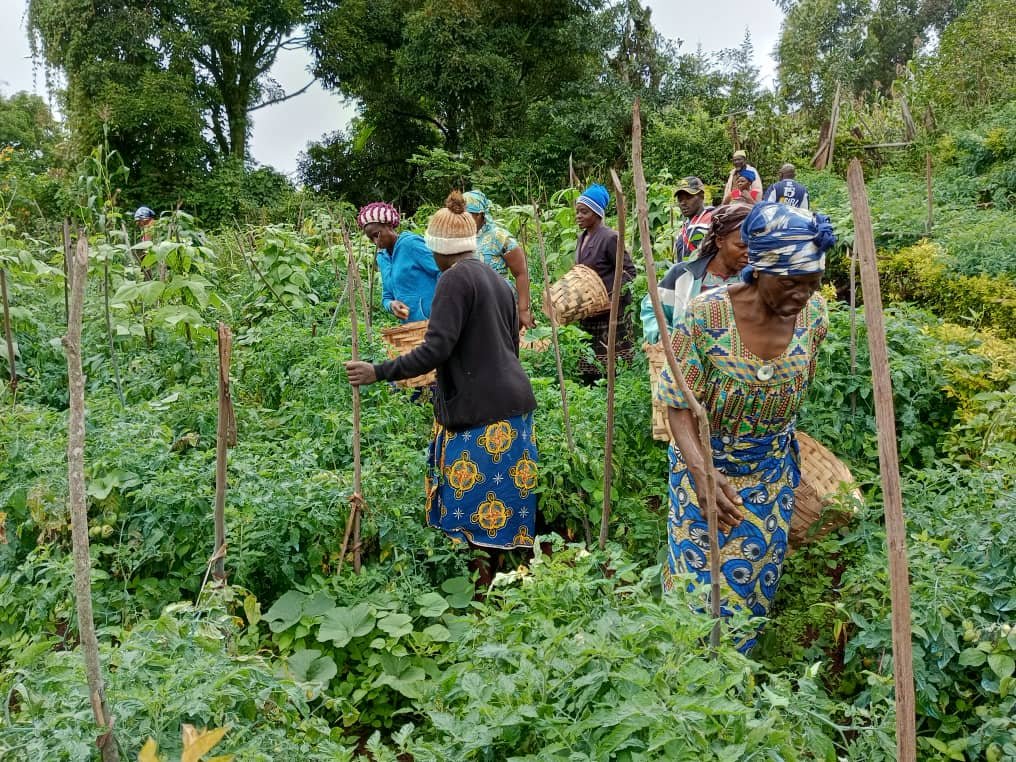
to harvesting
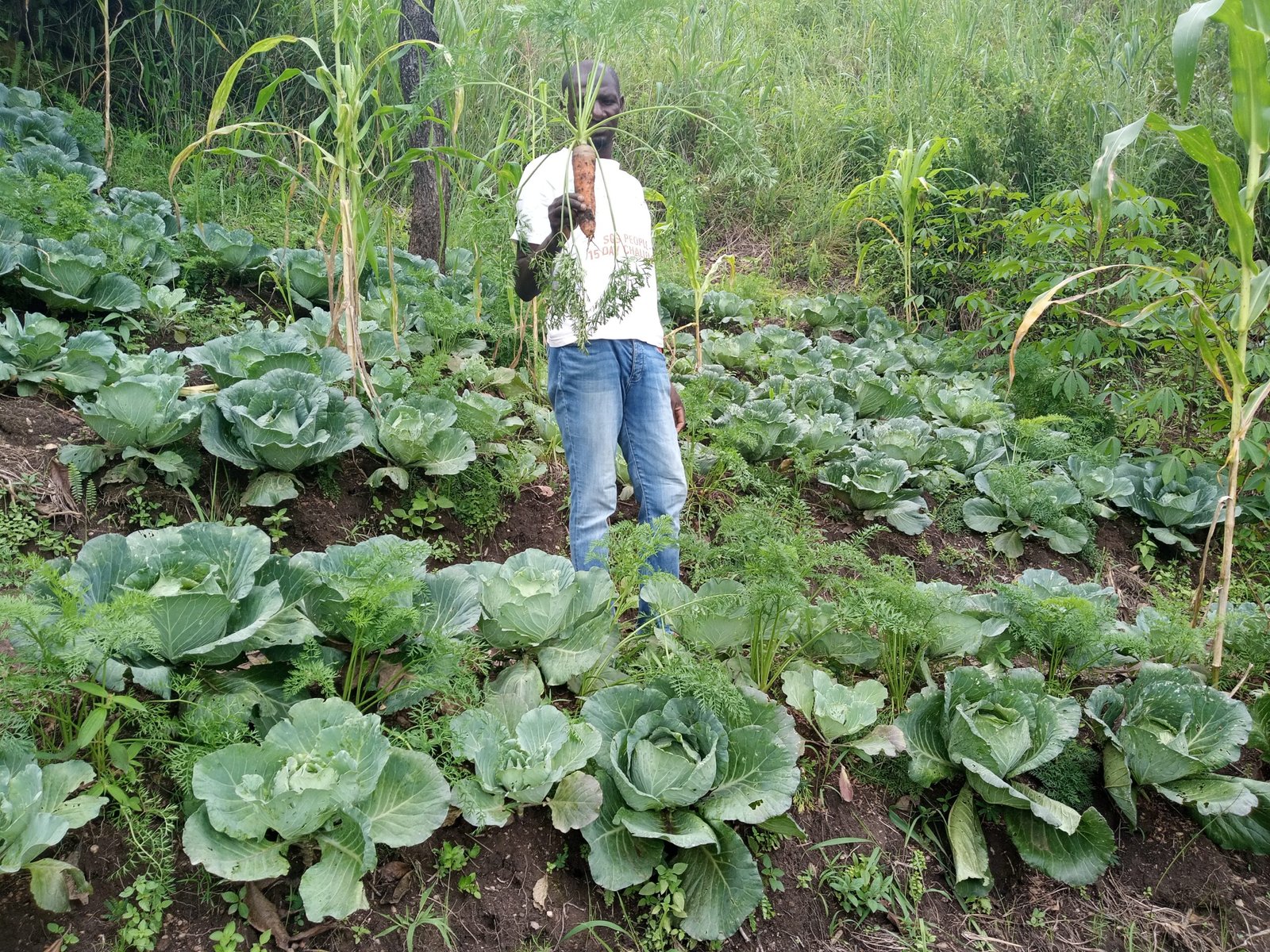
IAA receives international recognition with prestigious award
1) RECENT AWARD RECOGNITION
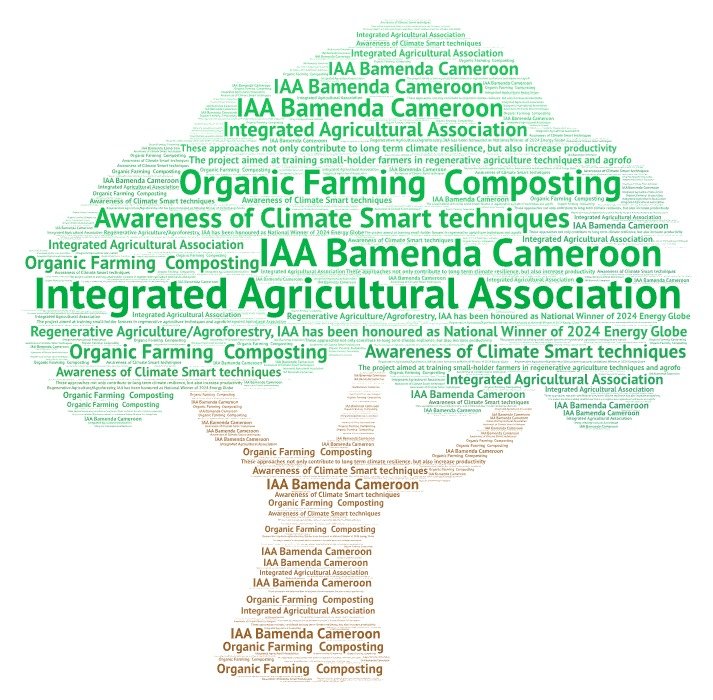
Regenerative Agriculture/Agroforestry, IAA has been honored as National Winner of 2024 Energy Globe Award.
The project aimed at training small-holder farmers in regenerative agriculture techniques and agroforestry. Specifically the project focused on climate adaption, carbon sequestration and conservation agriculture techniques, including the use of cover crops; “no till” practices, rotating crops, conserving water. Primarily using native crop varieties and trees to manage pests.
These approaches not only contribute to long term climate resilience, but also increase productivity, decrease farming input costs, and improve soil fertility. The project also increased local availability of safe, quality vegetables and fruits for the poorest and most vulnerable populations in the region. IAA trains and supports rural smallholder farmers in conservation agriculture and agroforestry. We promote sustainable practices that reduce water and chemical use, prevent land degradation, and protect biodiversity.
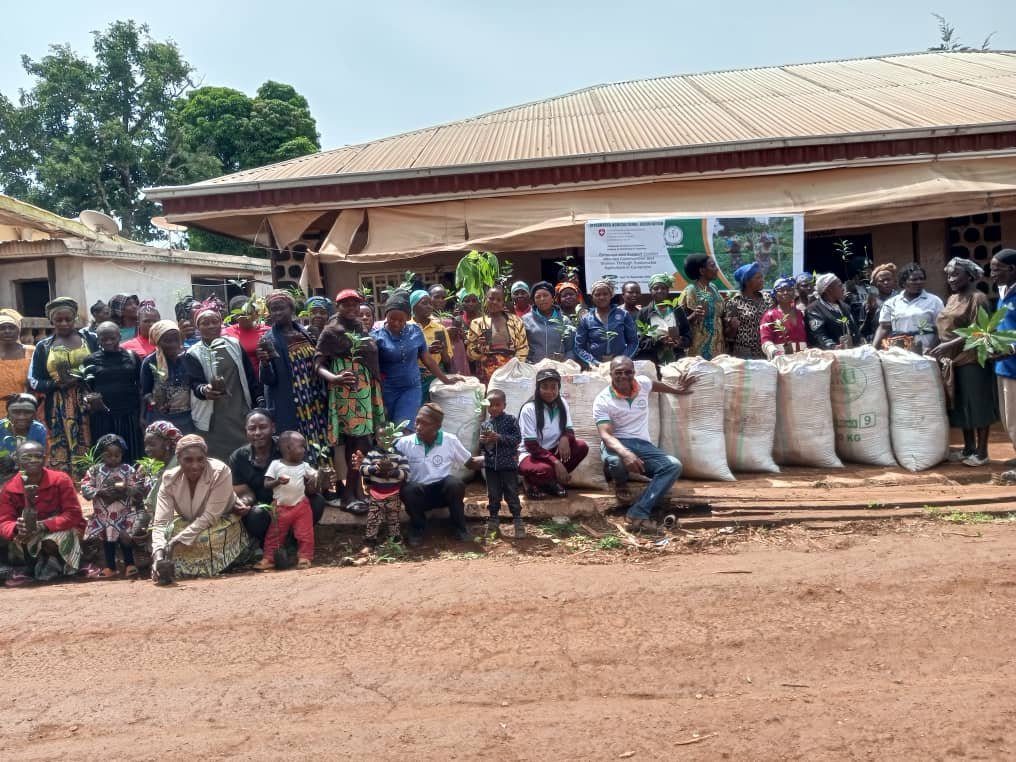
2) ANNUAL WORLD OF DIFFERENCE AWARD 2022
Founder and Executive Director of Integrated Agricultural Association (IAA): Dungrila Pascal Mbimenyuy has been selected and recognized by TIAW as a 2022 extraordinary man under the champion of Women’s Economic Empowerment in Cameroon
The World of Difference Awards – recognize up to 100 women (and men) around the world whose efforts have advanced the economic empowerment of women locally, regionally or worldwide.
Since 2017, Integrated Agricultural Association (IAA) under the leadership of Dungrila Pascal Mbimenyuy has supported thousands of women directly through sustainable agriculture, entrepreneurship and livelihood projects in rural communities within Cameroon.
Other News:
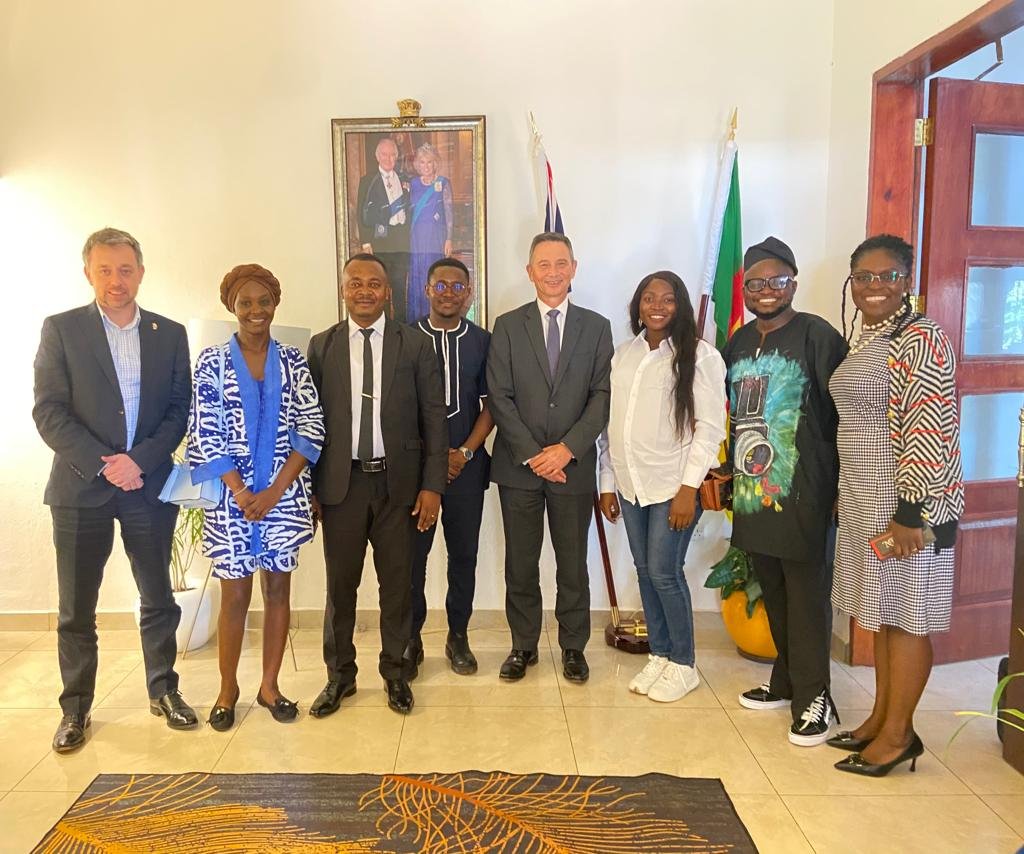
One Young World Ambassadors in Cameroon met with The British High Commissioner to Cameroon
Dungrila Pascal and other One Young World Ambassadors had a meeting with The British High Commissioner to Cameroon, on the 9th of November 2023, at his residence in Bastos, Yaounde. One Young World Ambassadors spent a great moment together with the British High Commissioner, sharing ideas and experiences of their organizations and activities in their respective communities.
Dungrila had the opportunity to have a site meeting with the British High Commissioner, where he discussed the mission, objectives and activities of IAA with the BHC and explored opportunities for possible collaboration and to secure support for Integrated Agricultural Association (IAA).
3) THE CURRENT PROJECT 2025
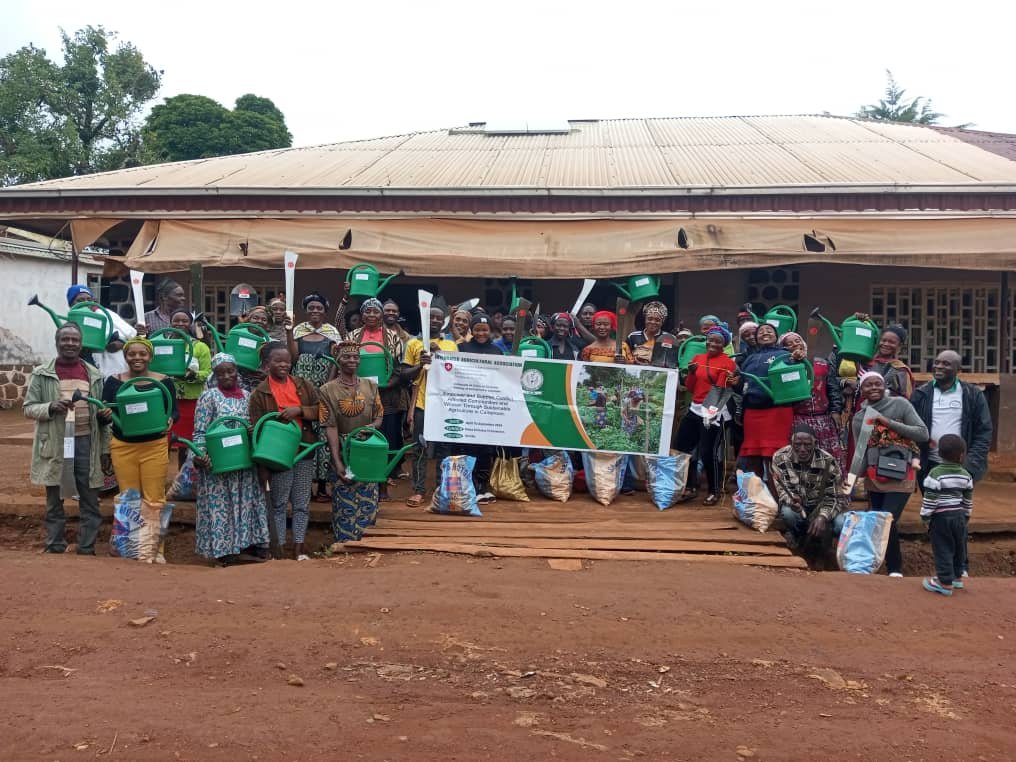
The ongoing project aimed at increasing local availability of safe, quality vegetables and empower conflict affected women and communities to enhance food security. In addition achieving nutritional balance for 100 households, through diversification of diets of the poorest segments of the vulnerable populations in Kumbo, Bui Division, Northwest Region of Cameroon. The project targeted diverse groups of beneficiaries including; ethnic communities, female-headed households, newly settled families, resource-poor herders and smallholder farmers, and other vulnerable groups without access to secure livelihood. The objective was to implement and mainstream innovative, sustainable, affordable and regenerative approaches to improve food security amongst 100 of the most vulnerable people in Kumbo area. Also to enhance the capacity of resource-poor and poverty-stricken farmers and herders at low income brackets through training and support to produce a wide variety of vegetables like onions, cabbages, carrots, pepper, Irish potato, huckleberry. Using regenerative practices with integrated social ownership, management and involvement. In response to global climate change, the project also aimed at promoting conservation agriculture, which is the foundation of climate-smart agriculture to help vulnerable communities understand the impact of climate change on agricultural productivity and how to reduce their carbon footprint.
The grant from The Embassy of Switzerland in Cameroon and Earth Rising Foundation with support from Seed Programs International has helped Integrated Agricultural Association (IAA) to strengthen the country’s food system in light of changing weather patterns and other challenges caused by the ongoing armed conflict in NW/SW regions and strengthen the affected communities with outreach and support. With the grants received in August 2023 and April 2024, IAA have reached 1028 people directly, from diverse backgrounds; including women, men and youths with essential gardening skills, nutritional education and agroforestry resources and skills, created awareness about climate change through environmental education outreach We have helpied to achieve larger goals like food security, adequate nutrition, increased livelihood opportunities, climate smart or resilient agriculture, community building and gender equality for thousands of people in the following ways:
i.) Community Development: IAA boosted its integrated demonstration garden in Kumbo with land capacity of 5 hectares, which will serve as a community hub for learning and access to planting resources. The garden involves an apiary, seed multiplication, agroforestry promotion, hands-on learning on ecological and bee farming and the distribution of potato tubers and fruit seedlings to smallholder farmers to support the ongoing agricultural development.
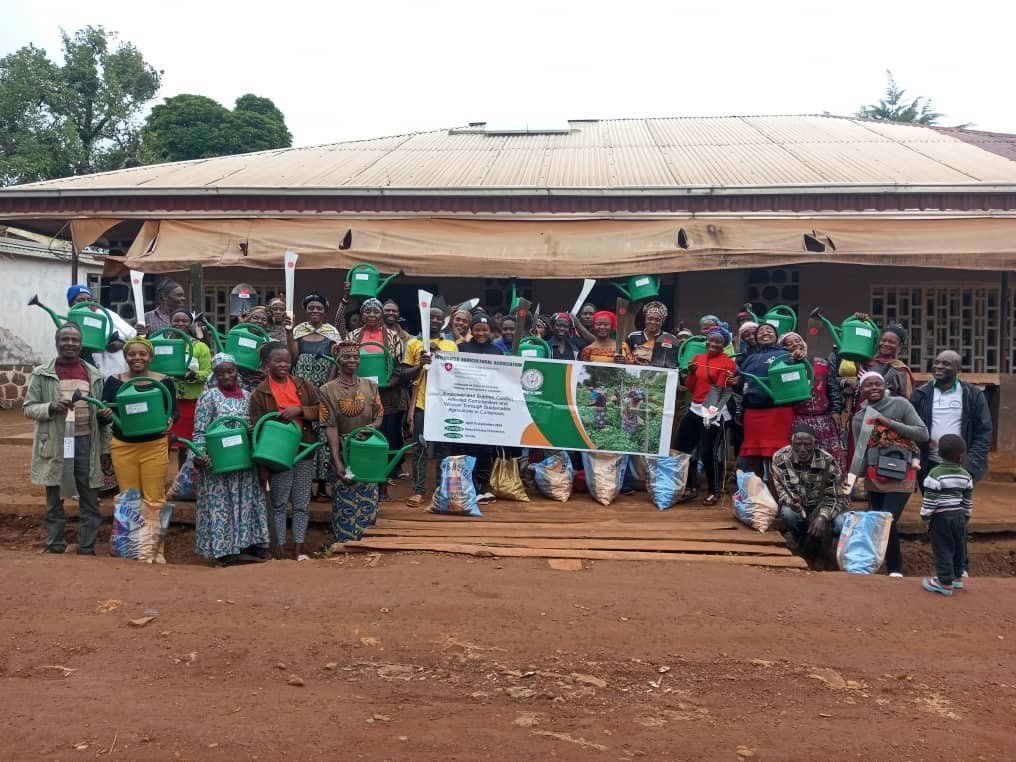
ii.) Home gardens support in Kumbo and Foumban: IAA empowered households with essential gardening skills and resources which resulted in the distribution of over 100,000grams of vegetables seeds and gardening tools to boost food production. Seed types distributed include; Cabbage, Carrot, Onion, Pepper, huckleberry, Cucumber, Okra, Tomato , Potato tubers, Sweet pepper, tree seedlings and Organic manure (2000kgs of cow dung) which resulted in 1350 gardens supported to increase food security and income level for 1350 people at the family/household level. Each seed type represents one garden and average family size is 10 members for 135 farm families supported. Tools include; 100 hoes, 100 watering cans, 100 machetes and 25 pairs of rain boots and 4000 tree seedlings.
In Foumban, IAA empowered 240 households with essential gardening skills and nutrition information which resulted in the distribution of 11,000 grams of vegetables seeds to boost food production. Seed types distributed include; Cabbage, 540 grams, Carrot, 5400 grams, Onion, 3500 grams , Pepper, 250 grams , Tomato, 250 grams , Cucumber, 400 grams which resulted in 1440 gardens to increase food security and income level for 2400 people at the family/household level in Foumban, West region of Cameroon
iii.) Nutrition and Diet: Empowered women on good nutrition practices, diet control and different nutrition options to reduce diet related diseases and malnutrition. With the message “Food is Medicine”, IAA implemented 10 workshops with 300 people that contributed to promoting public health and wellness through essential education on adequate nutrition and how to reduce food waste amongst conflict affected communities and women.
iv.) Environmental education and Agroforestry promotion: IAA engaged mixed age groups and community members on topics like deforestation, dangers of chemical fertilizers on agriculture, carbon emission and created awareness about climate change through regular environmental education outreach. IAA shared knowledge on agroforestry practices and distributed planting materials to 265 smallholder farmers who operate on less than 5 hectares of land. Ultimately, 15,000 trees were planted including, Moringa 1000, Cocoa 1000, Ricinodendron Heudeloti Known as Njansang or Essessang in Cameroon, 1000 and grafted pears (Avocado) 8000, and Prunus Africana 4000 in the Northwest and West regions of Cameroon.
EVOLUTION:
However, IAA recognizes that sustainable development requires continuous learning and adaptation to new challenges. This grant presents an opportunity for IAA to enhance the leadership skills of its team, gain advanced knowledge in sustainable agriculture, and network with global experts in environmental management. By deepening their understanding of innovative practices and policies, IAA aims to scale up this initiative, increase its impact, and empower more women in Cameroon and beyond. To go further, the Project Leader has partnered with Earth Guardian International to lead the Earth Guardian Crew of young climate leaders at the Integrated Agricultural Association (IAA) in Cameroon, as efforts to train and inspire young and community members on environmental and climate justice.
With increased demand for quality seedlings and vegetable seeds amongst the vulnerable farmers there is a need for consistent support. IAA will increase the production capacity of its demonstration garden. Grafted avocado, oranges, lemons, seedlings and seed potatoes will be subsidized to support the communities searching for secure nutrition. We will also train community members on seed multiplication and preservation to gain independence from over reliance on external support for seed donation.
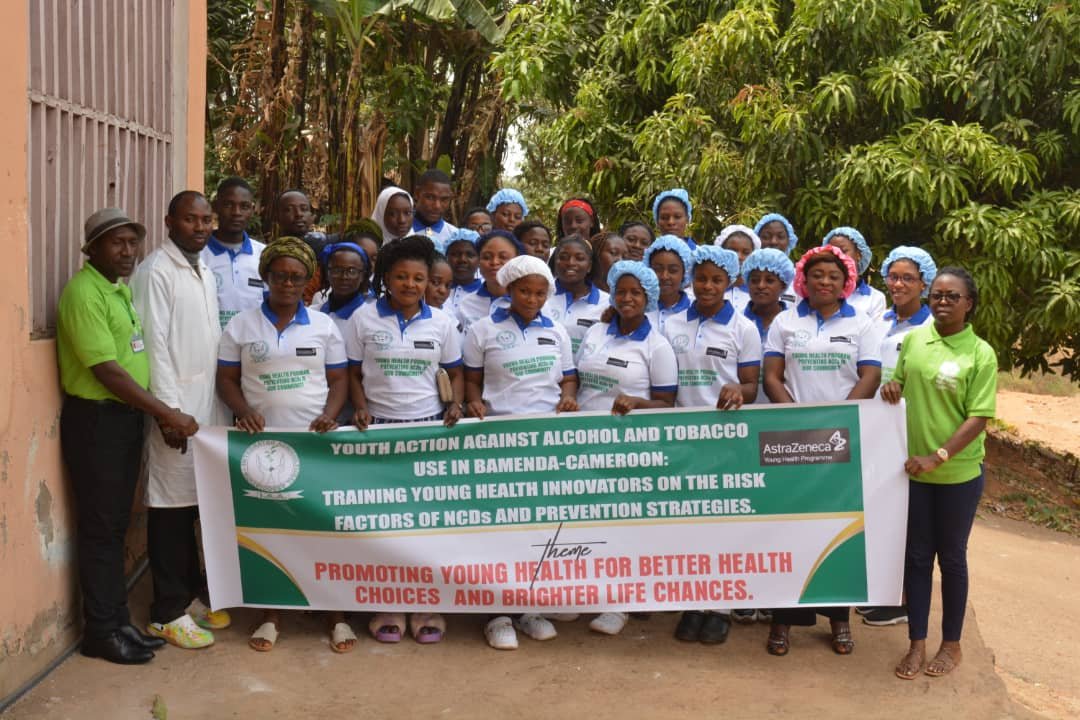
4.) FIGHT AGAINST TOBACCO AND DRUGS USE AMONG YOUNG PEOPLE – NON-COMMUNICABLE DISEASES PREVENTION
Building Healthier Communities and Brighter Life Chances for the Younger Generation: (IAA) shape the future of their community by raising awareness of non-communicable disease (NCD) risk factors by leading mobile NCD therapy interventions and health ambassador training workshops to build the capacity of community health workers. (IAA) uses an evidence-based approach to prevent the harmful use of alcohol and tobacco by building knowledge for medical students and community health workers.
IAA seeks to deliver impactful public health literacy campaigns and community outreach, delivered by and for young people with support from the YHP Impact Fellowship grant awarded by AstraZeneca in 2023.
We champion local initiatives by working with community structures, health units, municipal councils, community health workers, health providers and health academic institutions to reduce the impact of NCDs and their risk factors among young people. In 2023, IAA reached over 500 people directly through in-person workshops and door-to-door sensitization and over 50,000 people through media outreach with NCD information. Over 30% of violence in schools is as a result of drug addiction and tobacco use involving young people in Cameroon and over 20% death annually is related to the consumption of tobacco products. The program also raised awareness of Type 1 diabetes (T1D) risk factors and utilized the Household Cluster Health Education Model to train and deploy Health Education Volunteers, supported by Community Health Teams and the project team. The focus was on educating households about the risk factors of T1D. Our mobile T1D health initiative tackles health challenges posed by lifestyle, environmental and nutrition factors. The program reached over 207 T1D patients with essential health information and counseling, and 480 families in 2023 and 2024. However, this program did not only work with children and young adults, but also with community structures, health units, municipal councils, community health workers, health providers and health academic institutions through 10 capacity building workshops and health advocacy for 350 people, helping them to reduce the risk factors of T1D, which did not only have a direct impact on children and young people affected by T1D, but on public health as a whole.
5.) VEGANISM FOR HEALTHY LIFESTYLE AND PLANET EARTH!
WHY BECOME A VEGAN!
Compassion for Animals:
In every livestock system, animals are denied their basic needs and interests. Dairy cows are separated from their young shortly after they give birth, so that humans can take their milk. Bull calves are either killed or exported for veal. Even those with bigger cages end up in the same slaughterhouses. Vegans enjoy a variety of delicious and nutritious food with a clear conscience.
Justice for People:
The world’s population is set to exceed 9 billion by 2050. We’ve got to find fairer and more sustainable ways of feeding everyone – and fast. Currently, 40% of the world’s grain harvest goes to feed livestock instead of hungry people. Vegans reduce food waste by getting everything they need directly from plants.
Protecting the Planet:
Animal farming is responsible for at least 14.5% of greenhouse gas emissions globally. Up to ten times more land and water is needed to support a typical diet of meat, fish, eggs, and dairy than a plant-based diet. Ditching animal products could reduce your carbon footprint significantly. Vegans also have less impact on the rainforests and ease water shortages….and it’s good for your health. Naturally rich in vitamins, high in fibre, and low in saturated fats, plant based foods can provide all the nutrition we need in all stages of life.
Plant-Based Food for Non-Vegans Cameroon:
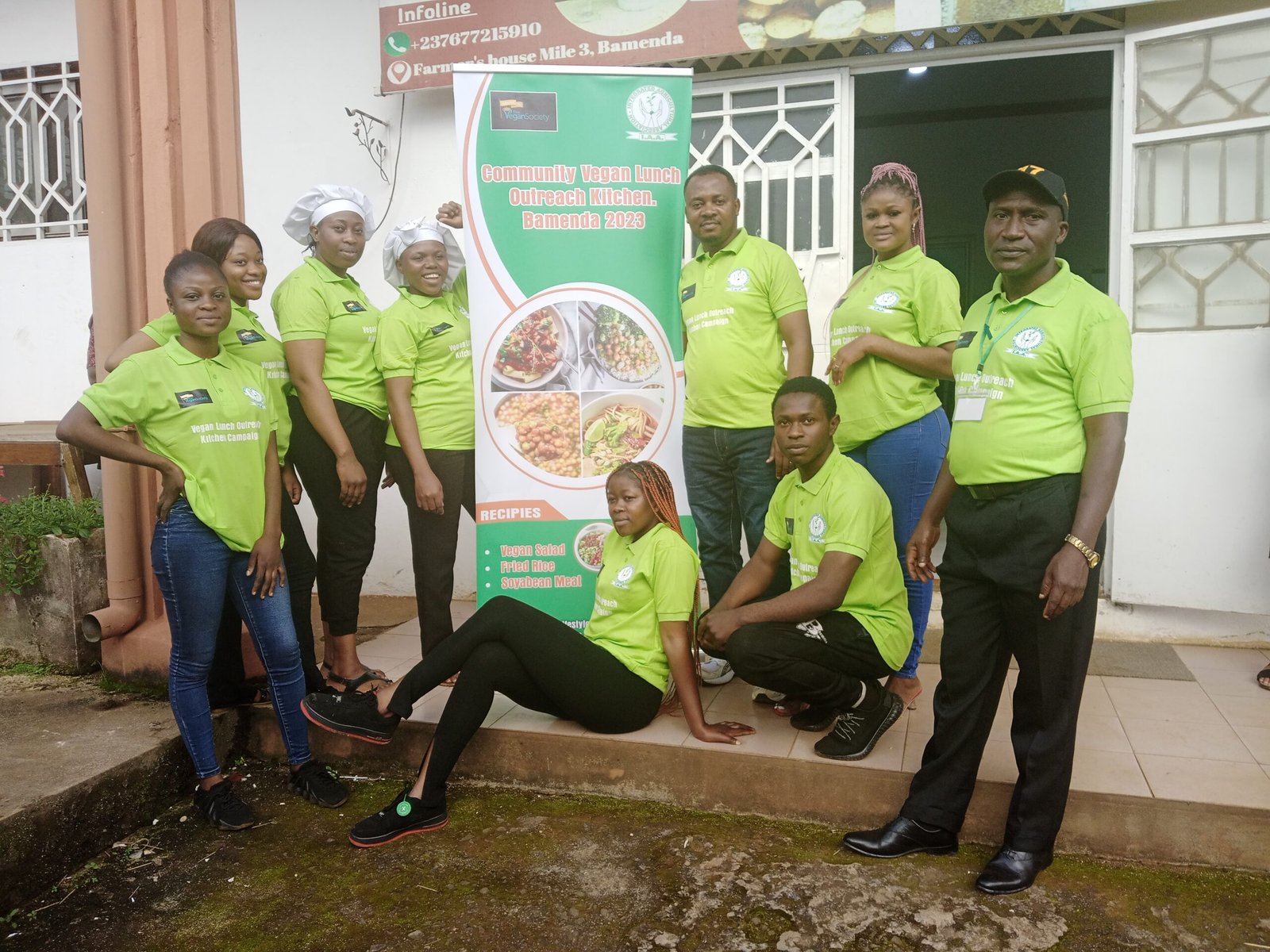
The project was designed to reduce meat consumption and farming by working with non-vegan communities in Cameroon to create awareness about veganism and the importance of plant based diet and farming, with support from the vegan society. It organized vegan advocacy workshops with heads of dormitory schools, restaurants and provided training on vegan recipes and protein, advocated for restaurants to include vegan dishes on their menu to affect public demand for meat and purchasing patterns. We also carried out a school vegan lunch campaign to expose children to veganism. The project also worked with Fulani community, carrying out vegan education and advocating for fully plant based farming and regenerative agriculture.
Community turnout was very impressive and more than 228 people have been exposed to veganism. 5 chefs trained on 3 vegan recipes and 1 trainer restaurant recruited, while 35 women trained on how to make meat out of soybean, vegan salad and fried rice. Funding and lack of knowledge about veganism was a concern because veganism is still a new concept and needs massive sensitization in Cameroon. Funding for restaurant food demo cannot be raised by the participants because we are a nonprofit organization and cannot sell food to generate profits. We will continue to create more awareness of veganism and work with trainee restaurants to expose the public to veganism by organizing regular vegan food demonstration events and including vegan recipes (dishes) on restaurant menus.”
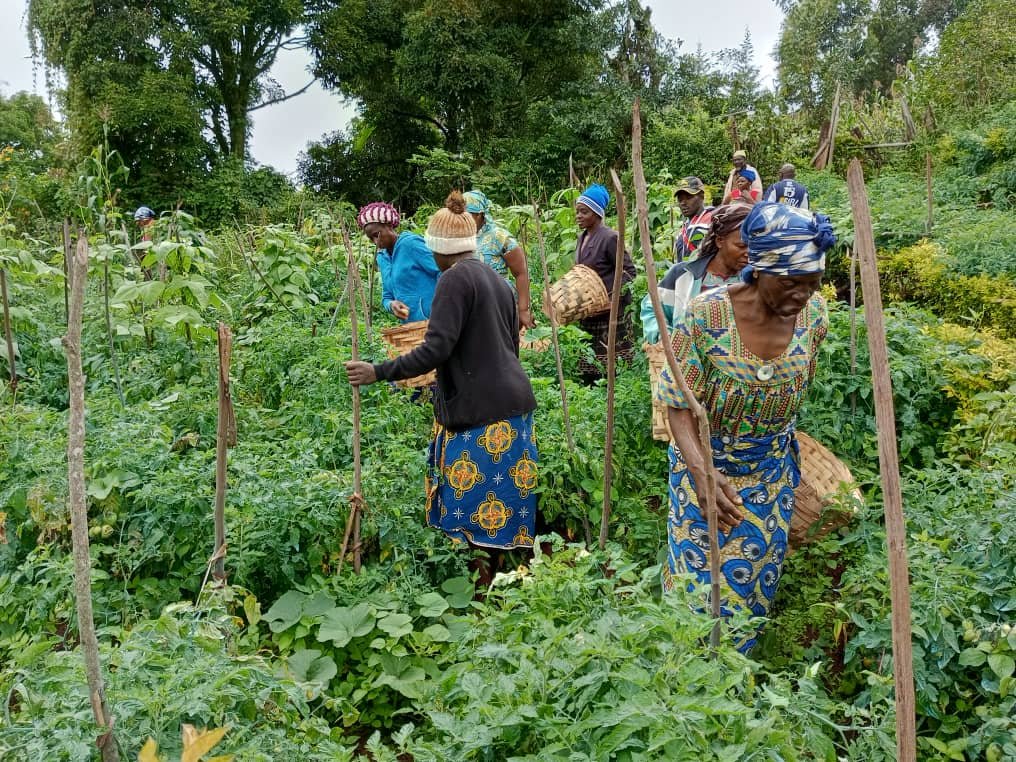
6.) VEGETABLE GARDENING, AN IMPORTANT SOURCE OF INCOME AND NUTRITION FOR LOW INCOME FAMILIES
Healthier lives and more resilient livelihoods through sustainable vegetable gardening: Integrated Agricultural Association (I.A.A) carries out experiment, builds collaboration, planting kitchen gardens and promotion activities to raise awareness of the role of vegetables for improved health and rural poverty alleviation.
Vegetables can alleviate poverty by creating new jobs and new sources of income for farmers and landless laborers, improve health by providing essential micronutrients lacking in diets, enhance learning and working capacities of adults and children through improved diets and health, and improve the sustainability of food production practices through mixed cropping. Our development work focuses on smallholder empowerment, developing and promoting safe production practices, reducing postharvest losses, and improving the nutritional value of vegetables. It increases smallholder farmer income and improve the quality of life as it is a major source of cash money for many families. Vegetable production provides an opportunity for poor rural population to come out of poverty, as it is a major source of fast income for most of the families. It generates income and jobs for smallholder farmers and landless especially the young and women. It has many advantages over most other agricultural enterprises. In 2023/2024, (IAA) distributed thousands grams of vegetable seeds in Northwest and West regions of Cameroon, which is enough to grow sufficient food rich in vitamin, minerals, energy and fibre for malnourish households and the society as a whole.
7.) COMMUNITY YOUTH MICRO ENTREPRENEURSHIP PROGRAM.
In 2019, the world experienced the COVID-19 pandemic outbreak that resulted in many businesses and institutions closing down, which meant thousands of young people lost jobs and educational opportunities in Cameroon. Lack of vocational training services and entrepreneurship opportunities for young people has the devastating potential to create a severe and prolonged economic impact. Young people have struggled with life since the COVID-19 outbreak and they need a hand that can support them through vocational training to equip them with constructive knowledge and reliable business skills. The creative abilities and livelihood skills of young people also remain low because of limited exposure to skills development opportunities and lagging behind in entrepreneurship opportunities, information and support.
The skills gap has led to high unemployment rates even at national level. 65% of Cameroonians are below 30 years while 75% still live in rural areas. The focus of this project is on Micro Entrepreneurship development for youth in order to promote self-employment because it’s projected that Cameroon will not be able to generate enough jobs for those entering the labour market during the COVID-19 pandemic and post COVID-19 recovery world. Unless young people are supported through skills development, they stand a risk of being trapped in viscous cycles of poverty yet in Cameroon, youths contribute 50% to the economy of the country.
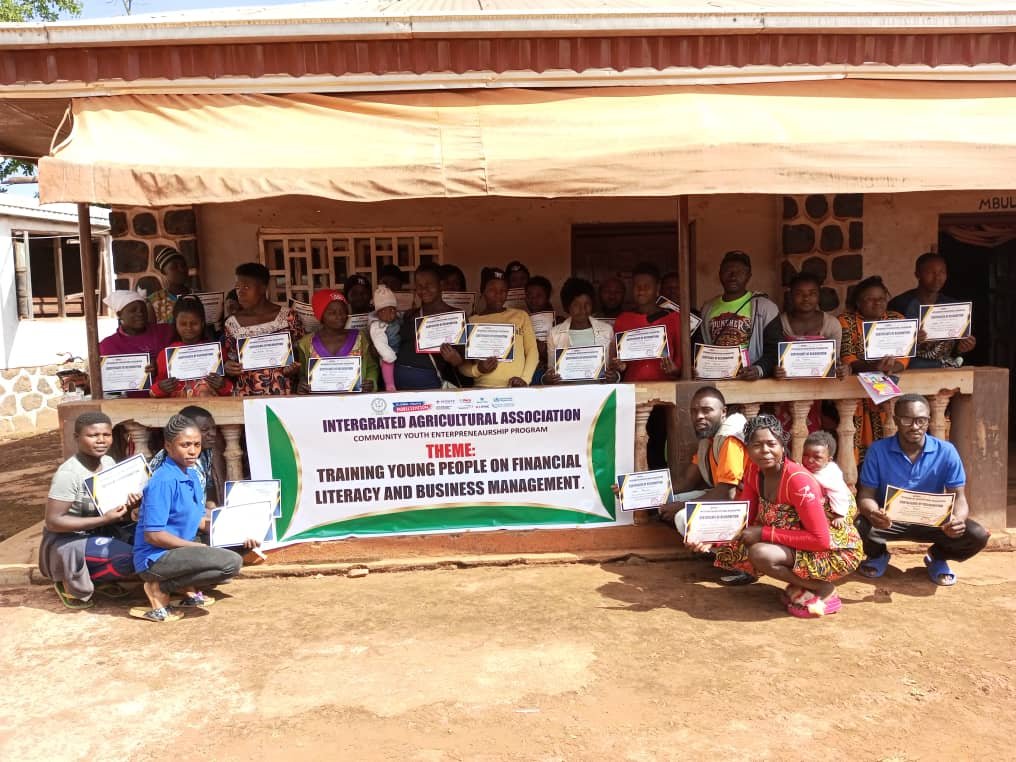
IAA implemented a project on agribusiness in 2022 with the mission to contribute to the improvement of young people’s lives through Micro Entrepreneurship and community based sustainable skills in Agriculture, with the overall aim to empower both in and out of school rural youths with Vocational Skills in agriculture/Market gardening, to keep them out of current dangers (HIV/AIDS, Early pregnancy , child/early marriage, recruitment into armed groups), Breaking the yolk of vulnerability and become responsible citizens of today and tomorrow in the society.
With support from Global Youth Mobilization, 275 youths have been trained and supported in the following areas:
Micro Business: Participants received intensive training, covering the following areas of a microbusiness common in a rural area: Steps in becoming a successful entrepreneur, Advantages and Disadvantages of micro business, How to prepare a simple business plan, sources of business funding, importance of savings in micro business, venturing into business, what does it take? loan management, record keeping and costing.
Sustainable agriculture: Participants received intensive training on sustainable vegetable gardening, Environmental management, horticulture production and marketing. The training was facilitated by a team of youth agricultural professionals that have extensive knowledge and skills in their field, agronomy and rural engineering.
8.) RISE AGAINST CHILD/EARLY MARRIAGE
Given that girls are victims of child marriage and other forms of sexual exploitation, Governments of many nations tries to delay marriage until the age of 18 years without necessarily empowering girls with the knowledge they deserve to make informed decisions about their lives and relationships. IAA implemented the project in 2021 which aimed at creating awareness about the dangers of child/early marriage and empowering young girls with skills and knowledge to advocate for themselves. With support from Global Youth Mobilization, IAA used integrated approach to help young people develop skills to challenge cultural norms and make informed choices about their bodies and sexuality.
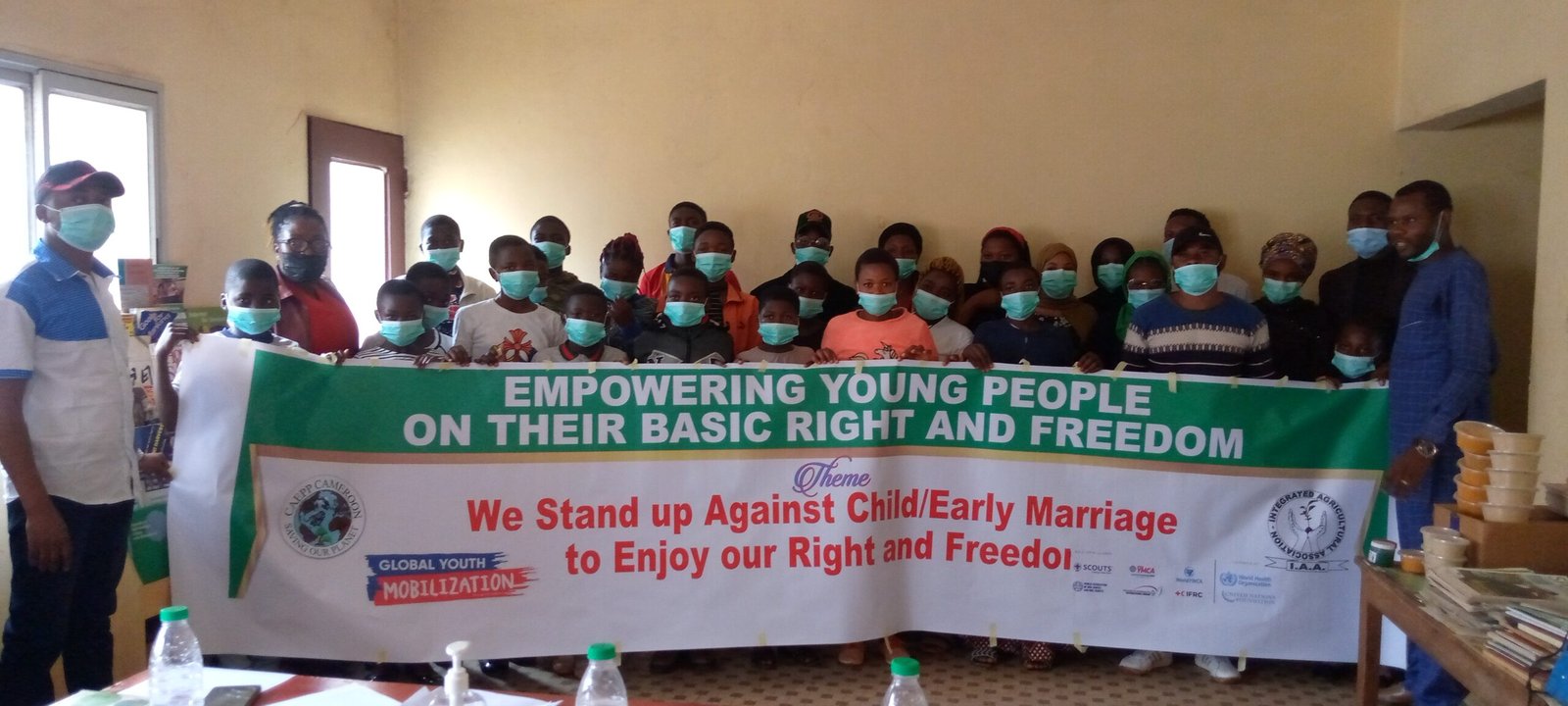
1.) Child/Early marriage and sexual abuse in Bamenda. Integrated Agricultural Association organized a series of workshops on the child/early marriage/sexual abuse. It aimed at empowering young people with skills and knowledge to challenge the physical and cultural norms that do not respect their rights and freedom. Over 750 young people between 16 and 30 years have been reached
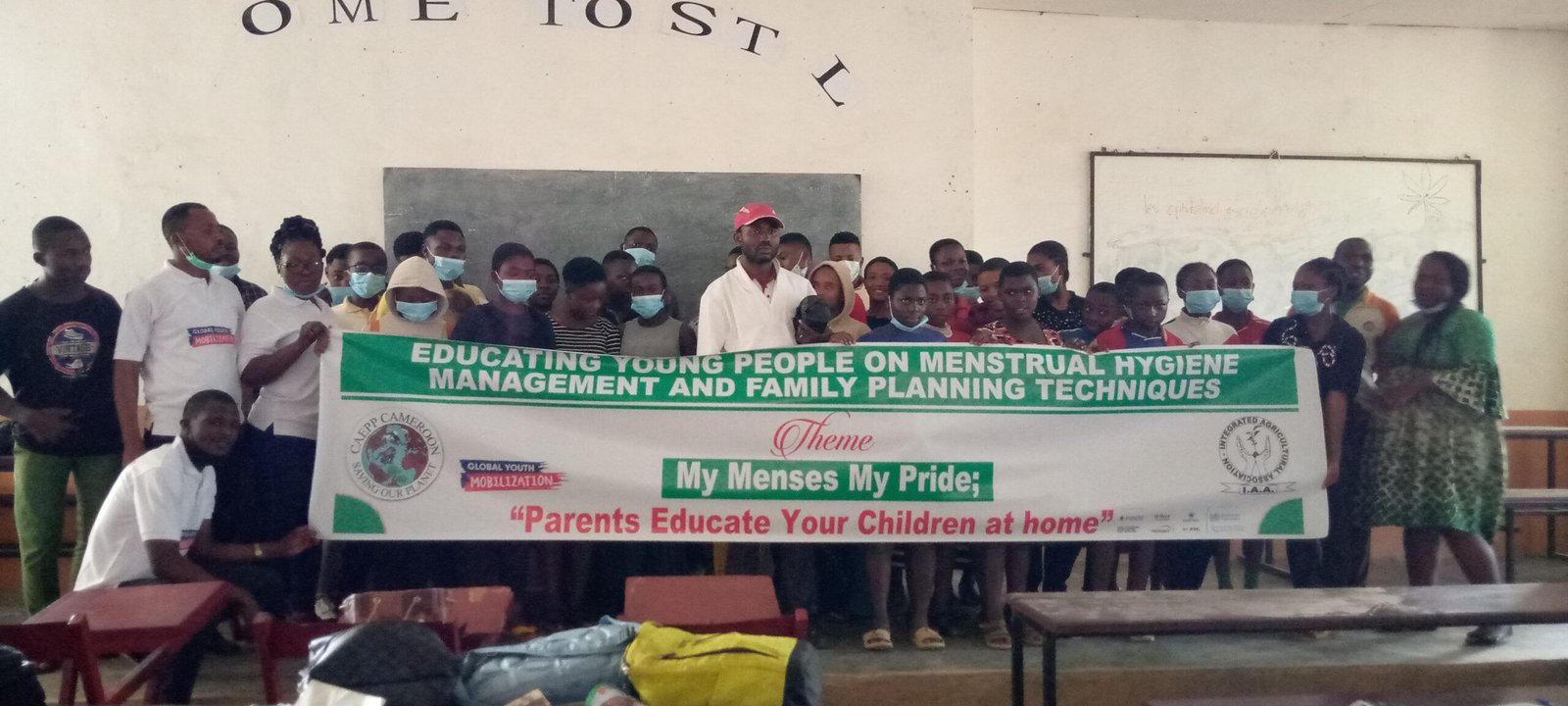
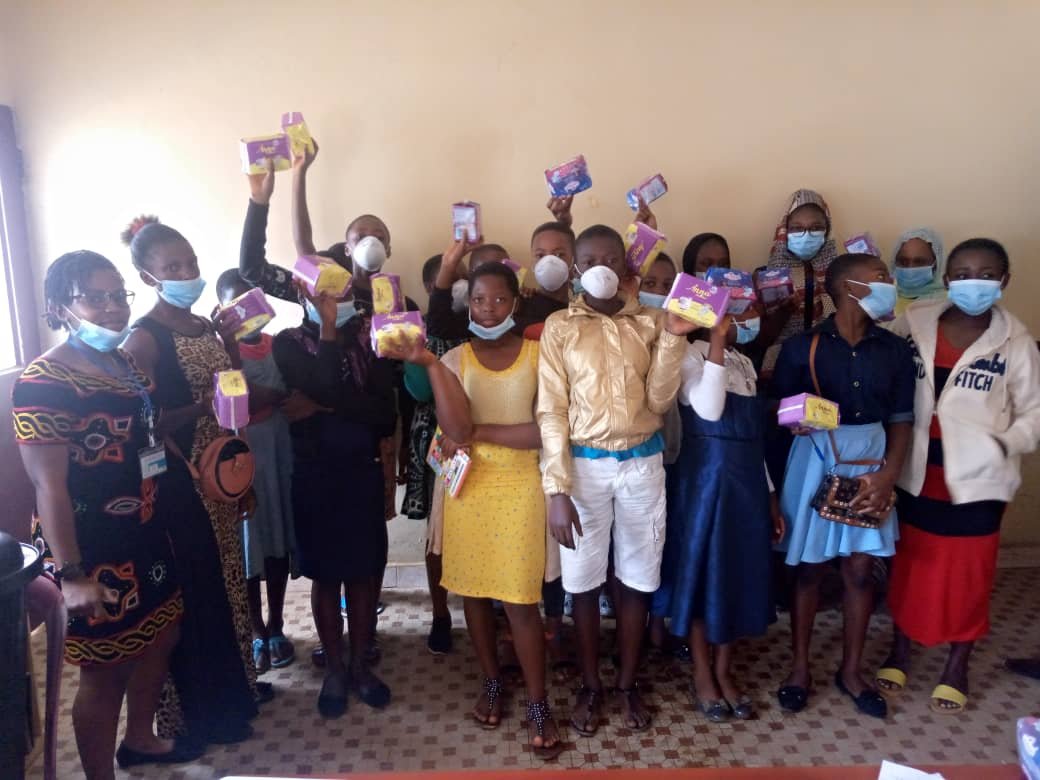
2.) Menstrual hygiene management and family planning in Bamenda. I.A.A trained and supported young people on family planning techniques, on how to make and use re-useable menstrual pads and safe sex practices in Bamenda, and given that thousands of vulnerable girls are not able to afford a packet of menstrual hygiene pads, at the current pricing, which cost at least, 1$ per pack. IAA continued to promote gender equality and fight poverty amongst the vulnerable girls by support them with tools and skills to make and use their own pads; to secure their own livelihood and reduce menstrual related stigma and trauma. IAA trained and supported over 1500 girls between 10 and 30 years, with funding from The Global Youth Mobilization. IAA also provided mental health support to children in conflict with the law at the Bamenda Central Prison, where 350 juveniles received food items, soap and COVID-19 protective equipment from IAA.
Other useful Youtube links:
https://www.iaa-africa.org/author/integrated-agricultural-association/
https://web.facebook.com/IntegratedAgriculturalAssociation
https://www.linkedin.com/company/integrated-agricultural-association/
https://www.instagram.com/iaaafrica/
Computers on the way for Mike Thomas’s schools
Working in collaboration with Youth Leading the World Sierra Leone
Address 34 Back Street Mile 91 Sierra Leone E mail itzalpha@ gmail.com
Phone +23299900645 Motto Inspire, Inform, Involve
Historic Context
Future in Our Hands Education and Development Fund were responsible for the financing of initial construction of these schools in Sierra Leone. Following several visits in 1990s and 2000s our founder Mike Thomas, working alongside the local NGO (Future in Our Hands Sierra Leone). Whose Founder Edward Kargbo became a close personal friend and organised the planning and original construction using local labour. We have since funded repairs to these schools after extreme weather events and ensured superior building standards to the initial construction. We believe in grass roots initiatives and are delighted that Alpha Kargbo ( son) carries on the humanitarian work and has been pivotal in promoting school improvement. The plan below is the latest proposed innovation to ensure an education fit for the 21st century for these 2000+ local children.
Planned Activities for 2026
Issue of concern
Sierra Leone faces major computer literacy challenges due to lack of infrastructure (electricity, internet), high costs (devices, data), limited teacher training, outdated curricula, and low overall digital skills, this is particularly true in rural areas, hindering economic participation and access to online services.
Project vision
Computer based learning is crucial for economic empowerment, bridging the digital divide for jobs, fostering entrepreneurship, improving education through global access, and enabling women to combat challenges like gender-based violence, ultimately driving personal growth and national development in an increasingly digital world. This would impact directly on more than 2000 current students and many more in the future
Outline of planned activities
Across all five local primary and secondary schools all bearing the name of the original chairman of Future in Our Hands
1. Mike Thomas Secondary School Masingbi Town Sierra Leone Northern Province Sierra Leone
2. Mike Thomas Secondary School Mile 91 Town Northern Province Sierra Leone.
3. Mike Thomas Primary School Rogbetrr Northern Province Sierra Leone.
4. Mike Thomas Primary School Mile 91 Town Northern Province Sierra Leone.
5. Mike Thomas Primary School Masingbi Town Northern Province Sierra Leone
Construction of additional buildings in all five schools
Purchase of projectors and screens for tuition
Purchasing computers for the five schools
Solar installation and battery storage to overcome the local issue of power reliability.
Teacher training
Projected costs
66,000 Leones Current exchange rate March 2026 31 New Le to the GBP so around £2000. More would obviously allow for greater numbers of computers, solar panels, back up batteries and some teacher training.
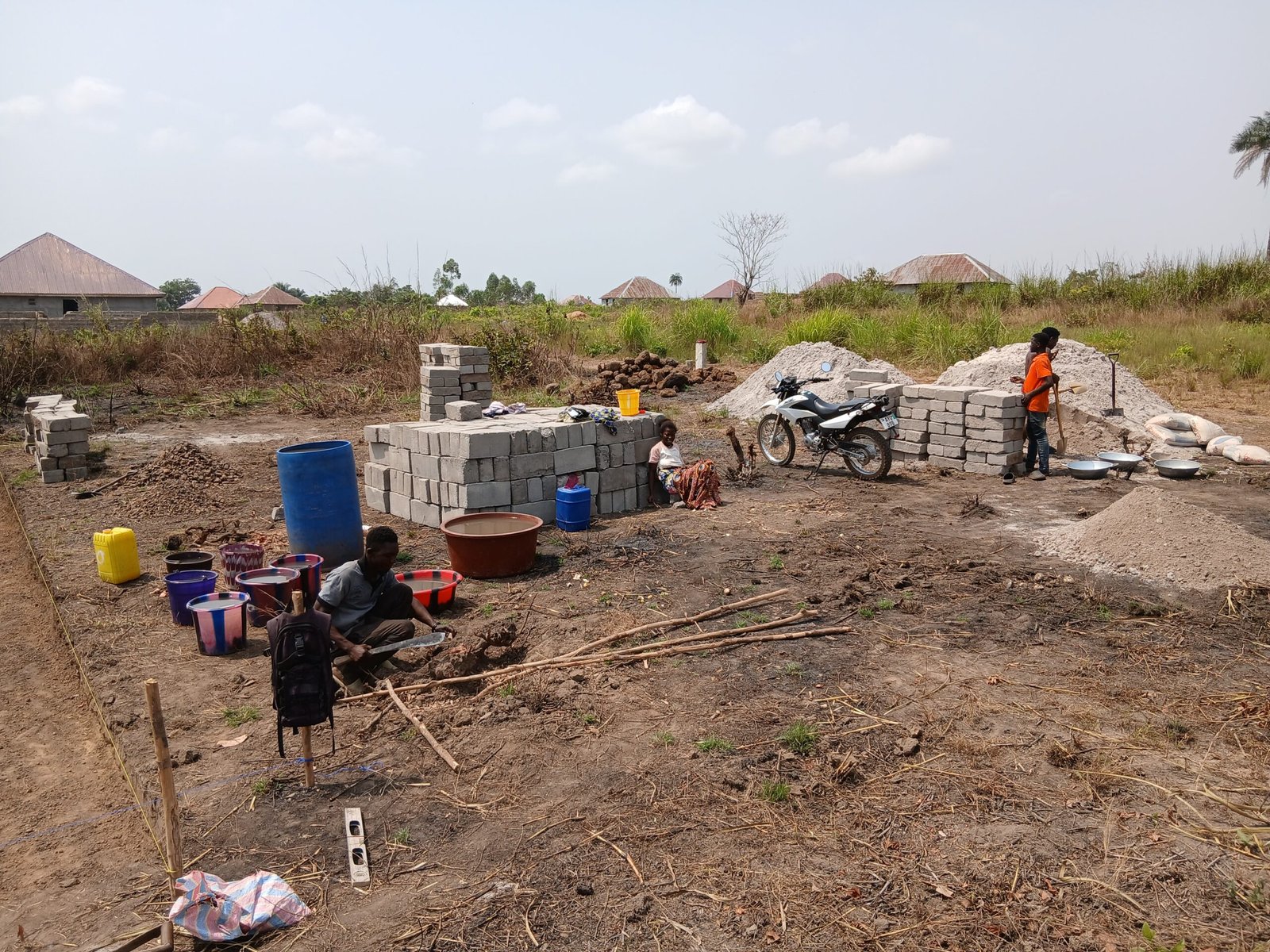
Initial plan of proposed construction
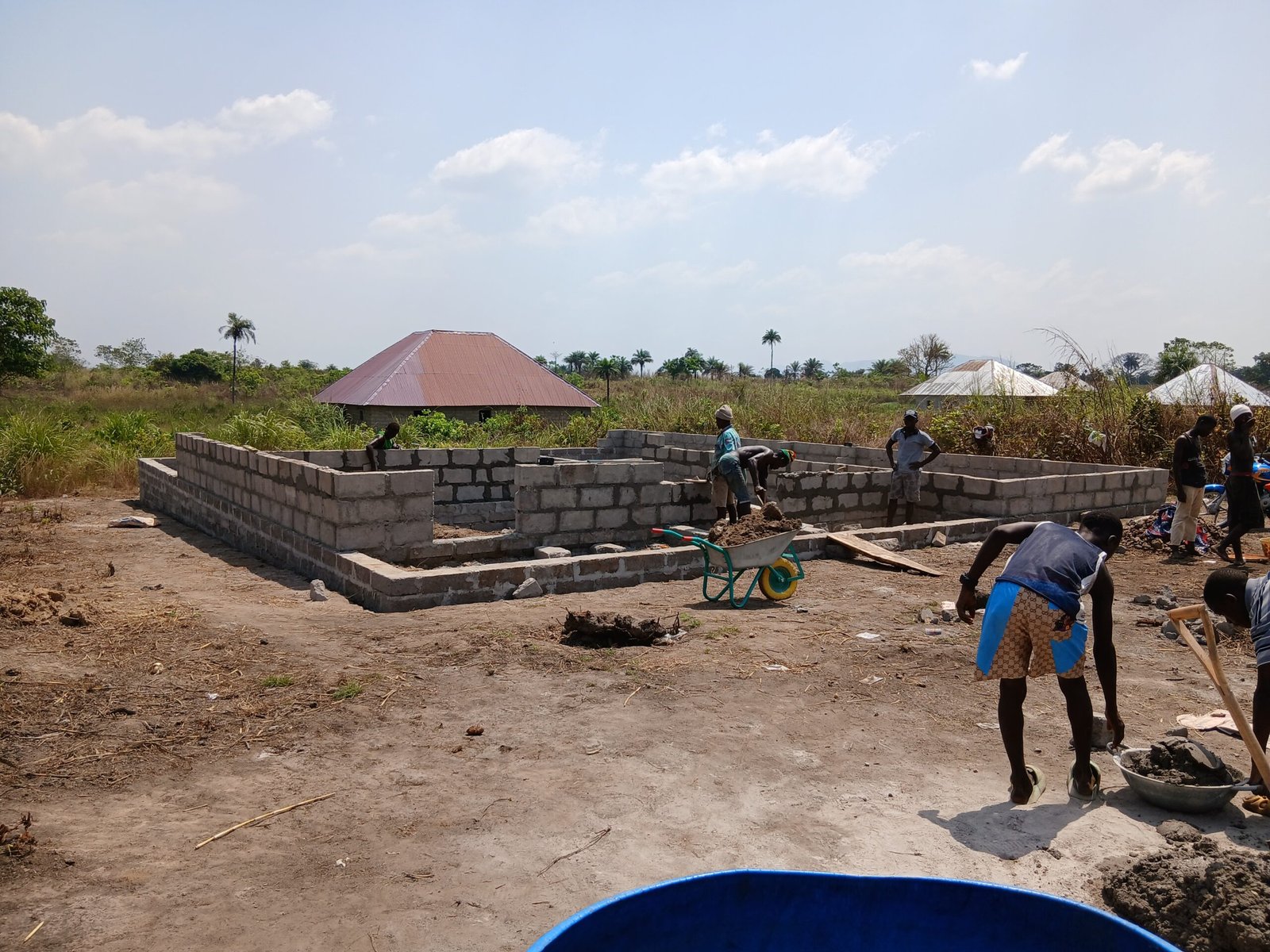
Progress on the fundamental block work
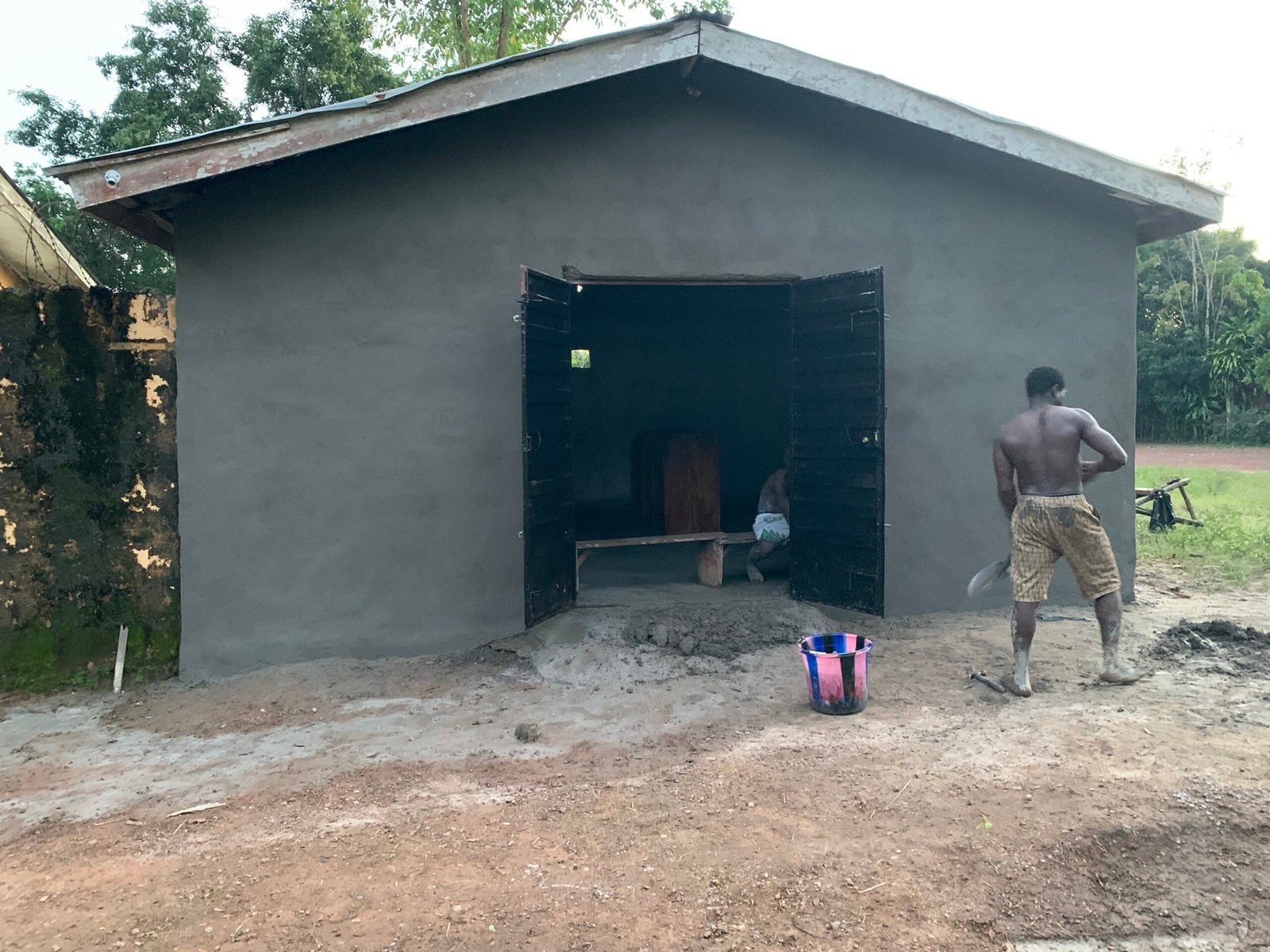
Well on the way to completion
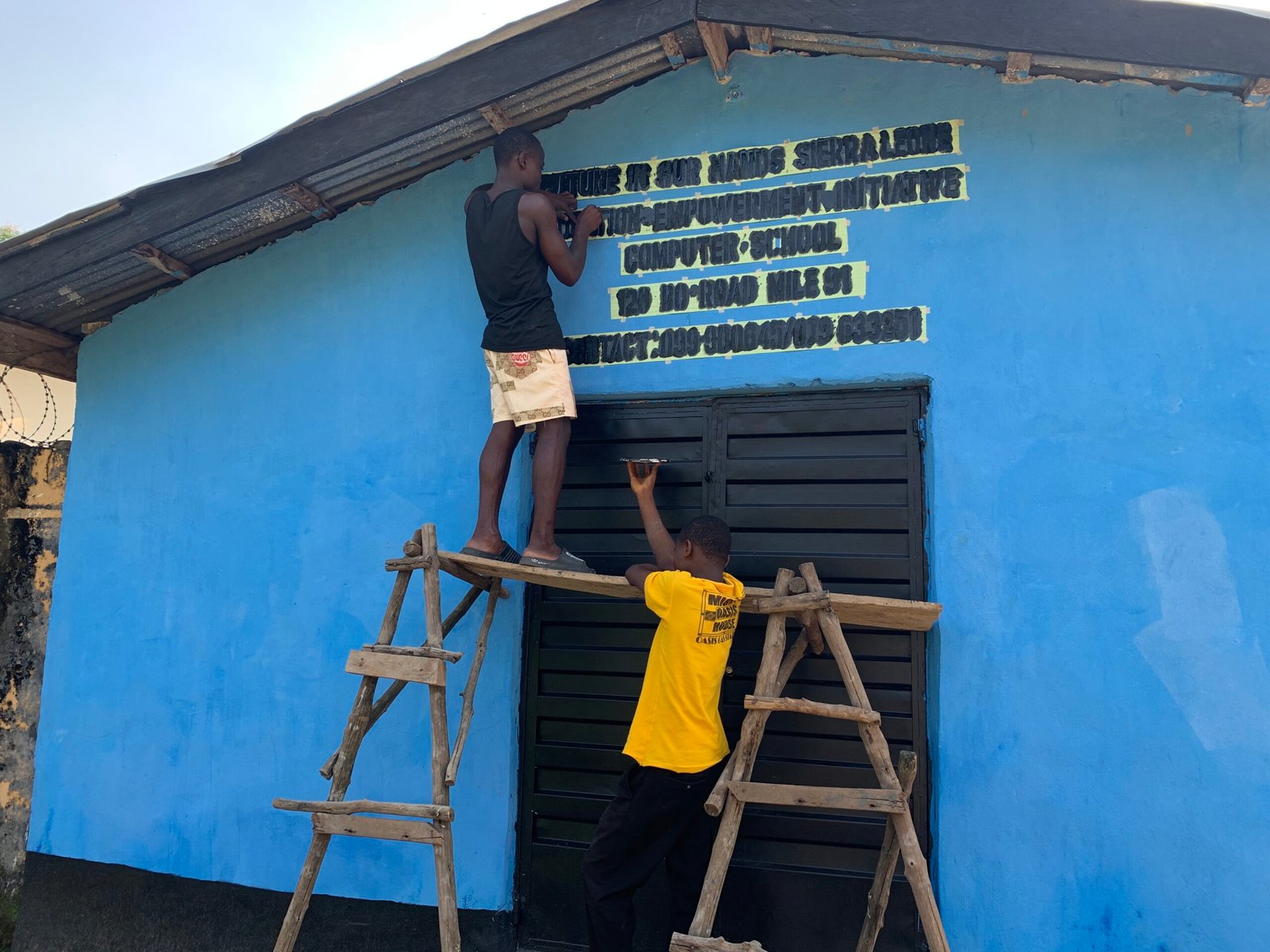
Finishing touches
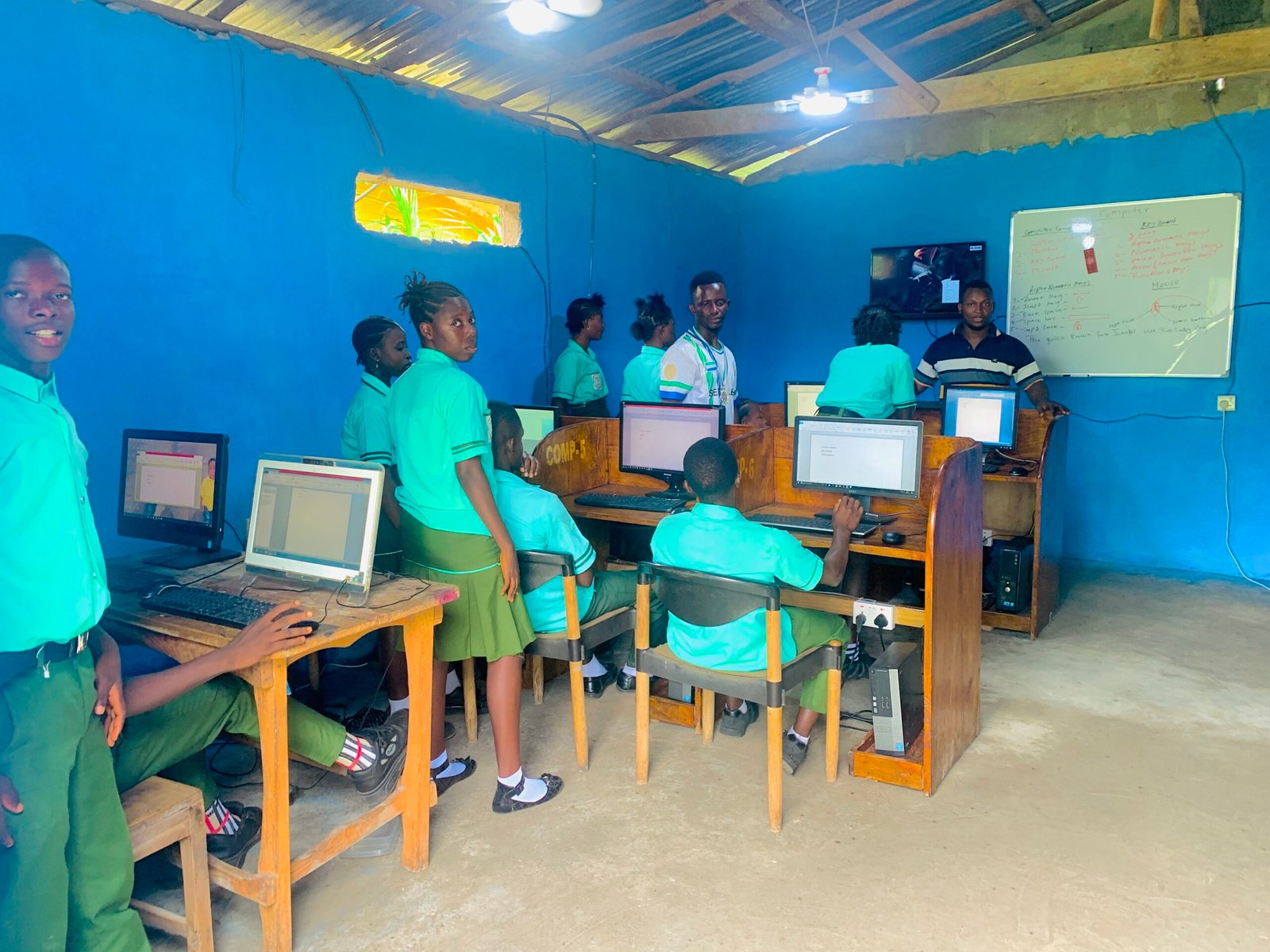
Pupil engagement and pride in the new facility
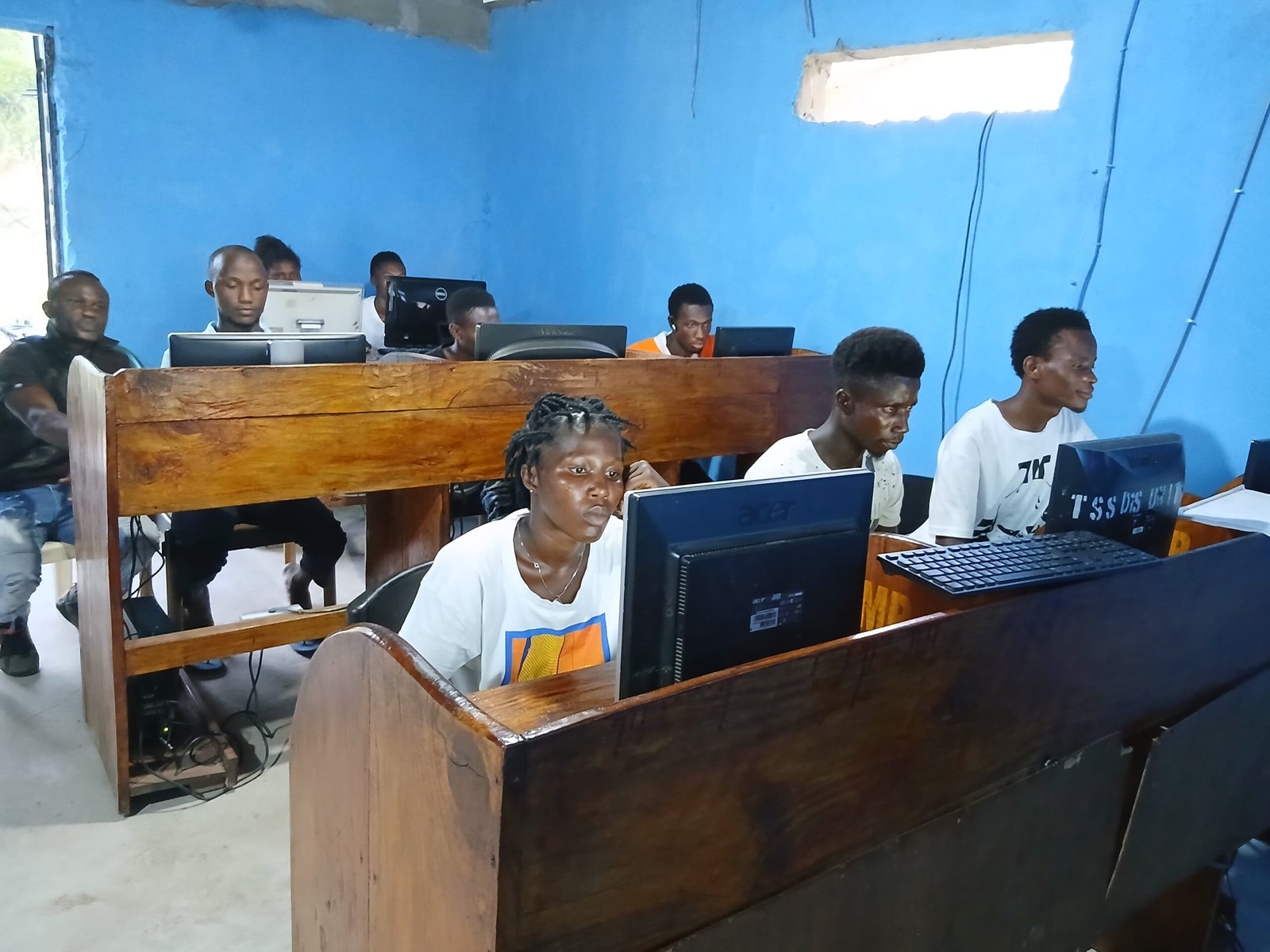
Engaged students
This was the first school equipped and fully working by the end of 2025. We seek to achieve the same in four more schools throughout 2026. If you think you can help the next generation establish the skills needed for the modern world please donate.
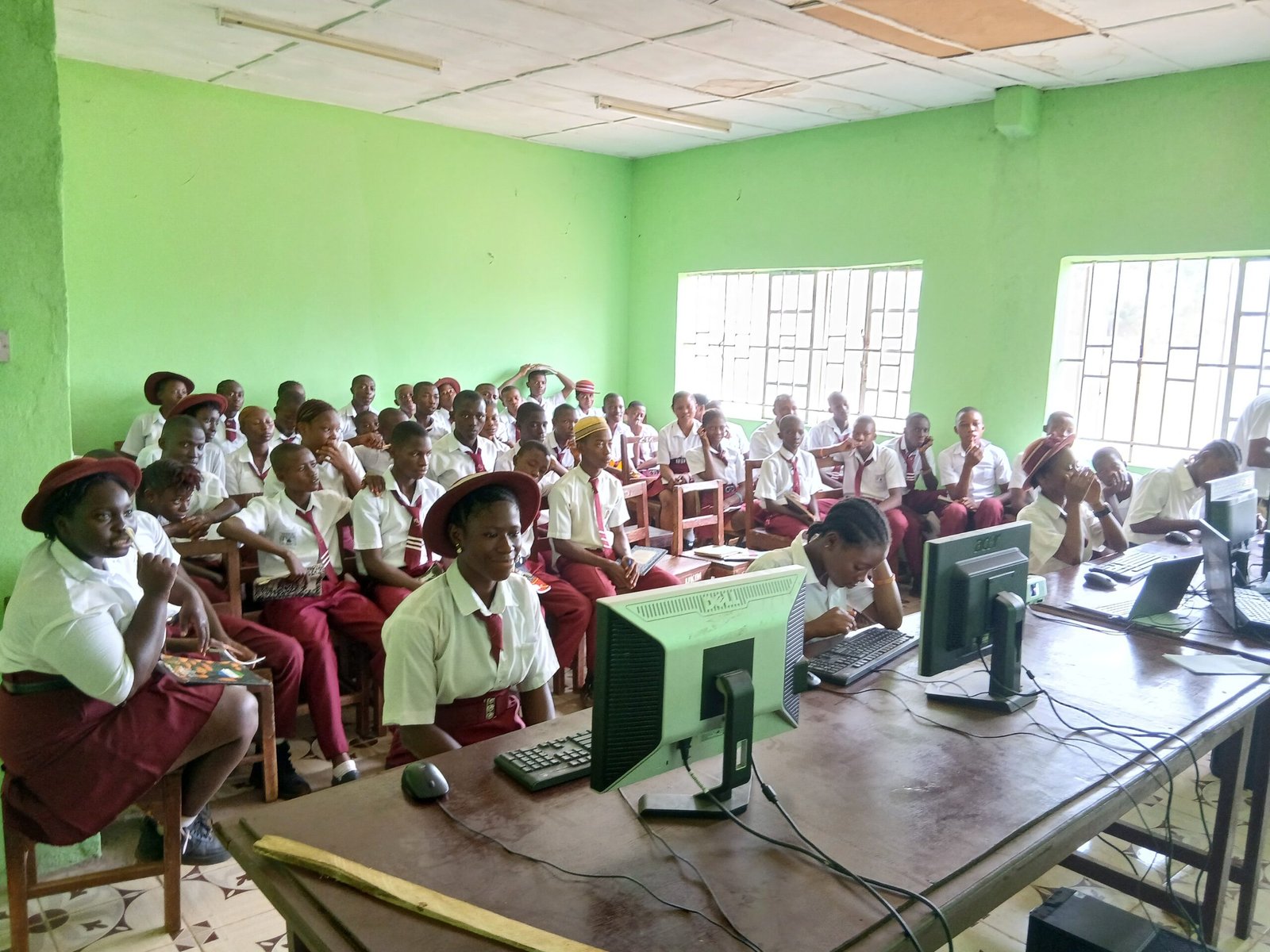
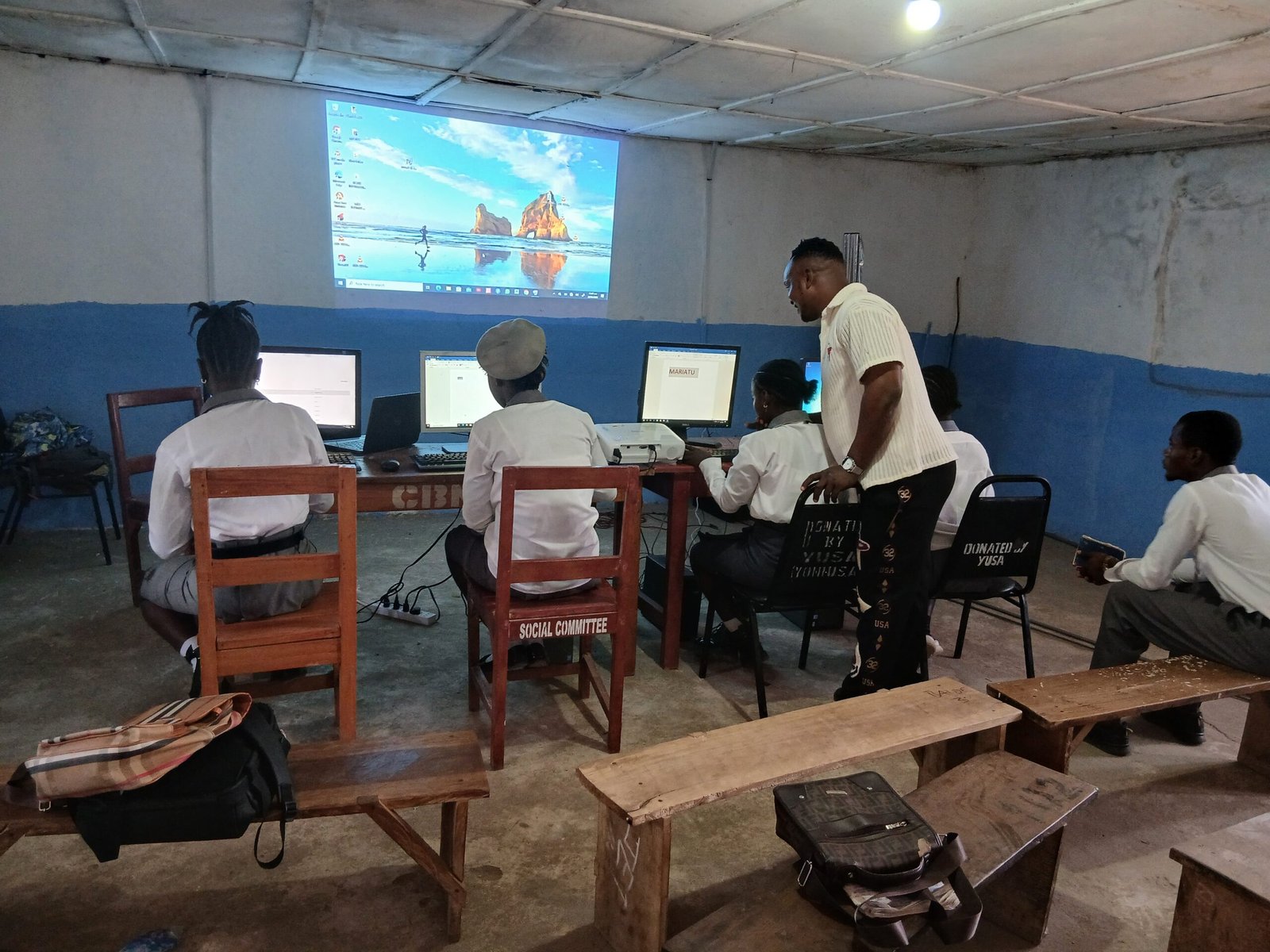
CRISIS RECOVERY PROJECT IN THE WEST REGION OF CAMEROON
Website: https://www.iaa-africa.org
Email: info@iaa-africa.org
Tel: +237652130115
1.1) BUDGET: 550GBP, YEAR: 2025
2.) BRIEF OVERVIEW
The scourge of Internal displacement has continued unabated despite international attempts to address its root causes. Ironically the so called anglophone crisis in SW and NW Cameroon has been largely ignored despite the untold misery it has caused the local people, many of whom have been displaced. The human rights of the victims of this violent insurgency have also been conveniently ignored. Questionnaires posed to those involved illustrate that the respondents live in immense fear of losing family members or being killed themselves. Moreover, they have been denied basic freedoms living in indignity with minimal access to water, food or means of subsistence. The greatest aspiration of the respondents is to simply return to their families and resume their livelihoods. The initiatives presented by IAA are an attempt to redress this unacceptable situation.
The situation began in 2014 with instability in Central African Republic which became exacerbated by the impacts of Climate change, unpredictable extremes of rainfall and resultant flooding and soil erosion compounded by unprecedented droughts. Add into the mix the rise of the terrorist sect Boko Haram and you have the perfect storm.
Presented in map form below is a situation analysis produced by UNHCR at the end of February 2025
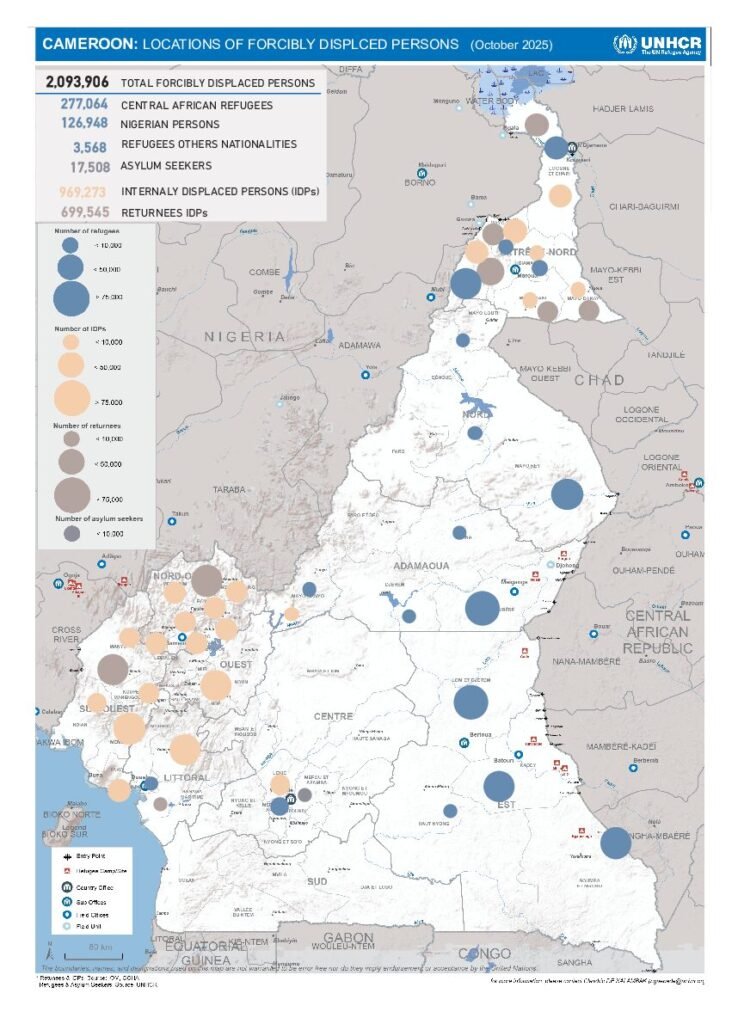
Anglophone region of Cameroon has almost 1 million IDPs to manage fleeing from civil war Oct 2025
The project aimed at addressing food shortage by empowering Internally Displaced Persons (IDP) and their host community of Foumbot through climate-smart agriculture to be able to grow vegetables during the dry season and increasingly during prolonged dry periods. We seek to end seasonal hunger and poverty, focusing activities in Mogny village of Foumbot sub-division in the West region of Cameroon.
The objective of the project was to empower and support IDPs with innovative, sustainable, affordable and locally owned approaches to improve food security and rebuild their lives, and enhance the capacity of 100 IDPs to produce a wide variety of vegetables using sustainable and environmentally-friendly technologies with integrated social ownership, management and involvement while increasing economic capacity and securing livelihoods and the planet for the future.
3.) IMPACT:
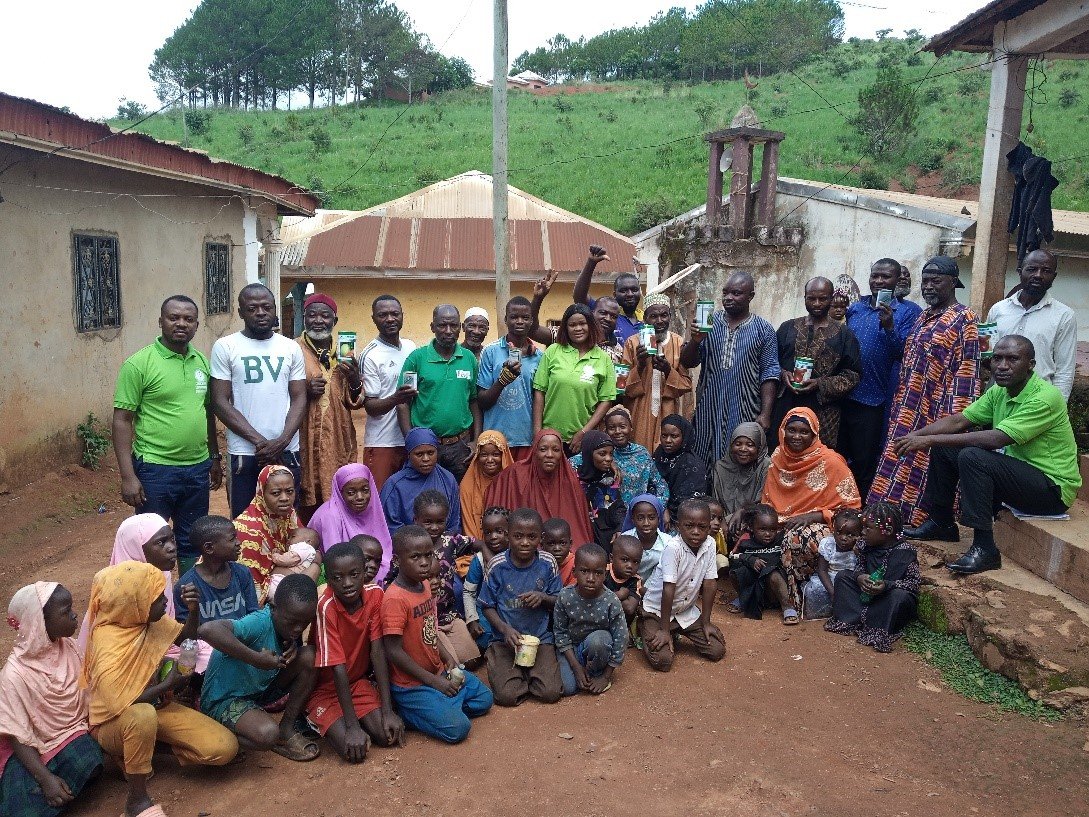
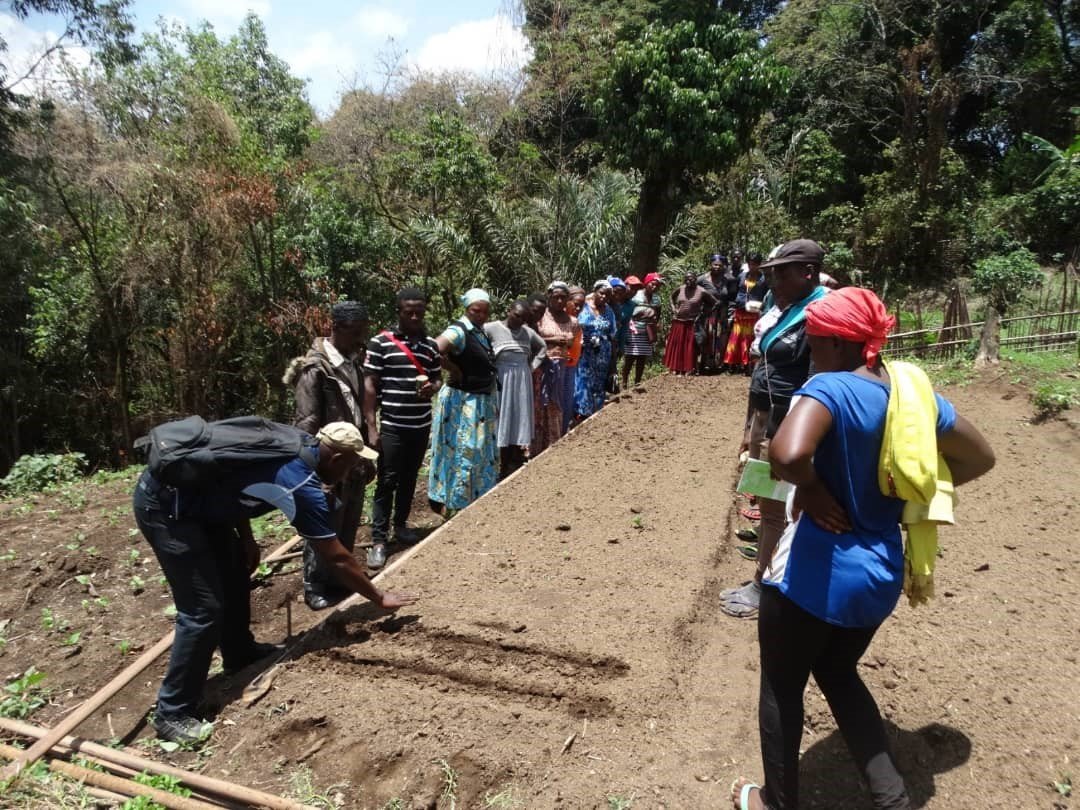
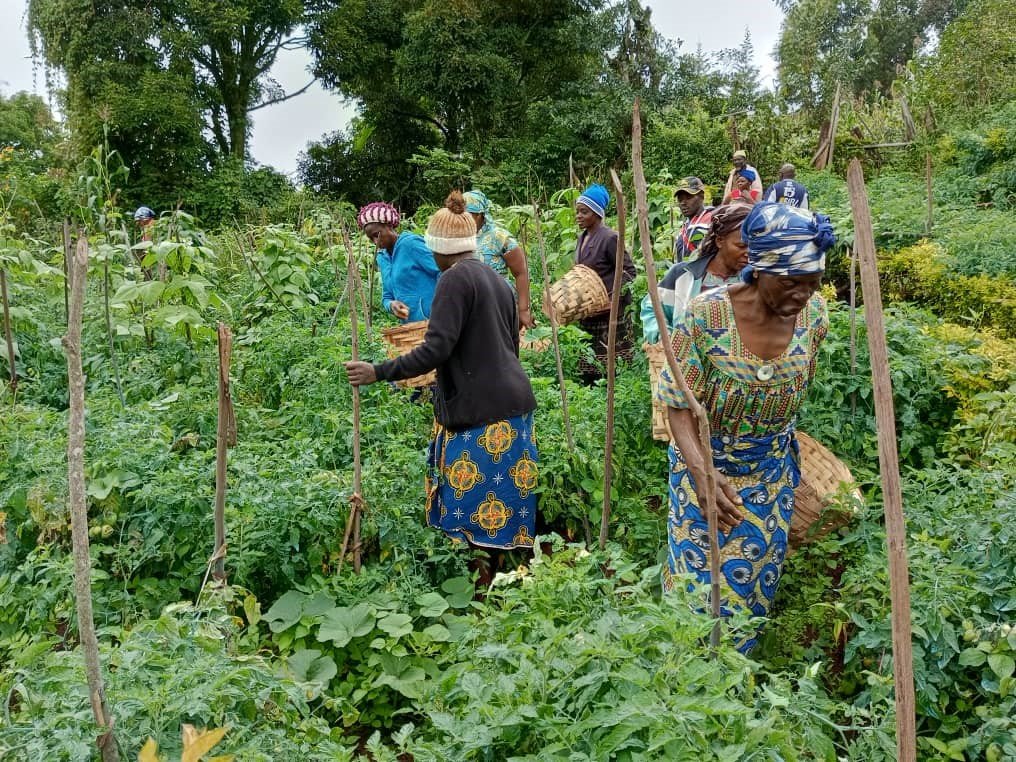
With the funding received from FIOH UK in February, 2025, Integrated Agricultural Association (I.A.A) trained diverse community members on climate-smart agriculture on topics including regenerative vegetable gardening, nutrition, water management, integrated pest management and soil health improvement. 127 people have been directly involved in training activities, with 71% women participation. 60,000 grams of huckleberry seed was donated to 120 IDPs, 500 grams per beneficiary who already had a farm plot of approximately ¼ hectare. 120 gardens were cultivated across 30 hectares of land and each garden generated approximately 1700 GBP per year for a family of 5 members which achieved larger goals including food and nutrition security, gender equality, health and wellbeing and improved livelihood for over 1000 people.
With the help of this funding, I.A.A also trained 34 trainers on climate-smart agriculture to monitor the program and continue to provide ongoing technical support and advice on best practices to smallholder farmers in the area. I.A.A also created a Huckleberry Producers Union in Mogny with current membership of 80 and the registration process is in progress. These efforts aimed at building local autonomy to sustain the project beyond the funding period.
4.) CHALLENGES:
- Inflation in local currency reduced the value of the project budget by 30% which impacted the ability to successfully distribute three different types of vegetable seeds.
- Follow up of program beneficiaries afterward was difficult due to their remote locations, no internet and network, bad roads in the rainy and dry season.
- Farmers often have to travel long distances to access inputs, extension services, or marketplaces, leading to high transaction costs and limited engagement with modern agricultural practices.
- Lack of clean drinking water and irrigation tools to boost productivity, health and nutrition.
5.) WAY FORWARD:
- I.A.A selected only huckleberry to support as many women as possible because of it economic and nutrition value and seeds can be sourced and saved locally. This decision minimized high cost on conventional seeds to focus on indigenous seeds that are locally adapted with moderate prices.
- I.A.A used private motorbikes in remote inaccessible locations and SMS to connect to participants.
- Trainers have been trained to support farmers locally and huckleberry union created to facilitate development, access to seeds, training and markets.
- I.A.A will construct and install a well with hand pump in the community, and provide smallholder farmers with irrigation kits including solar pumps to address water gaps in agriculture and household use.
6.) CONCLUSION:
Climate Change and disasters affect communities to varying degrees. Women on forced displacement and persons living with disabilities face considerable challenges in accessing help. Most disaster and conflict responses focus on short-term needs: shelter, food and medicine. While critical, this approach must be supplemented with medium-term recovery plans to rebuild lives. By working on vegetable-growing programs for crisis relief, IAA aims to bring stability to the lives of the internally displaced persons (IDPs) and empower the most vulnerable to enable sustainable and resilient livelihoods that are self-sufficient and not dependent on aid.
I extend my sincere gratitude to FIOH for supporting me and my team in this incredible mission which I so much have passion and enjoy doing while inspiring others in the same and similar fields.
DUNGRILA PASCAL MBIMENYUY; TEAM LEADER
The Future in Our Hands Education and Development fund achieves a significant milestone
Future in Our Hands Education and Development Fund having been established by founder Mike Thomas in 1995 is just reaching its 30th anniversary this year. We would like to thank all our regular donors and helpers for their selfless support over this time period.
As treasurer, I have trawled through our detailed accounts and aggregated all of our past donations. What began in the 1990’s, as a grant of £20 to test the water has grown into multiple affiliated NGOs across Africa and India. The incredible final total raised and donated stands at £548,748. All of this fundraising has gone to the most marginalized and deserving of causes and is far beyond our expectations at the outset. Who would have believed that a small official UK registered charity, administered from a small front room in Swindon, would issue grants way in excess of half a million pounds.
The list of individual beneficiaries must run to tens of thousands as our grants have been able to transform lives and livelihoods. Our updated website fiohnetwork.org illustrates a detailed archive of our work and highlights a network of organizations which share the same ethos. We have always encouraged individuals and non governmental organizations who share our ideas of a bottom up grassroots approach to solving problems of development.
Our goal is to help some of the poorest and most marginalized people in the world by empowering them and their local communities to find sustainable ways to overcome poverty, raise ecological and environmental awareness and create lasting just and equitable social change.
- Reafforestation schemes developing tree nurseries of millions of indigenous trees
- Built and continue to fund a medical clinic for disabled children
- Support the education of orphaned street children in India
- Assisted displaced persons from Civil wars
- Built and developed 5 schools in Sierra Leone
- Responded to climate induced emergencies in India and Pakistan
- Supported educational programmes of sustainability Cameroon and Sierra Leone
- Helped fund Integrated Organic Agricultural Development
- Promoting gender equality through womens’ banking cooperatives
- One of our partners even achieving U.N. Equator Prize award recognition
- Supported Youth Leading the world in Sierra Leone
- Encourage effective networking between organizations
Helping women fleeing from civil conflict in the NW Region
HELPING poor women in the Cameroon.
FUTURE in OUR HANDS UK is supporting the work of SHUMAS (STRATEGIC HUMANITARIAN SERVICES ) in Cameroon
who are providing psychological support, shelter and livelihood improvement to internally displaced women and girls in Douala exposed to prostitution and abuse.
In 2016 the political crisis in the NW and SW regions caused 573,900 internally displaced people to leave their homes and seek refuge elsewhere. The Non—State Armed groups forced schools to close as a war weapon and students to drop out of schools.
A SHUMAS survey emphasised the need for improved living conditions, psychological support to improve mental health to girls and women exposed to violence and other chronic adversities to enable them to reintegrate into society by improving access to emergency relief shelter, WASH items (water, soap, hygiene) and mattresses. 50 vulnerable families were identified for support, including the provision of alternative income source through training in business management and supporting to enable them to set up their own businesses.
How has FUTURE IN OUR HANDS helped?
A donation sent to SHUMAS in October 2021 was used to buy 50 mattress which were delivered from Bamenda in the NW to Douala and delivered to 50 vulnerable households with a total of 230 individuals (10 elderly women, 146 children, 74 adults and 3 people with disabilities) benefitting. If you would like to help expand this project a donation would be much appreciated.


Please support the work of the Future in Our Hands Education and Development Fund whose aim is to help and empower some of the world’s poorest and most marginalised people by:
- UK residents can provide long term support by downloading and completing the FIOH FUND DONATION FORM and sending to the address shown on the form:
- Direct grant to the charity’s bank account or by cheque to:
 Bank account details:
Co-operative Bank
IBAN: GB07CPBK08929965050707
BIC: CPBKGB22
Cheques should be made payable to the
Future in Our Hands E&D Fund
—————————————————————————-
Fundraising to help the work of the charities would be greatly appreciated
—————————————————————————-
CAMGEW AWARDED THE EQUATOR PRIZE
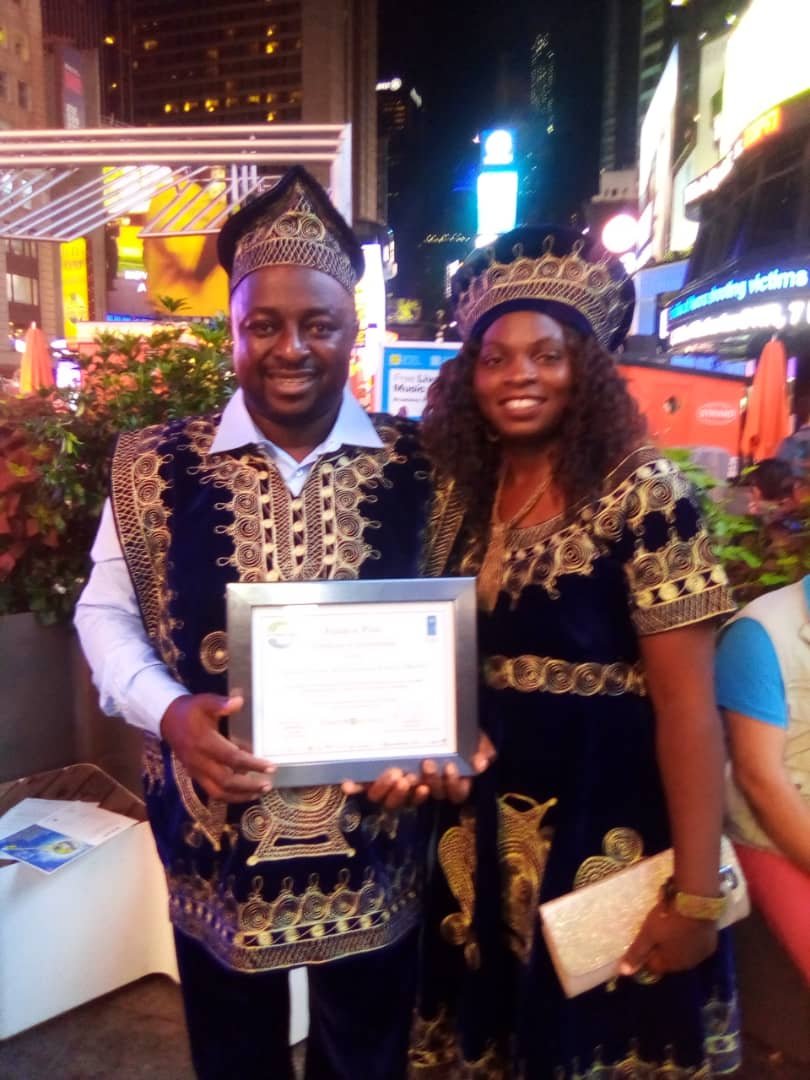
Cameroon Gender and Environment Watch was one of the 21 non-government organisations from around the world to be awarded the Equator Prize.

Created in 2007, Cameron Gender and Environment Watch (CAMGEW) brings together women’s empowerment, community livelihoods, and ecology to address environmental challenges in northwestern Cameroon. Recognizing that local livelihoods are deeply integrated with the health of local ecosystems, the group has planted 75,000 bee-loving African cherry trees (Prunus Africana) in degraded areas of Kilum-Ijim Forest to serve as a carbon sink and protect key watersheds. At the same time, they have trained over 1,000 bee farmers in honey production for market, while a complementary programme has trained 772 farmers on agroforestry to bolster soil health and provide alternative firewood sources. To empower women farmers, CAMGEW offers both business training and microloans through a programme that has, to date, trained 1,580 women and provided 1,325 loans. In a time of ongoing conflict in Cameroon, the organization has made a powerful impact on the health of local ecosystems and the well-being of local communities.
Key Facts
Equator Prize Winner: 2019
Founded: 2007
Location: North West Region, Cameroon
Ecosystem: Forests, Mountains

Please support the work of the Future in Our Hands Education and Development Fund whose aim is to help and empower some of the world’s poorest and most marginalised people by:
- UK residents can provide long term support by completing the FIOH FUND DONATION FORM and sending to the address shown on the form:
- Direct grant to the charity’s bank account or by cheque to: Bank account details:
Co-operative Bank
IBAN: GB07CPBK08929965050707
BIC: CPBKGB22
Cheques should be made payable to the
Future in Our Hands E&D Fund
—————————————————————————-
Fundraising to help the work of the charities would be greatly appreciated