
Future in Our Hands Kenya activities 2016
FIOH-KENYA REPORT – 2016
- WOMEN CREDIT UNION: The women have been going on well with their loaning program. The money received from Ebay boosted their kitty very well. The capacity building workshop held for the women groups has really motivated them and the results can be seen from their return reports.
- THE YOUTH GROUP: The poultry project by Usoma Shiners youth group is still stable. The group now has 500 hens . This project was co–funded through FIOH-USA in 2013. The group plans to venture into fish farming by putting up a fish pond along Lake Victoria so as to preserve the rare species that are facing extinction due to use of poor fishing methods.
- THE COW PROJECT: This is known as the Poor Man’s Bank Initiative whereby we fund women groups to purchase dairy cows that they can easily manage and take care of. They are taught to use the wastes from the cow to practice organic farming in their gardens so as to help in nutrition. The little money they get from sale of milk is used for subsistence. So far, two groups have been funded and we have proposal for 4 more groups.
- WELLS: The latest well in Wathorego Kibos is complete and is serving the residents well. All the other wells are in good working condition. The well was donated by a volunteer from USA at a cost of $3000. It serves approximately 300 households in this village with an average of 6 people per household. FIOH- K has identified 3 more villages that are in dire need of water i.e Mawego village, Seme Village and Alego. Both Geological and hydrological surveys have been carried out . We are looking for sponsors or donors to fund these projects. The wells that have been dug through donation from FIOH-USA have reached 20 in number.
5.TREE NURSERY: Due to the effect of global warming,
deforestation is rate is alarming. We have started a campaign
for reforestation in Kisumu County .We envisage to start tree
seedling nurseries in each of the 7 sub counties of Kisumu in
order to create awareness on importance of trees. It has not
rained since May. Even the long rains of April and May which
is normally used for planting season failed that people are
facing starvation. A proposal for this too is ready and has been
sent several organizations with no response yet.We are looking
for partners towards this endeavour.
- COMMUNITY LIBRARY AND RESOURCE CENTER:
It was Rom’s wish and dream to have a community Library
and resource center in Usoma village where he taught for his
entire teaching career. This he said would stump out illiteracy
and create awareness among the vulnerable people in the
village. Land has been donated for this, and a proposal ready
for the same. We haven’t submitted the proposal to any
organization.
Our main partner is still FIOH-USA which primarily funds the
orphans education program and HIV and AIDS program.
Their resources are limited as they too depend on donors.
We are very much in contact with Sr.Linda and she visited for
2 months this year with another volunteer.
Paul Odhiambo, Co-ordinator.


Follow us on Facebook:
www.facebook.com/fiohfund
Follow us on Twitter:
twitter.com/fiohnet
Please share our links with your friends to help us reach a wider audience.
Centre for Community Regeneration and Development
ACTIVITY UPDATE AUG 2016
Education for sustainable development through sports in schools
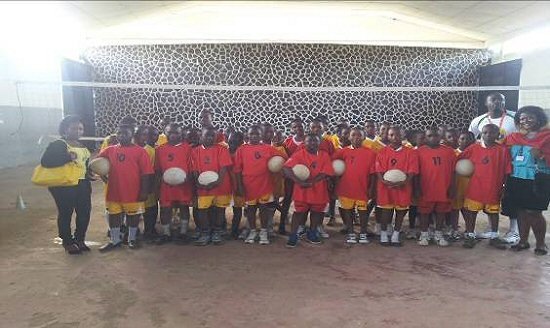 CCREAD-Cameroon in continuation of its Education for Sustainable Development Programme, has mobilized more than 300 children and youths through environmental and conservation leadership camps, with sports as a uniting factor, to educate the children on climate change mitigation and adaptation, sustainable development goals, biodiversity conservation, sexuality and family planning, human rights, leadership and good governance. We need more volunteers for this ongoing programme.
ICT for development programme for youths within poor communities


CCREAD has set up a free ICT daily training unit which serves children, women and youths from extremely poor countries to gain generational skills on computer and ICT skills for development. The facility also trains students daily who are enrolled in schools without computer laboratories so they can be able to take official examinations in computer sciences. This project needs more trainers and those who can support to buy more computers, a projector and more desks for trainees.
Sexual and reproductive health rights education for abandoned teenage and single mothers
 CCREAD volunteers are currently organizing weekly workshops for 25 single and teenage mothers on sexual and reproductive health rights. The aim is to educate teenage mothers to stay away from sexual and different forms of gender base violence, organizing them into action groups and linking them up with mentors for social and economic empowerment.
Supporting women and widows living with disabilities
 CCREAD is currently supporting unmarried women with children living with disabilities and who are not employed through granting of micro financial support to start small micro enterprises which will enable them take care of themselves, send their children to school and meet their health needs. We have identified a total of 320 of such women with pressing needs and have been able to assist 15 of them already. We need more people to help this initiative.
To support any of these ongoing projects, kindly drop an email to: projects@ccreadcameroon.org


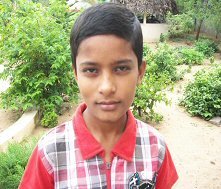
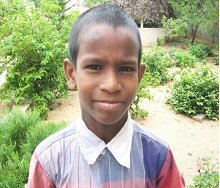
Images – Children helped by HEARTS in India


Follow us on Facebook:
www.facebook.com/fiohfund
Follow us on Twitter:
twitter.com/fiohnet
Please share our links with your friends to help us reach a wider audience.
Children helped by the work of HEARTS – case studies
CASE STUDIES
 Child Name: Jagadeesh Babu Jonnalagadda
Class studying: Polytechnic final year (pre-engineering – 3 years course)
Age: 17 years
Family background: His parents died from HIV/AIDS when he was six years old. He has two elder sisters and an elder brother. Three of them are married and working. His brother used to come to see Jagadeesh but stopped coming since he got married. Jagadeesh doesn’t like the family because they don’t care for him. They don’t even invite him for vacations. Hence he likes to stay in the children’s home even for holidays. Considering his family background, we had to keep him in the home and send to college.
Education progress 2016: Jagadeesh is about to complete year 3 in Polytechnic after successfully securing ‘A’ grade in 10th class final exams. He has joined in Bapatla Polytechnic College in Mechanical branch which is a three years course. In these three years of Diploma, he obtained 95% marks. After completion of three years, he is eligible to upgrade to Engineering 2nd year or to get a job.
Hobbies / other activities:
- He likes drawing, reading, dancing and outdoor games like cricket, kabadi and volleyball.
- In the High School, he won several certificates in Drawing competitions and essay writings.
In the home, as a senior boy, Jagadeesh helps other boys in getting ready to school and related activities.
—————————————————————
 Child Name: Sampath Kumar Guntur
Class studying: 10th class
Age: 15 years
Family background: Sampath’s parents died of Jaundice seven years ago. He has an elder sister and an elder brother. His sister is married and working in a cloth shop. His brother also recently married and is working as a Barber since they belong to this particular community. His grandfather died of a heart attack last year. He used to be visited by a distant uncle who is working in a bank but he got transferred to a neighbouring district hence he could not come to visit Sampath anymore. His sister never comes to see him. His brother and an aunt come to see him occasionally.
Education progress 2016: Sampath passed 9th class in ‘B’ grade in final exams. He is an average student but trying hard to improve for the next class. He goes to Municipal High School in the town by a bicycle provided by Hearts. This year he will come to 10th class which is a public examination.
Hobbies / other activities:
- He likes drawing, dancing and games like kabadi, carom board and cricket.
- In the school he received a certificate and dictionary for the participation of planting trees.
————————————————————–
 Child Name: Bhagya Laxmi Manchala
Class studying: 9th class
Age: 14 years
Family background: Bhagya Laxmi’s father left the house and mother died of Cancer when she was a small girl. In the family they are four girls and one boy. She and her brother Bala Krishna are staying in the children’s home. Considering their family circumstances, Hearts agreed to look after them both. One of the elder sisters is married and died last year. Bhagya Laxmi is visited by her two sisters whenever they can. They go to work for their living. In the recent floods, their house collapsed. At present her sisters are living in a small hut which was built with donations from the community.
Education progress 2016: She has passed 8th class in ‘A+’ grade in the final exams. In the units and half yearly exams she scored from 95% to 98% marks. Bhagya Laxmi is a brilliant student in the entire class. This year she will be studying English.
Hobbies / other activities:
- She likes reading, drawing, dancing and games like skipping, coco and badmington.
- In the school she won several prizes for studies in ‘A’ grade, essay writings and talent competitions.
—————————————————————
 Child Name: Bala Krishna Manchala
Class studying: 9th class
Age: 15 years
Family background: Bala Krishna’s father left the house and mother died of cancer when he was a small boy. In the family they are four girls and one boy. He and his sister Bhagya Laxmi are staying in the children’s home. Considering their family circumstances Hearts agreed to look after them both. One of the elder sisters is married and died last year. Bala Krishna is visited by their two sisters whenever they can. They go to work for their living. In the recent floods, their house is collapsed. At present their sisters are living in a small hut which was built with donations from the community.
Education progress 2016: He has passed 8th class in ‘A’ grade in the final exams. He studies well but due to his interest in sports he got less marks in the units and half yearly exams. This year for class 9th he will be going to high school in the town. He will also be studying English.
Hobbies / other activities:
- He likes drawing, dancing and games like cricket and kabadi.
- In the school he won several prizes for sports and cultural activities.
- In the children’s home he performs well in any drama or cultural programmes.
- He is a helping hand for other children in the home.
————————————————————–
Child Name: Dinesh Kandiyar
Class studying: Degree 1st year
Age: 16 years
Family background: Dinesh’s father left the house nearly 10 years ago. His mother runs a small Tiffin centre left by the father. The family came to know that the father died of tuberculosis last year. Dinesh has an elder brother who is working and a twin sister who has at present discontinued studies. She used to stay in the children’s home but left because her mother wanted her to work.
Dinesh is visited by the mother and brother occasionally.
Education progress 2016: He has passed Intermediate and scored 7.5 points out of 10. He is an average student but trying to improve in college studies. In 2013 he attended 10th class and passed in all subjects. He took the group MPC (Maths, Physics and Chemistry).
This year he is studying Degree (graduation) 1st year with the same subjects. After completion of degree studies, he will be eligible to study university or to get a job.
Hobbies / other activities:
- He likes reading and playing games like cricket, kabadi and carom board.
- He won several prizes for essay writings on national leaders.
————————————————————–
 Child Name: Chenna Kesavulu Maruprolu
Class studying: 10th class
Age: 14 years
Family background: His father died from jaundice 10 years ago. His mother works as a daily labourer. He has an elder brother who has discontinued studies and working due to mother being unwell. The mother and brother live in a small hut beside the canal.
Chenna Kesavulu is visited by the mother occasionally.
Education progress 2016: He is a brilliant student in studies and studying English. He has scored 95% marks in the final exams of class 9th. This year he is studying 10th class and will be writing public exams. He has good handwriting and is a role model for students in the school and children’s home.
Hobbies / other activities:
- He likes reading, drawing and games like kabadi and coco.
- In the school he won several prizes for essay writings and cultural activities.
- In the children’s home he participates in activities i.e planting trees, saving water and energy.
—————————————————————
Child Name: Jhansi Varadala
Class studying: 9th class
Age: 14 years
Family background: Jhansi’s parents are daily labourers. Her father goes to building mason work and mother goes to agriculture works. She has an elder brother studying at home. They live in a small hut in Bapatla town. Jhansi’s parents are very poor and often migrate to neighboring districts to work. Jhansi likes to study and continue education. Her parents also like Jhansi to study unlike them. Her mother comes to see Jhansi whenever she can.
Education progress 2016: Jhansi passed 8th class in ‘B’ grade in the final exams. She is an average student in studies but showing interest to improve. She finds English medium difficult this year because until last year she studied Telugu (mother tongue) medium. She will be studying 9th class this year in English.
Hobbies / other activities:
- She likes reading, drawing, dancing and playing games like skipping and carom board.
- In the school she participated in science exhibition and won a prize and certificate.
- In the children’s home she participated in cultural programmes.
—————————————————————
Child Name: Esther Jangam
Class studying: 8th class
Age: 14 years
Family background: Esther’s mother died when she was a small girl. She has a younger brother who was given for adoption at the age of six months. Then the father left the house and married someone else. Esther was left with her great grandmother who is very aged and could not go to work. Esther is happily staying in the children’s home. She is loved by everyone. Her grandma comes to visit her whenever she can. Recently a distant uncle is also coming to visit her.
Education progress 2016: Esther passed 7th class in ‘A’ grade in the final exams. She is a brilliant student. Since she joined the children’s home in the year June 2009, she is always coming first in her classes. Even though she studied Telugu medium until 2012, she picked up greatly to study English in 2013. This year she will be studying 8th class in English.
Hobbies / other activities:
- She likes reading, drawing, dancing and games like coco and carom board.
- In the school she won several prizes and certificates for essay writings and cultural programmes.
—————————————————————

Child Name: Rafi Shaik Mohammed
Class studying: 10th class
Age: 14 years
Family background: Rafi’s father is an invalid who is suffering from haemophilia. His mother is a daily labourer who works at a limestone factory. He has a younger brother studying at home. His mother has lot of burden to look after the family since the father needs medication very often. Rafi’s parents cannot come to see him but speak to him over telephone. His grandmother visits him whenever she can.
Education progress 2016: Rafi passed 9th class in ‘B’ grade in the final exams. He studies well but at the time of exams he gets nervous. He is studying English and goes to Municipal High School in the town. This year he will be studying 10th class.
Hobbies / other activities:
- He likes reading, drawing and games like cricket, kabadi and coco.
- In the school he won a certificate for essay writing on International Environment Day.
- In the children’s home he likes to do gardening on Sundays.
—————————————————————
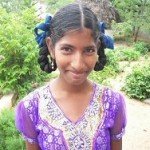
Child Name: Prasanthi Lingala
Class studying: Intermediate 1st year (class XI)
Age: 15 years
Family background: Prasanthis’s father is a drinker and never cares for the family. A few years ago he left the house and came back recently. Still now he is torturing his wife and children. Her mother is a daily labourer who works at the local market. The mother is suffering a lot by physical abuse of the father. Prasanthi has two younger sisters who are staying with the mother. Her father never comes to see her at the children’s home. Her mother visits her whenever she can.
Education progress 2016: Prasanthi passed 10th class in ‘A’ grade in the final exams. She is a brilliant student in studies. She always secures more than 95% marks. This year she will be studying Intermediate 1st year and writing public examinations in English.
Hobbies / other activities:
- She likes reading, drawing, dancing and games like skipping, coco and carom board.
- In the school she won several prizes for essay competitions. She also won a certificate and prize in the science exhibition.
- In the children’s home she participates in cultural programmes and likes to do gardening on Sundays.
—————————————————————

Child Name: Sujit Talatoti
Class studying: 7th class
Age: 12 years
Family background: Sujit’s mother died from tuberculosis when he was a small boy. His father then left the house and married someone else. Sujit has an elder brother who is also staying with him in the children’s home. For several years his father did not care for the family. Very recently he has started communicating with the boys. His grandmother comes to visit Sujit whenever she can.
Education progress 2016: Sujit passed 6th class in ‘A’ grade in the final exams. He has much improved in education because of children’s home regular tuitions. This year he will be studying 7th class in local Government elementary school.
Hobbies / other activities:
- He likes drawing; dancing and games like carom board and cricket.
- In the school he won several prizes for sports and cultural programmes.
—————————————————————

Child Name: Sandeep Talatoti
Class studying: 8th class
Age: 14 years
Family background: Sandeep’s mother died from tuberculosis when he was a small boy. His father then left the house and married someone else. Sandeep has a younger brother who is also staying with him in the children’s home. For several years his father did not care for the family. Very recently he has started communicating with the boys. His grandmother comes to visit Sandeep whenever she can.
Education progress 2016: Sandeep passed 7th class in ‘A’ grade in the final exams. He has much improved in education because of children’s home regular tuitions. This year he will be studying 8th class in local Government elementary school.
Hobbies / other activities:
- He likes drawing; dancing and games like coco, kabadi and cricket.
- In the school he won several prizes for sports and cultural programmes.
——————————————————————————-
Follow us on Facebook:
www.facebook.com/fiohfund
Follow us on Twitter:
twitter.com/fiohnet
Please share our links with your friends to help us reach a wider audience.
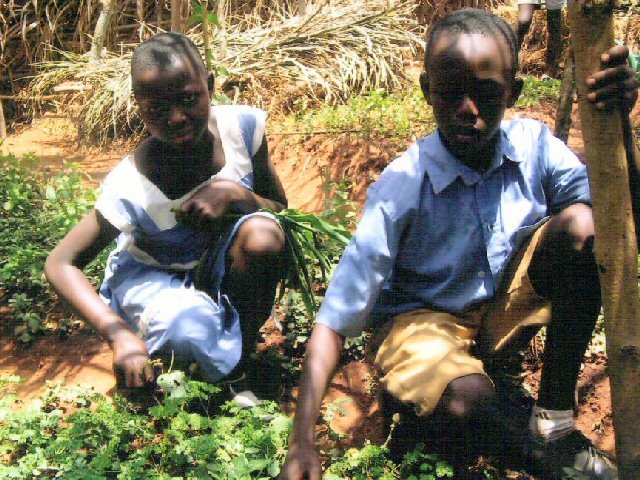
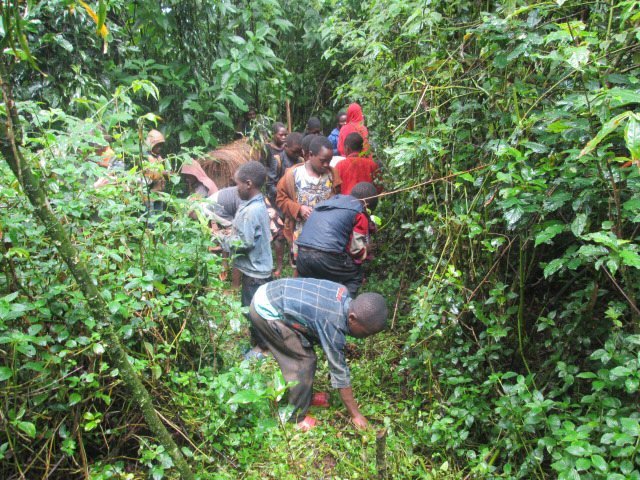
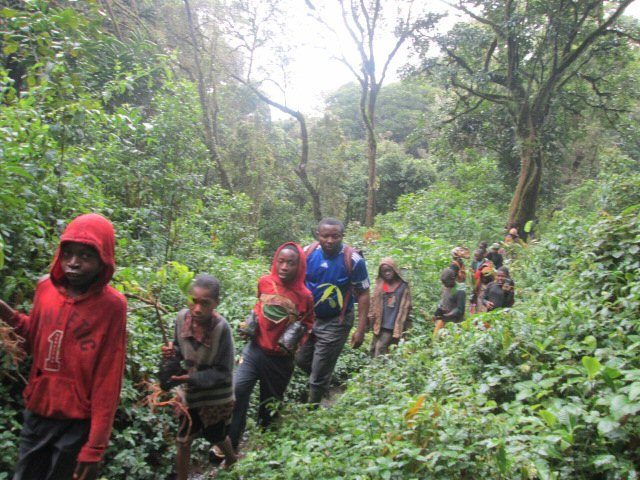
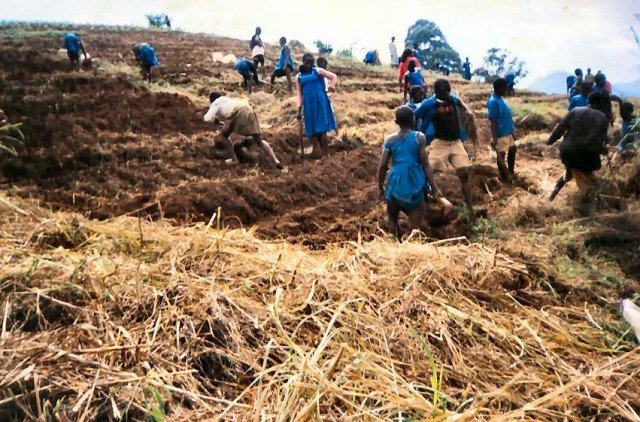
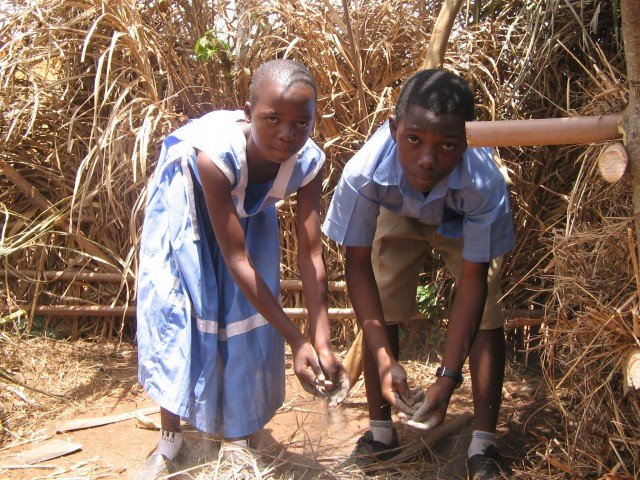
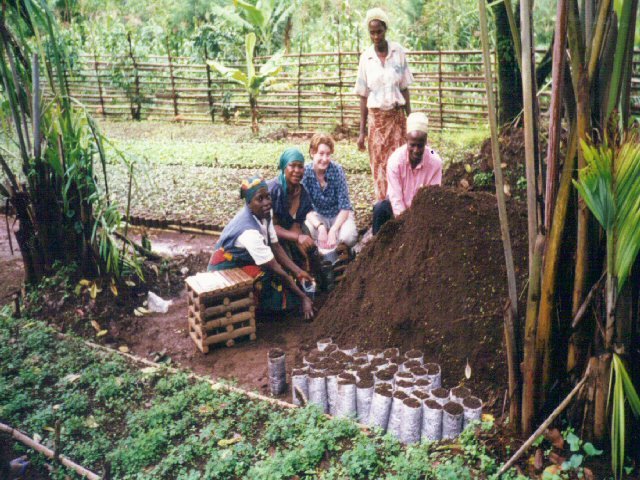
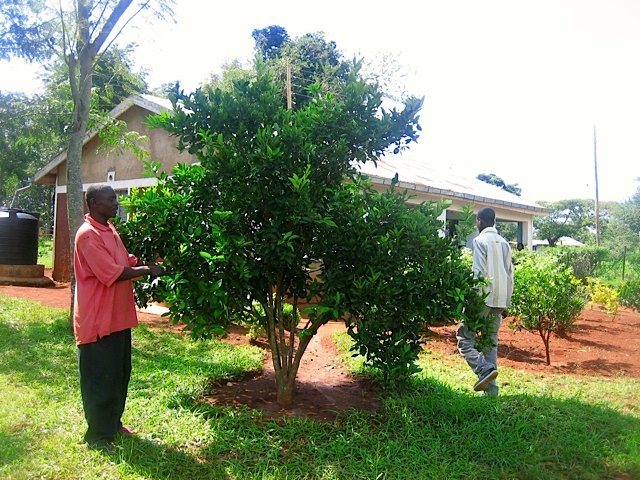
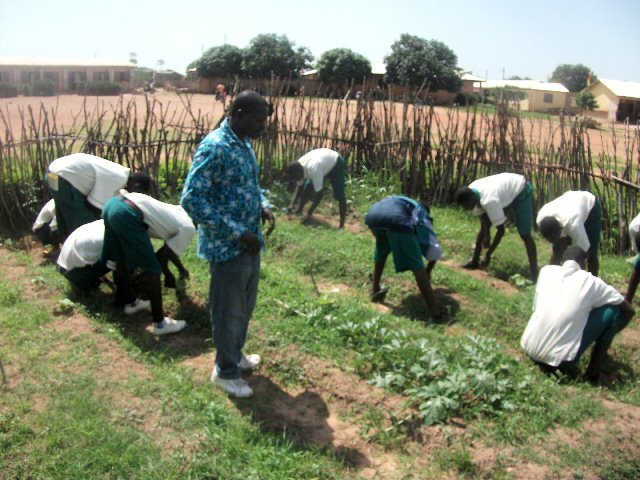
Images – Tree planting and environmental education in Africa
AFRICA











Follow us on Facebook:
www.facebook.com/fiohfund
Follow us on Twitter:
twitter.com/fiohnet
Please share our links with your friends to help us reach a wider audience.
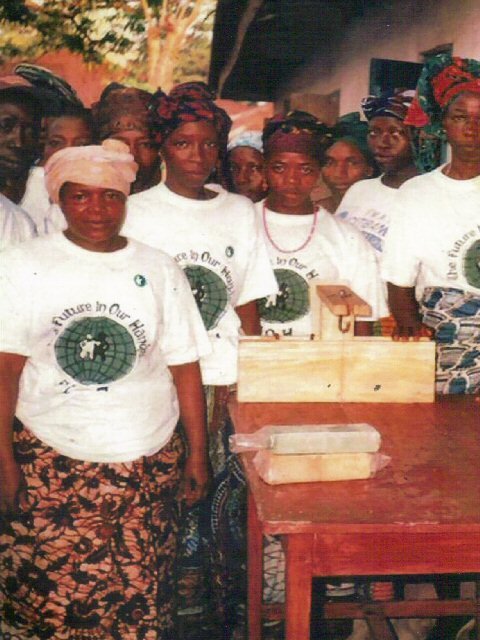
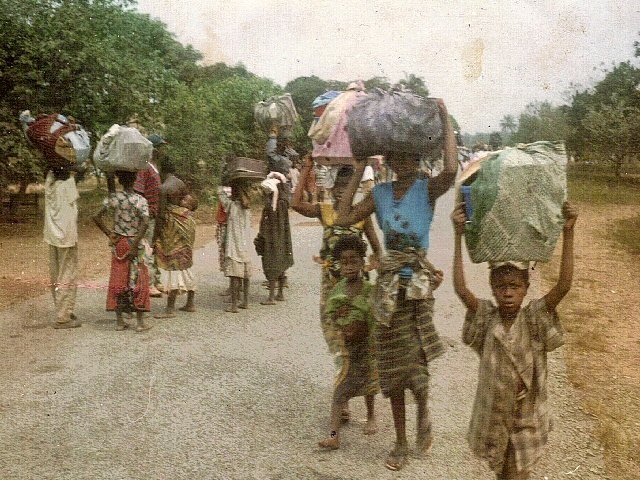
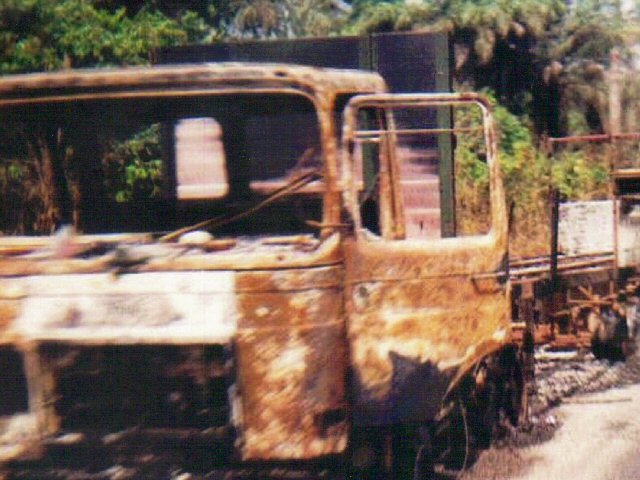
Images – Post war Rural Development in the Tonkolili District
SIERRA LEONE







Follow us on Facebook:
www.facebook.com/fiohfund
Follow us on Twitter:
twitter.com/fiohnet
Please share our links with your friends to help us reach a wider audience.
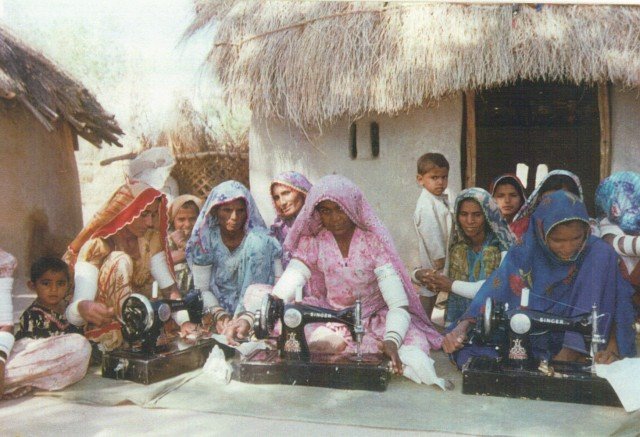
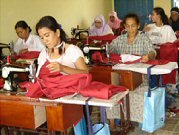
Images – Poverty Alleviation in the Thar Desert
PAKISTAN




Follow us on Facebook:
www.facebook.com/fiohfund
Follow us on Twitter:
twitter.com/fiohnet
Please share our links with your friends to help us reach a wider audience.
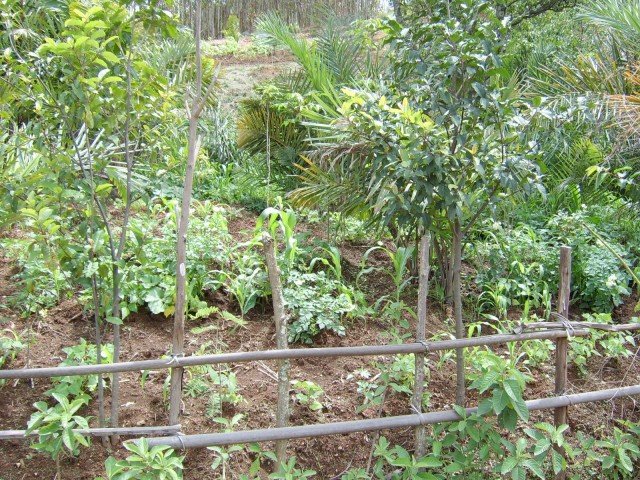
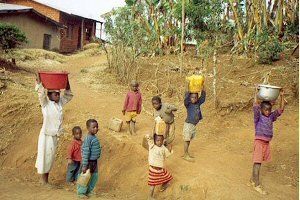
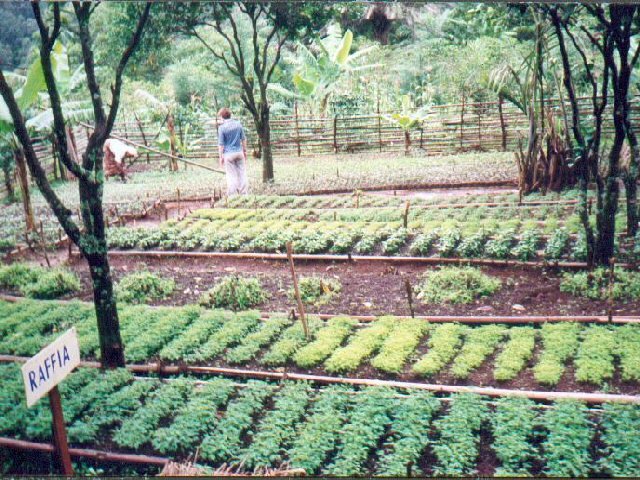
Images – Eucalyptus Replacement Project
CAMEROON – NORTH WEST REGION






Follow us on Facebook:
www.facebook.com/fiohfund
Follow us on Twitter:
twitter.com/fiohnet
Please share our links with your friends to help us reach a wider audience.
Beneficiaries of the Poverty Alleviation in the Thar Desert project
Typical case histories of three people who benefited from the Poverty Alleviation Project in the Thar Desert, Pakistan managed by the Participatory Village Development Programme:
Radha
 My name is Radha. I was selected as one of the beneficiaries of the FIOH PROJECT and I was given project management and handicraft skills trainings by PVDP and 25 fodder trees, 25 bair trees, one water tank, fuel efficient smokeless stove and a loan for handicraft making. I had never in my dream thought this kind of packaged support for reducing our poverty and vulnerability. Not only that my one son and one daughter were admitted in PVDP supported primary school but I also got the chance to learn to read, write and count up to 100 in adult literacy centre that was established by PVDP in our village.
I was one of the members of the Village Development Organisation and took an active part in the meetings and trainings to improve my knowledge and skills which gave me a lot of confidence to make decisions about my life and my children. I felt that I am terribly saved from falling into the trap of my in-laws who would never have given my children the opportunity to go to school. Also they would never had allowed me to join the adult literacy centre, attend community meetings and workshops which opened up my eyes and mind and gave me so much confidence to spend my life peacefully as a free human being.
I really feel that I have come to new life. The loss of my husband has been made good through PVDP support. Today, I am happy that despite serious droughts over last year, I am looking forward to getting some income from the sale of bair fruits in one or two years from the 50% of the trees which I have saved during the drought. I also managed to save 50% of the fodder trees on which my livestock will survive in the future years. I am already getting some income from the sale of embroidery work. I store my water in the tank which saves my time of fetching water from a distant well. The time I save is spent in doing embroidery work, attending community meetings and training workshops. I am also happy with my fuel efficient smokeless stove. When I used the traditional stove, I often used to have sore eyes due to smoke emission. With this smokeless stove I feel very comfortable, my eyes are protected, the stove uses less wood and cooks faster due to two burners. With so much of support from PVDP our family’s life has really changed.
I went to PVDP established vocational center in my village and learned to make purses and sewing clothes on sewing machines provided by PVDP. After the training I am happy that I can sew cloth and can earn money from this skill. I can also make purses which PVDP is trying to find market for. I am hopeful that when purses will sell and I can tailor make clothes for other people and earn handsome money which will help to reduce our poverty. I have become alive again! Thanks to PVDP and the FIOH Project.
——————————————————————–
Indra
 I am Indra. I have entered in the fourth year of this project which is helping to improve my family’s socio economic position. Now I am the active member of my village organization and active member of PVDP. I attended all trainings conducted by PVDP and also attended all programmes organized in our village by our Village Development Committee. Now I have the skills and confidence to give presentation of our community development work to our village people and outside visitors. I was also made aware of the important role of mother in looking after the children and their schooling. Now I take good care of all my children.
I also send my children to school and at home I make them study. I also help them where I can in their studies. I am supporting my community to becoming literate. Adult literacy classes are conducted in which I teach women to read, write and acquire numerical skills. The trainings and seminars I have attended have helped me in becoming aware of community issues which need our action to address them. I also realized that 8th class is not enough for me so I got admission for further studies. I now study at home and go to city to appear in exam. I am hoping to complete my matric over the next two years. I have a government job in which I am working as community health worker. I am helping women in their pregnancies and safe deliveries. PVDP health team regularly update my knowledge and skills about health care. I am very thankful to PVDP and the FIOH Fund that through their support my own and family’s life has changed.
——————————————————————-
Welayt
 I am Welayt. I have entered in the fourth year of this project which is helping to improve my family’s socio economic position. Despite my disability I feel more at ease and involved in various opportunities created by this project. After becoming a member of VDO for four years of this project, I have attended different training programmes and sessions such as handicraft training, livestock management training, and wild food preservation. I can now take care of my livestock and this year we preserved different vegetables which helped to somewhat secure our foods.
My mother and me make embroidery work which get sold in the local market and we earn some income from this activity. It is particularly helpful during drought times when most of our resources deplete. It is my wish that our daughters go to school to get education at least up to primary level to learn some basics of education that could help them in their future life.
We are strictly bound to comply with the set of rules of this culture. The changing of culture is not as easy as changing habits; it needs self persuasion and discipline. Earlier, women in my village were not allowed to attend meetings and trainings. My husband, after attending various trainings of PVDP on civil & political rights, project management, and livestock management etc. inspiringly, motivated to his community to provide same opportunity to their females for becoming active member of VDOs. But no one was agreeing for this change. PVDP in that situation organized more meetings and trainings to convince our community for female participation. Then, PVDP selected 16 households as beneficiary of FIOH Fund UK Project. We were provided with water tanks, bair trees, fodder trees, fuel stoves, and embroidery support loan with informative trainings. We hope to have more income in future through sale of bair fruits and handicraft work.
I am thankful to PVDP for providing embroidery skills to me and my daughters who cannot be educated due to our rigid culture, but they learned skills to earn at home. Another good thing happened is that my daughters can write their name and know counting of numbers by attending classes in Adult Literacy Centre of PVDP.
——————————————————————————

Follow us on Facebook:
www.facebook.com/fiohfund
Follow us on Twitter:
twitter.com/fiohnet
Please share our links with your friends to help us reach a wider audience.
FIOH Network videos
SHUMAS organic farming training centre
A training centre for organic farming methods located near Kumbo in the NW Region of Cameroon run by alocal non-government organisation, Strategic Humanitarian Services.
SHUMAS vocational training centre for disabled people
A vocational training centre for disabled people located in Bamenda in the NW Region of Cameroon run by a local non-government organisation, Strategic Humanitarian Services.
CAMGEW vocational training centre.
A vocational training centre located in Oku in the NW Region of Cameroon run by a local non-government organisation, Cameroon Gender and Environment Watch.
CAMGEW environmental education programme
An environmental education programme for schools in the NW Region of Cameroon run by a local non-government organisation, Strategic Humanitarian Services.
GLORES treatment centre for disabled children in Cameroon
A treatment and rehabilitation centre for disabled children located in Bafoussam in the W Region of Cameroon run by a local non-government organisation, Global Rehabilitation Services. Interview with the director of GLORES, Alfred Wingo.
Kroobay slum in Freetown, Sierra Leone
Illustrates the unhealthy conditions for people living in a large city slum. Interview with one of the community’s tribal chiefs.
SHUMAS eucalyptus replacement project in Cameroon
Illustrates the second phase of a project to cut down eucalyptus trees in the NW Region of Cameroon and replace them with mainly indigenous trees for agroforestry and water catchment protection.
The eucalyptus had been lowering water tables and reducing crop yields on adjoining land and meant that thousands of women had to walk long distances to fetch water and find suitable land to farm.
A farmer in Kumbo, NW Region of Cameroon explains the uses of tree species commonly found in the region.
Michael Thomas (FIOH Fund, UK) and SHUMAS staff join women farmers on one of the long walks women make to their farming locations. Women are forced to walk these long distances because eucalyptus trees had been planted on the land close to their homes.
Gives an indication of what life is like for poor people living in the Thar desert who often migrate during periods of severe drought.
A seminar organised in 2014 in Bamenda, NW Region of Cameroon, bringing together people from different sectors of society with an aim to share best practice for sustainable development.
Follow us on Facebook:
www.facebook.com/fiohfund
Follow us on Twitter:
twitter.com/fiohnet
Please share our links with your friends to help us reach a wider audience.