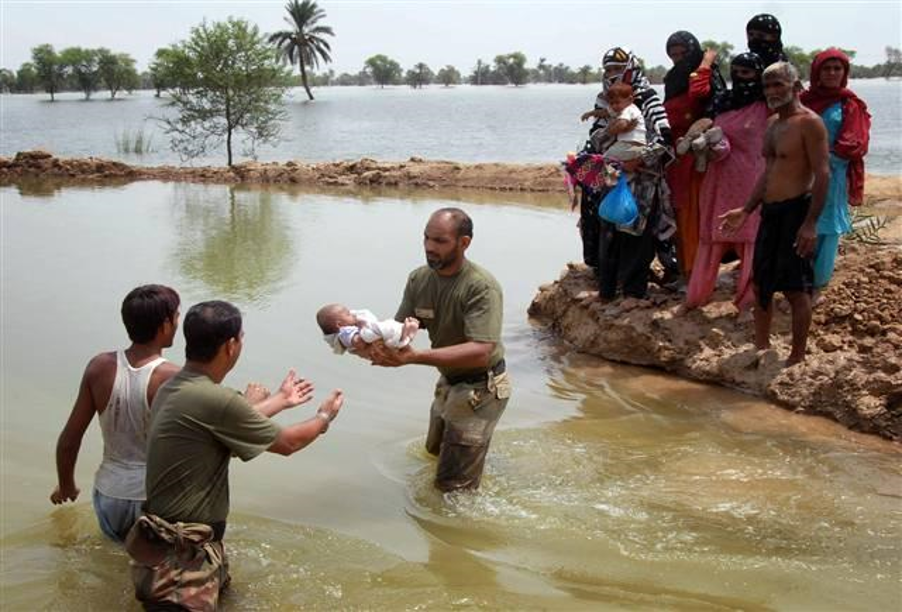
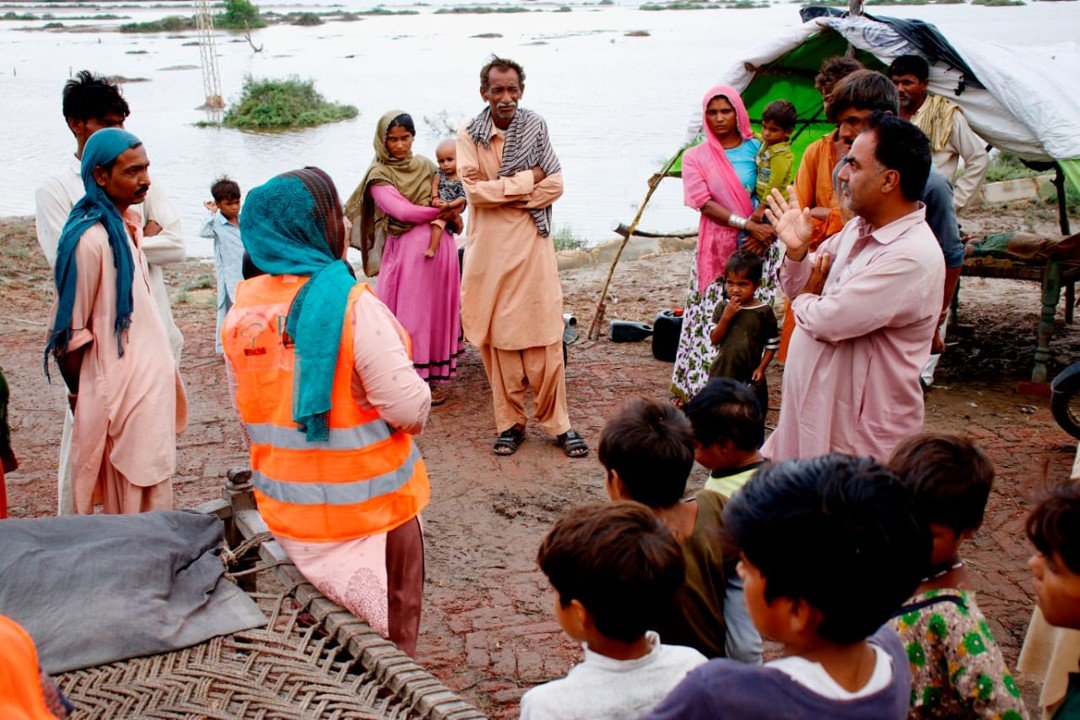
Disaster Relief – Inundation of Sindh province 2022
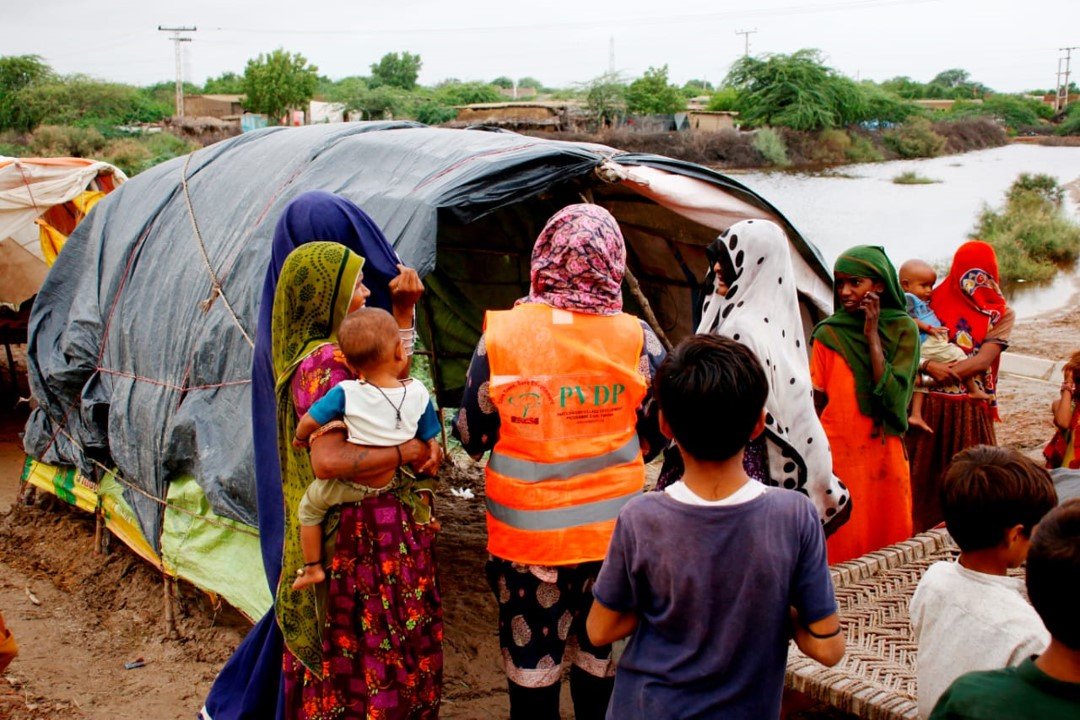
Sindh Province, Pakistan and the aid provided by PVDP with our support for disaster relief.
Introduction of PVDP
Participatory Village Development Programme (PVDP) established in 1997. PVDP was registered
on 15th June 1998 under the Societies Registration Act 1860 with Registration Number 3830. The
organization was formed with a mission to support the poor and disadvantaged communities in
improving the qualities of their lives, through encouraging people to organize and mobilize
themselves for holistic social change.
Pakistan Flood situation analysis 2022
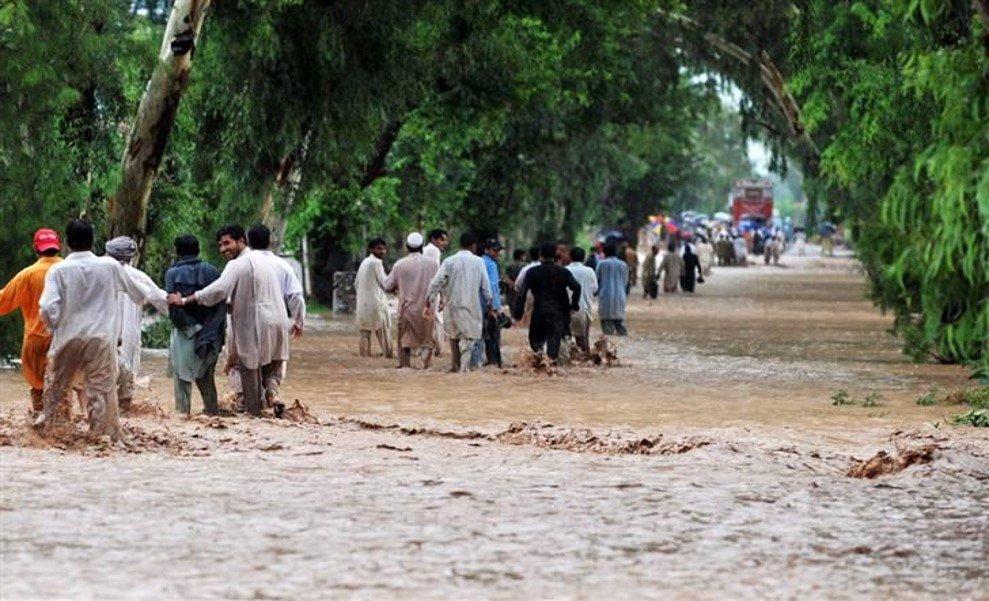
SINDH FLOODS 2022-OVERVIEW
- According to flood extent mapping using Sentinel-1 satellite images acquired during
22–28 August, over 18% of Sindh’s total area was directly inundated. - In the summer (KHARIF) season, most of the area in Sindh is cultivated under three commercial crops: rice, cotton, and sugarcane. The flood inundation is highest in the rice crop zone, which has resulted in an
overall estimated loss of 1.8 million tons of rice, or an 80% loss of the expected total rice production in Sindh
In economic terms, rice, cotton, and sugarcane together faced a direct loss of USD 1.30
billion (rice: USD 543 million, cotton: USD 485 million, and sugarcane: USD 273 million).
- As per estimates, floods killed 42,174 livestock, causing USD 13 million loss.
- Overall, the province faced a combined loss of USD 1.7 billion in rice, cotton, sugarcane, tomato, onion, chili, and livestock.
- Economic losses in agriculture are much beyond the estimated direct losses to crop production and livestock.
Summary of findings and recommendations
The key findings are compiled in to key humanitarian needs sectors thus:
Food Security, Agriculture and Livestock – Needs
- Food or Cash/Voucher Assistance (CVA) to reduce food consumption gaps, supporting
the most affected and food insecure population while restoring livelihoods and resilience. - Construction/rehabilitation of animal shelters and irrigation infrastructure and
equipment. - Protection of remaining livestock through provision of feed and vaccinations.
- Provision of seeds to restart vegetable crops and support for long-term restoration of
orchards.
Health – Needs - Provision of essential medicine, tents, blankets, medical equipment, face masks, hand
sanitizers and mosquito nets. - Strengthening disease surveillance in flood-affected districts and mitigating the outbreak
and spread of diseases. - Monitoring the health of the affected population.
- Provision of medicines and other medical supplies.
- Targeted repairs of health facilities.
- Support for integrated outreach activities such as medical practitioners, lady health
visitors, medicines and transport.
Protection – Needs - Psychosocial support for the affected population.
- Dignity Kits and other non-food items (NFI) for vulnerable households.
- Scaling up assessments to identify people who may have lost civil documentation.
Water, Sanitation and Hygiene (WASH) – Needs - Emergency Latrines
- Water Purification Tablets
- Bio sand Nadi water filters.
- Hygiene Kits
- Water Tanks
Shelter and Non-Food Items (S/NFI) – Needs
Shelter items including tents, tarpaulins, blankets, mattresses and mosquito nets are needed to
support displaced
Remarkable humanitarian GLORES Director Alfred Wingo (Obituary)
Alfred was a remarkable man who has improved the life chances of thousands of children born with disabilities by adopting physiotherapy techniques. He was instrumental is combating the misinformed beliefs of the local population. There were widely held beliefs that disability was because the parents had done something wrong and that disability was a punishment for previous misdemeanors. The debilitating effects of associated stigmas served to compound the negative impact on these children’s lives. He remained a voice of reason.
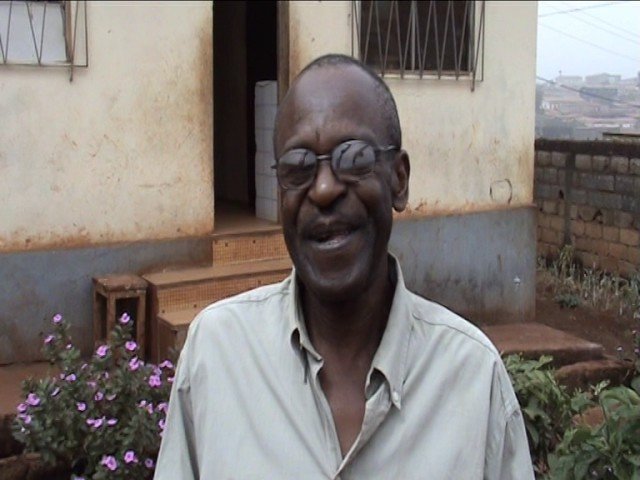
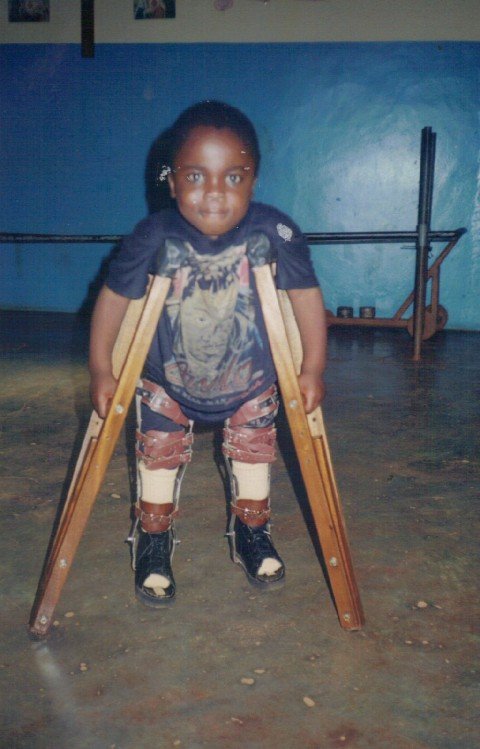
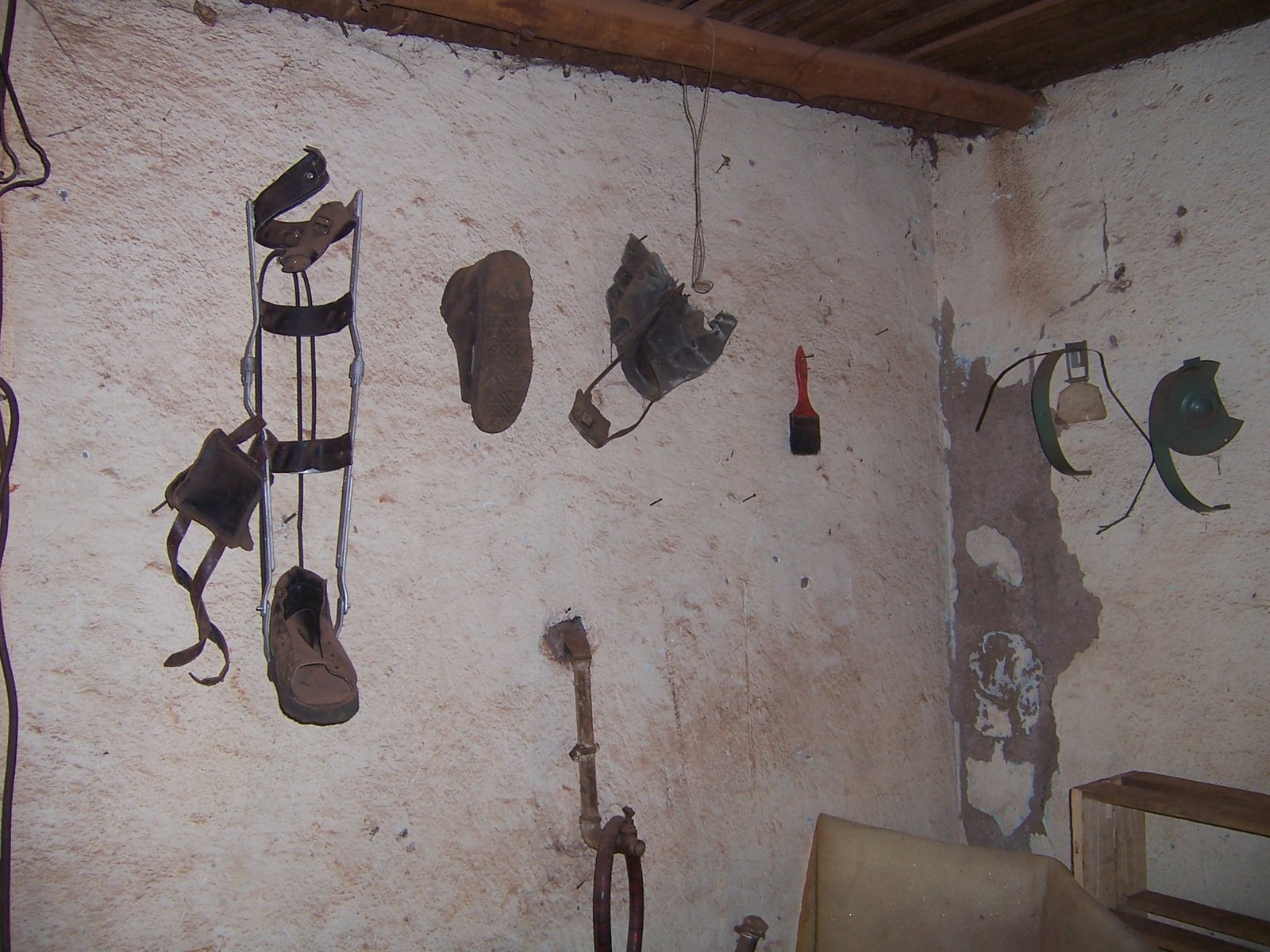
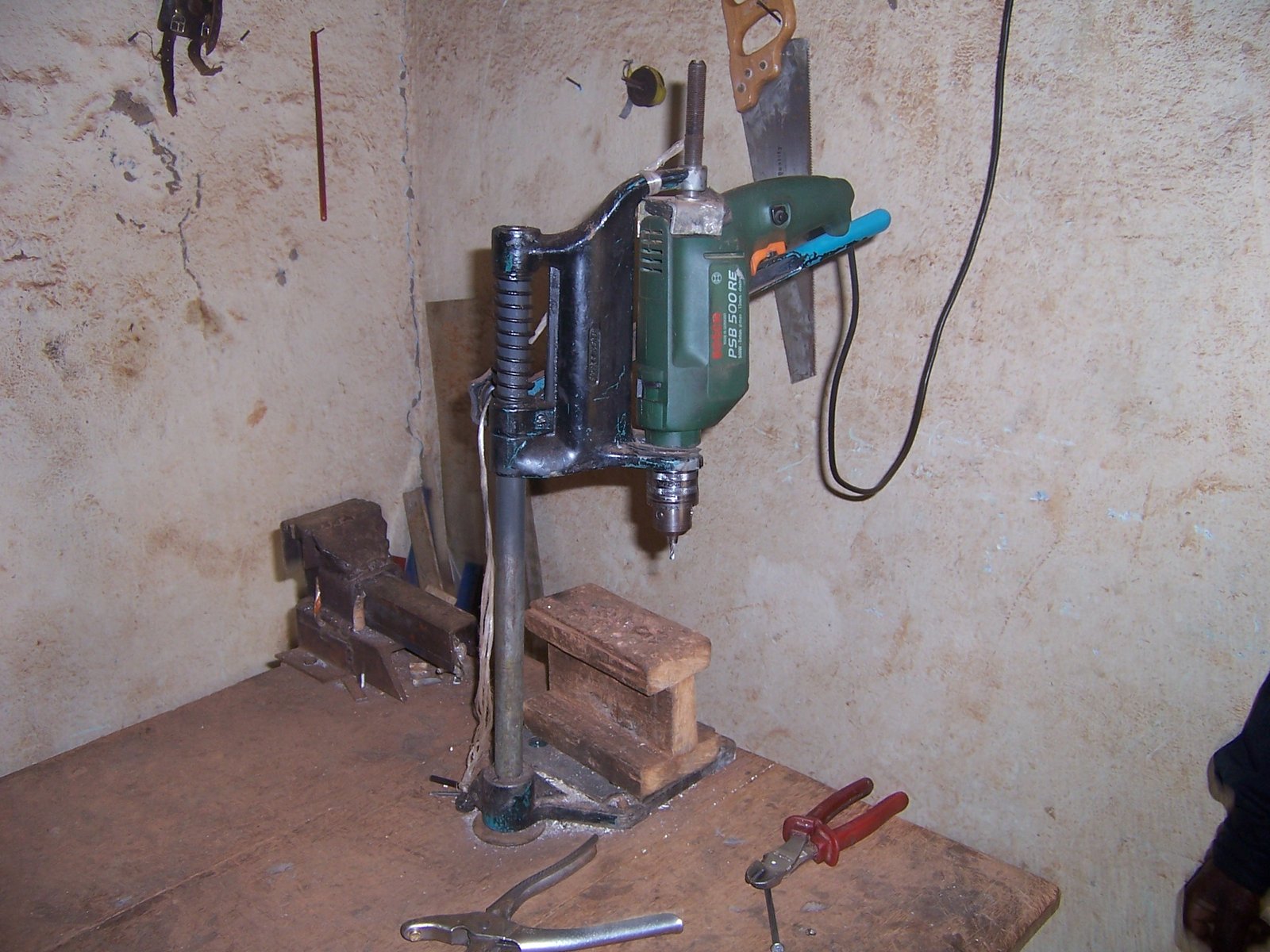
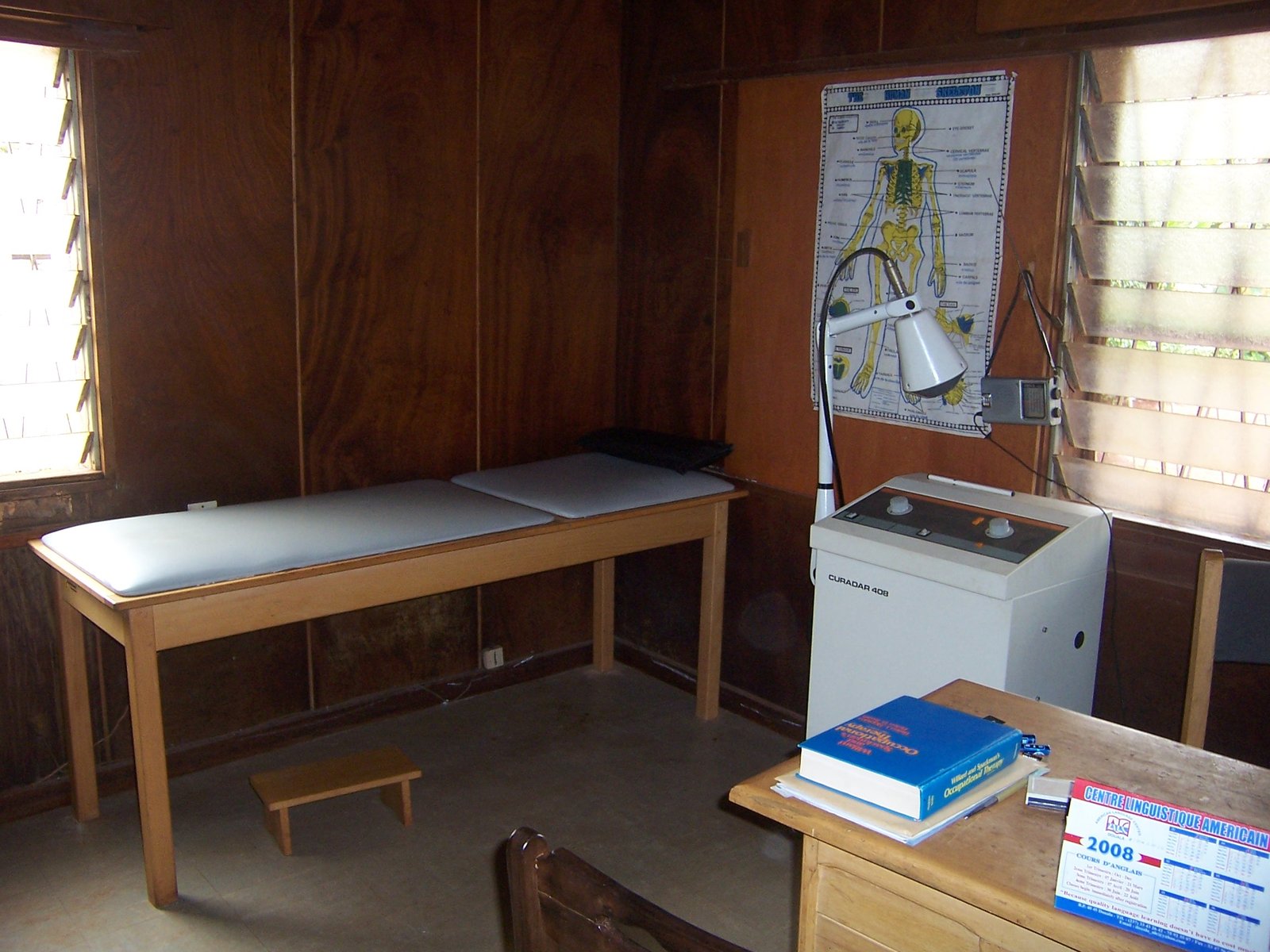
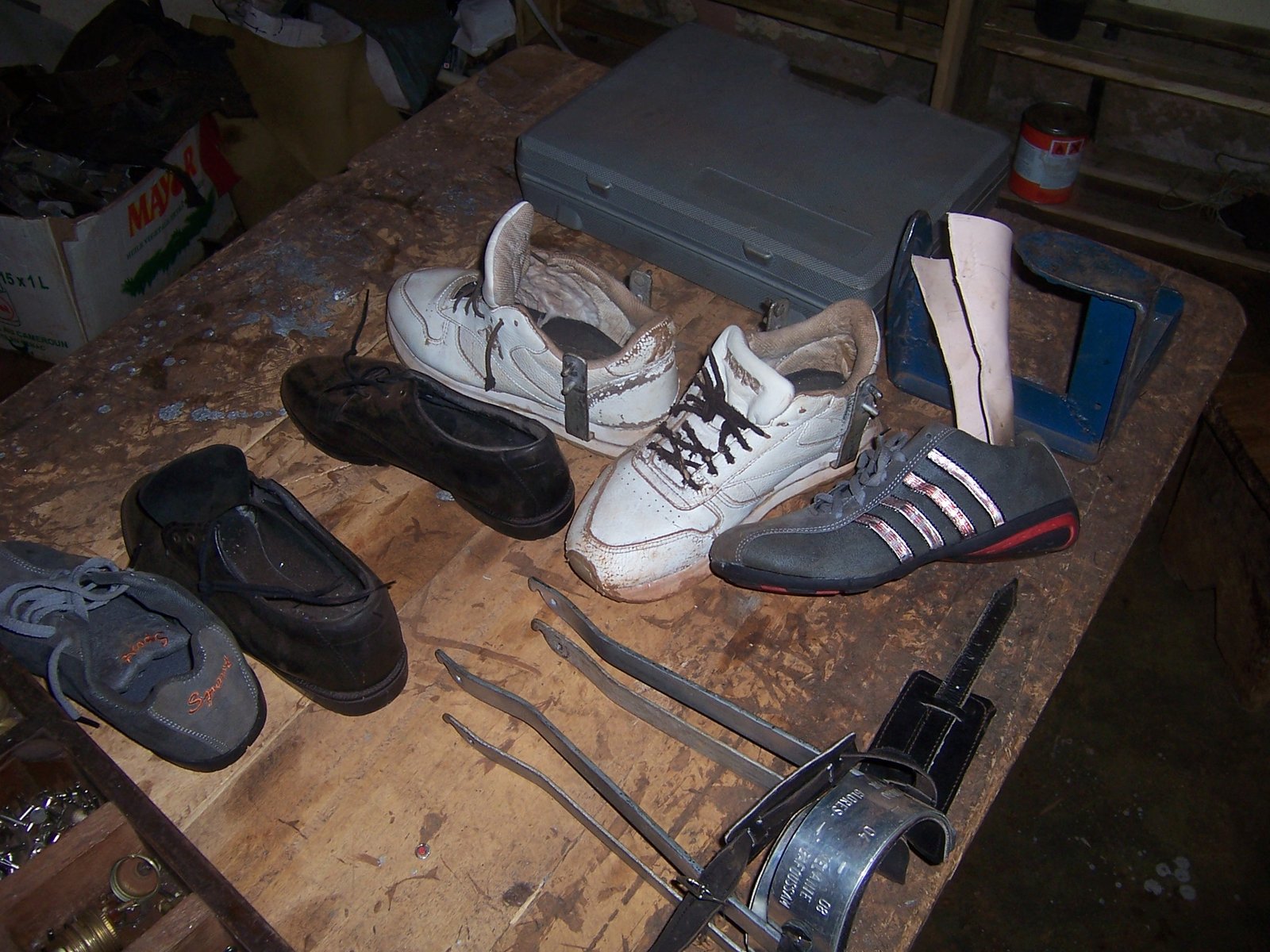
It is with enormous sadness that we report the loss of our main contact in Bafoussam, Cameroon. After meeting Alfred in 2008 we established assistance for GLORES (Global Rehabilitation Services) a unique service provided for the most vulnerable in society. Modelled on United Kingdom National Health Service treatment should be free at the point of access and based on need. We first encountered Alfred in rented accommodation making do with minimal equipment to transform the life chances of disabled children in Cameroon. The photographic record below vividly shows the rudimentary conditions we witnessed first hand.
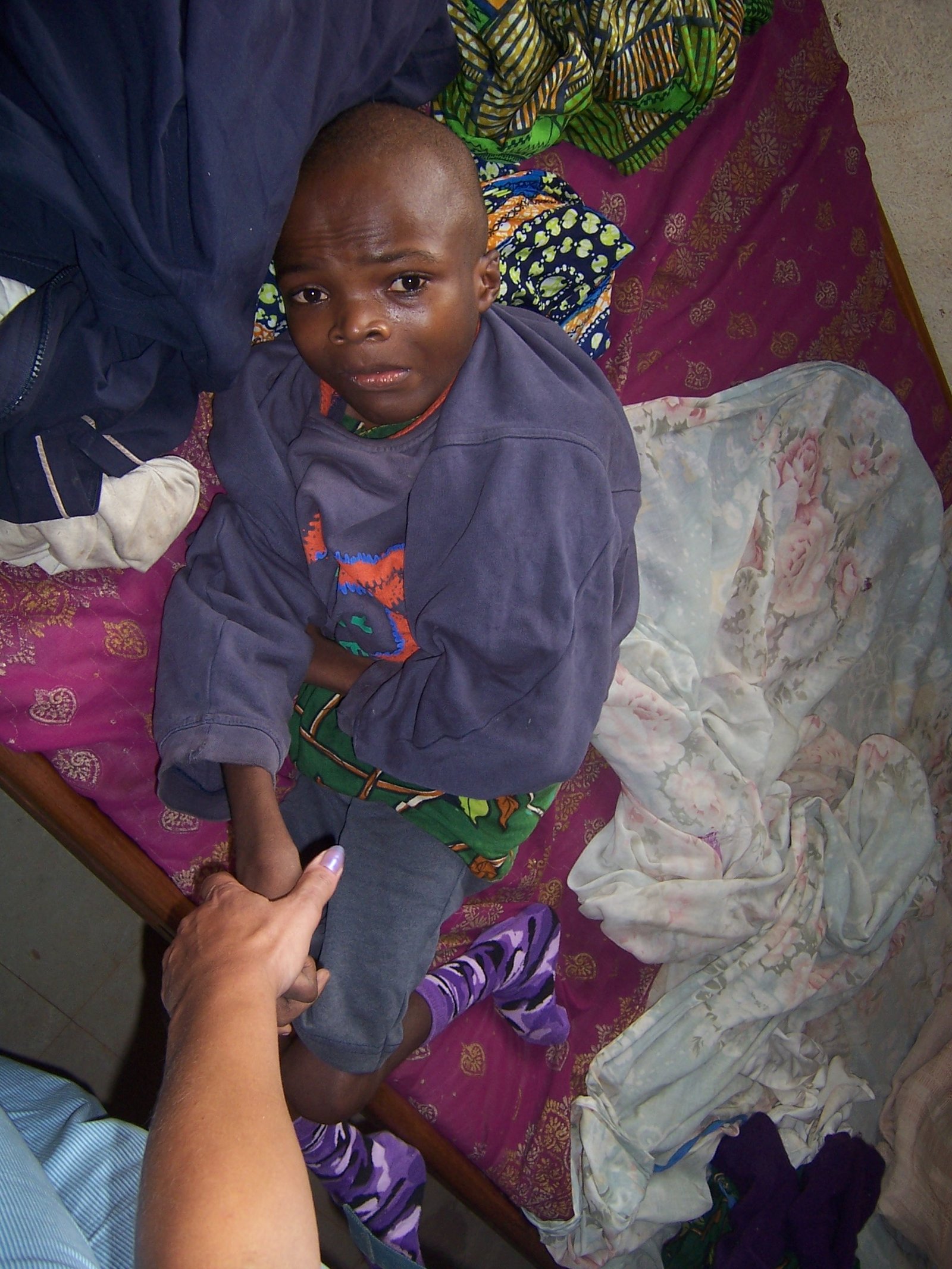
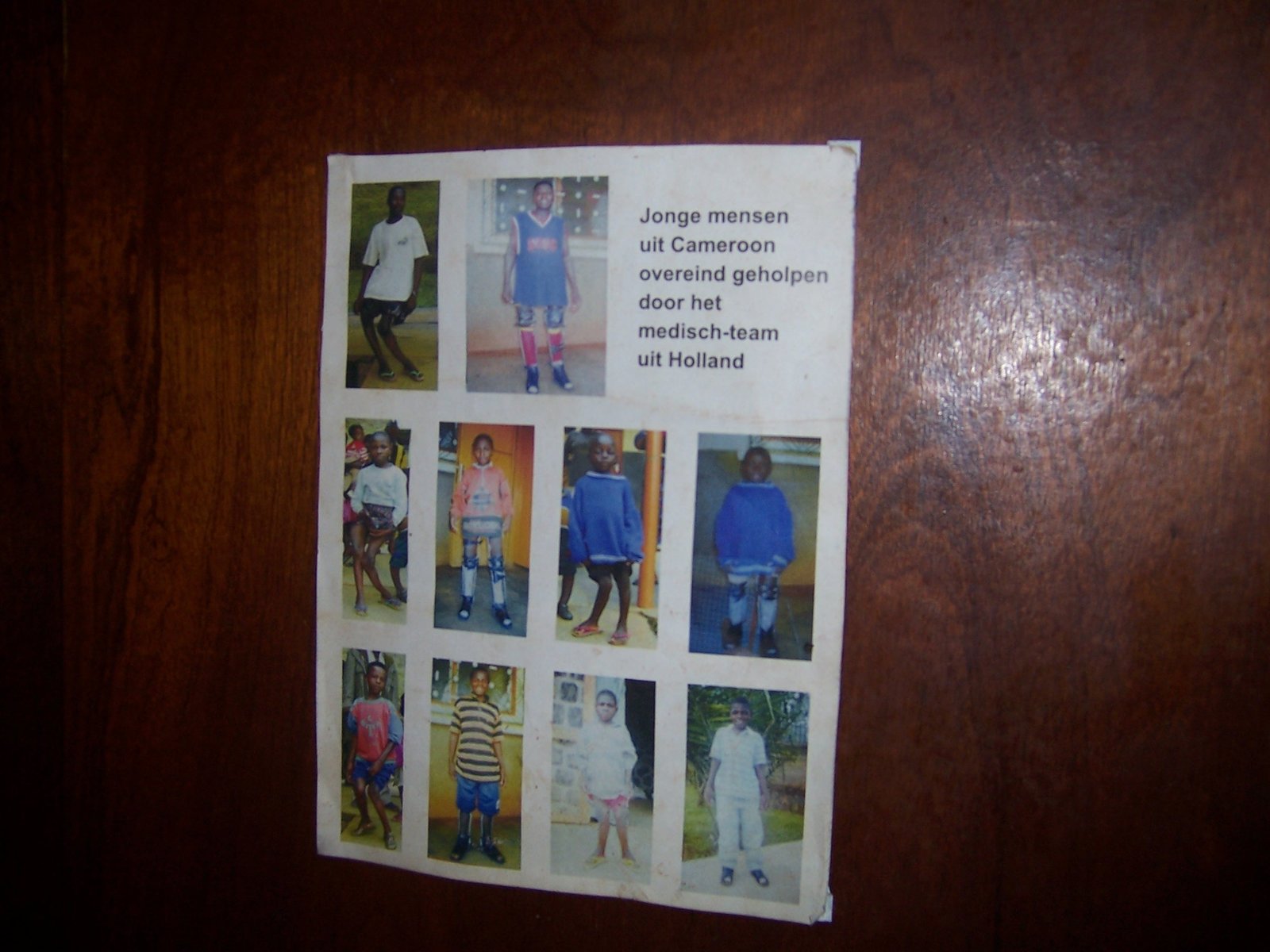
Immediate support required
The need for immediate support was self evident and through a sustained programme of support the FIOH fund financed the development of a new bespoke treatment facility , unique to Cameroon. The construction infrastructure was finally completed in 2016.
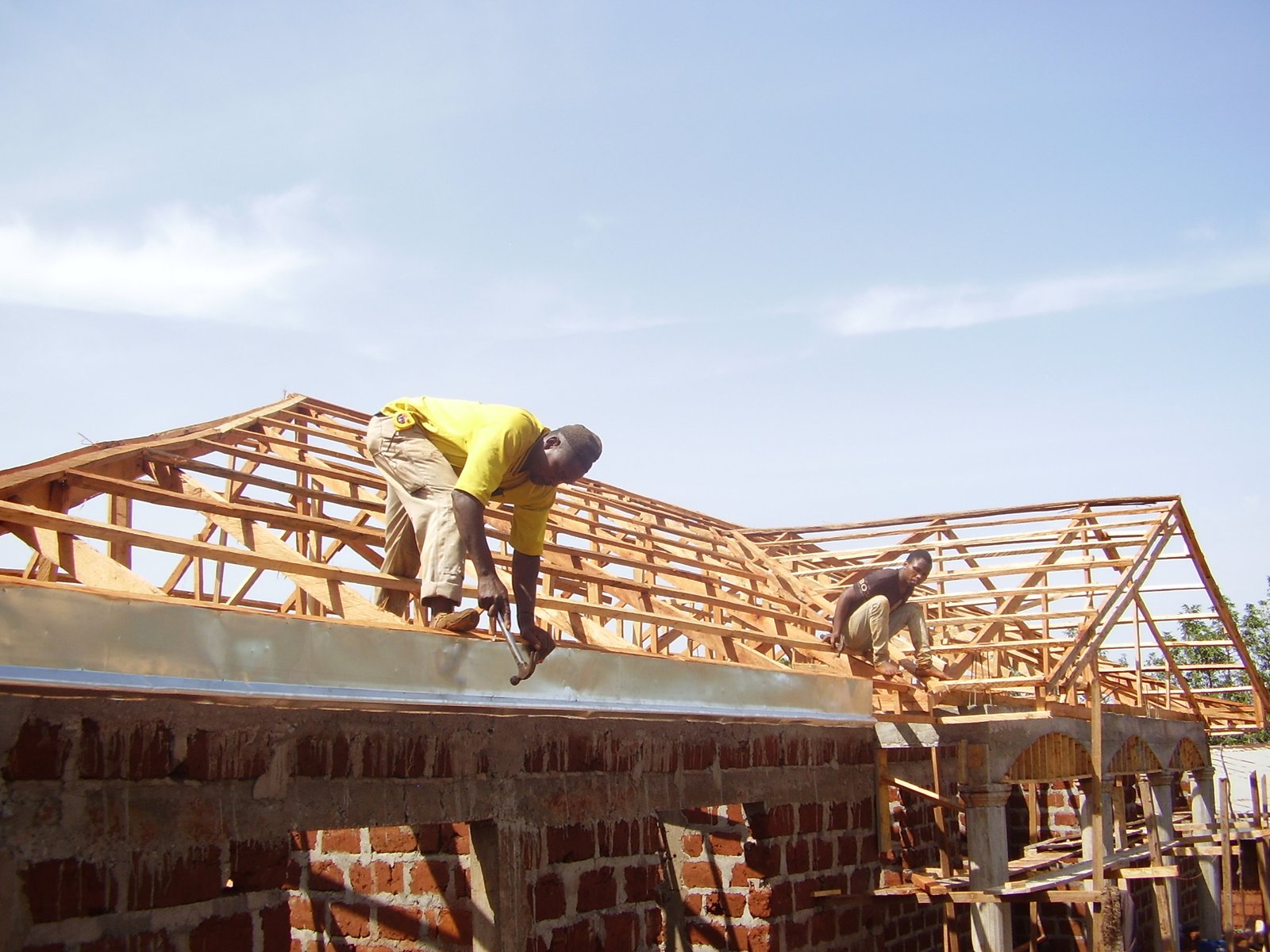
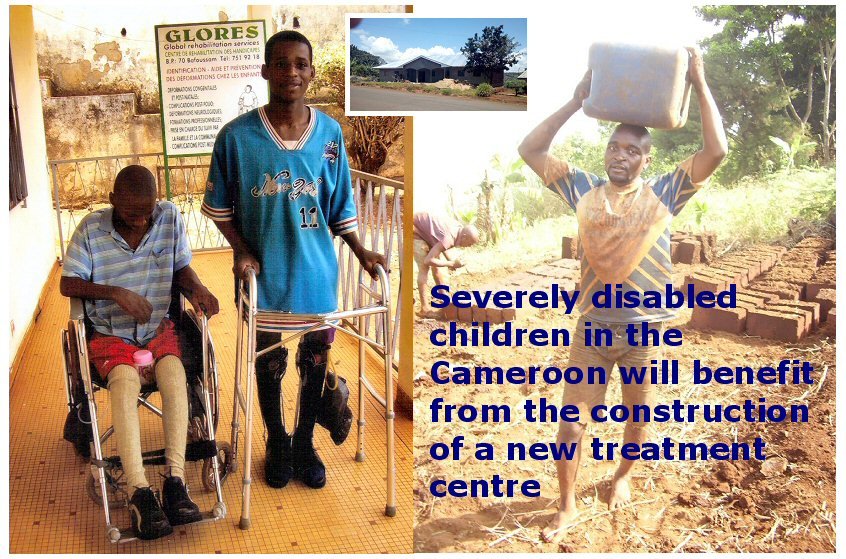
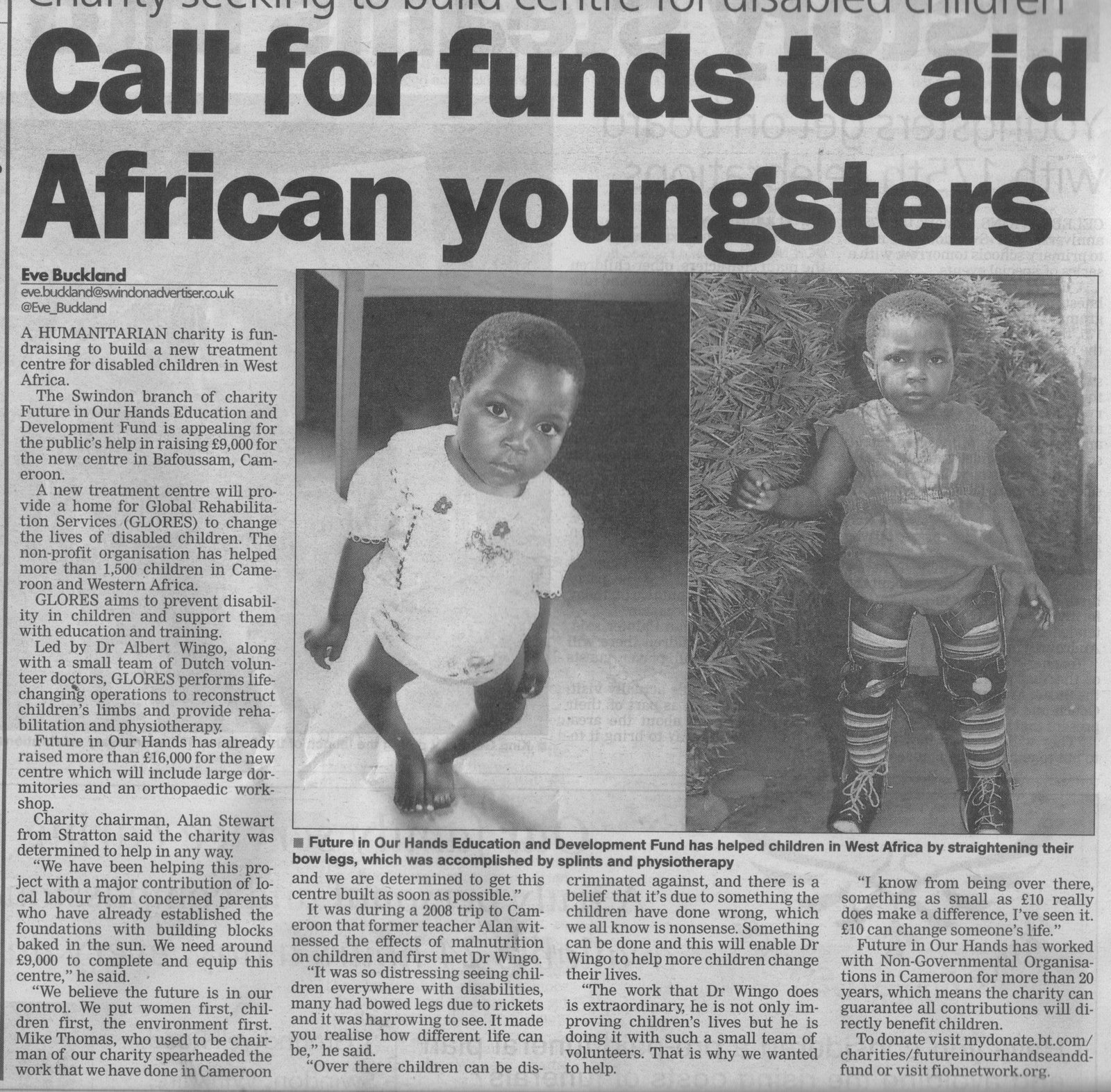
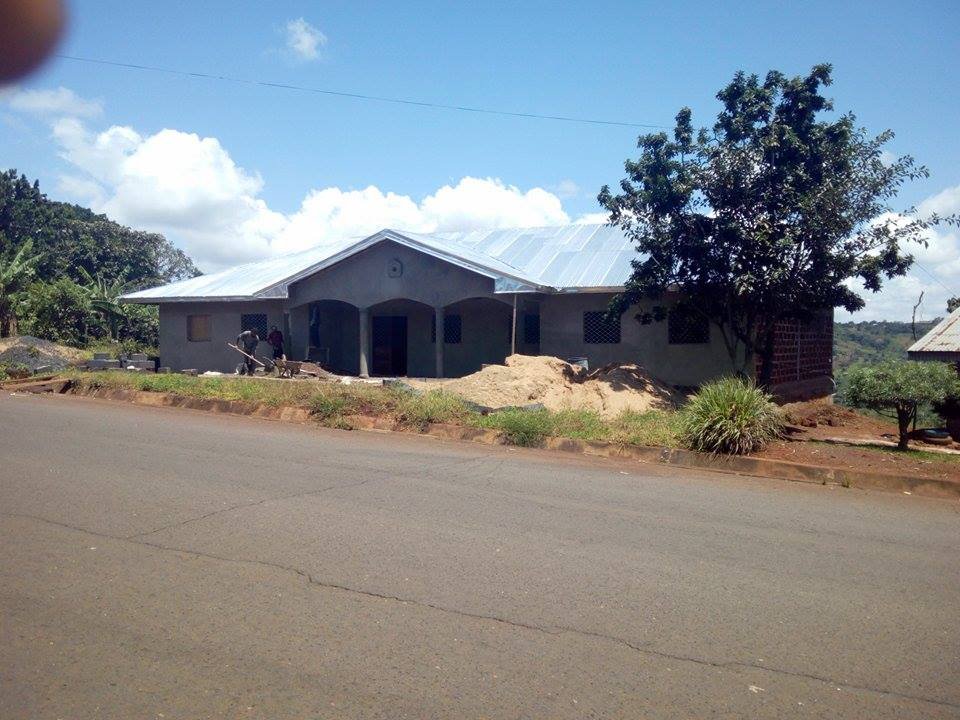
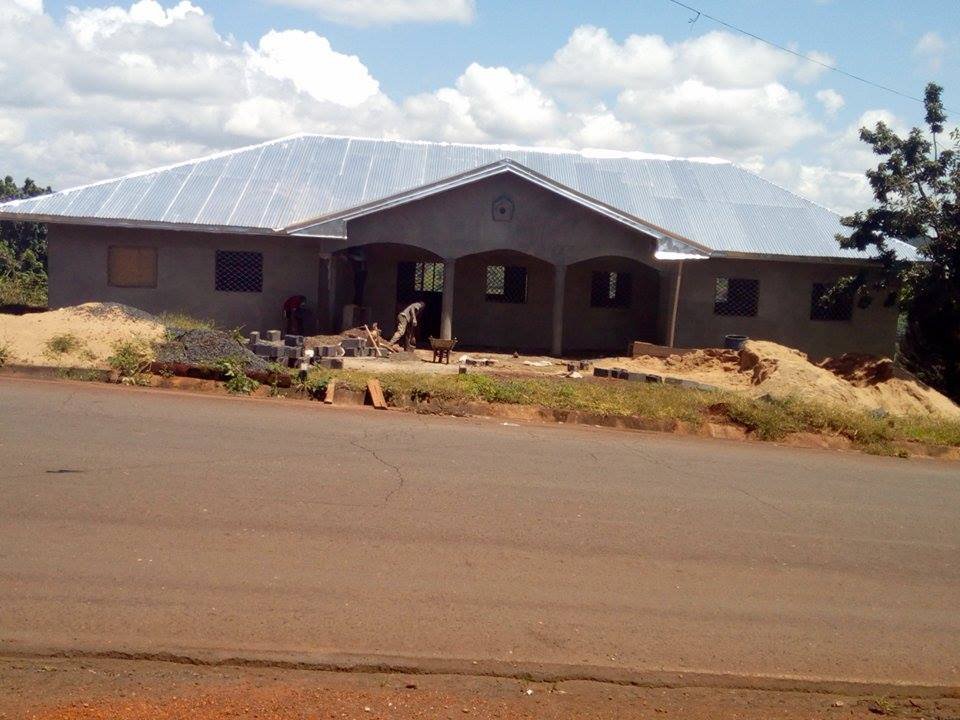
Alfred was instrumental in developing this idea from it’s planning to inception and continued to serve the disabled children of Cameroon until his untimely Death in Nov 2024. We express our condolences to his family and pay tribute to a remarkable humanitarian. FIOH remain honoured to have been a vital part of his story alongside additional support from a team of Dutch doctors who regularly performed the more complex surgery.
Verification of progress
As overseas donors we endeavoured to promote networking to solve issues and problems and so engaged officers from our partner organisation in Cameroon to visit and produce a comprehensive report on the progress towards the final construction of the bespoke facility.
A VISIT TO GLORES IN BAFOUSSAM BY CAMGEW 5th of October 2015 Requested by: Michael Thomas of Future In Our Hands – UK Objective Assess the progress of work in the GLORES CENTRE Contruction site Discuss challenges of GLORES Determine the date when GLORES will come for exchange visit to CAMGEW Discuss on procedure to apply for a service car for GLORES Time CAMGEW through Wirsiy Emmanuel and Sevidzem Ernestine left for Bafoussam to visit.
Methodology
We arrived the GLORES office and prepared a programme of work. The visit started with movement round the various departments of GLORES. We then moved to the GLORES Centre contruction site using CAMGEW car. After working there, Emmanuel and Alfred had a working session to close closely at construction activities, possibility of completion of work, means of mobility for GLORES and possibility of exchange visit. Activities CAMGEW staff visited all the offices and activities of GLORES in the GLORES office CAMGEW and GLORES move to the GLORES Centre construction site. This visit was done together with technicians to do the work. Alfred told us that the technicians will do the work with the assistance of volunteers who are beneficiaries (parents and guardians of patients). I did ask Alfred to call the technicians for us to reflect together on how to proceed with work. There, ALFRED told us that the small two room house constructed to serve as packing store for material collapsed 2 days ago after continuous rain fall and heavy wind storm. With the technician and Alfred we discussed what must have happened and what lessons must have been learned. We saw that the house was poorly built with poor mixture of sand and cement. The builder promised to redo the work on his cost. We also discovered that the wind blowing from down upward was too strong and needed wind breaks. It was agreed that Alfred should plant some fast growing trees to rescue the situation. Alfred said this was to be done the next day. The technicians that came were different from the ones that constructed the collapsed house. These ones looked more professional. The bricks for the house were still to be moulded this dry season starting from November. It was agreed that bricks made out of soil be used. The bricks were to be constructed on site because the soil is good for bricks. We deliberated on how to get water to the construction site. The government was still putting water pipes around the road close to the site but it was not clear when the water will start flowing. There was a small spring that is always available in the dry season and we assessed and saw that the water from the spring was small. We also looked at possibility of digging a well to get water but saw that the area was too rocky with high possibility of meeting a big rock before getting to see water. We also thought of pumping water from the river down in the valley to the construction site but saw that this was costly in pipes to connect the water, in fuel for the pump and in buying the pump. We thought of getting a land down beside the river to mould bricks and pay students during holidays like Christmas holidays to carry the blocks up to the site and saw that the hill was too steep for somebody to climb. We finally agreed that the spring will be used but Alfred will buy 10 containers of 20 Litres each and use them to carry additional water using his small vehicle every day for use in brick moulding and construction. Renting a car to do this work is costly. In terms of construction Alfred and technicians agreed that the centre has to be constructed to be solid since it will be beside a heavily used road by huge trucks. He said he hope that the house should be constructed and roofed before January. Alfred told me he has 5000 pounds at hand to start the work. He says he need an additional 10000 pounds to finish the work. This does not involve the fence construction and I saw the fence very important. Discussing with Alfred and from the reality he need a good secretary to handle finances, secretariat duties and communication We also agreed that Alfred will come to Oku for exchange visit when he comes we will use the opportunity to work on the GLORES MIVA car project. The visit will involve radio programme to advertise and sentise community on GLORES activities. Alfred could do consultation of his target group who needs help and could later be taken to GLORES Bafoussam for further treatment.
I did admire Alfred’s work. I have a soft spot for it. I pray God bless him and give him energy to do this work and take care of his children
Report prepared by WIRSIY EMMANUEL BINYUY Director of CAMGEW 2
Amabazonia mourns the loss of Transformational humanitarian leader in Cameroon
It is with great sadness that we mourn a true compassionate leader of SHUMAS. It was FIOH through initial contact with Mike Thomas, that were around to stimulate the origins of his story.
Tribute by Emmanuel Wirisy Director of CAMGEW
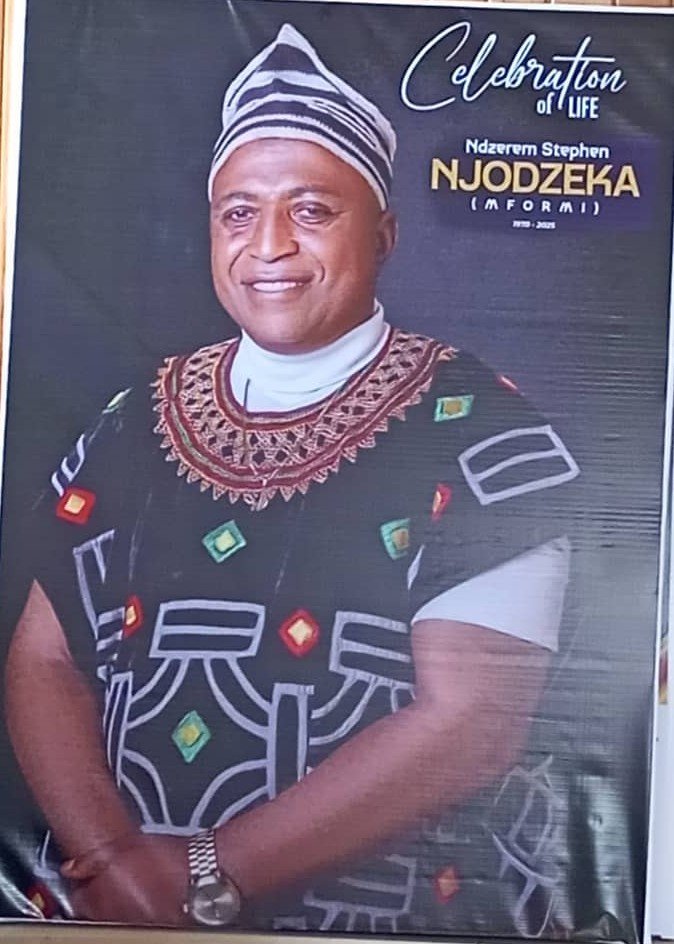
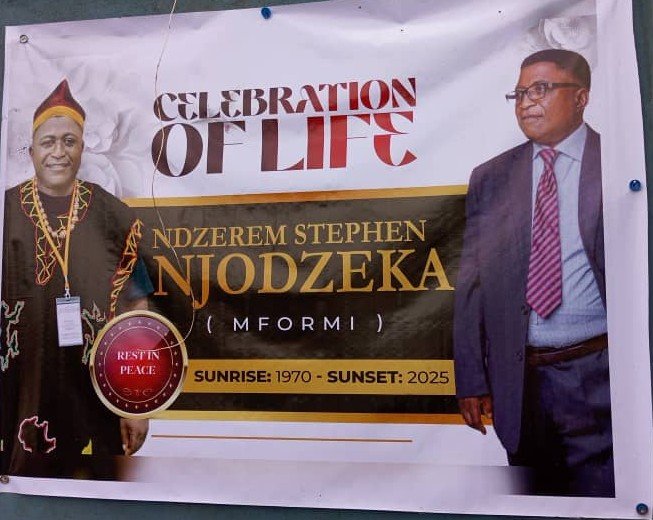
Our family has lost a great civil society leader, mentor and role model. SHUMAS director Mforme Ndzerem Atephen Njodzeka was a member of this group and guided its functionality. He made little noise but did more in actions. He did much in community development and moreover mentored and coached many who now lead their own NGOs non governmental organisations. We thank you for being an exemplary mentor and our hearts bleed with your premature departure. To make you proud , we pledge to continue your humanitarian and environmental work and to assist the most disadvantaged in society. We pray you rest in peace and send condolences to your family.
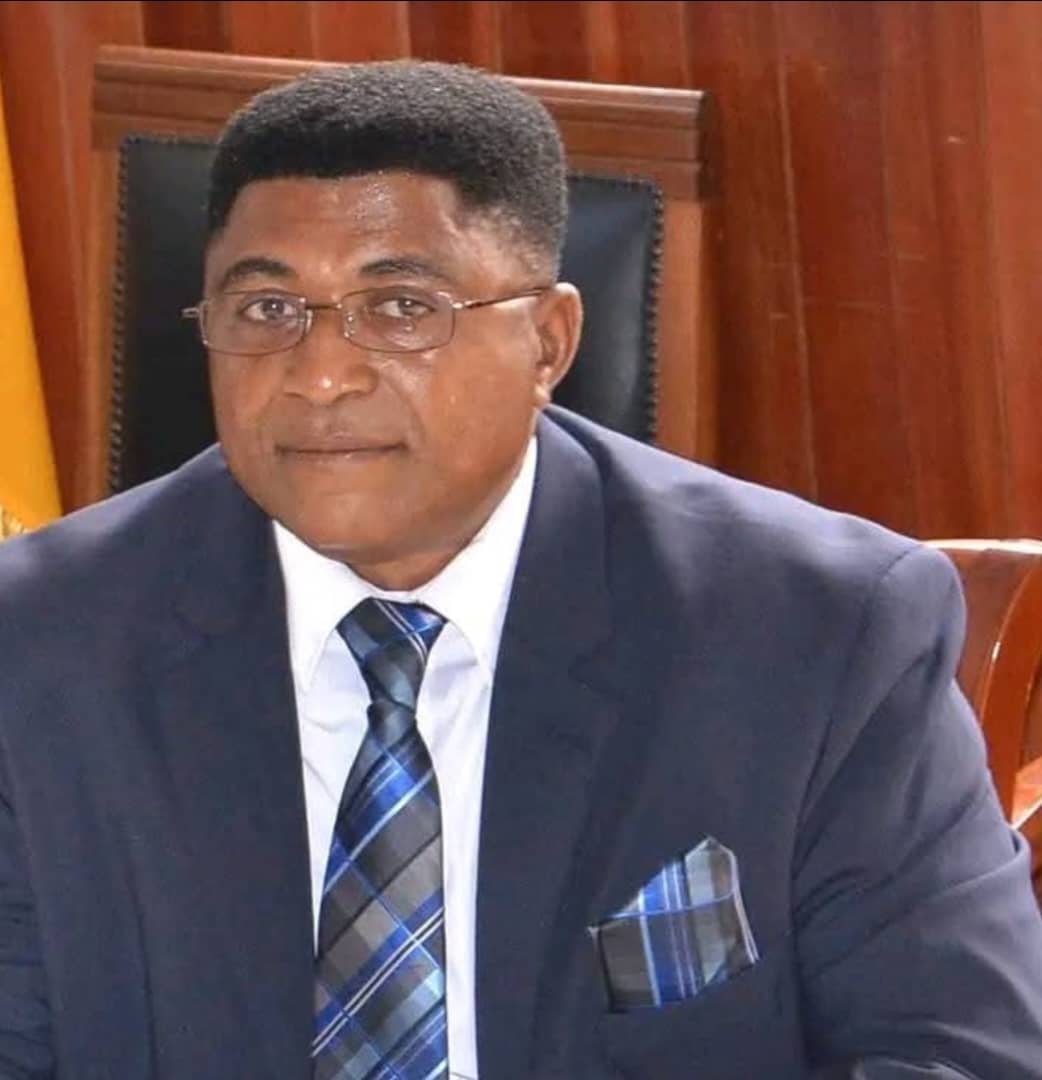
12 April 2025 we will be seeing off our Hero, Mentor, Model and Father that death took away from us in January 2025. This is Mforme Ndzerem Stephen Njodzeka who was Director of SHUMAS. He was one of us in this family here. His impact to humanity speaks loud and his forging spirit is what CSO leaders can hold as legacy to keep moving. Our condolence to his family. Go Well Our Hero to join the Great People of Our Community. We love you our Hero.
Action for IDPs SHUMAS cooperation with FIOH
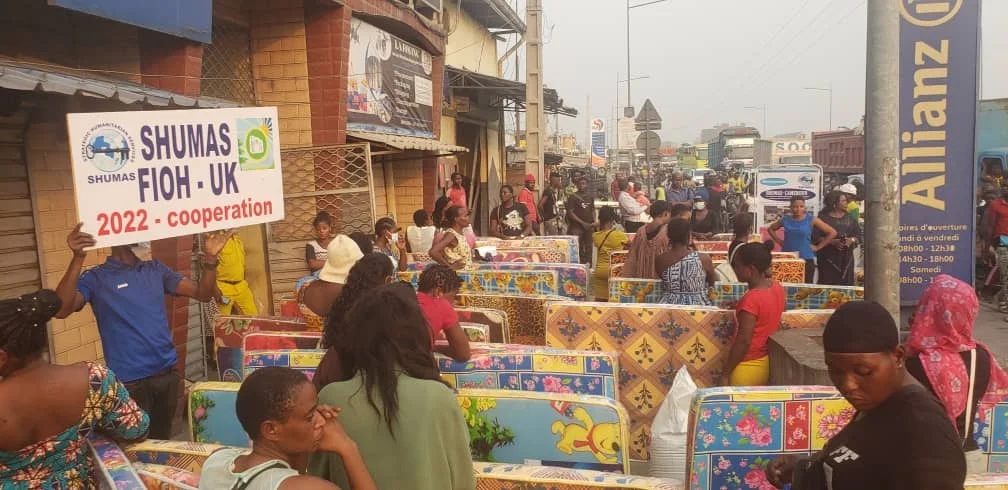
Strategic Humanitarian Services (SHUMAS), in common with FIOH principles, tries to help the poorest, most marginalised sections of the community by providing education, vocational training and the capital to enable them to improve their standard of living and quality of life. Based in Bamenda in the NW Region of Cameroon and formed as a government recognised association in 1997, SHUMAS projects have in recent years been disrupted by civil conflict with a particularly adverse impact on women and children fleeing to Douala, a major metropolis on the Atlantic Coast.
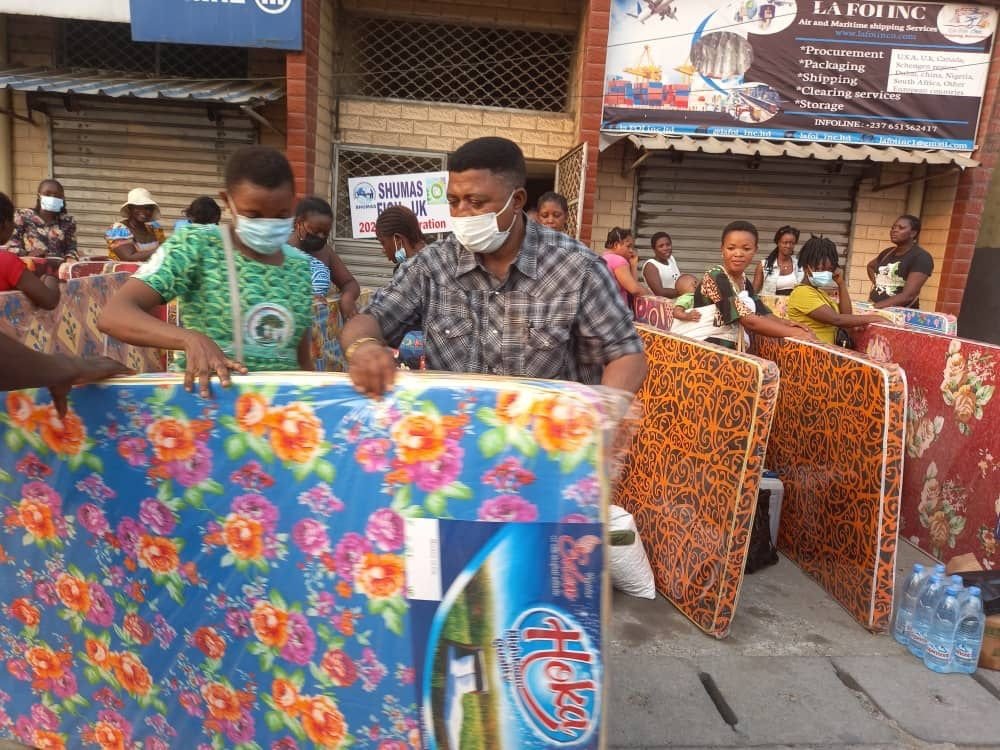
With support from the FIOH Fund, SHUMAS has been providing bedding, accommodation and vocational training for the affected families. These are internally displaced persons desperately fleeing civil unrest and violence.
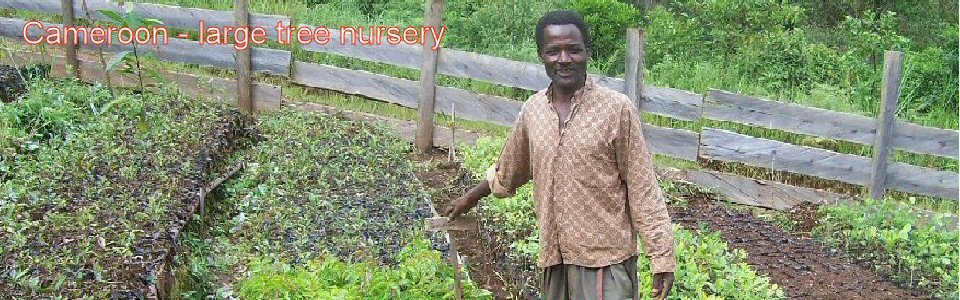
We have worked in liaison with SHUMAS since its inception on a variety of issues including promotion of environmentally aware schools, establishing womens’ cooperatives and promoting clean water supply. Deforestation of invasive eucalyptus and replacement reafforestation with indigenous trees grown on vast nurseries. This was funded by large grants for UK lottery which were administered by our reliable partner. SHUMAS is held in high esteem in Cameroon and has been responsible for transforming tens of thousands of livelihoods and life opportunities for the most marginalized.
A full account of their endeavours can be viewed on their website below.


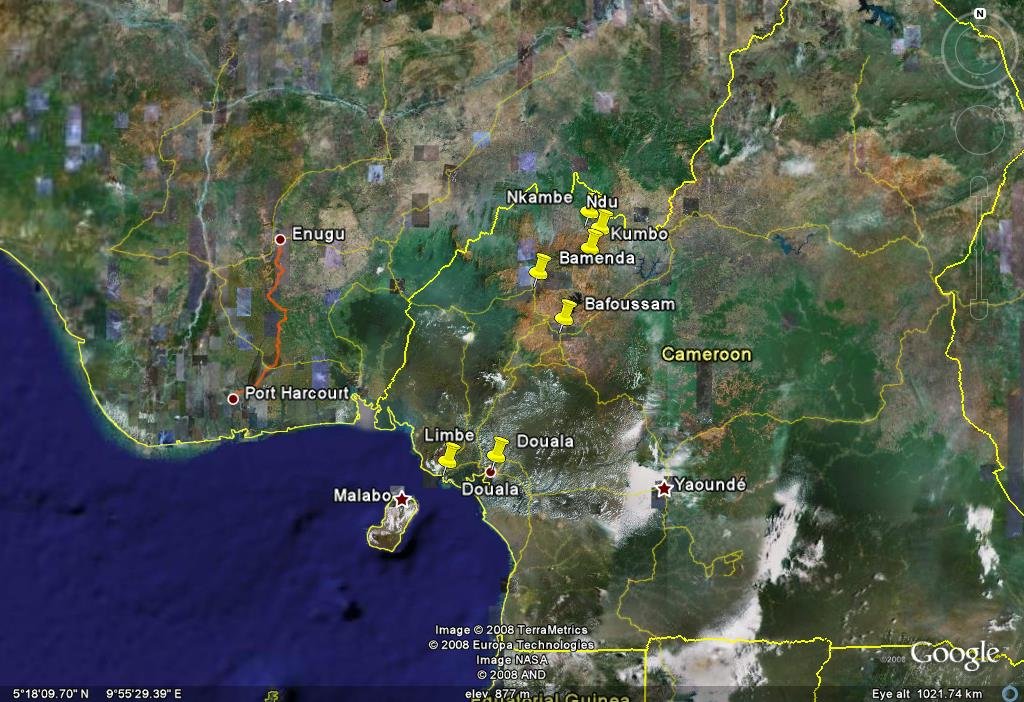
Regions of Cameroon suffering Internally Displaced Persons
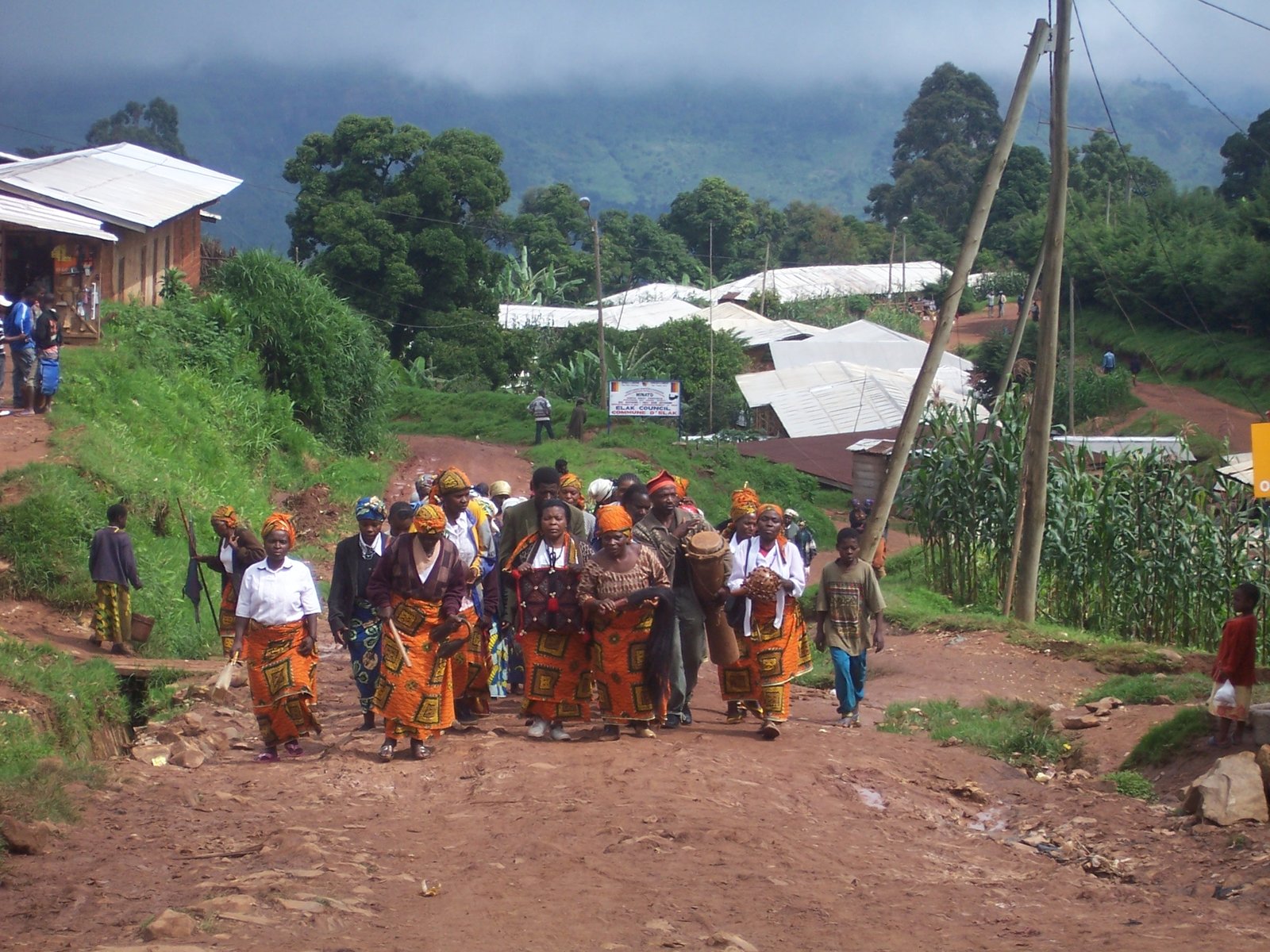
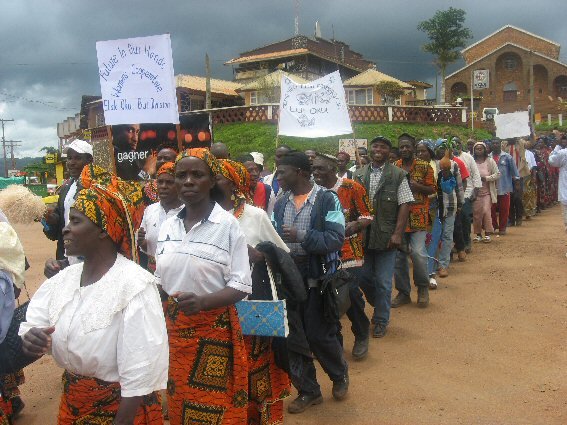
Womens’ cooperative in OKU
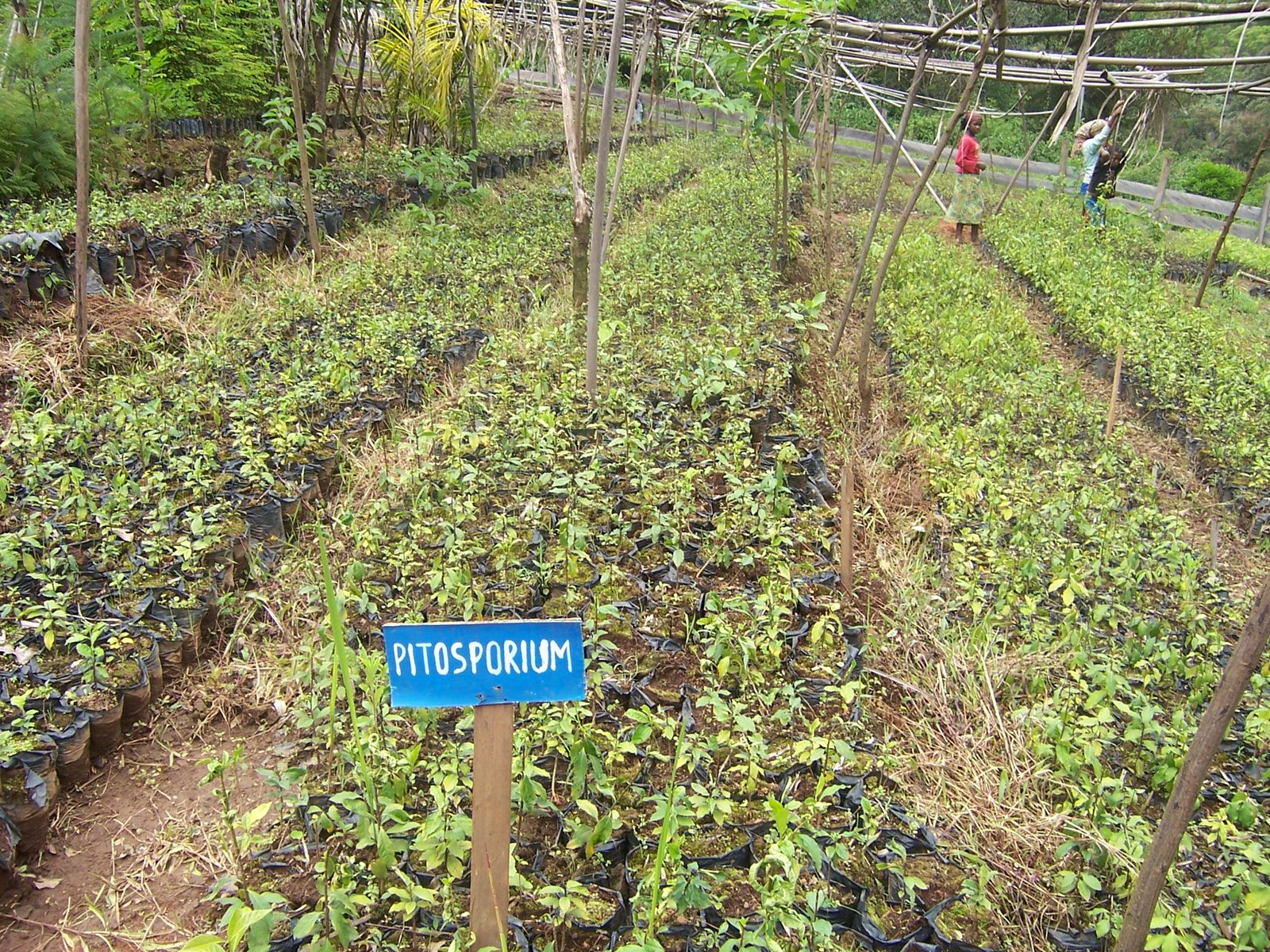
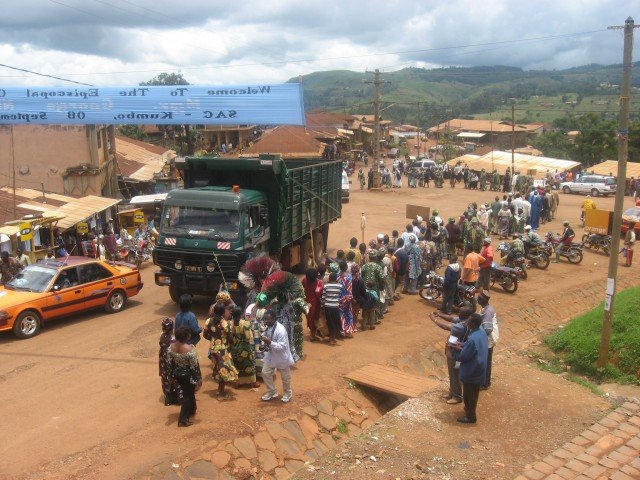
Tree nursery in Kumbo
GLORES Global Rehabilitation Services Bafoussam, Cameroon

Building work

Completed building GLORES Rehabilitation Centre
Since 2004 the FIOH Fund has been supporting the work of GLORES treating severely disabled children and in 2016, helped build a new treatment and rehabilitation centre near
Bafoussam in the Western Region of Cameroon. In 2017, GLORES moved from its rented building into the new centre to continue treating children with disabilities.
Project updates can be read here:
GLORES update – September 2021
GLORES Update – September 2019
To see the difference this project is making, please read the testimonies of six children who have all been successfully treated at the centre and beyond through outreach

Mike Thomas our founder at the clinic in 2009