How CAMGEW Restored Forests and Empowered Women in Cameroon – 2025
All of the Major achievements by our network partner CAMGEW and a summary of their annual report focused on reforestation and women’s equality in Cameroon, with support from FIOH.
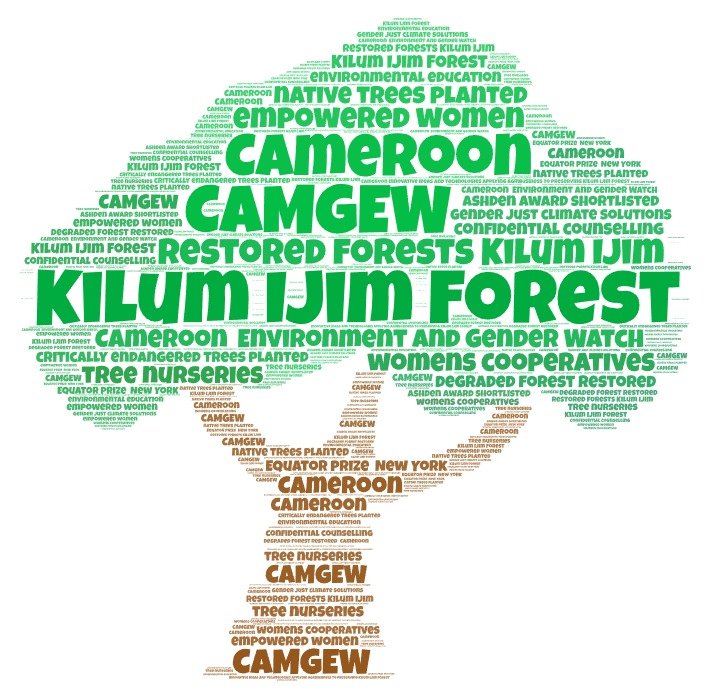
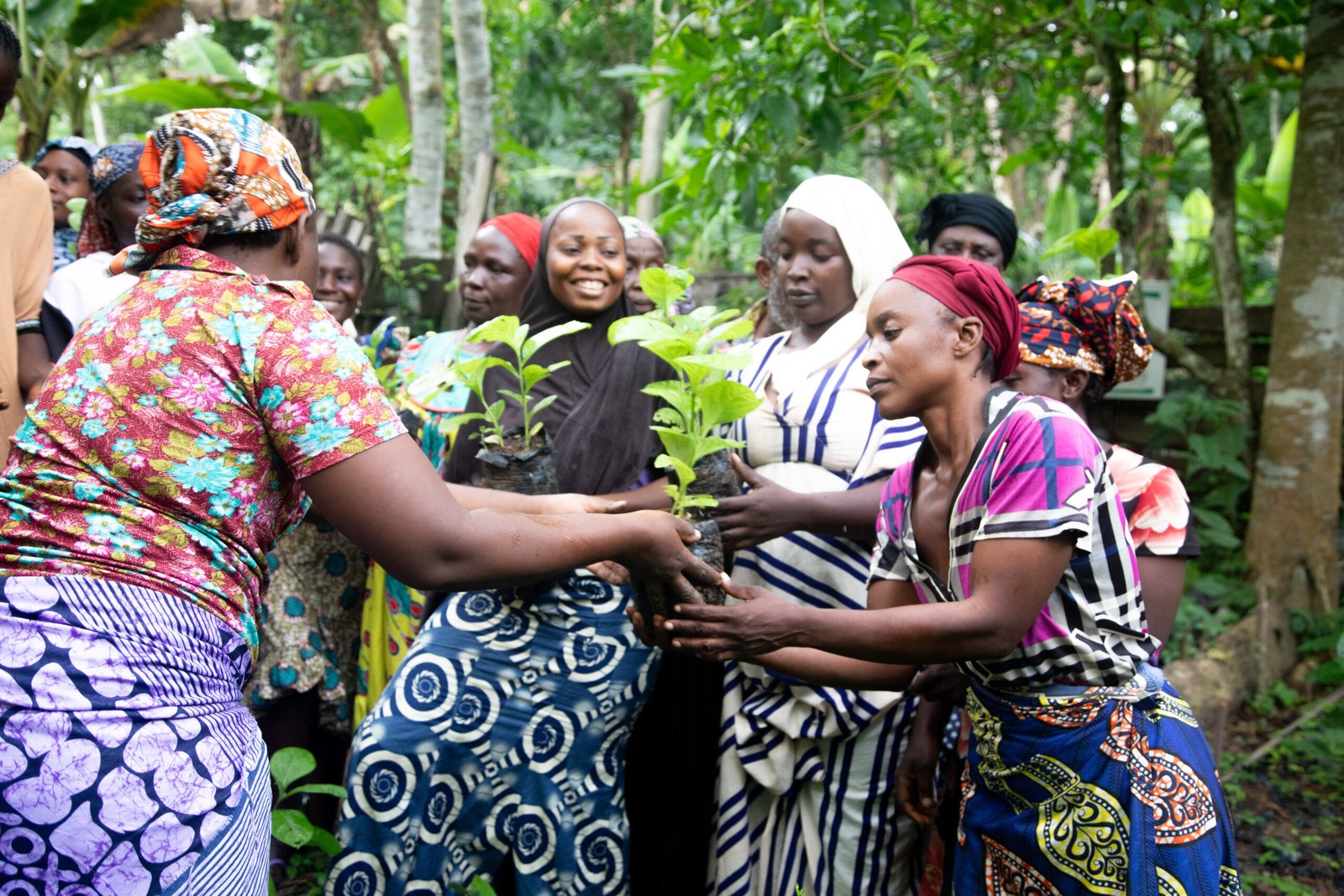
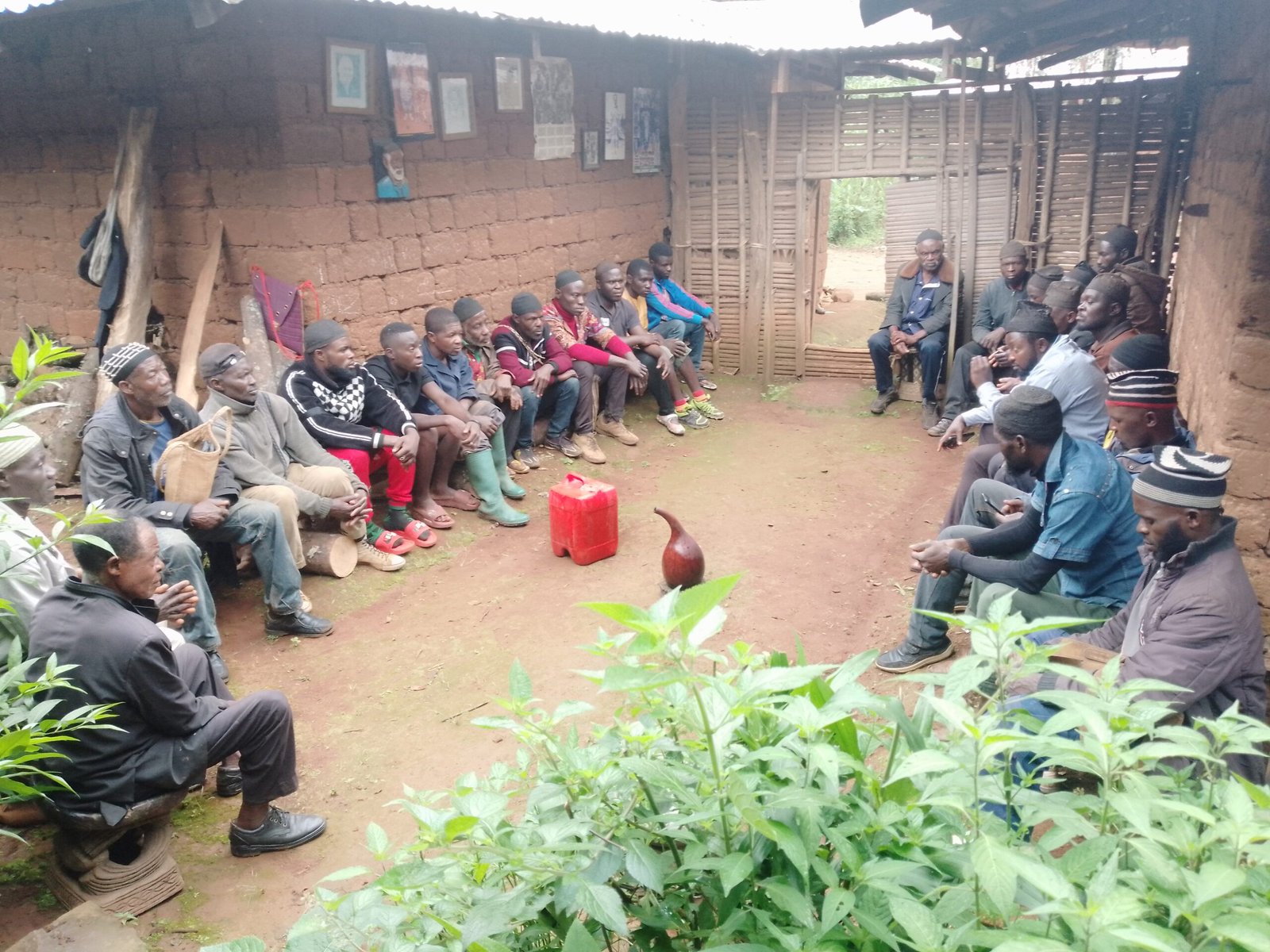
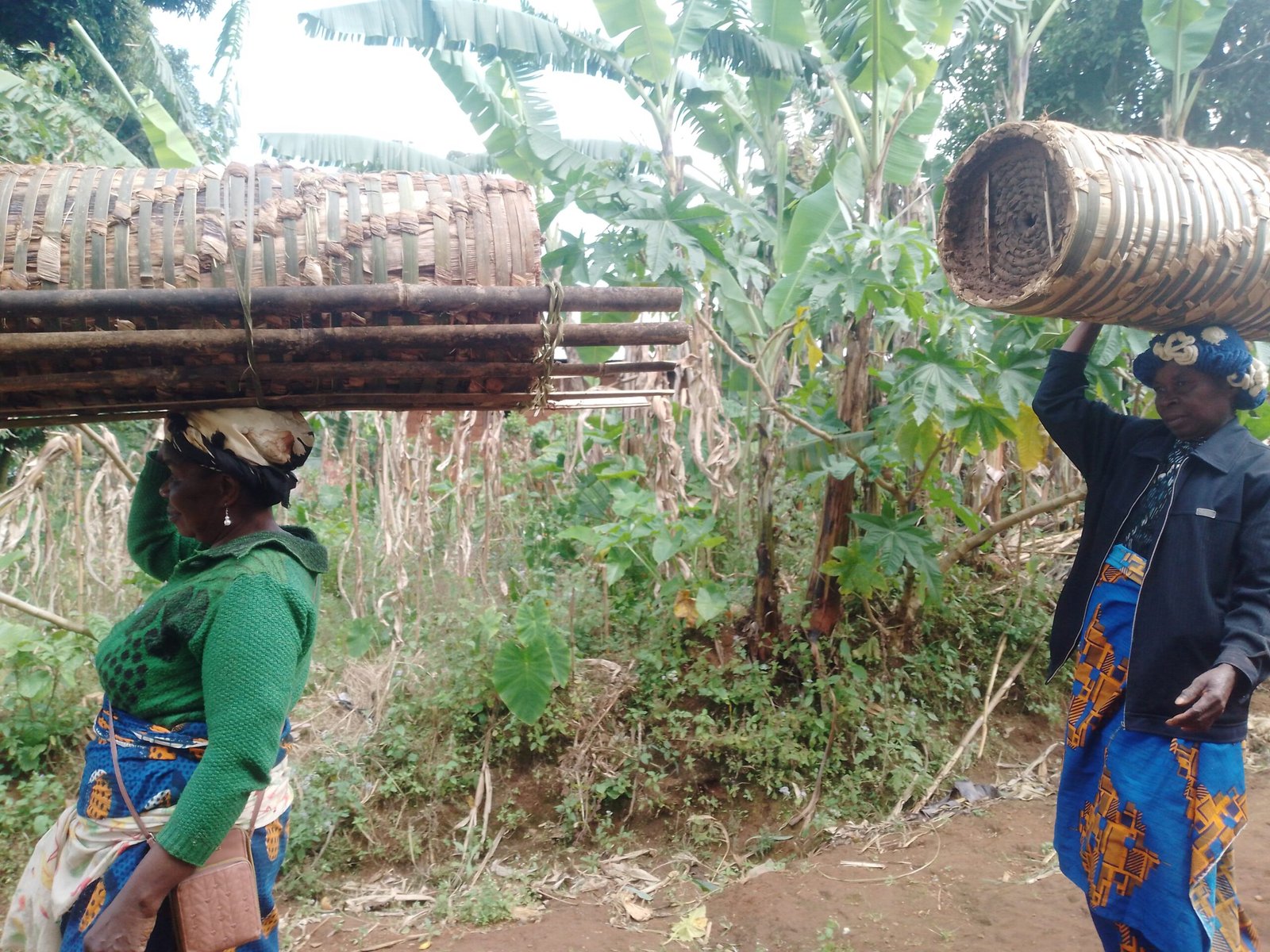
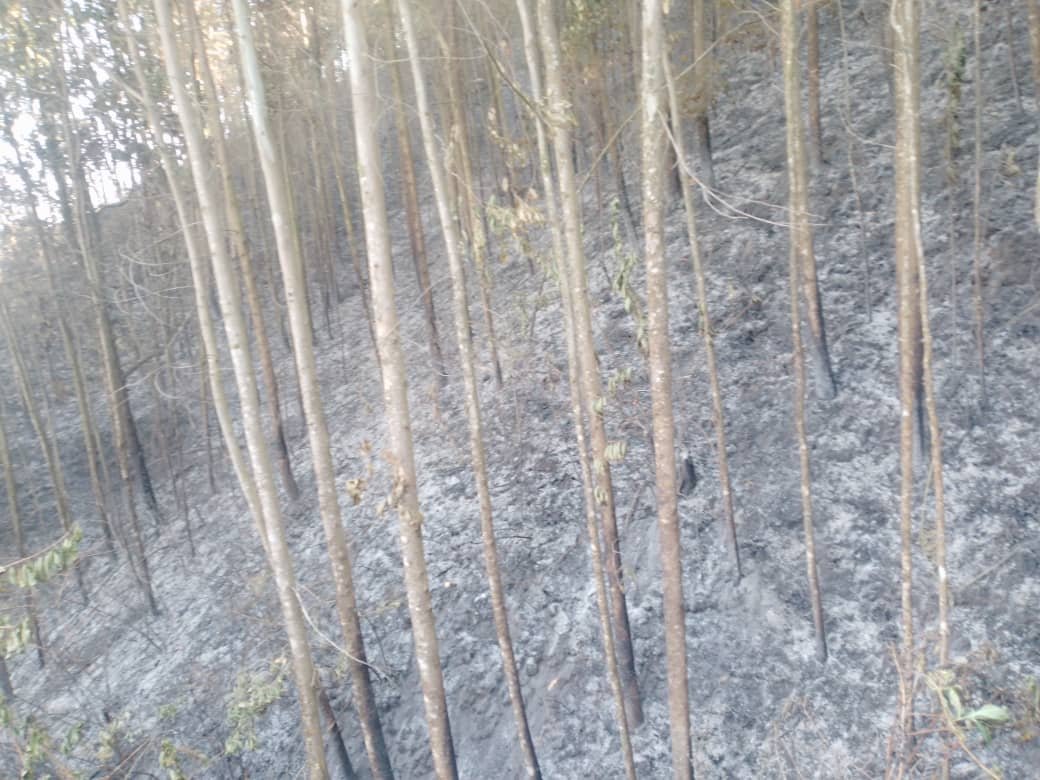
In 2025 CAMGEW was restoring forests and empowering women in Cameroon, rebuilt livelihoods with sustainable agriculture and a focus on youth livelihoods — while quietly transforming itself from a single-forest project organisation into a multi-region programme NGO with a 2026–2030 strategy.
Nine Headline numbers
| Indicator | 2025 Result |
| Native trees planted | 11825 seedlings plus 406 wild stems protected |
| Cumulative total trees planted | 134880 over 14 consecutive years |
| Critically endangered trees planted | 1386 Newtonia Camerunesis IUCN Red List |
| Degraded Forest restored | 12=-15 Hectares |
| Farmers trained in agroecology and enterprise | 600+ |
| People reached by environmental education | 4161 |
| Confidential counselling provided | 510 |
| Girls in leadership programmes | 102 |
| Livestock Livelihood beneficiaries | 230+ households |
The annual report has itemised, verifiable and audited statistics to support the following areas of action.
International Awards 🏆
Equator Prize New York
Gender Just Climate Solutions Sevidzem Ernestine Leikeki
Innovative ideas and technologies in agribusiness in efforts to preserve the Kilum Ijim forest
Ashden Award shortlisted
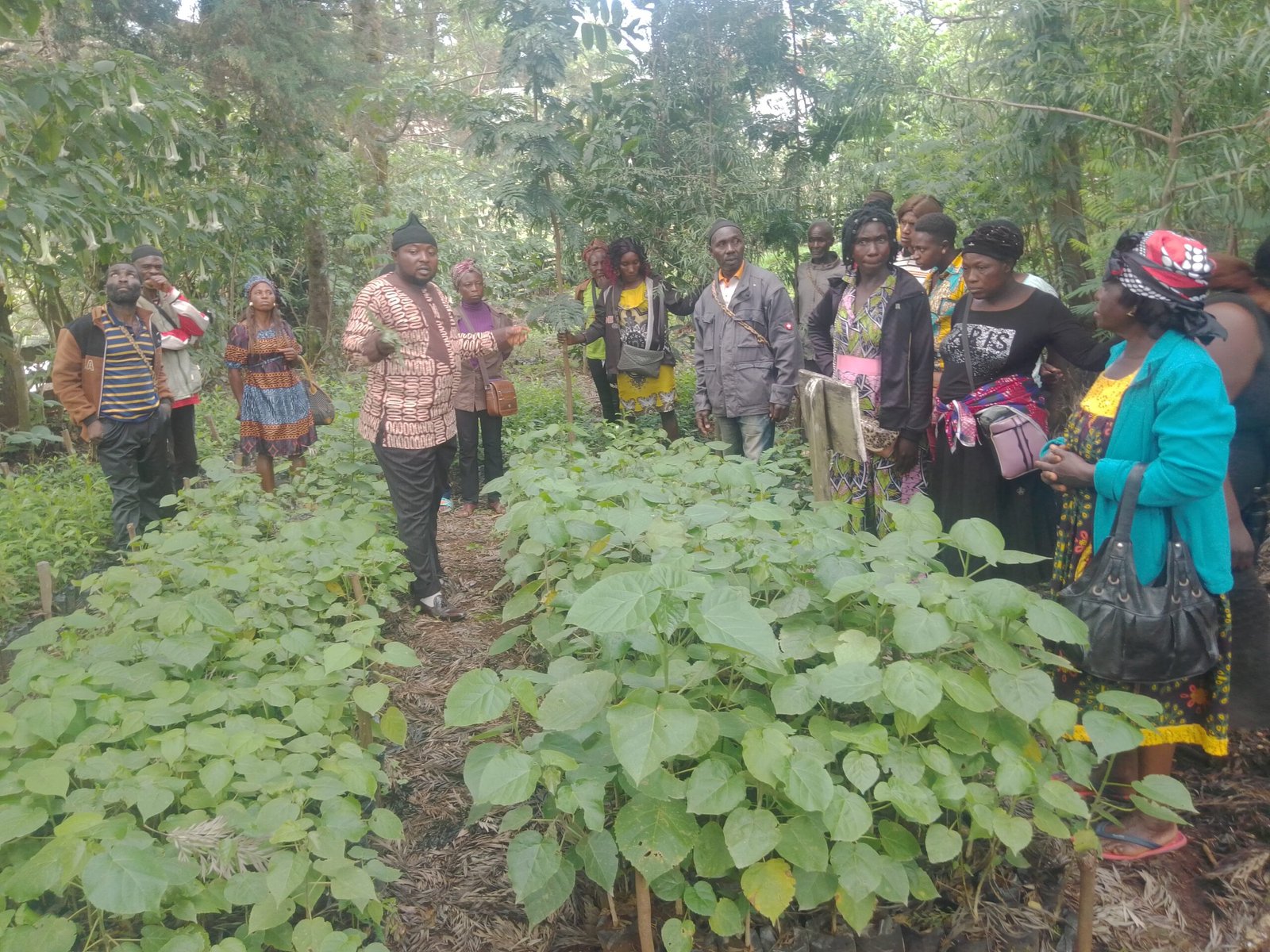
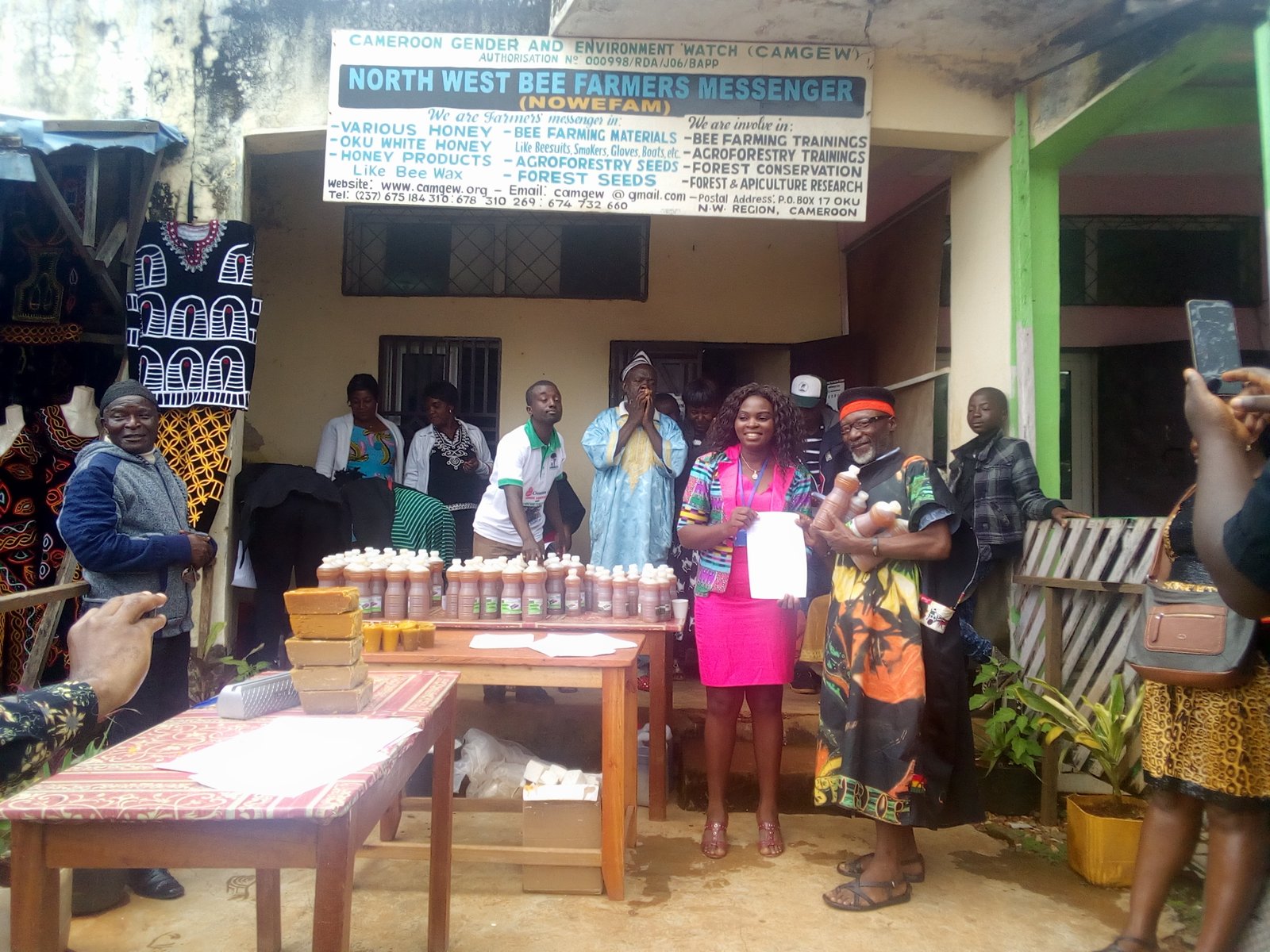
CAMGEW Cameroon Gender and Environment Watch on its way to NGO status with photography from Director Emmanuel Wirsiy and edited by FIOH
Source: CAMGEW 2025 Full Annual Report (80 pp). www.camgew.org Prepared for FIOH website digests and articles. CAMGEW Cameroon Gender and Environment Watch. Founded Oct 2007; works in 3 regions of Cameroon (North West, West, Adamawa). FIOH–UK was one of CAMGEW’s original tree-planting funders (2012-2017).
If you wish to support our cause and fund future projects on restoring forests and empowering women in Cameroon like CAMGEW’s please Donate via our website. To read more articles like this one, try reading this one of Cassava Farming in Sierra Leone.
Remarkable humanitarian GLORES Director Alfred Wingo (Obituary)
Alfred was a remarkable man who has improved the life chances of thousands of children born with disabilities by adopting physiotherapy techniques. He was instrumental is combating the misinformed beliefs of the local population. There were widely held beliefs that disability was because the parents had done something wrong and that disability was a punishment for previous misdemeanors. The debilitating effects of associated stigmas served to compound the negative impact on these children’s lives. He remained a voice of reason.
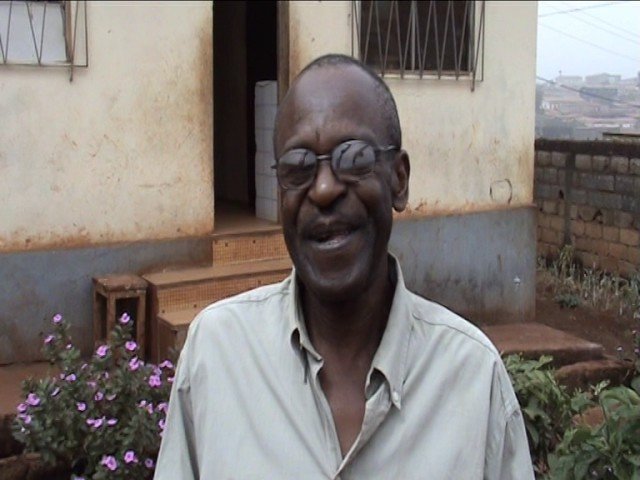
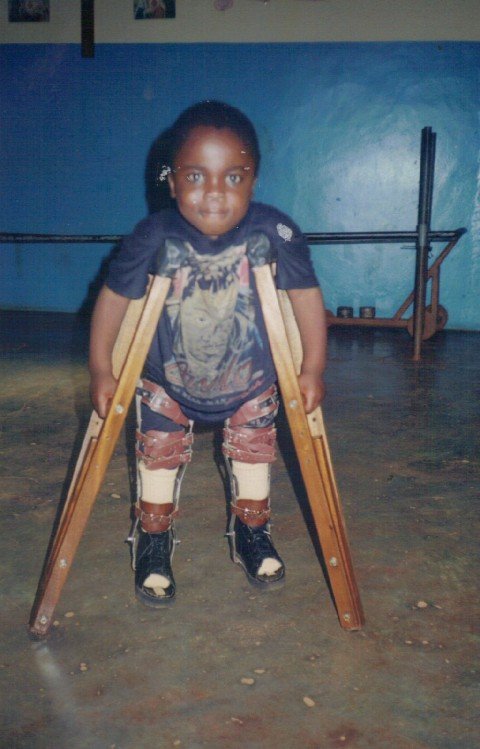
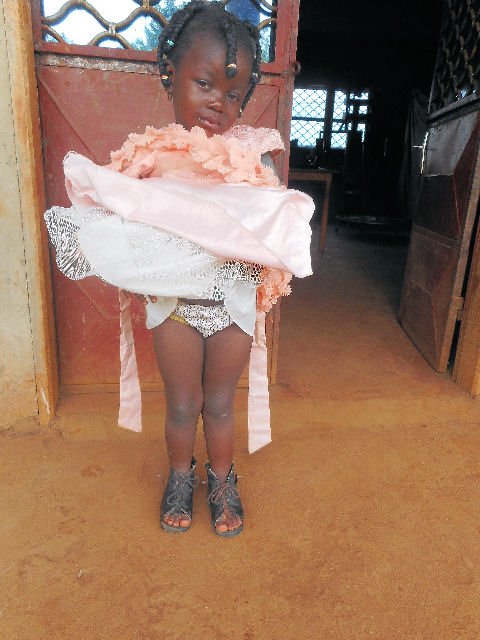
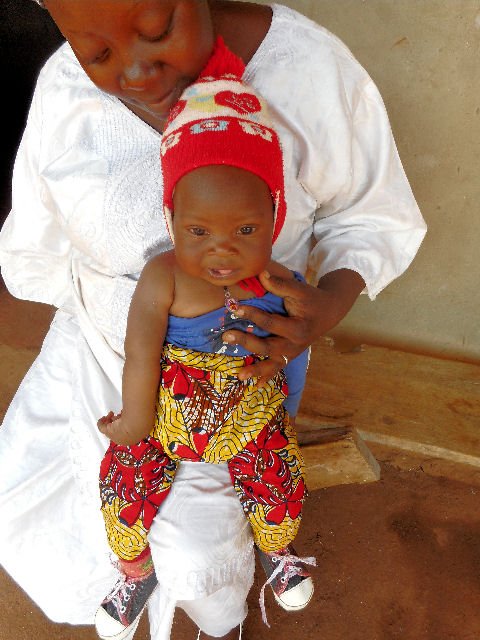
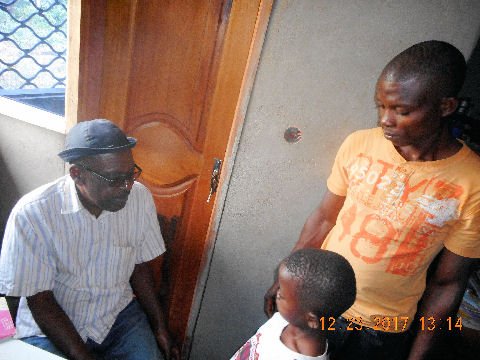
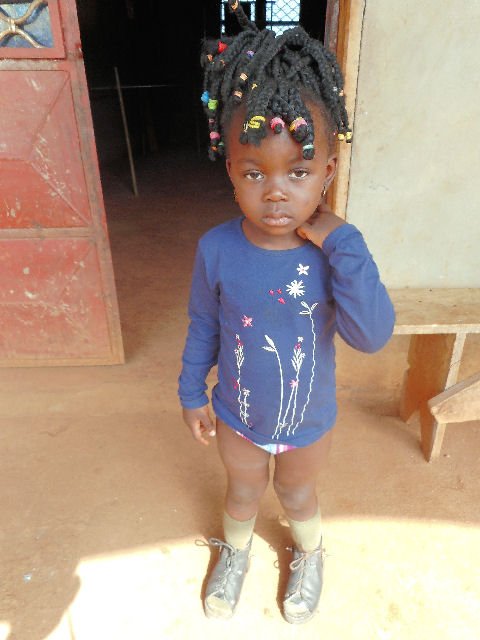
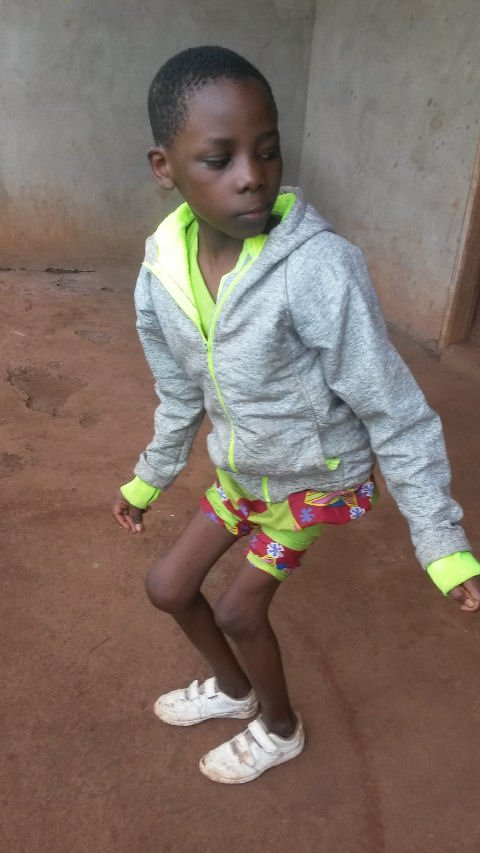
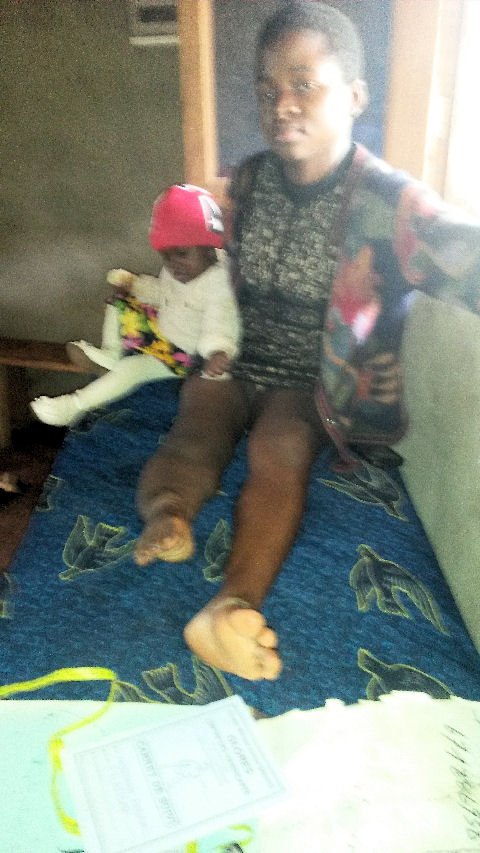
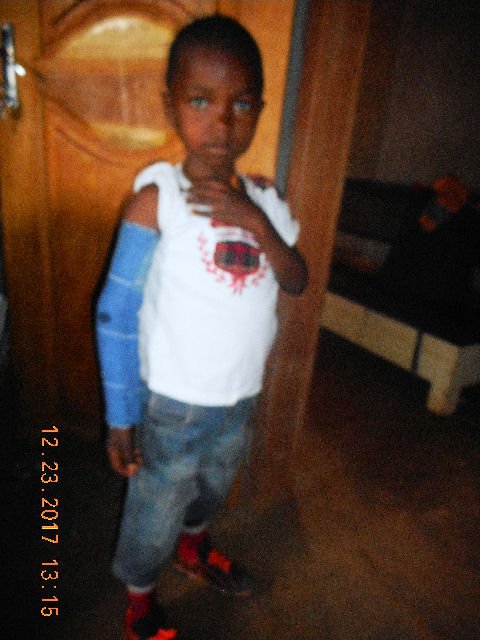
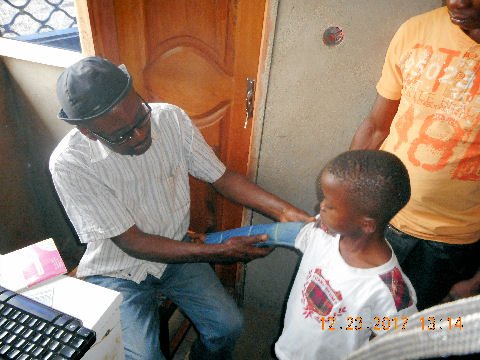
It is with enormous sadness that we report the loss of our main contact in Bafoussam, Cameroon. After meeting Alfred in 2008 we established assistance for GLORES (Global Rehabilitation Services) a unique service provided for the most vulnerable in society. Modelled on United Kingdom National Health Service treatment should be free at the point of access and based on need. We first encountered Alfred in rented accommodation making do with minimal equipment to transform the life chances of disabled children in Cameroon. The photographic record below vividly shows the rudimentary conditions we witnessed first hand.
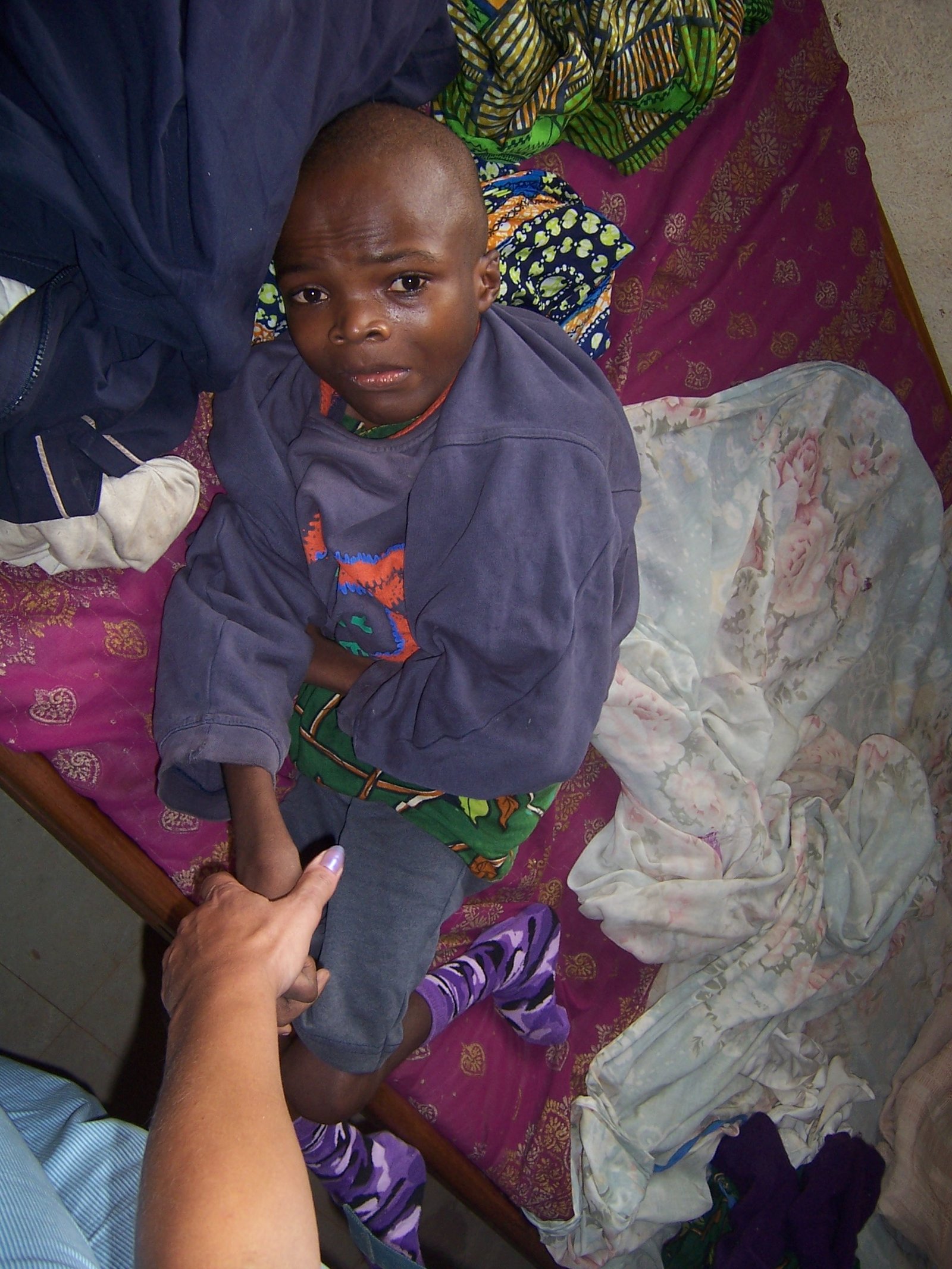
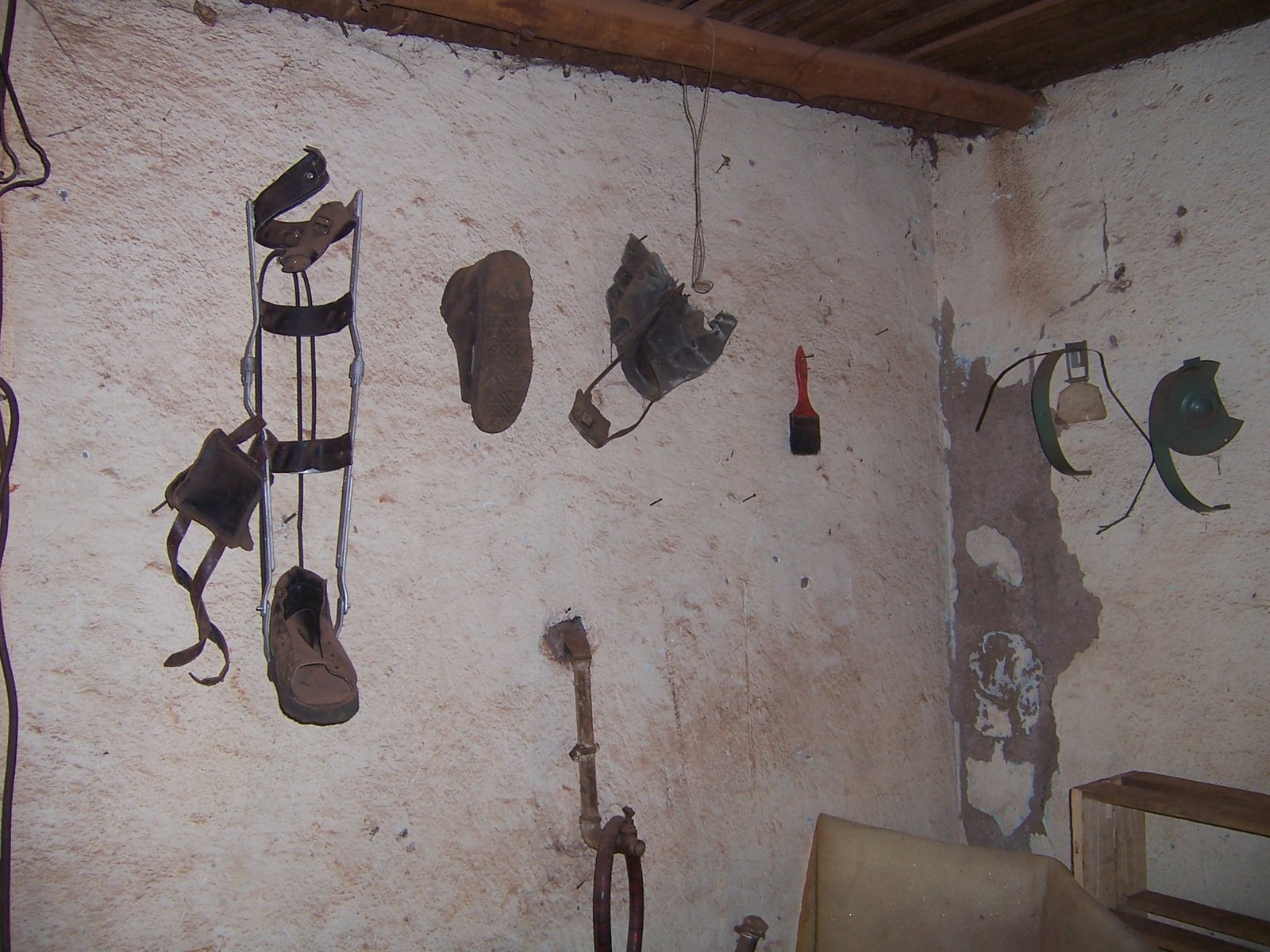
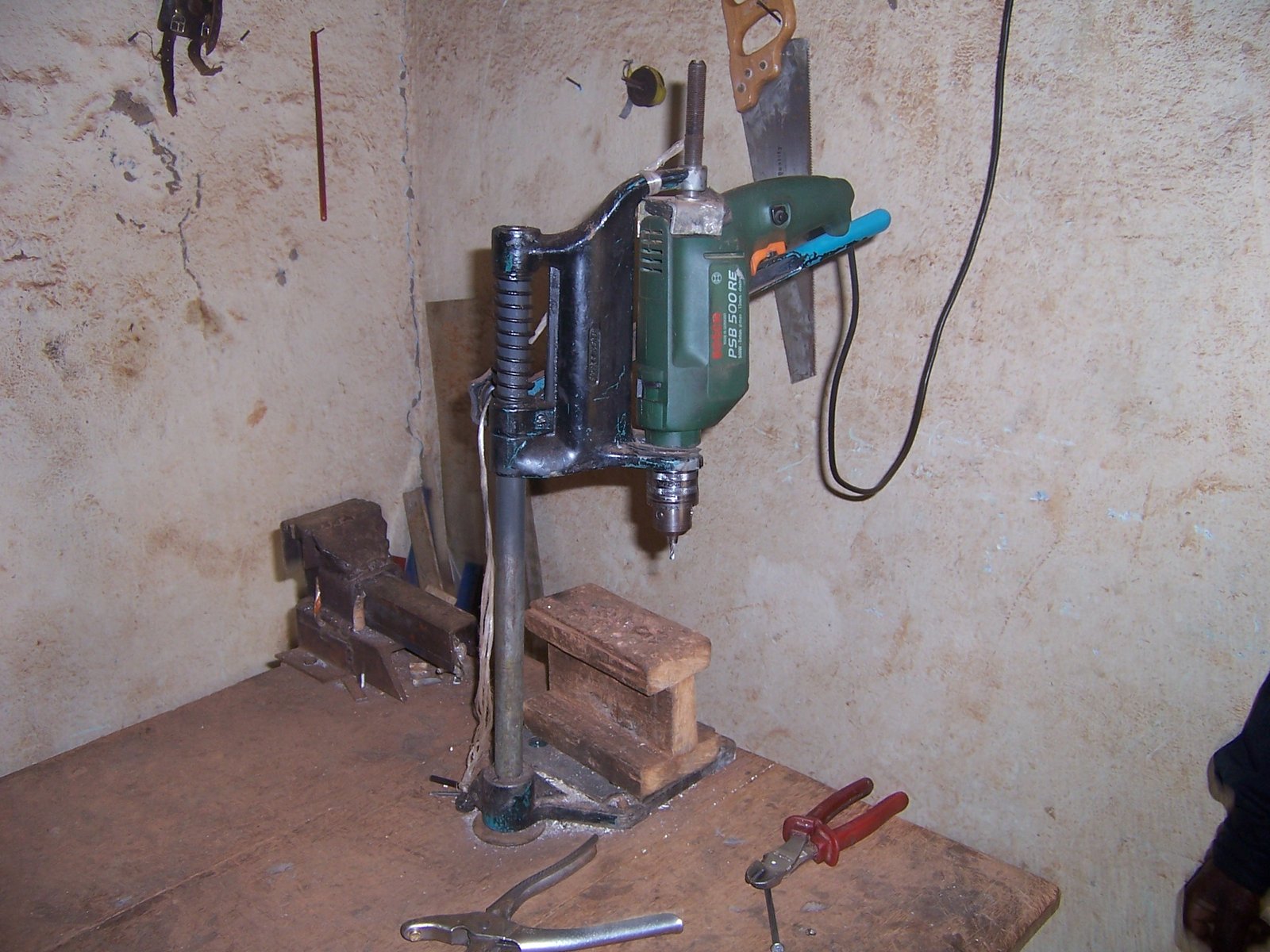
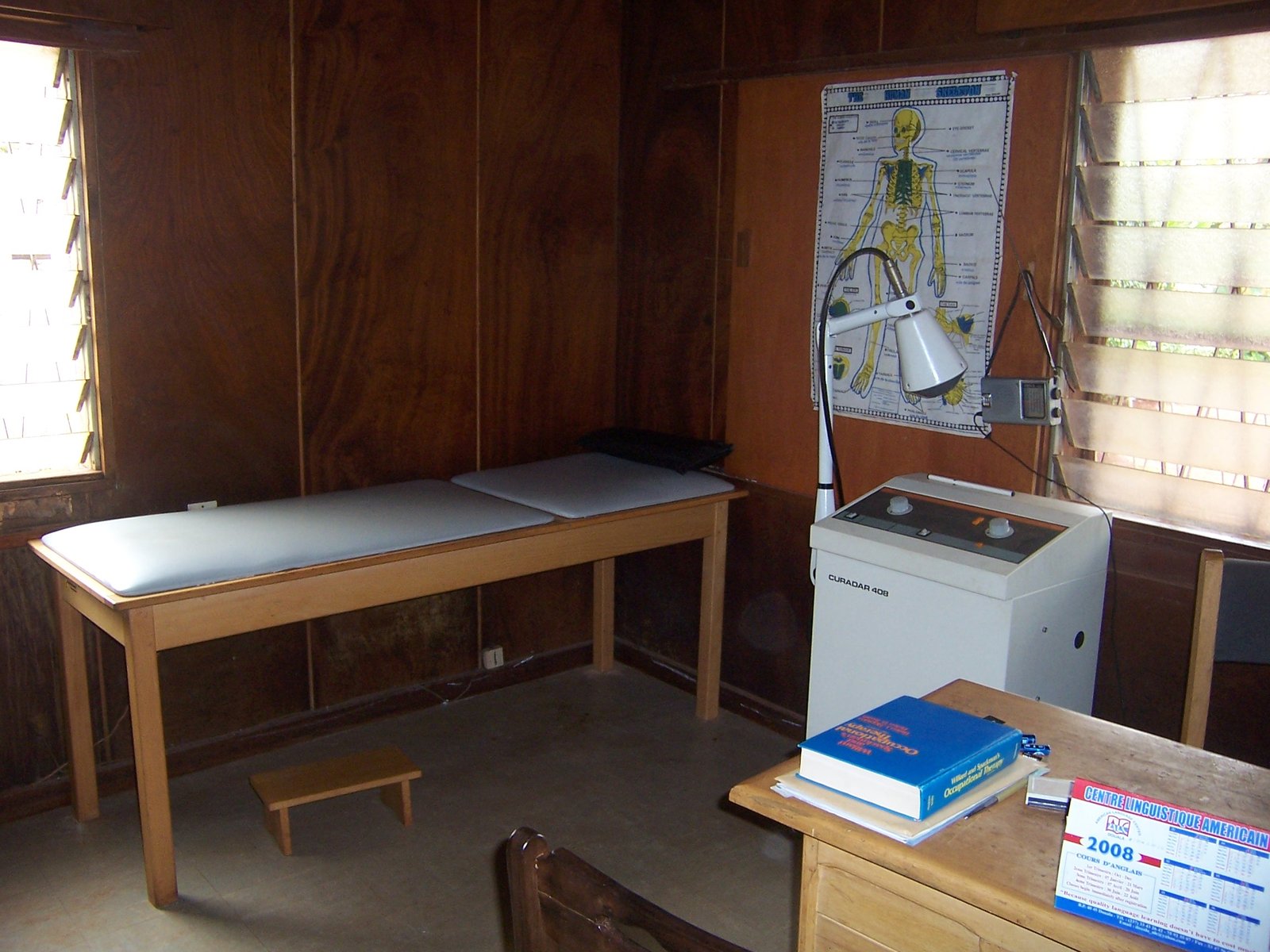
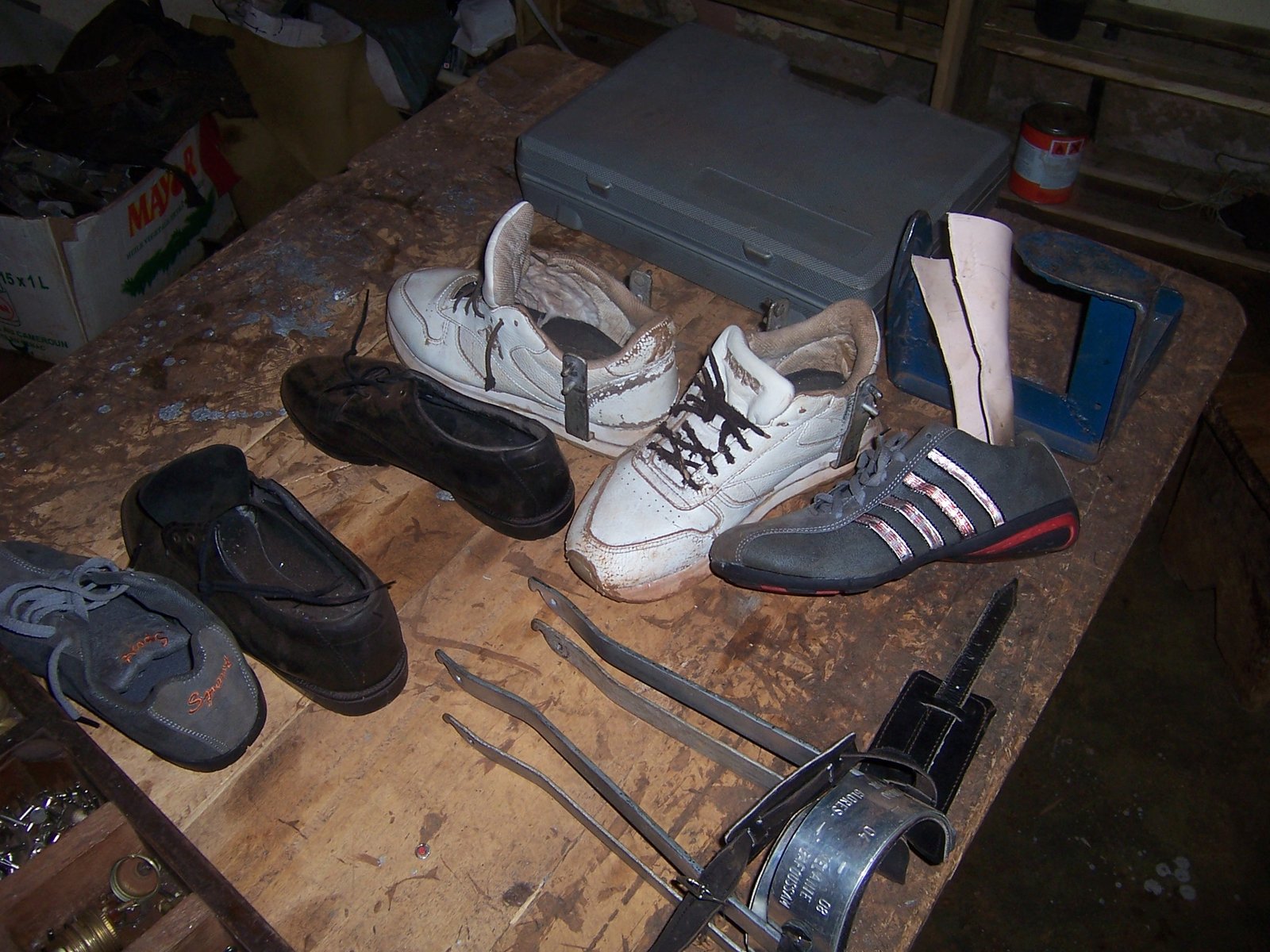
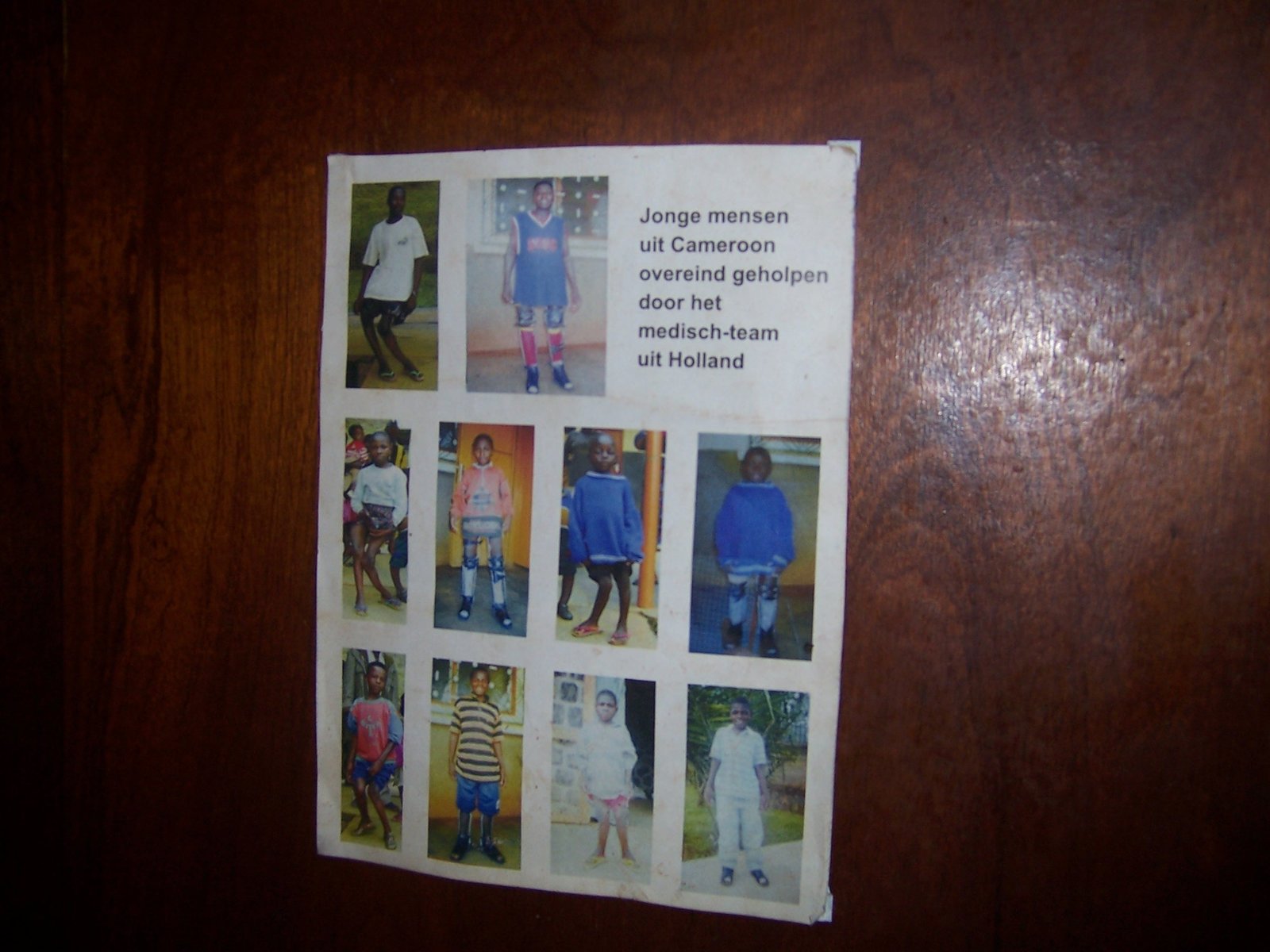
Immediate support required
The need for immediate support was self evident and through a sustained programme of support the FIOH fund financed the development of a new bespoke treatment facility , unique to Cameroon. The construction infrastructure was finally completed in 2016.
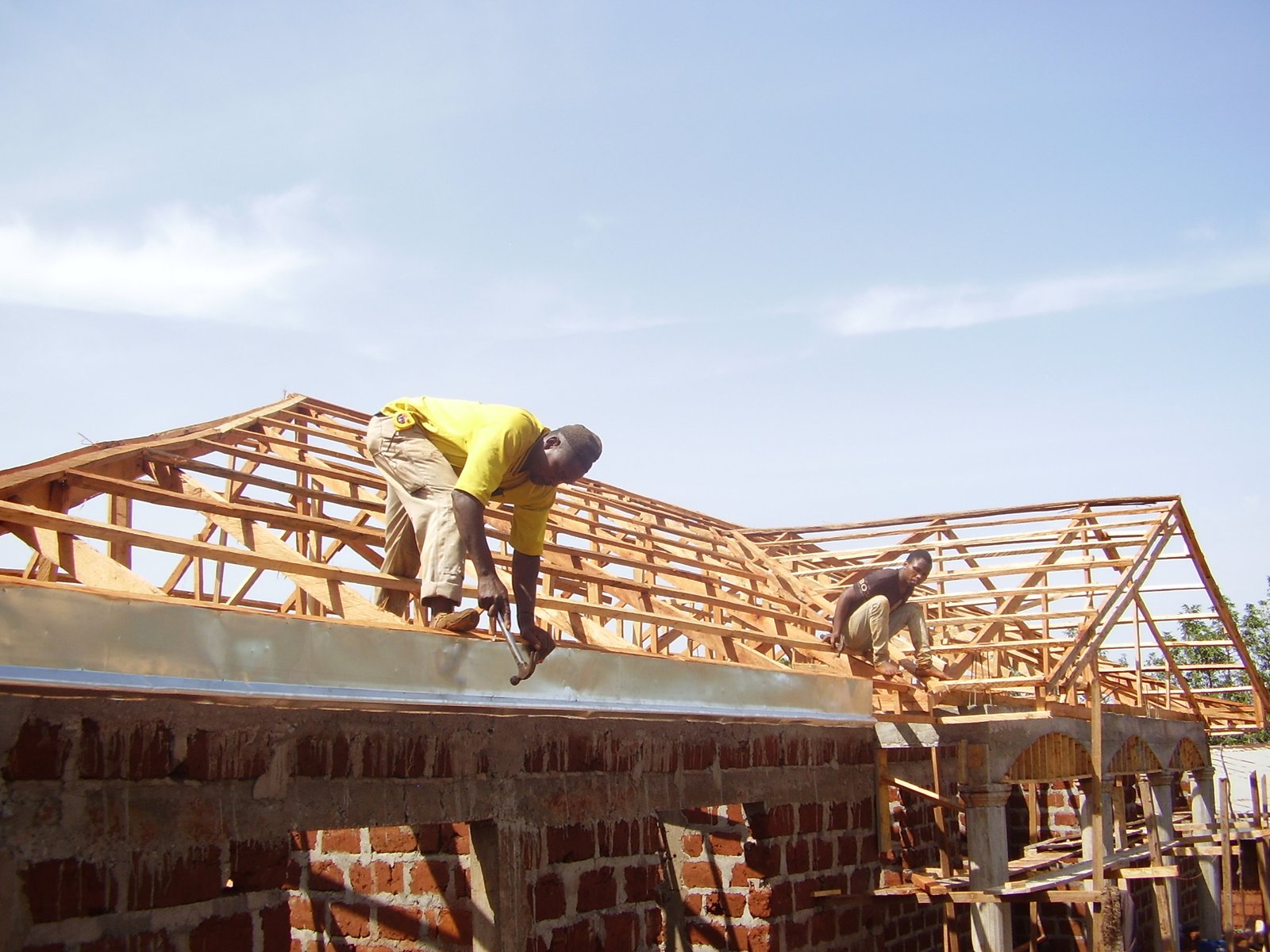
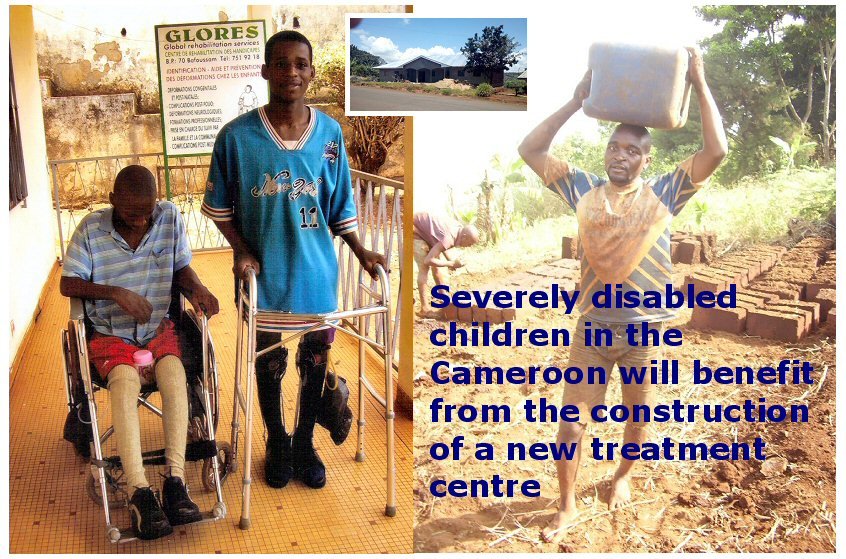
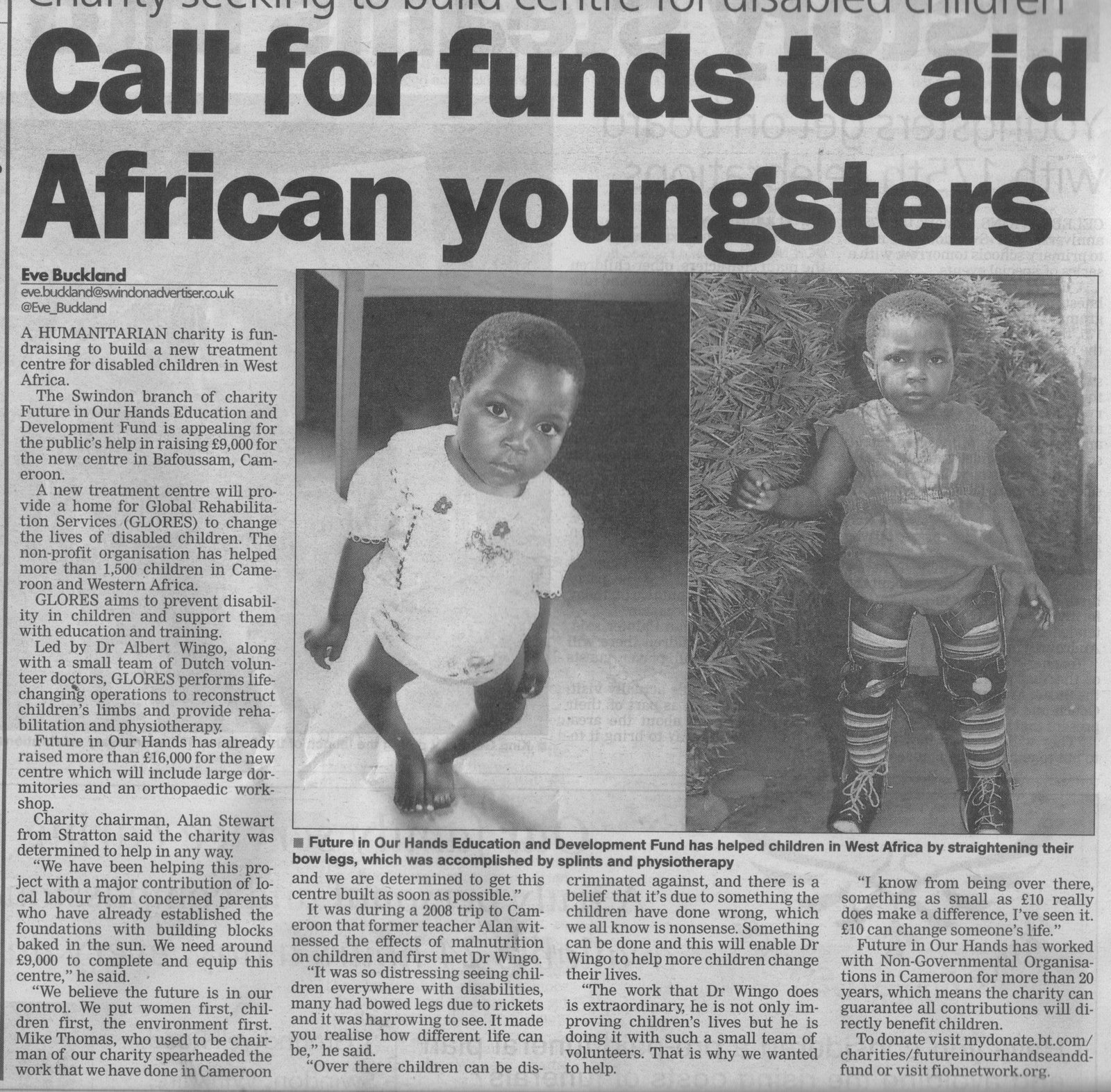
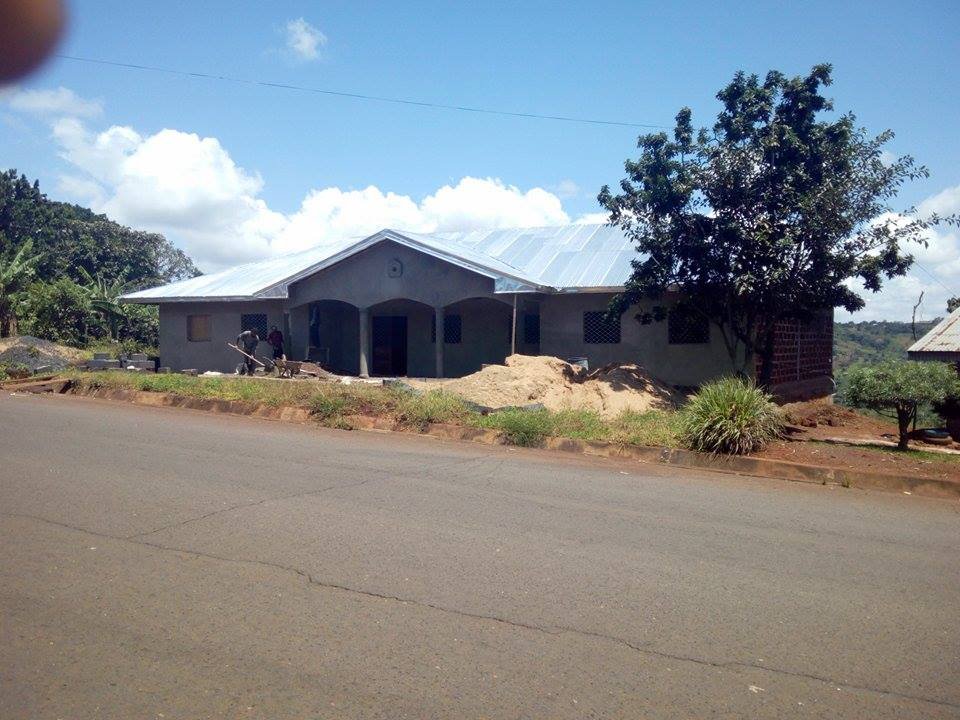
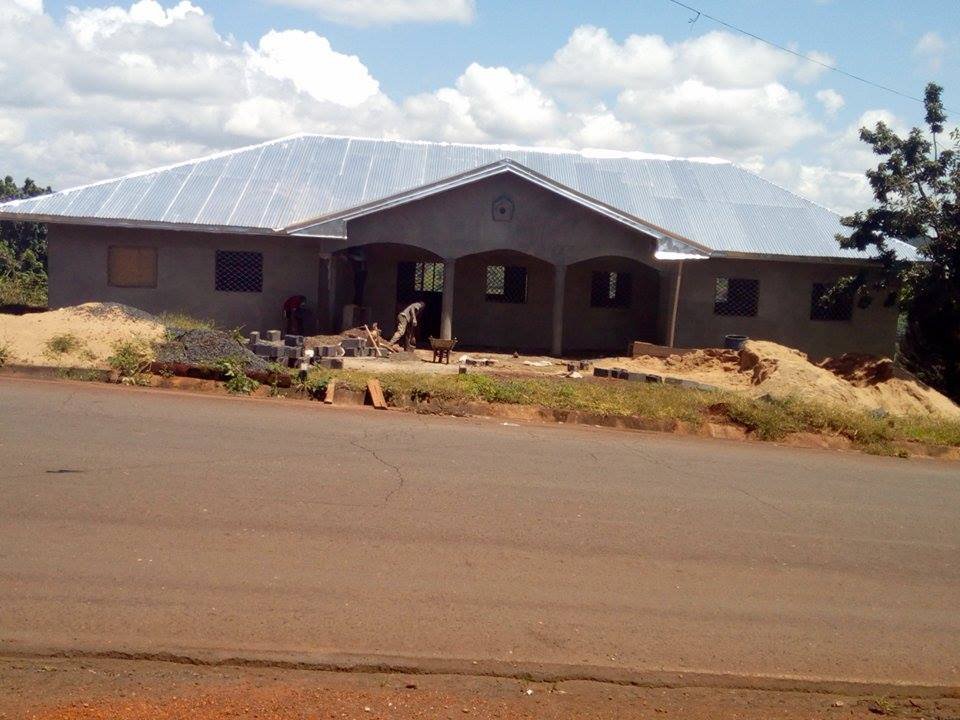
Alfred was instrumental in developing this idea from it’s planning to inception and continued to serve the disabled children of Cameroon until his untimely Death in Nov 2024. We express our condolences to his family and pay tribute to a remarkable humanitarian. FIOH remain honoured to have been a vital part of his story alongside additional support from a team of Dutch doctors who regularly performed the more complex surgery.
Verification of progress
As overseas donors we endeavoured to promote networking to solve issues and problems and so engaged officers from our partner organisation in Cameroon to visit and produce a comprehensive report on the progress towards the final construction of the bespoke facility.
A VISIT TO GLORES IN BAFOUSSAM BY CAMGEW 5th of October 2015 Requested by: Michael Thomas of Future In Our Hands – UK Objective Assess the progress of work in the GLORES CENTRE Contruction site Discuss challenges of GLORES Determine the date when GLORES will come for exchange visit to CAMGEW Discuss on procedure to apply for a service car for GLORES Time CAMGEW through Wirsiy Emmanuel and Sevidzem Ernestine left for Bafoussam to visit.
Methodology
We arrived the GLORES office and prepared a programme of work. The visit started with movement round the various departments of GLORES. We then moved to the GLORES Centre contruction site using CAMGEW car. After working there, Emmanuel and Alfred had a working session to close closely at construction activities, possibility of completion of work, means of mobility for GLORES and possibility of exchange visit. Activities CAMGEW staff visited all the offices and activities of GLORES in the GLORES office CAMGEW and GLORES move to the GLORES Centre construction site. This visit was done together with technicians to do the work. Alfred told us that the technicians will do the work with the assistance of volunteers who are beneficiaries (parents and guardians of patients). I did ask Alfred to call the technicians for us to reflect together on how to proceed with work. There, ALFRED told us that the small two room house constructed to serve as packing store for material collapsed 2 days ago after continuous rain fall and heavy wind storm. With the technician and Alfred we discussed what must have happened and what lessons must have been learned. We saw that the house was poorly built with poor mixture of sand and cement. The builder promised to redo the work on his cost. We also discovered that the wind blowing from down upward was too strong and needed wind breaks. It was agreed that Alfred should plant some fast growing trees to rescue the situation. Alfred said this was to be done the next day. The technicians that came were different from the ones that constructed the collapsed house. These ones looked more professional. The bricks for the house were still to be moulded this dry season starting from November. It was agreed that bricks made out of soil be used. The bricks were to be constructed on site because the soil is good for bricks. We deliberated on how to get water to the construction site. The government was still putting water pipes around the road close to the site but it was not clear when the water will start flowing. There was a small spring that is always available in the dry season and we assessed and saw that the water from the spring was small. We also looked at possibility of digging a well to get water but saw that the area was too rocky with high possibility of meeting a big rock before getting to see water. We also thought of pumping water from the river down in the valley to the construction site but saw that this was costly in pipes to connect the water, in fuel for the pump and in buying the pump. We thought of getting a land down beside the river to mould bricks and pay students during holidays like Christmas holidays to carry the blocks up to the site and saw that the hill was too steep for somebody to climb. We finally agreed that the spring will be used but Alfred will buy 10 containers of 20 Litres each and use them to carry additional water using his small vehicle every day for use in brick moulding and construction. Renting a car to do this work is costly. In terms of construction Alfred and technicians agreed that the centre has to be constructed to be solid since it will be beside a heavily used road by huge trucks. He said he hope that the house should be constructed and roofed before January. Alfred told me he has 5000 pounds at hand to start the work. He says he need an additional 10000 pounds to finish the work. This does not involve the fence construction and I saw the fence very important. Discussing with Alfred and from the reality he need a good secretary to handle finances, secretariat duties and communication We also agreed that Alfred will come to Oku for exchange visit when he comes we will use the opportunity to work on the GLORES MIVA car project. The visit will involve radio programme to advertise and sentise community on GLORES activities. Alfred could do consultation of his target group who needs help and could later be taken to GLORES Bafoussam for further treatment.
I did admire Alfred’s work. I have a soft spot for it. I pray God bless him and give him energy to do this work and take care of his children
Report prepared by WIRSIY EMMANUEL BINYUY Director of CAMGEW 2
Amabazonia mourns the loss of Transformational humanitarian leader in Cameroon
It is with great sadness that we mourn a true compassionate leader of SHUMAS. It was FIOH through initial contact with Mike Thomas, that were around to stimulate the origins of his story.
Tribute by Emmanuel Wirisy Director of CAMGEW
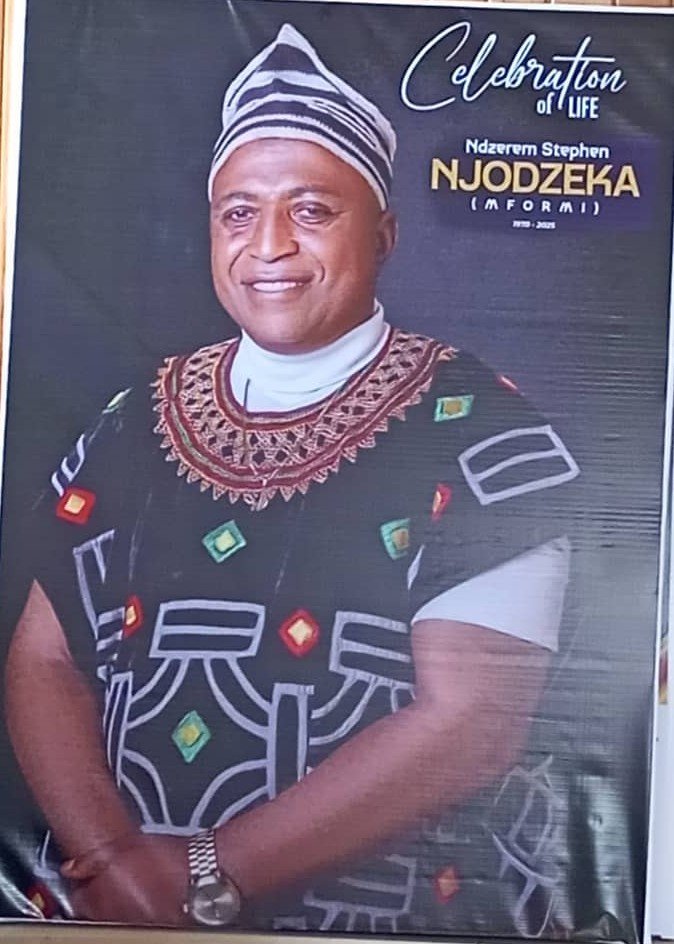
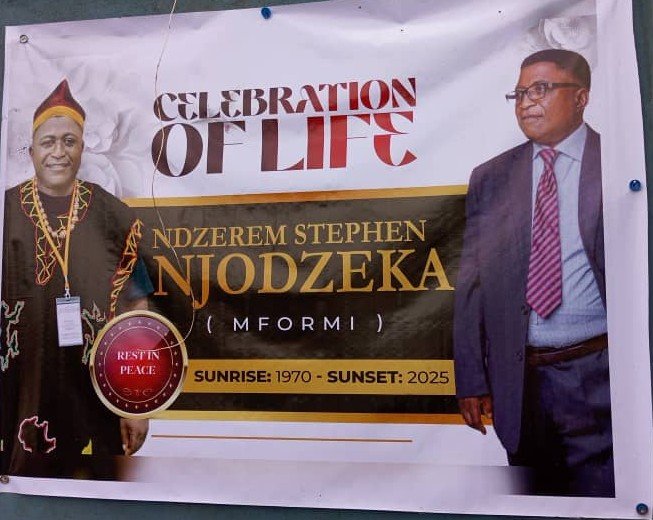
Our family has lost a great civil society leader, mentor and role model. SHUMAS director Mforme Ndzerem Atephen Njodzeka was a member of this group and guided its functionality. He made little noise but did more in actions. He did much in community development and moreover mentored and coached many who now lead their own NGOs non governmental organisations. We thank you for being an exemplary mentor and our hearts bleed with your premature departure. To make you proud , we pledge to continue your humanitarian and environmental work and to assist the most disadvantaged in society. We pray you rest in peace and send condolences to your family.
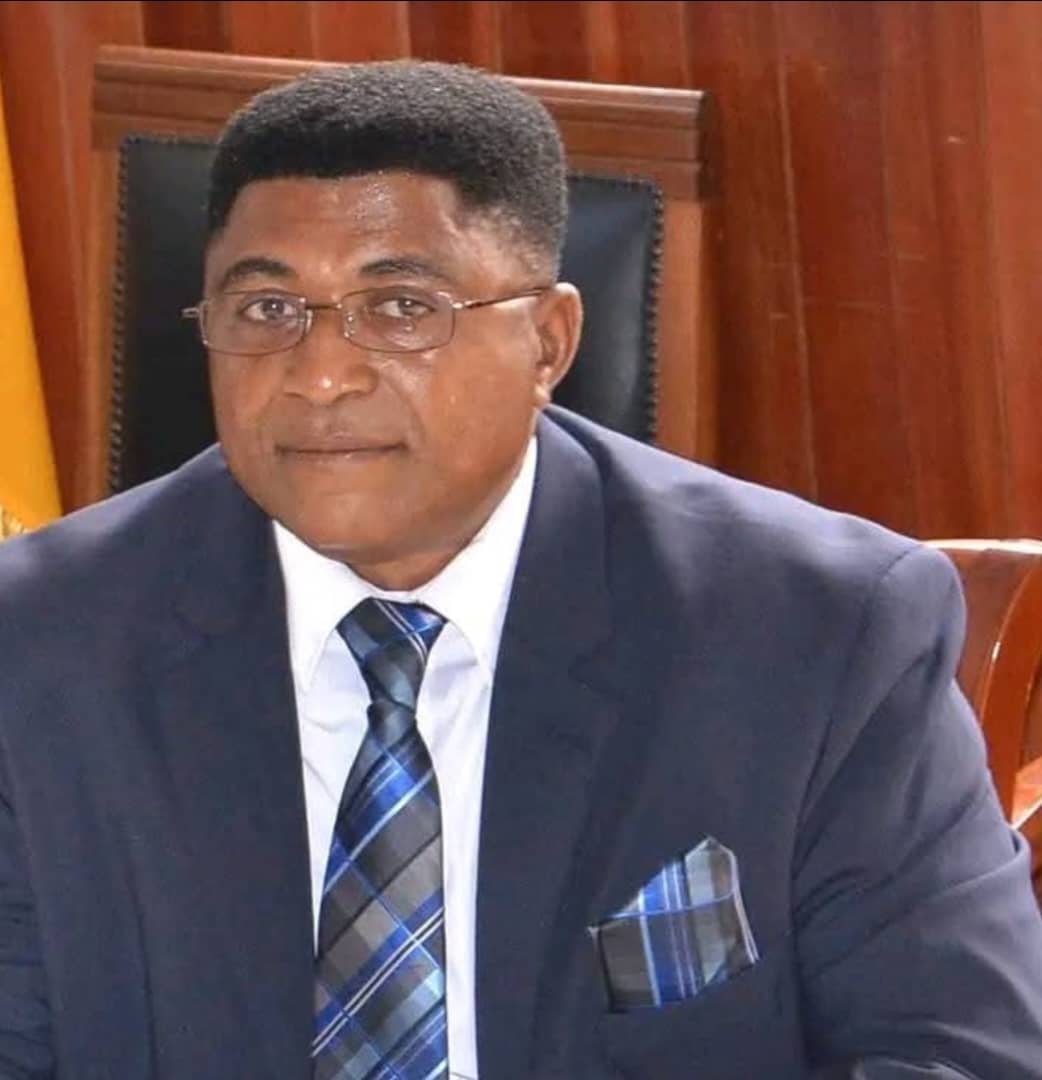
12 April 2025 we will be seeing off our Hero, Mentor, Model and Father that death took away from us in January 2025. This is Mforme Ndzerem Stephen Njodzeka who was Director of SHUMAS. He was one of us in this family here. His impact to humanity speaks loud and his forging spirit is what CSO leaders can hold as legacy to keep moving. Our condolence to his family. Go Well Our Hero to join the Great People of Our Community. We love you our Hero.
Refugee crisis in NW and W Cameroon
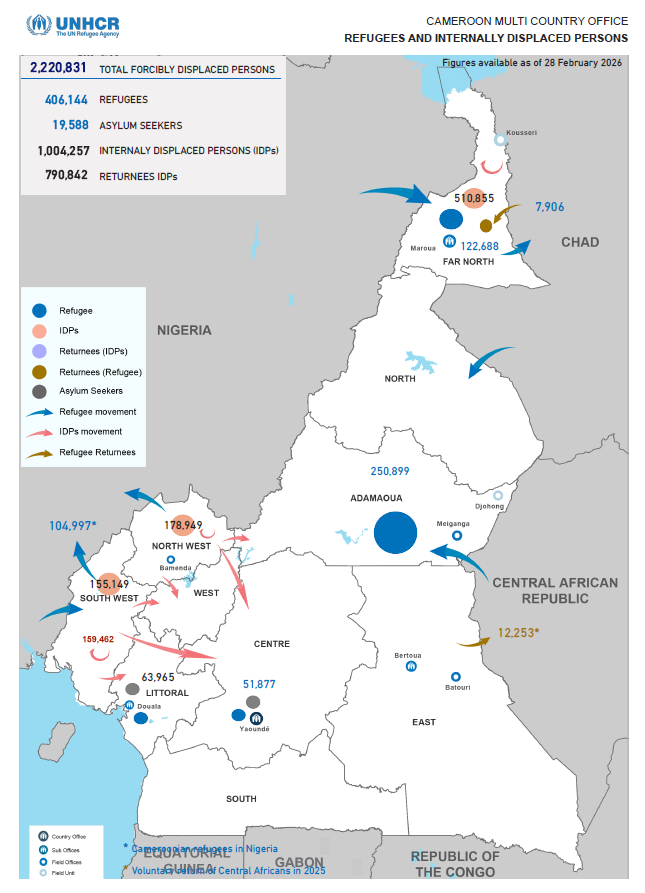
Situation mapped by UNHCR Feb 2025
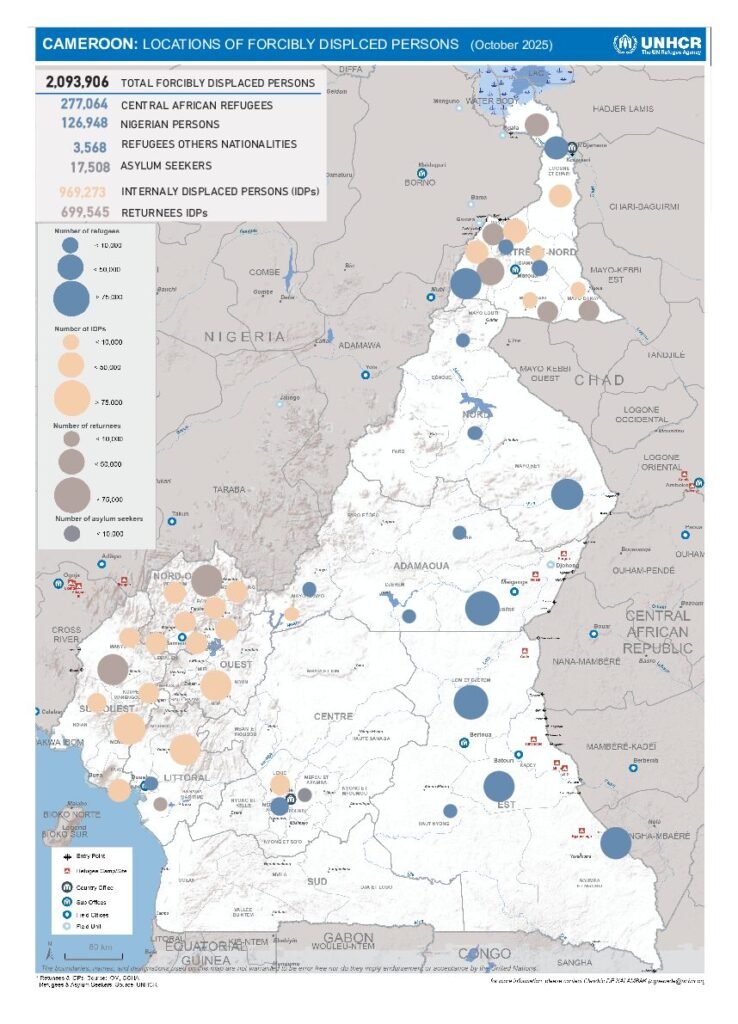
Situation update UNHCR Oct 2025
The situation continues to worsen with the civil unrest in Anglophone Cameroon. A most disadvantaged region with a Francophone government. This hidden issue continues to be under reported in a world of more newsworthy conflicts.
This initiated in 2014 when Cameroon began taking refugees from less stable Central African Republic and Chad
Families forcibly displaced from their villages and schools fleeing from coercion and impact of civil war compounded and exacerbated by impacts of climate change and terrorist groups like Boko Haram.
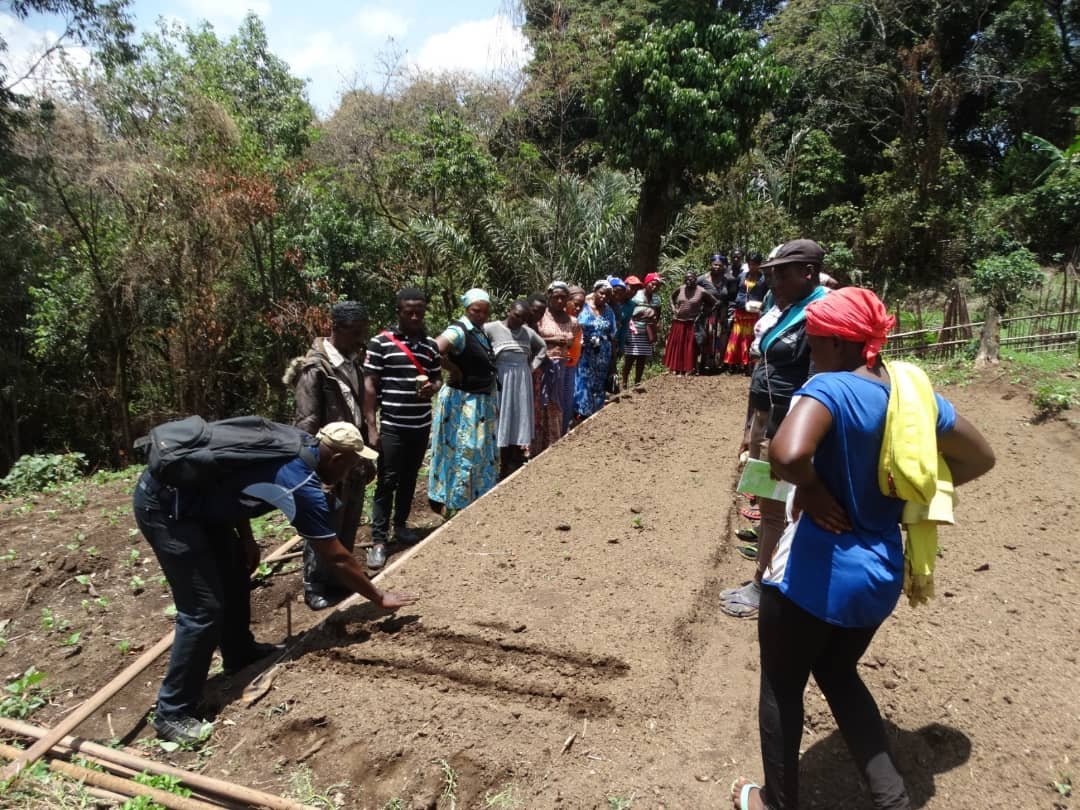
IAA Cameroon reaps the rewards of sustainability
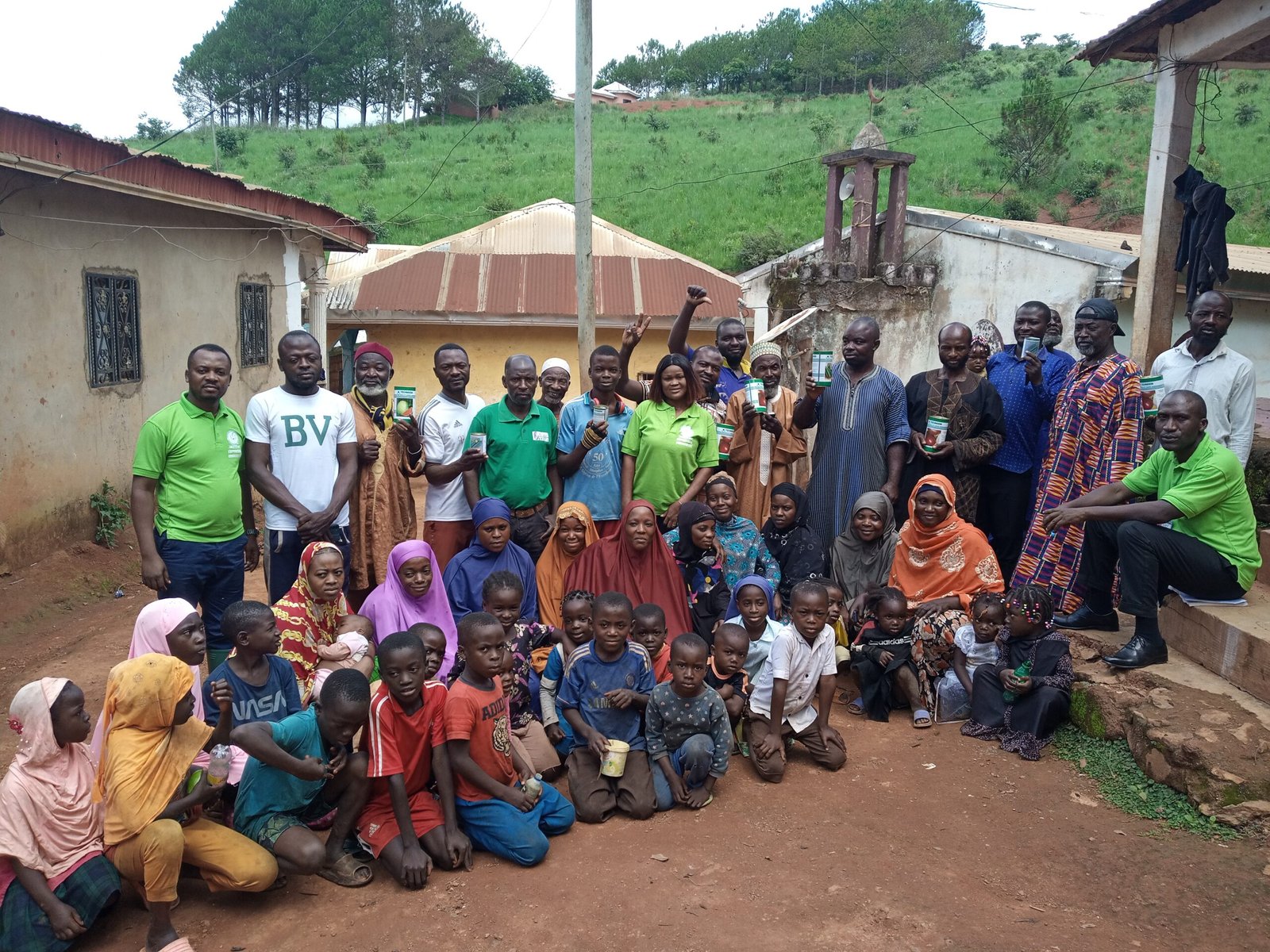
From seed distribution
To planting out
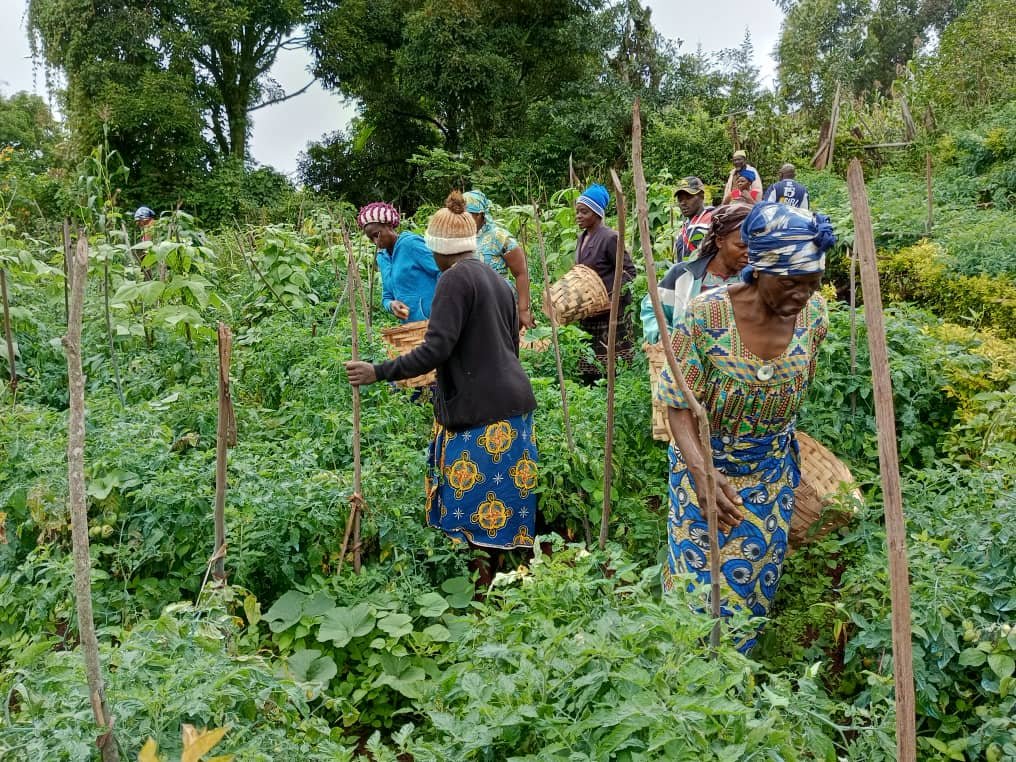
to harvesting
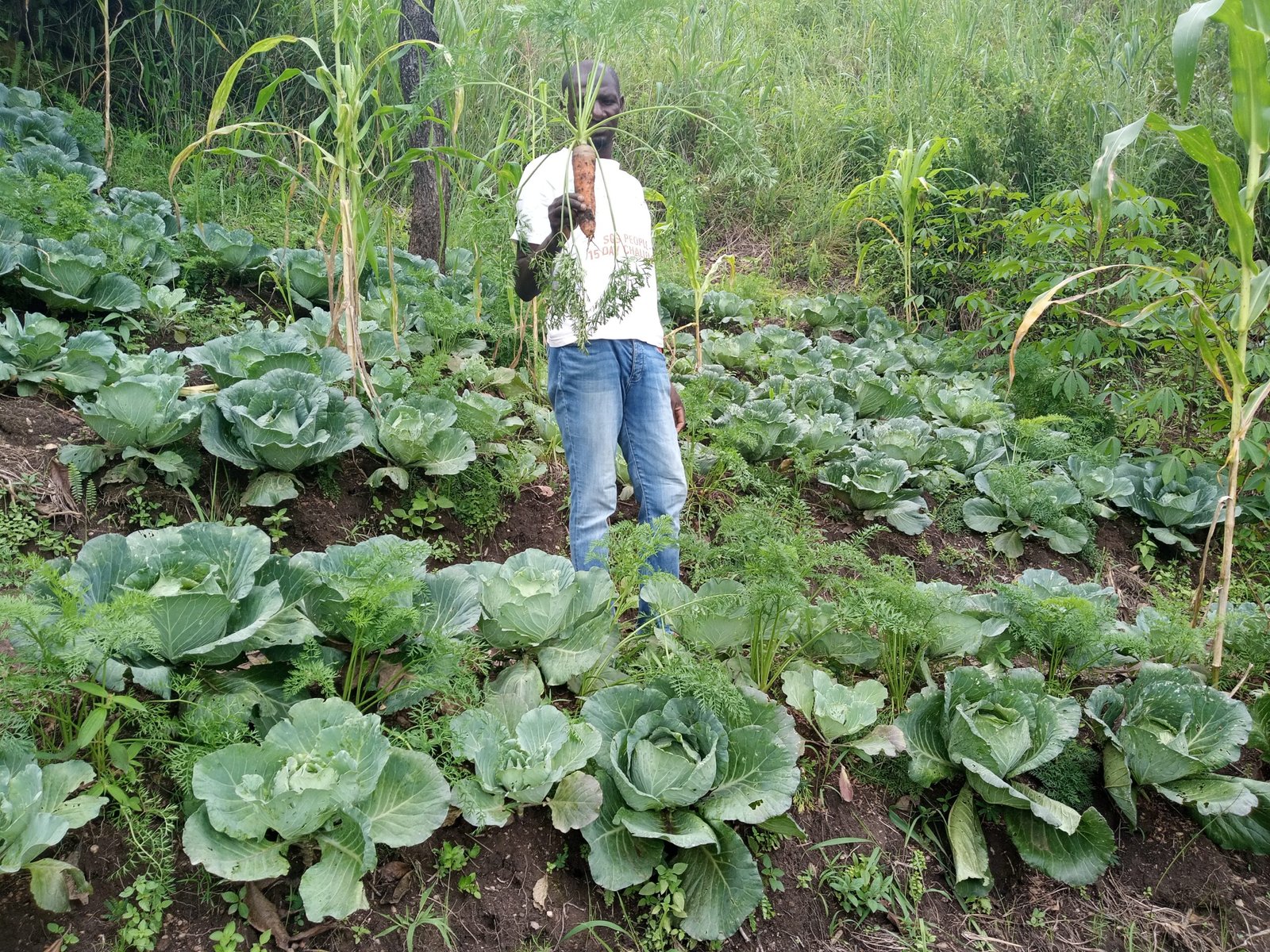
IAA receives international recognition with prestigious award
1) RECENT AWARD RECOGNITION
Regenerative Agriculture/Agroforestry, IAA has been honored as National Winner of 2024 Energy Globe Award.
The project aimed at training small-holder farmers in regenerative agriculture techniques and agroforestry. Specifically the project focused on climate adaption, carbon sequestration and conservation agriculture techniques, including the use of cover crops; “no till” practices, rotating crops, conserving water. Primarily using native crop varieties and trees to manage pests.
These approaches not only contribute to long term climate resilience, but also increase productivity, decrease farming input costs, and improve soil fertility. The project also increased local availability of safe, quality vegetables and fruits for the poorest and most vulnerable populations in the region. IAA trains and supports rural smallholder farmers in conservation agriculture and agroforestry. We promote sustainable practices that reduce water and chemical use, prevent land degradation, and protect biodiversity.
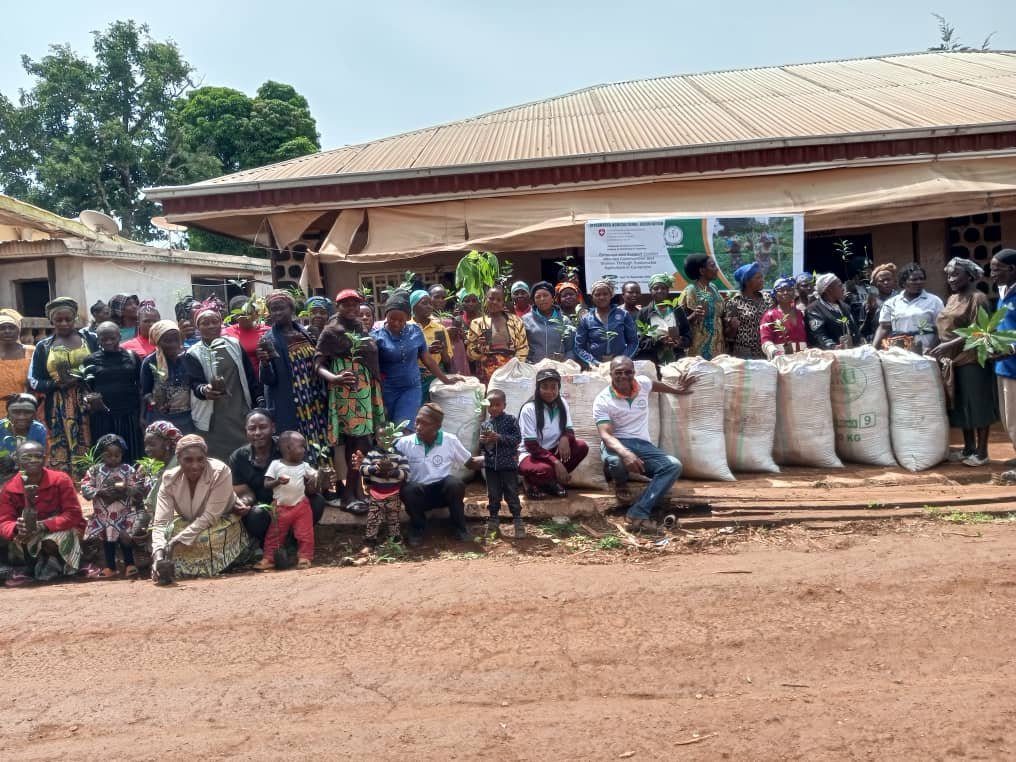
2) ANNUAL WORLD OF DIFFERENCE AWARD 2022
Founder and Executive Director of Integrated Agricultural Association (IAA): Dungrila Pascal Mbimenyuy has been selected and recognized by TIAW as a 2022 extraordinary man under the champion of Women’s Economic Empowerment in Cameroon
The World of Difference Awards – recognize up to 100 women (and men) around the world whose efforts have advanced the economic empowerment of women locally, regionally or worldwide.
Since 2017, Integrated Agricultural Association (IAA) under the leadership of Dungrila Pascal Mbimenyuy has supported thousands of women directly through sustainable agriculture, entrepreneurship and livelihood projects in rural communities within Cameroon.
Other News:
One Young World Ambassadors in Cameroon met with The British High Commissioner to Cameroon
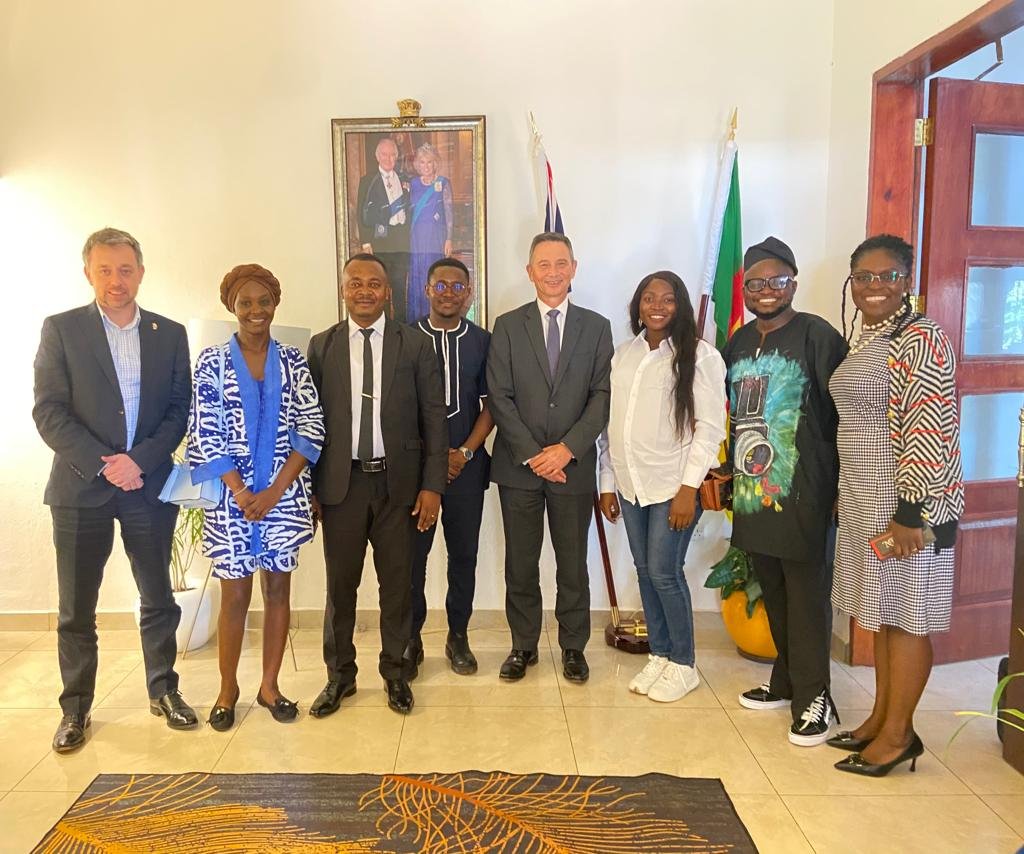
Dungrila Pascal and other One Young World Ambassadors had a meeting with The British High Commissioner to Cameroon, on the 9th of November 2023, at his residence in Bastos, Yaounde. One Young World Ambassadors spent a great moment together with the British High Commissioner, sharing ideas and experiences of their organizations and activities in their respective communities.
Dungrila had the opportunity to have a site meeting with the British High Commissioner, where he discussed the mission, objectives and activities of IAA with the BHC and explored opportunities for possible collaboration and to secure support for Integrated Agricultural Association (IAA).
3) THE CURRENT PROJECT 2025
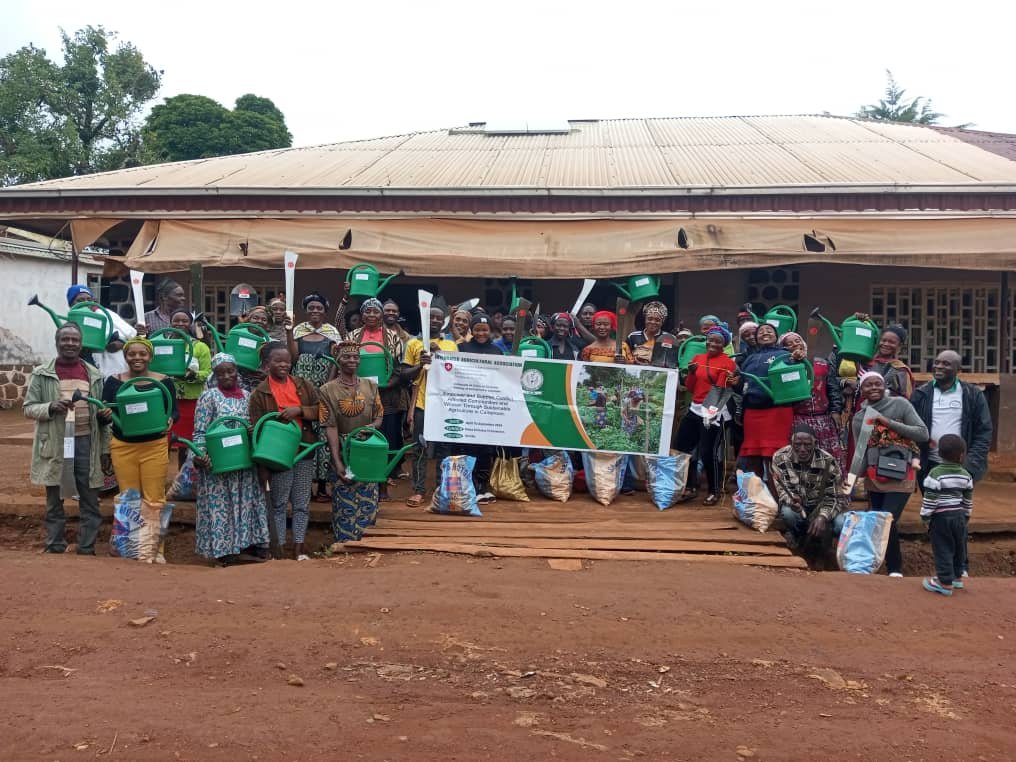
The ongoing project aimed at increasing local availability of safe, quality vegetables and empower conflict affected women and communities to enhance food security. In addition achieving nutritional balance for 100 households, through diversification of diets of the poorest segments of the vulnerable populations in Kumbo, Bui Division, Northwest Region of Cameroon. The project targeted diverse groups of beneficiaries including; ethnic communities, female-headed households, newly settled families, resource-poor herders and smallholder farmers, and other vulnerable groups without access to secure livelihood. The objective was to implement and mainstream innovative, sustainable, affordable and regenerative approaches to improve food security amongst 100 of the most vulnerable people in Kumbo area. Also to enhance the capacity of resource-poor and poverty-stricken farmers and herders at low income brackets through training and support to produce a wide variety of vegetables like onions, cabbages, carrots, pepper, Irish potato, huckleberry. Using regenerative practices with integrated social ownership, management and involvement. In response to global climate change, the project also aimed at promoting conservation agriculture, which is the foundation of climate-smart agriculture to help vulnerable communities understand the impact of climate change on agricultural productivity and how to reduce their carbon footprint.
The grant from The Embassy of Switzerland in Cameroon and Earth Rising Foundation with support from Seed Programs International has helped Integrated Agricultural Association (IAA) to strengthen the country’s food system in light of changing weather patterns and other challenges caused by the ongoing armed conflict in NW/SW regions and strengthen the affected communities with outreach and support. With the grants received in August 2023 and April 2024, IAA have reached 1028 people directly, from diverse backgrounds; including women, men and youths with essential gardening skills, nutritional education and agroforestry resources and skills, created awareness about climate change through environmental education outreach We have helpied to achieve larger goals like food security, adequate nutrition, increased livelihood opportunities, climate smart or resilient agriculture, community building and gender equality for thousands of people in the following ways:
i.) Community Development: IAA boosted its integrated demonstration garden in Kumbo with land capacity of 5 hectares, which will serve as a community hub for learning and access to planting resources. The garden involves an apiary, seed multiplication, agroforestry promotion, hands-on learning on ecological and bee farming and the distribution of potato tubers and fruit seedlings to smallholder farmers to support the ongoing agricultural development.
ii.) Home gardens support in Kumbo and Foumban: IAA empowered households with essential gardening skills and resources which resulted in the distribution of over 100,000grams of vegetables seeds and gardening tools to boost food production. Seed types distributed include; Cabbage, Carrot, Onion, Pepper, huckleberry, Cucumber, Okra, Tomato , Potato tubers, Sweet pepper, tree seedlings and Organic manure (2000kgs of cow dung) which resulted in 1350 gardens supported to increase food security and income level for 1350 people at the family/household level. Each seed type represents one garden and average family size is 10 members for 135 farm families supported. Tools include; 100 hoes, 100 watering cans, 100 machetes and 25 pairs of rain boots and 4000 tree seedlings.
In Foumban, IAA empowered 240 households with essential gardening skills and nutrition information which resulted in the distribution of 11,000 grams of vegetables seeds to boost food production. Seed types distributed include; Cabbage, 540 grams, Carrot, 5400 grams, Onion, 3500 grams , Pepper, 250 grams , Tomato, 250 grams , Cucumber, 400 grams which resulted in 1440 gardens to increase food security and income level for 2400 people at the family/household level in Foumban, West region of Cameroon
iii.) Nutrition and Diet: Empowered women on good nutrition practices, diet control and different nutrition options to reduce diet related diseases and malnutrition. With the message “Food is Medicine”, IAA implemented 10 workshops with 300 people that contributed to promoting public health and wellness through essential education on adequate nutrition and how to reduce food waste amongst conflict affected communities and women.
iv.) Environmental education and Agroforestry promotion: IAA engaged mixed age groups and community members on topics like deforestation, dangers of chemical fertilizers on agriculture, carbon emission and created awareness about climate change through regular environmental education outreach. IAA shared knowledge on agroforestry practices and distributed planting materials to 265 smallholder farmers who operate on less than 5 hectares of land. Ultimately, 15,000 trees were planted including, Moringa 1000, Cocoa 1000, Ricinodendron Heudeloti Known as Njansang or Essessang in Cameroon, 1000 and grafted pears (Avocado) 8000, and Prunus Africana 4000 in the Northwest and West regions of Cameroon.
EVOLUTION:
However, IAA recognizes that sustainable development requires continuous learning and adaptation to new challenges. This grant presents an opportunity for IAA to enhance the leadership skills of its team, gain advanced knowledge in sustainable agriculture, and network with global experts in environmental management. By deepening their understanding of innovative practices and policies, IAA aims to scale up this initiative, increase its impact, and empower more women in Cameroon and beyond. To go further, the Project Leader has partnered with Earth Guardian International to lead the Earth Guardian Crew of young climate leaders at the Integrated Agricultural Association (IAA) in Cameroon, as efforts to train and inspire young and community members on environmental and climate justice.
With increased demand for quality seedlings and vegetable seeds amongst the vulnerable farmers there is a need for consistent support. IAA will increase the production capacity of its demonstration garden. Grafted avocado, oranges, lemons, seedlings and seed potatoes will be subsidized to support the communities searching for secure nutrition. We will also train community members on seed multiplication and preservation to gain independence from over reliance on external support for seed donation.
4.) FIGHT AGAINST TOBACCO AND DRUGS USE AMONG YOUNG PEOPLE – NON-COMMUNICABLE DISEASES PREVENTION
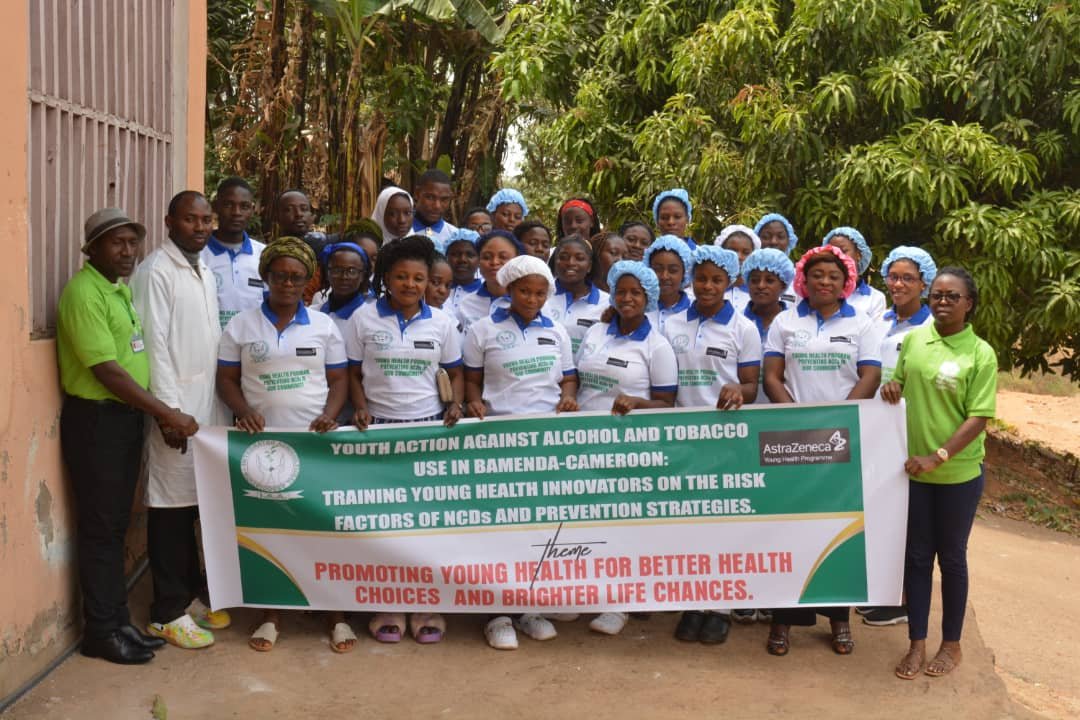
Building Healthier Communities and Brighter Life Chances for the Younger Generation: (IAA) shape the future of their community by raising awareness of non-communicable disease (NCD) risk factors by leading mobile NCD therapy interventions and health ambassador training workshops to build the capacity of community health workers. (IAA) uses an evidence-based approach to prevent the harmful use of alcohol and tobacco by building knowledge for medical students and community health workers.
IAA seeks to deliver impactful public health literacy campaigns and community outreach, delivered by and for young people with support from the YHP Impact Fellowship grant awarded by AstraZeneca in 2023.
We champion local initiatives by working with community structures, health units, municipal councils, community health workers, health providers and health academic institutions to reduce the impact of NCDs and their risk factors among young people. In 2023, IAA reached over 500 people directly through in-person workshops and door-to-door sensitization and over 50,000 people through media outreach with NCD information. Over 30% of violence in schools is as a result of drug addiction and tobacco use involving young people in Cameroon and over 20% death annually is related to the consumption of tobacco products. The program also raised awareness of Type 1 diabetes (T1D) risk factors and utilized the Household Cluster Health Education Model to train and deploy Health Education Volunteers, supported by Community Health Teams and the project team. The focus was on educating households about the risk factors of T1D. Our mobile T1D health initiative tackles health challenges posed by lifestyle, environmental and nutrition factors. The program reached over 207 T1D patients with essential health information and counseling, and 480 families in 2023 and 2024. However, this program did not only work with children and young adults, but also with community structures, health units, municipal councils, community health workers, health providers and health academic institutions through 10 capacity building workshops and health advocacy for 350 people, helping them to reduce the risk factors of T1D, which did not only have a direct impact on children and young people affected by T1D, but on public health as a whole.
5.) VEGANISM FOR HEALTHY LIFESTYLE AND PLANET EARTH!
WHY BECOME A VEGAN!
Compassion for Animals:
In every livestock system, animals are denied their basic needs and interests. Dairy cows are separated from their young shortly after they give birth, so that humans can take their milk. Bull calves are either killed or exported for veal. Even those with bigger cages end up in the same slaughterhouses. Vegans enjoy a variety of delicious and nutritious food with a clear conscience.
Justice for People:
The world’s population is set to exceed 9 billion by 2050. We’ve got to find fairer and more sustainable ways of feeding everyone – and fast. Currently, 40% of the world’s grain harvest goes to feed livestock instead of hungry people. Vegans reduce food waste by getting everything they need directly from plants.
Protecting the Planet:
Animal farming is responsible for at least 14.5% of greenhouse gas emissions globally. Up to ten times more land and water is needed to support a typical diet of meat, fish, eggs, and dairy than a plant-based diet. Ditching animal products could reduce your carbon footprint significantly. Vegans also have less impact on the rainforests and ease water shortages….and it’s good for your health. Naturally rich in vitamins, high in fibre, and low in saturated fats, plant based foods can provide all the nutrition we need in all stages of life.
Plant-Based Food for Non-Vegans Cameroon:
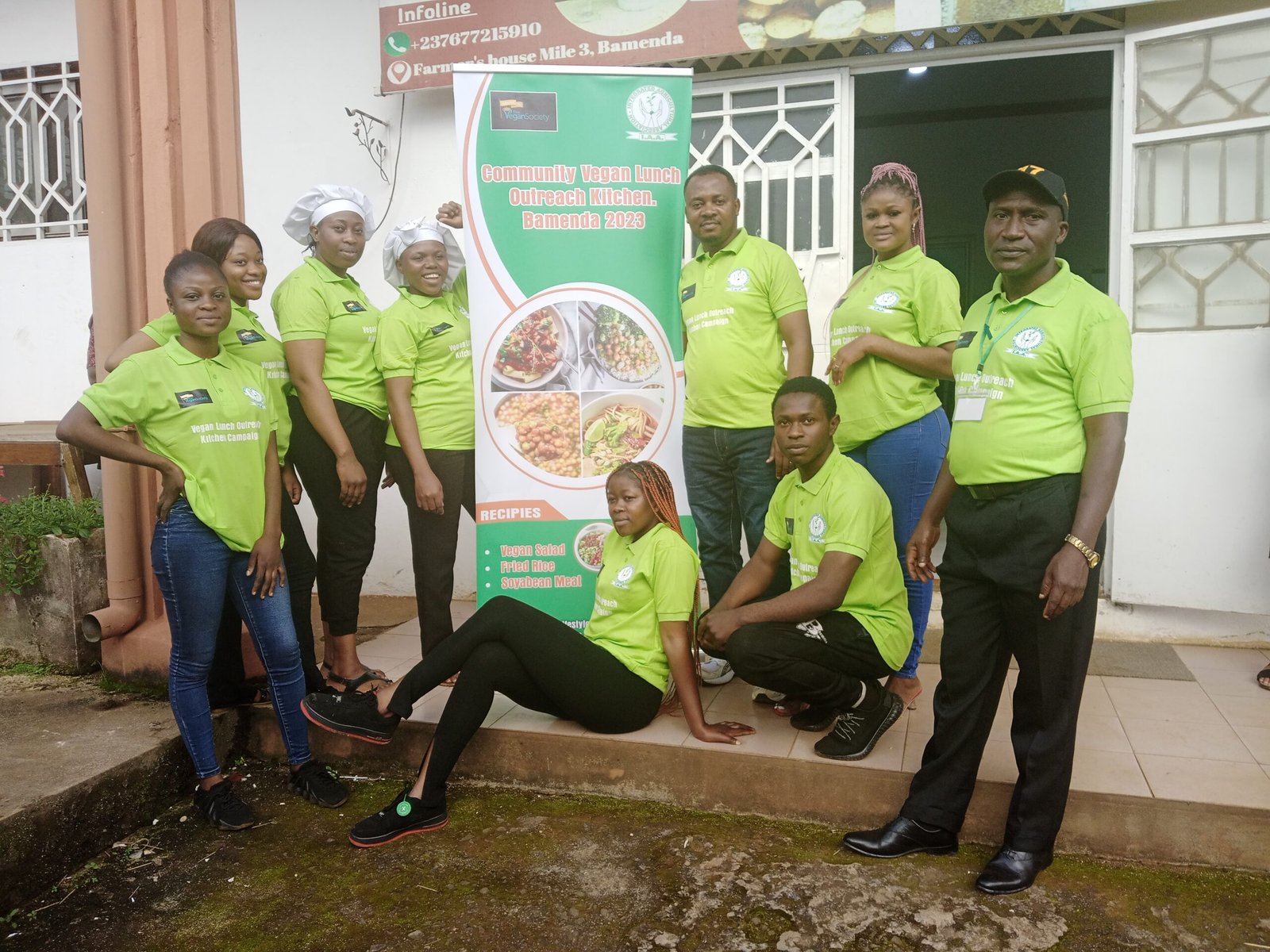
The project was designed to reduce meat consumption and farming by working with non-vegan communities in Cameroon to create awareness about veganism and the importance of plant based diet and farming, with support from the vegan society. It organized vegan advocacy workshops with heads of dormitory schools, restaurants and provided training on vegan recipes and protein, advocated for restaurants to include vegan dishes on their menu to affect public demand for meat and purchasing patterns. We also carried out a school vegan lunch campaign to expose children to veganism. The project also worked with Fulani community, carrying out vegan education and advocating for fully plant based farming and regenerative agriculture.
Community turnout was very impressive and more than 228 people have been exposed to veganism. 5 chefs trained on 3 vegan recipes and 1 trainer restaurant recruited, while 35 women trained on how to make meat out of soybean, vegan salad and fried rice. Funding and lack of knowledge about veganism was a concern because veganism is still a new concept and needs massive sensitization in Cameroon. Funding for restaurant food demo cannot be raised by the participants because we are a nonprofit organization and cannot sell food to generate profits. We will continue to create more awareness of veganism and work with trainee restaurants to expose the public to veganism by organizing regular vegan food demonstration events and including vegan recipes (dishes) on restaurant menus.”
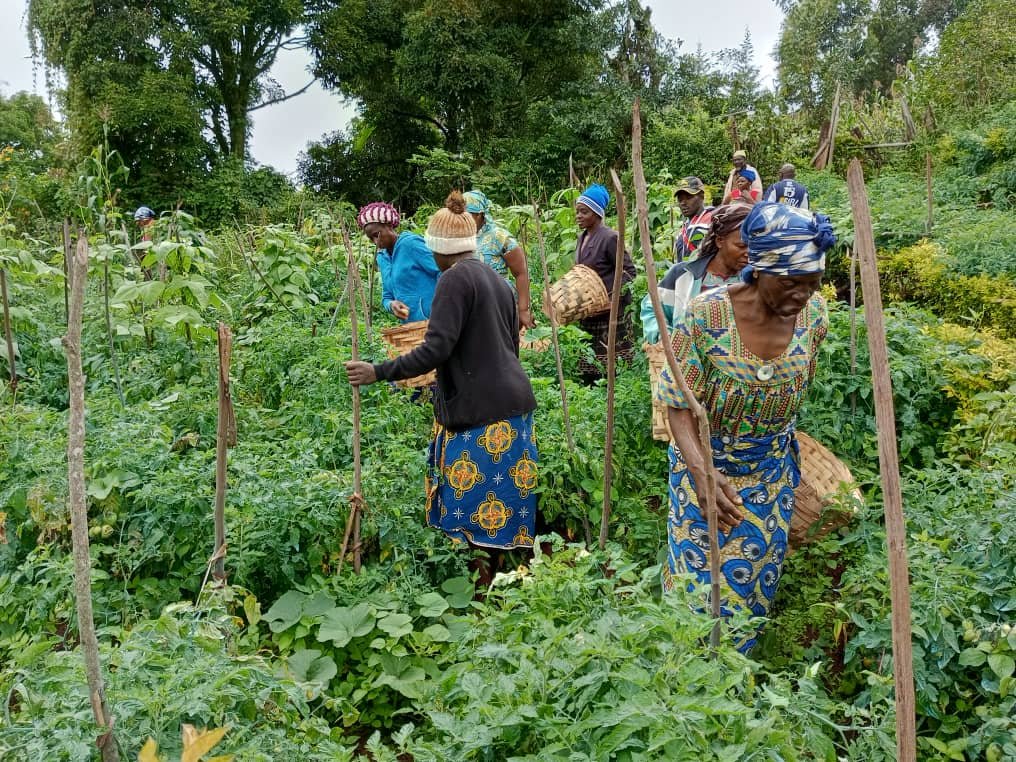
6.) VEGETABLE GARDENING, AN IMPORTANT SOURCE OF INCOME AND NUTRITION FOR LOW INCOME FAMILIES
Healthier lives and more resilient livelihoods through sustainable vegetable gardening: Integrated Agricultural Association (I.A.A) carries out experiment, builds collaboration, planting kitchen gardens and promotion activities to raise awareness of the role of vegetables for improved health and rural poverty alleviation.
Vegetables can alleviate poverty by creating new jobs and new sources of income for farmers and landless laborers, improve health by providing essential micronutrients lacking in diets, enhance learning and working capacities of adults and children through improved diets and health, and improve the sustainability of food production practices through mixed cropping. Our development work focuses on smallholder empowerment, developing and promoting safe production practices, reducing postharvest losses, and improving the nutritional value of vegetables. It increases smallholder farmer income and improve the quality of life as it is a major source of cash money for many families. Vegetable production provides an opportunity for poor rural population to come out of poverty, as it is a major source of fast income for most of the families. It generates income and jobs for smallholder farmers and landless especially the young and women. It has many advantages over most other agricultural enterprises. In 2023/2024, (IAA) distributed thousands grams of vegetable seeds in Northwest and West regions of Cameroon, which is enough to grow sufficient food rich in vitamin, minerals, energy and fibre for malnourish households and the society as a whole.
7.) COMMUNITY YOUTH MICRO ENTREPRENEURSHIP PROGRAM.
In 2019, the world experienced the COVID-19 pandemic outbreak that resulted in many businesses and institutions closing down, which meant thousands of young people lost jobs and educational opportunities in Cameroon. Lack of vocational training services and entrepreneurship opportunities for young people has the devastating potential to create a severe and prolonged economic impact. Young people have struggled with life since the COVID-19 outbreak and they need a hand that can support them through vocational training to equip them with constructive knowledge and reliable business skills. The creative abilities and livelihood skills of young people also remain low because of limited exposure to skills development opportunities and lagging behind in entrepreneurship opportunities, information and support.
The skills gap has led to high unemployment rates even at national level. 65% of Cameroonians are below 30 years while 75% still live in rural areas. The focus of this project is on Micro Entrepreneurship development for youth in order to promote self-employment because it’s projected that Cameroon will not be able to generate enough jobs for those entering the labour market during the COVID-19 pandemic and post COVID-19 recovery world. Unless young people are supported through skills development, they stand a risk of being trapped in viscous cycles of poverty yet in Cameroon, youths contribute 50% to the economy of the country.
IAA implemented a project on agribusiness in 2022 with the mission to contribute to the improvement of young people’s lives through Micro Entrepreneurship and community based sustainable skills in Agriculture, with the overall aim to empower both in and out of school rural youths with Vocational Skills in agriculture/Market gardening, to keep them out of current dangers (HIV/AIDS, Early pregnancy , child/early marriage, recruitment into armed groups), Breaking the yolk of vulnerability and become responsible citizens of today and tomorrow in the society.
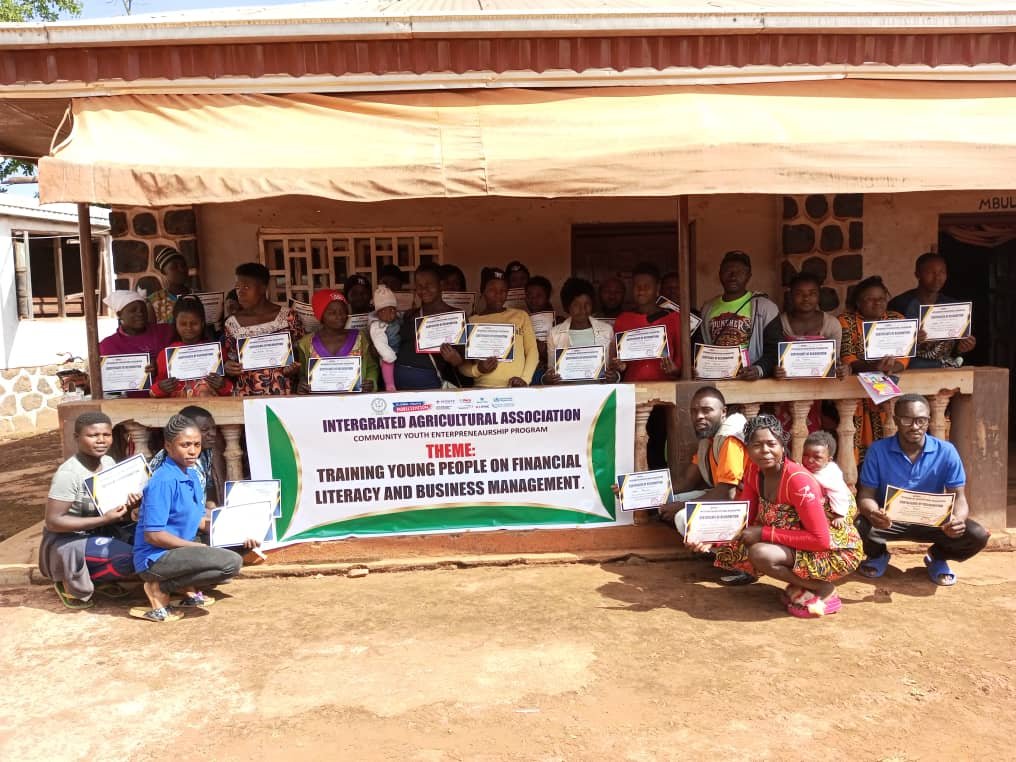
With support from Global Youth Mobilization, 275 youths have been trained and supported in the following areas:
Micro Business: Participants received intensive training, covering the following areas of a microbusiness common in a rural area: Steps in becoming a successful entrepreneur, Advantages and Disadvantages of micro business, How to prepare a simple business plan, sources of business funding, importance of savings in micro business, venturing into business, what does it take? loan management, record keeping and costing.
Sustainable agriculture: Participants received intensive training on sustainable vegetable gardening, Environmental management, horticulture production and marketing. The training was facilitated by a team of youth agricultural professionals that have extensive knowledge and skills in their field, agronomy and rural engineering.
8.) RISE AGAINST CHILD/EARLY MARRIAGE
Given that girls are victims of child marriage and other forms of sexual exploitation, Governments of many nations tries to delay marriage until the age of 18 years without necessarily empowering girls with the knowledge they deserve to make informed decisions about their lives and relationships. IAA implemented the project in 2021 which aimed at creating awareness about the dangers of child/early marriage and empowering young girls with skills and knowledge to advocate for themselves. With support from Global Youth Mobilization, IAA used integrated approach to help young people develop skills to challenge cultural norms and make informed choices about their bodies and sexuality.
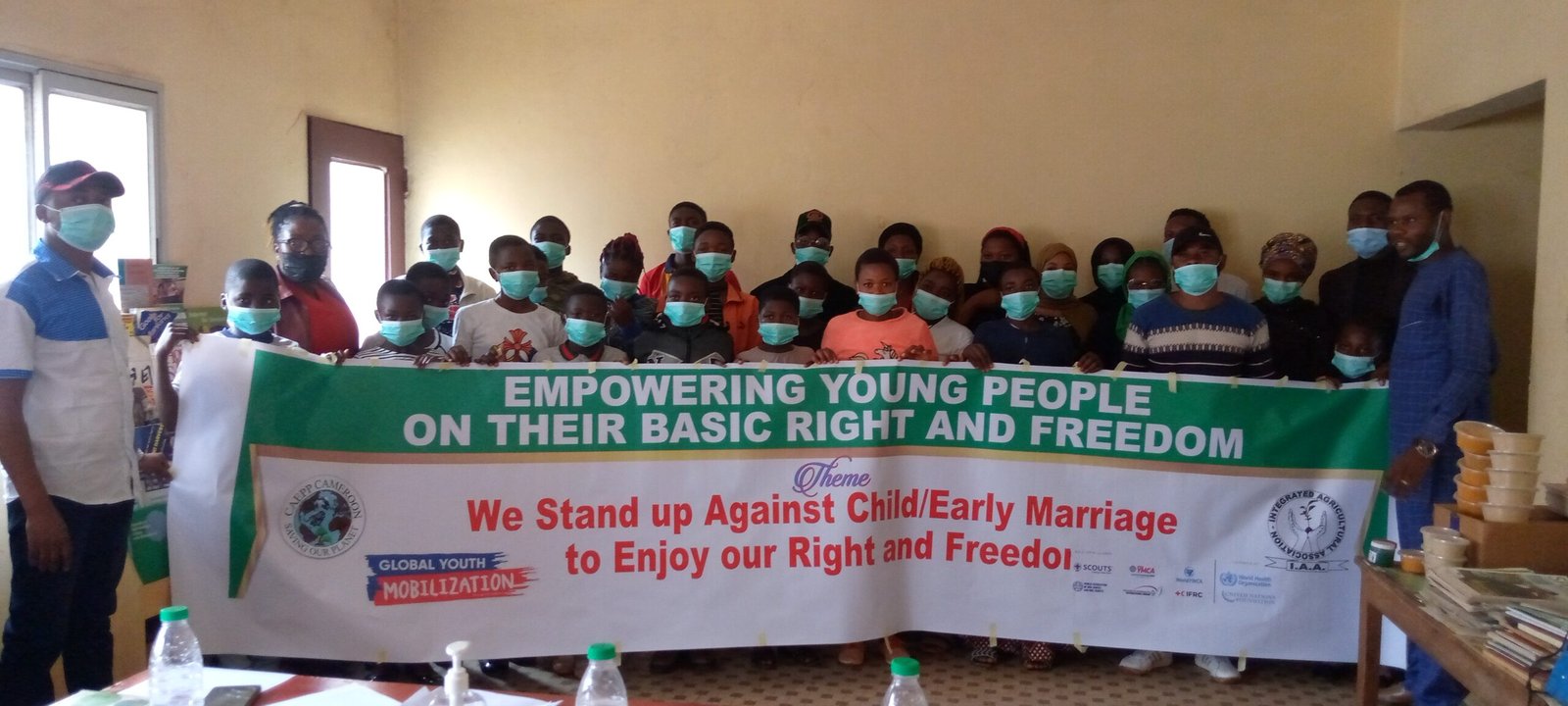
1.) Child/Early marriage and sexual abuse in Bamenda. Integrated Agricultural Association organized a series of workshops on the child/early marriage/sexual abuse. It aimed at empowering young people with skills and knowledge to challenge the physical and cultural norms that do not respect their rights and freedom. Over 750 young people between 16 and 30 years have been reached
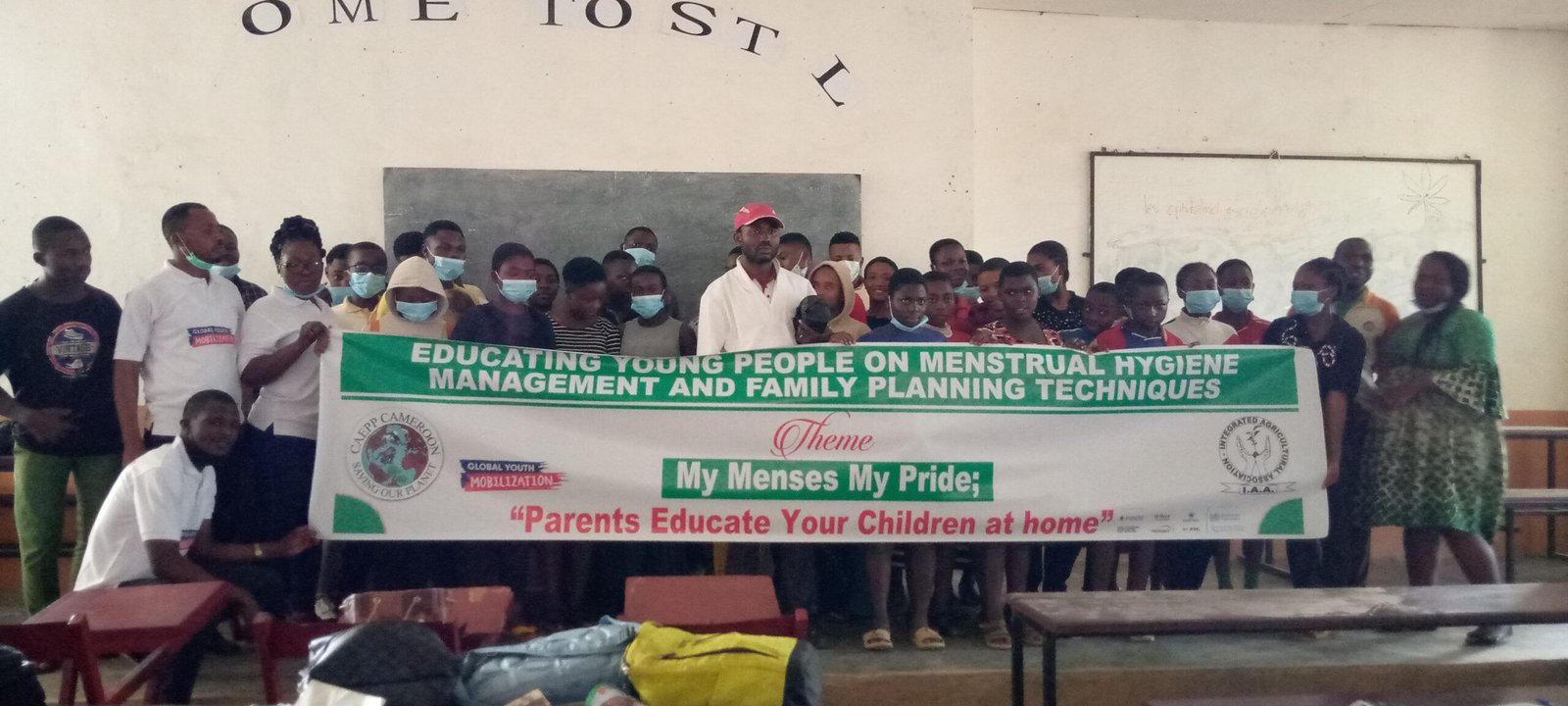
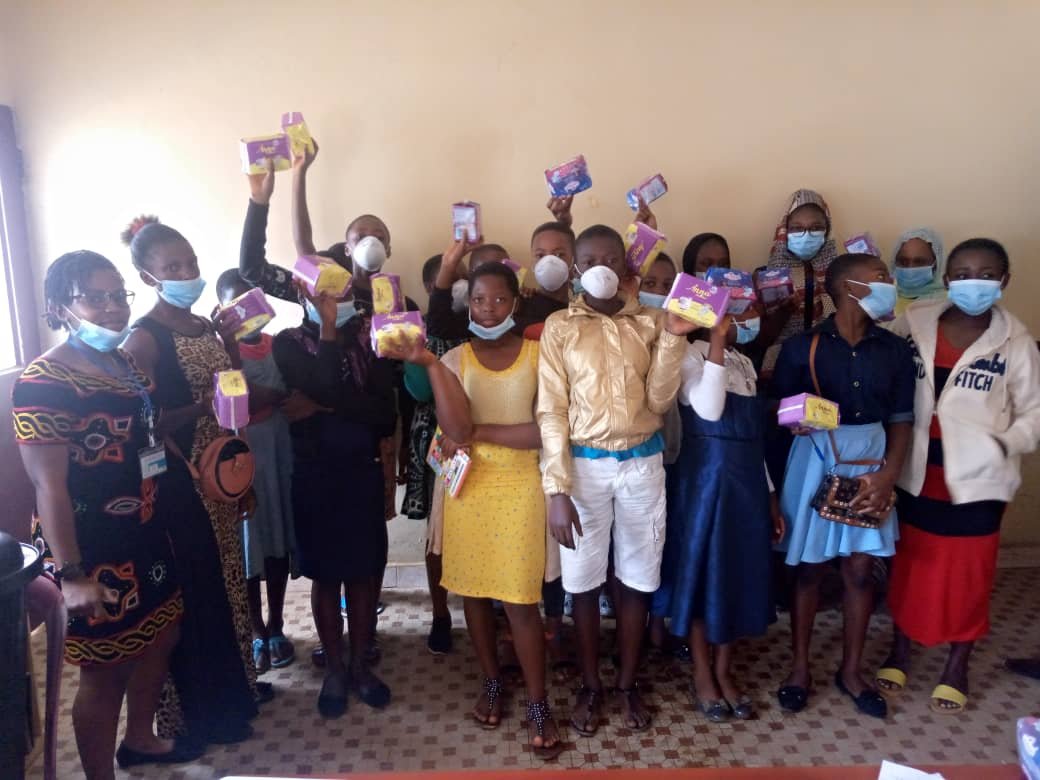
2.) Menstrual hygiene management and family planning in Bamenda. I.A.A trained and supported young people on family planning techniques, on how to make and use re-useable menstrual pads and safe sex practices in Bamenda, and given that thousands of vulnerable girls are not able to afford a packet of menstrual hygiene pads, at the current pricing, which cost at least, 1$ per pack. IAA continued to promote gender equality and fight poverty amongst the vulnerable girls by support them with tools and skills to make and use their own pads; to secure their own livelihood and reduce menstrual related stigma and trauma. IAA trained and supported over 1500 girls between 10 and 30 years, with funding from The Global Youth Mobilization. IAA also provided mental health support to children in conflict with the law at the Bamenda Central Prison, where 350 juveniles received food items, soap and COVID-19 protective equipment from IAA.
Other useful Youtube links:
https://www.iaa-africa.org/author/integrated-agricultural-association/
https://web.facebook.com/IntegratedAgriculturalAssociation
https://www.linkedin.com/company/integrated-agricultural-association/
https://www.instagram.com/iaaafrica/
GLORES Global Rehabilitation Services Bafoussam, Cameroon

Building work

Completed building GLORES Rehabilitation Centre
Since 2004 the FIOH Fund has been supporting the work of GLORES treating severely disabled children and in 2016, helped build a new treatment and rehabilitation centre near
Bafoussam in the Western Region of Cameroon. In 2017, GLORES moved from its rented building into the new centre to continue treating children with disabilities.
Project updates can be read here:
GLORES update – September 2021
GLORES Update – September 2019
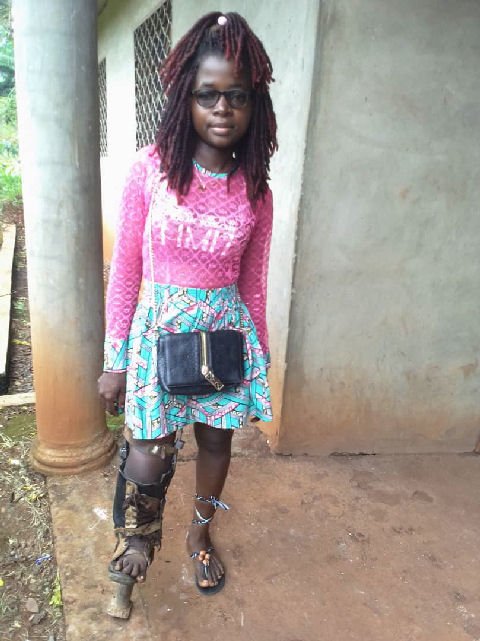
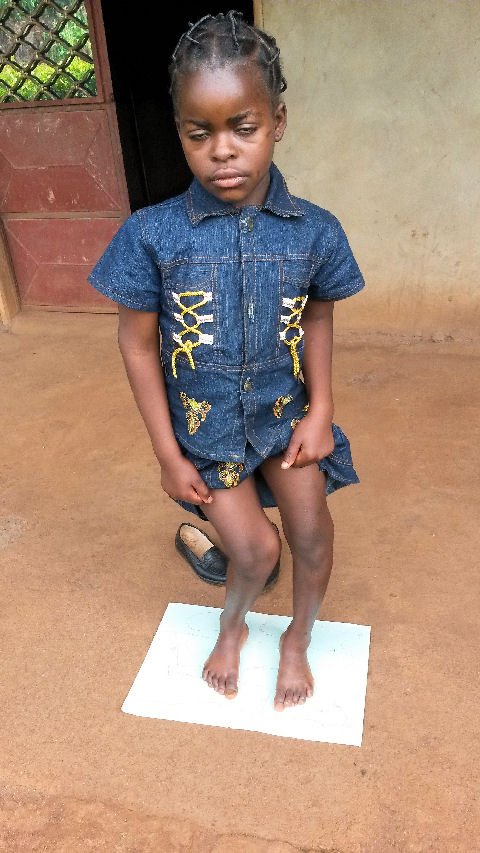
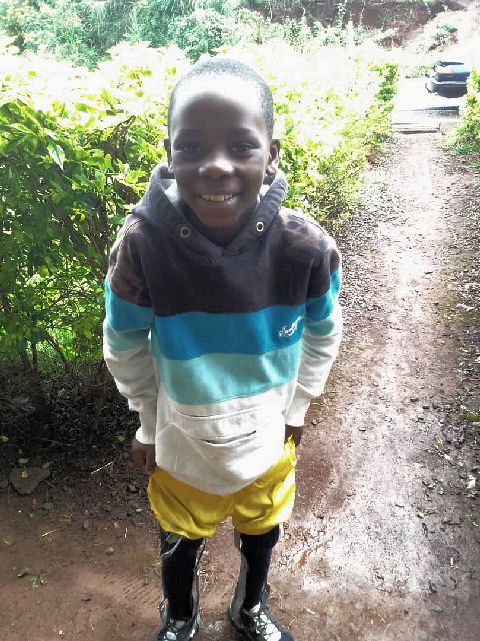
To see the difference this project is making, please read the testimonies of six children who have all been successfully treated at the centre and beyond through outreach

Mike Thomas our founder at the clinic in 2009


GLORES – PEOPLE TREATED BETWEEN JULY 2021 AND APRIL 2022
The schedule below shows details of the treatment of disabled people (mainly children) between July 2021 and April 2022 including the children that were still following treatment when the report of July 2021 was sent and what happened to them since then. The children that were admitted for treatment after the report of July 2021 to date are also shown.
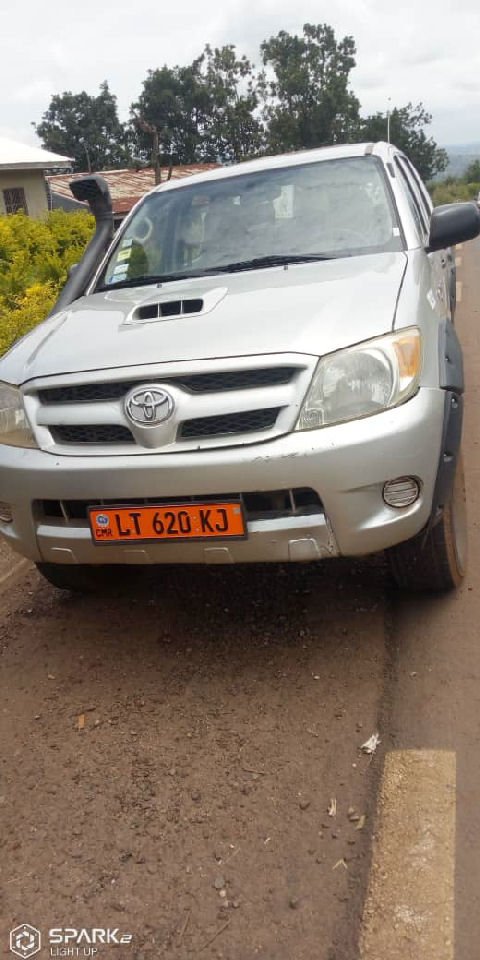
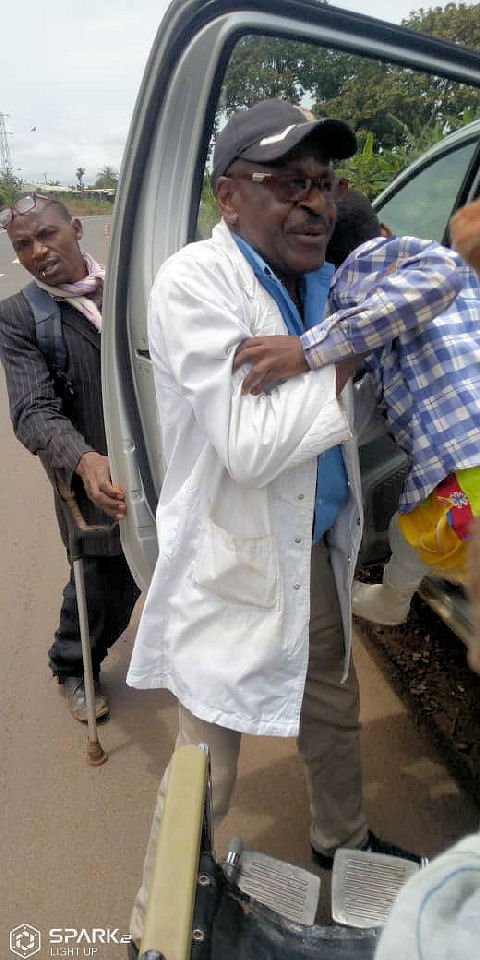
With the slow-down of Covid-19 infections and the arrival of the new vehicle, the number of children coming for treatment has steadily increased. The vehicle donated by Survive Miva shown permitted us to reach distant villages that we have been unable to visit due to bad roads. In those villages we meet hundreds of children needing our services, unfortunately we will not be able to cope with all those children because of the limited resources we have. The assistance we received from FIOH has been significantly reduced due to the economic recession following the Covid-19 epidemic. We, however, managed the amount sent diligently to cover quite a number of children, especially those from very poor families that could not afford to contribute the required symbolic payment to help buy materials for their treatment.
The adults who sought help from GLORES for the treatment of arthritis, lumbago, sciatic nerve injury and other pathologies that need physiotherapy helped a great deal to bring income for the treatment of the poorer children.
The increase in the number of children and adults for treatment kept us very busy. One other problem we have is the need for a Secretary who could have helped us in compiling timely reports.
We are presently trying to raise some money in preparation of the visit of the Paramount Chief of Bafoussam to meet the handicapped children and to see the work of GLORES in his area of jurisdiction. We will need to invite the children treated in GLORES, the Regional Delegate of Social Affairs for the West, the Media and other personalities. We hope to use the occasion for publicity and to raise funds too.
GLORES SCHEDULE FROM JULY 2021 TO APRIL2022(
Helping women fleeing from civil conflict in the NW Region
HELPING poor women in the Cameroon.
FUTURE in OUR HANDS UK is supporting the work of SHUMAS (STRATEGIC HUMANITARIAN SERVICES ) in Cameroon
who are providing psychological support, shelter and livelihood improvement to internally displaced women and girls in Douala exposed to prostitution and abuse.
In 2016 the political crisis in the NW and SW regions caused 573,900 internally displaced people to leave their homes and seek refuge elsewhere. The Non—State Armed groups forced schools to close as a war weapon and students to drop out of schools.
A SHUMAS survey emphasised the need for improved living conditions, psychological support to improve mental health to girls and women exposed to violence and other chronic adversities to enable them to reintegrate into society by improving access to emergency relief shelter, WASH items (water, soap, hygiene) and mattresses. 50 vulnerable families were identified for support, including the provision of alternative income source through training in business management and supporting to enable them to set up their own businesses.
How has FUTURE IN OUR HANDS helped?
A donation sent to SHUMAS in October 2021 was used to buy 50 mattress which were delivered from Bamenda in the NW to Douala and delivered to 50 vulnerable households with a total of 230 individuals (10 elderly women, 146 children, 74 adults and 3 people with disabilities) benefitting. If you would like to help expand this project a donation would be much appreciated.


Please support the work of the Future in Our Hands Education and Development Fund whose aim is to help and empower some of the world’s poorest and most marginalised people by:
- UK residents can provide long term support by downloading and completing the FIOH FUND DONATION FORM and sending to the address shown on the form:
- Direct grant to the charity’s bank account or by cheque to:
 Bank account details:
Co-operative Bank
IBAN: GB07CPBK08929965050707
BIC: CPBKGB22
Cheques should be made payable to the
Future in Our Hands E&D Fund
—————————————————————————-
Fundraising to help the work of the charities would be greatly appreciated
—————————————————————————-
Global Rehabilitation Services Report Sept 2021
BRIEF REPORT OF ACTIVITIES FROM APRIL 2021 TO JULY 2021
July 23, 2021
Listed below are the children that have been treated and those that are still following treatment. The first chart shows the children that were in the last report of March 2021 that had not completed their treatment and the outcome of their treatment. The second chart shows those children that have been admitted after the report of March 2021 till July 2021. The outcome of the treatment was largely successful except a few that stopped treatment and those that needed long term treatment.
The number of children that have come for treatment greatly improved with the reduction of the Covid-19 epidemic. The Centre received 125 children during 2021 but 68 children actually came back for treatment. We are still waiting for more of the 67 children that did not come since the long school holidays break has not yet ended. We believe that the children that have not come for treatment after evaluation is due to the financial hardship resulting from the Covid-19 in Cameroon. Parents are finding it hard to provide their symbolic contributions and to pay for transport. However the availability of the new vehicle from Miva has helped a great deal to fetch some of the children in villages but it is difficult to do that in all the villages.
With the new vehicle donated by MIVA, we are now able to reach many villages for the CBR (Community-based rehabilitation) programme on a monthly basis. We hope to organize groups of concerned individuals and the parents of the affected children in many villages. This will give us the opportunity to meet many disabled children and bring them for treatments although bringing many children for treatment will be difficult due to financial problems of the parents and GLORES.
WE must thank FIOH for the provision of £1 600 that helped quite a good number of children. The contribution of the adult patients who have to pay for their treatment is also helping us financially.
As you might have noted, most of the adult patients we saw have one common problem, sciatic nerve compression and low back pain. The thing is that GLORES is gaining a reputation in the treatment of sciatic nerve complications so much so that many patients with that problem are being referred to GLORES. We have successfully helped patients with this complication to avoid expensive surgery. The majority of patients with this complication are women due to farming and carrying of heavy loads of farm products.
CHILDREN WHO CONTINUED TREATMENT AFTER THE REPORT OF MARCH 2021
|
Name |
Age |
Sex |
Diagnosis |
Address |
Treatment |
Outcome
|
|
| 3 | Meke Christna | 1 ms | F | Bilateral club feet | Sacta | Plastering plus special shoes | Discharged with follow-up |
| 4 | Taboue Bassime | 2 y | F | Bilateral varus knees | Tchichap | Stretching and splints | Calipers discontinued and dischared |
| 5 | Djeleseck Lewis | 4 y | M | Left herb palsy | Dschang | Functional reeducation | Affected arm functional, discharged |
| 6 | Mfor Blessing | 10 ms | F | Bilateral varus knees | Djeleng 2 | Stretching and splints |
Splints discontinued with follow-up |
| 7 | Dongfack Tsamo | 7 y | F | Retarded development | Yaounde | Functional reeducation | Parents stopped treatment although there was improvement |
| 8 | Mafeugoum Doriane | 18 y | F | Prenatal deformaton of right leg | Bafoussam | Mobility splint | Can walk successfully but still comes for splits repairs. |
| 9 | Tadjuidje Henri | 3 y | M | Retarded development | Bamenze | Functional reeducation | Still coming for treatment (Long term treatment) |
| 10 | Kengue Oumbe Valyros | 3 y | M | Bilateral valgus knees | Baleng | Stretching and splints | Splints discontinued and dischared |
| 11 | Sapo Eurich | 4 y | M | Bilateral valgus knees | Baleng | Stretching and splints | Splints removed with follow-up |
| 12 | Kamche Lliaken | 11 ms | M | Bilateral valgus knees | Bamenze | Stretching and splinting | Discharged |
| 13 | Feupossi Tenny | 2.5 y | M | Bilatral valgus knees | Djassa | Stretching and splinting | Splints discontinued and dischared |
| 14 | Takeo | F | Congenital deformation of lower limbs | Baham | Muscle strengthening exercises and ambulation splints | Can walk with help of splints, going to school and follow-up repairs. | |
| 15 | Kuate Tresor | 4 y | M | Spastic Cerebral palsy | Bamenze | Functional reeducation | Still under treatment (long term treatment) |
| 16 | Moujaita Nabia | 9 y | F | Quadruplegy due to attack of meningitis | Banengo | Functional reeducation followed by splinting | Resumed treatment after parents stopped bringing the child. |
| 17 | Bayang Marie Chantal | 10 y | F | Lower limb contracture and spasticity | Correction of Achile tendons and, coordination exercises | Can work independently but still comes for control. | |
| 18 | Randy | M | Spastic cerebral palsy | Bamenda | Therapeutic exercises, replacement of splints due to growth. | Deformation of lower limbs corrected, spasticity amazingly reduced. Walks with assistance and following home treatment and coming for follow-up | |
CHILDREN ADMITTED FOR TREATMENT FROM APRIL 2021 TO JULY 2021
|
NAMES |
AGE |
SEX |
DIAGNOSIS |
ADDRESS |
TREATMENT |
OUTCOME
|
|
| 1 | Mandefo Marie | 71 y | F | Inflammatory arthritis | Socada | Pain management | Her situation is unfortunately chronic and will need PT (bone degeneration) |
| 2 | Janette Yoghae | 50 y | F | Sciatic nerve injury | Eveché | Lumber traction, therapeutic exercises | Neurosurgery recommended although she is feels no serious pains |
| 3 | Nopoupoji marie | 60 y | F | Frozen shoulder | Bamedze | Pain management, therapeutic exercises | Full recovery |
| 4 | Magne Deodone | 60 y | Fraction contracture left knee following an accident | Njingah | Stretching, massage | Left knees straightened | |
| 5 | Tene Pelagie | 38 y | F | Sciatic nerve Compression | Kamkouop | Lumber traction, therapeutic exercises | Recovered |
| 6 | Moujiata Nabia | 9 y | Paraplegia following meningitis | Banengo | Therapeutic exercises, splinting | Can walk using splints and coming for follow-up treatment | |
| 7 | Sr. Margrette Madjou | 54 y | F | Sciatic nerve compression | Bamendju | Lumber traction, therapeutic exercises | Discharged satisfaction |
| 8 | Echia Mercy | 61 y | F | Sciatic nerve compression | Banengo | Lumber traction, therapeutic exercises | Fully recovered |
| 9 | Salamatou Ndikea | 35 y | F | Neglected sub luxation of left hip | Banego | Therapeutic exercises, shoe adaptation | Can walk straight with orthopaedic shoes |
| 10 | Kenge Abertine | 55 y | F | Low back pain | Bamendju | Therapeutic exercises | Discharged with satisfaction |
| 11 | Koagne Wembo | 62 | F | Sciatic nerve compression | Njinngah | Lumber traction, therapeutic exercises | Discharged recovered |
| 12 | Mefoukah Therese | 43 y | F | Sciatic nerve injury | Tounjie | Lumber traction, therapeutic exercises | Discharged , full recovery |
| 13 | Sister Clementine | 47 y | F | Sciatic nerve compression | Njounang | Lumber traction, therapeutic exercises | She refused neurosurgery, came to GLORES and recovered fully since then she has recommended many patients to GLORES |
| 14 | Chinda Soh | 18 y | M | Trauma contraction left knee | Tocket | Stretching, therapeutic exercises | Right knee brought to 90 degrees and functional |
| 15 | Zoukou Nouel | 3 y | M | Bilateral 16tibia internal rotation | Maeture | Therapeutic exercises, splinting | Both knees corrected |
| Kadji Veronique | 47 y | F | Sciatic nerve compression | Magoua | Lumber traction, therapeutic | Neurosurgery recommended but she refused | |
| 16 | Ayanga Noubissi | 49 y | M | Sciatic nerve compression | Socada | Lumber traction, therapeutic | Discharged recovered |
| 17 | Kuetang Benadette | 40 y | F | Left wrist fracture contracture | Quartier Haoussa | Therapeutic exercises, splinting | Contracture straightened but hand function still to recover |
| 18 | Mamma Zargaou | 2 y | F | Bilateral Valgus knees | Bamendze | Stretching, splinting | Both knees straightened and discharged |
| 19 | Taa Ndifo | 40 y | M |
Sciatic nerve compression
|
Sacta | Lumber traction, therapeutic | Referred for neurosurgery |
| 20 | Jidam Mohamed | 5 y | M | Inflammation right leg following accident | Banefo | Pain management | Recovered fully |
| 21 | Tongho Gabriel | 74 y | M | Sciaic nerve injury | Quartier Haoussa | Lumber traction, therapeutic | Did not fully recovered and was referred for neurosurgery in Yaounde |
| 24 | Nganueu Myles | 4 y | M | Bilateral valgus knees | Maeture | Stretching, splinting | Discharged with deformation fully corrected |
| 25 | Zoakeu Mechelini | 45 y | F | Sciatic nerve compression | Njounang | Lumber traction, therapeutic | Treated and discharged |
| 26 | Djoungouang Roselini | 55 y | F | Sciatic nerve compression | Djeleng 3 | Lumber traction, therapeutic | Fully recovered |
| 27 | Barmi Delphine | 45 y | F | Disc hernia | Njounang | Mild traction, therapeutic exercises, pain management | Recovered and avoided neurological operation |
| 28 | Mabouo Regine | 60 y | F | Sciatic nerve compression | Bamendze | Lumber traction, therapeutic | Recovered and discharged |
| 29 | Tina Talep | 3 y | F | Bilateral valgus knees | Tchichap | Stretching, splinting | Deformation fully corrected, splint discontinued |
| 30 | Kenge Yvama | 13 y | F | Windswept deformity | Banengo | Stretching, splinting | Wearing splints and following the bi-weekly control visits |
| 31 | Nana Epse Tchounje | 65 y | F | Sciatic nerve compression | Yaounde | Lumber traction, therapeutic | Recovered after the recommended 2 week treatment |
| 32 | Kamar Joan | 3 y | F | Bilateral valgus knees | Stade | Stretching, splinting | Wearing splints and coming for bi-weekly control |
| 33 | Mbeutsing Josephine | 36 y | F | Discal hernia | Bamoungoum | Mild traction, therapeutic exercises, pain management | Recovered after 3 week treatment |
| 34 | Penha Celestine | 46 y | F | Discal hernia | Kamkouop | Mild traction, 35therapeutic ex36ercises, pain man37agement | Recovered after 2 week treatment |
| 35 | Fotso Joan | 9 y | M | Flexion contracture of knees | Bamendze | Undergoing preparation for splints | |
| Naghe Gaston | 42 y | M | Trauma right ankle | TPO | Pain management | Undergoing PT | |
| 36 | Djeussi Benadette | 33 y | Lumbargo | Bamendze | Therapeutic exercises |
Good progress Still on treatment |
|
| 37 | Ayuk Ruth | 52 y | F | Low back pain due to arthritis | Banengo | Therapeutic exercises | Still on therapy |
| 38 | Mafogie George | 3 y | M | Windswept deformity | Douala | Stretching, splinting | Undergoing preparation for splints |
| 39 | Cecilia Tenkeu | 68 y | F | Paralysis of right arm | Tamdja | Therapeutic exercises | Still on treatment |
| 40 | Mapah Esmila | 3 y | F | Left club foot | Bamendze | Stretching then splinting | Undergoing PT then splinting |
| 41 | Tsabou Leonoura | 7 m | F | Fracture right femur | Djeleng 1 |
Plaster immobilization (2 months) |
To remove POP in 2 months. |



CAMGEW AWARDED THE EQUATOR PRIZE
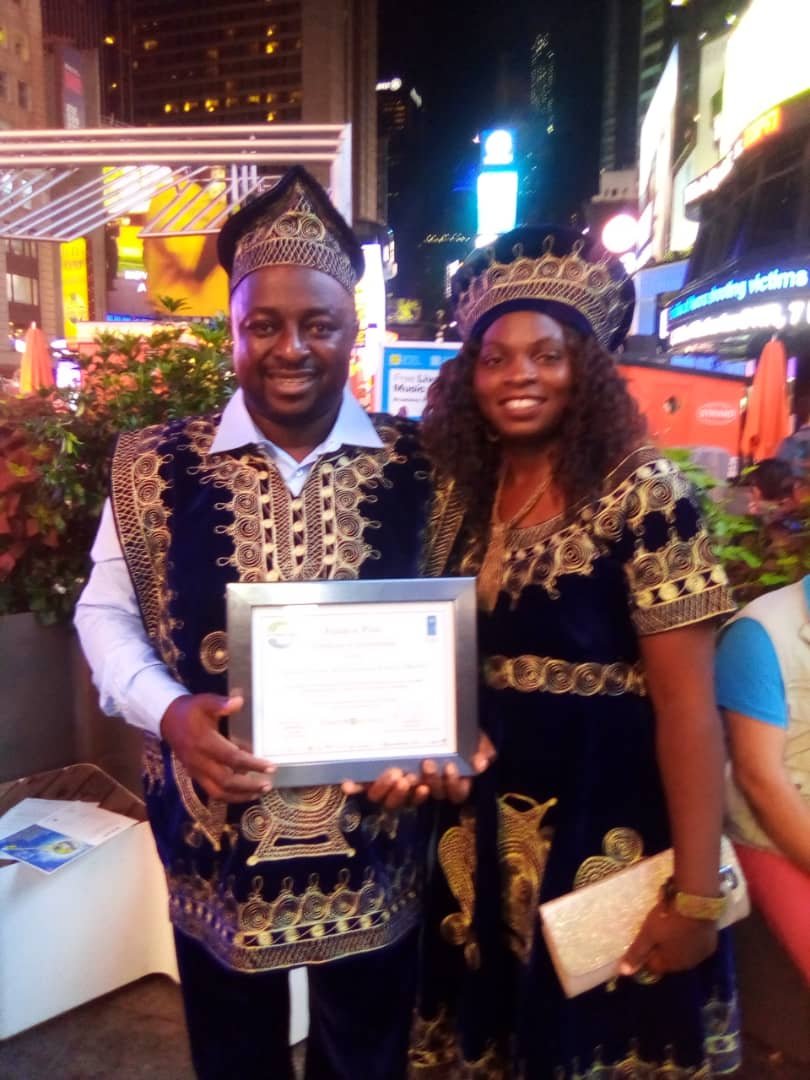
Cameroon Gender and Environment Watch was one of the 21 non-government organisations from around the world to be awarded the Equator Prize.

Created in 2007, Cameron Gender and Environment Watch (CAMGEW) brings together women’s empowerment, community livelihoods, and ecology to address environmental challenges in northwestern Cameroon. Recognizing that local livelihoods are deeply integrated with the health of local ecosystems, the group has planted 75,000 bee-loving African cherry trees (Prunus Africana) in degraded areas of Kilum-Ijim Forest to serve as a carbon sink and protect key watersheds. At the same time, they have trained over 1,000 bee farmers in honey production for market, while a complementary programme has trained 772 farmers on agroforestry to bolster soil health and provide alternative firewood sources. To empower women farmers, CAMGEW offers both business training and microloans through a programme that has, to date, trained 1,580 women and provided 1,325 loans. In a time of ongoing conflict in Cameroon, the organization has made a powerful impact on the health of local ecosystems and the well-being of local communities.
Key Facts
Equator Prize Winner: 2019
Founded: 2007
Location: North West Region, Cameroon
Ecosystem: Forests, Mountains

Please support the work of the Future in Our Hands Education and Development Fund whose aim is to help and empower some of the world’s poorest and most marginalised people by:
- UK residents can provide long term support by completing the FIOH FUND DONATION FORM and sending to the address shown on the form:
- Direct grant to the charity’s bank account or by cheque to: Bank account details:
Co-operative Bank
IBAN: GB07CPBK08929965050707
BIC: CPBKGB22
Cheques should be made payable to the
Future in Our Hands E&D Fund
—————————————————————————-
Fundraising to help the work of the charities would be greatly appreciated