
Images – Children helped by HEARTS in India



Follow us on Facebook:
www.facebook.com/fiohfund
Follow us on Twitter:
twitter.com/fiohnet
Please share our links with your friends to help us reach a wider audience.
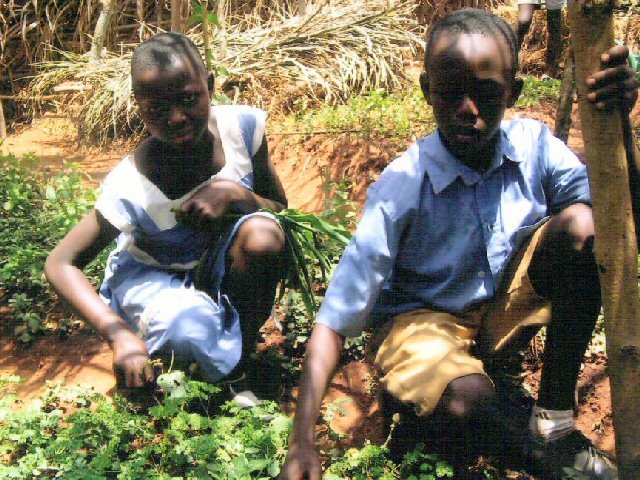
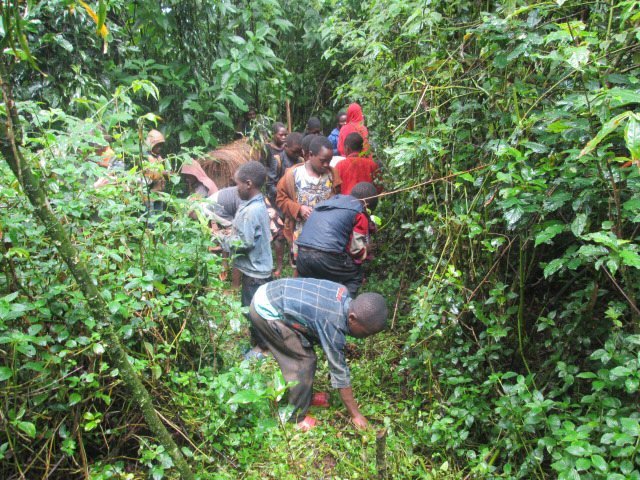
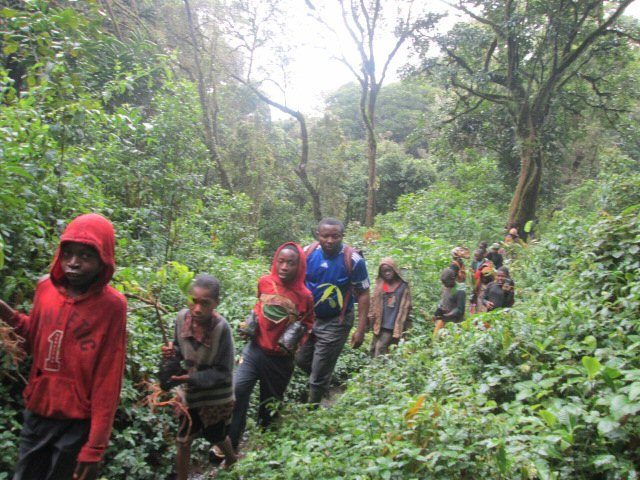
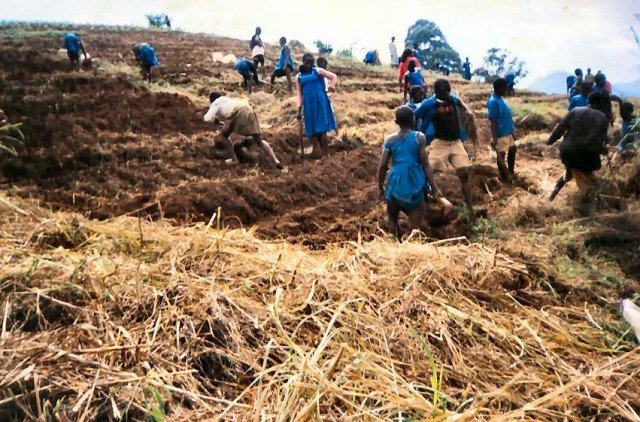
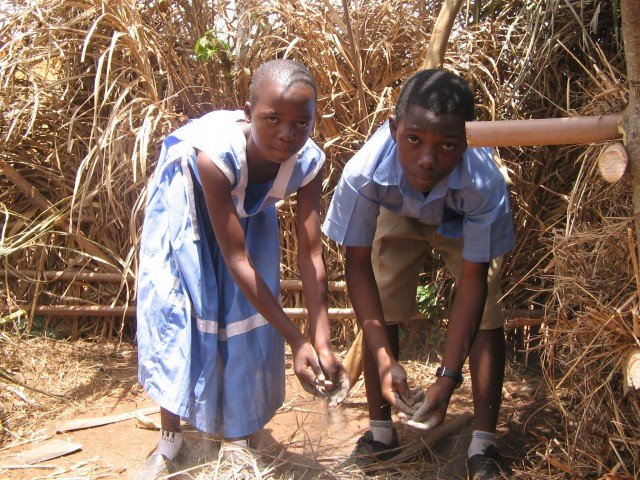
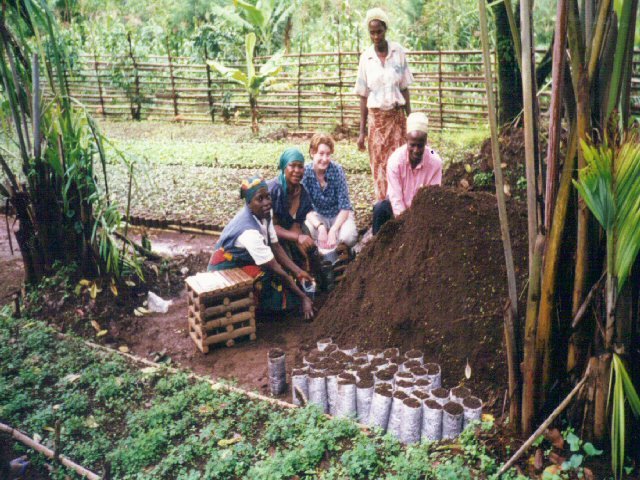
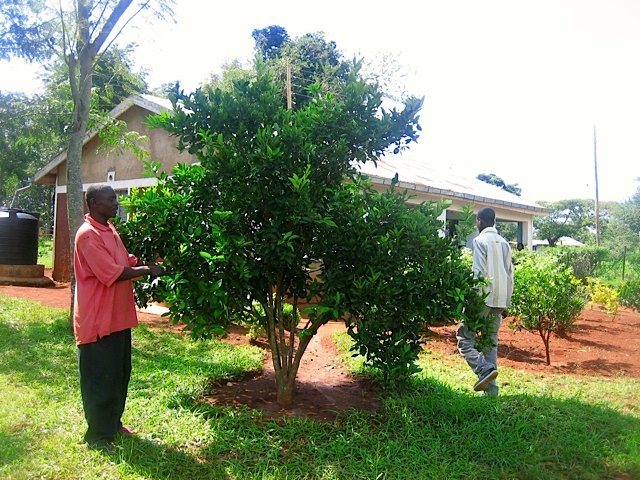
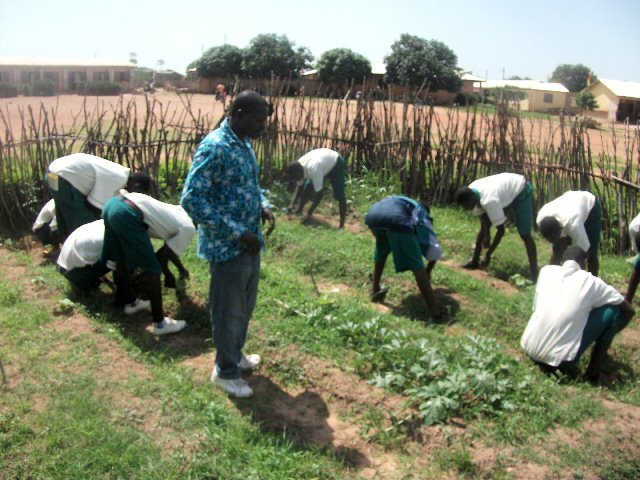
Images – Tree planting and environmental education in Africa
AFRICA











Follow us on Facebook:
www.facebook.com/fiohfund
Follow us on Twitter:
twitter.com/fiohnet
Please share our links with your friends to help us reach a wider audience.
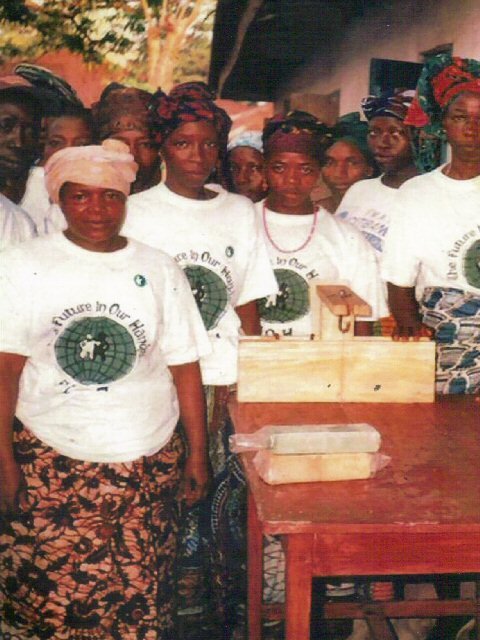
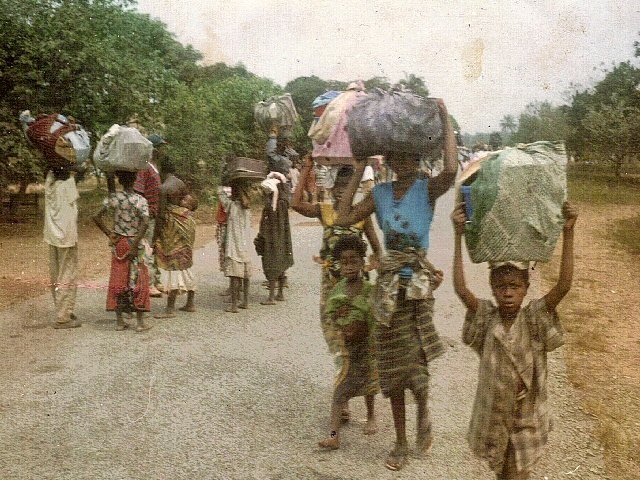
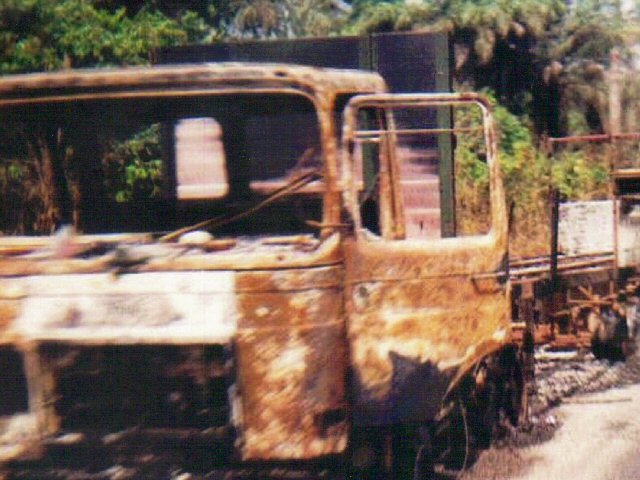
Images – Post war Rural Development in the Tonkolili District
SIERRA LEONE







Follow us on Facebook:
www.facebook.com/fiohfund
Follow us on Twitter:
twitter.com/fiohnet
Please share our links with your friends to help us reach a wider audience.
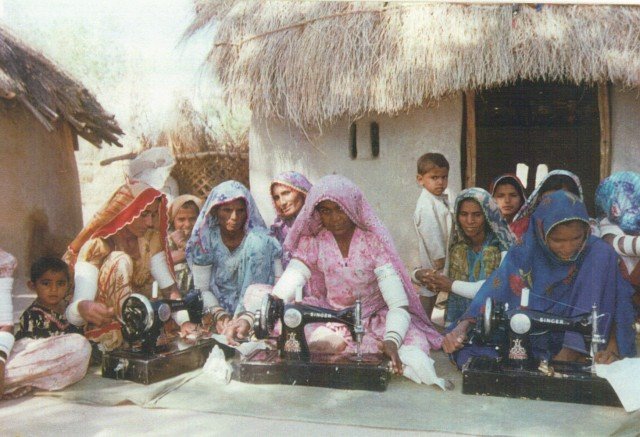
Images – Poverty Alleviation in the Thar Desert
PAKISTAN




Follow us on Facebook:
www.facebook.com/fiohfund
Follow us on Twitter:
twitter.com/fiohnet
Please share our links with your friends to help us reach a wider audience.
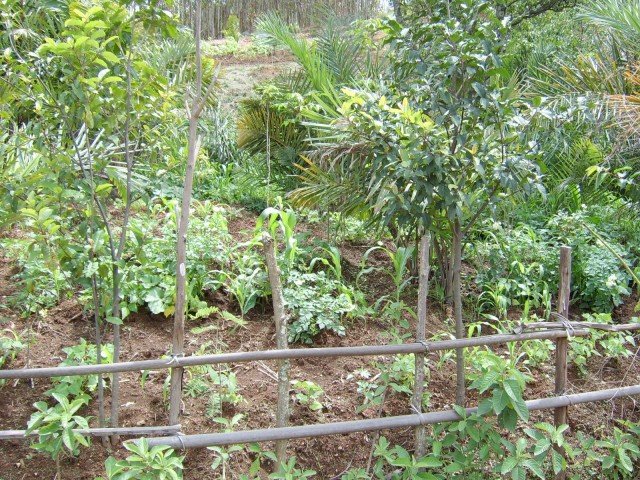
Images – Eucalyptus Replacement Project
CAMEROON – NORTH WEST REGION






Follow us on Facebook:
www.facebook.com/fiohfund
Follow us on Twitter:
twitter.com/fiohnet
Please share our links with your friends to help us reach a wider audience.
FIOH Network videos
SHUMAS organic farming training centre
A training centre for organic farming methods located near Kumbo in the NW Region of Cameroon run by alocal non-government organisation, Strategic Humanitarian Services.
SHUMAS vocational training centre for disabled people
A vocational training centre for disabled people located in Bamenda in the NW Region of Cameroon run by a local non-government organisation, Strategic Humanitarian Services.
CAMGEW vocational training centre.
A vocational training centre located in Oku in the NW Region of Cameroon run by a local non-government organisation, Cameroon Gender and Environment Watch.
CAMGEW environmental education programme
An environmental education programme for schools in the NW Region of Cameroon run by a local non-government organisation, Strategic Humanitarian Services.
GLORES treatment centre for disabled children in Cameroon
A treatment and rehabilitation centre for disabled children located in Bafoussam in the W Region of Cameroon run by a local non-government organisation, Global Rehabilitation Services. Interview with the director of GLORES, Alfred Wingo.
Kroobay slum in Freetown, Sierra Leone
Illustrates the unhealthy conditions for people living in a large city slum. Interview with one of the community’s tribal chiefs.
SHUMAS eucalyptus replacement project in Cameroon
Illustrates the second phase of a project to cut down eucalyptus trees in the NW Region of Cameroon and replace them with mainly indigenous trees for agroforestry and water catchment protection.
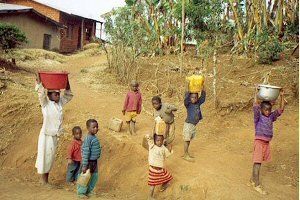
The eucalyptus had been lowering water tables and reducing crop yields on adjoining land and meant that thousands of women had to walk long distances to fetch water and find suitable land to farm.
A farmer in Kumbo, NW Region of Cameroon explains the uses of tree species commonly found in the region.
Michael Thomas (FIOH Fund, UK) and SHUMAS staff join women farmers on one of the long walks women make to their farming locations. Women are forced to walk these long distances because eucalyptus trees had been planted on the land close to their homes.
Gives an indication of what life is like for poor people living in the Thar desert who often migrate during periods of severe drought.
A seminar organised in 2014 in Bamenda, NW Region of Cameroon, bringing together people from different sectors of society with an aim to share best practice for sustainable development.

Follow us on Facebook:
www.facebook.com/fiohfund
Follow us on Twitter:
twitter.com/fiohnet
Please share our links with your friends to help us reach a wider audience.
Strategic Humanitarian Services
 Strategic Humanitarian Services (SHUMAS), a Cameroonian Development NGO, after working on its own for sometime, considered possible networking and collaboration with northern NGOs who shared common objectives and methods of approach to development. Between 1997 and 1999, the General Co-ordinator of SHUMAS, Stephen Ndzerem and the President of Plant a Tree in Africa (PATIA)/Co-ordinator of Future in Our Hands Education and Development Fund UK, Mike Thomas, were involved in some intensive correspondence.
One of the issues they discussed was how to seek a sustainable solution to the adverse effects of eucalyptus plantations on water sources and farming areas. Women were the principal victims.
In 1999 Mike Thomas visited to carry out a site assessment and provided £500 from PATIA (matched by SHUMAS) to establish a nursery for 40,000 tree seedlings (10 species) and fell several thousand eucalyptus.
Because of the encroachment of the trees into existing and potential farming areas, many women have to walk long distances (often 15 miles or more) to find new areas to farm. They will then live in temporary self-made huts for 2 to 4 weeks before returning home with whatever they can carry on their heads. Many will carry babies or take young children with them. People in general, usually women and children, have to walk further and further each year to fetch water. A summary of the project and its outcomes are shown below.
Information gained from the pilot project was used in support of an application to the Big Lottery Fund to fund a large project named the Eucalyptus Replacement Project .
A 10 page brochure summarising the first phase of the project can be seen here:
CAMEROON – EUREP I – BROCHURE
Since then SHUMAS has established partnerships with AidCamps International and Building Schools for Africa both of which have resulted in a comprehensive school building programme involving a partnership between local communities and the schools’ parent teacher associations.
A Buildings Schools for Africa report can be seen here:
BUILDING SCHOOLS FOR AFRICA Newsletter October 2014
SHUMAS is now a well respected organisation in the area and has established many projects, including those summarised below, which have improved the lives of poor people in both urban and rural areas. More details can be seen at the SHUMAS web site:
STRATEGIC HUMANITARIAN SERVICES
SHUMAS integrated organic farming training centre

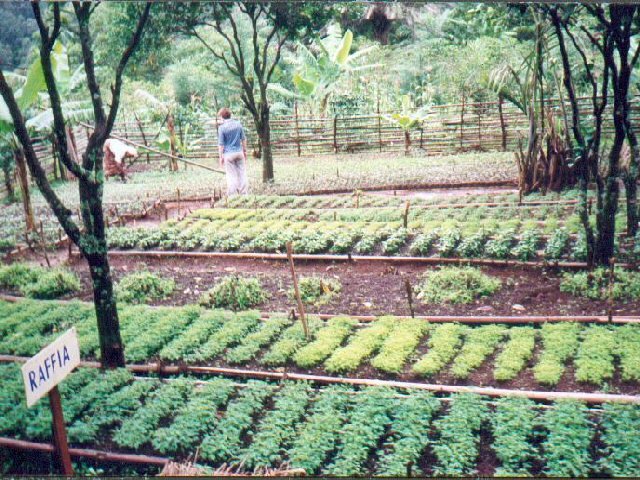
Another inspirational development has been the establishment of an Organic Farming Training Centre in the NW Region near Kumbo.
Details of the operation of the Centre can be seen in this 34 page report: BIOFARM
Primary health care
A partnership with Spreading Health [Founded by Dr Peter Hearn] is facilitating primary health care training for people in the rural areas. This has included a scheme to sponsor local village candidates to train for three years at the St Louis Higher Institute of Health & Biomedical Sciences in Bamenda (the capital of NW Cameroon).
Womens co-operative network
 During his visit in 1999, SHUMAS gave Mike Thomas an opportunity to present his idea for establishing savings and credit cooperatives to about 300 women. There were some initial setbacks but before 2000 more than five co-operatives had been trained and became fully operational.
By 2014 sixty two autonomous co-operatives all of which have again come under the single umbrella called Future in Our Hands Womens Credit Union Cooperative- Cameroon.
The FIOH co-operatives are quite different from conventional co-operatives. FIOH concentrates on building the capacities of grass roots women through encouraging the spirit of sharing, co-operation and fellowship, rather than on too much external dependency and a quest for individual material gain.
The SHUMAS head office and rehabilitation centre
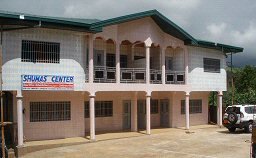 In February 2009 SHUMAS started the construction of an inspirational new building that combined facilities for both staff and vocational training for disabled people. The building was completed later that year. The SHUMAS head office combines facilities for administrative staff with those providing vocational training for disabled people. The object is to provide disabled people with the means to become economically self-reliant and the ability to effectively participate in the development of their communities.
The objectives of the Centre are to:
- Train disabled people in self-reliant skills so that they will be able to carry out economic activities which enhance their self-esteem and enable them to be part of the mainstream of development of their communities.
- Train them in basic management and leadership skills.
- Continuously monitor and evaluate graduates for some years to assess their progress.
- Set up a revolving micro-finance scheme to benefit ex-trainees.
- Advocate for the rights of disabled people.
The Eucalyptus Replacement Project

Project launch
The project was launched in 2000 and was supported by all sections of the community and government authorities and provided the framework for the introduction of new ideas to the women.
The womens network was to play an important role in the day-to-day management of the project which involved the felling of 1,017,200 eucalyptus and the raising of 2,624,000 mainly indigenous African trees (60 species) carried out in two phases between July 2000 and October 2008.
The projects cleared about 463 ha of eucalyptus trees resulting in the recovery of 105 springs and 140 water taps during the dry season. Over 9,000 women who had previously walked long distances to farm and collect water, were able to farm close to their homes.
Statistics in 6 rural health centres and 1 hospital recorded an average 27% reduction in water born disease during the life of the project. It was estimated that an additional 5,153 children were able to go to school because of the increase in family incomes resulting from the projects.
The local authority and many individual farmers copied the example of the project and hence the figures shown above are an underestimate of the project’s impact.

FIOH Fund Newsletter – Summer 2015

Ebola programme
NEWSLETTER – ISSUE 1 – SUMMER 2015:
FIOH FUND NEWSLETTER – SUMMER 2015
Follow us on Facebook:
www.facebook.com/fiohfund
Follow us on Twitter:
twitter.com/fiohnet
Please share our links with your friends to help us reach a wider audience.
Eucalyptus replacement project, NW Region
Eucalyptus replacement project
Between 1997 and 1999, the General Co-ordinator of SHUMAS, Stephen Ndzerem and the President of Plant a Tree in Africa (PATIA)/Co-ordinator of Future in Our Hands Education and Development Fund UK, Mike Thomas, were involved in some intensive correspondence. One of the issues they discussed was how to seek a sustainable solution to the adverse effects of eucalyptus plantations on water sources and farming areas.
Women were the principal victims. Women and children were forced to walk long distances to fetch water because the eucalyptus trees were taking up large quantities of water and this was lowering water tables and drying up water taps and springs during the dry season.

The adverse social effects of the trees was brought to the attention of SHUMAS by Angela Wirkom, leader of the Bonkeh Womens Common Initiative Group. The women complained that the trees were taking up so much water during the dry season that they were having to walk long distances to collect water and find suitable areas to farm.
In 1999 Mike Thomas visited to carry out a site assessment and provided £500 from PATIA (matched by SHUMAS) to establish a nursery for 40,000 tree seedlings (10 species) and fell several thousand eucalyptus.
Because of the encroachment of the trees into existing and potential farming areas, many women have to walk long distances (often 15 miles or more) to find new areas to farm. They will then live in temporary self-made huts for 2 to 4 weeks before returning home with whatever they can carry on their heads. Many will carry babies or take young children with them. People in general, usually women and children, have to walk further and further each year to fetch water. A summary of the project and its outcomes are shown below.
Information gained from the pilot project was used in support of an application to the Big Lottery Fund (previously named the Community Fund) to fund a large project named the Eucalyptus Replacement Project .
A 10 page brochure summarising the first phase of the project can be seen here:
CAMEROON – EUREP I – BROCHURE
Project launch
The project was launched in 2000 and was supported by all sections of the community and government authorities. The project involved the felling of 1,017,200 eucalyptus and the raising of 2,624,000 mainly indigenous African trees (60 species) carried out in two phases between July 2000 and October 2008.
The projects cleared about 463 ha of eucalyptus trees resulting in the recovery of 105 springs and 140 water taps during the dry season.
The photos above show (1) a large area of Council land cleared of eucalyptus, (2) women clearing former eucalyptus plantation land in preparation for planting crops, (3) Pygum africanus trees raised from seed in Phase I of the project. This species is nitrogen-fixing and an important cash crop. The bark is used in cancer treatment, (4) part of the large nursery established in Phase II of the project and (5) areas of agroforestry using seedlings outplanted from the nurseries.
Outcomes
Over 9,000 women who had previously walked long distances to farm and collect water, were able to farm close to their homes.
Statistics in 6 rural health centres and 1 hospital recorded an average 27% reduction in water born disease during the life of the project. It was estimated that an additional 5,153 children were able to go to school because of the increase in family incomes resulting from the projects.
The local authority and many individual farmers copied the example of the project and hence the figures shown above are an underestimate of the project’s impact.
Monitoring visits were carried out by Michael and Glenys Thomas for the Phase I project in 2004 and by Alan and Teresa Stewart for the Phase II project in 2008. Mike Thomas visited the project and that of Global Rehabilitation Services in 2009:
EUREP II REPORT – MONITORING VISIT MAR 2009 EUREP II
The photos above show Glenys Thomas helping to sow seeds in the pilot project in April 2004 and Alan and Teresa Stewart who monitored Phase II of the project in 2008.
During his visit Mike Thomas and representatives of SHUMAS accompanied women on a part one of their 15 mile trips to their farming area at Nkuf. The project not only assisted the women, but also provided economic benefits for land owners who were generally men.

A short term benefit came from the sale of the eucalyptus logs for construction timber, fencing a electricity poles. An important outcome of the project was that land owners gained more from growing crops than they previously gained from their eucalyptus trees. Thus many men joined women in planting crops for local consumption rather than cash crops for export. It is also hoped that the project will support long term sustainable development because of greater opportunities for young people to gain employment locally.
If you would like to support the work of the FIOH Fund please make a DONATION:

Poverty alleviation in the Thar Desert
Poverty Alleviation in the Thar Desert

For the people living in the Thar Desert region of Sindh, drought is a frequent threat and one of the major causes of poverty and deprivation.
This project (June 2004 – Nov 2008) involving the following activities helped 1,100 families (6,600 people) in 20 villages cope with this situation and build up resilience for the future:
- Village Development Organisations were
established in 10 villages. - Provision of 800 water harvesting tanks and 800 fuel efficient stoves.
- Provision of materials and training of women in embroidery and their civil and political rights.
This video gives an indication of what life is like for people living in the region:

Training was also provided for the families and the community as a whole in HIV/AIDS awareness, controlled grazing practices and management techniques.
Water harvesting tank


The outcomes of the project included:
- A 12% increase in the numbers of girls being enrolled in primary education.
- A drop of 10% in the incidences of cholera and infant mortality.
- A 27% decrease in eye problems and chest infections of women beneficiaries.
- Better access to water by all the beneficiaries during periods of drought.
- Communities gaining more confidence to campaign for their statutory rights and the women becoming more involved in village decision making.
The project managing partner, Participatory Village Development Programme (PVDP), was well established before this project started.
The project was visited by FIOH Fund assessors, Eddie Thomas in 2005 and Joanna Heaven in 2008.
The PVDP poverty reduction model, which involved establishing Village Development Organisations and an Integrated Management Committee, was used in the Eucalyptus Replacement Project in Cameroon and proved to be a very effective method of involving all the stakeholders.
Poor people benefitting from the project:
Three case histories
If you would like to support the work of the FIOH Fund please make a DONATION:
