
Supporting grassroots initiatives in Sierra Leone.

Alpha Kargbo Youth Leading the World (YLTW) “We are pleased and grateful for all your support you have been giving us all this while, blessings to FIOH.”
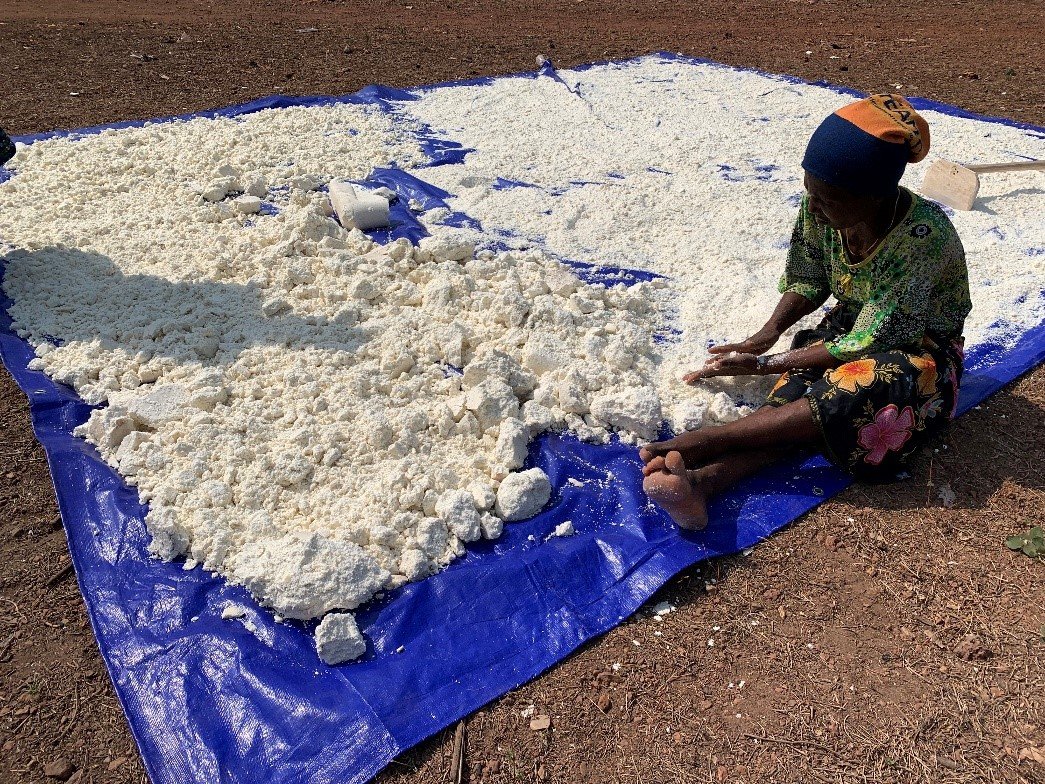
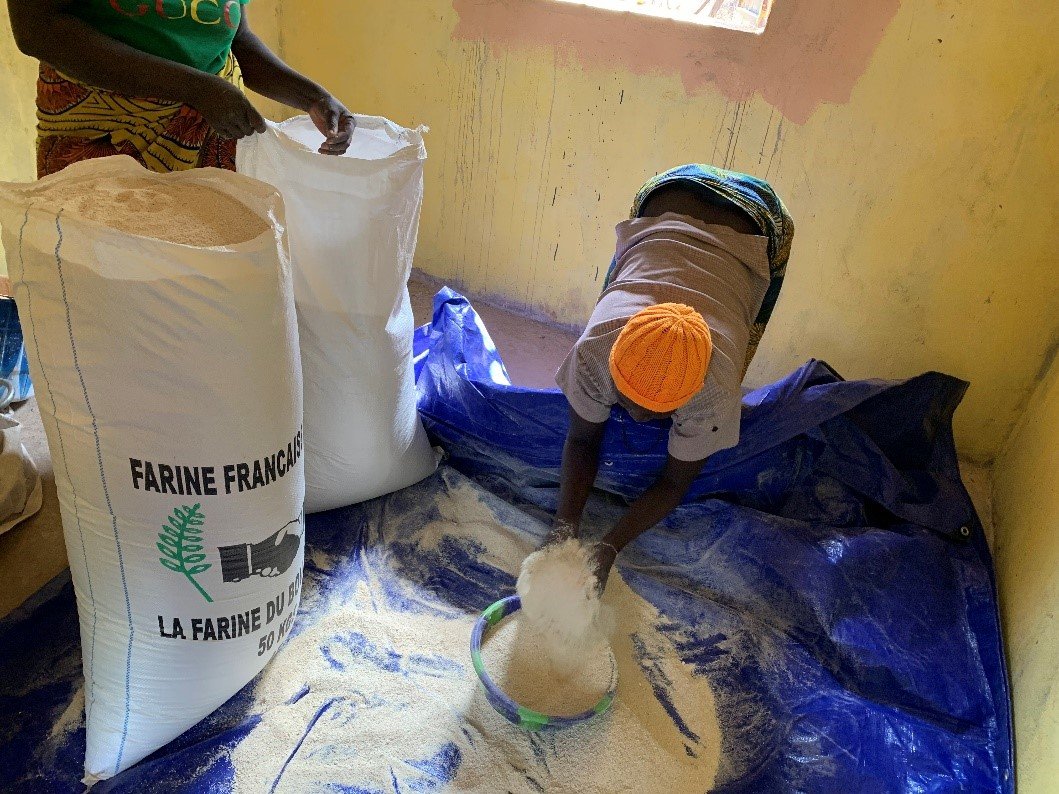
YLTW have managed to cultivate 2 acres of cassava during the summer of 2025 with the aimed to benefit to the community in establishing a staple subsistence crop. This will enable local communities have a more reliable source of carbohydrates in their diet. The end product flour can then be used in baking. The local enterprise gives us the ability to have greater control over price fluctuations and ina ddition provides regular and reliable employment through processing the raw material.
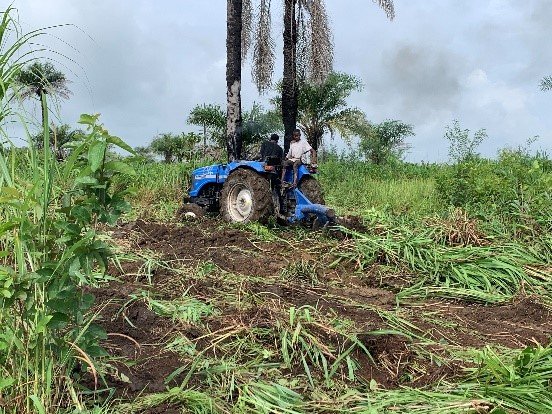
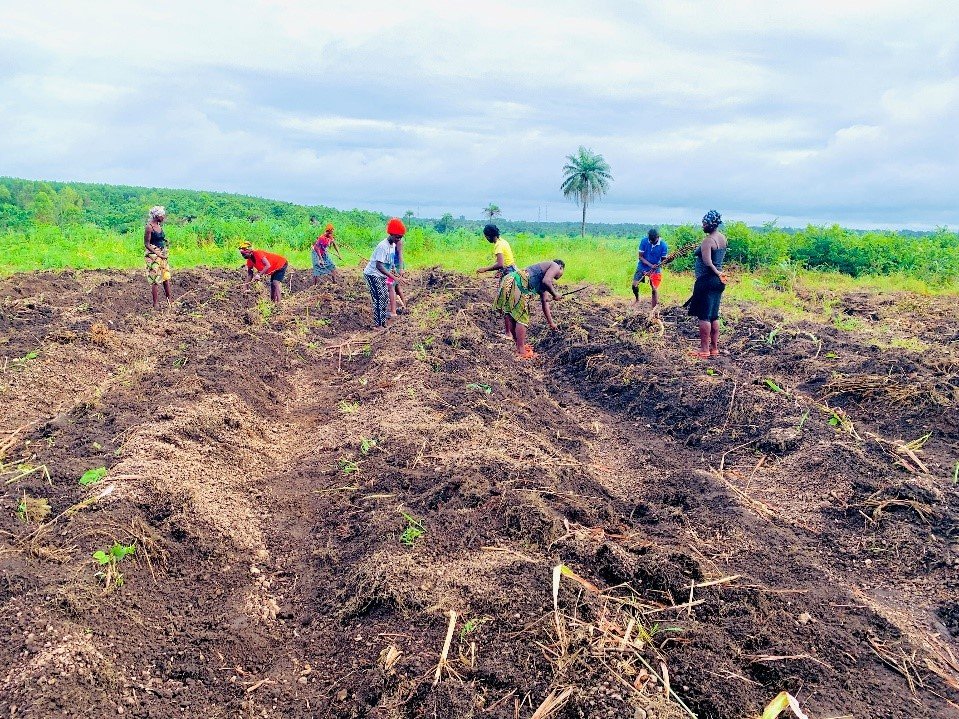
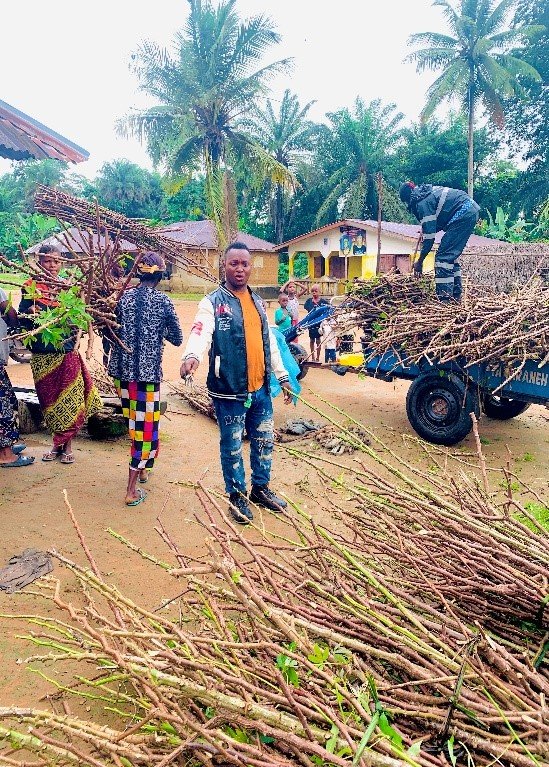
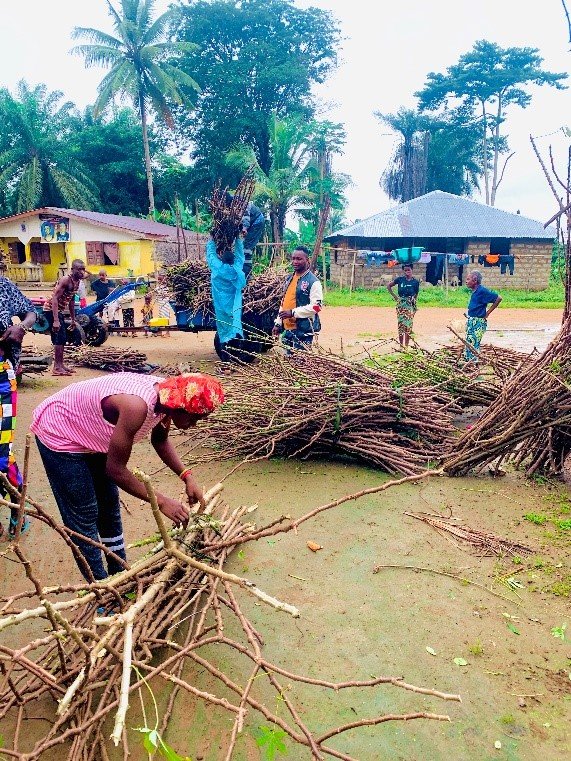
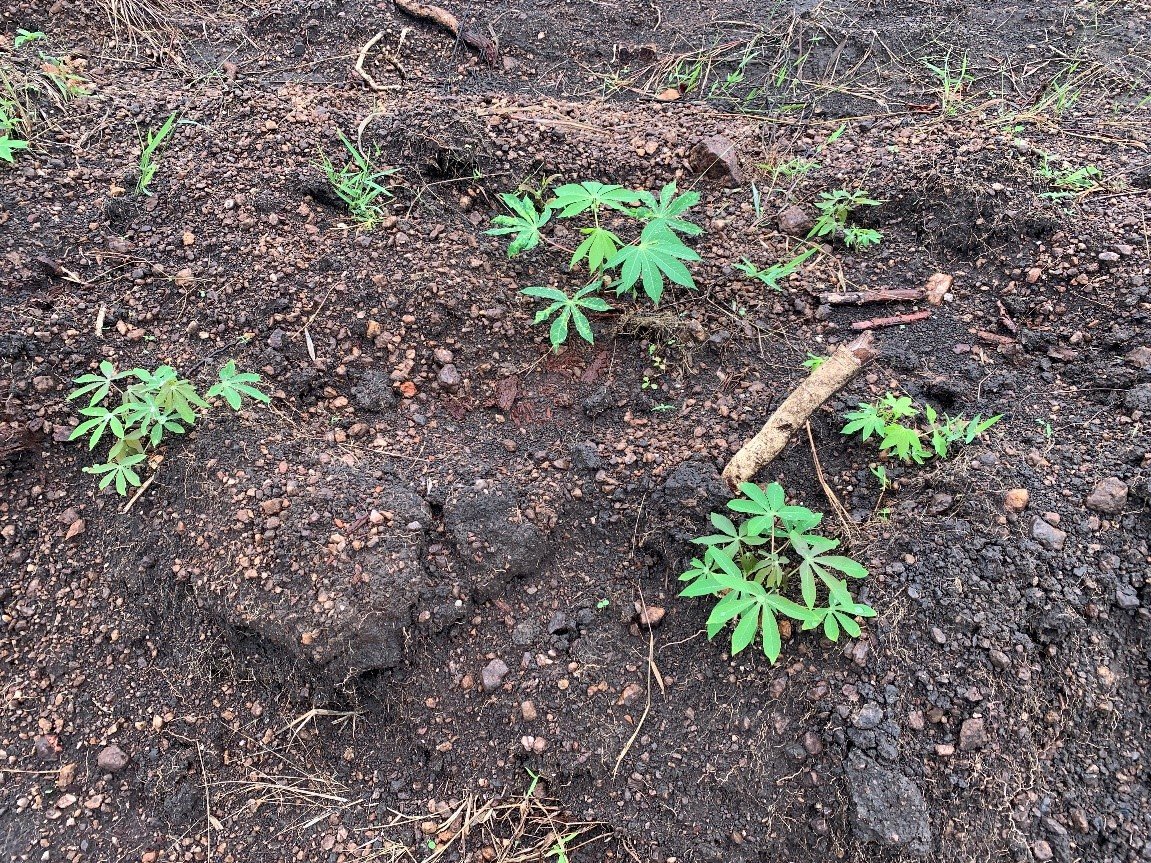
YLTW started with ploughing as two tractor machines (see image 1) went to work the land. They to organized and utilized local labour to construct the required ridges on the area (image 2). This was followed by planting, weeding and cultivation. All with the aim to purchase and transport cassava stems, for farming.
Gari Processing Centre
YLTW chose this as they were convinced it would yield a profound benefit. The processing centre is available for use and is owned cooperatively by the grassroots community. Offering free or reduced cost use towards processing of the Cassava into the final flour.
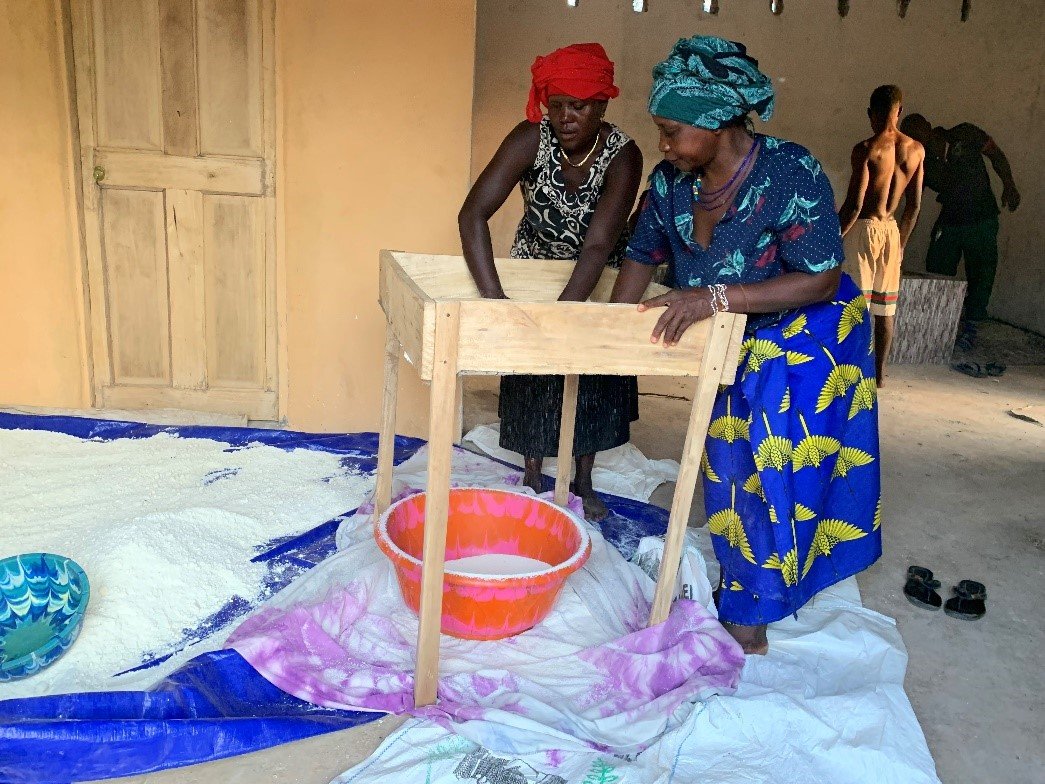
FIOH are delighted to participate and facilitate locally managed initiatives like this project. We feel that it has provided meaningful employment, impact and sustainability to the lives of people who need it most. Projects such as this, managed from the ground up by local people has the fastest and biggest impact to people’s livelihoods.
It is our hope to continue to provide funding and guidance on projects like this into the future. If you wish to help us with your support, please consider donating or getting in contact with us for fundraising opportunities.
Future in Our Hands Womens Co-operative, Oku
Future In Our Hands Cooperative Oku
 FIOH Oku is a women’s farming cooperative made of over 5 Common Initiative Groups (CIGs) representing over five villages in Oku Subdivision. It was created on the 22nd of September 1999. It encourages the spirit of hard work, cooperation and togetherness in women. It is called a women’s cooperative because 95% of members are women. Her creation was thanks to the interest SHUMAS NGO and Future Our Hands had to empower women and the vulnerable in the Oku community. It has as motto: educate a man, educate an individual; educate a woman to educate a whole nation. This is because of the socio-economic importance of a woman in the purely African village community like Oku. Some of the projects realised by FIOH-Oku:-
- Improving the processing and transformation of corn and cassava through mills and haulers donated by SHUMAS and her partners.
- Offering loans to members at very minimal interest rates through a scheme developed by SHUMAS.
- Through SHUMAS there has been the development of community health infrastructure for the village of Lui.
- Regular production of organic food crops and other natural products for income generation and food security.
- Attending agro-pastoral shows to market their produce.
- Training and practising sustainable and integrated farming and livestock productions methods amongst her members.
- Training and application of agroforestry techniques to her membership.
Oku is located in Bui Division of the North West Region of Cameroon. It is made up of 36 village communities mostly living along the slopes of the Kilum Mountain. The people depend mostly on forest resources, subsistence agriculture, cash crop farming, livestock production and local artisan work for their livelihood. The Kilum Ijim Forest found in the community is a naturally preserved moist montane forest with a surface area of about 20,000 hectares. It is located in the Mount Oku Ridge in the Bamenda Highlands and forms part of the High Plateaus Agro-ecological Zone of Cameroon. The geographic location of the area is latitude 6°07’N – 6°17’N and longitude 10°20’E – 10°25’E. It has very important and threatened Afro-Montane endemic animal and plant species such as Prunus africana amongst others. It is an internationally important biodiversity hotspot and a critical zone for carbon sequestration within the High Plateaus Agro-ecological Zone.
The Kilum area is one of the highly populated locations in Africa and Cameroon in particular, accommodating 144,800 people occupying about 328 km2 (439.3persons/km2); hence, high pressure on resources is inevitable. There has been progressive deforestation and degradation mainly due to agricultural expansion, forest fire and overgrazing. Fuel wood harvesting has also been a major cause of deforestation and forest degradation. The late 1980s decline in coffee prices triggered many farmers to migrate further up the slopes in search of new land to increase income through alternative crops.
Within two years of its formation the activities of the co-operative had a profound positive impact on the lives of the women:
Former situation
- We were scattered and never cared to come together because we did farming far away from our homes because of the eucalyptus trees that were planted around our homes by men.
- We thought that only men had the right to inherit the property of parents. We never attended seminars and training programmes.
- We were shy to express ourselves among men and only played the part of listening.
- Our opportunities for income-generation were very limited.
- We thought HIV/AIDS was a curse from God and an opportunity for white people to sell us condoms.
- We thought that bread and cakes production was the duty of men. We did not know the importance of business – buyam sellam.
- If a woman was illiterate when she married we thought this was the last chance for her to become literate.
- Single parents had to resort to work on farms just to feed the family. They had insufficient income for their children’s education.
- Women believed that only men had the right to determine how many children they should bear.
- Husbands decided which political party their wives should vote for in Elections.
- Only men had the right to erect buildings and got the credit for doing so despite the help of women.
- Men brought in second wives without the consent of the first wife, claiming it is their right.
- Women thought only of their own needs and rarely discussed problems together. We did not engage with women from other villages.
- Widows used to sleep on bare floors in very smokey houses that constituted a breeding ground for germs and diseases.
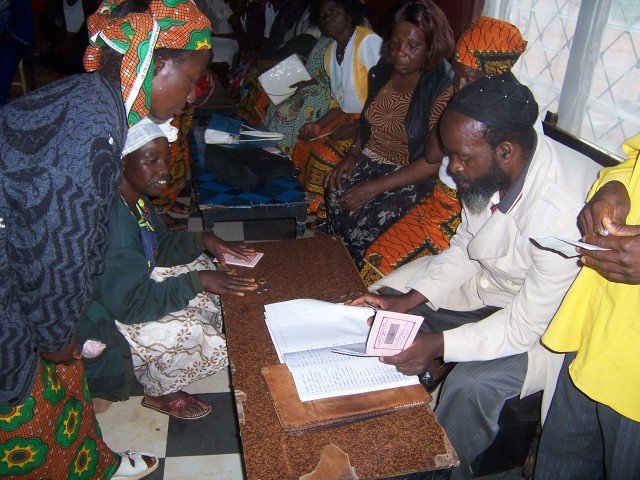
Current situation
- We now farm around our homes and have enough time to come together. Children now attend school as they do not have to come with us to distant farms. We have gained experience by coming together e.g. joined savings and credit groups with small interest charged on loans. We now have small businesses that help to solve some of our problems like paying for school fees and drugs. We are healthy and do not have to rely on our husbands for money.
- We have attended many seminars organised by SHUMAS and the Diocesan Commission for Justice and Peace, Bishops House, Kumbo, Human Rights agent and the International Federation of Female Lawyers in Cameroon.
- Now we express ourselves freely because of the lectures from SHUMAS and human rights agent who told us that every person is the same before the law and has the right to express his/her views freely.
- We now produce tablet and powder soap and hire a hand cart for transporting items.
- Through seminars we have learned that HIV/AIDS is real. We go out to schools and talk on the rural radio about the dangers and the precautioins that must be taken. There have been significant changes in sexual behaviour as a result.
- We now have our own small bakery and members can take part in bread making and poff poff production. We sell what we make and employ male youths to carry to far distant places by motorbike to sell.
- The eucalyptus replacement project has enabled women to have more time to engage in adult literacy classes. These include married women who were once illiterate.
- FIOH Oku has encouraged single parents to join the co-opertive and learn how to engage in income generating activities. The co-operative has provided them with small loans and they are now able to sell items in the market. Some have been able to send their children to school and have given testimonies on how their lives have improved.
- From the lectures and seminars women became more aware that men and women should jointly agree the number of children they should bear.
- Through the education of the human rights agent and messages from Mike Thomas of the FIOH UK Fund, women now know their rights to vote in their own right.
- Women now realise that they can take the initiative in putting up a building. Our women have bought a plot of land and have erected their own meeting hall.
- Through the co-operative we have taught women the importance of marriage certificates and various types of marriage . If monogamy is the choice then men have no right to bring in a second wife or mistress.
- We now have exchange visits with other womens co-operatives in our network. We exchange ideas and learn from each others experience.
- Now most women, especially FIOH women, do not now sleep in such houses. When their husbands die they sit in a special room with friends who comfort them.
Follow us on Facebook:
www.facebook.com/fiohfund
Follow us on Twitter:
twitter.com/fiohnet
Please share our links with your friends to help us reach a wider audience.
Permaculture Ghana

Transplanting seedlings
Permaculture Ghana

Location
The following photographs illustrate projects initiated by Permaculture Project in Ghana co-ordinated by Paul Yeboah. There has been a large focus on working with women farmers and environmental education with children of all ages eg. Carbon credit/oxygen from trees, food and nutrition, soil improvement and animal fodder. After such a workshop with the schools the project also provides them with tree seeds and polypots for nursery practices and management. Our vegetation cover in the region is being lost very fast and the project training is expected bring about a big change in attitudes in the area towards the environment and the value of tree planting by the year 2017. Tree species being planted include acacia siamea, moringa, mango, citrus, mahogany, cocoa, cederella, albizia, teak, leucaena, gliricidia, ofram and millitia. The project also includes instruction in organic methods of gardening. Ghanaens in general do not add enough vegetables/fruits to their food as such and education is provided to the school pupils in the importance of a balanced diet.
The focus of the organisation’s activities recognises the importance of a balanced diet of vitamins, minerals and amino acids for good health. Deficiencies in any of these nutrients can lead to health problems – scurvy can be caused by a lack of vitamin C, night blindness by a lack of vitamin A, kwashiorkor by a lack of protein, anaemia by a lack of iron. Other health problems can be caused by a lack of vitamins obtained from vegetables, fruits and moringa leaves.
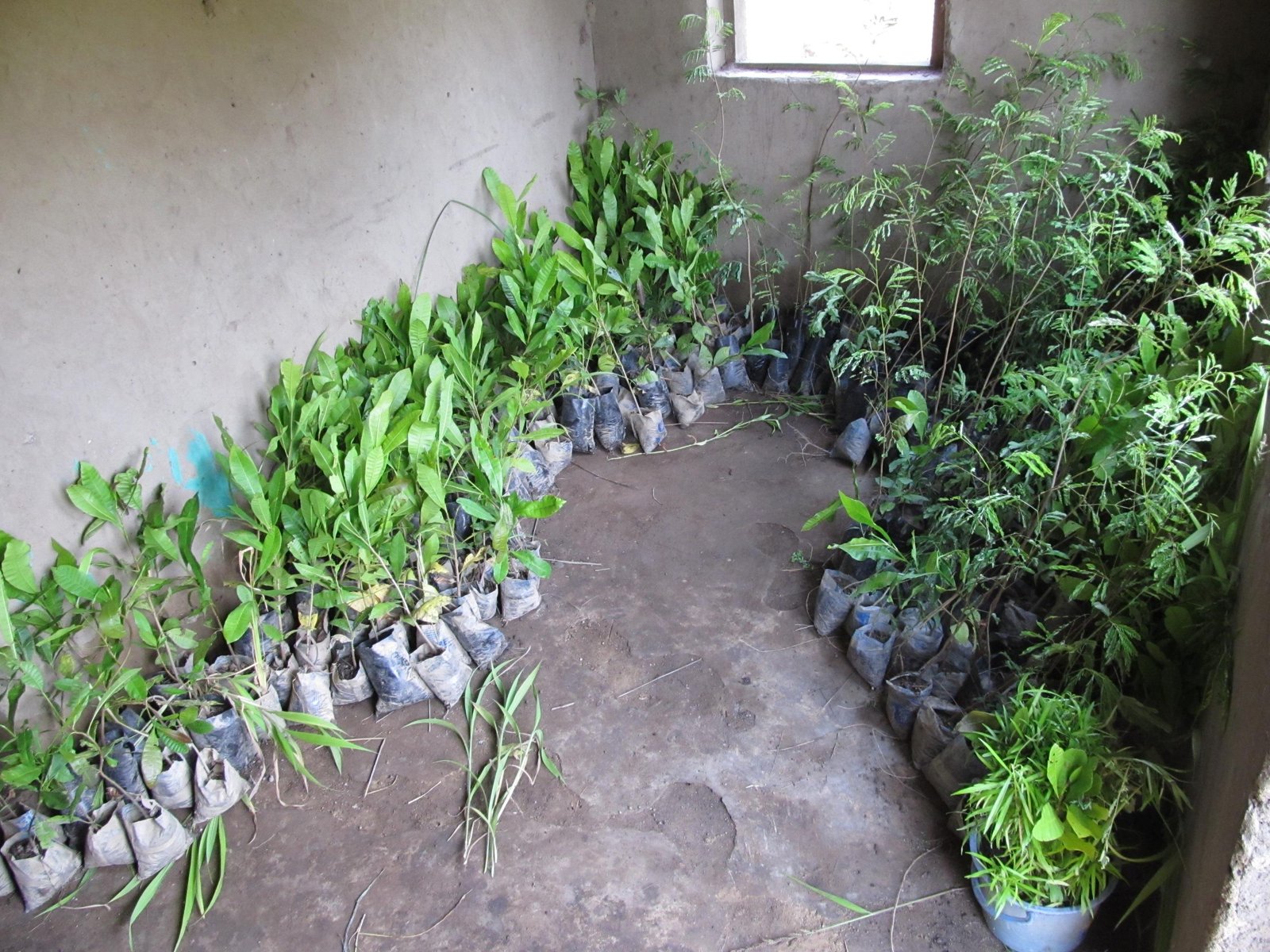


Tree planting at Dupari in the Upper West Region

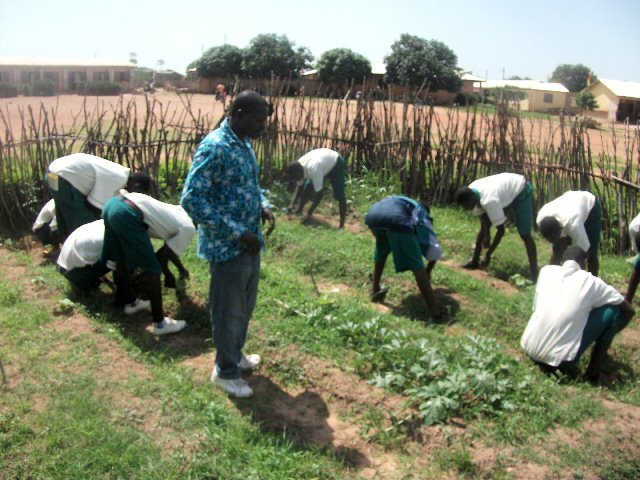
Kulpong D.A. Primary School at Wa in the Northern Region (left). Akunfi Ameyaw Senior High School (right).


Training in the production of cream, soap, ointment and shampoo made from the leaves of the moringa tree. The powder from the leaves can be used as a food supplement.


Process of wood sawdust compost for growing mushrooms being shown to a group of Peace Corp visitors from the USA.
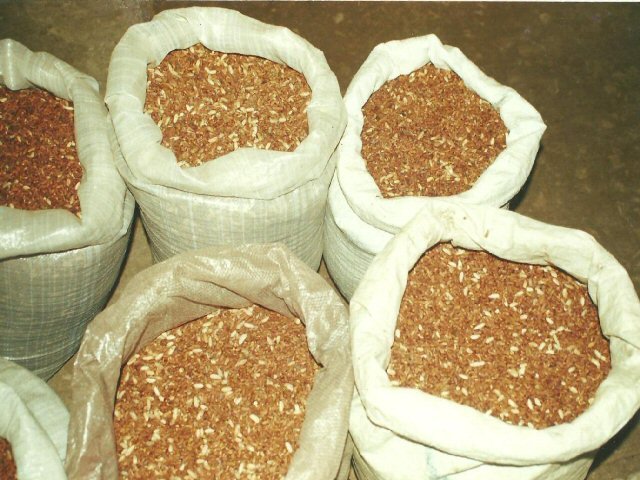


Neem seeds, neem oil processing, neem cake fertilizer, neem products – insecticide, shampoo, soap.

Pesticides are made from neem tree leaves and the process can be seen here:
PROCESS OF MAKING NEEM OIL AS A PESTICIDE


Schools environmental programme
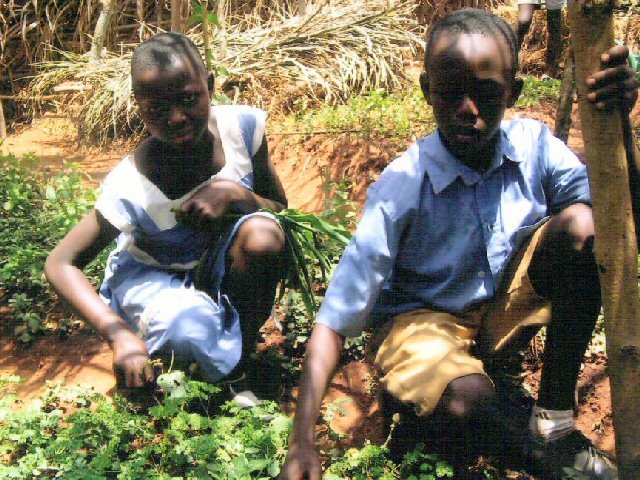 Schools environmental education project
The project established the following programmes in 10 rural primary schools (average of 500 in each school) in the NW Region of Cameroon. The programme involved:
- Establishing a model school farm at each school where children will gain practical farming knowledge (seed selection, planting crops, nursing of seeds, growing crops, harvesting, storing, marketing etc).
- Educating and conveying practical knowledge on the importance of trees in the community; children will also influence their parents concerning environmental issues and rural development.
- Providing skills for employment. The parents of as many as 60% of children will not be able to afford to pay secondary school fees. This programme encouraged many more children to gain skills in sustainable agriculture, so that they find interesting and gainful farming employment in villages.
- Income from the sale of school farm produce was used to pay the salary of at least one more teacher in each of the five schools.
- Some of the income was used to buy educational materials, equipment and teaching aids.
The project was managed and organised by Strategic Humanitarian Services, based in Bamenda. The programme involved:
- Acquiring land for the school farm: The school farm must be situated near the school for ease of mobility of pupils, so as not to waste too much time trekking to the farm.
- Each of the five schools owned a farm of about 1 acre. The land was divided into small plots. Each plot grew a different crop or vegetable. Crop rotation was practiced.
Seeds collection: Pupils were organised to make trips to the forest and taught how good seeds can be gathered. Thereafter there were practical lessons on how to treat the seeds, nurse them in seedbeds, transfer them into polythene pots and finally plant at their permanent site. The children continued to care for the seeds and the plants.
Environmental lectures were organised once a month in each of the schools: The lectures included the economic and ecological advantages of different indigenous species, the social and environmental problems associated with eucalyptus and the danger of using chemical fertilisers.


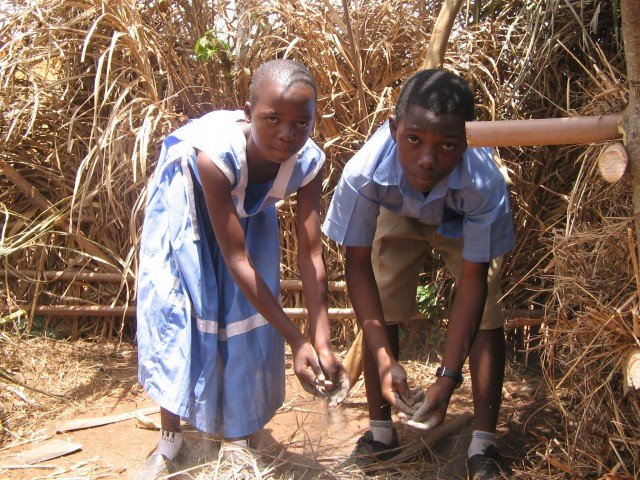


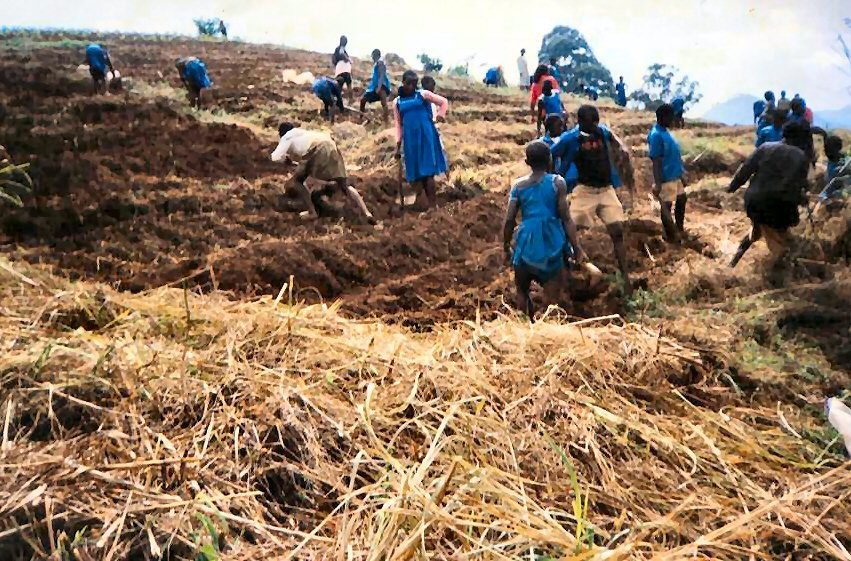

School competitions involved quizzes and prizes were awarded to deserving pupils.
Publication of a hand out: An educational illustrated booklet was produced that can be used in schools.
With the support of the FIOH Fund the NGO Cameroon Gender and Environment Watch (CAMGEW) working in Oku, launched a similar project which expanded the work it was already doing with schools in the area.
The FIOH Fund obtained grants of approx £12,000 from the Funding Network and the Network for Social Change for this project.
If you would like to support the work of the FIOH Fund please make a DONATION:

