
How CAMGEW Restored Forests and Empowered Women in Cameroon – 2025
All of the Major achievements by our network partner CAMGEW and a summary of their annual report focused on reforestation and women’s equality in Cameroon, with support from FIOH.
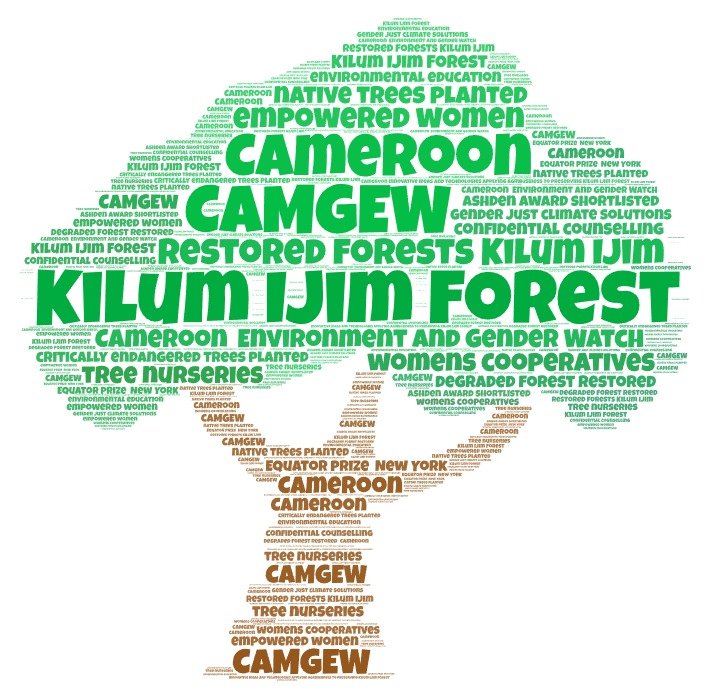
In 2025 CAMGEW was restoring forests and empowering women in Cameroon, rebuilt livelihoods with sustainable agriculture and a focus on youth livelihoods — while quietly transforming itself from a single-forest project organisation into a multi-region programme NGO with a 2026–2030 strategy.
Nine Headline numbers
| Indicator | 2025 Result |
| Native trees planted | 11825 seedlings plus 406 wild stems protected |
| Cumulative total trees planted | 134880 over 14 consecutive years |
| Critically endangered trees planted | 1386 Newtonia Camerunesis IUCN Red List |
| Degraded Forest restored | 12=-15 Hectares |
| Farmers trained in agroecology and enterprise | 600+ |
| People reached by environmental education | 4161 |
| Confidential counselling provided | 510 |
| Girls in leadership programmes | 102 |
| Livestock Livelihood beneficiaries | 230+ households |
The annual report has itemised, verifiable and audited statistics to support the following areas of action.
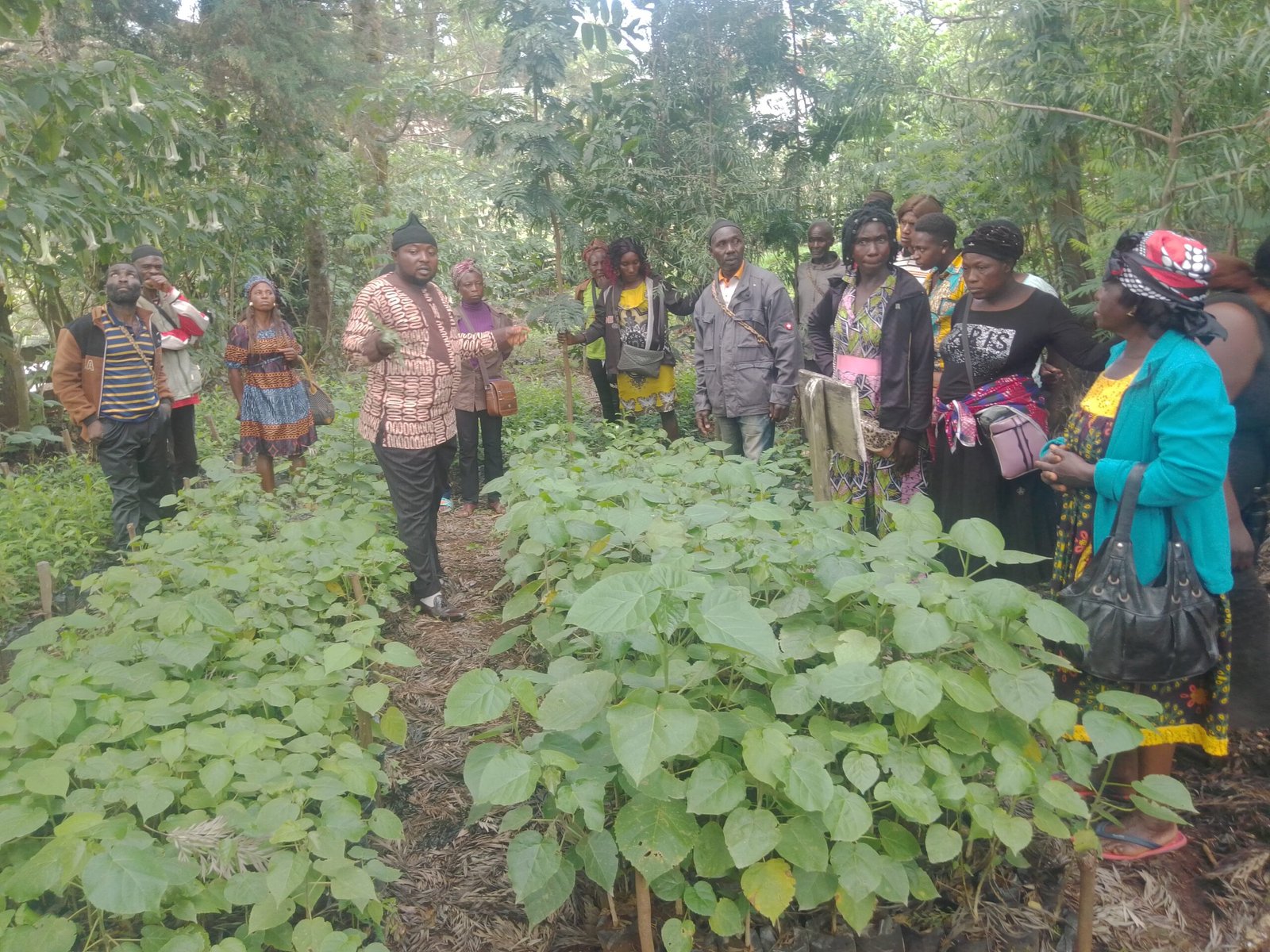
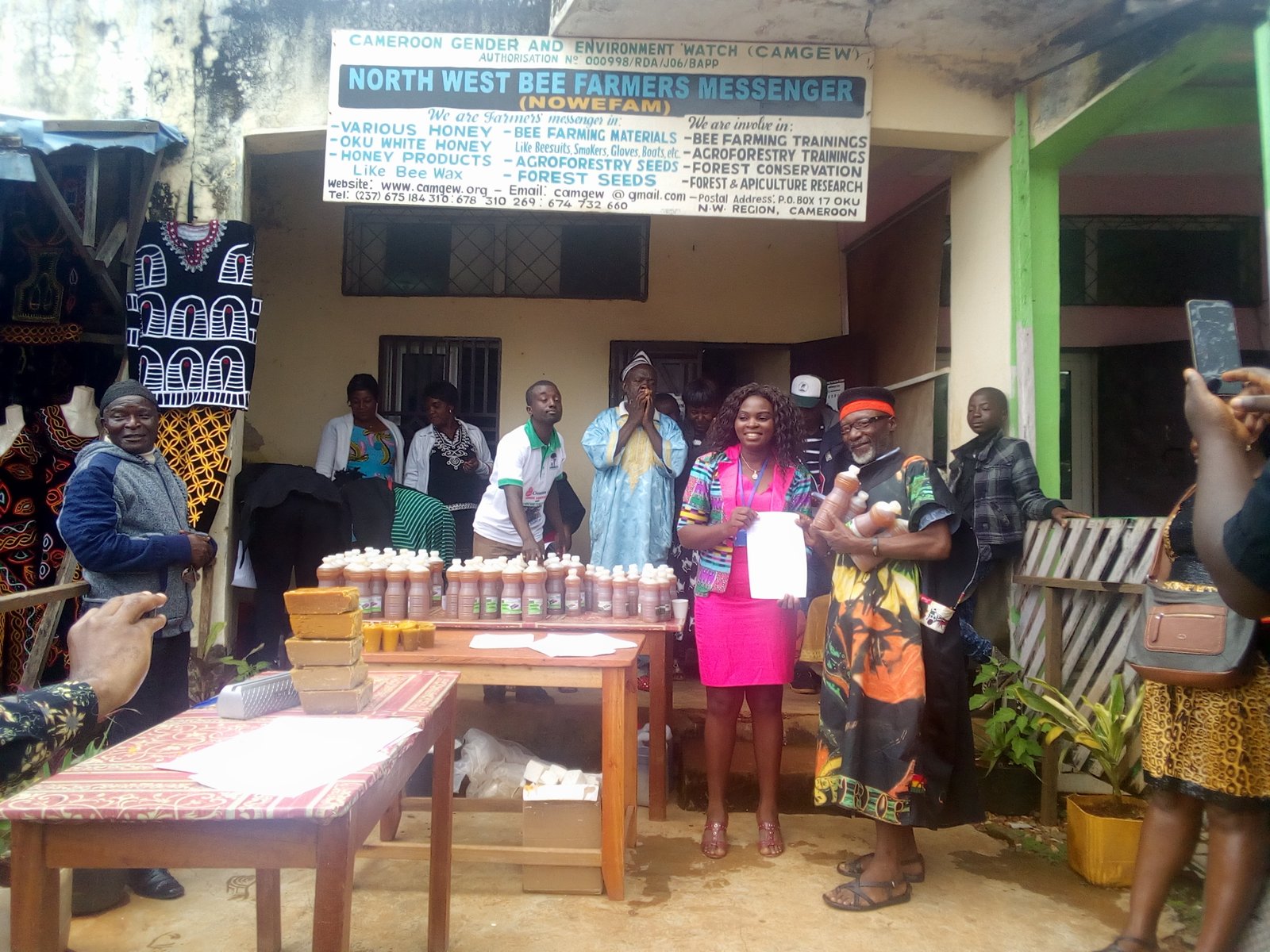
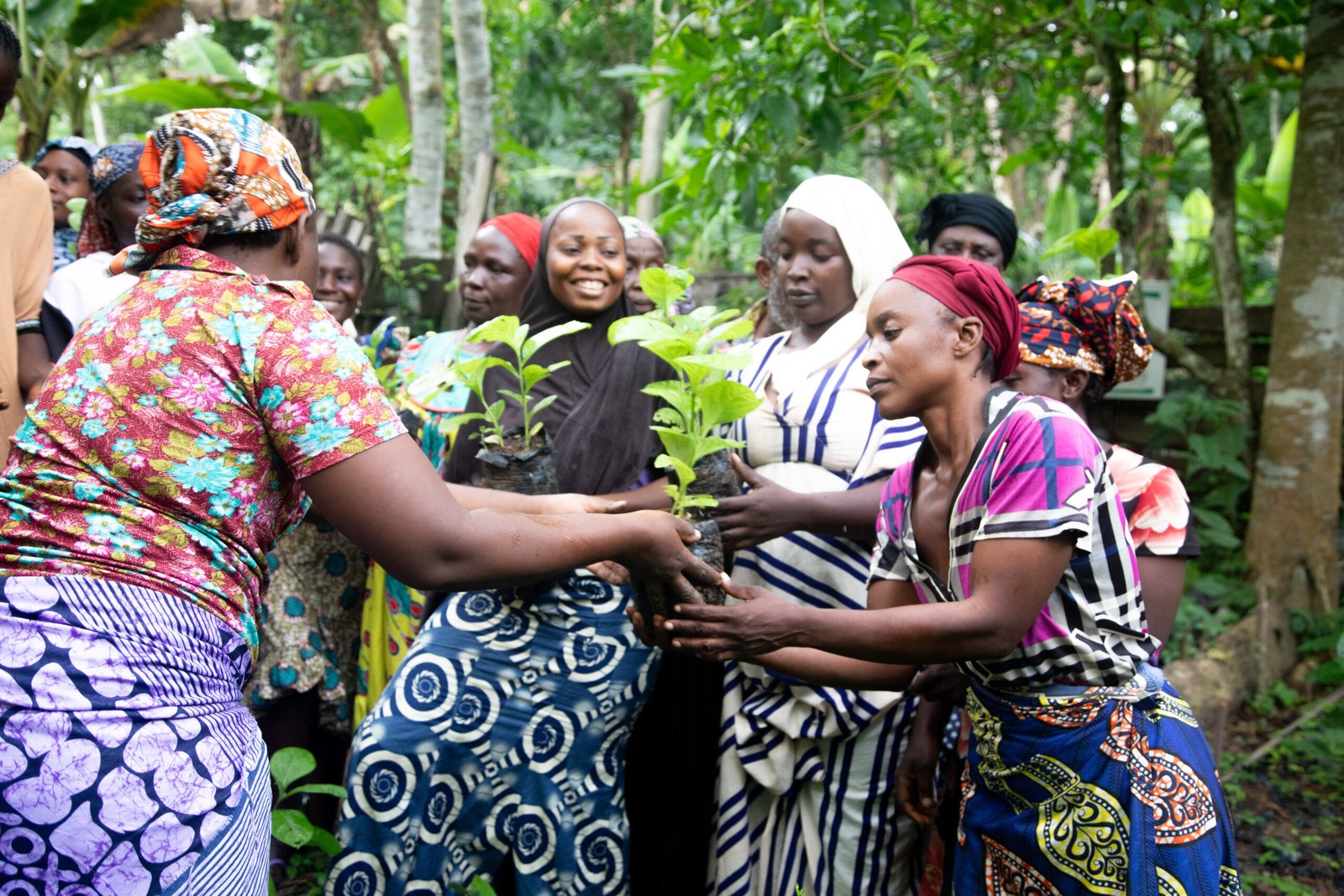
International Awards 🏆
Equator Prize New York
Gender Just Climate Solutions Sevidzem Ernestine Leikeki
Innovative ideas and technologies in agribusiness in efforts to preserve the Kilum Ijim forest
Ashden Award shortlisted
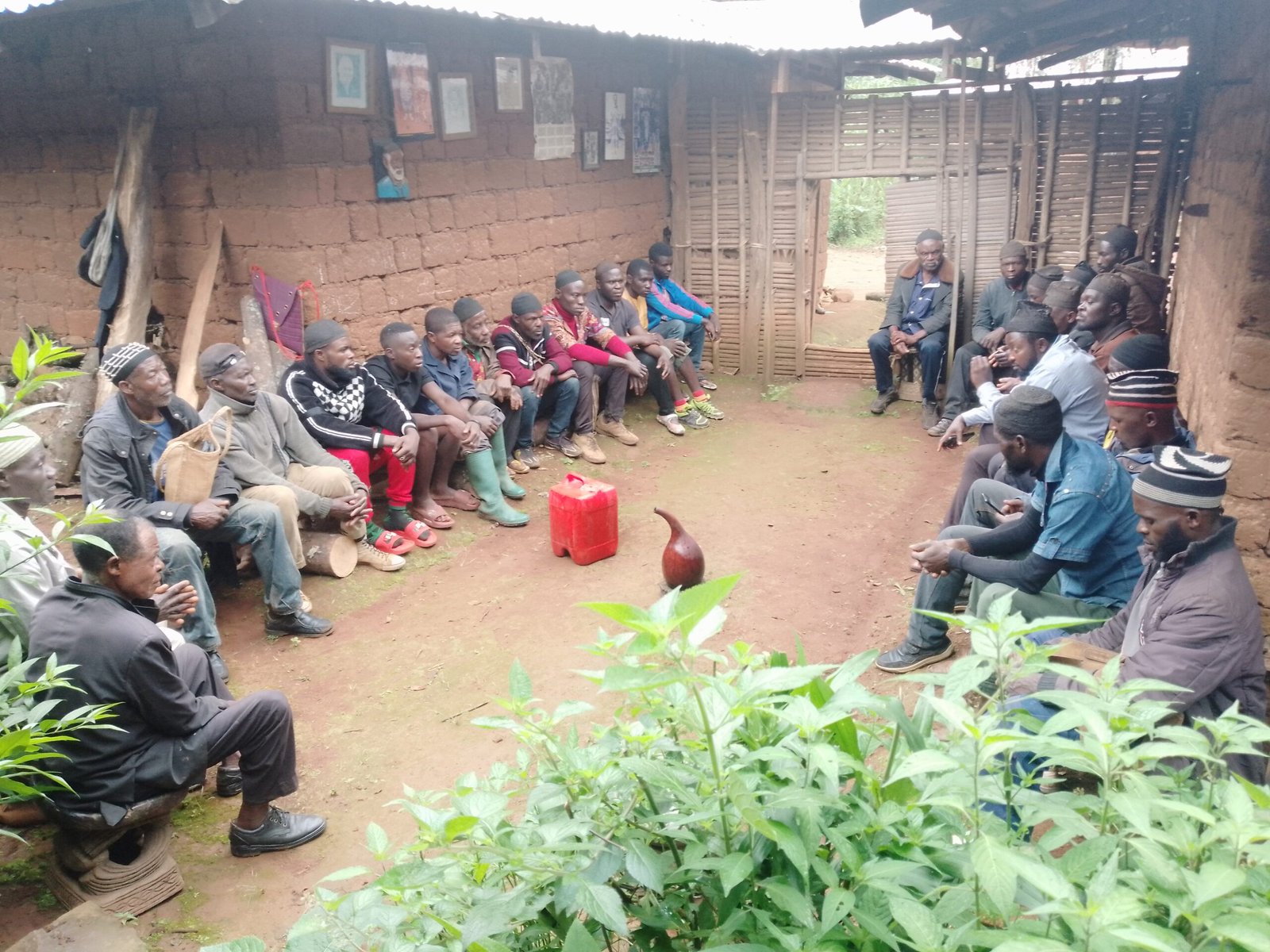
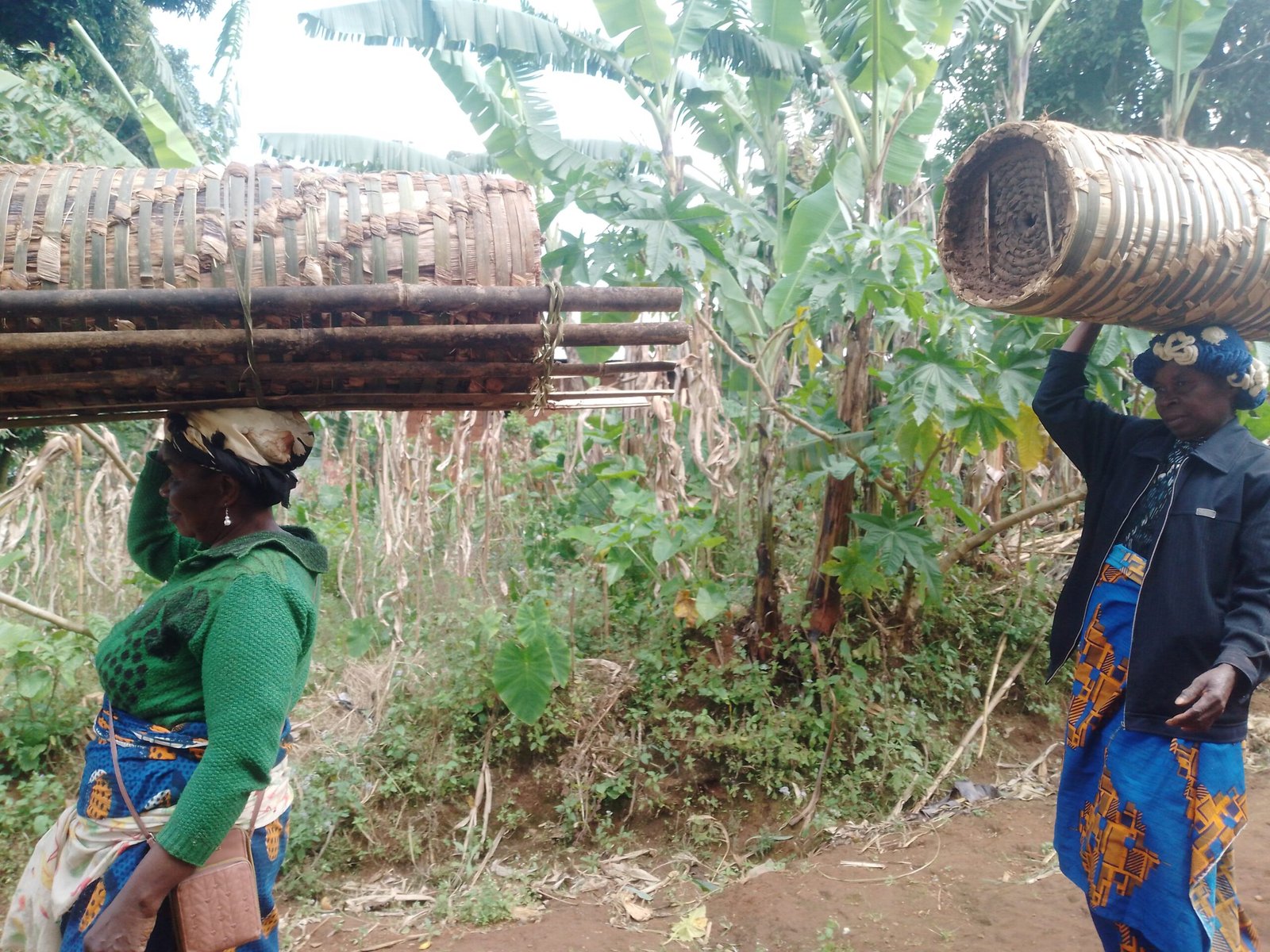
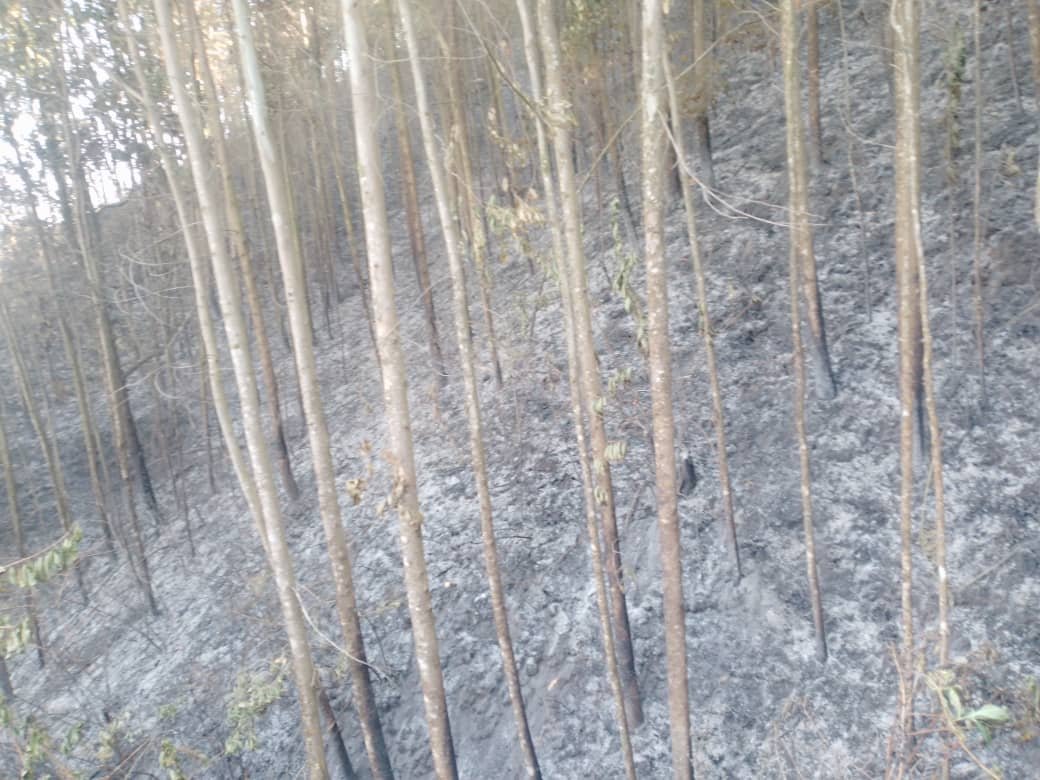
CAMGEW Cameroon Gender and Environment Watch on its way to NGO status with photography from Director Emmanuel Wirsiy and edited by FIOH
Source: CAMGEW 2025 Full Annual Report (80 pp). www.camgew.org Prepared for FIOH website digests and articles. CAMGEW Cameroon Gender and Environment Watch. Founded Oct 2007; works in 3 regions of Cameroon (North West, West, Adamawa). FIOH–UK was one of CAMGEW’s original tree-planting funders (2012-2017).
If you wish to support our cause and fund future projects on restoring forests and empowering women in Cameroon like CAMGEW’s please Donate via our website. To read more articles like this one, try reading this one of Cassava Farming in Sierra Leone.
Amabazonia mourns the loss of Transformational humanitarian leader in Cameroon
It is with great sadness that we mourn a true compassionate leader of SHUMAS. It was FIOH through initial contact with Mike Thomas, that were around to stimulate the origins of his story.
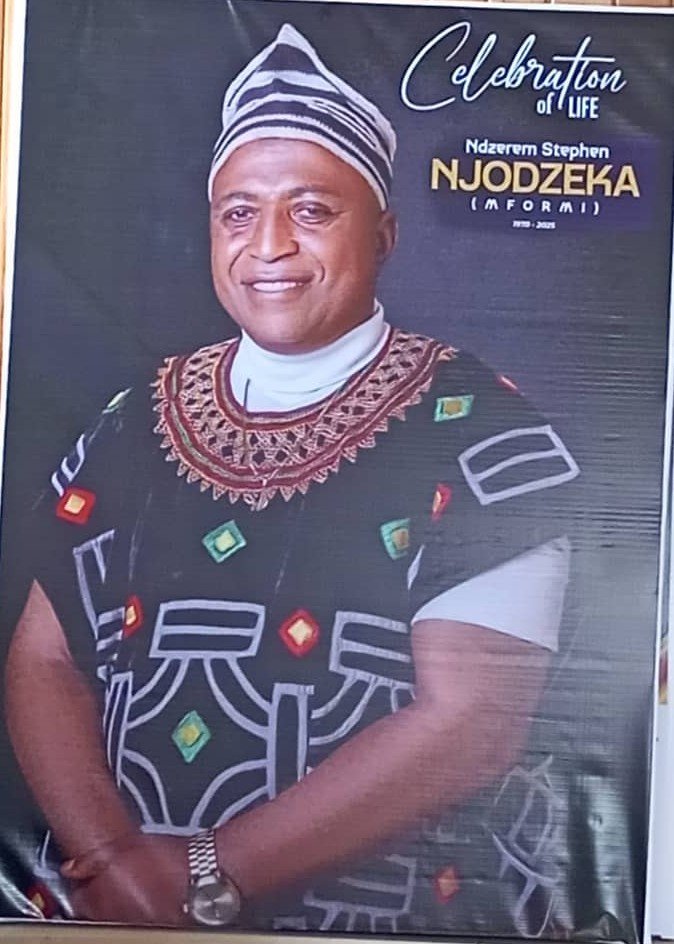
Tribute by Emmanuel Wirisy Director of CAMGEW
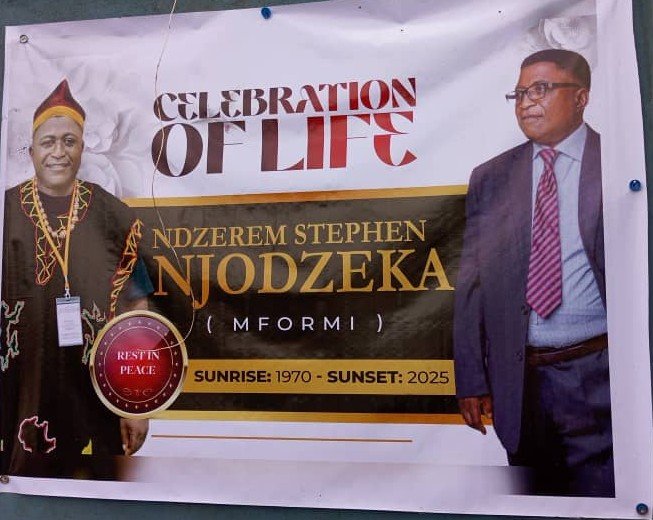
Our family has lost a great civil society leader, mentor and role model. SHUMAS director Mforme Ndzerem Atephen Njodzeka was a member of this group and guided its functionality. He made little noise but did more in actions. He did much in community development and moreover mentored and coached many who now lead their own NGOs non governmental organisations. We thank you for being an exemplary mentor and our hearts bleed with your premature departure. To make you proud , we pledge to continue your humanitarian and environmental work and to assist the most disadvantaged in society. We pray you rest in peace and send condolences to your family.

12 April 2025 we will be seeing off our Hero, Mentor, Model and Father that death took away from us in January 2025. This is Mforme Ndzerem Stephen Njodzeka who was Director of SHUMAS. He was one of us in this family here. His impact to humanity speaks loud and his forging spirit is what CSO leaders can hold as legacy to keep moving. Our condolence to his family. Go Well Our Hero to join the Great People of Our Community. We love you our Hero.
The Future in Our Hands Education and Development fund achieves a significant milestone

Future in Our Hands Education and Development Fund having been established by founder Mike Thomas in 1995 is just reaching its 30th anniversary this year. We would like to thank all our regular donors and helpers for their selfless support over this time period.
As treasurer, I have trawled through our detailed accounts and aggregated all of our past donations. What began in the 1990’s, as a grant of £20 to test the water has grown into multiple affiliated NGOs across Africa and India. The incredible final total raised and donated stands at £548,748. All of this fundraising has gone to the most marginalized and deserving of causes and is far beyond our expectations at the outset. Who would have believed that a small official UK registered charity, administered from a small front room in Swindon, would issue grants way in excess of half a million pounds.
The list of individual beneficiaries must run to tens of thousands as our grants have been able to transform lives and livelihoods. Our updated website fiohnetwork.org illustrates a detailed archive of our work and highlights a network of organizations which share the same ethos. We have always encouraged individuals and non governmental organizations who share our ideas of a bottom up grassroots approach to solving problems of development.
Our goal is to help some of the poorest and most marginalized people in the world by empowering them and their local communities to find sustainable ways to overcome poverty, raise ecological and environmental awareness and create lasting just and equitable social change.
- Reafforestation schemes developing tree nurseries of millions of indigenous trees
- Built and continue to fund a medical clinic for disabled children
- Support the education of orphaned street children in India
- Assisted displaced persons from Civil wars
- Built and developed 5 schools in Sierra Leone
- Responded to climate induced emergencies in India and Pakistan
- Supported educational programmes of sustainability Cameroon and Sierra Leone
- Helped fund Integrated Organic Agricultural Development
- Promoting gender equality through womens’ banking cooperatives
- One of our partners even achieving U.N. Equator Prize award recognition
- Supported Youth Leading the world in Sierra Leone
- Encourage effective networking between organizations
CAMGEW AWARDED THE EQUATOR PRIZE
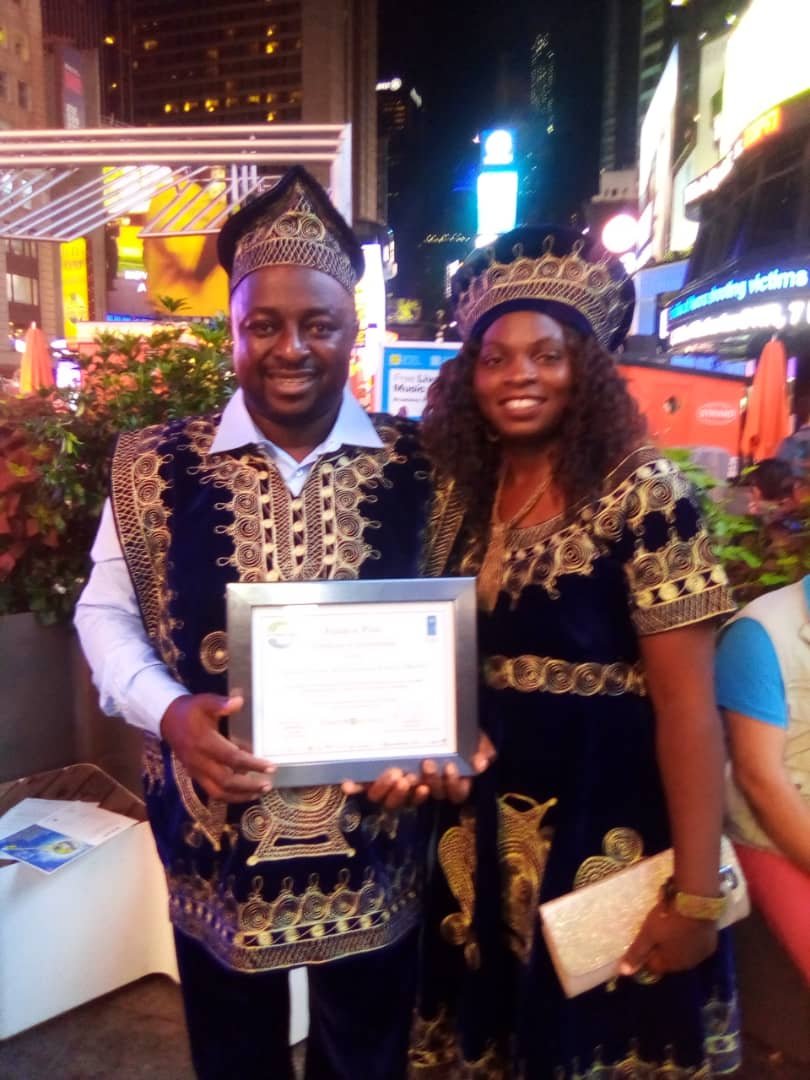
Cameroon Gender and Environment Watch was one of the 21 non-government organisations from around the world to be awarded the Equator Prize.

Created in 2007, Cameron Gender and Environment Watch (CAMGEW) brings together women’s empowerment, community livelihoods, and ecology to address environmental challenges in northwestern Cameroon. Recognizing that local livelihoods are deeply integrated with the health of local ecosystems, the group has planted 75,000 bee-loving African cherry trees (Prunus Africana) in degraded areas of Kilum-Ijim Forest to serve as a carbon sink and protect key watersheds. At the same time, they have trained over 1,000 bee farmers in honey production for market, while a complementary programme has trained 772 farmers on agroforestry to bolster soil health and provide alternative firewood sources. To empower women farmers, CAMGEW offers both business training and microloans through a programme that has, to date, trained 1,580 women and provided 1,325 loans. In a time of ongoing conflict in Cameroon, the organization has made a powerful impact on the health of local ecosystems and the well-being of local communities.
Key Facts
Equator Prize Winner: 2019
Founded: 2007
Location: North West Region, Cameroon
Ecosystem: Forests, Mountains

Please support the work of the Future in Our Hands Education and Development Fund whose aim is to help and empower some of the world’s poorest and most marginalised people by:
- UK residents can provide long term support by completing the FIOH FUND DONATION FORM and sending to the address shown on the form:
- Direct grant to the charity’s bank account or by cheque to:
 Bank account details:
Co-operative Bank
IBAN: GB07CPBK08929965050707
BIC: CPBKGB22
Cheques should be made payable to the
Future in Our Hands E&D Fund
—————————————————————————-
Fundraising to help the work of the charities would be greatly appreciated
Integrated Agricultural Association

Integrated Agricultural Association (I.A.A) is a Cameroonian non-profit, non-sectarian and apolitical Organization founded on the 5th of March 2016 by the founder Dungrila Pascal Mbimenyuy to promote social, economic, and environmental well-being by:
(i) helping to create “sustainable economic development in rural communities in Cameroon,
(ii) empower and train youths and women-owned producer cooperatives, and
(iii) educate Cameroonians about the importance of organic farming and organic food.

Dungrila giving demonstration
I.A.A is a Youth led Organization with a main focus on empowering farmers through organic food production and commerce.
I.A.A also transforms subsistence farms into profitable businesses by helping smallholder farmers access good training, affordable capital, quality inputs and better crop prices.
I.A.A is passionate about creating social change and has over two years of experience in nonprofit leadership with a focus on smallholder farmer empowerment, defending indigenous minority rights, education, health care and community development.
Specific Objectives.
To build and strengthen the capacities of peasant farmers through local trainings on cultivation and marketing techniques.
- To ensure the greater involvement of the youths in agriculture through sensitization, trainings and support.
- To promote innovative ideas among farmers which are concerned with soil management.
- To alleviate poverty by working in collaboration with communities and implementing programs and projects that increase their income through the encouragement of collective production and marketing among farmers.
- To strive for socio-economic empowerment of the disadvantaged farmers and other community member groups through improved agriculture.
- To promote farming practices that lead to sustainable agriculture and meet the needs of small scale farmers. That is, discouraging the use of chemicals and encouraging natural farming.

Working on farm
Area of Action: North West, Southwest and West Regions of the Republic of Cameroon and beyond.
Target Groups: Peasant women, Children, Youths, Farmers and Persons living with disabilities.
Values
- Competence
- Accountability
- Justice and equity
- Democracy
- Citizenship
- Responsibility
- Admissibility
Approach
We seek to meet our objectives in two different ways. The kinds of approaches we use are as follows:-
- Participatory approach.
We Provide an enhanced and alternative local livelihoods, including sustainable agriculture and value-added products to support local economies, which engages all stakeholders in the community and other development groups. We foster civic engagement of communities through creative facilitation and other methods of stakeholder involvement (such as, public meetings and community-mapping exercises). - Systematic approach.
We collaborate with like-minded organizations worldwide and create possible partnerships, which can help us mobilize resources needed to address community challenges. These include financial, human and material resources. We collaborate with technicians and development agencies as well as community development associations to help us attain our objectives.
PROGRAMMES:
Integrated Agricultural Association (I.A.A) is working under eight different programme areas which include:
AGRICULTURAL TRAINING AND DEVELOPMENT.
I.A.A helps to transform subsistence farms into profitable businesses by helping smallholder farmers access good training, affordable capital, quality inputs and better crop prices. She also launches food safety awareness raising campaign to educate the public in nutrition.
Many farmers’ livelihoods are stable but vulnerable. When working with these communities, we use conservation agriculture techniques and territorial value-chain development. The goal is sustainable growth while building stronger production and marketing groups, and creating market links between producers and buyers. Our approach enables farmers to access and manage financial services and improve their use of natural resources. We also strengthen the capacity of farmers and field agents to help them plan businesses and evaluate profitability. With our experience, farmers can connect better to markets and use technologies that raise yields. To help farmers and field agents succeed, we developed a digital tool kit called ICT4Ag Suite which facilitates training, business planning, and monitoring and evaluation, making it easier for farmers to grow their businesses.
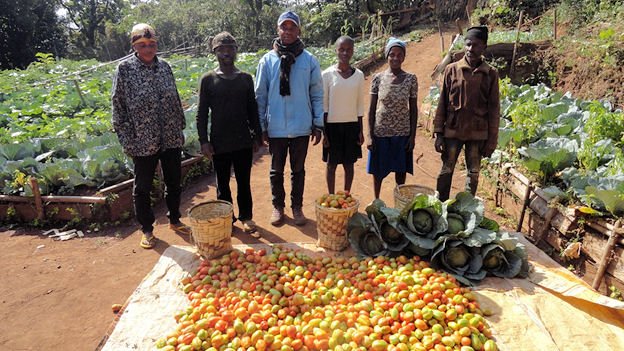
Workers on vegetable plot
METHODS USED.
Territorial approach to value-chain development: We work with farmers to identify and develop products that have potential for local, regional and national markets. We emphasize improving farmers’ production and market opportunities, but we work to improve the entire value chain so it will function more efficiently for all stakeholders. This process increases production, strengthens services for business development, improves post-harvest utilization and builds better market engagement.
Conservation agriculture: In response to global climate change, we help farmers learn techniques for conservation agriculture, which is the foundation of climate-smart agriculture. Techniques include using cover crops, planting with green manure and “no till” practices, conserving water and using native varieties of crops to manage pests. These approaches increase productivity, decrease costs and improve soil fertility.
ENVIRONMENTAL PROTECTION AND MANAGEMENT. We organize meetings to raise awareness of the importance of protecting the local environment and adopting strategies to deal with a changing climate. We carry out tree planting exercises and train local groups and families to establish tree nurseries to supply tree seedlings to the local community, with the aim to foster community engagement in afforestation. We train more than 5,600 people each year in tree planting and care and work with school children to educate them on the importance of trees to the environment and the value of agro-forestry. We also conserve biological diversity, indigenous forests and maintain ecosystem services (water, soil, and carbon sequestration).
EDUCATION AND CAPACITY BUILDING.
We provide scholarship opportunities for children from low income families and marketable skills for those with special needs.
We provide vocational training to children with disabilities and support them with equipment to set up workshops that will enable them to be economically self-reliant, participate in community activities and be socially recognized.
We promote ICT and quality education both in urban and rural communities by equipping schools with computers and books libraries, construction and equipping school classrooms as well as the provision of sanitation equipment and water.
HEALTH EDUCATION.
In Cameroon the rural population does not have access to quality health care and services. The situation remains the same in public hospitals everywhere in the country. The rural population travel an approximate distance of 25 kms or more just to have medical attention, while those visiting public hospitals complain about poor approach by medical personnel. I.A.A strives to overcome these health disparities by training community health workers, building the capacities of hospital personnel, refurbishing and constructing community health facilities and offering nursing scholarship to rural youths especially those coming from poor families.
WATER AND SANITATION.
In Cameroon, water crisis has become the order of the day both in urban centres and rural areas. This is a critical issue that affects mostly women and their children which have had severe consequences on their lives, notably; education and health. Children stay away from school just because they don’t want to carry water on their head every day. And women travel 5 kms or more to fetch dirty water. I.A.A provides access to safe and clean water (water pumps and distribution systems, well drilling, bore holes, spring capping).
HUMAN RIGHTS.
I.A.A is working to advocate for peace through peace building initiatives and humanitarian response, defending children against trafficking, early marriages and forced labour and ensuring that the rights and dignity of women, children and persons living with disabilities are protected and fulfilled.
WOMEN EMPOWERMENT.
Women are often marginalized, less educated, lack access to finances, collateral security and are not always able to participate in decision making processes locally. Opportunities on entrepreneurship, capacity buildings and access to land are always limited. Where these facilities are available, they are not reliable, affordable and accessible. They suffer from domestic violence and their girls fall victims of child trafficking and early marriages. These situations are common in rural areas in Cameroon and elsewhere in the world. I.A.A is empowering women with micro- business skills and supporting them with startup loans for new businesses and improve existing ones. I.A.A assists women with entrepreneurial skills through micro-business training and financing so that they can be able to build wealth for their families and participate in nation building.
APICULTURE
Bees are important insects that play an important role in the environment by increasing ecosystem services through pollination. It remains imperative to understand and manage pollination services; farmers in rural communities have the potential to substantially increase their crop yields and income, as well as safeguarding micronutrient supplies from foods such as fruits, nuts and vegetables. This has important implications for food security, poverty alleviation and global health. However, promoting bee farming increases pollination services and provide progress towards several important UN Sustainable Development Goals. It is important that development and environmental outcomes are closely aligned, such that there is a long-term sustainability. Beekeeping, pollination and ecological farming are important goals of development and environmental protection.

Apiculture
APICULTURE AND FOREST GOVERNANCE PROJECT
We train forest communities in sustainable forest management. Many of these communities depend on agriculture for their livelihood which often results in the destruction of the forest for farm land. We train these communities in bee farming and foster their engagement in aforestation as alternatives to protect the forest and fight poverty. We provide opportunities for rural people in tree nursery management, planting and care, and in agro-forestry techniques. I.A.A. distribute forest seeds, agro-forestry seeds and bee farming materials as well as locally manufactured bee hives to vulnerable people. The goal of this project is to promote apiculture as a strong financial incentive for rural people to alleviate poverty and protect biodiversity.
The objectives of this project are as follows:-
(1) Teaching beehive construction, apiary set-up and maintenance, honey harvesting and tree-planting.
(2) Establishment and capacity building for community-based beekeeper cooperatives.
(3) Establish a honey shop and marketing hub; give advice and training about honey marketing.
EXPECTED OUTCOMES.
- Improved honey-based livelihood opportunities.
- Community led sustainable management of honey bees.
- Increased levels of understanding of different issues relating to honey bees from biological, economical, policy and social viewpoints.
SEXUAL AND REPRODUCTIVE HEALTH PROJECT
In Kumbo, Secondary school girls become pregnant as a result of lack of understanding about family planning. This is also because the information on reproductive health is not widely disseminated for better access by young girls and women of reproductive age. School girls’ records show poor academic performance as a result of menstruation. During this period, these girls stay away from school because of stigmatization and lack of basic menstrual hygiene information and the school administration do not make available a safe environment for these girls to take care of the menstrual situation with dignity. Married women deliver children too close as a result of lack of reproductive health information and family planning which result in poor health, and unsafe abortions. I.A.A has designed this project to increase access to reproductive health information among school girls and the women of Kumbo.
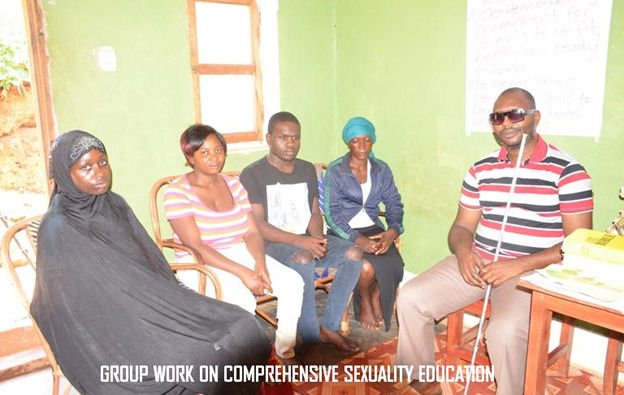
Sex education
I.A.A set-up workshops throughout Kumbo with different groups of individuals in order to discuss reproductive health, and address the questions of the participants. The workshops involved secondary school students (one for male students and one for female students), sex workers, and local communities. For each workshop, every effort is made to make the participants feel that they are in a safe environment.
All workshops usually start with an open question session to answer the sexual health questions of all participants. In addition to these workshops, radio talk shows are held in local languages, which also include a call-in question and answer session.
PROJECT GOAL.
The overall goal of this project is to increase access to reproductive health information by providing young people with the knowledge and skills to promote their health and well-being as they mature into sexually healthy adults.
OBJECTIVES.
- To work with community leaders to widely disseminate reproductive health information among young girls and women.
- To increase access to comprehensive reproductive health services.
- To address stigma and discriminatory social norms related to menstrual hygiene management with health providers, media, parents, teachers and wider community stakeholders.
Integrated Agricultural Association
Foncha Street, Nkwen, Bamenda
Nw Region, Cameroon, Central Africa
EMail: integratedagriculturalass@gmail.com
Tel (+237) 682 v98 51
Community tree planting in Oku, NW Region

Nursery Development for Environmental Education and Forest Regeneration at the Emfve-Mii Community Forest
In 2014 the FIOH Fund provided grants of £500 each for community tree planting to two non-government organisations with offices based in Oku on the edge of Kilum Ijim natural forest, in the NW Region of Cameroon:
- Cameroon Gender and Environment Watch (CAMGEW) and
- Future in Our Hands Womens Co-operative, Oku
This report which was prepared by Wirsiy Emmanuel Binyuy (CAMGEW Director) and Ngum Jai Raymond (CAMGEW Project Officer) describes the project undertaken by CAMGEW.
ABBREVIATIONS AND ACRONYMES:
CAMGEW: Cameroon Gender and Environment Watch
FMI: Forest Management Institution
MINFOF: Ministry of Forestry and Wildlife
OCR: Oku Community Radio
FIOH: Future In Our Hands
Acknowledgment
CAMGEW is grateful to Future In Our Hands (FIOH) for the financial assistance. This assistance was used to develop a tree nursery at Manchok-Oku. CAMGEW is thankful to the Ministry of Forestry and Wildlife (MINFOF) for Oku for technical assistance in forest regeneration process. The participation of community members, youths, and forest stakeholders in nursery development and tree planting was also highly appreciated.
Introduction
CAMGEW is a non profit organisation created in October 2007 with authorisation number N° 000998/RDA/JO6/BAPP to work locally and think globally, integrating gender issues in solving environmental and social problems in Cameroon. CAMGEW believes that the future of our mother planet-earth is in our hands (men and women, young and old) and also that the planet can be sustained by putting social and environmental justice at the centre of development using a participatory approach. CAMGEW seeks to achieve her objectives by liaising with other likeminded organisations worldwide. She has resolved to function according to core values of honesty, engagement and dedication in total respect of its constitution. CAMGEW has as vision “Changing lives of women, children and communities while protecting the environment and as mission to fight poverty; promote sound environmental management, gender balance and economic sustainable development.
Presentaion of the project area
Emfve-mii Community forest is part of the Oku forest and Oku is found in Bui Division of the North West Region of Cameroon. The population is English speaking. Oku has the largest remaining portion of Bamenda Highland Montane Forest with a large crater lake called Lake Oku at altitude around 2500m. The Oku Community Forest is the first community forest in Cameroon. The forest has a unique ecosystem and is the largest remaining habitat for Bannermans turaco-a red feathered bird that is only found in the Bamenda Highland Region and is classified by IUCN Red list as endangered. Kilum Mountain with altitude 3011 meters is the second highest mountain in Cameroon, central and West Africa after Mount Cameroon. Honey from Oku Forest is white in colour and is commonly called Oku White Honey. It is cherished nationally. It is certified as a Geographical Indication Product.
Oku has a rich culture. Carving is highly practiced in Oku. Oku is a tourist destination. Oku has a population estimated at about 130,000 inhabitants. It has a total surface area of about 800 km2 of which 300km2 are covered by the forest. This gives the locality a population density of about 162 persons per km2.
The Kilum Mountain Forest is rich in non-timber forest products such as herbs for medicine, rodents, wood for carving, bamboo which is used locally for construction and the Oku honey with its peculiarity of being white in color.
Presentation of the project
CAMGEW received a grant from FIOH in 2014 of 611,753 FCFA for nursery development and environmental education. CAMGEW supported this project by planting the nursed trees in the Emfve-mii community forest with the community and young people. The nursery was developed at Manchok –Oku. CAMGEW developed a tree nursery with 2000 trees of different varieties. The nursery was used for environmental education with community members and youths. CAMGEW had to label the trees with local names, scientific names and the use of the tree for easy learning.
CAMGEW in this project helped the community members know the importance of each tree in honey production; promoting bird and other animal diversity; watershed protection; and medicinal properties and uses. The nursery was set with the participation of community members and seeds collected with them.
This project had to bring together traditional authority, administrative authority, groups of forest users (bee farmers, firewood fetchers, hunters, etc) and community members to work for the conservation of their forest. Tree planting was done with different tree species to promote a bio-diverse forest with a variety of trees.
Forest regeneration activities
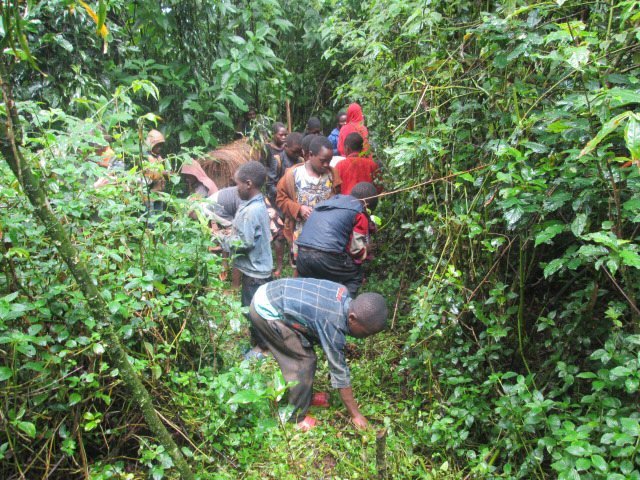 Forest regeneration is an important activity with a global interest.
CAMGEW started this project with nursery development. The nursery fence was constructed and trees nursed. The types of trees nursed were Prunus africana, Carapas grandifolia, Pittosporum mannii, Zyzigium staudtii, Croton macrostachyst, Maesa lanceolata, Schefflera abyssinica, Bridelia speciosa, Psychotria penducularis, Solanecio mannii, Polysias fulva and Psydrax dunlapii. CAMGEW has more than 60,000 trees in this nursery and 2000 trees were nursed for FIOH-UK. These trees play vital role in watershed protection, promotion of biodiversity, sustaining livelihoods, promotion of apiculture and fighting climate change. The trees were shaded, weeded from too much sun and watered during the dry season. Weeding was a continuous activity to reduce weed competition for nutrients with nursed trees. Two types of nurseries were developed- bare root nursery and nursing of seeds in polythene pots.
Environmental education
 CAMGEW used the nursery for environmental education for children, youths and adults. The community learned about nursery development and importance of each tree to man and nature. CAMGEW labeled the trees with local names, scientific names and the use of the tree to man and nature for easy learning. CAMGEW carried out forest education with children inside the forest too.
Tree planting
CAMGEW from 29th of May to 27th July 2015 carried out tree planting in the forest, tree maintenance, and field base environment lessons where children learn-by-practicing in tree planting. On the 29th May 2015 CAMGEW had a forest regeneration planning meeting with forest stakeholders. During the tree planting exercise children learned how to transport trees to the forest, dig holes and plant the trees. The children took part in site selection for forest regeneration. They considered areas with no trees for regeneration by planting trees of different types in one area. There were some community members with experience who joined CAMGEW to guide young people in the exercise. We were happy to have teachers of schools participate in the activity and this assured the transfer of this knowledge to classrooms by making practical learning feature in their lessons. In May 2015, community members cleared the area where trees were planted and in June 2015 they planted 1,500 trees for FIOH project as CAMGEW’s contribution in the forest regeneration process. 500 trees were planted by children.
Selection of trees for planting in the forest
On the 14th and 16th August 2015 CAMGEW organised field based environmental education with children and youths in the forest.
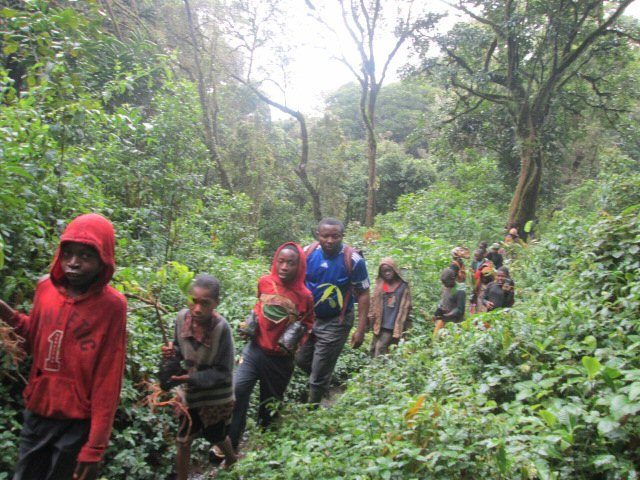 On 14th August 2015, 210 students with 11 teachers that gave the children holiday lessons joined CAMGEW in the nursery to learn about forest regeneration. The students and their teachers carried 300 nursed trees from the CAMGEW nursery to the forest for planting. These trees included Prunus africana, Carapas grandifolia, Pittosporum mannii, Zyzigium staudtii, Croton macrostachyst, Maesa lanceolata, Schefflera abyssinica, Bridelia speciosa, Psychotria penducularis, Solanecio mannii, Polysias fulva and Psydrax dunlapii. They learned about the importance of these trees to man and nature. They had forest education, dug holes and planted the trees. It was great joy for many as they were planting their first tree in life. Some had not been to the forest before. They called on CAMGEW to make this a regular long vacation (holiday) event.
On the 16th of August 2015, 20 other children joined CAMGEW with their parents and planted 200 trees of different types. They carried trees to the forest and planted together with CAMGEW. All these young people learned about forest problems like bush fires, the presence of goats in the forest, unsustainable bee farming that cause bush fires, over trapping of rats and the cutting of fresh wood for firewood by community members. The young people were asked to propose solutions to these problems and make resolutions on a personal basis to keep the forest live. They also helped CAMGEW to collect seeds of trees from the forest to nurse in the CAMGEW nursery. These seeds went to replace the seedlings taken to plant in the forest.
Tree planting with young people in the forest
The clearing of the forest was part of IUCN-France project to keep trees earlier planted clean but the replacement of dead trees in World Bank Project site was done with trees from FIOH-UK. The planting of 1,500 trees was done on a voluntary basis by CAMGEW and community. Trees planted in 2013 with government funds were still maintained and dead ones replaced with government funds in 2014. 5,000 trees were planted in the Emfve-mii forest in 2015 with funds from Cameroon government, FIOH-UK, CAMGEW, IUCN-France and forest users.
Seed collection from the Kilum forest for nursery development
Wirsiy Emmanuel B. coordinated the activity. Ngum Raymond was field supervisor and community leader was Berinyuy Sebastian.
Monitoring of planted trees
CAMGEW has made monitoring of planted trees in the forest a regular activity. Monitoring of these trees is done on a daily basis by forest users like bee farmers, hunters and firewood fetchers who updated us on the state of the forest and planted trees. CAMGEW makes regular patrols and monitoring too on a weekly basis.
Challenges
- The greatest challenge in the regeneration of the Oku forest is the presence of animals in the forest (goats). These animals kept by community members in the forest have been destroying planted trees and other seedlings that are regenerating naturally.
- Land close to the forest is used by community members for farming. They do slash-and-burn to prepare the farm for cultivation. This exposes the forest to bush fires. There will be a need for continuous monitoring of the regenerated area and the whole forest.
- There is the cutting of fresh wood for firewood or for fencing of farms and gardens by forest users. This has disturbed the regeneration process as it is a threat to the fate of planted trees by CAMGEW
Successes
- This project has ended with CAMGEW owning a solid fenced nursery that will be continuously used for forest regeneration. This nursery has a capacity of 100,000 trees. CAMGEW has nursed over 60,000 trees of different species like Prunus africana, Carapas grandifolia, Pittosporum mannii, Zyzigium staudtii, Croton macrostachyst, Maesa lanceolata, Schefflera abyssinica, Bridelia speciosa, Psychotria penducularis, Solanecio mannii, Polysias fulva and Psydrax dunlapii.
- CAMGEW used a participatory approach in tree planting and has seen an increase in community solidarity. Community members after participating in tree planting have understood the importance of the Oku forest and the need to protect it. Youths’ participation in tree planting increased their understanding of the forest and need to protect it. CAMGEW by involving youths in tree planting instils love for nature in youths.
- Through sensitization in the Community Radio, many people have changed their negative attitude towards the forest. People have removed goats from some parts in the forest. Community members, especially those who took part in the regeneration process, are now patrollers (volunteers) monitoring the trees that they planted with CAMGEW’s supervision.
Conclusion
Forest education has been a success in the Oku Community Forest in 2015. CAMGEW succeeded in planting 2,000 trees in the forest under FIOH-UK funding. Children and youths learned-by-doing in planting trees. This activity gave CAMGEW the opportunity to carryout field-based environmental education on sustainable forest management and use. The Oku community Radio was used to reach out to the population on the need to protect the forest. C AMGEW hopes to make the tree planting event an annual activity.
The Oku forest is a large forest. The forest is over exploited and needs to be regenerated. This Forest is important not only for its endemism but also for water catchment, food, medicine and for the livelihoods of community members living around the forest. We must protect it.
Recommendations
- CAMGEW sees the importance for field based environmental education with forest users, women, farmers, youths and children of school age to be regular activity. Environmental education with schools in and around Oku will help protect the planted trees and instil the spirit of love for nature in school children.
- CAMGEW recommends that tree planting should be a regular event.
- CAMGEW recommends that all goats found in the forest be removed to permit the growth of planted trees and the natural regeneration of the forest. Goats eat up planted and natural seedlings of Prunus and other tree species. The goats prevent the natural regeneration process of the forest. The absence of goats from the forest will permit young seedlings to grow and increase their rate of survival.
- CAMGEW recommends sanction to the owners of goats living in the forest. General patrols carried out and goats found in the forest caught. The tradition is encouraged to get involved in the catching of goats. There is a zone of pasture at the top of the forest where they could keep their animals.
- CAMGEW sees the need for a demarcation between the forest and the savannah land at the top of the forest. This will prevent the movement of animals from the top savannah land to the forest. The absence of domestic animals in the forest will promote the regeneration process.
Follow us on Facebook:
www.facebook.com/fiohfund
Follow us on Twitter:
twitter.com/fiohnet
Please share our links with your friends to help us reach a wider audience.
Strategic Humanitarian Services
 Strategic Humanitarian Services (SHUMAS), a Cameroonian Development NGO, after working on its own for sometime, considered possible networking and collaboration with northern NGOs who shared common objectives and methods of approach to development. Between 1997 and 1999, the General Co-ordinator of SHUMAS, Stephen Ndzerem and the President of Plant a Tree in Africa (PATIA)/Co-ordinator of Future in Our Hands Education and Development Fund UK, Mike Thomas, were involved in some intensive correspondence.
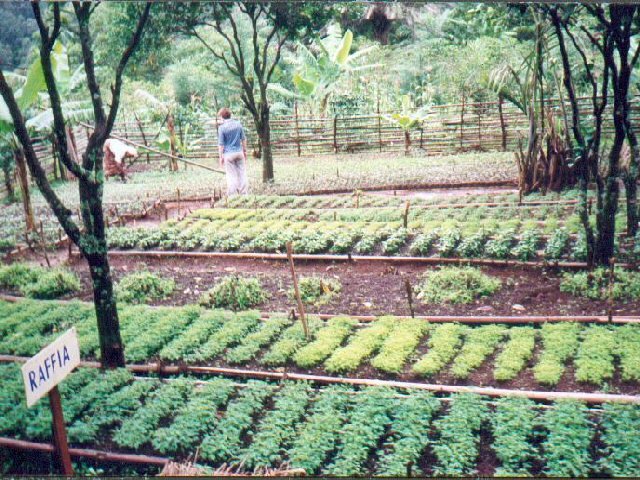 One of the issues they discussed was how to seek a sustainable solution to the adverse effects of eucalyptus plantations on water sources and farming areas. Women were the principal victims.
In 1999 Mike Thomas visited to carry out a site assessment and provided £500 from PATIA (matched by SHUMAS) to establish a nursery for 40,000 tree seedlings (10 species) and fell several thousand eucalyptus.
Because of the encroachment of the trees into existing and potential farming areas, many women have to walk long distances (often 15 miles or more) to find new areas to farm. They will then live in temporary self-made huts for 2 to 4 weeks before returning home with whatever they can carry on their heads. Many will carry babies or take young children with them. People in general, usually women and children, have to walk further and further each year to fetch water. A summary of the project and its outcomes are shown below.
Information gained from the pilot project was used in support of an application to the Big Lottery Fund to fund a large project named the Eucalyptus Replacement Project .
A 10 page brochure summarising the first phase of the project can be seen here:
CAMEROON – EUREP I – BROCHURE
Since then SHUMAS has established partnerships with AidCamps International and Building Schools for Africa both of which have resulted in a comprehensive school building programme involving a partnership between local communities and the schools’ parent teacher associations.
A Buildings Schools for Africa report can be seen here:
BUILDING SCHOOLS FOR AFRICA Newsletter October 2014
SHUMAS is now a well respected organisation in the area and has established many projects, including those summarised below, which have improved the lives of poor people in both urban and rural areas. More details can be seen at the SHUMAS web site:
STRATEGIC HUMANITARIAN SERVICES
SHUMAS integrated organic farming training centre

Another inspirational development has been the establishment of an Organic Farming Training Centre in the NW Region near Kumbo.
Details of the operation of the Centre can be seen in this 34 page report: BIOFARM
Primary health care
A partnership with Spreading Health [Founded by Dr Peter Hearn] is facilitating primary health care training for people in the rural areas. This has included a scheme to sponsor local village candidates to train for three years at the St Louis Higher Institute of Health & Biomedical Sciences in Bamenda (the capital of NW Cameroon).
Womens co-operative network
 During his visit in 1999, SHUMAS gave Mike Thomas an opportunity to present his idea for establishing savings and credit cooperatives to about 300 women. There were some initial setbacks but before 2000 more than five co-operatives had been trained and became fully operational.
By 2014 sixty two autonomous co-operatives all of which have again come under the single umbrella called Future in Our Hands Womens Credit Union Cooperative- Cameroon.
The FIOH co-operatives are quite different from conventional co-operatives. FIOH concentrates on building the capacities of grass roots women through encouraging the spirit of sharing, co-operation and fellowship, rather than on too much external dependency and a quest for individual material gain.
The SHUMAS head office and rehabilitation centre
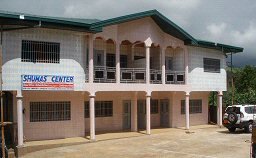 In February 2009 SHUMAS started the construction of an inspirational new building that combined facilities for both staff and vocational training for disabled people. The building was completed later that year. The SHUMAS head office combines facilities for administrative staff with those providing vocational training for disabled people. The object is to provide disabled people with the means to become economically self-reliant and the ability to effectively participate in the development of their communities.
The objectives of the Centre are to:
- Train disabled people in self-reliant skills so that they will be able to carry out economic activities which enhance their self-esteem and enable them to be part of the mainstream of development of their communities.
- Train them in basic management and leadership skills.
- Continuously monitor and evaluate graduates for some years to assess their progress.
- Set up a revolving micro-finance scheme to benefit ex-trainees.
- Advocate for the rights of disabled people.
The Eucalyptus Replacement Project

Project launch
The project was launched in 2000 and was supported by all sections of the community and government authorities and provided the framework for the introduction of new ideas to the women.
The womens network was to play an important role in the day-to-day management of the project which involved the felling of 1,017,200 eucalyptus and the raising of 2,624,000 mainly indigenous African trees (60 species) carried out in two phases between July 2000 and October 2008.
The projects cleared about 463 ha of eucalyptus trees resulting in the recovery of 105 springs and 140 water taps during the dry season. Over 9,000 women who had previously walked long distances to farm and collect water, were able to farm close to their homes.
Statistics in 6 rural health centres and 1 hospital recorded an average 27% reduction in water born disease during the life of the project. It was estimated that an additional 5,153 children were able to go to school because of the increase in family incomes resulting from the projects.
The local authority and many individual farmers copied the example of the project and hence the figures shown above are an underestimate of the project’s impact.


Community tree planting nursery in Oku – FIOH Co-operative
Nursery Development for Environmental Education and Forest Regeneration in Oku
 In 2014 the FIOH Fund provided grants of £500 each for community tree planting to two non-government organisations with offices based in Oku on the edge of Kilum Ijim natural forest, in the NW Region of Cameroon:
- Cameroon Gender and Environment Watch (CAMGEW) and
- Future in Our Hands Womens Co-operative, Oku
This report was prepared by the FIOH Oku co-operative leader, Gangli Mary Nkeng.
1. Presentation of FIOH-Oku and the current project
Future In Our Hands Cooperative is a women’s farming cooperative made up of over 5 Common Initiative Groups (CIGs) representing over five villages in Oku Subdivision. It was created on the 22nd of September 1999. It encourages the spirit of hard work, cooperation and togetherness in women. It is called a women’s cooperative because 95% of members are women. Her creation was thanks to the interest SHUMAS NGO and Future Our Hands–Oku had to empower women and the vulnerable in the Oku community. It has as its motto: educate a man, educate an individual; educate a woman to educate a whole nation. This is because of the socio-economic importance of a woman in the purely African village community like Oku. Since its creation FIOH-Oku has realised the following projects (just summaries):
- Improving the processing and transformation of corn and cassava through mills and haulers donated by SHUMAS and her partners.
- Offering loans to members at very minimal interest rates through a scheme developed by SHUMAS.
- Through SHUMAS there has been the development of community health infrastructure for the village of Lui.
- Regular production of organic food crops and other natural products for income generation and food security.
- Attending agro-pastoral shows to market their produce.
- Training and practising sustainable and integrated farming and livestock productions methods amongst her members.
- Training and application of agroforestry techniques to her membership.
In 2014, FIOH-Oku received a grant of £500 pounds from Michael Thomas of FIOH Fund-UK to develop a nursery of indigenous trees. We developed two nurseries with the funds, one of 3,000 indigenous trees in 2014 and another of 3,500 indigenous trees in 2015.
2. Presentation of the project area
Oku is located in Bui Division of the North West Region of Cameroon. It is made up of 36 village communities mostly living along the slopes of the Kilum Mountain. The people depend mostly on forest resources, subsistence agriculture, cash crop farming, livestock production and local artisan work for their livelihood. The Kilum Ijim Forest found in the community is a naturally preserved moist montane forest with a surface area of about 20,000 hectares. It is located in the Mount Oku Ridge in the Bamenda Highlands and forms part of the High Plateaus Agro-ecological Zone of Cameroon. The geographic location of the area is latitude 6°07’N – 6°17’N and longitude 10°20’E – 10°25’E. It has very important and threatened Afro-Montane endemic animal and plant species such as Prunus africana amongst others. It is an internationally important biodiversity hotspot and a critical zone for carbon sequestration within the High Plateaus Agro-ecological Zone.
The Kilum area is one of the most highly populated locations in Africa and Cameroon in particular, accommodating 144,800 people occupying about 328 km2 (439.3persons/km2); hence, high pressure on resources is inevitable. There has been progressive deforestation and degradation mainly due to agricultural expansion, forest fire and overgrazing. Fuel wood harvesting has also been a major cause of deforestation and forest degradation. The late 1980s decline in coffee prices triggered many farmers to migrate further up the slopes in search of new land to increase income through alternative crops.
3. Project goal and activities
The project goal was to train community members on agroforestry techniques which are soil conserving, fight poverty and hunger and to establish a nursery of indigenous trees for planting in farms and the community forests.
The objective was to offer practical agroforestry skills to at least 50 persons including men, women and children and to enable the participants to set up a nursery composed of indigenous trees for out planting within the community.
4. Project activities
Planning meeting:
After the FIOH Cameroon Network seminar and workshop held on May, 10th 2014 at SHUMAS Head Office Bamenda, FIOH-Oku had a planning meeting on May, 16th whose objective was:
- To report on the conduct of the seminar
- Present to FIOH members the cash gift given by Mike Thomas from FIOH-UK to enable members to nurse and plant indigenous trees
- Plan on when to start work on the project.
Collections of seeds and seedlings:
 On the 29th of May we met to plan on how to get sticks of the nursery fence. It was agreed that each member was to provide five sticks and men in addition will help make the fence. We equally planned on the collection of seeds and young seedlings for the nursery. We agreed to collect from the forest and from our farms. We equally decided to involve school children. The president was assigned to contact the head teacher of the school which she did.
Clearing, tilling and fencing of the nursery site:
The men did the clearing while the women did the tilling. This activity took place in the month of July, 2014.
Formation of nursery beds and nursing of seeds and seedlings:
Formation of beds and planting proper took place in July. Before nursing and planting the school children were taught by their teachers on the spot about the importance of trees to man and nature. The names of the trees in the Oku language were also made known to them. The planting was done with the children and their teacher. They were given some money for food and transport.
Weeding and monitoring of nursery:
Since the cooperative is made up of CIGs, the work was divided into groups and each group had a given task for weeding and monitoring. We jointly sold the young trees to CAMGEW for the sum of 178,000 CFA.
5. Detailed methodology and activities used during the project
We had a planning meeting with our members. Participants were trained by-doing in the field (a small demonstration plot we had at Manchok-Oku) on agroforestry nursery development using many locally sustainable approaches easily understood by the community. They were also trained on the importance of organic manure (compost) and how to produce organic pesticides. Lessons were given on the importance of trees in their farms, the advantages of enclosing their animals (goats, sheep, cows, fowls, pigs etc) to get animal dung to use in their farms for soil fertility improvement and increase food production. Through on-the-spot field work they were able to identify the dangers of Eucalyptus planting and why the trees should be cut down and replaced by agroforestry species and indigenous trees. The training was offered in the local languages (Oku) and in Pidgin English.
The principles of agroforestry were taught in the first part of the field learning. These included lessons on sustainable land management, trees and global climate change, agroforestry technologies (windbreaks, living fences, alley cropping terraces and contour plantings, firebreaks, forest gardening, and integrated production systems) and agroforestry for livestock management, conservation techniques, integrated pest management, composting, perceived needs of the community, income-generating activities, major agroforestry species (Leuceana, Calliandra, Acacia, Tephrosia), seed collection, storage, and pre-treatment, bare root nurseries and bare stem seedlings. Practical work was done on the second part of the training. Participants had to do practical nursery development activities. They tilled the soil; they planted some seeds while getting information on how to plant them. Prunus africana and other indigenous trees were nursed from where the seedlings will be planted into farms and other areas in the community.


6. Participants at the demonstration plot in Manchok, Oku
May – July 2014: 4 men, 36 women and 35 children
June – July 2015: 5 men, 35 women and 45 children
7. Challenges
From the beginning of the project, many of our plants did not germinate or they died after germination, but our team and the participants did not give up. We benefitted from the technical support of the chief of post of forestry just of recent. He is very much willing to work with us. He told us the first error was because we collected the seedlings poorly and the roots got infected or dried up. We were able to nurse over 7,000 trees and 3,000 survived. Some of the trees were out planted during the CAMGEW tree planting exercise in the community forest.
8. Conclusion
Currently we have developed another nursery of 3,500 trees consisting of Prunus africana, Schefllera species and other locally known species. The trainings went on smoothly with the participants learning during the practical steps. We saw that participants were participatory in the activities. Old mothers and fathers who do not know how to speak English raised their hands and asked questions or shared their knowledge on agroforestry techniques using the local language. We learned a lot in the process from indigenous knowledge on agroforestry techniques from participants. There was an integration of the traditional methods of farming and agroforestry techniques by the participants.
If you would like to support the the tree planting projects of the FIOH Fund please make a DONATION:
Follow us on Facebook:
www.facebook.com/fiohfund
Follow us on Twitter:
twitter.com/fiohnet
Please share our links with your friends to help us reach a wider audience.
Permaculture Ghana

Transplanting seedlings
Permaculture Ghana

Location
The following photographs illustrate projects initiated by Permaculture Project in Ghana co-ordinated by Paul Yeboah. There has been a large focus on working with women farmers and environmental education with children of all ages eg. Carbon credit/oxygen from trees, food and nutrition, soil improvement and animal fodder. After such a workshop with the schools the project also provides them with tree seeds and polypots for nursery practices and management. Our vegetation cover in the region is being lost very fast and the project training is expected bring about a big change in attitudes in the area towards the environment and the value of tree planting by the year 2017. Tree species being planted include acacia siamea, moringa, mango, citrus, mahogany, cocoa, cederella, albizia, teak, leucaena, gliricidia, ofram and millitia. The project also includes instruction in organic methods of gardening. Ghanaens in general do not add enough vegetables/fruits to their food as such and education is provided to the school pupils in the importance of a balanced diet.
The focus of the organisation’s activities recognises the importance of a balanced diet of vitamins, minerals and amino acids for good health. Deficiencies in any of these nutrients can lead to health problems – scurvy can be caused by a lack of vitamin C, night blindness by a lack of vitamin A, kwashiorkor by a lack of protein, anaemia by a lack of iron. Other health problems can be caused by a lack of vitamins obtained from vegetables, fruits and moringa leaves.
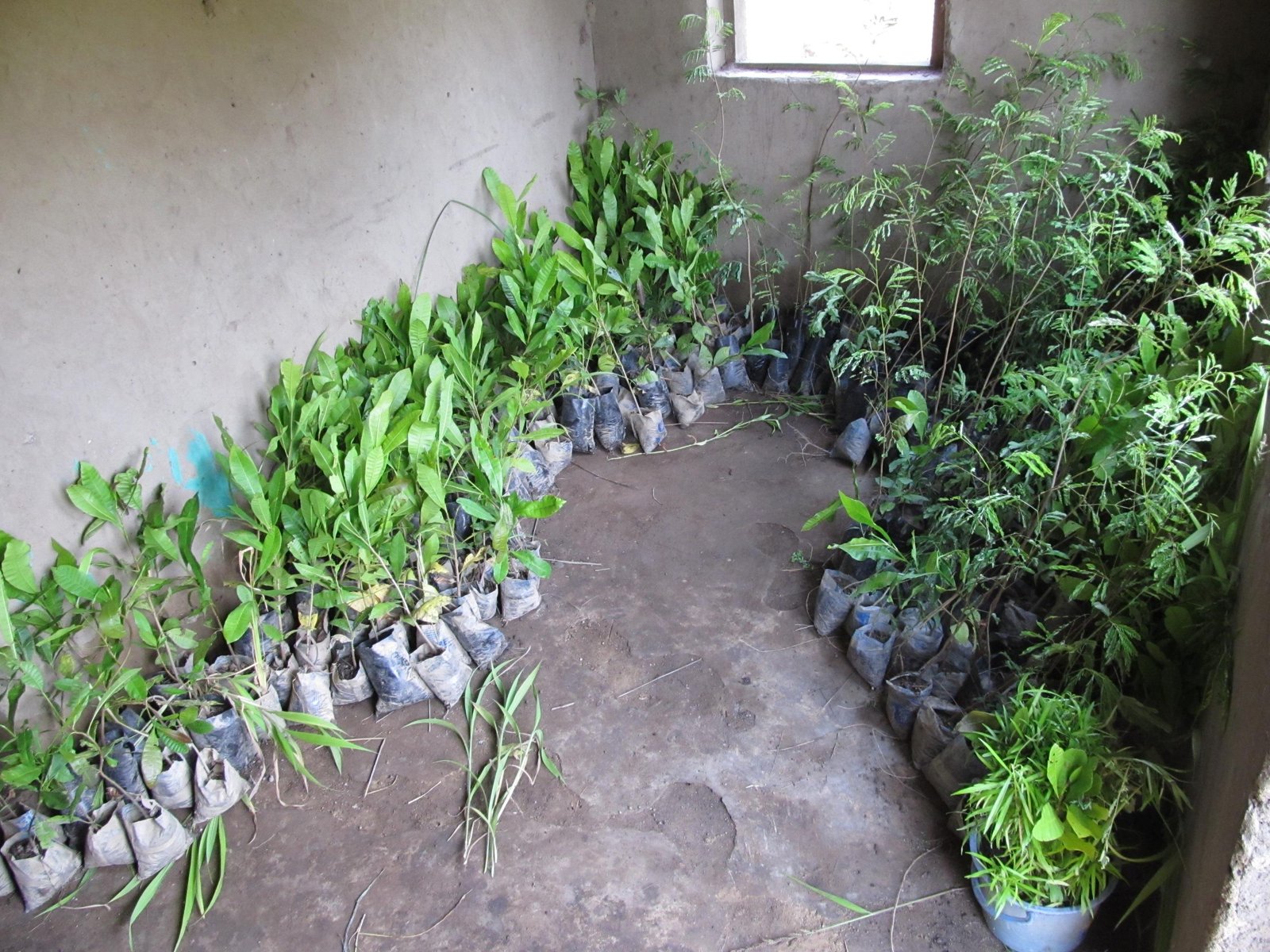


Tree planting at Dupari in the Upper West Region

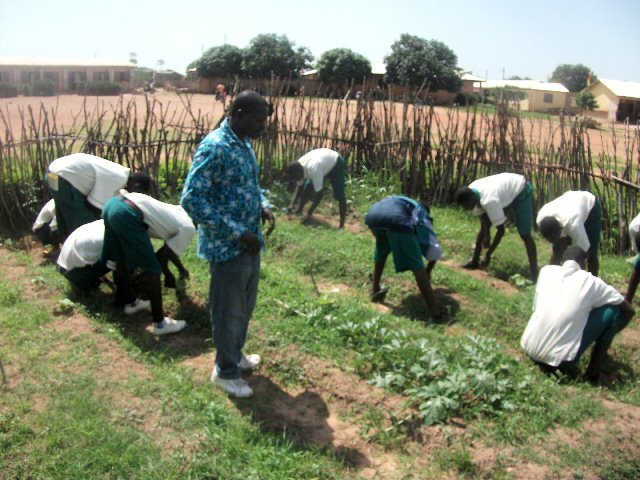
Kulpong D.A. Primary School at Wa in the Northern Region (left). Akunfi Ameyaw Senior High School (right).


Training in the production of cream, soap, ointment and shampoo made from the leaves of the moringa tree. The powder from the leaves can be used as a food supplement.


Process of wood sawdust compost for growing mushrooms being shown to a group of Peace Corp visitors from the USA.
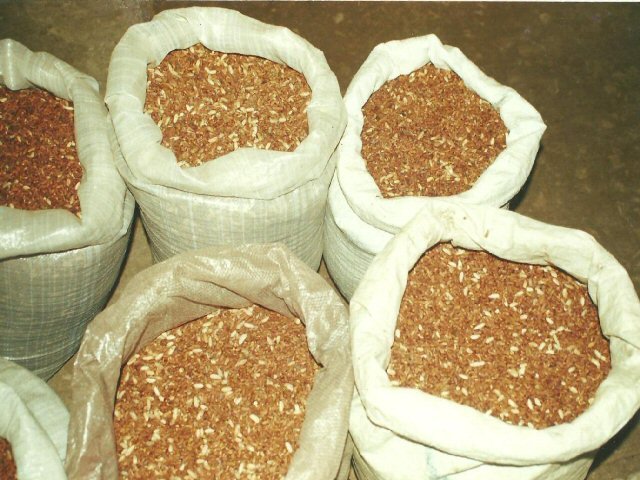


Neem seeds, neem oil processing, neem cake fertilizer, neem products – insecticide, shampoo, soap.

Pesticides are made from neem tree leaves and the process can be seen here:
PROCESS OF MAKING NEEM OIL AS A PESTICIDE

Schools environmental programme
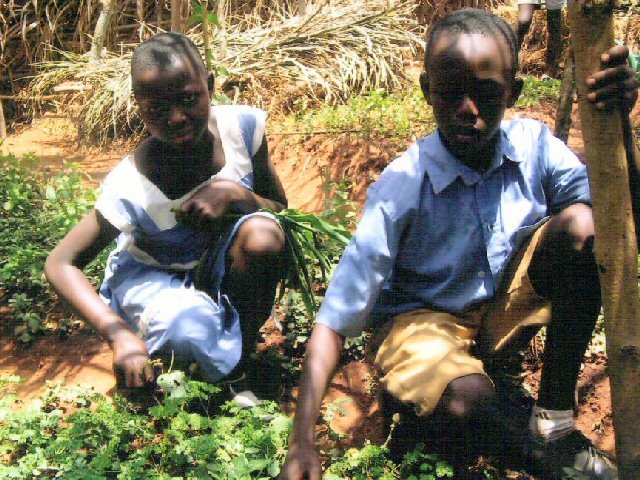 Schools environmental education project
The project established the following programmes in 10 rural primary schools (average of 500 in each school) in the NW Region of Cameroon. The programme involved:
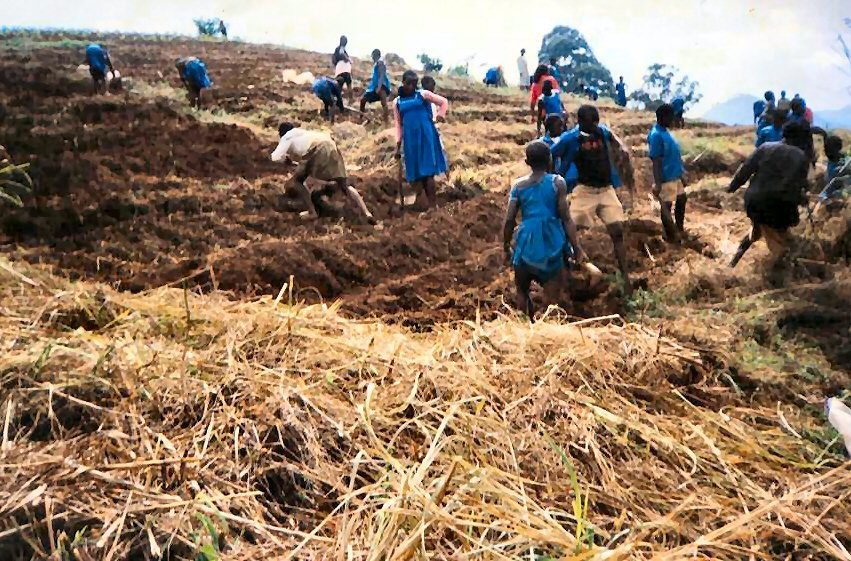
- Establishing a model school farm at each school where children will gain practical farming knowledge (seed selection, planting crops, nursing of seeds, growing crops, harvesting, storing, marketing etc).
- Educating and conveying practical knowledge on the importance of trees in the community; children will also influence their parents concerning environmental issues and rural development.
- Providing skills for employment. The parents of as many as 60% of children will not be able to afford to pay secondary school fees. This programme encouraged many more children to gain skills in sustainable agriculture, so that they find interesting and gainful farming employment in villages.
- Income from the sale of school farm produce was used to pay the salary of at least one more teacher in each of the five schools.
- Some of the income was used to buy educational materials, equipment and teaching aids.
The project was managed and organised by Strategic Humanitarian Services, based in Bamenda. The programme involved:
- Acquiring land for the school farm: The school farm must be situated near the school for ease of mobility of pupils, so as not to waste too much time trekking to the farm.
- Each of the five schools owned a farm of about 1 acre. The land was divided into small plots. Each plot grew a different crop or vegetable. Crop rotation was practiced.
Seeds collection: Pupils were organised to make trips to the forest and taught how good seeds can be gathered. Thereafter there were practical lessons on how to treat the seeds, nurse them in seedbeds, transfer them into polythene pots and finally plant at their permanent site. The children continued to care for the seeds and the plants.
Environmental lectures were organised once a month in each of the schools: The lectures included the economic and ecological advantages of different indigenous species, the social and environmental problems associated with eucalyptus and the danger of using chemical fertilisers.


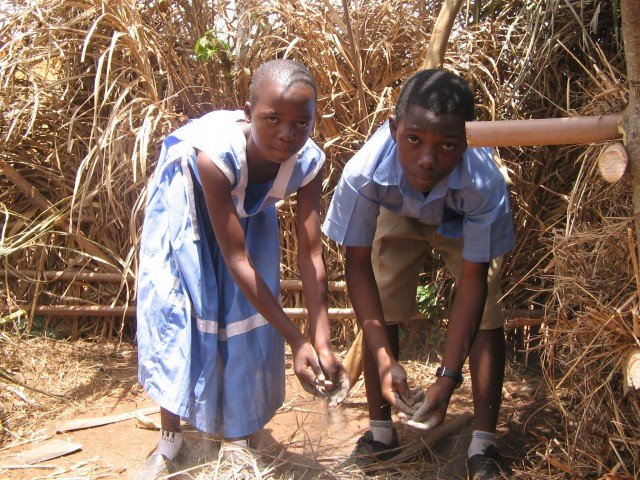



School competitions involved quizzes and prizes were awarded to deserving pupils.
Publication of a hand out: An educational illustrated booklet was produced that can be used in schools.
With the support of the FIOH Fund the NGO Cameroon Gender and Environment Watch (CAMGEW) working in Oku, launched a similar project which expanded the work it was already doing with schools in the area.
The FIOH Fund obtained grants of approx £12,000 from the Funding Network and the Network for Social Change for this project.
If you would like to support the work of the FIOH Fund please make a DONATION: