How CAMGEW Restored Forests and Empowered Women in Cameroon – 2025
All of the Major achievements by our network partner CAMGEW and a summary of their annual report focused on reforestation and women’s equality in Cameroon, with support from FIOH.
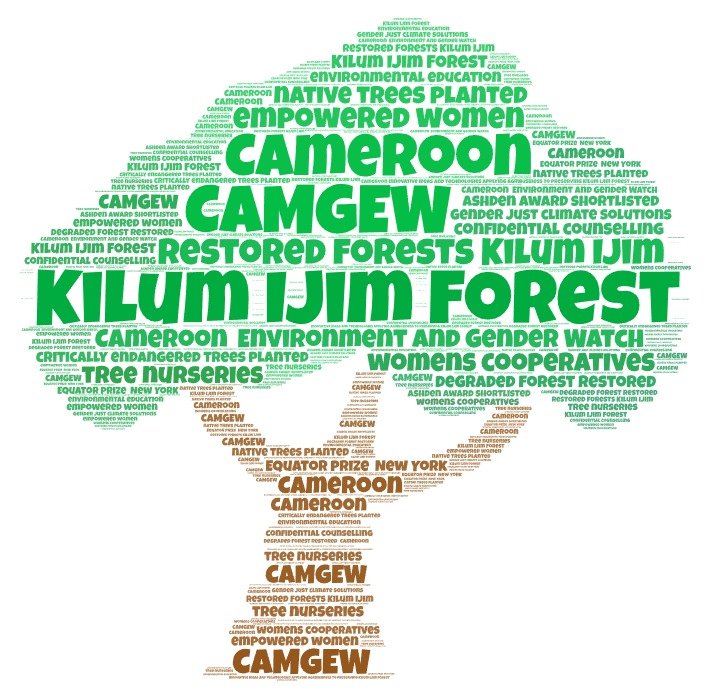
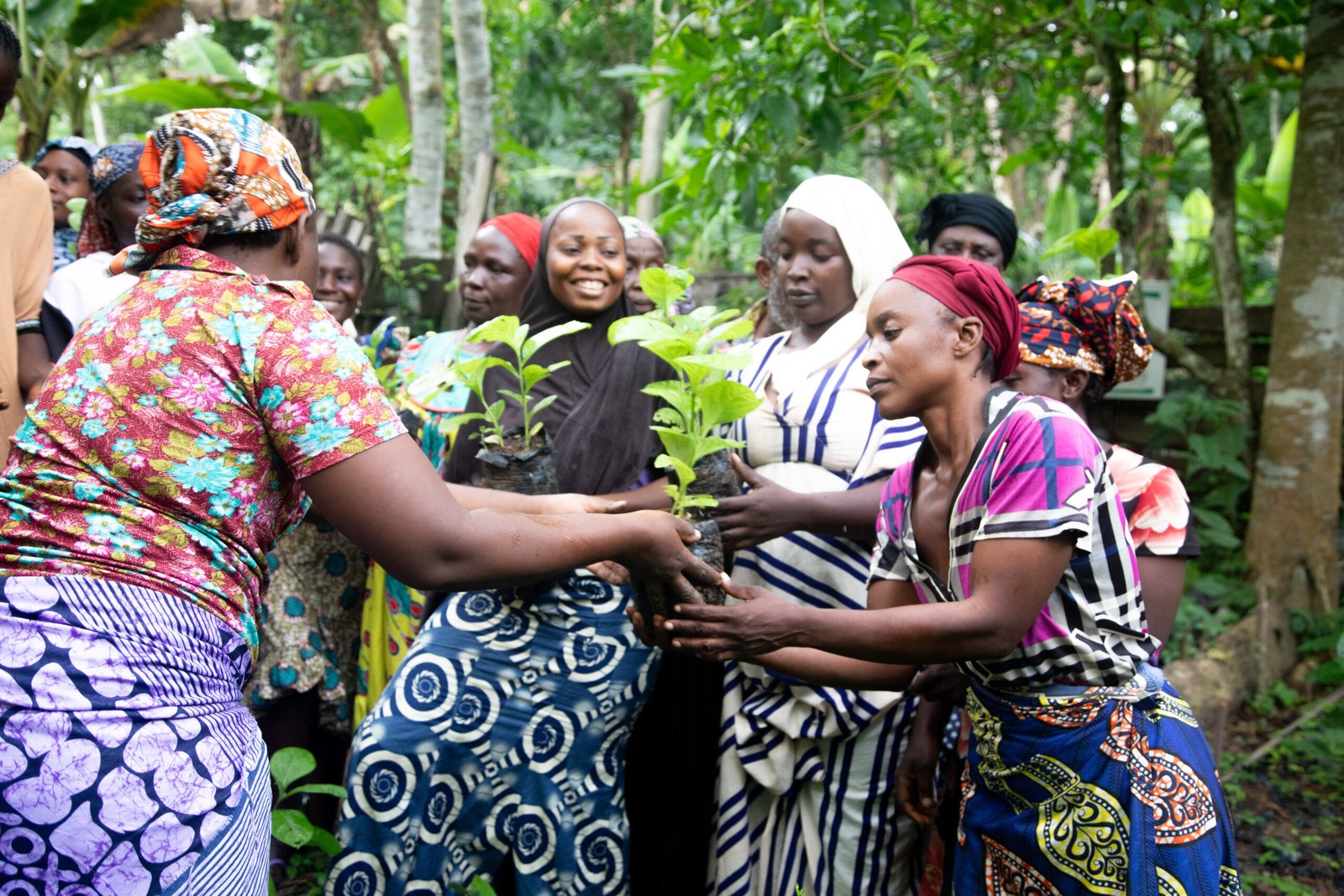
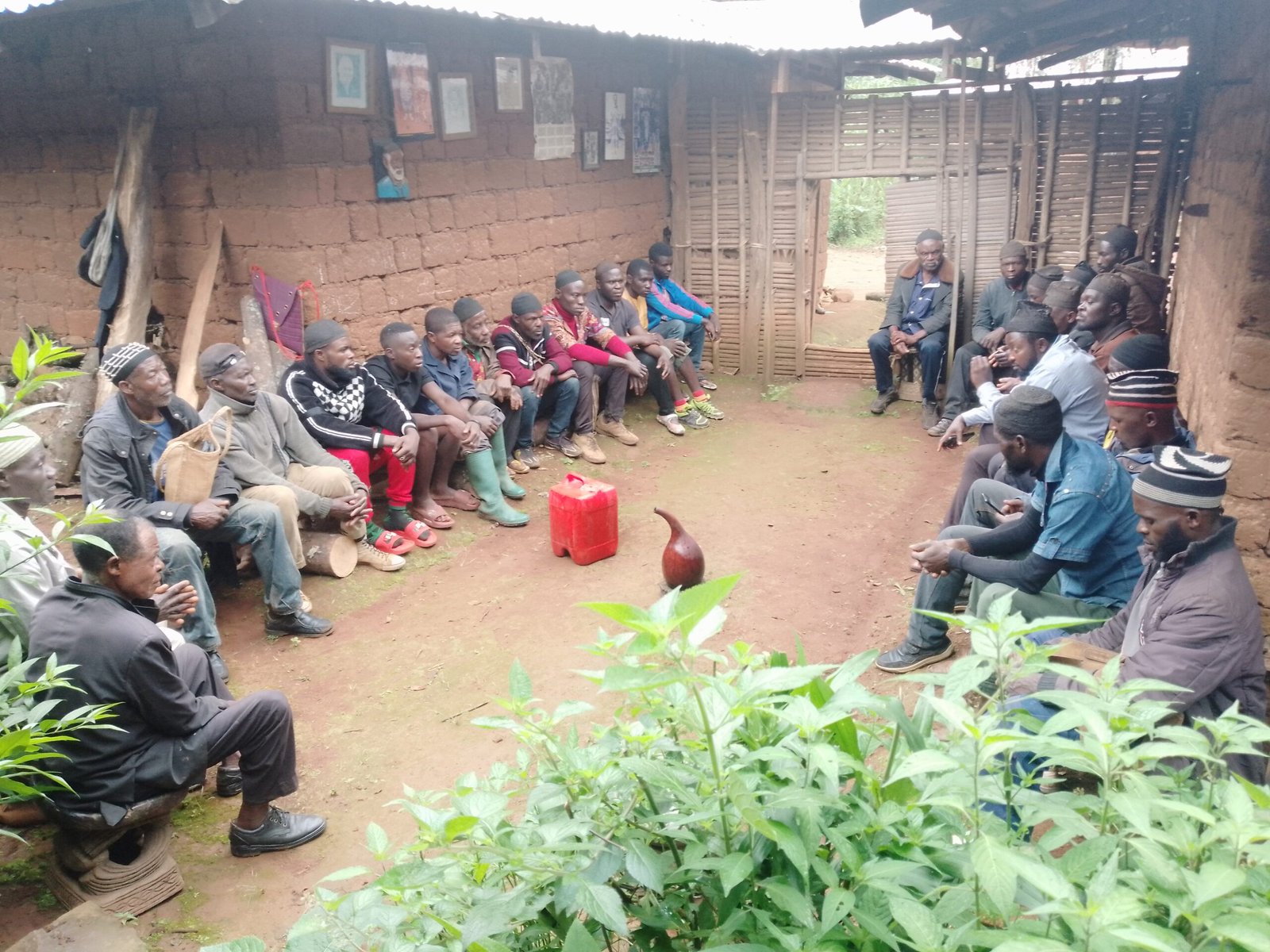
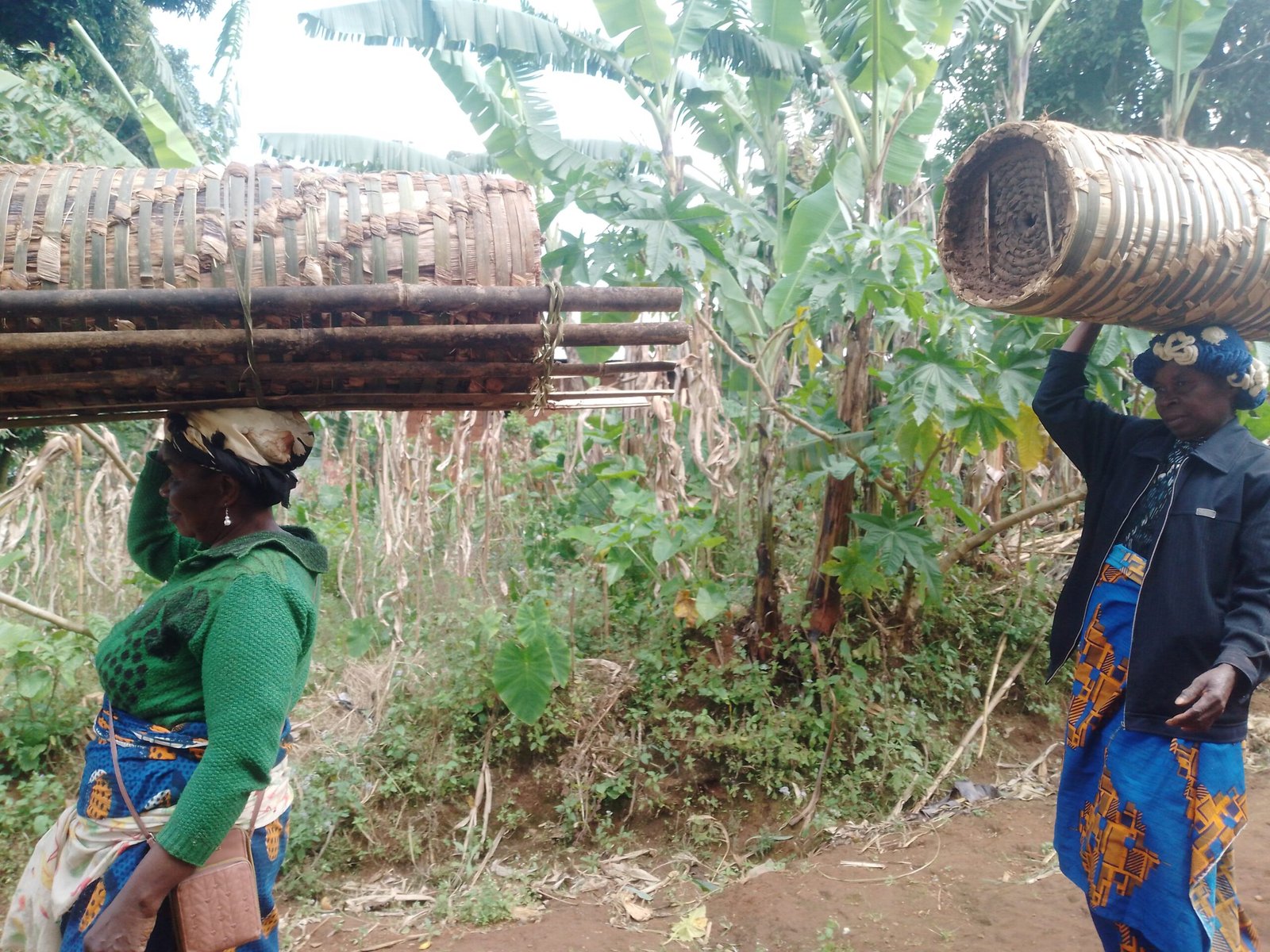
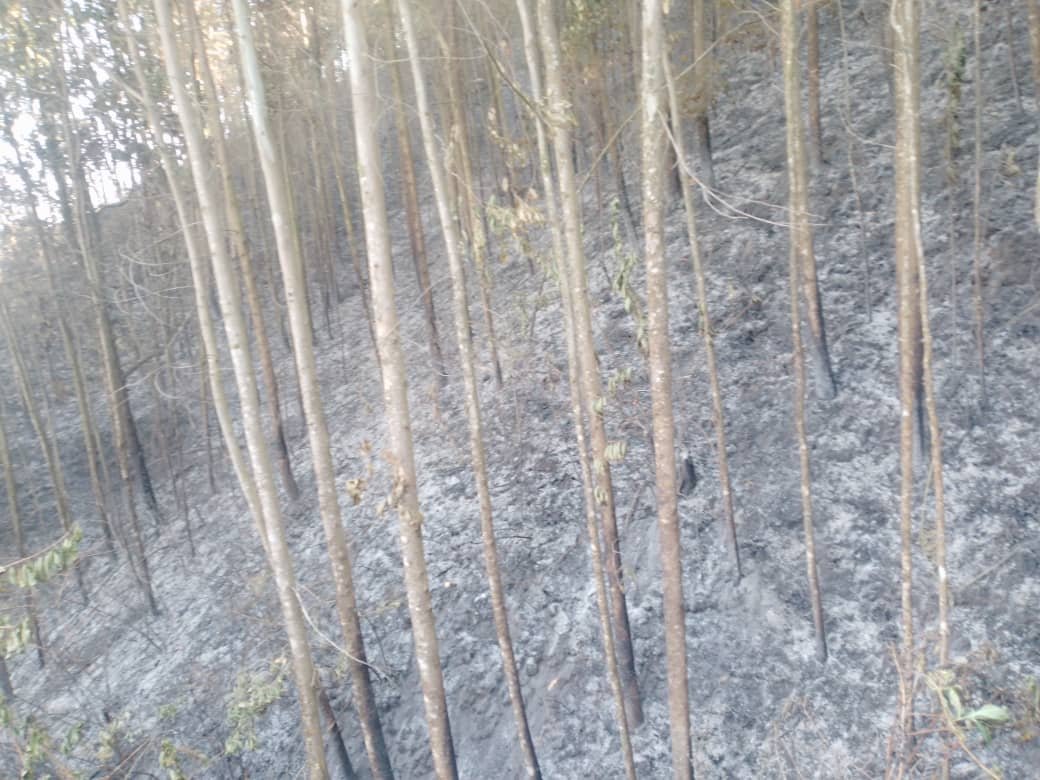
In 2025 CAMGEW was restoring forests and empowering women in Cameroon, rebuilt livelihoods with sustainable agriculture and a focus on youth livelihoods — while quietly transforming itself from a single-forest project organisation into a multi-region programme NGO with a 2026–2030 strategy.
Nine Headline numbers
| Indicator | 2025 Result |
| Native trees planted | 11825 seedlings plus 406 wild stems protected |
| Cumulative total trees planted | 134880 over 14 consecutive years |
| Critically endangered trees planted | 1386 Newtonia Camerunesis IUCN Red List |
| Degraded Forest restored | 12=-15 Hectares |
| Farmers trained in agroecology and enterprise | 600+ |
| People reached by environmental education | 4161 |
| Confidential counselling provided | 510 |
| Girls in leadership programmes | 102 |
| Livestock Livelihood beneficiaries | 230+ households |
The annual report has itemised, verifiable and audited statistics to support the following areas of action.
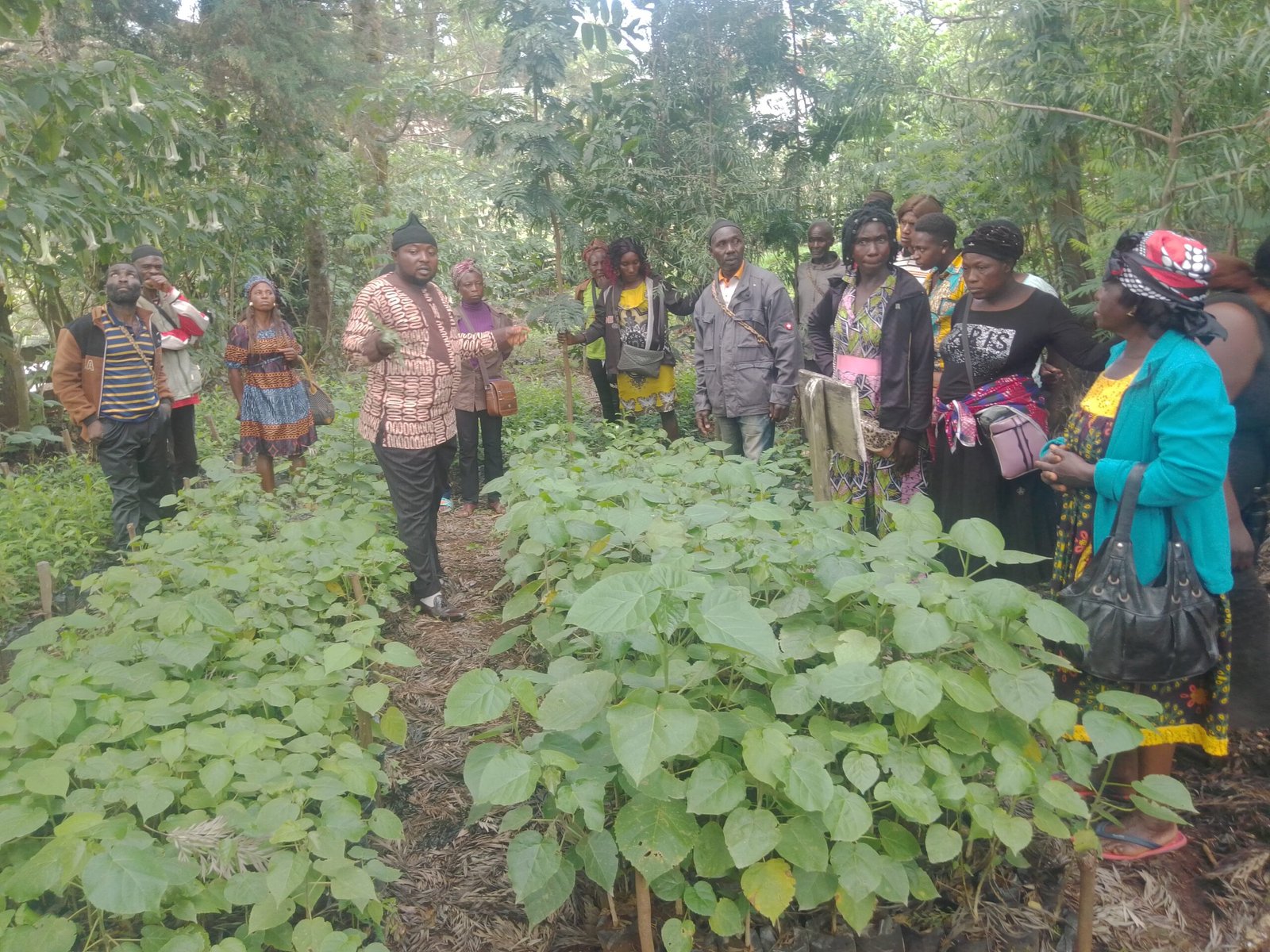
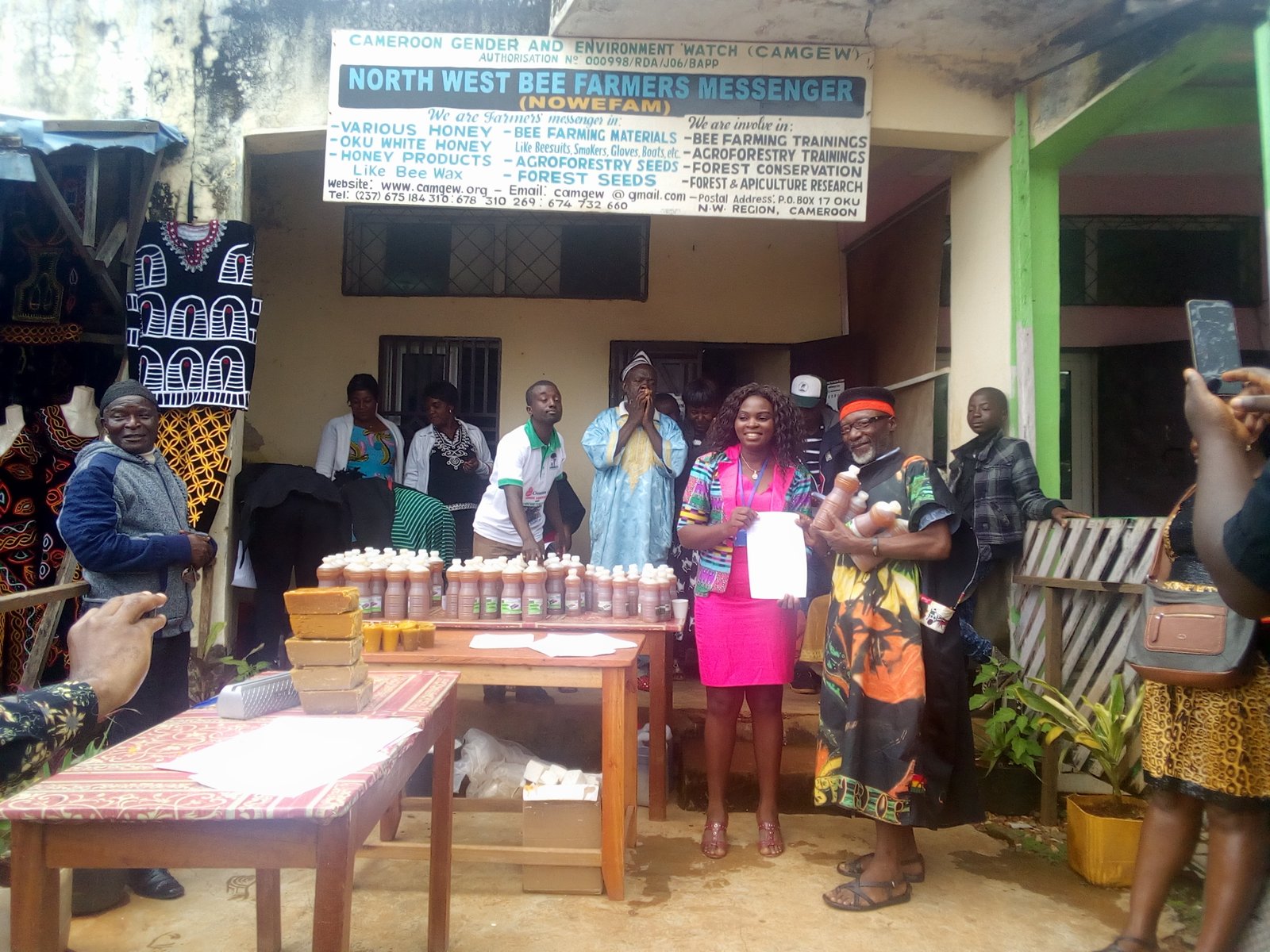
International Awards 🏆
Equator Prize New York
Gender Just Climate Solutions Sevidzem Ernestine Leikeki
Innovative ideas and technologies in agribusiness in efforts to preserve the Kilum Ijim forest
Ashden Award shortlisted
CAMGEW Cameroon Gender and Environment Watch on its way to NGO status with photography from Director Emmanuel Wirsiy and edited by FIOH
Source: CAMGEW 2025 Full Annual Report (80 pp). www.camgew.org Prepared for FIOH website digests and articles. CAMGEW Cameroon Gender and Environment Watch. Founded Oct 2007; works in 3 regions of Cameroon (North West, West, Adamawa). FIOH–UK was one of CAMGEW’s original tree-planting funders (2012-2017).
If you wish to support our cause and fund future projects on restoring forests and empowering women in Cameroon like CAMGEW’s please Donate via our website. To read more articles like this one, try reading this one of Cassava Farming in Sierra Leone.
Amabazonia mourns the loss of Transformational humanitarian leader in Cameroon
It is with great sadness that we mourn a true compassionate leader of SHUMAS. It was FIOH through initial contact with Mike Thomas, that were around to stimulate the origins of his story.
Tribute by Emmanuel Wirisy Director of CAMGEW
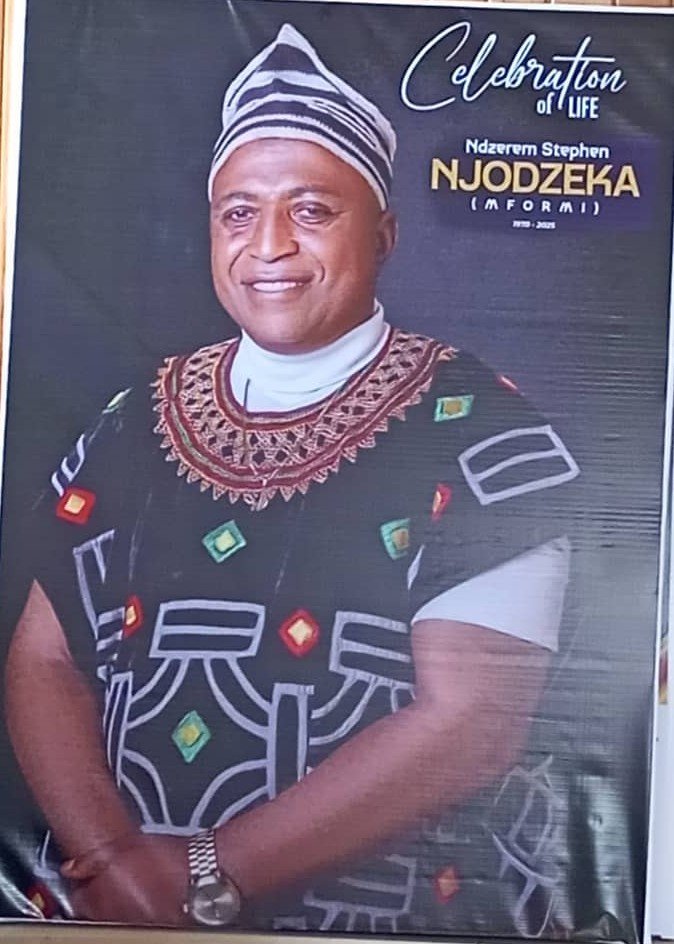
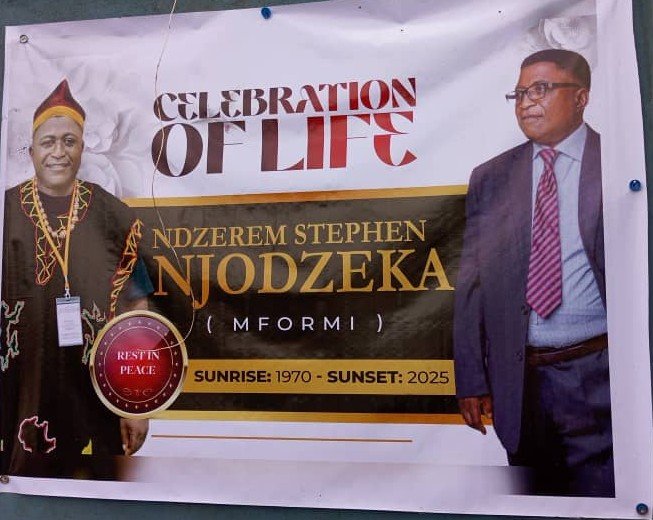
Our family has lost a great civil society leader, mentor and role model. SHUMAS director Mforme Ndzerem Atephen Njodzeka was a member of this group and guided its functionality. He made little noise but did more in actions. He did much in community development and moreover mentored and coached many who now lead their own NGOs non governmental organisations. We thank you for being an exemplary mentor and our hearts bleed with your premature departure. To make you proud , we pledge to continue your humanitarian and environmental work and to assist the most disadvantaged in society. We pray you rest in peace and send condolences to your family.
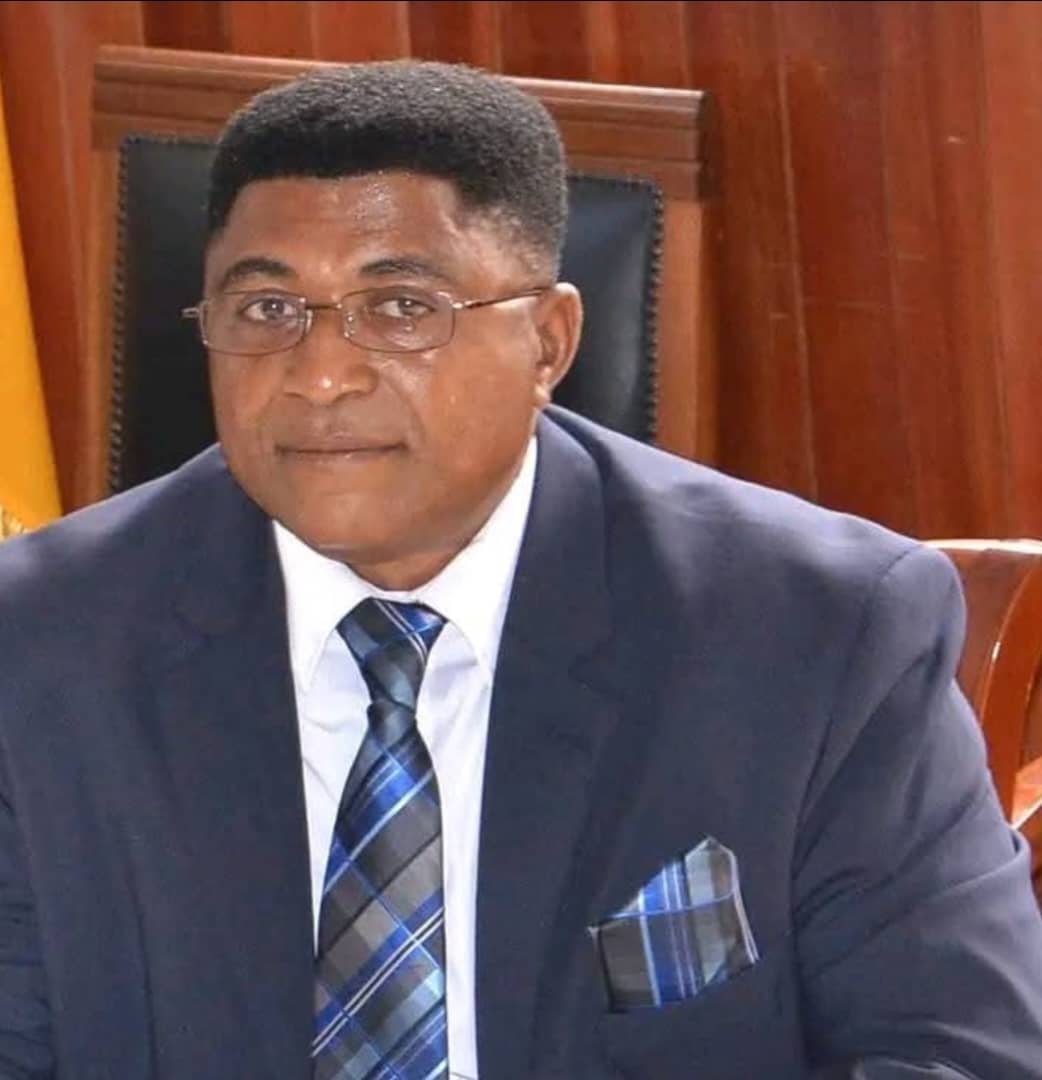
12 April 2025 we will be seeing off our Hero, Mentor, Model and Father that death took away from us in January 2025. This is Mforme Ndzerem Stephen Njodzeka who was Director of SHUMAS. He was one of us in this family here. His impact to humanity speaks loud and his forging spirit is what CSO leaders can hold as legacy to keep moving. Our condolence to his family. Go Well Our Hero to join the Great People of Our Community. We love you our Hero.
GLORES Global Rehabilitation Services Bafoussam, Cameroon

Building work

Completed building GLORES Rehabilitation Centre
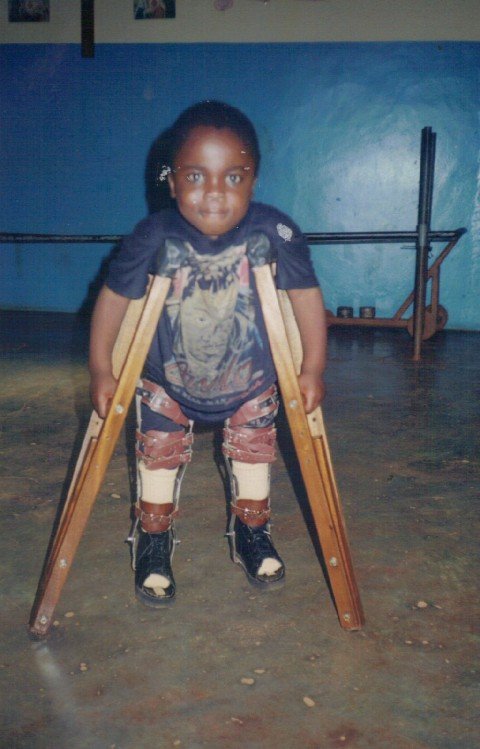
Since 2004 the FIOH Fund has been supporting the work of GLORES treating severely disabled children and in 2016, helped build a new treatment and rehabilitation centre near
Bafoussam in the Western Region of Cameroon. In 2017, GLORES moved from its rented building into the new centre to continue treating children with disabilities.
Project updates can be read here:
GLORES update – September 2021
GLORES Update – September 2019
To see the difference this project is making, please read the testimonies of six children who have all been successfully treated at the centre and beyond through outreach

Mike Thomas our founder at the clinic in 2009


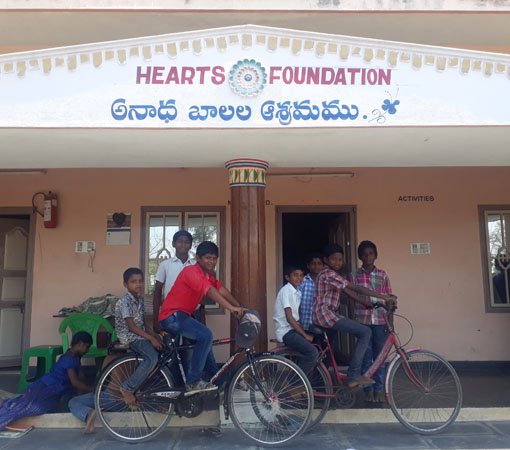
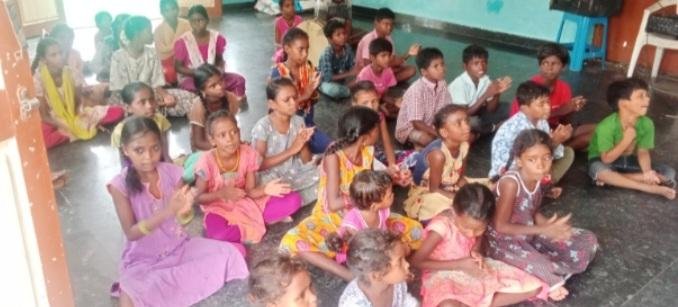
Hearts Indian Charitable Trust NGO working in collaboration with FIOH
Helping today for a better tomorrow
Our Vision
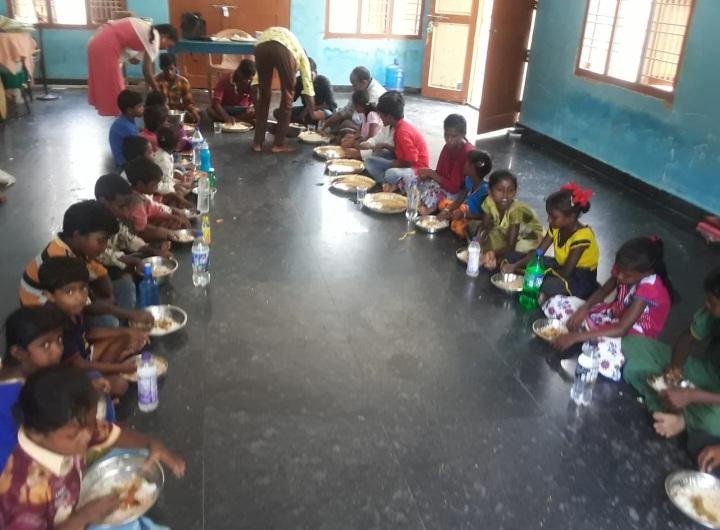
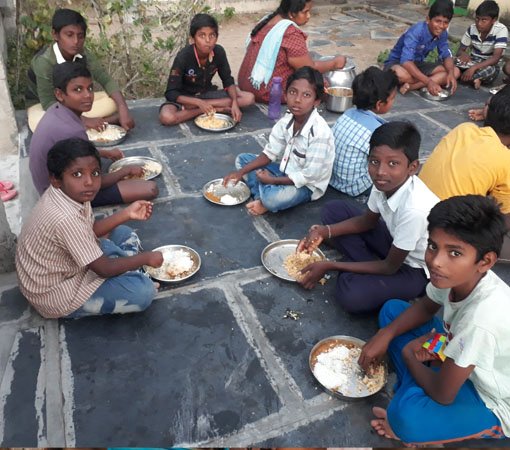
To provide nutritious food, clean drinking water, and safe shelter for underprivileged children.
To ensure access to quality education, school supplies, and digital learning support for poor and orphaned children.
To organize health camps, vaccinations, and regular medical check-ups for children and mothers.
To support orphans, differently-abled children, and children with special needs with love, care, and rehabilitation services.
To create awareness on child rights, stop child labour, and protect children from abuse and exploitation.
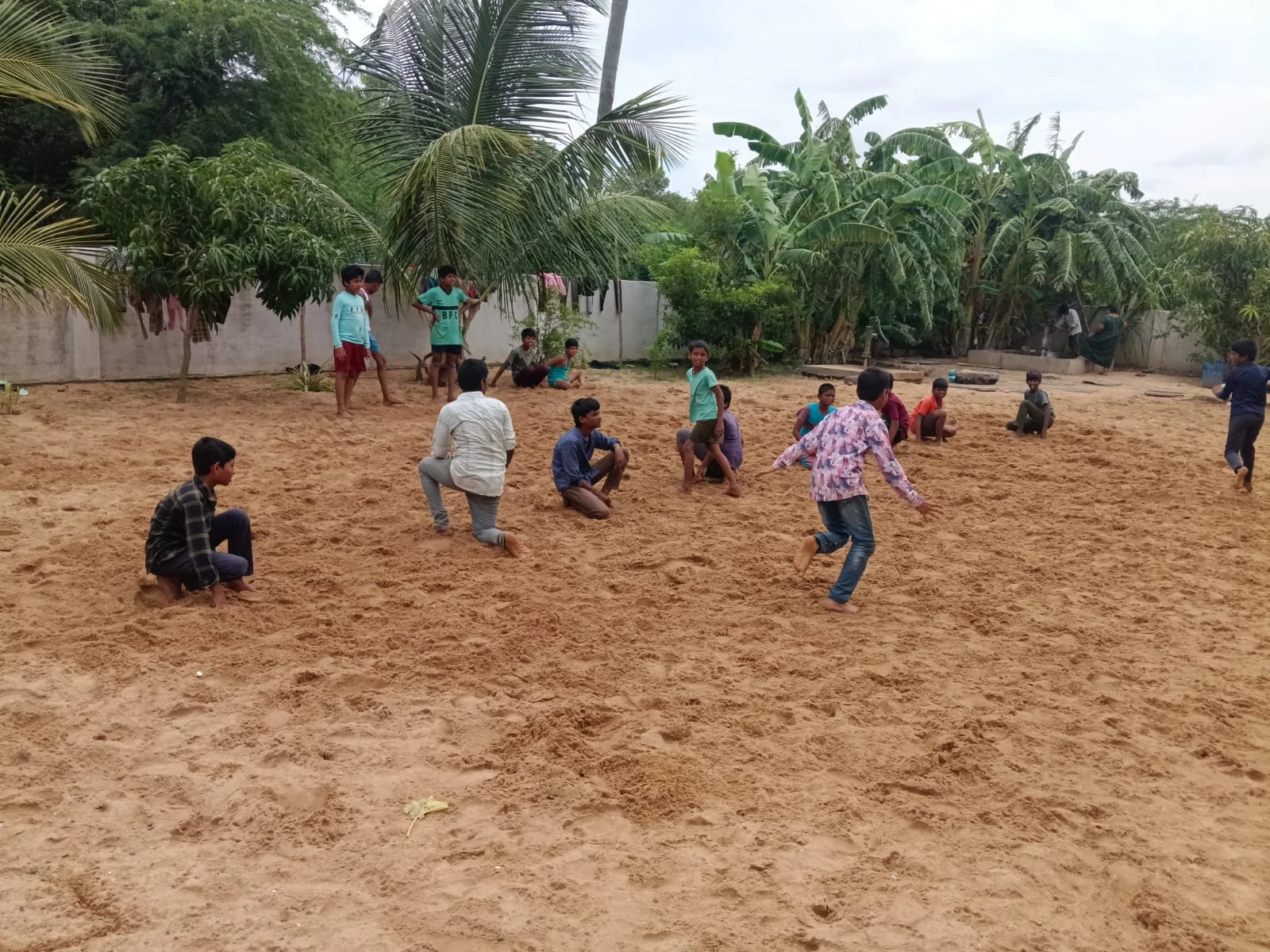
To provide skill development, art, sports, and cultural opportunities for holistic child development.
To empower poor families and single mothers with livelihood programs, ensuring better care for their children.
To establish children’s libraries, play centers, and safe spaces that encourage creativity and learning.
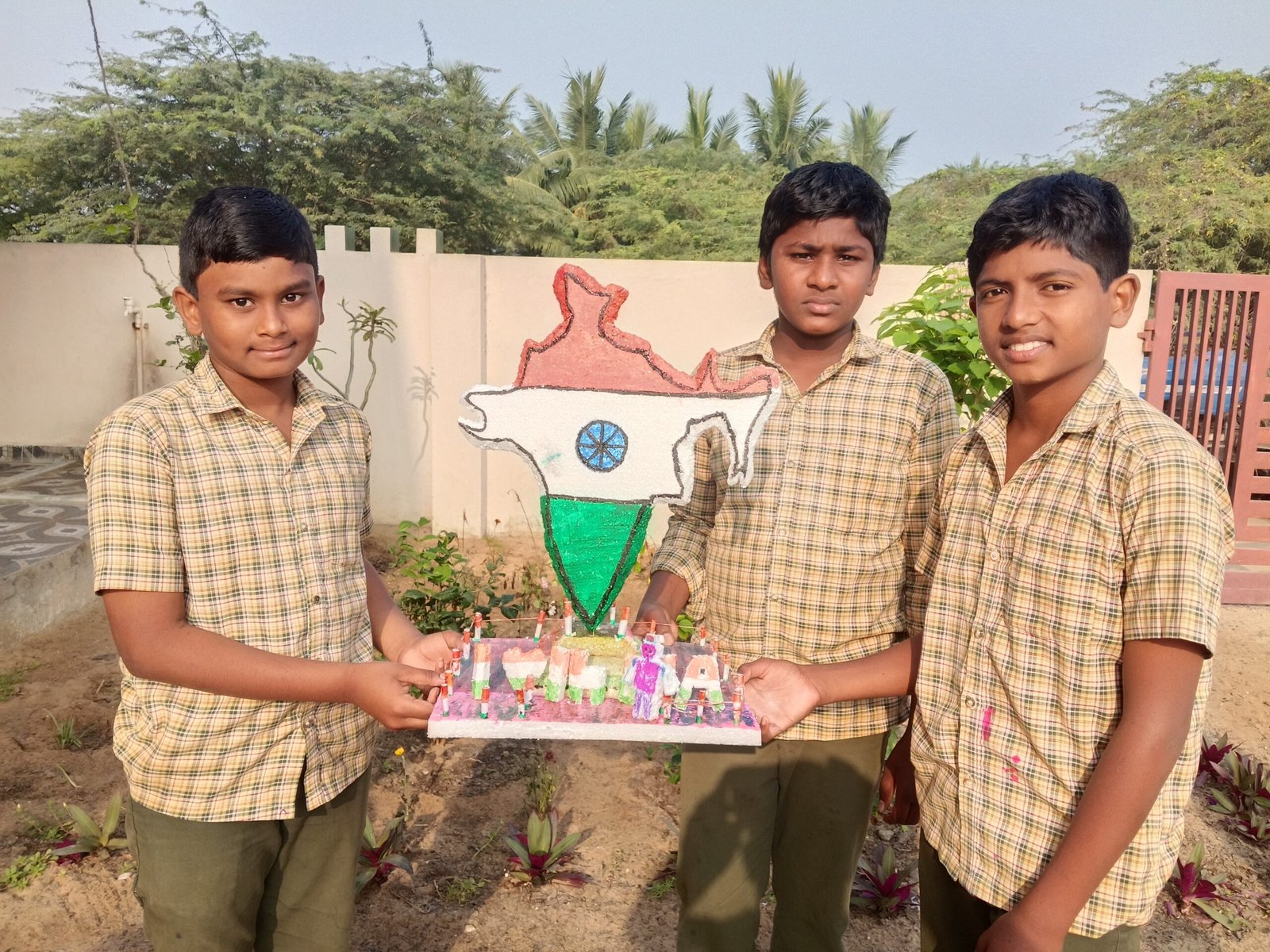
To promote environmental awareness among children through tree plantation, cleanliness, and plastic-free campaigns.
To provide scholarships and sponsorships for poor and meritorious students for higher education.

CRISIS RECOVERY PROJECT IN THE WEST REGION OF CAMEROON
Website: https://www.iaa-africa.org
Email: info@iaa-africa.org
Tel: +237652130115
1.1) BUDGET: 550GBP, YEAR: 2025
2.) BRIEF OVERVIEW
The scourge of Internal displacement has continued unabated despite international attempts to address its root causes. Ironically the so called anglophone crisis in SW and NW Cameroon has been largely ignored despite the untold misery it has caused the local people, many of whom have been displaced. The human rights of the victims of this violent insurgency have also been conveniently ignored. Questionnaires posed to those involved illustrate that the respondents live in immense fear of losing family members or being killed themselves. Moreover, they have been denied basic freedoms living in indignity with minimal access to water, food or means of subsistence. The greatest aspiration of the respondents is to simply return to their families and resume their livelihoods. The initiatives presented by IAA are an attempt to redress this unacceptable situation.
The situation began in 2014 with instability in Central African Republic which became exacerbated by the impacts of Climate change, unpredictable extremes of rainfall and resultant flooding and soil erosion compounded by unprecedented droughts. Add into the mix the rise of the terrorist sect Boko Haram and you have the perfect storm.
Presented in map form below is a situation analysis produced by UNHCR at the end of February 2025
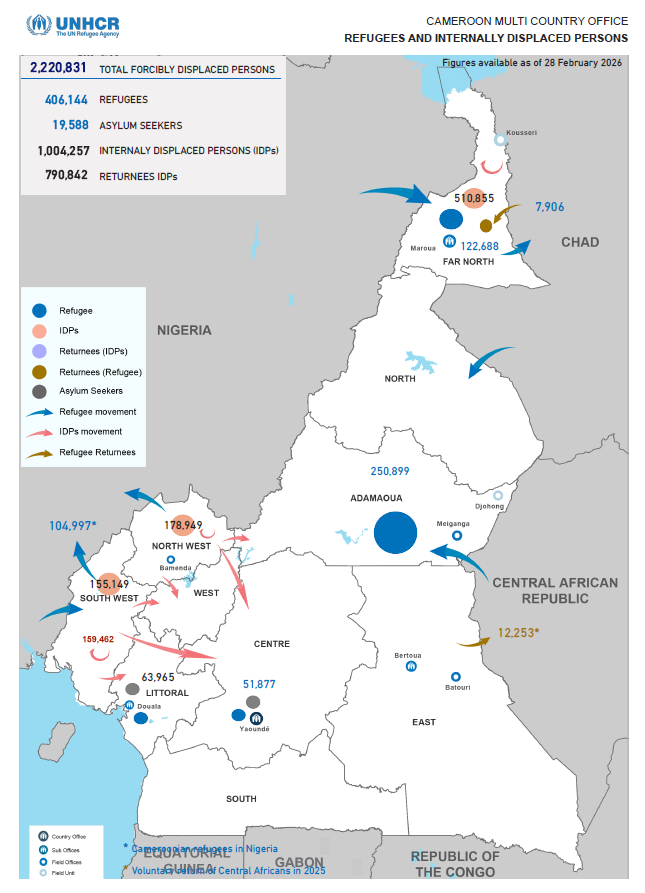
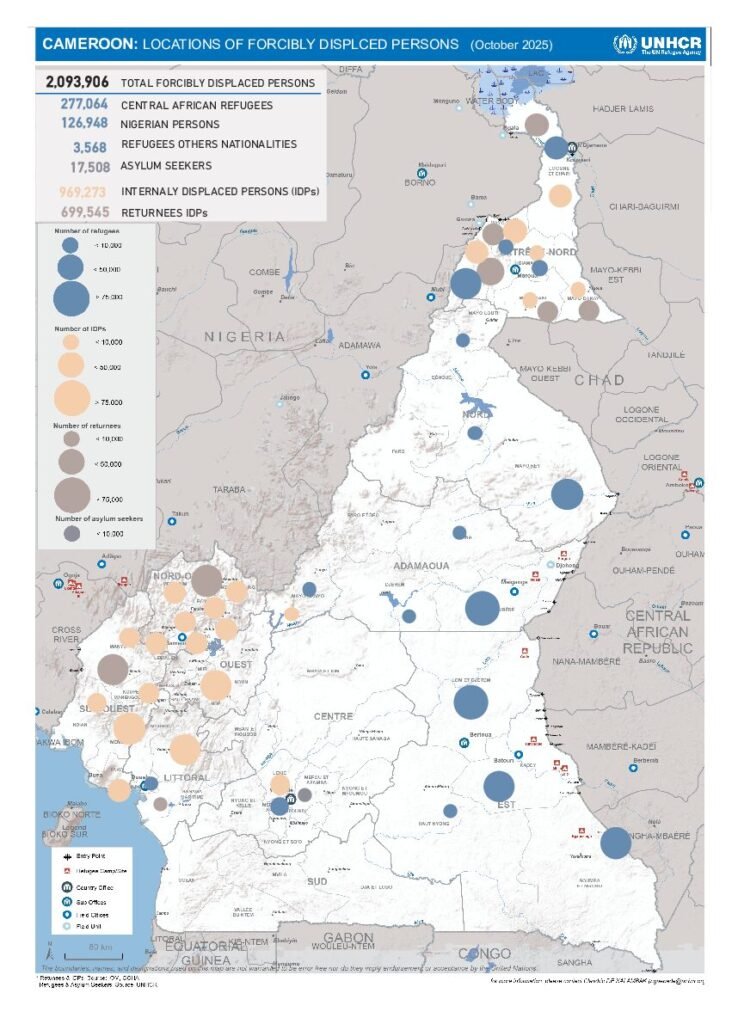
Anglophone region of Cameroon has almost 1 million IDPs to manage fleeing from civil war Oct 2025
The project aimed at addressing food shortage by empowering Internally Displaced Persons (IDP) and their host community of Foumbot through climate-smart agriculture to be able to grow vegetables during the dry season and increasingly during prolonged dry periods. We seek to end seasonal hunger and poverty, focusing activities in Mogny village of Foumbot sub-division in the West region of Cameroon.
The objective of the project was to empower and support IDPs with innovative, sustainable, affordable and locally owned approaches to improve food security and rebuild their lives, and enhance the capacity of 100 IDPs to produce a wide variety of vegetables using sustainable and environmentally-friendly technologies with integrated social ownership, management and involvement while increasing economic capacity and securing livelihoods and the planet for the future.
3.) IMPACT:
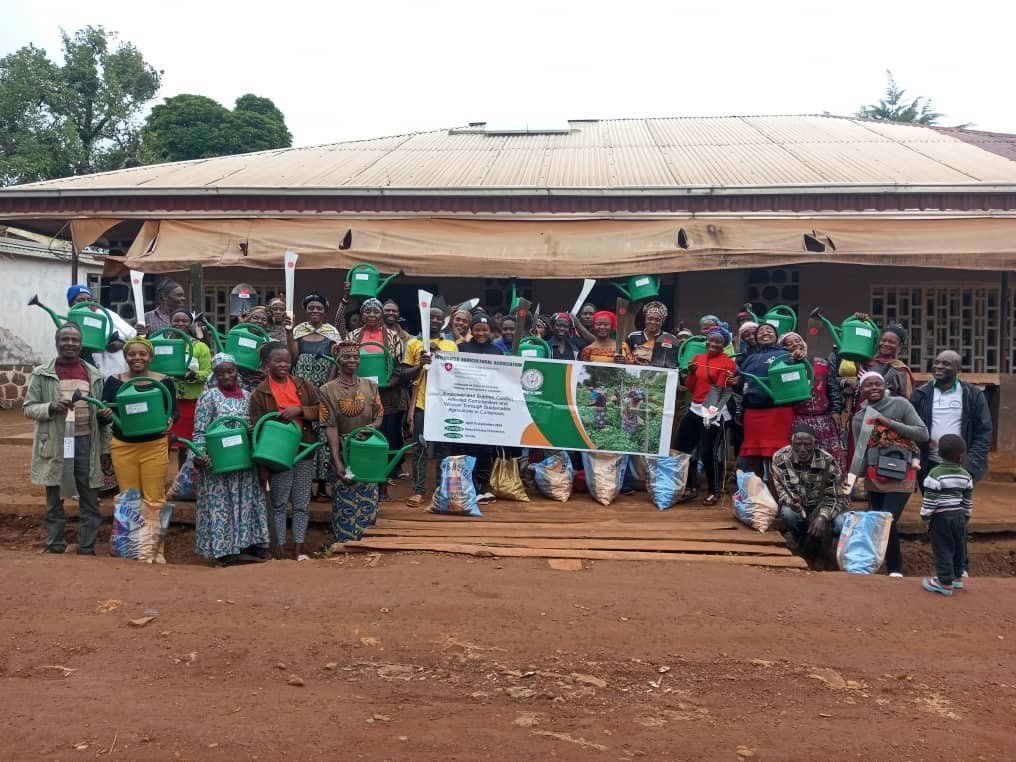
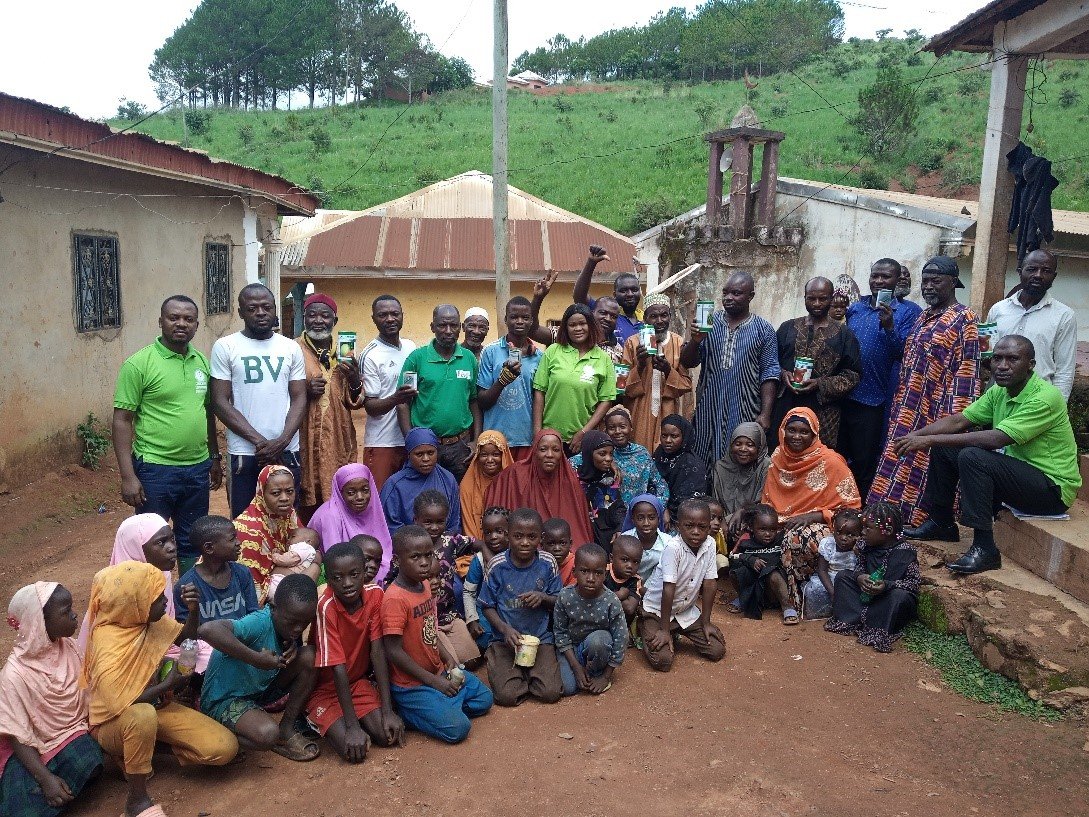
With the funding received from FIOH UK in February, 2025, Integrated Agricultural Association (I.A.A) trained diverse community members on climate-smart agriculture on topics including regenerative vegetable gardening, nutrition, water management, integrated pest management and soil health improvement. 127 people have been directly involved in training activities, with 71% women participation. 60,000 grams of huckleberry seed was donated to 120 IDPs, 500 grams per beneficiary who already had a farm plot of approximately ¼ hectare. 120 gardens were cultivated across 30 hectares of land and each garden generated approximately 1700 GBP per year for a family of 5 members which achieved larger goals including food and nutrition security, gender equality, health and wellbeing and improved livelihood for over 1000 people.
With the help of this funding, I.A.A also trained 34 trainers on climate-smart agriculture to monitor the program and continue to provide ongoing technical support and advice on best practices to smallholder farmers in the area. I.A.A also created a Huckleberry Producers Union in Mogny with current membership of 80 and the registration process is in progress. These efforts aimed at building local autonomy to sustain the project beyond the funding period.
4.) CHALLENGES:
- Inflation in local currency reduced the value of the project budget by 30% which impacted the ability to successfully distribute three different types of vegetable seeds.
- Follow up of program beneficiaries afterward was difficult due to their remote locations, no internet and network, bad roads in the rainy and dry season.
- Farmers often have to travel long distances to access inputs, extension services, or marketplaces, leading to high transaction costs and limited engagement with modern agricultural practices.
- Lack of clean drinking water and irrigation tools to boost productivity, health and nutrition.
5.) WAY FORWARD:
- I.A.A selected only huckleberry to support as many women as possible because of it economic and nutrition value and seeds can be sourced and saved locally. This decision minimized high cost on conventional seeds to focus on indigenous seeds that are locally adapted with moderate prices.
- I.A.A used private motorbikes in remote inaccessible locations and SMS to connect to participants.
- Trainers have been trained to support farmers locally and huckleberry union created to facilitate development, access to seeds, training and markets.
- I.A.A will construct and install a well with hand pump in the community, and provide smallholder farmers with irrigation kits including solar pumps to address water gaps in agriculture and household use.
6.) CONCLUSION:
Climate Change and disasters affect communities to varying degrees. Women on forced displacement and persons living with disabilities face considerable challenges in accessing help. Most disaster and conflict responses focus on short-term needs: shelter, food and medicine. While critical, this approach must be supplemented with medium-term recovery plans to rebuild lives. By working on vegetable-growing programs for crisis relief, IAA aims to bring stability to the lives of the internally displaced persons (IDPs) and empower the most vulnerable to enable sustainable and resilient livelihoods that are self-sufficient and not dependent on aid.
I extend my sincere gratitude to FIOH for supporting me and my team in this incredible mission which I so much have passion and enjoy doing while inspiring others in the same and similar fields.
DUNGRILA PASCAL MBIMENYUY; TEAM LEADER
HEARTS COVID 19 RELIEF SEPTEMBER 2020
HEARTS FOUNDATION
BAPATLA, GUNTUR DIST, ANDHRA PRADESH, INDIA.
COVID-19 (CORONA VIRUS) RELIEF ASSISTANCE
SUPPORTED BY FUTURE IN OUR HANDS, U.K.
BACKGROUND:
The Covid 19 crisis began in January 2020 in Wuhan, China and within days spread across the world and till today has become a major challenging factor and created a global health emergency. India is alerted starting from Kerala by identifying passengers coming to Indian Airports from overseas. The first lockdown in India was started on 20th March, 2020 and till today (15-09-2020) normalcy has not been established. The current Indian population is 1.3 billion people. Everyone feared the impact of Covid-19 if not brought under control. Thanks to the Indian Government and State Governments for tackling this outbreak collectively. An impressive role was played by the Doctors, Nurses, Sanitary Workers and Police in combating spreading of this virus. The Indian Council of Medical Research suggests that it is not over and can be repeated if health related precautions are not taken care of i.e. Mask, Sanitizer, Cleanliness, Social Distance etc. The current statistics in India related to Covid-19 is declining but the virus is still prevailing in a few locations across the country. Our Prime Minister warned the country to not fear the virus and respect the people who are positive and the reality is for everyone to live with it. It can be cured and vaccines are coming shortly to tackle the problem. Current Indian statistics show the total number of positive cases is 5.02 million and deaths are 82,066. In Andhra Pradesh the state total number of positive cases is 514,000 and deaths are 5,041.

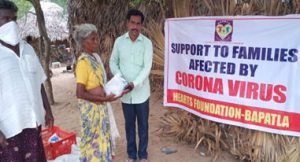
Hearts covered relief assistance in four Tribal colonies in and around Bapatla town and rural areas two times till date. The word Tribe is based on Caste reservation system called Scheduled Tribe (ST) and some others are Scheduled Caste (SC), Backward Classes (BC), Minorities (Muslim) and rest are general who are upper caste i.e. Brahmins, Pundits, Merchants etc. India is a huge populated country and illiteracy plays a major role for academic and employment opportunities. Therefore without reservations for underprivileged population, there is no chance at all for their children getting into Universities, Government jobs etc. Under the Caste system, Scheduled Tribes are downtrodden, looked down upon and particularly on those who are illiterate. Usually they live out of the towns especially on river or canal banks. The Government talks about equality for ST population in line with others but in practice it’s not happening.
We have identified four colonies where the population are living in thatched roof palm leaf houses and it is shocking to know the many hurdles they are facing under the lockdown due to Covid-19. In one of the colony, Hearts runs a Day Care Centre for children to come to school.
Colonies helped: Tribal population in four colonies namely:
1) Krupanagar Colony – 85 families
2) Ramnagar Colony – 90 families
3) Venkata Reddy Colony – 60 families
4) Matsyapuri Colony – 30 families
Total – 265 families
A family includes husband, wife, children and grand parents, if any. Approximately on an average we have reached 1,000 people who are children and adults.
Activities: We have carried out following activities:
- Purchasing of food supplies (Rice & Groceries), vegetables, fruits, milk etc.
- Purchasing of masks, sanitizers, medicines etc.
- Distribution of food supplies and other items as per pre plans and discussions with the beneficiaries
- Involving local community resource persons i.e. school teachers, health workers, Pastors etc.
- Creating awareness on Covid-19 precautions
Details:
- Each family received approx. 5 kilos Rice, 1 kilo Red gram dal, 1 kilo Wheat, 1 kilo Sugar, 1 kilo Oil.
- Each family received approx. 1 kilo each variety of vegetables i.e. tomatoes, potatoes, onions, brinjal, beans, chillies, milk and a dozen eggs.
- Each family received a pack of Mask & Sanitizer
- Each family received a pack of first aid medicines i.e fever, cold, cough, diarrhoea, de-worming and multi vitamins.
Apart from Tribal colonies, Hearts also helped children’s parents from Hearts Children Home. Since lockdown the parents or guardians of children are out of work. They have struggled a lot financially. The Government supplied Rice and Dal but they had to buy other ingredients to cook a meal.
Please support the work of the Future in Our Hands Education and Development Fund whose aim is to help and empower some of the world’s poorest and most marginalised people by:
- UK residents can provide long term support by completing the FIOH FUND DONATION FORM and sending to the address shown on the form:
- Direct grant to the charity’s bank account or by cheque to:
 Bank account details:
Co-operative Bank
IBAN: GB07CPBK08929965050707
BIC: CPBKGB22
Cheques should be made payable to the
Future in Our Hands E&D Fund
—————————————————————————-
Fundraising to help the work of the charities would be greatly appreciated
CAMGEW AWARDED THE EQUATOR PRIZE
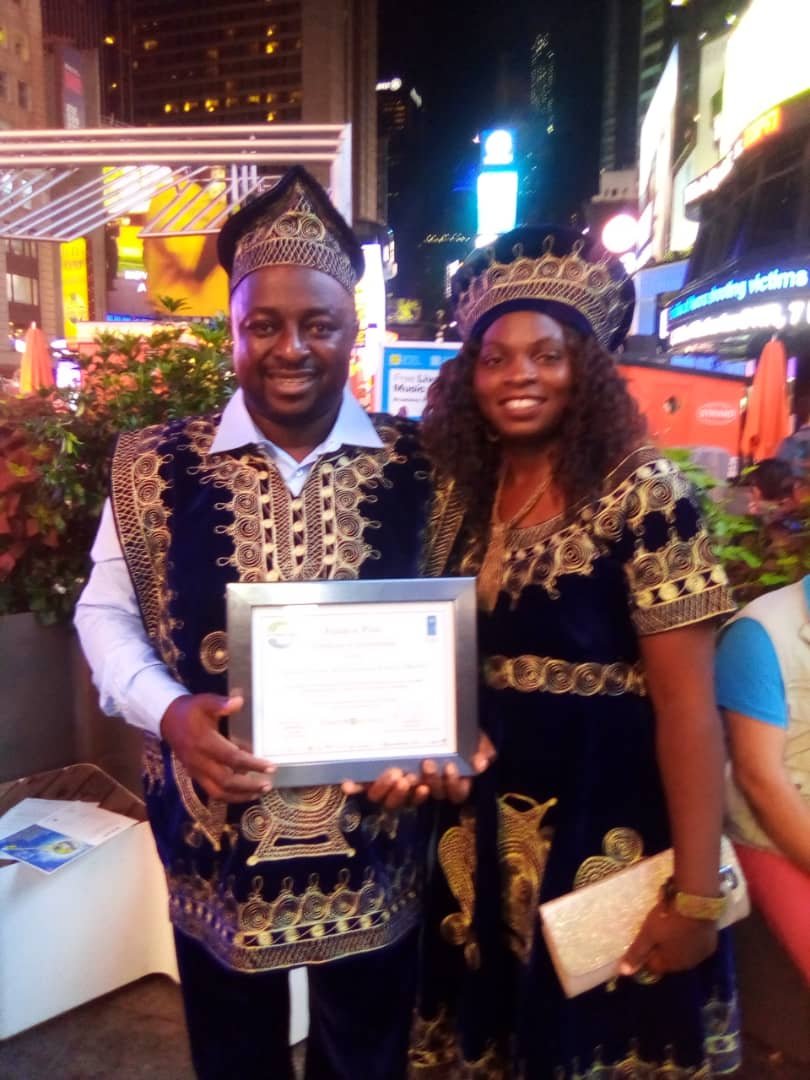
Cameroon Gender and Environment Watch was one of the 21 non-government organisations from around the world to be awarded the Equator Prize.

Created in 2007, Cameron Gender and Environment Watch (CAMGEW) brings together women’s empowerment, community livelihoods, and ecology to address environmental challenges in northwestern Cameroon. Recognizing that local livelihoods are deeply integrated with the health of local ecosystems, the group has planted 75,000 bee-loving African cherry trees (Prunus Africana) in degraded areas of Kilum-Ijim Forest to serve as a carbon sink and protect key watersheds. At the same time, they have trained over 1,000 bee farmers in honey production for market, while a complementary programme has trained 772 farmers on agroforestry to bolster soil health and provide alternative firewood sources. To empower women farmers, CAMGEW offers both business training and microloans through a programme that has, to date, trained 1,580 women and provided 1,325 loans. In a time of ongoing conflict in Cameroon, the organization has made a powerful impact on the health of local ecosystems and the well-being of local communities.
Key Facts
Equator Prize Winner: 2019
Founded: 2007
Location: North West Region, Cameroon
Ecosystem: Forests, Mountains

Please support the work of the Future in Our Hands Education and Development Fund whose aim is to help and empower some of the world’s poorest and most marginalised people by:
- UK residents can provide long term support by completing the FIOH FUND DONATION FORM and sending to the address shown on the form:
- Direct grant to the charity’s bank account or by cheque to: Bank account details:
Co-operative Bank
IBAN: GB07CPBK08929965050707
BIC: CPBKGB22
Cheques should be made payable to the
Future in Our Hands E&D Fund
—————————————————————————-
Fundraising to help the work of the charities would be greatly appreciated
Integrated Agricultural Association

Integrated Agricultural Association (I.A.A) is a Cameroonian non-profit, non-sectarian and apolitical Organization founded on the 5th of March 2016 by the founder Dungrila Pascal Mbimenyuy to promote social, economic, and environmental well-being by:
(i) helping to create “sustainable economic development in rural communities in Cameroon,
(ii) empower and train youths and women-owned producer cooperatives, and
(iii) educate Cameroonians about the importance of organic farming and organic food.

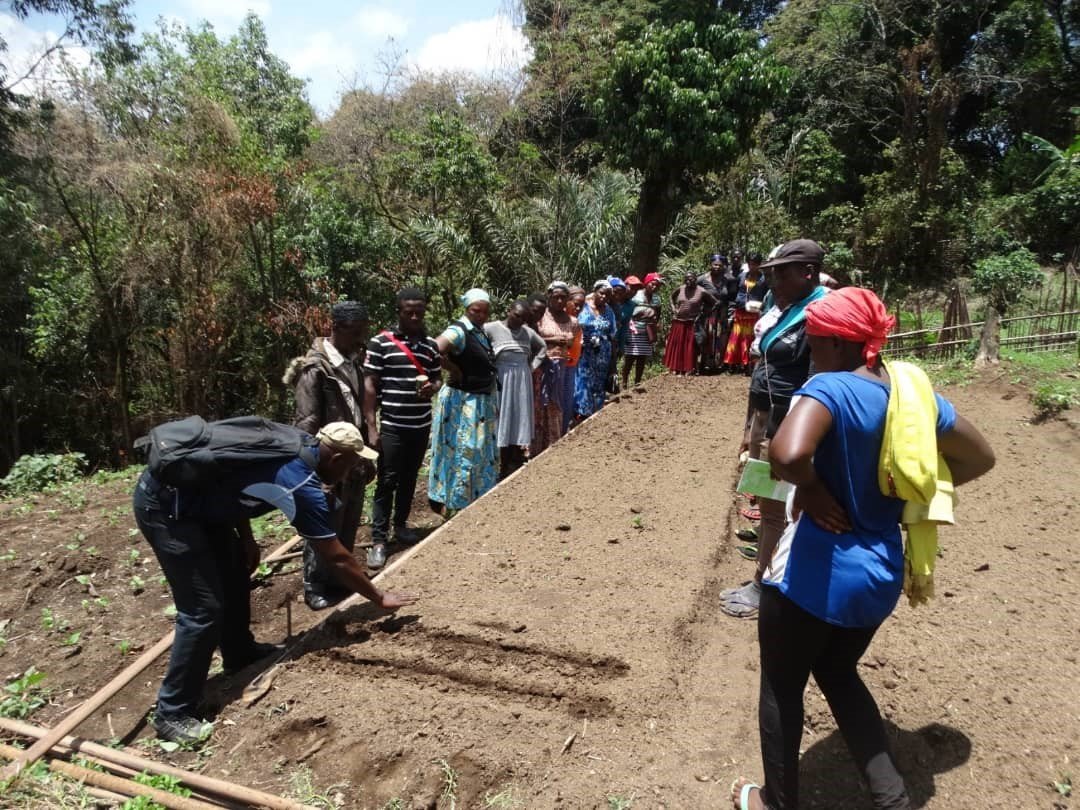
Dungrila giving demonstration
I.A.A is a Youth led Organization with a main focus on empowering farmers through organic food production and commerce.
I.A.A also transforms subsistence farms into profitable businesses by helping smallholder farmers access good training, affordable capital, quality inputs and better crop prices.
I.A.A is passionate about creating social change and has over two years of experience in nonprofit leadership with a focus on smallholder farmer empowerment, defending indigenous minority rights, education, health care and community development.
Specific Objectives.
To build and strengthen the capacities of peasant farmers through local trainings on cultivation and marketing techniques.
- To ensure the greater involvement of the youths in agriculture through sensitization, trainings and support.
- To promote innovative ideas among farmers which are concerned with soil management.
- To alleviate poverty by working in collaboration with communities and implementing programs and projects that increase their income through the encouragement of collective production and marketing among farmers.
- To strive for socio-economic empowerment of the disadvantaged farmers and other community member groups through improved agriculture.
- To promote farming practices that lead to sustainable agriculture and meet the needs of small scale farmers. That is, discouraging the use of chemicals and encouraging natural farming.

Working on farm
Area of Action: North West, Southwest and West Regions of the Republic of Cameroon and beyond.
Target Groups: Peasant women, Children, Youths, Farmers and Persons living with disabilities.
Values
- Competence
- Accountability
- Justice and equity
- Democracy
- Citizenship
- Responsibility
- Admissibility
Approach
We seek to meet our objectives in two different ways. The kinds of approaches we use are as follows:-
- Participatory approach.
We Provide an enhanced and alternative local livelihoods, including sustainable agriculture and value-added products to support local economies, which engages all stakeholders in the community and other development groups. We foster civic engagement of communities through creative facilitation and other methods of stakeholder involvement (such as, public meetings and community-mapping exercises). - Systematic approach.
We collaborate with like-minded organizations worldwide and create possible partnerships, which can help us mobilize resources needed to address community challenges. These include financial, human and material resources. We collaborate with technicians and development agencies as well as community development associations to help us attain our objectives.
PROGRAMMES:
Integrated Agricultural Association (I.A.A) is working under eight different programme areas which include:
AGRICULTURAL TRAINING AND DEVELOPMENT.
I.A.A helps to transform subsistence farms into profitable businesses by helping smallholder farmers access good training, affordable capital, quality inputs and better crop prices. She also launches food safety awareness raising campaign to educate the public in nutrition.
Many farmers’ livelihoods are stable but vulnerable. When working with these communities, we use conservation agriculture techniques and territorial value-chain development. The goal is sustainable growth while building stronger production and marketing groups, and creating market links between producers and buyers. Our approach enables farmers to access and manage financial services and improve their use of natural resources. We also strengthen the capacity of farmers and field agents to help them plan businesses and evaluate profitability. With our experience, farmers can connect better to markets and use technologies that raise yields. To help farmers and field agents succeed, we developed a digital tool kit called ICT4Ag Suite which facilitates training, business planning, and monitoring and evaluation, making it easier for farmers to grow their businesses.
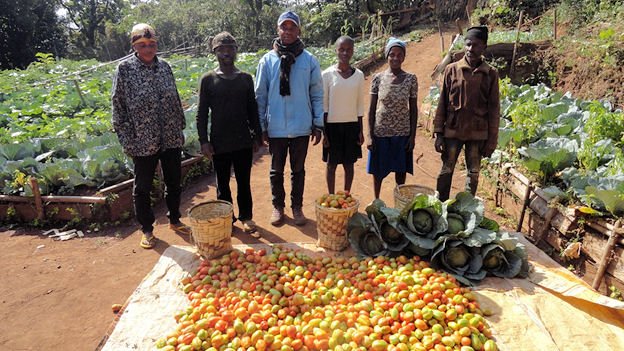
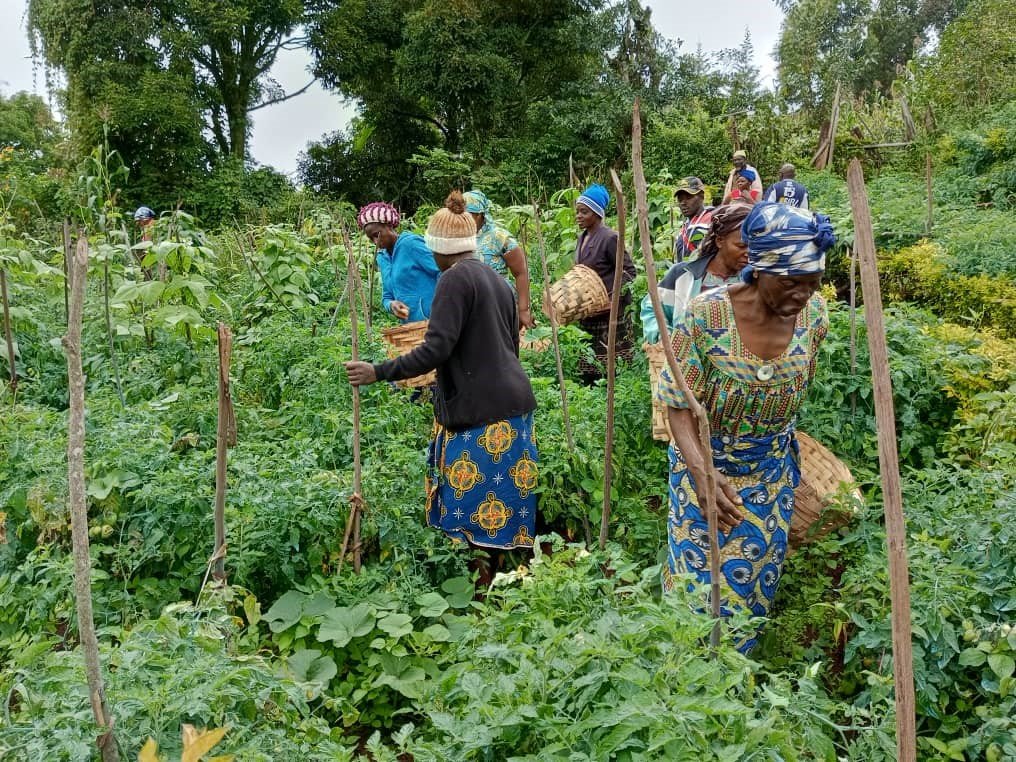
Workers on vegetable plot
METHODS USED.
Territorial approach to value-chain development: We work with farmers to identify and develop products that have potential for local, regional and national markets. We emphasize improving farmers’ production and market opportunities, but we work to improve the entire value chain so it will function more efficiently for all stakeholders. This process increases production, strengthens services for business development, improves post-harvest utilization and builds better market engagement.
Conservation agriculture: In response to global climate change, we help farmers learn techniques for conservation agriculture, which is the foundation of climate-smart agriculture. Techniques include using cover crops, planting with green manure and “no till” practices, conserving water and using native varieties of crops to manage pests. These approaches increase productivity, decrease costs and improve soil fertility.
ENVIRONMENTAL PROTECTION AND MANAGEMENT. We organize meetings to raise awareness of the importance of protecting the local environment and adopting strategies to deal with a changing climate. We carry out tree planting exercises and train local groups and families to establish tree nurseries to supply tree seedlings to the local community, with the aim to foster community engagement in afforestation. We train more than 5,600 people each year in tree planting and care and work with school children to educate them on the importance of trees to the environment and the value of agro-forestry. We also conserve biological diversity, indigenous forests and maintain ecosystem services (water, soil, and carbon sequestration).
EDUCATION AND CAPACITY BUILDING.
We provide scholarship opportunities for children from low income families and marketable skills for those with special needs.
We provide vocational training to children with disabilities and support them with equipment to set up workshops that will enable them to be economically self-reliant, participate in community activities and be socially recognized.
We promote ICT and quality education both in urban and rural communities by equipping schools with computers and books libraries, construction and equipping school classrooms as well as the provision of sanitation equipment and water.
HEALTH EDUCATION.
In Cameroon the rural population does not have access to quality health care and services. The situation remains the same in public hospitals everywhere in the country. The rural population travel an approximate distance of 25 kms or more just to have medical attention, while those visiting public hospitals complain about poor approach by medical personnel. I.A.A strives to overcome these health disparities by training community health workers, building the capacities of hospital personnel, refurbishing and constructing community health facilities and offering nursing scholarship to rural youths especially those coming from poor families.
WATER AND SANITATION.
In Cameroon, water crisis has become the order of the day both in urban centres and rural areas. This is a critical issue that affects mostly women and their children which have had severe consequences on their lives, notably; education and health. Children stay away from school just because they don’t want to carry water on their head every day. And women travel 5 kms or more to fetch dirty water. I.A.A provides access to safe and clean water (water pumps and distribution systems, well drilling, bore holes, spring capping).
HUMAN RIGHTS.
I.A.A is working to advocate for peace through peace building initiatives and humanitarian response, defending children against trafficking, early marriages and forced labour and ensuring that the rights and dignity of women, children and persons living with disabilities are protected and fulfilled.
WOMEN EMPOWERMENT.
Women are often marginalized, less educated, lack access to finances, collateral security and are not always able to participate in decision making processes locally. Opportunities on entrepreneurship, capacity buildings and access to land are always limited. Where these facilities are available, they are not reliable, affordable and accessible. They suffer from domestic violence and their girls fall victims of child trafficking and early marriages. These situations are common in rural areas in Cameroon and elsewhere in the world. I.A.A is empowering women with micro- business skills and supporting them with startup loans for new businesses and improve existing ones. I.A.A assists women with entrepreneurial skills through micro-business training and financing so that they can be able to build wealth for their families and participate in nation building.
APICULTURE
Bees are important insects that play an important role in the environment by increasing ecosystem services through pollination. It remains imperative to understand and manage pollination services; farmers in rural communities have the potential to substantially increase their crop yields and income, as well as safeguarding micronutrient supplies from foods such as fruits, nuts and vegetables. This has important implications for food security, poverty alleviation and global health. However, promoting bee farming increases pollination services and provide progress towards several important UN Sustainable Development Goals. It is important that development and environmental outcomes are closely aligned, such that there is a long-term sustainability. Beekeeping, pollination and ecological farming are important goals of development and environmental protection.

Apiculture
APICULTURE AND FOREST GOVERNANCE PROJECT
We train forest communities in sustainable forest management. Many of these communities depend on agriculture for their livelihood which often results in the destruction of the forest for farm land. We train these communities in bee farming and foster their engagement in aforestation as alternatives to protect the forest and fight poverty. We provide opportunities for rural people in tree nursery management, planting and care, and in agro-forestry techniques. I.A.A. distribute forest seeds, agro-forestry seeds and bee farming materials as well as locally manufactured bee hives to vulnerable people. The goal of this project is to promote apiculture as a strong financial incentive for rural people to alleviate poverty and protect biodiversity.
The objectives of this project are as follows:-
(1) Teaching beehive construction, apiary set-up and maintenance, honey harvesting and tree-planting.
(2) Establishment and capacity building for community-based beekeeper cooperatives.
(3) Establish a honey shop and marketing hub; give advice and training about honey marketing.
EXPECTED OUTCOMES.
- Improved honey-based livelihood opportunities.
- Community led sustainable management of honey bees.
- Increased levels of understanding of different issues relating to honey bees from biological, economical, policy and social viewpoints.
SEXUAL AND REPRODUCTIVE HEALTH PROJECT
In Kumbo, Secondary school girls become pregnant as a result of lack of understanding about family planning. This is also because the information on reproductive health is not widely disseminated for better access by young girls and women of reproductive age. School girls’ records show poor academic performance as a result of menstruation. During this period, these girls stay away from school because of stigmatization and lack of basic menstrual hygiene information and the school administration do not make available a safe environment for these girls to take care of the menstrual situation with dignity. Married women deliver children too close as a result of lack of reproductive health information and family planning which result in poor health, and unsafe abortions. I.A.A has designed this project to increase access to reproductive health information among school girls and the women of Kumbo.
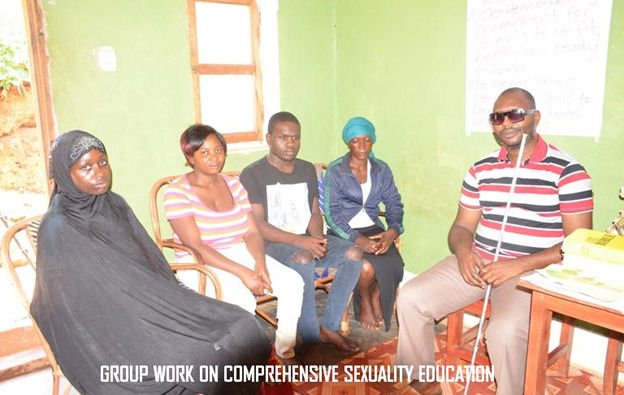
Sex education
I.A.A set-up workshops throughout Kumbo with different groups of individuals in order to discuss reproductive health, and address the questions of the participants. The workshops involved secondary school students (one for male students and one for female students), sex workers, and local communities. For each workshop, every effort is made to make the participants feel that they are in a safe environment.
All workshops usually start with an open question session to answer the sexual health questions of all participants. In addition to these workshops, radio talk shows are held in local languages, which also include a call-in question and answer session.
PROJECT GOAL.
The overall goal of this project is to increase access to reproductive health information by providing young people with the knowledge and skills to promote their health and well-being as they mature into sexually healthy adults.
OBJECTIVES.
- To work with community leaders to widely disseminate reproductive health information among young girls and women.
- To increase access to comprehensive reproductive health services.
- To address stigma and discriminatory social norms related to menstrual hygiene management with health providers, media, parents, teachers and wider community stakeholders.
Integrated Agricultural Association
Foncha Street, Nkwen, Bamenda
Nw Region, Cameroon, Central Africa
EMail: integratedagriculturalass@gmail.com
Tel (+237) 682 v98 51
FIOH Fund Newsletter – Winter 2017
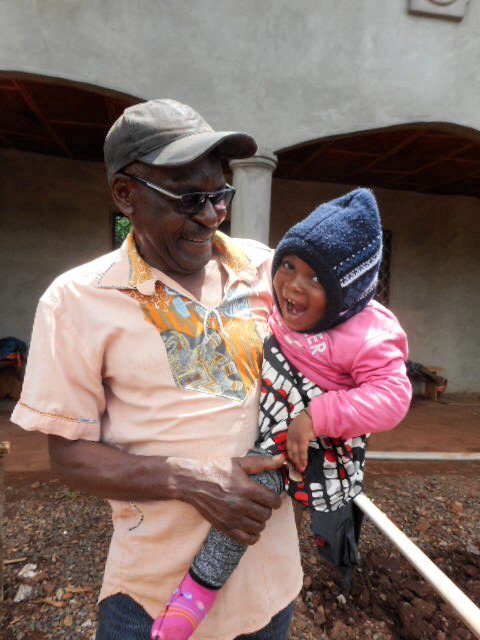

Alfred Wingo,the founder and director of GLORES, is shown here with one of the children being treated.
NEWSLETTER – ISSUE2 – WINTER 2017
FIOH FUND NEWSLETTER 2 – WINTER 2017
This newsletter summarises and illustrates some of the activities which have taken place in a new treatment and rehabilitation centre established in the Cameroon with the financial support of the FIOH Fund. The centre is run by Global Rehabilitation Services (GLORES), a local NGO, which moved from its former rented accommodation in April 2017.
Please support the work of the Future in Our Hands Education and Development Fund whose aim is to help and empower some of the world’s poorest and most marginalised people by:
- UK residents can provide long term support by completing the FIOH FUND DONATION FORM and sending to the address shown on the form:
- Direct grant to the charity’s bank account or by cheque to: Bank account details:
Co-operative Bank
IBAN: GB07CPBK08929965050707
BIC: CPBKGB22
Cheques should be made payable to the
Future in Our Hands E&D Fund
—————————————————————————-
Fundraising to help the work of the charities would be greatly appreciated
People helped by the work of Global Rehabilitation Services
Global Rehabilitation Services has since its foundation carried out successful prosthetics treatment, including the arrangement of corrective surgery when required, for over 1,500 severely disabled children and youths.
Testimonials of six of these children are given below:
Jackson Kuetche
This child at the age of five had a severe cogenetal deformation (Bilateral valgus knees). The picture on the right shows the boy after corrective surgery and physiotherapy.
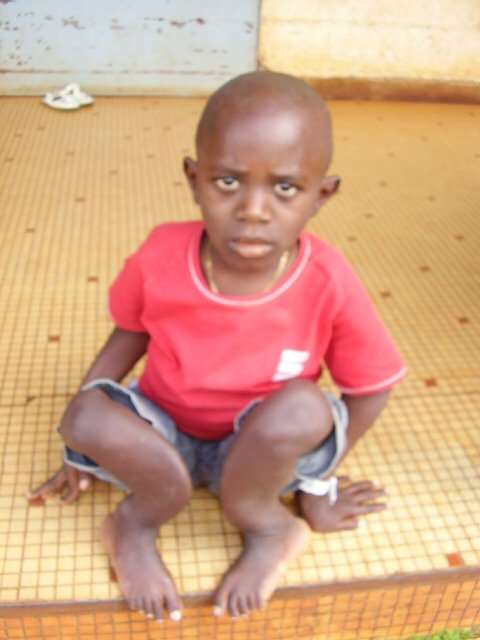

My Name is Jackson Kuetche and I am 7 years of age. My mother told me that when I was born, my legs were normal but later started deforming as I developed.
I went to school like other children until my legs got so serious that I found it difficult to walk to school. There came a time that I could not walk any more. I could only drag my buttucks on the ground to displace myself from one place to the other. Other children were laughing at me at school and I felt so bad and could not stop crying. The problem became so serious that my parents asked me to stop schooling and stay at home. I was sad because my brothers and sisters were going to school and I could not.
My parents were informed in the village meeting that there was a Handicap Treatment Centre called GLORES. The village group helped my parents through contributions to pay transportation to the GLORES Centre in Bafoussam.
In GLORES they told me that my deformations were so serious that surgery was needed. They also told my parents that I had ricketitis, a disease that causes severe deformations of the bones and retards growth and develoment. My parents did not have money for the operation. I started crying with my mother. GLORES worked out a financial assistance for the operation of my legs and put me on medical treatment. My parents only paid a small portion of the operation charges.
My legs are corrected and are straight. I can now go to school. I am happy with my family because I have returned to school. My family and I do not know how to thank GLORES programme.
——————————————————————-
2. Mapta Yomgue
This two days old baby had a severe cogenetal deformity. The picture on the right shows her after one month of physiotherapy.


This testimony was given by the mother of a three year old child who was refered to GLORES for treatment for a severe congenital deformation of the right leg by the Bafoussam Regional Reference Hospital.
Mother’s observation
God still continue to perform miracles today through individual and charitable organizations like GLORES. I believe in what I am saying because of my experience with my little girl whom I brought to GLORES at the age of two days with serious deformation of the right leg after birth. The hospital where the child was born told me that something can only be done through surgery when the child reaches the age of 25 years. They, however, refered the child to the Handicap Treatment Centre called GLORES. If the hospital of that calibre could not do anything, I was left with no choice than to cry.
I brought the child to GLORES in tears. I was comforted and told not to worry. I could not believe what they were saying. They consulted the child and put her on treatment for one month. To my utter amazement the child’s leg returned to normal. I could not believe myself. I thought I was dreaming.
Now my little girl is growing up normally like other children and shows no sign of any problem at birth. This was a miracle to me. I started thanking the therapists in GLORES but they told me that they only treat and God heals.
Thank God for giving us a treatment Centre like GLORES. God through GLORES prevents disabilities in Children! Let God give more inspiration to the Therapists in GLORES so that they can help more handicap children in Cameroon.
Knefack Evelyn Yomgue
« Mother of Mapta Yomgue »
———————————————————————
3. Efone Jacque
This boy was without a left femur. The picture on the right shows him after physiotherapy
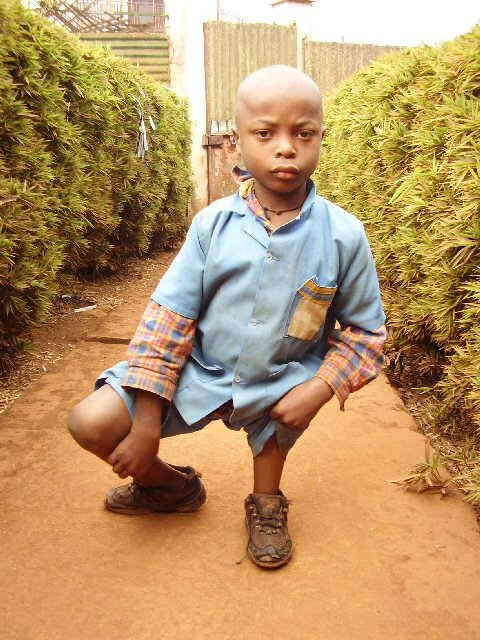

My name is Efone Jacques from Bafoussam. My parents did not want to send me to school because I found it difficult to walk due to my left leg that was deformed and shorter than the right leg from birth. They said that going to school was not necessary since I would not be able to walk making it difficult to find a job.
When I went to GLORES they made it possible for me to walk with the help of splints and now I am in school and doing very well with my school work. My parents, villagers and I am happy.
Efone Jacques
Note: The splints this child is using are temporal and he will continue to wear them until the age of 25 when the deformed leg will be amputated and replaced with a permanent prosthesis.
——————————————————————-
4. Freddy Pokam
This boy had a severe limb deformation (bilateral valgus knees). The picture on the right shows him after corrective surgery, physiotherapy and splinting.


I am speechless. I returned to the village after treatment and people could not recognize me again, even my relatives. One of them even asked if I went to the native Doctor for the magic done on my legs. This is really like magic.
It was already getting difficult for me to go to school. My legs were crossing over each other making it hard to walk. The worst thing is that other children in my school were often laughing at me. Some of them called me distorted legs. Things like these made my school grades to go down because I was not at ease at all.
To the utter amazement and to the surprise of the villagers, I can walk normally with no sign of disability any more. I am like other children.
Thanks be to GLORES and to God above all.
Freddy Pokam
——————————————————————
5. Patrick Kenfack
This young man had a cogenetal deformation. The picture on the right shows him after prosthetics treatment.


I am an 18 year old boy from Bafoussam, Cameroon. I was born with my legs deformed. To displace myself from one place to the other I had to creep and roll. I was brought to see the Orthopaedic surgeons from Holland for corrective surgery. They consulted me and said that nothing could be done to my legs. My mother and I started crying in the hospital. The Physiotherapist from GLORES told us not to cry and that we should come to GLORES so they can see what could be done.
We did not have the confidence because the surgeons said that nothing could be done. We, however, went to GLORES treatment Centre in Bafoussam. I was evaluated and internalized there for three months. They were able to straighten my deformed legs, put on prosthesis and trained me to walk.
Now I can walk and go to school and I am the secretary of the handicapped people organization (Arc -En- Ciel) in Bafoussam. I am looking forward to finding a job after my education.
Patrick Kenfack
——————————————————————–
6. Brunhilda Tsakong
This girl had varus knees when she was five years old. The picture on the right shows her with legs straightened by physiotherapy.


My name is Brunhilda Tsakong. I am now 10 years of age. My legs were deformed when I was 5 years of age. I am from a family of 10 children and my father is a village chief with 3 wives. My father is a farmer and his income is so small that he is unable to send all the children to school. The 5 children that go to school are boys. Girls are encouraged to go to the farm with their mothers.
My father could not afford to send me to the hospital for the treatment of my legs. He once attended a village meeting which was organised by GLORES. In the meeting, they talked about disability, treatment of handicaps and showed pictures of treated children. My father was thrilled and took me to the GLORES Treatment Centre in Bafoussam, Cameroon. There I was consulted and referred for corrective surgery followed be physiotherapy.
They invited my parents and encouraged them to send the girls to school with the help of GLORES. Now I am preparing to go to the secondary school. And my legs are straight and normal. As a girl I feel beautiful.
Thanks to GLORES Treatment Centre. Because of GLORES programme I can walk straight, go to school and feel beautiful.
Please support the work of the Future in Our Hands Education and Development Fund whose aim is to help and empower some of the world’s poorest and most marginalised people by:
- UK residents can provide long term support by completing the FIOH FUND DONATION FORM and sending to the address shown on the form:
- Direct grant to the charity’s bank account or by cheque to: Bank account details:
Co-operative Bank
IBAN: GB07CPBK08929965050707
BIC: CPBKGB22
Cheques should be made payable to the
Future in Our Hands E&D Fund
—————————————————————————-
Fundraising to help the work of the charities would be greatly appreciated
k:
www.facebook.com/fiohfund
Follow us on Twitter:
twitter.com/fiohnet
Please share our links with your friends to help us reach a wider audience.